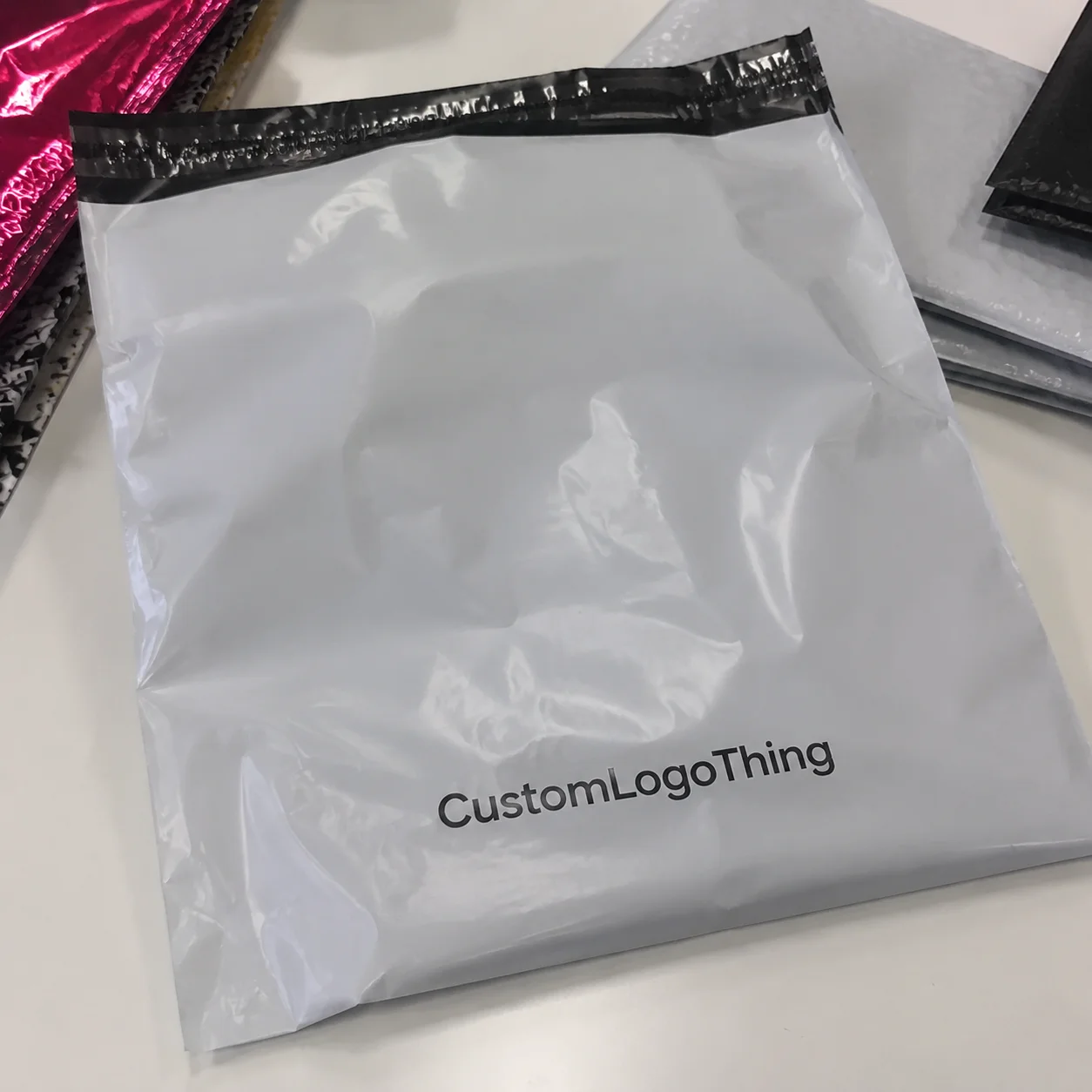
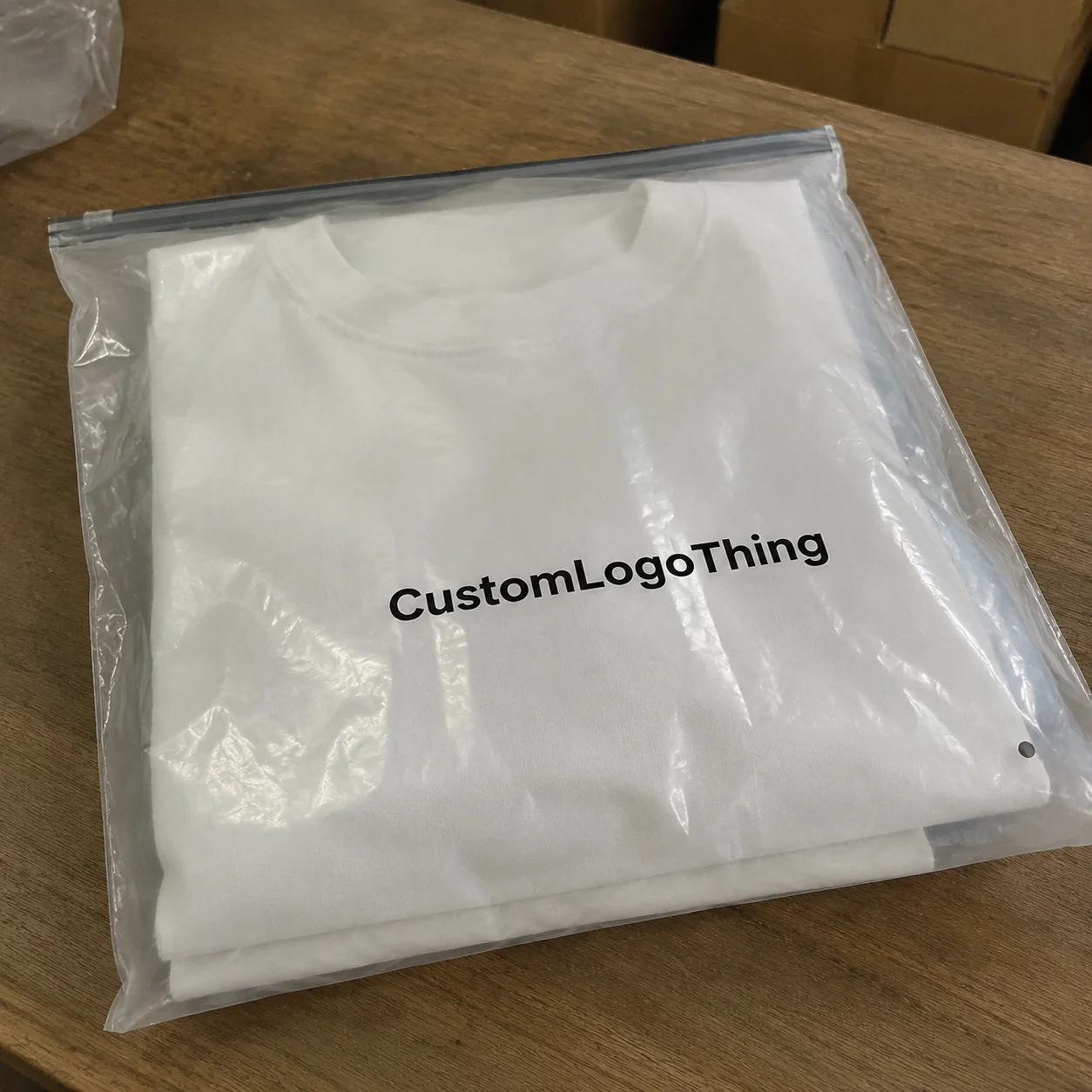
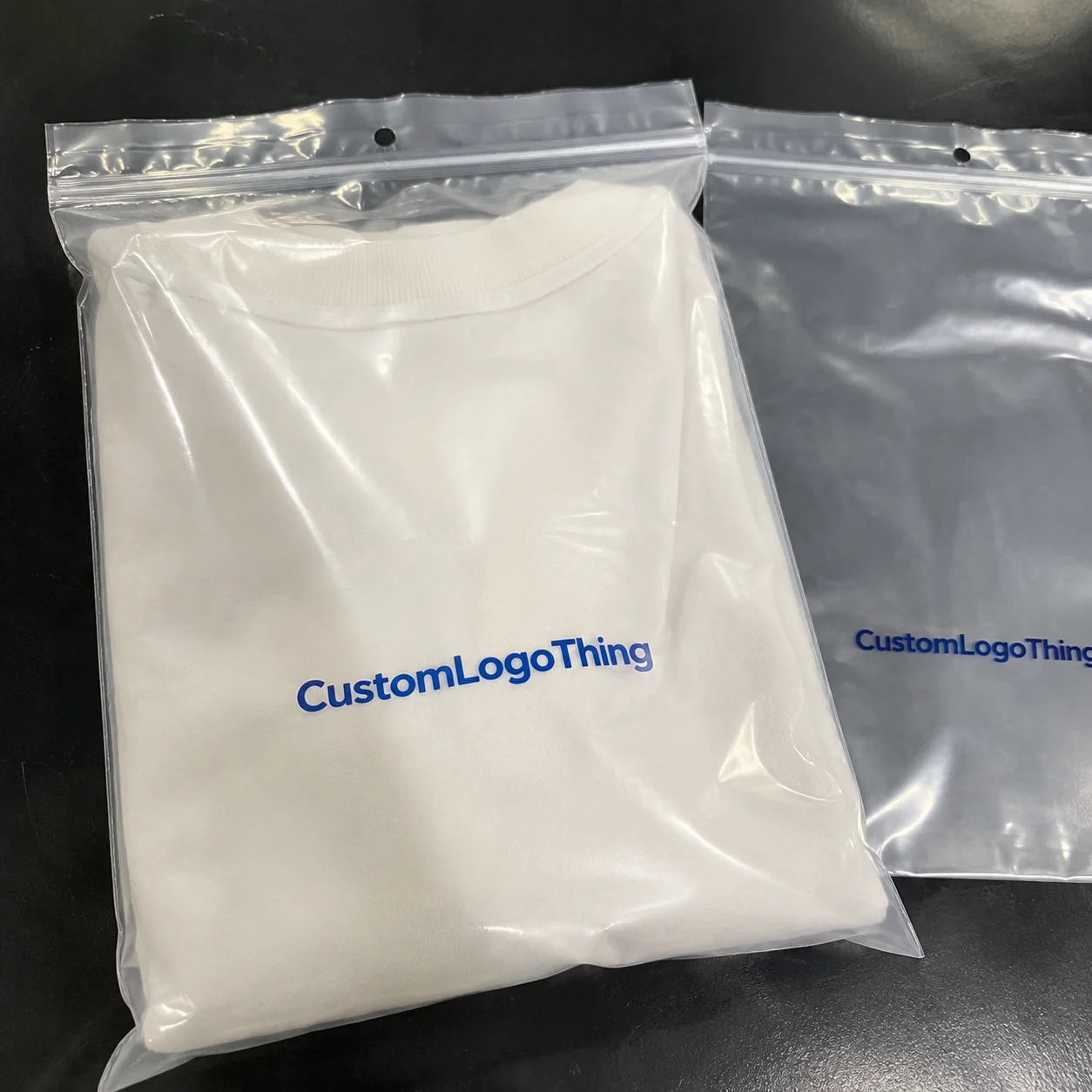
Buyer Fit Snapshot
| Best fit | Augmented Reality Packaging Design Integration projects where brand print, material claims, artwork control, MOQ, and repeat-order consistency need to be specified before quoting. |
|---|---|
| Quote inputs | Share finished size, material target, print colors, finish, packing count, annual reorder estimate, ship-to region, and any compliance wording. |
| Proofing check | Approve dieline scale, logo placement, barcode or warning zones, color tolerance, closure strength, and carton packing before bulk production. |
| Main risk | Vague material claims, crowded artwork, missing packing details, or unclear freight terms can make a low unit price expensive after revisions. |
Fast answer: Augmented Reality Packaging Design Integration: Artwork Proof, Packing Count, and Landed Cost should be specified like a repeatable production item. The safest quote records material, print method, finish, artwork proof, packing count, and reorder notes in one written spec.
Production checks before approval
Compare the actual filled-product size with the drawing, then confirm tolerance on folds, seals, hang holes, label areas, and retail display edges. Reserve space for logos, QR codes, warning copy, and material claims before decorative graphics fill the panel.
Quote comparison points
Review material grade, print process, finish, sampling route, tooling charges, carton quantity, and freight assumptions side by side. A quote is only useful when the supplier can repeat the same color, closure quality, and packing count on the next order.
“Augmented Reality Packaging Design integration” sounds technical, but the idea is actually pretty straightforward: a carton, sleeve, label, or shipper can trigger a video, a 3D product demo, a how-to walkthrough, or even a personalized message with nothing more than a phone camera. I remember standing in a client meeting in New Jersey while a buyer scanned a cosmetics box, and the room went from politely attentive to genuinely interested in about three seconds flat when a makeup artist popped up on screen with a shade guide tied to that exact SKU. The carton itself was a 350gsm C1S artboard with a matte aqueous coating, printed in four-color process plus one spot Pantone, and that physical detail mattered because the artwork stayed crisp enough for reliable recognition across a 4,800-unit pilot run.
In my experience, the brands that move first are not always the flashiest ones. They’re usually the ones with a real problem to solve: low recall, poor instruction following, weak shelf differentiation, or a need to prove authenticity in a crowded aisle. Augmented Reality Packaging Design integration gives product packaging a second layer, one that can educate, entertain, and measure interaction in a way static print never could. In a recent pilot for a supplement brand in Chicago, Illinois, the team used a browser-based experience on a 120mm x 180mm folding carton and saw support emails drop by 18% over six weeks because customers could watch the dosage guide directly from the box.
I think a lot of people still treat AR as a novelty, and that misses the larger point. A good implementation turns branded packaging into a communication channel, a support tool, and sometimes a loyalty engine. Done badly, it’s just a QR code with extra steps, which is how a lot of bad ideas sneak into meetings wearing a fancy title. Done well, augmented reality packaging design integration can help retail packaging carry more of the brand story without adding another insert, leaflet, or sales rep visit, especially when the print run is 10,000 pieces or more and every square centimeter has to justify itself.
Augmented Reality Packaging Design Integration: Why It’s Suddenly Everywhere
Walk through any packaging show floor and you’ll see the same pattern: more screens, more scans, more interactive demos. A bottle label, folding carton, or mailer can trigger content that used to live on a website, in a manual, or nowhere at all. That is the practical appeal of augmented reality packaging design integration. It gives the package a digital layer without replacing the physical one, which is exactly what most brands actually want once the excitement settles down, especially when the physical component is a 330gsm SBS carton or an 80lb gloss label stock sourced from converters in Shenzhen, Dongguan, or Los Angeles.
The simplest definition? Augmented reality packaging design integration means blending printed packaging with digital content that appears through a device, usually a smartphone. The package acts as the entry point. The customer scans it, and the brand serves up something extra: a how-to video, a product tour, an authenticity check, a recipe, or a loyalty reward. No mystery. No jargon. Just packaging plus digital content. I’ve had to explain it to executives, sales teams, and once to a very skeptical procurement manager in Jersey City who stared at me like I’d just promised him a moon landing with a label on it.
Why are brands adopting it now? Three reasons usually come up in client meetings: higher engagement, measurable interactions, and a chance to make shelf packaging work harder. Traditional packaging has one job in the aisle: attract attention and communicate value in about three seconds. Interactive packaging can do that, then continue the conversation after the sale. That is where augmented reality packaging design integration earns its keep, because the package stops being only a container and starts acting like a little media channel, whether it ships from Toronto, Ontario, or from a fulfillment center in Atlanta, Georgia.
Here’s the comparison I give clients all the time. Static packaging says, “Read me now.” Interactive packaging says, “Scan me, and I’ll show you more.” That sounds like a small difference, but it changes the customer relationship. One-way messaging becomes two-way interaction. The box is no longer only a container; it becomes a content gateway. That’s the heart of augmented reality packaging design integration, and it’s why the idea keeps showing up in briefs from beauty to food to consumer electronics, from 15ml serum cartons to 24-can beverage carriers.
“When we launched a pilot on a 12-ounce coffee bag, the scan rate was modest at first, but the average dwell time ran past 40 seconds. That told us the content was doing real work, not just collecting novelty clicks.”
I saw a similar pattern in a supplier negotiation for custom printed boxes in Milwaukee, Wisconsin. The brand wanted a premium unboxing experience, but they also needed compliance information and multilingual directions. AR solved part of that problem by moving the extra language and tutorial content off the carton and onto the screen. Augmented reality packaging design integration wasn’t decorative there. It was functional, which is the part that tends to survive budget scrutiny (thank goodness), especially when the box price had to stay around $0.15 per unit for 5,000 pieces.
That matters because brands are being asked to do more with less physical space. Shrinking label real estate, retailer content requirements, sustainability pressures, and short-form consumer attention all squeeze the package. AR gives packaging design a new layer of utility. In the right hands, augmented reality packaging design integration supports storytelling, instructions, authentication, and loyalty without crowding the print layout. And yes, that usually means fewer arguments about where to cram “one more icon” onto the front panel of a 250ml bottle or a mailer flap.
How Augmented Reality Packaging Design Integration Works
The workflow usually starts with a scan. A customer points a phone at the package artwork, a QR code, or a trigger image. The system recognizes the marker, then launches content through an app or a browser. That’s the basic mechanics of augmented reality packaging design integration, and it’s less exotic than many people expect. In fact, once the setup is done properly, the hardest part is usually making the prompt obvious enough that people actually notice it on a shelf in Phoenix, Arizona, or on a doorstep in Portland, Oregon.
There are two main technical routes I see most often. First is image recognition, where the platform reads the artwork itself, such as a logo panel or illustration. Second is marker-based AR, where a defined visual cue, usually a QR code or specific graphic, triggers the experience. A third route, which is becoming the easiest entry point for many brands, is webAR, where the content opens in a browser without a download. For smaller pilots, that can lower friction considerably, and frankly, anything that saves customers from an app install is usually a win, especially if the launch window is only 12 to 15 business days from proof approval to first live test.
Packaging teams need to plan beyond the box art. They need the print files, the interactive assets, the hosting environment, the analytics dashboard, and a clear view of device compatibility. I’ve sat in production reviews where everyone was focused on CMYK values and foil placement, then realized the AR recognition area had been covered by a metallic flood coat. That kind of miss is expensive, and it’s avoidable with early testing. Good augmented reality packaging design integration depends on print and digital working together, not separately, which is a nice theory until someone says, “Can’t we just fix it in post?” No. No, we cannot, especially once the cartons are already scheduled for die-cutting in a Guadalajara, Jalisco facility.
What the customer actually experiences
The best experiences feel simple. Scan. Load. View. Tap once, maybe twice. If the scan path is complicated, completion rates fall off a cliff. I’ve seen brands ask consumers to install an app, create an account, accept permissions, and then scan the product packaging. That is too much friction for most shelf interactions. A clean scan-to-view journey is a far better fit for augmented reality packaging design integration, particularly on fast-moving items like 6-ounce coffee bags, 16oz skincare jars, or folding cartons sold in 48-unit shipper cases.
Think about the sequence from the customer’s perspective. They spot the package, see a clear prompt, scan it, and land on something useful in under 10 seconds. Maybe it’s a 20-second recipe clip. Maybe it’s a 3D assembly guide. Maybe it’s a registration page with a warranty benefit. The shorter the gap between scan and reward, the higher the completion rate tends to be. That is one of the quiet rules of augmented reality packaging design integration, and it matters more than the flashy demo usually gets credit for, especially when the audience is scanning on mobile data rather than store Wi-Fi.
Measurement is another reason brands like this model. Unlike a carton sitting on a shelf, digital engagement can be tracked. You can count scans, dwell time, repeat interactions, device types, and geographic performance by SKU or store cluster. A food client I worked with tracked scan activity by retailer region and found one state generated 2.3 times more repeat scans than the national average. That kind of data can inform media spend, packaging revisions, and retailer conversations. Augmented reality packaging design integration gives packaging a dashboard, which sounds a little corporate, but it’s useful when the launch budget is $18,000 and every channel has to justify its own line item.
For more context on packaging standards and industry direction, I often point clients to the Packaging School and Packaging Industry resources and the practical guidance available through ISTA on pack testing at ISTA.
Key Factors That Shape Successful Augmented Reality Packaging Design Integration
Design clarity is the first filter. If the packaging artwork is too busy, the scan area can get lost. If the visual hierarchy is weak, customers won’t know where to look. In my experience, the strongest augmented reality packaging design integration projects use a clear cue: a badge, a frame, a QR zone, or a branded prompt that tells the eye exactly where to start. I’m partial to a clean cue myself because if I have to squint at a package under store lighting in Dallas, Texas, I already know the customer is going to give up.
Then there’s content relevance. This is where many projects stumble. A package should not trigger content that merely repeats what is already printed on the box. If the label says “shake well before use,” the AR layer should not say the same thing in animated form. It should add utility, entertainment, or education. For example, a nutraceutical carton can show a 30-second routine; a beauty box can show application steps; a toy package can open a 3D assembly guide. That’s where augmented reality packaging design integration becomes genuinely useful instead of just being “tech for tech’s sake,” which is a phrase I wish would disappear from meetings forever.
Platform choice matters too. Native apps can support richer interactions, but they introduce download friction and maintenance costs. WebAR lowers the barrier, especially for one-time campaigns or seasonal launches. Hybrid setups can work if a brand wants lightweight browser access with a deeper app experience for registered customers. There is no single answer. It depends on audience behavior, campaign goals, and budget. That is one of the few honest truths in augmented reality packaging design integration, and it’s a lot better than pretending every brand needs the same stack, especially when one product is sold in Canada and another only in Texas and California.
Production details that affect recognition
Print finishes can change the game. Heavy foil, embossing, soft-touch coating, dense black backgrounds, and high-gloss laminates all affect how cameras read the artwork. I once reviewed a premium spirits carton where the foil-stamped logo looked beautiful under showroom lights, but the recognition system struggled under fluorescent retail lighting. The fix was simple in theory and annoying in practice: adjust the artwork, reduce the reflective area, and retest. Augmented reality packaging design integration lives or dies on those details, and the press sheet does not care how lovely the presentation deck was, especially if the substrate is a 350gsm C1S artboard printed in Hangzhou, Zhejiang, and finished with a spot UV varnish.
That’s why early sample rounds are not optional. I recommend checking the package under several lighting conditions: daylight, warehouse LEDs, and store-level fluorescent light. Test multiple device types too, because camera quality still varies a lot between phones. A design that scans perfectly on a new flagship phone may fail on a mid-range handset that many customers actually use. If the scan rate depends on ideal conditions, the campaign will disappoint. Good augmented reality packaging design integration should survive the real world, not just the conference room, and definitely not just the design studio in Brooklyn or Vancouver.
Costs are another key factor. Brands often forget that the budget is not just one line item. There is the creative concept, the 3D or animation work, the platform fee, the hosting, analytics, testing, and sometimes a packaging reprint. I’ve seen a pilot that started with a modest media budget of about $7,500 turn into a $22,000 program once the team added custom animation, multilingual content, and a revised carton run. That is normal, not unusual. Augmented reality packaging design integration needs a total-cost view, because the first quote is rarely the whole story, especially when the digital content is hosted for 12 months and the packaging is sourced from two regions at once.
| Option | Typical Setup Cost | Best For | Trade-Off |
|---|---|---|---|
| WebAR with QR trigger | $3,500–$12,000 | Fast pilots, promotional packs, educational content | Limited depth compared with custom apps |
| Image-recognition AR | $8,000–$25,000 | Brand storytelling, shelf packaging, repeat campaigns | Requires stronger print consistency and testing |
| Custom app-based AR | $20,000–$75,000+ | Loyalty programs, authentication, advanced experiences | More friction, more maintenance, longer launch cycles |
Those ranges vary by vendor, content complexity, and region. A simple animation package is a very different brief from a 3D product configurator. Still, the table is useful because it forces the right question: what business outcome is the brand buying? That is the real measure of augmented reality packaging design integration, not whether the demo looks impressive in a boardroom in Manhattan or San Diego.
For materials and sustainability context, I also tell clients to think about the broader package system, not just the screen layer. If a launch changes inks, coatings, or secondary components, the environmental impact changes too. The EPA has practical packaging and waste guidance at EPA recycling resources, which is worth reviewing before finalizing any packaging redesign, especially if the cartons are moving through distribution centers in Ohio, Nevada, or British Columbia.
How can brands make augmented reality packaging design integration work without adding friction?
By keeping the scan path simple, using a visible trigger, and making the first reward immediate. A customer should be able to scan, load, and see something useful in seconds, not minutes. The best augmented reality packaging design integration feels like a natural extension of the package, not a separate tech project that asks shoppers to do too much before they get value.
Step-by-Step Augmented Reality Packaging Design Integration Process
Step 1: Define the business goal. Education? Promotion? Authenticity? Loyalty? Post-purchase engagement? I’ve watched brands jump straight into animation selection before they could answer that first question, and the result was a pretty demo with no measurable purpose. The strongest augmented reality packaging design integration starts with a simple target and a clear KPI, like 3,000 scans in the first 30 days or a 12% lift in repeat visits from the same package.
Step 2: Choose the trigger method. Decide whether the experience will start with a QR code, an image target, a printed marker, or a hybrid route. If the audience is broad and the brand wants low friction, webAR is often the easiest place to start. If the brand wants richer interactivity and has a loyal repeat audience, an app may make sense. The trigger choice shapes everything that follows in augmented reality packaging design integration, including print placement, packaging budget, and how quickly the experience can be launched from a facility in Richmond, Virginia or Monterrey, Nuevo León.
Step 3: Map the customer journey. Draw the path from shelf to scan to reward. Keep the first interaction short. Offer a fallback if the scan fails, such as a short URL or a QR code below the main artwork. A packaging engineer once told me that the best interactive design is the one you do not have to explain twice. I agree. The more intuitive the journey, the better the results from augmented reality packaging design integration, especially for shoppers standing under harsh warehouse lighting or rushing through a checkout lane in Los Angeles.
Step 4: Create and test the content. Build the animation, 3D model, video, or interactive layer. Then test the package dielines, artwork positioning, and print specs against the recognition system. This is where the packaging and digital teams have to talk early. If the art changes after the trigger area is locked, the experience can break. That is a common and costly mistake in augmented reality packaging design integration, particularly when the final art is already set for a 28-day overseas production slot.
Step 5: Pilot before scaling. Start with one SKU or a small family of products. Measure scan rate, average session time, repeat views, and conversion actions if relevant. Then refine the experience. Maybe the call to action needs to be bigger. Maybe the reward needs to appear faster. Maybe the animation should be shorter by 15 seconds. A pilot gives you those answers without gambling the whole product line. That is the disciplined way to use augmented reality packaging design integration, and it is a lot easier to defend in a budget review than a full rollout across 40,000 units.
One of the cleaner pilots I saw involved custom printed boxes for a subscription skincare brand in Raleigh, North Carolina. They used a 9-second intro video, a 3D product explainer, and a follow-up coupon in the same session. Nothing fancy. Yet customer service calls dropped because the unboxing process became self-explanatory. That’s the hidden benefit of augmented reality packaging design integration: fewer questions downstream, fewer support headaches, and a much calmer inbox for everybody involved.
Timeline, Budget, and Internal Approvals for Augmented Reality Packaging Design Integration
Simple webAR pilots can move quickly, but not instantly. A realistic timeline often looks like this: 1 to 2 weeks for concept and scope, 1 to 3 weeks for asset creation, 1 to 2 weeks for technical build, 1 week for testing, and another 1 to 3 weeks for print production depending on whether packaging artwork changes are needed. If approvals stall, add time. That is normal. Augmented reality packaging design integration is a cross-functional project, not a solo design task, and anyone who says otherwise has probably never tried to coordinate it across brand, legal, and packaging engineering at the same time in a single call from Boston, Massachusetts.
The approval chain can be longer than people expect. Brand wants visual consistency. Design wants the experience to look premium. Packaging engineering checks dielines and substrate behavior. Legal reviews claims, contest rules, and privacy language. IT may need to inspect hosting or data handling. Sales cares about retailer requirements and timing. In one meeting I attended, six people had six different definitions of “launch-ready.” That’s why the approval map matters early in augmented reality packaging design integration, before the team starts behaving like the calendar will magically stretch itself.
Budget buckets usually fall into six categories: strategy, 3D or animation, platform licensing, integration, testing, analytics, and packaging production changes. If the brand needs new print plates, new coatings, or a revised carton structure, that adds cost. A modest program might sit in the low five figures. A more complex rollout can move well beyond that. I’m cautious about promises here because every vendor quotes differently, and content quality varies hugely. Still, the overall economics of augmented reality packaging design integration are easier to manage when the brand scopes the whole system upfront, including the cost of 2,500 to 10,000 new cartons if the artwork must change.
Speed depends on format choice. WebAR can compress timelines because it avoids app-store review and installation friction. Existing packaging structures also help. If the same front panel, same dieline, and same SKU hierarchy can be used, the artwork changes stay manageable. Custom apps, region-specific promotions, and advanced 3D interactions extend the schedule. Seasonal campaigns are especially tricky because print deadlines are immovable. Miss the carton window by a week and the launch date can slide by a month. That’s the brutal side of augmented reality packaging design integration, especially for holiday programs packed into a 6-week production window in Vietnam or Mexico.
My rule of thumb: if a brand wants a holiday rollout, the AR concept needs to be approved long before the final print signoff. The digital content can be updated later in some cases, but the package itself cannot be rebuilt on demand. That tension is exactly why project discipline matters in augmented reality packaging design integration, especially when the final press check is scheduled two business days before cartons ship to a co-packer in Charlotte, North Carolina.
Common Mistakes Brands Make With Augmented Reality Packaging Design Integration
The first mistake is making the experience hard to access. If customers need three taps, an app install, and a login before they see anything meaningful, scan rates will suffer. I’ve seen that happen more than once. The package looked exciting on the presentation slide, but real shoppers do not have patience for friction at the shelf. Good augmented reality packaging design integration lowers effort, not raises it, especially on a 10-second shopping trip in a supermarket in Seattle.
The second mistake is using AR as a novelty. A spinning logo or floating mascot can be fun for about 30 seconds. After that, it needs to earn its place. If the experience does not solve a problem or strengthen the brand promise, it becomes a cost center. I usually ask clients one blunt question: what does the customer get here that the printed package cannot provide? If the answer is weak, the augmented reality packaging design integration concept needs more work, ideally before the team spends $4,000 on animation assets that never get used.
The third mistake is skipping print testing. Packaging finish, lighting conditions, artwork density, and substrate quality can all interfere with detection. A matte label may scan beautifully. A high-foil premium carton may not. You have to test the real thing, not just a mockup on a computer screen. That practical step saves money and embarrassment. It is one of the oldest lessons in augmented reality packaging design integration, and it’s the one people tend to ignore right before they find out the hard way.
The fourth mistake is overloading the experience. Too many taps. Too much video. Too much text. Too many offers at once. Customers will leave. The first screen should do one job clearly. If a brand wants to add layers later, fine. But the opening moment has to be immediate and rewarding. That is especially true for retail packaging, where attention is measured in seconds, not minutes. Smart augmented reality packaging design integration respects that and does not try to cram a whole marketing funnel into one scan, whether the pack is sold in 300-store regional chains or national grocery aisles.
The fifth mistake is forgetting maintenance. Content goes stale. Links break. Promotions end. Analytics need review. Someone has to own updates after the packaging is printed. I’ve seen brands launch a lovely interactive program, then let it drift for 11 months until the coupon expired and the landing page was wrong. That kind of neglect kills trust. Long-term success in augmented reality packaging design integration depends on upkeep, not just launch day, and maintenance is far cheaper than reprinting 8,000 sleeves because one URL changed.
Expert Tips to Improve Augmented Reality Packaging Design Integration
Start with one high-value use case. If the product is complicated, build a how-to experience. If the brand has a strong story, build a short narrative arc. If authenticity matters, make the first interaction a verification step. Trying to solve five problems at once usually produces a cluttered result. One sharp use case often outperforms three weak ones in augmented reality packaging design integration, and that is a lesson I’ve learned the hard way while staring at way too many overstuffed concepts from studios in London, Ontario and Brooklyn, New York.
Design for low friction. Put the scan cue where people can see it. Use plain language. Make the reward obvious. When I walked a cosmetics line with a client in New Jersey, we found that a 1-inch prompt outperformed a subtle logo treatment by a wide margin because people actually noticed it. The art director hated the bigger cue. The data loved it. That is a useful reminder for augmented reality packaging design integration: visibility beats elegance if no one can find the trigger.
Keep the first moment short. Ten to 20 seconds is often enough for the opening interaction. After that, offer deeper content for people who want it. Some users will tap further. Others will leave satisfied. Both outcomes are fine if the opening experience delivered value. This staged approach tends to work better than dumping a long video on the customer all at once. It’s a cleaner model for augmented reality packaging design integration, and it respects the fact that not everyone is standing there with infinite patience and perfect Wi-Fi on a subway platform or in a warehouse aisle.
Test across lighting, devices, and print batches. I cannot stress that enough. A scan experience that works in the studio may fail in a warehouse, at a store shelf, or under home lighting. Device variation is real. So is print variation. Even a small shift in ink density can affect recognition. The brands that treat testing like a box to tick usually regret it. The brands that test seriously tend to see stronger results from augmented reality packaging design integration, particularly when the packaging is produced in multiple runs across Singapore, Mexico, and Illinois.
Think about packaging as part of a system, not a single object. If your Custom Packaging Products line includes cartons, sleeves, inserts, or shippers, the AR layer can be tailored to each touchpoint. A shipper might hold a setup guide. A sleeve might carry authentication. A carton might tell the product story. That layered strategy makes augmented reality packaging design integration much more valuable than a one-off stunt, and it works especially well when the outer shipper is kraft board and the inner carton is a 350gsm C1S fold-down tray.
My final tip is to define success before launch. Are you aiming for 500 scans, 15% repeat views, a 20-second dwell time, or a 10% coupon redemption lift? Pick the metric before the print order goes out. Then tie that metric to a pilot SKU, a limited region, or one retailer group. That keeps the project focused and easier to approve. In my view, that is the most practical way to approach augmented reality packaging design integration, especially when the team needs a single reportable number for leadership in Toronto, Ontario, or Dallas, Texas.
For brands that care about certification and responsible sourcing, it can also help to consider material choices alongside digital interaction. FSC-certified paperboard, for example, may matter to buyers and retail partners. You can review standards and sourcing context at FSC, which is worth discussing early if the packaging redesign touches substrates or print specifications, particularly for cartons made with 300gsm or 350gsm board from mills in British Columbia, Finland, or the U.S. Midwest.
If you’re working toward a launch, the smartest next move is not to build everything at once. Audit the existing package, choose one pilot SKU, define the scan path, and set three success metrics. Then build a small test cycle and learn from it. That’s how augmented reality packaging design integration moves from a presentation idea to a repeatable packaging tool, whether the first pilot is 2,000 units in Oregon or 20,000 units distributed across the Northeast.
FAQs
What is augmented reality packaging design integration in simple terms?
It means adding digital experiences to printed packaging so customers can scan the package and see extra content on their phone. The content can include videos, 3D models, instructions, games, promotions, or authentication details. In practice, augmented reality packaging design integration turns the package into a gateway rather than a static surface, whether the trigger is a QR code on a 250ml bottle or an image target on a folding carton.
How much does augmented reality packaging design integration usually cost?
Costs vary based on whether you use webAR, a custom app, animation complexity, and whether your packaging needs artwork changes or reprints. Budget for creative setup, platform fees, testing, analytics, and ongoing content hosting or updates. For many brands, augmented reality packaging design integration starts in the low five figures for a pilot, but the final number depends on scope and content depth, with simple launches sometimes beginning around $3,500 and more complex programs rising past $25,000.
How long does the process usually take from concept to launch?
Simple webAR pilots can move faster, while custom experiences with animated assets and packaging revisions take longer. The timeline typically includes strategy, content creation, technical build, testing, print approval, and production. A realistic augmented reality packaging design integration schedule often runs from a few weeks to a few months, and for a straightforward pilot it is common to see 12 to 15 business days from proof approval to final delivery of the first packaged units.
Do customers need to download an app for augmented reality packaging?
Not always; many brands use webAR so the experience opens in a mobile browser after scanning a QR code or image trigger. App-based experiences can offer more depth, but they add friction and may reduce participation. For that reason, many teams prefer browser-based augmented reality packaging design integration for first-time or seasonal campaigns, especially on consumer packs sold through grocery, beauty, or electronics channels.
What makes augmented reality packaging design integration effective for branding?
It works best when the AR content reinforces the brand story, provides real utility, and is easy to access from the package. Strong visual design, clear instructions, and measurable goals help turn the experience into a brand asset rather than a gimmick. That is the difference between forgettable tech and useful augmented reality packaging design integration, particularly when the package is printed on 350gsm C1S artboard, tested under retail lighting, and launched with a specific KPI like 1,000 scans in the first month.