Custom Cardboard Box packaging does far more than keep a product in one piece. It sets the first real boundary between the product, the shipping environment, and the customer’s expectations, and if that boundary is wrong, the cost shows up quickly in damaged goods, wasted filler, slower packing, or a carton that looks polished but performs poorly once it leaves the warehouse.
Buyers often start with artwork or style preference, but the better starting point is the product itself: its size, weight, fragility, storage needs, and shipping route. A box built around those realities usually costs less in the long run than one chosen because it was close enough on the screen.
The best packaging decisions tend to be practical ones. Fit the product properly, use the lightest structure that still performs, and keep the print and finish aligned with the actual use case. That simple approach is what makes custom cardboard box packaging worth the effort.
Why custom cardboard box packaging matters more than most buyers expect
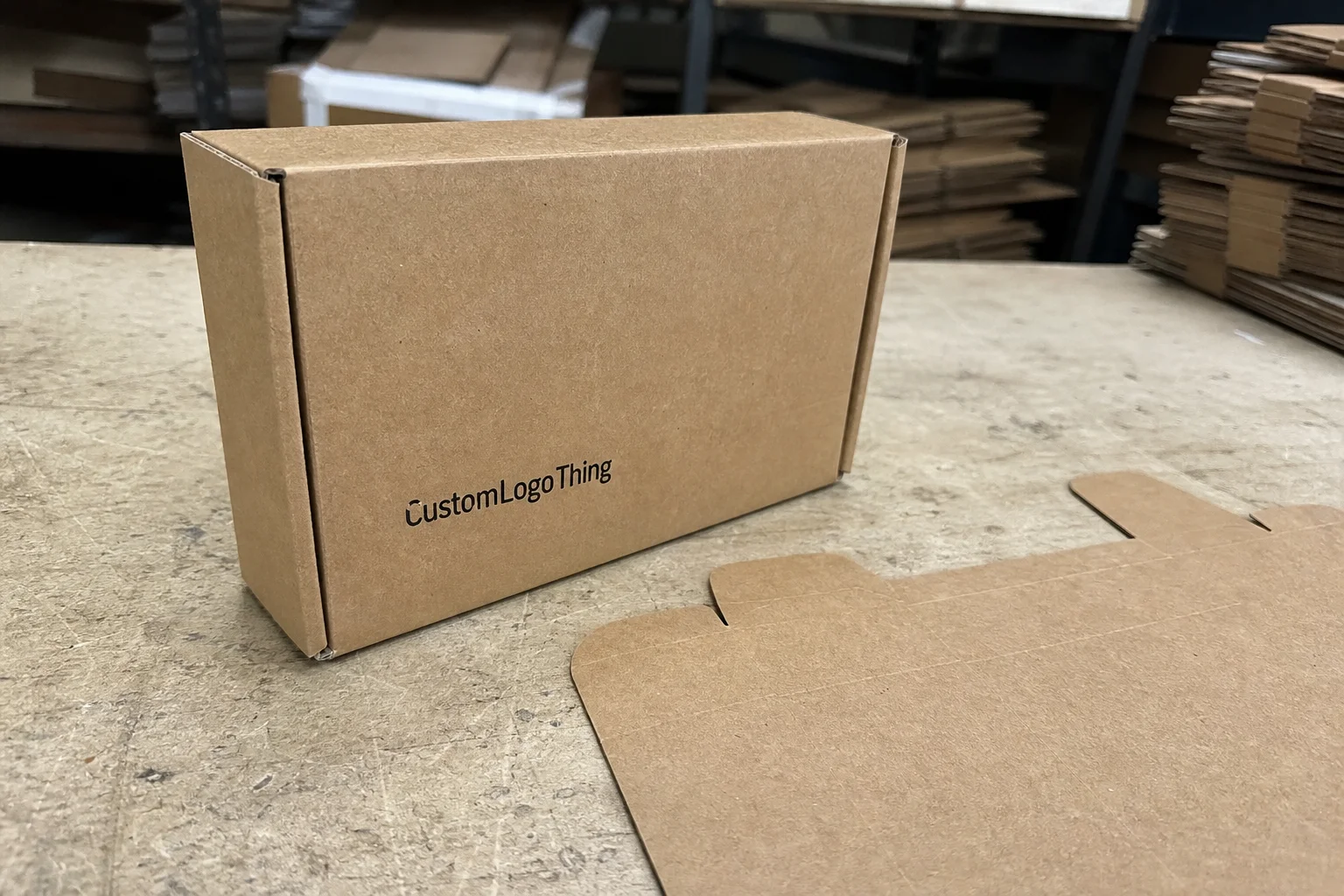
A stock carton is a general-purpose container. A purpose-built carton is sized for the product, the inserts, the closure style, and the trip it has to survive. That difference sounds modest until it affects shipping charges, damage claims, and the customer’s first hands-on impression.
Oversized cartons are one of the most common mistakes in packaging procurement. They create empty space, which usually means more void fill, more movement during transit, and a higher chance of corner damage or scuffing. They also tend to increase dimensional weight charges for parcel shipments, and that is where a box that looked inexpensive suddenly becomes expensive.
A correctly engineered carton can solve several problems at once. It can hold the product more securely, improve stack strength, and reduce the amount of filler needed at packing. For retail packaging, that often means a cleaner shelf presence. For e-commerce, it usually means faster packing and fewer returns tied to transit damage. For branded packaging, it creates a more controlled opening experience without requiring heavy finishing or unnecessary decoration.
A box is never just a box. If the size, board grade, and closure style do not match the product and the shipping route, the mismatch usually shows up later in damage, cost, or both.
That is why custom cardboard box packaging is usually less about visual flair and more about control. Control over fit. Control over protection. Control over unit cost across the full supply chain.
There is also a practical labor angle that buyers sometimes miss. A box that folds predictably, locks cleanly, and takes inserts without fighting the packer can save measurable time on the line. When a warehouse ships thousands of units, even a few seconds per pack begins to matter.
How custom cardboard boxes are built, from board grade to final print
Most buyers use the word “cardboard,” but the actual material is usually corrugated board, and the structure matters as much as the graphics. A carton may use single-wall corrugated board for light to medium products, or double-wall construction for heavier loads, stack pressure, or rougher transit. The liner weight, flute profile, and board construction all affect crush resistance, print quality, and folding behavior.
Flute selection is a practical choice rather than a cosmetic one. E-flute is finer and often gives cleaner print results and a slimmer retail look. B-flute and C-flute add more cushioning and stacking performance, which can matter more for shipping than appearance. For heavier shipments, combinations like BC flute are common because they add strength without becoming overly bulky.
Box style matters just as much. Regular slotted cartons are efficient and easy to run. Mailer-style boxes are popular for direct-to-consumer and subscription packaging because they present well and close neatly. Die-cut boxes support tighter fit and stronger brand presentation, but they usually require tooling and more setup, so they make the most sense when the format will be reused or ordered in meaningful volume.
Printing changes both the appearance and the cost. Flexographic printing is widely used for larger runs and simple graphics. Digital printing is useful for shorter runs, variable artwork, or faster proofing cycles. Offset-laminated structures are more common when the box needs a premium, retail-ready finish, although the added complexity increases Cost and Lead Time.
Functional extras should be treated as part of the design, not add-ons tacked on at the end. Inserts, partitions, custom cut-outs, tear strips, handles, and locking tabs can all improve protection or usability. For glass, cosmetics sets, electronics, candles, and multi-item kits, those elements often matter more than a second ink color.
In practice, the best packaging usually balances structure and presentation instead of separating them into different jobs. A clean logo on the right board often does more for perceived quality than heavy coverage on a carton that is too weak or too large.
For buyers comparing options, it helps to think in layers:
- Board structure: single wall, double wall, or specialty grade
- Flute profile: cushioning, print quality, and stacking behavior
- Closure style: tuck, fold, glue, or tab-lock
- Print method: flexo, digital, or offset-laminated conversion
- Functional extras: tear strip, handle, insert, or partition
For fragile or high-value products, test language from the ISTA standards can be a useful benchmark when deciding whether the structure is actually strong enough for transit, not just attractive on a shelf.
Key factors that shape cost, pricing, and unit cost
Pricing for custom cardboard box packaging is driven by a handful of variables, and once those variables are clear, most quotes become easier to compare. The biggest ones are box dimensions, board thickness, print coverage, number of colors, finishing, and quantity.
Size affects material use immediately. Even a small change can matter in higher-volume production because larger panels require more board and often more die space. Board thickness changes not only material cost but also storage and shipping footprint if the finished cartons occupy more cubic space in a warehouse or during transit.
Print coverage is another major driver. A one-color logo on natural kraft is a very different job from a full-coverage, full-color printed carton with coating and tight registration. Each added color increases setup and check time, and full-coverage artwork raises ink use and production complexity. If the design includes inside printing, that adds another layer of cost and proofing.
Quantity affects unit cost because setup expenses are spread across more boxes. A run of 10,000 units usually has a much lower per-box price than a run of 1,000. Small runs still make sense for product tests, seasonal launches, or short campaigns, but they almost always carry a higher unit cost.
Lead-time pressure can also affect pricing. Rush orders are possible in many cases, but they may narrow material choices or limit finishing options. If the box has to fit a launch date that is not negotiable, that should be built into the quote request from the start.
Here is a simple comparison to show how structure changes pricing and use case. These are general ranges only, since actual pricing depends on size, material, print coverage, and order volume.
| Box type | Typical use | Relative setup cost | Common unit cost range | Notes |
|---|---|---|---|---|
| Stock-style rectangular carton | Basic shipping and storage | Low | $0.35-$0.85 | Efficient, but not tailored to the product |
| Printed mailer box | E-commerce and retail packaging | Moderate | $0.55-$1.25 | Good balance of presentation and protection |
| Die-cut custom box | Premium branded packaging | Higher | $0.80-$2.00+ | Better fit, but more tooling and setup |
| Reinforced shipping box | Heavy or fragile products | Moderate to high | $1.10-$2.75+ | More board, more protection, better transit survival |
That table only shows piece price, which is not the whole cost picture. A slightly more expensive carton can lower total landed cost if it reduces void fill, avoids damage claims, or cuts parcel dimensional weight. Many buyers discover that the lowest quote is not the lowest-cost option once packaging labor, return rates, and shipping charges are included.
If you are comparing products across a broader packaging range, see the Custom Packaging Products catalog for options that sit alongside shipping cartons, inserts, and branded presentation boxes. For parcel-focused projects, Custom Shipping Boxes are usually the best starting point.
Industry and sustainability guidance can also help frame the decision. The EPA publishes broad waste-reduction guidance that supports right-sizing and material efficiency, even when the packaging application is very different from food packaging. The principle is still the same: use only what the product actually needs.
Custom cardboard box packaging process and lead time: from specs to production
The production workflow is usually straightforward, but only if the buyer supplies clear information. It starts with product measurements, then style selection, structural design, artwork setup, sampling, approval, production, and delivery. Skip a step or leave a dimension vague, and the timeline usually stretches.
Before requesting a quote, gather the basics: product length, width, and height; actual weight; any inserts or accessories; target shipping method; carton quantity; and branding files. If the box must fit inside a mailer bag, sit neatly on a retail shelf, or survive parcel drop testing, say so early. Those details change the structure and sometimes the board grade.
Lead time depends on several moving parts. A simple printed carton may be ready in roughly 12-15 business days after proof approval, while a die-cut structure with new tooling, sample rounds, or specialty finishing may take longer. Board availability and production workload also matter, especially when raw material supply tightens or schedules are already full.
Delays usually come from the same handful of problems: artwork revisions after proofing, size changes after samples are made, and spec sheets that do not answer the basic questions. If a logo has to clear a fold, a glue flap, or a locking tab, that should be confirmed before production starts, not after the press is already running.
A practical workflow looks like this:
- Confirm product size, weight, and shipping environment.
- Select the box style and board grade.
- Build the dieline and place artwork.
- Review a sample or structural proof.
- Approve print and production details.
- Run the order and inspect the first finished cartons.
That sequence may sound basic, but the success of product packaging often comes down to how carefully each step is handled. Clean specs save time, and time saved in prepress is usually money saved in production.
One practical caveat: a sample that looks good in hand does not always guarantee performance in the warehouse. If the product is heavy, sharp-edged, or likely to be stacked, the team should check compression behavior and closure integrity, not just print quality.
Step-by-step guide to specifying the right box for your product
Step 1: measure the product correctly. Measure the product itself, but also account for inserts, closures, sleeves, or accessories that must fit inside the carton. A box that is perfect for the item alone may become too tight once the packaging components are included.
Step 2: define the shipping environment. Parcel shipping, pallet shipping, retail display, and subscription fulfillment create different stresses. A shelf-facing retail package may prioritize print and opening experience, while a parcel carton may need stronger edge crush resistance and a tighter internal fit.
Step 3: choose board strength and flute. Heavier products, fragile goods, and long-distance transit usually need better crush resistance. A lighter consumer item may work in a single-wall structure, while a dense product or a stack-loaded carton may need stronger liners and a more protective flute profile.
Step 4: decide on print and functional features. Ask whether the box needs full branding, one-color logo printing, inside printing, tear strips, handles, locking tabs, or custom inserts. Simple design choices can improve the unboxing experience without pushing the price up too far.
In packaging design, restraint often wins. A clean logo, good proportions, and the right structure usually look better than trying to fill every panel with artwork. That is especially true for branded packaging, where the box should support the product rather than compete with it.
One more point that saves trouble later: tolerances matter. If the carton must fit snugly, confirm the acceptable variance on both the product and the finished box. Even good production runs have normal tolerances, and ignoring that reality leads to boxes that bind, flap, or leave too much movement inside.
For shipments with a tight fit, it can help to sketch the product with the insert and closure layers included, not just the product dimensions alone. That rough visual check often catches problems before they become an expensive tooling change.
Common mistakes buyers make when ordering cardboard boxes
The first mistake is designing only for the product and not for the shipping method. A box can look excellent on a mockup and still fail once it starts moving through a parcel network. Vibration, compression, stacking, and corner drops expose weak decisions quickly.
The second mistake is chasing the lowest quote without comparing actual specifications. Two quotes can look close on price and still be very different in board grade, print method, or protection level. If one supplier quoted lighter board or fewer finishing steps, that may explain the difference, but it also changes performance.
The third mistake is approving artwork before the final dieline is confirmed. Logo placement, barcode position, fold lines, and glue flaps all affect how the finished carton looks. A design that ignores those details can end up with text too close to a crease or branding that lands awkwardly across a fold.
The fourth mistake is assuming “close enough” sizing will work. Internal dimensions are what matter, and they need to match the product with enough room for the insert or retention system. A box that is two or three millimeters off can create a loose fit, a crushed edge, or a packing-line slowdown.
Another common issue is overprinting. Full coverage can look impressive in a render, but it is not always the best tradeoff when the box will be handled, stacked, or recycled repeatedly. A simpler print plan can save money and still create a strong brand impression if the structure and proportions are right.
If you are trying to avoid damage claims, ask for structural testing guidance. For high-value or delicate products, many teams use compression checks, drop testing, or transit simulation aligned with ISTA-style thinking before committing to a full production order. That kind of caution is cheaper than replacing product after the shipment has already gone out.
Expert tips and next steps before you request a quote
Keep the quoting process simple by sending a short packaging checklist. Include product size, product weight, quantity, shipping method, unboxing goals, and budget range. If you already know whether you need retail packaging or parcel-first packaging, say that clearly too, because it helps narrow the right structure from the start.
For fragile, odd-shaped, or expensive products, ask for a sample or structural proof. A physical sample often reveals issues that a PDF never shows, such as lid tension, insert fit, or whether the product rattles too much in transit. That small extra step can prevent rework later.
If you are weighing unit cost against stronger construction or better print, ask for two options. A standard version and an upgraded version make the tradeoff easier to see. Sometimes the better box adds only a few cents per unit, and that extra spend is recovered through fewer damages or a better customer experience.
Before you place the order, confirm closure style, stack requirements, and tolerances. If cartons will be palletized, stacked in a warehouse, or shipped long distance, say so. If they will move through a subscription fulfillment line, confirm that the team can pack them quickly without scuffing the printed surfaces.
One final check is the carton’s full path after packing. A box that performs well from press to packing bench may still struggle in cold storage, humid transit, or long warehouse dwell time. Moisture, compression, and repeated handling can all affect corrugated performance, so the more demanding the route, the more conservative the structure should be.
The most reliable way to approach custom cardboard box packaging is to start with the product, then work outward to the shipping method, the brand goals, and the production constraints. That order tends to produce a better box, fewer surprises, and a quote that reflects reality instead of guesswork.
What should I know before ordering custom cardboard box packaging?
Have exact product dimensions, weight, and shipping method ready before you request pricing. Decide whether the box needs to prioritize shelf presentation, parcel protection, or both. Share artwork files and any branding guidelines early so proofing moves faster.
How does cardboard box pricing change with quantity?
Higher quantities usually lower unit cost because setup and tooling are spread across more boxes. Small runs can cost more per box, especially with custom printing or die-cut structures. The best quantity depends on whether you need testing flexibility or the lowest long-term cost.
What is the usual lead time for custom box production?
Lead time depends on whether the design needs new tooling, sample approval, or multiple artwork revisions. Standard printed cartons often move faster than complex die-cut or specialty structures. Clear specs and fast approvals are the easiest way to keep production on schedule.
How do I choose the right board strength for my box?
Match board strength to product weight, stacking pressure, and shipping distance. Fragile items usually need more crush resistance and better edge protection. A packaging supplier can recommend flute and liner combinations based on performance needs.
Can custom cardboard box packaging improve unboxing without raising costs too much?
Yes, smart sizing and clean print placement can improve presentation without expensive upgrades. Simple structural choices often deliver more impact than extra decoration. Reducing void fill and right-sizing the carton can offset some of the added packaging cost.