Bakery Folding Cartons Quote for Custom Printed Boxes
If you need a bakery folding cartons quote that reflects what will actually happen on press, in packing, and on the shelf, start with specs, not with a style board. A carton can look elegant on a screen and still fail in a bakery line if the board is too soft, the closure is awkward, or the print build asks more than the structure can give. Custom Logo Things focuses on that practical middle ground, where the bakery folding cartons quote is shaped by carton structure, board grade, coating, and print method instead of a guess dressed up as precision.
Buyers usually want the same three answers first: unit cost, minimum order quantity, and whether the cartons arrive ready to run without extra handwork. That order is telling. It means the real question is not, "What does the box look like?" It is, "Will the box hold product, move through the line, and still feel worth paying for?" Size, closure style, board choice, and print complexity move the number far more than a cosmetic tweak. A credible bakery folding cartons quote matches the carton to the product, the equipment, and the pace of the operation.
Bakery Folding Cartons Quote: What Buyers Notice First
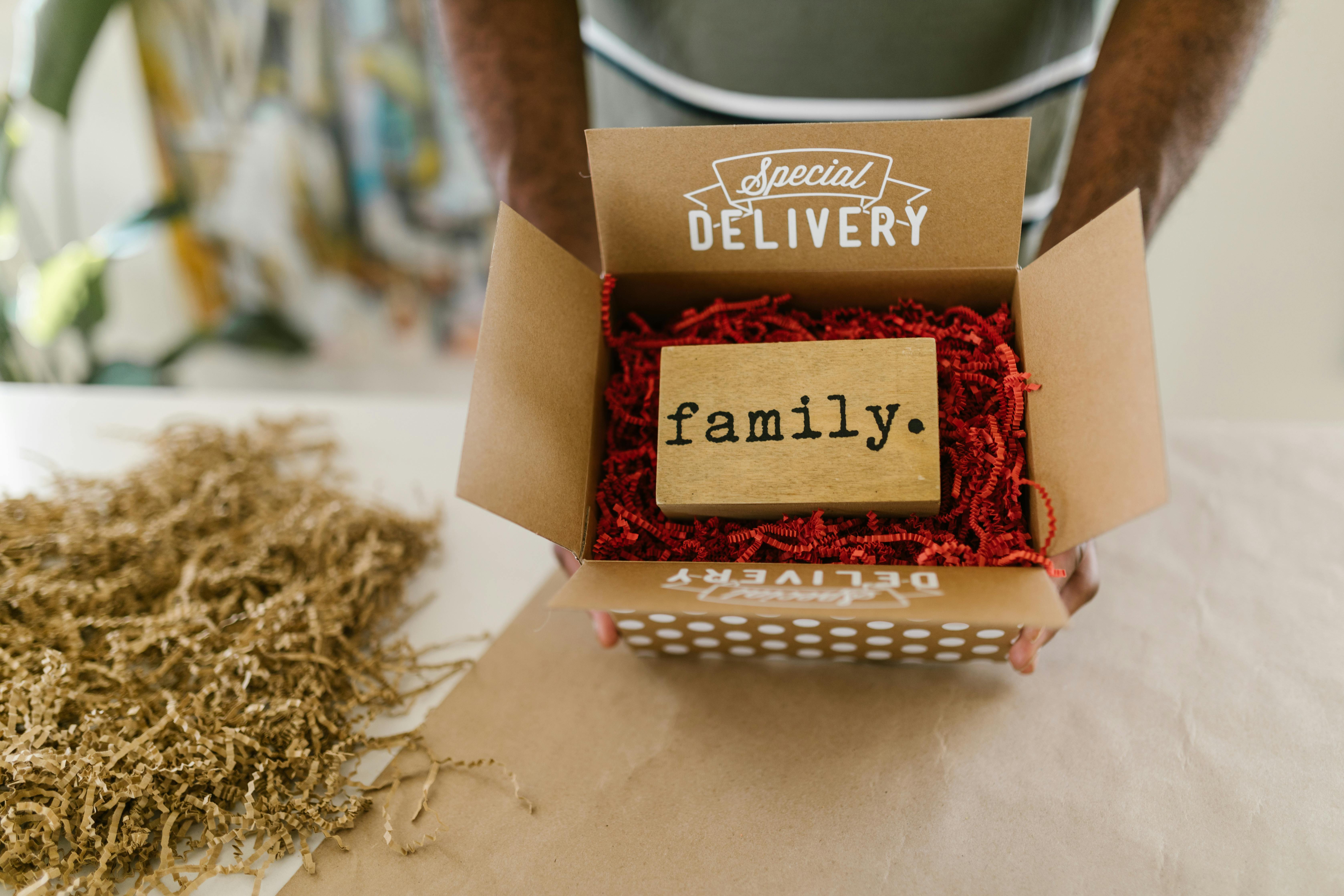
A bakery folding cartons quote usually turns on production choices long before anyone argues about artwork. Board grade is one of the first variables that changes the number, because a carton that needs more stiffness, sharper print definition, or better fold memory does not cost the same as a lighter stock. Coating matters too. Aqueous coating, varnish, and other surface treatments affect appearance, but they also affect how the carton survives packing, shipping, and the inevitable brush of a glazed pastry or a warm hand on a display counter.
Bakery packaging carries a simple burden and a messy one at the same time. The box has to keep the product clean and intact, then do enough visual work to help it sell. Cookies, pastry squares, donuts, tea cakes, and dessert slices all ask for different structural answers. Some items are dry and forgiving. Others smear, crush, or slide if the carton is built too lightly. That is why a strong bakery folding cartons quote starts with the product itself, not with a stock image of a pretty box.
Most buyers compare three things at once: unit cost, minimum order quantity, and whether the carton can run without extra converting, taping, or hand assembly. A carton that saves two seconds per pack looks trivial on paper. On a 10,000-unit run, that can turn into more than five and a half hours of labor time saved, which is no small thing in a busy bakery. I have seen a line go from calm to chaotic because a tuck flap caught on a rounded pastry edge; the quote looked fine, but the pack room paid for the mismatch. A useful bakery folding cartons quote looks past the printed price and asks what the carton does to the line.
The cheapest quote on paper is often the one that gets expensive in the packing room.
It helps to treat the quote as a packaging decision rather than a design exercise. Small cosmetic changes often move the price less than structural changes such as a different closure, a window opening, a deeper carton, or an internal lock that requires more board and a larger die. A good bakery folding cartons quote should show what changed, why it changed, and where the cost is actually coming from. If the explanation feels vague, the number probably is too.
Product Details: Folding Carton Styles for Bakery Goods
Bakery packaging is never one-size-fits-all. The right folding carton style depends on the shape of the product, how often it is handled, and how much display value the brand needs from the package. A bakery folding cartons quote becomes much more precise once the structure is fixed, because the shape drives board usage, die cost, glue requirements, and how quickly the carton can be folded and packed.
Common carton formats
Straight tuck-end cartons are common for lighter bakery items, especially when the box is opened and closed often. They are easy to explain to a packing team, and they usually keep setup costs in a sensible range. Reverse tuck-end cartons work well for many bakery products too, particularly when the line benefits from a predictable folding direction. For products that need stronger bottom support, auto-bottom cartons often make more sense because they can speed assembly and improve load-bearing performance.
Sleeve-style cartons fit well when the product already sits in an inner tray, liner, or clear insert. They can look premium without forcing the structure to do more than it needs to do. For assortments, slices, and display-ready items, cartons with window cutouts can show the product clearly while still protecting the surface from handling. A bakery folding cartons quote for a window carton will usually reflect the extra die work, the patch if one is used, and the added assembly step.
What each style fits best
- Cookies and tea cakes: often fit well in tuck-end cartons or sleeves when the product is dry and consistent in height.
- Donut assortments: often need stronger cartons, inner supports, or a window to balance visibility and protection.
- Dessert slices and pastry pieces: benefit from carton depth, grease control, and a structure that resists side pressure.
- Dry mixes or bakery gift sets: may use retail-ready cartons with sharper graphics and a stronger shelf presence.
Board choice matters just as much as shape. SBS board is common where print quality and a clean white surface matter. Kraft-look board supports a more natural or artisan appearance, though print behavior and color management need attention. Clay-coated surfaces often sharpen imagery, while aqueous coating adds handling resistance and a degree of scuff protection. A solid bakery folding cartons quote should name the exact board, not just say "paperboard."
Day-to-day use matters more than many buyers expect. Dust flaps, locking tabs, and tab strength affect how the box behaves when staff are moving quickly during a peak shift. A narrow opening may look elegant, but if it slows packout or catches on product edges, the carton becomes a labor problem. For that reason, the most reliable bakery folding cartons quote usually comes from a spec set that reflects how the carton opens, closes, and stacks on the actual line.
If you are comparing structural options, it helps to see the tradeoffs side by side.
| Carton Style | Best For | Typical Specs | Illustrative 5,000-Unit Quote Range | Notes |
|---|---|---|---|---|
| Straight tuck-end | Cookies, tea cakes, lighter bakery items | 14-18 pt SBS, 4-color print, aqueous coating | $0.16-$0.28 per unit | Simple structure, efficient to pack, good shelf face |
| Reverse tuck-end | Dry bakery items, retail cartons, gift packs | 16-20 pt board, standard print, no special finish | $0.15-$0.26 per unit | Often similar cost to straight tuck, depending on die setup |
| Auto-bottom | Heavier pastries, stacked items, faster hand packing | 18-24 pt board, reinforced bottom, optional coating | $0.22-$0.38 per unit | Higher structure cost, but stronger performance on line |
| Window carton | Assortments, premium bakery presentation | Board plus window die, clear patch if needed | $0.24-$0.42 per unit | Extra tooling and assembly can move the quote quickly |
| Sleeve carton | Inner tray packs, premium gift sets, display-focused items | Printed sleeve on lighter or heavier stock | $0.12-$0.24 per unit | Can be economical if the inner pack already carries structure |
Those figures are examples, not promises. Paper markets move, waste rates shift, and freight can swing the total more than buyers expect. A bakery folding cartons quote can also move up or down based on board availability, print coverage, finishing, and whether the job needs a custom dieline or a standard format adapted to your product. The useful part of the table is not the exact number; it is the relationship between structure and cost. A half point of board thickness, a different folding sequence, or a window patch can matter more than a buyer expects.
Bakery Folding Cartons Quote: Specifications That Change Cost
Once the carton style is chosen, the next step in a bakery folding cartons quote is the specification breakdown. This is where small decisions start to have real financial impact. Finished dimensions come first, because board usage, die size, and shipping efficiency all grow or shrink around the physical box. Product weight matters too. A light cookie pack does not need the same stiffness as a multi-piece pastry assortment that will be handled, stacked, and carried around by customers.
One common mistake is asking for a bakery folding cartons quote before deciding whether the box must hold a tray, liner, or insert. That detail changes the internal space and often the carton footprint. If the package needs a paperboard insert to keep the product from shifting, the quote has to reflect that from the start. Otherwise the buyer sees one number, approves it, and then learns that the carton needs another component to function correctly. I have watched that exact mistake eat up a week of production time.
Print coverage is another major cost lever. A single-color logo on one panel is simpler than a full-bleed, full-color illustration that wraps every face and includes inside printing. Specialty finishes push the quote further. Spot UV, foil, embossing, and soft-touch effects all add process steps, and every added step brings setup time, spoilage risk, and labor. For a bakery product, a restrained but well-executed print system often does more for shelf appeal than a pile of finishes that do not change the buyer's decision.
Functional upgrades matter as well. If the product is oily, glazed, or likely to sit in a display case, the surface treatment has to be chosen with handling in mind. Aqueous coating can help with scuff resistance. Grease-resistant board or treatment can reduce visible staining. Food-safe inks and compliant materials should be part of the conversation early, not added after the artwork is nearly done. A bakery folding cartons quote becomes more trustworthy once these functional requirements are written down.
Dieline complexity is another factor buyers underestimate. A simple rectangular box runs faster than a carton with unusual geometry, locking panels, or a custom opening that slows the fold. Every extra turn in the structure affects tooling and folding speed. In practice, that means the best bakery folding cartons quote is the one that balances branding against manufacturability. Pretty helps. Print that runs cleanly is better, and the packing room will tell you that quickly.
If the cartons will ship through distribution instead of going straight from warehouse to display, transit performance matters too. For that reason, it can be smart to ask whether the package should be evaluated against a transport profile based on ISTA testing methods. And if your paper sourcing needs to support a certified chain of custody, specify FSC requirements early so the quote reflects the right board options. Those requirements are not window dressing; they can affect board selection, lead time, and cost.
Pricing, MOQ, and Unit Cost Drivers
Pricing in folding cartons becomes easier to read once the buyer sees the setup behind it. A bakery folding cartons quote is built from material, press time, tooling, finishing, and logistics. Unit cost usually falls as quantity rises because setup costs get spread across more cartons. That is why a 2,500-piece run often looks materially different from a 10,000-piece run, even when the carton design stays the same. On paper, the difference may look small; in production, it can be the difference between a tolerable run and a frustrating one.
Minimum order quantity is not arbitrary. It is shaped by material availability, machine setup time, finishing steps, and whether the job needs a custom die or proof round. A simple reorder using an existing structure can often support a lower MOQ than a fully custom printed project with specialty finish or complex folding. If a buyer wants a truly usable bakery folding cartons quote, the MOQ has to be realistic for the manufacturing route being used. A low MOQ that quietly assumes a different process is not a bargain. It is a delay in disguise.
There are several cost levers buyers can control without giving up function:
- Optimize size: avoid extra board area that does not protect or present the product.
- Simplify print: reduce heavy coverage where a cleaner layout still looks strong.
- Limit finishes: use only the coatings or effects that improve durability or shelf impact.
- Choose efficient board: a stock that folds well and prints cleanly often saves more than a thinner sheet that creates handling issues.
Comparing quotes line by line is the only fair way to buy. A low number means very little if it is based on lighter stock, a smaller trim size, a different print method, or freight terms that do not match the other proposal. Buyers save pennies on paper and lose dollars in the packing room more often than they expect because the carton was harder to fold or too flimsy for the product. A serious bakery folding cartons quote should spell out the same dimensions, the same board grade, the same print scope, and the same delivery terms so you can compare real equivalents.
Here is a practical way to think about pricing tiers for a bakery folding cartons quote:
- Basic retail carton: one or two colors, standard board, simple tuck closure, lowest setup burden.
- Mid-range branded carton: full-color print, aqueous coating, more refined shelf presentation, moderate tooling.
- Premium carton: window opening, heavier board, specialty finish, or custom structure that asks more of the converting line.
The right target is not always the cheapest carton. It is the carton that keeps product quality intact and still leaves room in the margin. That is the kind of bakery folding cartons quote buyers can approve with confidence, because it balances the math with how the box will actually behave.
Process and Timeline: From Dieline to Shipment
A reliable bakery folding cartons quote should come with a clear path from first request to shipment. The process usually begins with a specs review. The quoting team checks dimensions, quantity, carton style, board preference, print coverage, and any structural notes that might affect tooling or line performance. If a product sample or current carton is available, that makes the quote stronger because the team can see what the package must actually do.
After the initial review, the quote is prepared and the dieline is confirmed. Delays often begin right here if the folding direction is unclear, the closure style is not locked, or the dimensions are based on guesswork. A good bakery folding cartons quote process gives the buyer time to confirm structure before artwork moves too far forward. That order matters. It is a lot easier to revise a dieline than to rework a print file after the panels have already been approved.
Once the dieline is accepted, the artwork check begins. This stage should verify image bleed, panel placement, barcode space, type size, and any compliance text. A bakery box often looks simple from the outside, but the print file still needs to respect cut lines, glue zones, and folding panels. Miss one of those details and the first proof can be unusable. That is one reason a bakery folding cartons quote should not be rushed out of sequence.
Timeline usually falls into a few practical buckets. Straightforward reorders with an existing structure can move faster because the die is already in place and the layout is known. New structures, special coatings, or highly detailed print jobs need more time for setup, proofing, and approval. Most delays come from missing measurements, late artwork changes, or approvals that arrive after the production window has already been allocated. A buyer who wants a tighter bakery folding cartons quote timeline should send product photos, sample packs, and target counts early.
To keep the schedule under control, it helps to do three things before the quote is finalized:
- Confirm the exact product dimensions and pack count.
- Assign one decision-maker who can approve the proof quickly.
- Share any special handling needs, such as grease resistance, stacking, or display orientation.
That kind of preparation does not just speed things up; it also improves the quality of the bakery folding cartons quote itself.
Why Choose Us for Bakery Cartons
Custom Logo Things focuses on practical packaging decisions that hold up on a real production floor. That means the bakery folding cartons quote you receive is shaped by board selection, folding behavior, print clarity, and actual converting constraints, not by vague promises. Buyers do not need packaging poetry. They need cartons that look sharp, stack cleanly, and run without drama.
There is real value in quote support that reflects manufacturing reality. If the structure is too complex for the budget, it should be called out early. If a finish will add cost without improving the box in a meaningful way, that should be said plainly. A good bakery folding cartons quote process saves time because it narrows the options to the ones that make sense for your product and your line. Nobody wins by pretending a complicated carton is going to behave like a simple one.
Food packaging also demands careful communication. The buyer may care about shelf appeal, but the production team cares about dimensions, coating, compliance, and the sequence of assembly. When those details are handled clearly, the carton is easier to approve and easier to run. That is why responsiveness matters so much on bakery work. A delayed answer on a panel measurement can hold up the entire project, and the schedule does not care how good the artwork looks.
We also support both shorter and larger runs, which matters for seasonal products, trial launches, and replenishment orders that do not fit a one-size plan. If you are not sure whether the carton should be simplified or upgraded, it is better to ask the packaging team to compare the options than to guess. For a fast starting point, you can request a bakery folding cartons quote and include your target quantity, product dimensions, and preferred carton style.
And if you already have a current box in hand, even better. Send the carton spec, product photos, or a short note about how the box is used, and the team can work from that. A clear conversation at the beginning often saves a much longer one later. That is especially true for a bakery folding cartons quote, where small changes in board or closure can make a measurable difference in price and pack performance.
Bakery Folding Cartons Quote: Next Steps to Order
Getting started is straightforward when the information is complete. The fastest way to tighten a bakery folding cartons quote is to share the exact product dimensions, expected quantity, board preference, and whether the carton will hold one item, a multipack, or a retail assortment. If you already know the product weight or the stack height, include that too. Those details help the team choose a structure that fits the job instead of forcing the job into a structure that only half fits.
Reference photos are useful, and so are rough artwork files or a current package sample. A simple photo can reveal whether the carton needs more depth, a different closure, a window, or a stronger bottom. The more clearly the product behavior is described, the more accurate the bakery folding cartons quote will be. If the box has to sit in a display case, ship in case packs, or survive repeated handling, say that upfront.
Target budget and lead time should also be stated early. That is not a request for a guess; it is a practical tool for narrowing the most useful option. A buyer who says "I need the most economical approved option with a clean shelf look" will usually get a better answer than a buyer who asks for every available finish and then tries to sort it out later. A focused bakery folding cartons quote is often the result of focused input.
If you want the cleanest purchasing decision, ask for a comparison that shows size, stock, print method, finish, MOQ, and timing side by side. That way the differences are visible before approval, not after. You can also send your carton specs and ask for a practical recommendation if you are still deciding between a few structures. The goal is not to overcomplicate the box. The goal is to land on the right carton at the right cost.
For bakery buyers, that is usually the point where the project gets easier. Once the board, style, and print scope are aligned, the bakery folding cartons quote becomes a decision tool instead of a guess. The clearest next step is to submit the finished size, a product photo, the pack count, and the carton style you are leaning toward; those four details usually produce the most accurate bakery folding cartons quote and keep the package design tied to the realities of the line.
What details do you need for an accurate bakery folding cartons quote?
Provide finished dimensions, product weight, carton style, print coverage, coating needs, and target quantity so the bakery folding cartons quote reflects the real build. If possible, include a product sample or photo and any packing or display requirements that affect the structure. That extra context often changes the recommendation in a useful way.
How does board thickness affect a bakery folding cartons quote?
Thicker board can improve stiffness and shelf feel, but it usually raises material cost and may change folding behavior on the line. The best board is the one that supports the product without overbuilding the carton, which is why a bakery folding cartons quote should always name the board grade rather than describing it loosely.
Can I request a bakery folding cartons quote before my dieline is final?
Yes, an early quote is often possible with rough dimensions and product photos. A final price becomes more reliable once the dieline, closure style, and print area are confirmed. In many bakery projects, that early bakery folding cartons quote helps the buyer narrow the structure before artwork is fully developed.
What is a typical MOQ for bakery folding cartons?
MOQ depends on board type, print method, finishing steps, and setup time rather than a single universal number. Simple reorders may support lower quantities than fully custom printed runs with specialty finishes, so a bakery folding cartons quote should be checked against the actual production route being proposed.
How long does production take after I approve the bakery folding cartons quote?
Timeline depends on artwork approval, tooling, finishing, and current press capacity. Simple jobs move faster; new structures and complex print specifications usually need more lead time. If you want the schedule to stay tight, send complete specs before the bakery folding cartons quote is issued and respond to proof questions quickly.

