This wine club Logo Patch Beanies unit cost review starts with a simple truth: the patch is often what makes a knit cap feel intentional, branded, and worth keeping, even before anyone notices the yarn or the stitch count. For wine clubs, that matters because a beanie has to do more than sit in a box; it has to look good in a tasting room, ship cleanly, and still feel like a smart value once freight and packaging are added up.
From a packaging buyer’s point of view, the real question is not whether a beanie is warm enough. It is whether the body knit, patch style, MOQ, and packing format line up with the budget you have and the experience you want the member to have. A modest cap with a well-made logo patch can outperform a fancier blank style if the details are controlled well.
Why wine club beanies sell through when the patch feels premium
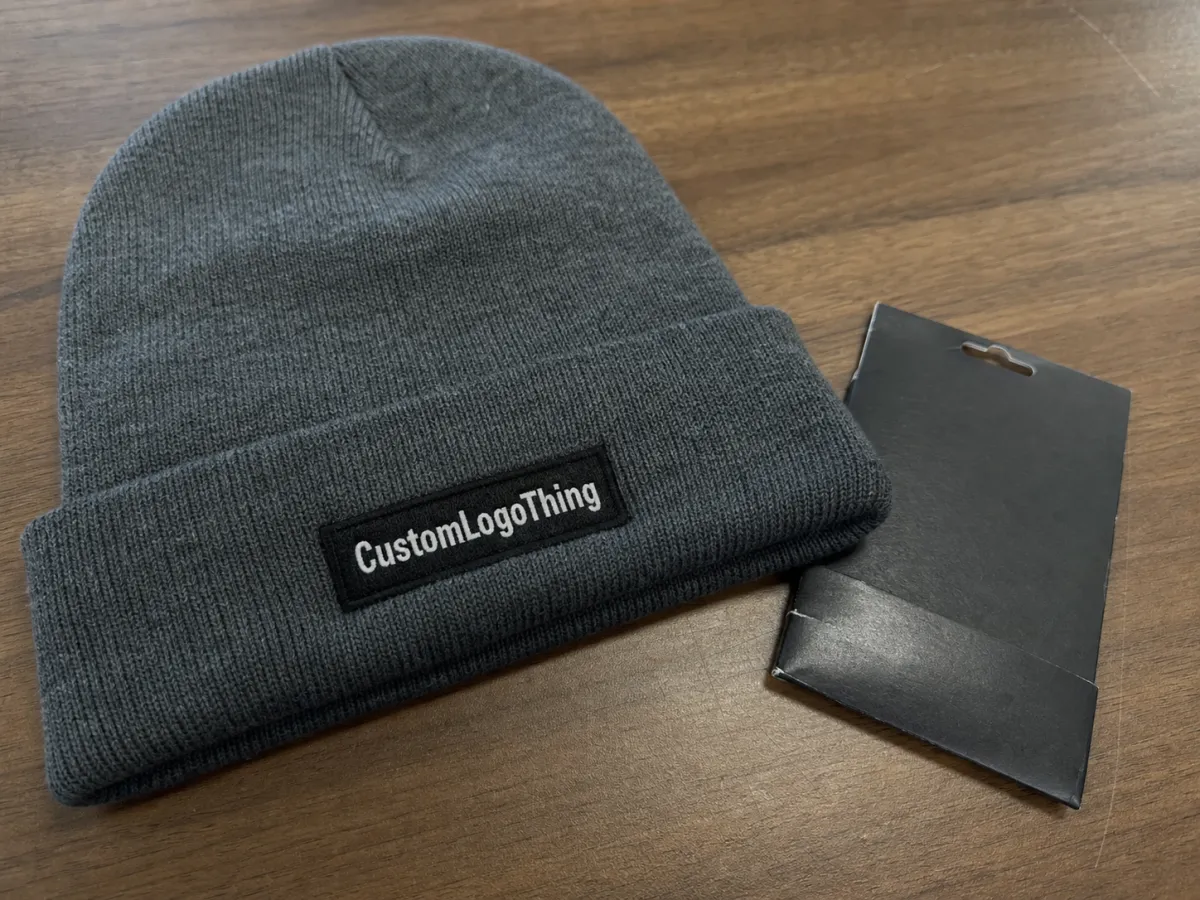
Winter promo items live or die on first impression. A clean logo patch gives a beanie a retail signal that a plain embroidered cap often cannot match, especially when the base body is a standard acrylic knit in a dark, easy-to-match color. The buyer sees a finished product, not just a blank textile waiting for decoration.
That is why wine clubs use beanies for member welcome kits, holiday mailers, tasting-room merchandise, and loyalty gifts. They are easy to size, easy to pack, and useful after the event is over, which keeps them in circulation longer than a one-time giveaway. In practical terms, that means more impressions for the same spend.
For a tighter budget, the safest path is usually a simple body color, one decoration location, and a patch size that stays legible without taking over the crown. If the logo is busy, a woven patch or a clean embroidery patch usually looks more deliberate than trying to force extra detail into the knit itself.
A good patch does not need to shout. It needs to sit flat, hold edges, and look like it belonged on the beanie from the start.
That is the value angle behind a wine club logo patch Beanies Unit Cost Review: the item may be simple, but the quality signals are doing real work. If the patch is centered, the cuff is consistent, and the carton arrives in good shape, the order feels more expensive than it really was.
Body knits, patch materials, and finish options that change hand feel
The body knit sets the baseline for warmth, softness, and price. Standard acrylic remains popular because it is easy to source, holds color well, and keeps the cost per piece under control for most club programs. Acrylic-wool blends add a more natural hand feel and often a little more warmth, but they also raise the unit cost and can introduce tighter supply limits on certain shades.
Rib knit construction matters too. A 1x1 rib usually stretches more and feels familiar in everyday wear, while a heavier double-layer knit gives the hat more structure and a more premium drape. If the club is targeting tasting-room staff, outdoor events, or a winter shipping drop, the added density can be worth the extra spend.
Patch construction changes the look even more than many buyers expect. Woven patches handle small text and fine borders well because the surface stays flatter and cleaner. Embroidered patches add depth and texture, which can suit a more traditional or outdoorsy brand. Molded PVC or silicone patches create a very different finish, often with a sportier feel, but they usually increase tooling fees and are not always the best fit for a wine brand that wants understated elegance.
- Acrylic body: Lowest entry price, stable color, broad availability.
- Acrylic-wool blend: Softer hand feel, warmer, usually higher bulk pricing.
- Woven patch: Best for detail and crisp edges.
- Embroidered patch: More texture, slightly more dimensional.
- PVC or silicone patch: Distinct look, higher setup charges in many programs.
Durability also shows up in the cuff and along the patch edge. Those are the areas that see the most flex and friction when a beanie is worn repeatedly at events or packed into a shipping box with other merchandise. If the patch backing is too stiff, the cuff can feel heavy. If it is too soft, the logo can curl or wrinkle after wear.
For buyers who want a clean spec sheet, lock these details early: yarn type, gauge, cuff depth, patch material, patch backing, and placement. That saves time later and avoids the common back-and-forth that can slow a quote before production has even started.
Decoration specs, sizing, and color control for a clean retail look
Patch size is one of the easiest places to make a mistake. Too small, and the logo disappears into the rib texture. Too large, and the beanie crown starts to look crowded or the cuff feels weighted down. For most adult one-size knit beanies, a patch in the range of about 2.25 to 3.5 inches wide is common, but the right number depends on the logo shape and where it will sit on the cuff.
Color control is simpler when the body stays in a standard stock shade like black, charcoal, navy, oatmeal, or forest. Specialty-dyed yarns can look great, but they often bring longer lead times and a higher minimum quantity. Patch backings can create the same issue, especially if the goal is a precise brand match instead of a close visual approximation.
A buyer also has to think about how the beanie will sit in a gift box or polybag. A taller cuff creates more branding space, but it can change the visual proportion of the hat. A shorter cuff feels lighter, yet it may leave too little real estate for a patch and a clean presentation.
Artwork cleanliness matters more than many first-time buyers expect. Simple vector logos, strong outlines, and limited thread colors reproduce more consistently than art with tiny gradients or thin text. If the club’s logo is complex, it is usually better to simplify the patch than to try to force every line through production.
For packing and shipping details, it helps to think like a logistics team, not just a merch buyer. If the order includes retail boxes, tissue, or insert cards, ask whether the materials are sourced to current sustainability standards. If the cartons need to survive parcel movement, it is worth asking whether the shipper follows handling practices aligned with ISTA. And if the club uses branded paper inserts, paper tubes, or hang tags, the FSC mark may matter to your members as much as the hat itself.
Wine Club Logo Patch Beanies Unit Cost Review: what actually drives price
Unit cost is a combined result, not a single number pulled from the air. The headline quote changes with order quantity, body knit, patch construction, packaging format, and freight. If a supplier leaves out setup charges or tooling fees at the start, the quote can look attractive and still end up higher once the order is fully landed.
MOQ is usually the first price lever buyers feel. Smaller runs cost more per piece because patch setup, knit sourcing, and inspection time are spread across fewer units. Once the quantity rises, the cost per piece usually falls in a more predictable way, especially if the body style is standard and the logo patch does not require unusual mold work.
Here is a practical view of how the build affects price. These figures are illustrative and meant to help buyers compare quotes, not replace a formal supplier estimate.
| Option | Typical build | Approx. unit cost at 250 | Approx. unit cost at 500 | Approx. unit cost at 1,000 |
|---|---|---|---|---|
| Standard acrylic with woven patch | Stock body color, centered patch, polybag | $4.10-$6.20 | $3.20-$4.90 | $2.70-$4.20 |
| Acrylic-wool blend with embroidered patch | Heavier hand feel, more texture, retail-ready look | $5.40-$8.10 | $4.30-$6.40 | $3.60-$5.60 |
| Premium knit with molded patch | Special backing, custom tooling, stronger visual impact | $6.80-$10.50 | $5.50-$8.40 | $4.60-$7.20 |
Those ranges shift quickly if the order needs custom dyeing, individual retail hangtags, or special folding and carton labeling. Shipping can also change the landed number more than people expect, especially if the club is sending kits to multiple locations instead of one central warehouse.
Use this checklist to compare quotes cleanly:
- Body yarn and knit weight.
- Patch type, size, and backing.
- MOQ and whether price tiers are clearly stated.
- Setup charges and any tooling fees.
- Packing method, carton count, and whether freight is included.
- Lead time from proof approval, not from first inquiry.
If a quote is vague on any of those points, the real cost can drift after approval. That is why experienced buyers ask for a landed estimate early, not just a factory price. For a wine club, one extra dollar per piece may be fine if the beanie arrives boxed properly and the patch looks retail-ready; the same extra dollar is painful if it appears as surprise freight or rework.
One more practical point: if the artwork is complicated, a cleaner patch often saves money. A simplified woven patch can reduce revisions, keep proofing shorter, and avoid the higher setup charges that come with more decorative constructions.
Production steps, proofing, and turnaround from art approval to shipment
A clean production run follows a predictable path. First comes art review, then a mockup or digital proof, then material confirmation, patch production, knit assembly, inspection, packing, and shipment. That sequence sounds basic, but every step has a way of adding time if the details are not settled early.
Turnaround depends heavily on two things: whether the artwork is already vector-ready and whether the beanie style is stock or custom. A standard body with a woven patch can move faster than a fully custom colorway with a molded logo because the latter introduces more coordination, more inspection, and sometimes more tooling lead time.
Proofing is where most delays start. A buyer may ask for logo edits after the first mockup, or revise patch size once the artwork is on the cuff, or hesitate on Pantone matching until the order has already been scheduled. Each revision adds time, and in peak season that time can become the difference between making a holiday shipment and missing it.
From a planning perspective, a realistic schedule is often the safest one to share internally. For stock body styles and a simple patch, buyers frequently see a few weeks from final proof to shipping, but larger orders or custom finishes can stretch that window. The exact lead time depends on factory load, decoration method, and how quickly approvals move.
Good approval habits save money:
- Send vector art first.
- Confirm body color before proofing starts.
- Lock patch size and placement before sampling.
- Ask for packaging details in the same quote.
- Approve quickly once the proof matches the spec.
That discipline matters for seasonal wine programs because shipping dates are usually tied to member mailers, club release calendars, or tasting-room events. A late approval can force split shipments, and split shipments often raise freight costs more than buyers expect.
Why recurring wine club orders stay efficient when specs are standardized
Repeat orders work best when the spec stays steady. If the same cuff shape, patch method, body color, and packing format are kept on file, reordering becomes faster and cleaner because the supplier does not need to re-interpret the build every time. That lowers friction for the buyer and usually protects the unit cost from creeping upward.
For clubs that ship seasonal gifts every year, standardization has real operating value. It means the beanie looks intentional from one drop to the next, and it keeps the product line recognizable without forcing the merch team to start over each cycle. A strong repeat order is not glamorous, but it is efficient.
It also helps when the packaging partner understands decorated textile goods. Beanies are softer than hard goods, but they still need disciplined packing so the patch stays flat and the cuff does not arrive crushed. Clear spec sheets, sample approvals, and honest notes about substitutions matter more than polished sales language.
Honestly, buyers get the best result when they treat the order like a controlled production item, not a one-off gift. Ask for the same patch file to be stored, the same yarn code to be referenced, and the same carton instruction to be repeated on the next run. That is how a club protects both brand consistency and bulk pricing.
The supplier you want is the one that keeps the details steady: knit quality, patch placement, carton counts, and communication around material substitutions. If a color goes out of stock, you want a quick, specific answer, not a vague promise that everything will work out later.
Next steps: send specs, confirm quantity, and request a quote
To get a quote that is actually useful, send the target quantity, preferred body color, patch style, logo file, delivery window, and the end use. A retail program, a member gift, and an event giveaway may all use beanies, but the spec priorities are not the same.
Before you request pricing, decide what cannot change. For some buyers it is the logo patch quality. For others it is the shipment date or the total spend. If those priorities are clear, the quote comes back in a form you can approve instead of a placeholder that needs to be rebuilt later.
A simple decision path usually works best:
- Choose the knit style first.
- Lock the patch method second.
- Compare landed cost and freight next.
- Confirm lead time before approval.
That order keeps the conversation grounded in the real build rather than in broad guesses about “premium” or “budget.” It also helps the supplier quote the right MOQ and avoid unnecessary setup charges from late changes.
For a wine club, the right beanie is the one that feels good in hand, holds its shape, and arrives on time without surprise add-ons. If you want a sharper estimate, gather the logo file, target quantity, and packing details first, then use this wine club Logo Patch Beanies unit cost review to turn those basics into a clean production brief.
FAQ
What affects wine club logo patch beanie unit cost the most?
The biggest drivers are order quantity, patch construction, beanie yarn weight, and whether packing or freight is included in the quote. Smaller runs usually cost more per piece because setup and decoration are spread across fewer beanies.
What MOQ should a wine club expect for custom patch beanies?
MOQ depends on the body style and patch method, but most programs price better once the order moves beyond a very small test run. If you need a low quantity, expect a higher unit price and fewer decoration choices.
Are woven patches or embroidered patches better for wine club merch?
Woven patches are usually better for small text and fine logo details because the surface stays cleaner. Embroidered patches give more texture and a more tactile feel, which can suit a premium retail look.
How long does production take after the art proof is approved?
Turnaround depends on stock availability, decoration method, and whether the art is final at the first proof. Fast approvals usually shorten lead time because the job can move into production without revision delays.
Can I split colors or sizes in one custom beanie order?
One-size beanies are the simplest to split by color, but multiple body colors may affect pricing and minimums. If you need several versions, ask for separate line-item pricing so you can compare the cost impact clearly.


