Beauty Kit Compostable Mailers Lead Time: Order Smarter sounds like a logistics question, yet it usually behaves like a timing puzzle with a few moving parts that like to hide until the last minute. For beauty kit Compostable Mailers Lead Time, the bag itself is often not the slowest item on the schedule; artwork approval, compostable-film availability, and press setup usually consume more calendar days than the run itself. That catches a lot of beauty teams off guard the first time they move away from standard poly mailers.
A compostable mailer for a beauty kit is, in plain language, a printed shipping bag made from a compostable film or laminate structure, often used for subscription boxes, influencer sends, retail shipments, and promo kits that need eco-friendly packaging signals without turning the brand presentation into a compromise. The order can look simple on paper: choose a size, add a logo, confirm a closure strip, send it to production. In reality, beauty kit compostable mailers lead time depends on a narrower supplier base, a smaller pool of certified substrates, and more compliance review than many buyers expect.
That matters because beauty launches are tied to influencer calendars, retail resets, paid media, and seasonal windows. Miss the ship date, and the cost is not just a late carton on a dock. It is lost momentum, rescheduled content, slower sell-through, and margin pressure that can last longer than the promotion itself. If your packaging strategy leans on green packaging or a lower carbon footprint, lead time is not a side issue. It belongs in the launch plan from the beginning.
I have seen a “simple” mailer order add an extra week because the team treated the compostable claim like decoration instead of regulated copy. The artwork looked clean, the dimensions were fine, and the buyer was sure the run would fly through. Then the proof came back for one small line of wording, and the whole schedule shifted. That kind of delay is annoying, but it is also normal enough that good planning should make room for it.
Beauty Kit Compostable Mailers Lead Time: Why It Shrinks Fast
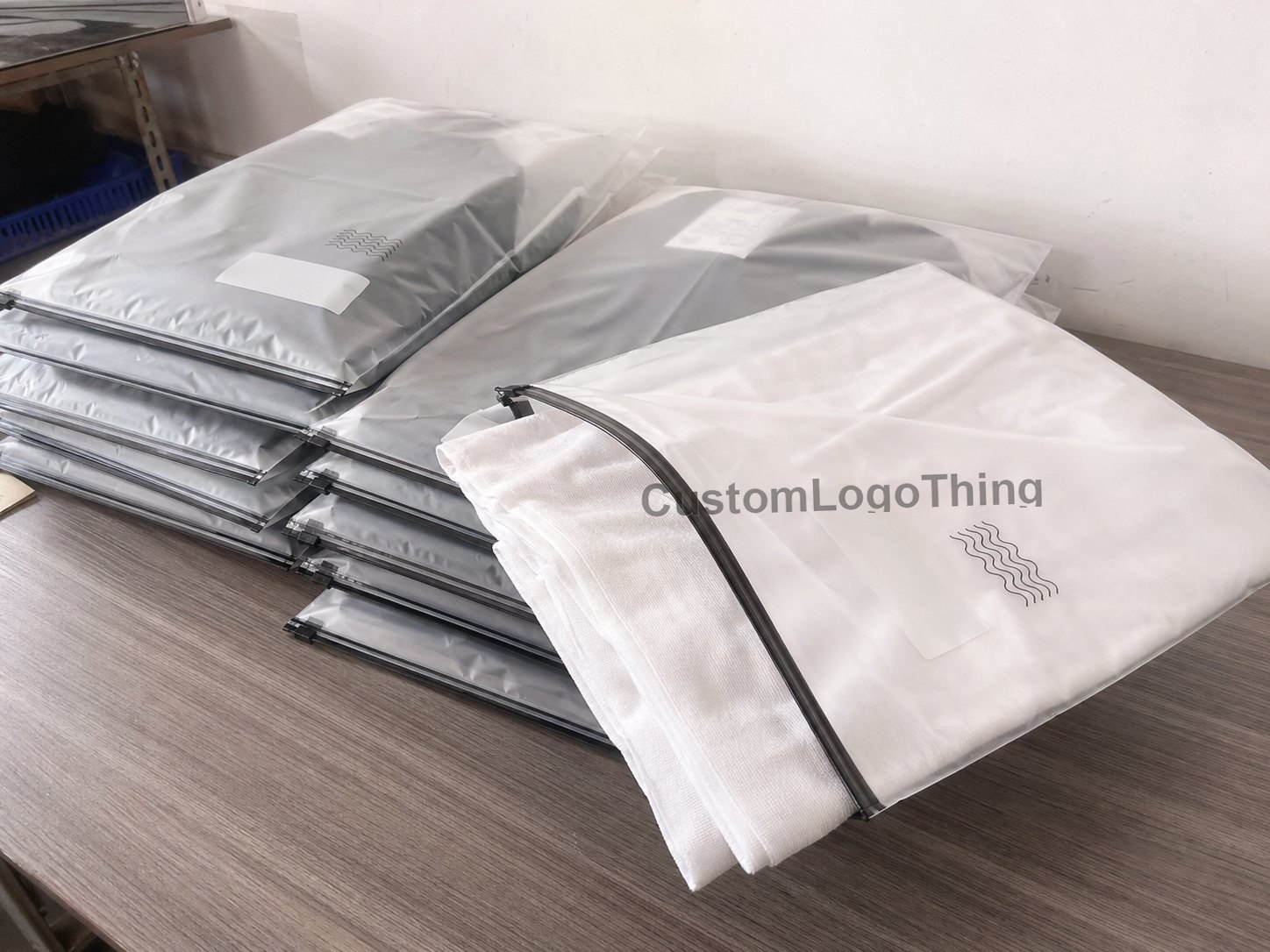
Beauty kit compostable mailers lead time compresses quickly because the visible product is only one part of the schedule. Buyers usually focus on the bag dimensions and the logo. Suppliers, meanwhile, are checking film availability, confirming print compatibility, validating seal performance, and making sure the material matches the claim on the artwork. If the mailer uses a certified compostable structure, another layer of review enters the picture, and the clock starts moving before production even begins.
The mismatch I see most often is straightforward: the sample looks basic, so the order gets treated as basic. A standard PE mailer can often move through a familiar workflow with very little friction. A compostable version is narrower in both sourcing and process. The film may be specialty made, adhesives may need to match the substrate, and inks may need to fit the supplier's approved method. For beauty kit compostable mailers lead time, each of those choices can save days or cost them.
Beauty teams also underestimate how much the marketing calendar controls the packaging schedule. A launch tied to an influencer drop may have a fixed reveal date, a fixed ship date, and a fixed retail placement window. The packaging buyer usually cannot move those dates much, which is why beauty kit compostable mailers lead time has a direct effect on revenue, not just operations. A shipment that misses the launch wave can sit in storage while demand peaks and then cools.
Shorter timing matters even on smaller quantities. A 1,000-piece test order might save only a modest amount if it arrives on time, yet it can protect thousands in campaign spend. In packaging terms, speed is not only convenience. It is risk control. For brands positioning themselves around zero waste or lower-impact shipping, the timing also shapes how credible the sustainability story feels to customers.
The biggest lead-time mistake is treating the mailer like a commodity when the approval chain is actually the schedule.
There is another subtle issue. Buyers often ask for a “compostable poly mailer,” but the supplier may need to clarify whether the material is industrial compostable, home compostable, or simply compostable in a lab sense that does not match the actual end-of-life path. That conversation matters for claims, artwork, and documentation. It also matters for beauty kit compostable mailers lead time, because claim review and proof changes can add another round of approvals.
If you want a broader definition of sustainable packaging language, the Sustainable Packaging Coalition at packaging.org is a useful reference point. For transit performance, shipping tests, and parcel handling expectations, ISTA provides methods that many packaging teams use as a benchmark. Neither one shortens the calendar by itself, but both help keep the schedule from slipping on preventable misunderstandings.
How Beauty Kit Compostable Mailers Work in Production
A compostable mailer is not just a printed bag with a sustainability label on it. It is a construction system. The base film, seal layer, print surface, adhesive closure, and sometimes a tear notch or reinforcement area all need to work together. If one layer is too brittle, the bag cracks. If the seal layer is not tuned correctly, the mailer opens under pressure. If the print surface does not accept ink cleanly, the brand panel looks patchy or dull. That is why beauty kit compostable mailers lead time is tied to technical compatibility, not just artwork volume.
Standard stock orders usually move faster because the size, film, and press setup are already defined. Custom orders add handoffs. You may need a new die or width spec, a different print repeat, and a proof cycle that checks not only color but also how the logo sits on a less forgiving film. In a lot of beauty packaging projects, beauty kit compostable mailers lead time grows because the team wants both a precise fit and a polished retail look. Those goals are reasonable. They simply need more calendar space.
There is also a practical difference between what the buyer thinks they are purchasing and what the factory is actually building. The buyer sees a mailer. The supplier sees a specification set: dimensions, thickness, seam width, closure style, print colors, ink coverage, certification language, shipping method, and carton count. Each line item can change material planning or press setup. When a brand says the bag is “simple,” the real question is whether the spec is already simple enough for production.
From a production standpoint, the workflow usually moves through quote, art proof, sample, approval, press scheduling, production, quality control, and freight booking. The first three stages are where speed is won or lost. If the artwork arrives clean, the dimensions are confirmed, and the material has already been vetted, beauty kit compostable mailers lead time can stay relatively tight. If any of those pieces are unclear, the schedule expands fast. That is especially true for packaging tied to a launch date instead of a replenishment order.
For brands trying to pair eco-friendly packaging with practical fulfillment, the key question is not “Can it be made?” It is “Can it be made repeatedly, without rework, and without creating a storage problem?” That is where the connection to the circular economy becomes more than a slogan. A mailer should support the brand story and the warehouse flow. If it only looks good on a mockup, the lead time pressure usually shows up later in the process.
There is a useful way to think about it: the more customized the mailer, the more the order behaves like a small manufacturing project. The more standardized the size and print, the more it behaves like a repeatable procurement item. That difference affects beauty kit compostable mailers lead time more than most buyers expect. It also affects how much back-and-forth you will need before the first ship date.
Put simply, a Custom Compostable Mailer is not just a SKU. It is a chain of material checks, proof decisions, and freight decisions that all have to line up. If one link is weak, the whole timeline bends.
Beauty Kit Compostable Mailers Lead Time: Process, Timeline, and Bottlenecks
If you want to plan accurately, break beauty kit compostable mailers lead time into stages instead of asking for one flat number. A supplier may quote 10 business days for production, but that figure rarely includes everything. In practice, the total schedule often looks more like a chain of smaller steps, each with its own wait time.
- Inquiry and spec confirmation: 1-3 business days, depending on how complete the size, quantity, and print brief are.
- Material check: 1-4 business days, longer if the compostable film needs to be reserved or imported.
- Artwork prep and proofing: 2-6 business days, especially if the logo file or claim language needs cleanup.
- Sample approval: 3-10 business days, depending on whether you need a physical sample or digital proof only.
- Production: 5-15 business days for many custom runs, though this depends heavily on size, color count, and line load.
- Quality control and freight booking: 1-5 business days before the order moves out.
That is the technical side. The practical side is messier. The most common bottlenecks are missing dieline information, slow proof feedback, vague shipping addresses, and late changes to the wording on the front panel. If your artwork says “compostable,” the supplier may ask whether the claim should be paired with a specific certification or disposal instruction. That round of clarification is normal, but it is still time. For beauty kit compostable mailers lead time, the claim review can be just as important as the print count.
Another frequent delay is the sample stage. A team may like the look of the proof, but the fit around the beauty kit contents is slightly off. Maybe the closure strip feels too tight after the box is packed. Maybe the mailer leaves too much void space, which looks less premium and can affect carrier handling. A sample that fails packing tests can send the job back into revision. That is not a problem with the supplier. It is a sign that the sample did its job.
Production timing can swing widely because materials behave differently under load. A simple reprint on an approved compostable film may be fairly quick. A new construction, new size, or new certification requirement can add weeks. This is why I always ask whether the quoted beauty kit compostable mailers lead time is for business days or calendar days, whether the clock starts at proof approval or purchase order receipt, and whether freight time is included. Those three questions remove a lot of confusion later.
Another issue people forget: production may finish on time, but freight can still move the finish line. Domestic shipping may add a few days. Ocean freight adds much more, and port congestion can turn a tidy schedule into a frustrating one. If you need inventory in a fulfillment center before a launch, build your plan around the in-hand date, not the factory finish date. That is the difference between a smooth rollout and a stockout risk.
For buyers who care about verification, standards matter. ASTM test language, FSC paper sourcing for inserts or secondary packaging, and transit testing methods such as ISTA can all support a cleaner procurement conversation. They do not replace supplier QA, but they help you ask better questions. Better questions shorten beauty kit compostable mailers lead time because they reduce the chance of late-stage changes.
One simple rule helps more than people realize: never approve a production schedule until the sample is approved and the freight plan is visible. It sounds basic. It is also where many rush orders unravel.
If a supplier cannot tell you whether the clock starts at proof approval, sample approval, or deposit receipt, pause and get that in writing. That one clarification can save a launch from a nasty surprise.
Cost, Pricing, MOQ, and Quote Factors for Compostable Mailers
Pricing for compostable mailers has less to do with the logo itself than with the structure around it. Film type, thickness, dimensions, seal style, print colors, and order quantity all affect unit cost. A single-color logo on a stock size will usually price lower than a full-coverage branded bag with a custom size and special claims panel. For beauty kit compostable mailers lead time, the cost structure often tracks the same choices that affect the schedule. Simpler spec, shorter schedule. More custom spec, longer schedule.
MOQ, or minimum order quantity, is where buyers face the classic tradeoff. A lower MOQ can make a launch test less risky, but it typically raises per-unit pricing because the press run is less efficient and the setup cost is spread over fewer pieces. A larger MOQ may improve unit economics, yet it can also require more material reservation and more space in storage. That matters for beauty brands with short product cycles or limited warehouse capacity. The right balance depends on reorder confidence, not just budget.
Hidden costs deserve attention too. Certification documentation may require extra admin time. Samples may be charged separately. Rush production can carry a premium. Freight can shift a quote by a meaningful margin, especially if the order crosses borders. Split shipments often create extra handling fees. In a lot of cases, beauty kit compostable mailers lead time and pricing are linked to the same hidden line items, which is why a clean quote matters so much.
Ask for the numbers in writing. Not a summary. The actual breakdown.
| Option | Typical MOQ | Typical Unit Price | Lead Time | Best Fit |
|---|---|---|---|---|
| Stock compostable mailer, unprinted | 500-1,000 pcs | $0.16-$0.24 | 5-10 business days | Fast launch tests and temporary programs |
| Custom print on standard size | 1,000-5,000 pcs | $0.22-$0.40 | 12-18 business days | Brand launches with moderate customization |
| Custom size, custom print, claim review | 5,000+ pcs | $0.28-$0.55 | 15-25 business days | Longer runs with stricter brand and compliance needs |
Those numbers are directional, not universal. A thicker film, more print coverage, or special closure design can push pricing higher. Freight can also tilt the total landed cost more than the bag itself, especially on smaller orders. That is why a quote should always include unit price, tooling or plate fees, sample charges, freight estimate, production lead time, and the pricing validity window. If the quote only gives you one number, you do not have enough information to compare suppliers fairly.
For buyers sorting through broader packaging options, it helps to compare the compostable mailer against the rest of your shipping mix. You may still need a mix of formats, including Custom Packaging Products for kits and inserts, plus Custom Poly Mailers for lower-cost or non-sustainability-sensitive lanes. That comparison is not a betrayal of the sustainability goal. It is how mature packaging programs control cost while improving the carbon footprint where it matters most.
One last pricing point: do not assume certification language is free. If the artwork needs a claim review, if a spec sheet has to be updated, or if proof rounds increase, the schedule and cost can both creep. The best quotes make those dependencies visible before the order starts. That is how you avoid the unpleasant version of beauty kit compostable mailers lead time, where the unit price looks great and the launch date quietly slides.
Price and lead time usually move together. If one quote looks dramatically cheaper, read the fine print twice before you assume it is the better deal.
Step-by-Step Guide to Ordering Beauty Kit Compostable Mailers
Ordering becomes much easier when the request is structured before the first supplier email goes out. Start with a one-page spec sheet. Include bag dimensions, product weight, closure type, quantity, print colors, target in-hand date, and any sustainability language you want on the front or back. That single page can save days because it prevents the back-and-forth that usually stretches beauty kit compostable mailers lead time.
Step 1: define the use case. A beauty kit for a retail return program does not behave like a subscription send. A boxy gift set does not pack the same way as a soft goods bundle. Measure the finished kit, not just the item inside. If the product shifts in transit, add space or padding before you choose the bag. This is a small step that avoids a costly redo later.
Step 2: gather artwork and claims. Have the logo files ready, plus the exact sustainability language your legal or brand team wants. If the mailer is compostable only under industrial conditions, say so clearly and check whether the claim needs a qualification line. That is where many beauty brands lose time. The art file may look complete, but a missing line about certification or disposal can send the proof back for revision. For beauty kit compostable mailers lead time, that revision can matter more than color matching.
Step 3: approve a proof or sample with a checklist. Check size, seal strength, color, text placement, barcode placement if relevant, and whether the closure feels secure after packing. Do not approve on appearance alone. The mailer has to survive real handling. If you are not testing it in your own fulfillment process, you are only testing the mockup. That is not enough for a production signoff.
Step 4: lock the ship plan early. Confirm whether the supplier is quoting production only or production plus freight. Confirm the warehouse receiving window. Confirm who will sign off on a revised proof. If your internal team reviews packaging sequentially, the calendar expands. If legal, brand, and operations can review at the same time, the schedule tightens. The difference can be several days, which is a lot when beauty kit compostable mailers lead time is tied to a campaign launch.
Step 5: plan the reorder while ordering the first run. This sounds obvious, yet it is often missed. If the product is expected to repeat, tell the supplier now. A supplier who knows a second run is likely can help reserve material or press time. That is one of the cleanest ways to keep lead time predictable without paying a rush premium every time.
To keep the process orderly, I like a short checklist like this:
- Confirmed bag dimensions and quantity
- Known print count and artwork files
- Approved sustainability wording
- Sample or proof approval deadline
- Warehouse receiving date and freight method
- Backup plan if one revision is needed
There is no glamour in that list, but it works. A clean order brief reduces errors, and fewer errors usually means shorter beauty kit compostable mailers lead time. In packaging, boring is efficient. Efficient is profitable.
One practical habit I recommend: keep a copy of the exact approved proof and the exact approved quote in the same folder. If a question pops up two weeks later, nobody has to hunt through email threads trying to remember which version was actually signed off.
Common Mistakes That Extend Lead Time
The most expensive delays are usually preventable. The first mistake is assuming compostable mailers behave exactly like standard poly mailers. They do not. The material supply is narrower, the claims review is stricter, and the print setup can be less forgiving. That assumption alone can stretch beauty kit compostable mailers lead time by days or even weeks, depending on how late the issue appears.
The second mistake is submitting artwork with vague sustainability claims. If the design says “compostable” without a qualifier, the supplier may ask for documentation or wording changes before proofing can continue. If certification details are missing, the file can circle back multiple times. That is not a supplier problem. It is a data problem. A cleaner art brief means fewer approval loops and a faster schedule.
The third mistake is choosing a size before checking the actual packed beauty kit. A mailer that looks perfect on a spec sheet may be too small once cartons, inserts, or samples are added. Then the team has to resize after sampling, which is one of the quickest ways to damage beauty kit compostable mailers lead time. The easiest fix is to mock up the packed unit before the order is finalized.
The fourth mistake is approving a sample without testing it in the fulfillment environment. Will the seal hold at line speed? Does the bag slide too easily on the packing table? Does carrier handling create scuffing or edge stress? Beauty packaging is not only about shelf appeal. It has to survive the warehouse, the truck, and the hands that touch it along the way. If a sample passes only visual inspection, the risk remains.
The fifth mistake is forgetting about the freight calendar. A production date is not an in-hand date. Peak season, factory congestion, weather, and ocean or domestic freight all affect arrival. If the launch is tied to a promotion, an influencer post, or retailer demand, the gap between factory completion and warehouse receipt can erase the benefit of a “fast” production run. That is why beauty kit compostable mailers lead time should always be mapped end to end.
One more issue deserves a direct mention: not every “compostable” structure is suitable for every geography. If your end customer has no realistic composting access, the sustainability claim may be technically accurate but commercially weak. That creates awkward questions for marketing and customer service. Better to align the material choice with the disposal path than to chase a label that confuses more than it clarifies.
In other words, the schedule slips where the assumptions are loose. Tighten the assumptions, and beauty kit compostable mailers lead time usually improves without any magic from the supplier.
That is the uncomfortable truth: most lead-time overruns come from decisions made before production starts, not from the factory floor itself.
Expert Tips to Reduce Beauty Kit Compostable Mailers Lead Time
Speed comes from repeatability. A supplier can move faster when every order starts from the same specification template. That template should include dimensions, print layout, material type, thickness, closure style, and target freight timing. It sounds simple because it is simple. Yet a consistent spec sheet can shave real time off beauty kit compostable mailers lead time by preventing a fresh round of questions each time you reorder.
Use pre-approved substrate options. If your brand knows it will accept two film constructions, decide that before the art is finalized. Switching films late often causes the biggest schedule slip because the print behavior and seal performance can change. A pre-approved option set gives the supplier flexibility without forcing a redesign.
Keep artwork lean if the clock is tight. Fewer colors, fewer special effects, and fewer coverage-heavy areas usually mean fewer proof cycles and simpler press setup. A clean logo treatment can still look premium if the typography, spacing, and color choice are disciplined. Many beauty brands discover that restrained print looks more expensive than crowded print. Speed and good design are not enemies here.
Build one internal approval path. If legal, brand, and operations review in sequence, the timeline stretches. If they review in parallel, the timeline tightens. This is one of the highest-return process fixes available to packaging buyers. For beauty kit compostable mailers lead time, the internal workflow can matter as much as the factory workflow.
Reserve the next run early. If reorder volume is likely, ask the supplier whether material can be reserved or whether production slots can be tentatively held. Even a light reservation conversation can help. It reduces the restart effect, which is the hidden tax that appears when every order is treated as a one-off.
Test against the real packout. Put the beauty kit inside the sample, seal it, label it if needed, and run it through your normal fulfillment motions. If a packer needs two extra seconds to close the mailer, that may not sound like much. Over a few thousand units, it is substantial. Small inefficiencies are where schedule pressure and labor cost often meet.
Choose the Right sustainability story. Compostable is not automatically better in every scenario. If a line ships in a region with weak composting access, a recycled-content mailer or a lower-material-use format may deliver a cleaner practical result. That tradeoff is part of the circular economy conversation, and honest packaging buyers should be willing to make it. The goal is not to win a vocabulary contest. The goal is to ship responsibly with fewer surprises.
If you want to keep the process disciplined, compare each supplier on the same four items: speed, unit cost, proofing clarity, and claim support. That comparison turns beauty kit compostable mailers lead time from a vague estimate into a managed procurement choice.
One last tip from the production side: ask for a dated proof path, not just a production estimate. A supplier who can map the proof, sample, and freight windows is usually the one who can help keep the rest of the plan honest.
Next Steps for a Faster, Safer Launch
The fastest path forward is also the least dramatic. Build a one-page brief, confirm the material options, request a sample or proof, and ask for the schedule in business days with freight clearly separated. That four-step approach will not eliminate every delay, but it will expose the weak points before they become expensive. For beauty kit compostable mailers lead time, visibility is the real advantage.
Before you place the order, compare two or three quote structures side by side. Look at unit price, MOQ, setup fees, freight, sample charges, and the validity window for the quote. The lowest number is not always the best number. If one supplier is cheaper but slower, the better choice depends on launch risk. If another is faster but requires a much higher MOQ, the better choice depends on how certain the reorder is. That is the practical side of packaging buying, and it matters more than the headline price.
Keep compliance and operations in the same conversation. A beautiful mailer that fails the receiving window is not a success. A clean production run that arrives after the campaign has already started is also not a success. The best outcome is a packaging program that protects the brand story, fits the fulfillment line, and keeps beauty kit compostable mailers lead time predictable enough to plan around.
Honestly, the smartest brands treat compostable mailers as part of launch infrastructure, not as a last-minute sustainability add-on. That mindset changes the questions they ask, the proofs they approve, and the suppliers they trust. It also usually shortens beauty kit compostable mailers lead time because every decision is made earlier, with less scrambling and fewer exceptions.
If your next launch depends on a tight calendar, start with the spec sheet, reserve time for proofing, and plan the freight before the press run begins. Do that well, and beauty kit compostable mailers lead time becomes a controllable part of the launch rather than a surprise hiding in the final week.
The takeaway is simple: freeze the packed dimensions, approve the claim language, and lock the freight plan before you greenlight production. That sequence keeps the schedule grounded in real dates, not hopeful guesses, and it gives the launch a much better shot at arriving on time.
Common Questions
What affects beauty kit compostable mailers lead time the most?
Artwork approvals, material availability, and sample sign-off usually matter more than the bag size itself. Custom print colors, special messaging, and certification checks can add extra steps before production starts. Freight method also changes the calendar, especially if the order ships internationally. In most projects, those items influence beauty kit compostable mailers lead time more than the print logo alone.
Can I shorten beauty kit compostable mailers lead time with a stock size?
Yes, stock sizes usually move faster because tooling and setup are already standardized. You still need to confirm material availability, print queue timing, and whether your artwork fits the existing layout. Using simpler artwork and fewer revisions is the fastest way to protect the shorter schedule. Even then, beauty kit compostable mailers lead time still depends on how quickly the proof is approved.
How does MOQ affect compostable mailers pricing and timeline?
Lower MOQ can reduce risk for a launch test, but it often raises unit cost because the press run is less efficient. A larger order may improve pricing, but it can also require more material reservation and longer production coordination. The best balance depends on how quickly you expect to reorder and how much warehouse space you have. That balance also shapes beauty kit compostable mailers lead time because the factory schedule and material reservation both change with volume.
What should I ask for in a quote for beauty kit compostable mailers?
Ask for unit price, setup fees, sample cost, lead time, freight estimate, and the MOQ in writing. Confirm whether the quote includes proofing rounds and whether the timeline is in business days or calendar days. Request clarity on certification language so there are no surprises later in the approval process. If the supplier can explain each part clearly, you will usually get a more dependable beauty kit compostable mailers lead time estimate.
How far ahead should I plan for a beauty kit launch?
Plan from both the sample stage and the production stage, not just the final ship date. A safe planning window gives room for proof edits, material checks, and freight delays. If the launch is tied to a retailer or influencer campaign, build extra time so inventory arrives before the promotion starts. That buffer is often the difference between a clean launch and a stressful scramble, especially when beauty kit compostable mailers lead time is part of the critical path.

