A glossy beauty kit can look refined on day one, then lose that polished feel after a single damp bathroom shelf test if the label was built from the wrong stock. The beauty kit waterproof labels material guide you need is the one that shows how the film, adhesive, ink, and finish work together so the package still looks clean after condensation, lotion smears, hand oils, and the usual travel wear. This beauty kit waterproof labels material guide is built for buyers who want fewer surprises and fewer reprints, not a prettier spec sheet that falls apart the moment real life starts poking at it.
The plain truth is that not every label marketed as waterproof survives the same conditions. Some hold up to a quick splash and little else. Others keep their shape through bathroom humidity, light rubbing, and oily handling without peeling or clouding. If you are sourcing for a beauty kit, that difference matters far more than a slightly nicer proof file. In practice, a simple pressure-sensitive BOPP label may be fine for a dry secondary carton, while a bottle label that sees repeated wiping often needs a 50-60 micron polypropylene film, a permanent acrylic adhesive, and a clear overlaminate for abrasion protection.
For a solid packaging baseline, the industry resources at packaging.org are useful when you want to check material terminology, and the handling and transit language at ista.org can make testing conversations easier to follow. You do not need to become a packaging specialist overnight. You only need enough context to ask sharper questions and spot weak specs before they become expensive. If your supplier also handles inserts, pouches, or textile components in the kit, current documents such as GRS, OEKO-TEX Standard 100, GOTS, WRAP, or BSCI can be relevant depending on the material and compliance scope.
Once you break it into layers, the beauty kit waterproof labels material guide stops feeling technical in a bad way. Face stock, adhesive, ink, and finish each carry a different part of the load. Ignore one layer and the whole label can fail for a reason that feels frustratingly ordinary. A common production stack is white BOPP or PET face film, UV flexographic or digital printing, a matte or gloss varnish, and a slit-and-rewound roll supplied for automatic application. That kind of mistake tends to show up right when a launch is already under pressure, which is why I keep coming back to the same advice: test the label on the actual package, not just on a tidy sample sheet.
What a Beauty Kit Waterproof Labels Material Guide Covers
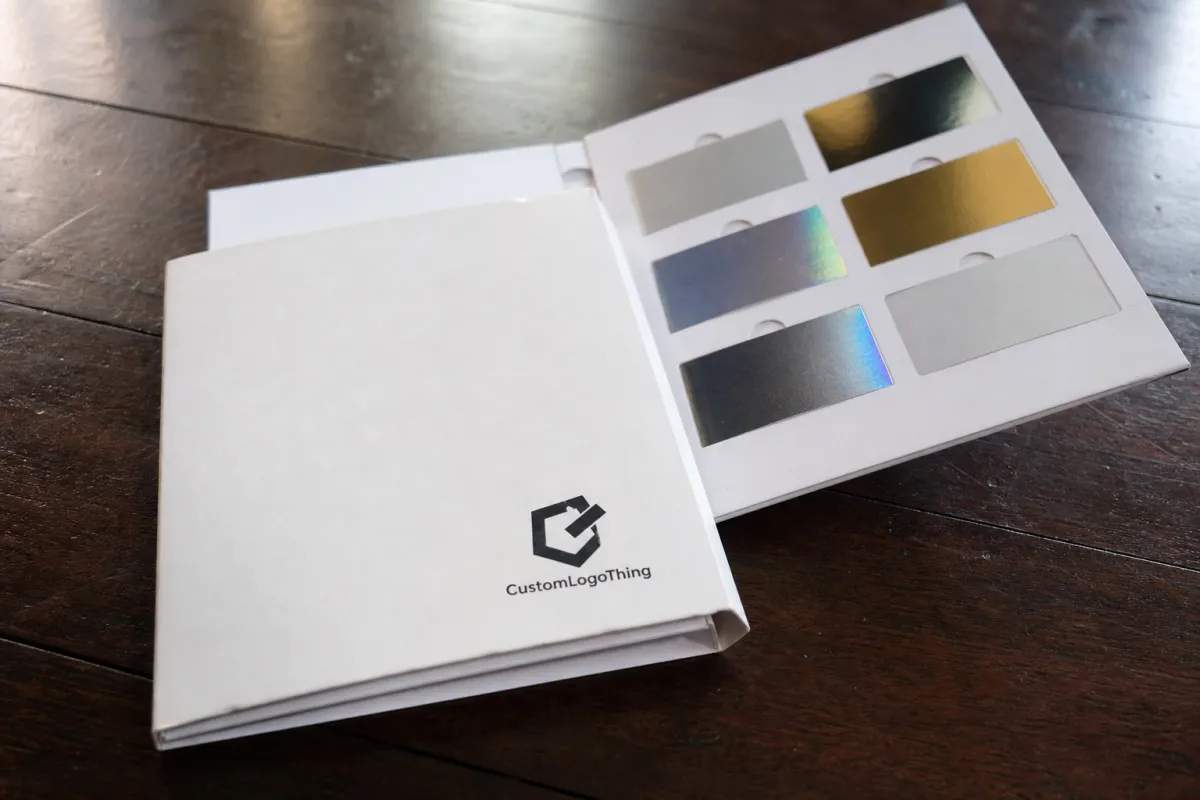
A useful beauty kit waterproof labels material guide starts with the environment, because the package surface and the way a kit is used change the spec more than most buyers expect. A label on a cleanser bottle lives a different life from a label on a lip gloss pouch. A jar stored in a bathroom sees steam, droplets, and repeated wiping. A travel kit gets dragged through zippers, tossed into bags, and handled by fingers that may still have product on them. A display carton made from corrugated cardboard has its own set of needs, especially if it has to survive storage, shipping, and shelf display without fraying at the edges. For a bottle or jar, most buyers end up choosing a 25-50 micron PET or 50-60 micron BOPP film; for a dry outer carton, a coated paper label may still work, but it is not the first choice for wet use.
The word waterproof deserves a careful definition in this category. Buyers usually mean one of three things: water-resistant, oil-resistant, or truly waterproof. Water-resistant labels can handle the occasional splash. Waterproof labels are built for harsher exposure, including humidity and repeated wiping. Oil-resistant labels are a separate requirement because lotions, serums, and cleansing oils can attack inks and adhesives even when water is not the problem. A beauty kit waterproof labels material guide that ignores those differences leaves out the part that actually causes most failures. If the label is expected to survive sanitizer, sunscreen, or face oil, ask for a rub test after 24 hours of curing and again after 72 hours, not just a dry proof.
"The proof looked perfect. Then the label met a humid bathroom shelf and the corners started making their own decisions."
That kind of failure shows up often because beauty packaging is a demanding category. The label is part of the selling surface, and it has to stay attractive while people touch it, move it, and sometimes store it next to hot showers. A good beauty kit waterproof labels material guide should treat durability, appearance, and use case as one conversation. Pretty matters. Pretty that stays put matters more. For premium kits, a gloss or soft-touch overlaminate can lift the perceived value, but soft-touch needs careful scuff testing because it can show wear faster than a clear gloss film on high-contact items.
Brand goals come into play too. A luxury kit may call for a soft-touch feel and strict color consistency. A clinical skincare kit may need high contrast, exact ingredient panels, and barcodes that stay readable under rough handling. A gift set on kraft paper or recycled board may need a label that feels considered and eco-aware without looking weak. The beauty kit waterproof labels material guide should help you balance those priorities instead of forcing a single generic answer. If sustainability claims matter, ask for recycled-content documentation such as GRS for the film or liner, and confirm whether the adhesive system still performs on low-energy surfaces.
Surface compatibility is another detail worth checking early. A film label on glass behaves differently from the same label on a glossy plastic tube or a coated carton. Recycled materials, FSC certified cartons, and post-consumer waste board can all change adhesion because coatings and surface energy are not identical from one substrate to the next. Small detail, large headache if it is ignored until production is already underway. A quick dyne-level or surface-energy check, plus a 24-hour peel test, can catch most of those issues before mass printing starts.
The scope stays simple from there. The beauty kit waterproof labels material guide should help you choose a label construction that survives real use, compare cost without guessing, avoid the common failures that cause peeling and smearing, and ask the right questions before artwork gets approved. That is the job, plain and simple.
Beauty Kit Waterproof Labels Material Guide: How It Works
Every label is a stack of decisions, not a single material. The face stock sits on top. The adhesive keeps it attached. The ink creates the design. The finish protects the surface and changes the look. Once you understand how those four layers interact, the beauty kit waterproof labels material guide becomes much easier to use.
The face material is what most buyers notice first. Coated paper can print beautifully, but paper still absorbs moisture and can soften around the edges. Film materials such as BOPP or PET resist water better because they do not soak it up the way paper does. That does not make the label indestructible. It only means the top layer is doing a better job before the environment starts to win. A proper beauty kit waterproof labels material guide separates face durability from adhesive performance. In most beauty applications, white BOPP is the best cost-to-performance option, while clear BOPP is useful when the package color should show through the label.
The adhesive deserves just as much attention. Many buyers focus on the face stock and forget the glue, which is a bit like choosing a car by paint color and never asking about the engine. If the adhesive is not matched to the package surface, the label can lift at the corners, creep under pressure, or bubble after temperature swings. On a beauty kit with glass, plastic, or coated carton components, adhesive choice is part of the core spec, not a side detail. Permanent acrylic adhesives are the standard for most retail beauty packaging; high-tack versions help on textured or low-surface-energy plastics; removable adhesives are usually reserved for temporary promotions or tester packs.
Ink and print method matter too. Small type, ingredient lines, and barcodes need to stay readable after moisture exposure and rubbing. Some print systems handle that better than others. If the label goes on a cosmetic bottle that will be handled every day, ask how the print resists abrasion, not just water. A beauty kit waterproof labels material guide that leaves out print durability is only telling half the story, and that half is not enough to make a safe buying decision. UV flexo, digital inkjet, and screen-printing each have different strengths: digital is fast for low MOQ and variable artwork, flexo is efficient for longer runs, and screen ink can build opacity on dark or metallic substrates.
Finish changes both the look and the wear profile. Gloss often helps shed water and gives the design stronger shelf appeal. Matte can look more restrained or more elevated, depending on the brand direction. Soft-touch feels rich in hand, but it can show scuffs in a different way and may not suit products that are wiped often. A finish can improve performance, yet it can also hide a problem until the package is already on shelves. That is why the beauty kit waterproof labels material guide should never treat finish as decoration alone. Clear lamination, UV varnish, and spot varnish are common process choices, and each one changes both abrasion resistance and final color appearance.
Here is a practical view of the common exposure levels:
- Surface splash protection: short contact with damp hands, light mist, or a small spill.
- Humidity resistance: bathroom storage, steam, condensation, and warm environments.
- Soak or wipe resistance: repeated wet handling, cleaning, and product residue.
- Oil resistance: lotion, serum, cleanser, and skin oil contact that can weaken ink or adhesive.
Most beauty buyers do not need the highest possible spec on every job. They need the right spec. A label for a cleanser bottle may need 50-60 micron white BOPP with a permanent acrylic adhesive and a clear gloss laminate. A premium gift set may justify PET film, a matte laminate, and tighter color control. A temporary outer carton label might still use coated paper, but only if the kit stays dry. A beauty kit waterproof labels material guide should help you match performance to the real user experience, not the marketing mood board.
Key Factors That Decide the Best Material
The first factor is the package itself. Glass is easier to label than some oily or highly curved plastics, but it still needs a adhesive that can wet out properly. PET bottles, PP tubes, and coated cartons all behave differently, and the print run should be built around the least forgiving surface in the kit. If one component is glossy PP, that one surface can dictate the whole label specification. It is better to choose a slightly stronger adhesive than to discover corner lift after the kit ships.
The second factor is handling. A label on a vanity kit that sits on a shelf all day sees little wear. A label on a travel set inside a zip bag sees friction, pressure, and repeated movement. In that case, a PET face stock with lamination can be worth the extra cost because it resists scuffing better than unlaminated film. If the kit is likely to be wiped with a damp cloth, alcohol wipe, or cleanser splash, ask for a wet-rub test after printing and again after lamination.
The third factor is regulatory and brand content. If the label must carry ingredients, batch codes, warnings, barcode data, and multilingual copy, the print method needs enough resolution and contrast to keep everything readable. Thermal transfer may be useful for variable data, but the ribbon and topcoat need to be checked for resistance. If the kit includes certified materials, ask the supplier to document them clearly. GRS is relevant for recycled film or liner content, GOTS is relevant if organic cotton components are included in the kit, and OEKO-TEX Standard 100 is useful for textile pieces that sit alongside the labels. WRAP or BSCI audits can matter when you need social compliance from the converting site.
The fourth factor is environmental exposure. A bathroom shelf is warm, damp, and unpredictable. A shipping carton may face temperature swings and compression. A refrigerated beauty sample needs cold-chain friendly adhesive performance. If the product can be exposed to chilled storage, ask about low-temperature adhesive performance and whether the liner releases cleanly at the application temperature. That is one of those details that looks small on paper and becomes a headache during assembly if ignored.
The fifth factor is application method. Hand-applied labels allow a bit more tolerance, while automatic application needs consistent roll tension, die-cut accuracy, and unwind direction. If the line uses a label applicator, the supplier should confirm roll core size, gap/mark sensing, and rewind direction before production begins. A small mismatch there can slow the line or cause waste that no one budgeted for.
Cost, Pricing, and MOQ: What Changes the Quote
Pricing changes quickly because the label spec is doing a lot of work. For simple waterproof beauty labels in BOPP at a 5,000 MOQ, a realistic range is about $0.08-0.22 per unit depending on size, color count, and finish. If you add PET film, lamination, or specialty color matching, the quote often moves to $0.18-0.45 per unit. For a smaller custom beauty kit run at 500 MOQ, especially if the order includes multiple SKUs or a label set for several kit components, $2.50-4.00 per unit is a realistic planning number because setup, plate costs, and waste get spread across fewer pieces.
MOQ is not just a factory preference. It is tied to the print method, die-cutting, finishing, and how many SKUs are included in the job. Digital printing often supports lower MOQs, sometimes 500-1,000 units, because there are no plates. Flexographic printing becomes more economical at 3,000-10,000 units and up, especially for repeat artwork. If you need different versions for fragrance, size, or language, ask whether the supplier can gang the artwork or keep the same die with variable print to avoid unnecessary setup charges.
Other quote drivers are easy to overlook. Full-bleed color coverage uses more ink. Metallic foils and cold foil effects add process steps. A clear overlaminate adds material and machine time. Rounded-corner dies, multiple shape changes, or intricate kiss-cut work can also increase cost. If the artwork includes variable data, QR codes, or serial numbers, the supplier may need a digital workflow with extra verification. Those pieces are not hidden fees; they are real manufacturing steps that should be visible in the quote.
Sampling also affects the budget. A digital mockup may be free or low-cost, but a physical sample usually runs higher. A common progression is: digital proof in 24-48 hours, substrate or adhesive swatches in 3-5 business days, and a full physical sample in 5-7 business days. If the supplier creates a pre-production sample on the actual production press, that can add a little time but it reduces the risk of color drift or die-cut mismatch later.
When comparing suppliers, ask for the same basis of pricing each time: artwork count, size, material, adhesive, finish, roll format, packing method, and QC level. One quote might look cheaper until you realize it excludes lamination, verification, or a second proof. The best comparison is not the lowest number on the page. It is the lowest number that still buys the durability your kit actually needs.
Process and Timeline: From Artwork to Finished Labels
The cleanest path starts with artwork and ends with a controlled production run. Step one is artwork preflight. The supplier checks bleed, safe area, image resolution, barcode contrast, and copy length. That usually takes 1-2 business days if the files are ready. Step two is proofing. A PDF proof confirms layout, but a physical sample is better when color, texture, or finish matters. Step three is sample approval, where the buyer checks print quality, adhesion, and package fit before the order moves into mass production.
The production line usually follows a predictable sequence. Material is unwound, printed on a UV flexo press or digital press, cured or dried, finished with varnish or lamination, die-cut, stripped, slit, rewound, and packed for shipment. On a small run, a digital line may finish faster because there is no plate change. On a larger run, a flexographic line is usually more efficient. A rotary die-cutter and slitter-rewinder are standard equipment for maintaining registration and roll consistency.
Inspection checkpoints should happen all along the way, not just at the end. Incoming materials need a check for film thickness, adhesive lot, liner quality, and moisture damage. First-article inspection should confirm color, die-cut position, and barcode legibility. In-process checks should verify registration, edge quality, and roll tension. Before packing, the team should perform a final visual inspection, a peel test, and a barcode scan. If the labels are for retail scanning, a barcode verifier with at least an acceptable scan grade should be part of the quality routine.
For timing, a standard custom waterproof label job usually lands around 18-22 business days from final artwork approval to finished production, assuming materials are in stock and there are no major revisions. Simple digital jobs can be quicker, while specialty finishes, gold foils, or complex multi-SKU kits can take longer. If the supplier promises a dramatically shorter schedule, ask exactly which steps are being skipped, compressed, or outsourced.
A good sample flow keeps everyone honest. You can ask for a digital mockup first, then a physical swatch of the film and adhesive, then a full sample on the actual package, and finally a pre-production confirmation piece from the real press. That sequence catches the most common failures: color shift, poor adhesion, and unexpected scuffing. It also keeps the final quote from changing after you already approved the artwork.
Common Mistakes That Make Waterproof Labels Fail
The most common mistake is choosing paper when the use case needs film. Paper can look great in a dry setting, but once moisture enters the picture it can swell, curl, or break down at the edge. If the package will ever sit in a bathroom, on a vanity near a sink, or inside a travel pouch, film is usually the safer call. Even then, the adhesive has to match the substrate or the label can still peel.
The second mistake is underestimating the role of oil. Lotion, sunscreen, serum, and cleansing balm can attack inks and soften weak coatings. A label that survives water may still smear in contact with skin-care residue. To avoid that problem, ask for an abrasion test with the actual product chemistry, not just with clean water. That is especially important for bright typography, fine lines, and barcodes.
The third mistake is approving artwork before the label shape and finish are settled. A matte finish may change color perception, and a tight die-cut around a curved bottle can alter how the label lays down. If the artwork was built for a flat proof sheet, it may need adjustment for the real package. That is why the sample step matters so much. It is also why a pre-production sample on the actual roll format is worth the extra time.
The fourth mistake is ignoring packaging line realities. A beautiful label that jams in the applicator is still a problem. Roll direction, core size, unwind orientation, and label gap all need to match the machine. If the line uses automatic application, ask the supplier for roll specifications before approval. A label can pass visual inspection and still create waste if the roll format is wrong.
The fifth mistake is skipping QC checkpoints. A waterproof label should not be judged only by how it looks coming off the press. It should be checked after curing, after lamination, after die-cutting, and after a short wet-rub or peel test. A final AQL-style inspection, with visual checks for color shift, edge lift, adhesive bleed, and barcode legibility, catches the issues that can ruin a launch in the field.
Expert Tips and Next Steps Before You Order
Start with the package, not the label. Bring the supplier the actual bottle, jar, tube, or carton if you can, or at least a precise substrate spec with photos and dimensions. A label that works on one surface may fail on another because the coating, curvature, or surface energy is different. The faster the supplier can test against the real package, the less likely you are to pay for a second round of samples.
Ask for the material stack in writing. A useful spec should name the face stock, thickness, adhesive type, liner, print method, finish, and roll format. For example: 50 micron white BOPP, permanent acrylic adhesive, glassine liner, UV flexo print, gloss overlaminate, supplied as rolls with a 3-inch core. That level of detail makes quotes comparable and reduces misunderstandings later.
Build in a test plan before mass production. The simplest version includes 24-hour adhesion, 72-hour adhesion, wet rub, oil rub, and package fit checks. If the beauty kit will travel, add compression and abrasion checks. If the label carries critical scanning data, add barcode verification after moisture exposure. Small tests cost far less than a recalled batch or a redesign under deadline pressure.
For compliance, ask for the documents that match the actual materials. GRS matters when recycled content is part of the claim. OEKO-TEX Standard 100 is relevant for textile components in the kit. GOTS applies if organic cotton materials are included. WRAP and BSCI are useful when you want social compliance evidence from the converting facility. If the supplier cannot document the claim, do not put the claim on the package.
If you are preparing a first order, keep the run simple. One material, one finish, one die-cut shape, and one proof loop is easier to control than a multi-SKU launch with five finishes and three adhesives. Once the first run is stable, you can expand into premium finishes or lower MOQ variations with much less risk.
FAQ
What is the best waterproof label material for beauty kits?
For most beauty kits, 50-60 micron BOPP is the best starting point because it balances cost, print quality, and water resistance. PET is better when you need extra scuff resistance or a more premium feel.
Do waterproof labels also resist oil?
Not always. Water resistance and oil resistance are different. If your product uses lotions, serums, or cleansing oils, ask for an oil-rub test and confirm the adhesive and topcoat can handle it.
What MOQ should I expect?
Digital jobs often start around 500-1,000 units, while flexographic jobs usually make more sense at 3,000-10,000 units. A smaller custom beauty kit label set can land around $2.50-4.00 per unit at 500 MOQ, while larger simple label runs can drop to $0.08-0.22 per unit at 5,000 MOQ.
How long does production usually take?
A standard custom order usually takes 18-22 business days after final artwork approval, with sample stages adding another few days if you need physical proofs.
What should I inspect before approving the order?
Check print clarity, barcode readability, die-cut alignment, adhesive performance, edge lift, and abrasion resistance. If the labels will see moisture or oils, test them on the actual package and product chemistry before mass production.
Which certifications matter?
Ask for the certifications that match the material and claim: GRS for recycled content, GOTS for organic cotton components, OEKO-TEX Standard 100 for textile pieces, and WRAP or BSCI for social compliance documentation where relevant.


