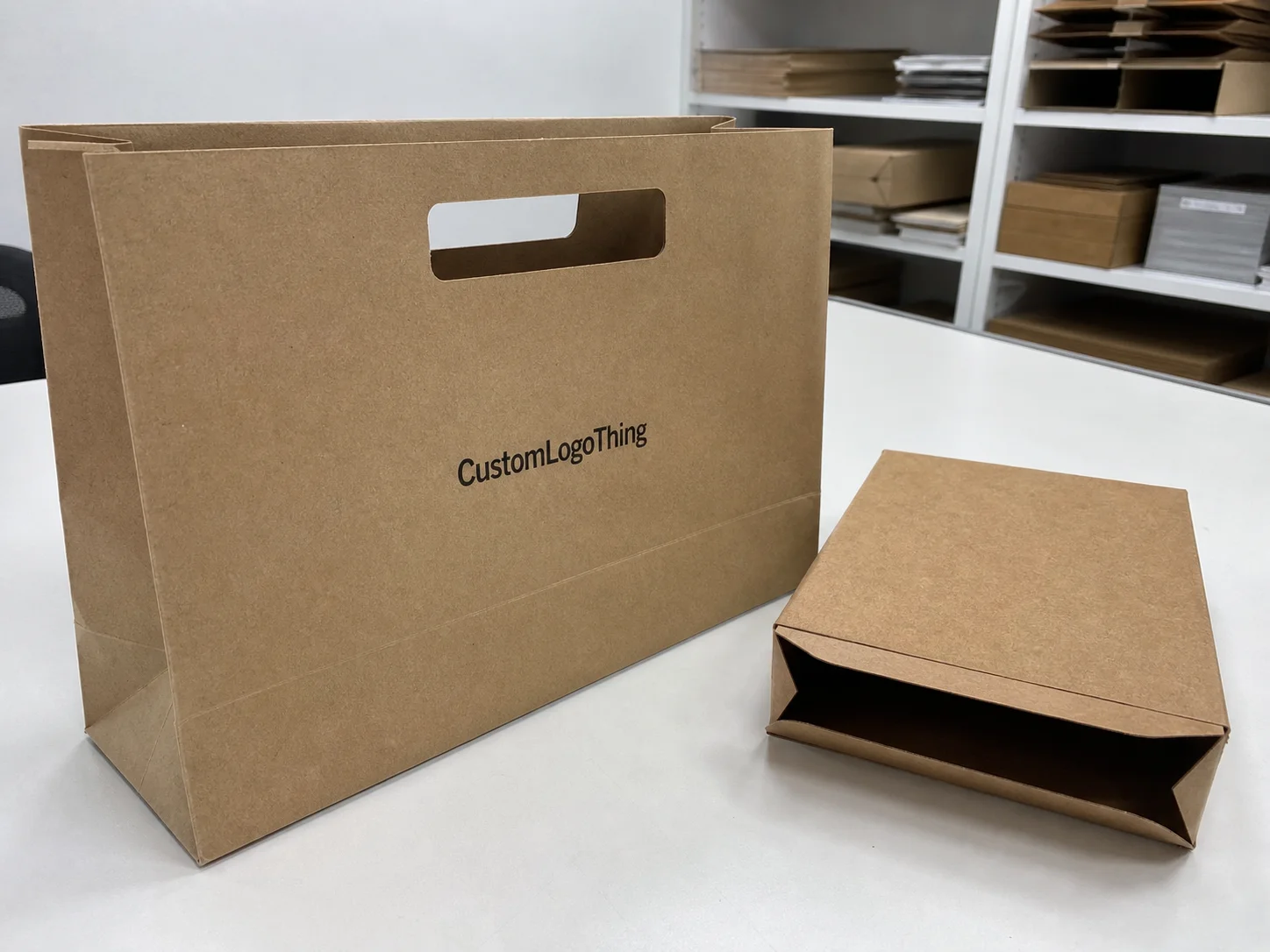
If you are trying to pin down beer folding cartons cost, start with the part teams tend to underweight: the carton is not just a box, it is the first physical argument for the beer inside. A six-pack that feels sturdy, well-proportioned, and easy to carry can sell a premium before a shopper even tastes the product. A carton that looks thin, awkward, or overworked sends the opposite message in seconds. In practice, beer folding cartons cost is shaped less by board alone and more by size, print coverage, finishing, and structure. Two cartons can look nearly identical on a mood board and still land miles apart in production.
The carton is the first handshake.
From the buyer's side, that is not a nuisance. It is the whole job. The carton has to protect the beer, survive warehouse handling, keep retail staff happy, and preserve margin. If it does all four, beer folding cartons cost becomes a planning number. If it misses on one, the overage shows up later as damage claims, reprints, awkward retailer feedback, or a pack that looks cheap beside a competitor's shelf-ready display. Those are not theoretical costs. They are the sort of thing that quietly eats a launch budget.
Beer folding cartons are used to support multipack sales, simplify checkout handling, and make seasonal promotions look intentional instead of improvised. A clean 4-pack or 6-pack can lift the perceived value of the beer without changing the liquid in the can or bottle. The tricky part is that the pack still has to travel. It moves through cold storage, pallet stacking, distributor handling, and shelf placement.
I will break down what changes beer folding cartons cost, which specs matter most, and where a buyer can trim spend without ending up with a flimsy carton that folds under pressure. And yes, some of the savings are pretty unglamorous.
Beer Folding Cartons Cost: What Actually Drives Value

A six-pack can look premium or forgettable based on structure alone. Buyers often focus on artwork and ink count, then discover the die line is the thing giving the carton its posture. Panel proportion, closure style, hand-feel, and how the carton distributes weight can change the entire shelf read. That is why beer folding cartons cost should be judged as part of total value, not as a line item to squeeze for sport.
Why pay for a carton that looks good but fails in transit?
The first price jump usually comes from three places: size, print coverage, and finishing. A small carton with a single-color logo is one thing. A full-coverage retail pack with spot UV, foil, a custom insert, and a cutout handle is another story entirely. Beer folding cartons cost rises fast once the design asks the press, die cutter, and gluer to do extra work. Anyone who has spent time in a packaging meeting knows that the sketch on the slide is never the whole story.
Folding cartons carry two jobs at once. They sell the beer, and they protect it during handling. The cheapest option is not always the best value, and the most decorated option is not automatically worth the spend. A carton that looks sharp but crushes in transit turns into a more expensive program the moment returns and replacements start piling up. A carton that is too rigid for the use case creates waste in a different way. You end up paying for board thickness that never earns its keep.
Cheap can be costly.
Where the value shows up
Good beer folding cartons improve the path to market in ways that are easy to ignore until something goes wrong. They support retail compliance, help with multipack sales, and make the pack easier to carry. That sounds small until a shopper is trying to juggle groceries, a phone, and a six-pack in the parking lot. A carton that splits open at the wrong moment does not just annoy the buyer; it can cost the brand a second purchase.
- Retail compliance: clear product naming, readable barcodes, and enough copy space to keep essential information visible.
- Upsell value: a cleaner carton can support a higher shelf price for limited releases, sampler packs, and holiday runs.
- Handling value: carry comfort matters more than many brands admit, especially for multi-serve packs.
- Protection value: less scuffing, less crushing, fewer returns, and fewer uncomfortable conversations with distributors.
So yes, beer folding cartons cost matters. The wrong question is, "What is the cheapest box?" The better one is, "Which carton gives me the right blend of shelf appeal, protection, and repeatability at my target volume?" That is how buyers stop getting trapped by attractive quotes that do not survive production.
Standard dielines deserve more credit than they get. If your dimensions fit a common structural format, beer folding cartons cost usually drops because tooling and setup are simpler. Custom structure has a place. A new SKU that needs its own fit or a specialty retail display may justify it. Not every beer pack needs that treatment. Plenty of them do better with a familiar construction that keeps the line moving and the job boring in the best possible way.
Product Details: Carton Styles, Sizes, and Pack Formats
The most common beer folding carton formats are 4-pack, 6-pack, 8-pack, and 12-pack configurations for cans or bottles. Pack count changes the footprint, the panel layout, and the strength requirements. A 4-pack uses less board and generally has lower beer folding cartons cost. A 12-pack pulls in more material, more structure, and usually more reinforcement. That sounds obvious on paper. In practice, teams still get caught by it because they start from the design concept instead of the product dimensions.
Can diameter and bottle height shape the dieline more than most people expect. A slim can carton is not the same thing as a wide craft-can carton. Bottle neck height affects internal clearance. If the carton is too tight, the product rubs and scuffs. Too loose, and the pack rattles like a drawer with no stop. Both problems can increase beer folding cartons cost, because the carton then needs additional board, inserts, or tighter tolerances to compensate. Packaging is a lot like tailoring: a decent fit is invisible, and a bad fit announces itself immediately.
Isn't the best carton the one that disappears into the supply chain?
Common board choices
Most buyers compare SBS, CCNB, kraft-lined board, and recycled-content options. Each changes print quality, tactile feel, and the final quote.
- SBS: clean print surface and strong graphics, usually priced higher for premium presentation.
- CCNB: economical and widely used, especially when the front panel carries the brand story and the inside stays hidden.
- Kraft-lined board: gives a natural look, hides handling marks well, and supports a rustic or craft-led brand position.
- Recycled-content board: useful for sustainability positioning, though print consistency and surface brightness can vary by supplier.
Features matter too. Tuck ends are common. So are glued side seams, handle cutouts, windows, internal dividers, and carry-lock designs. Every feature changes production work and affects beer folding cartons cost. A handle sounds minor until it needs extra die complexity or reinforcement. A window looks simple on the sketch, then someone has to cut it, line it, or manage the scrap. More labor. More waste. More money.
There is also the format question: should the carton be built for case packing, shelf display, seasonal promotions, or club-store multipacks? The answer changes the structure. A pack that only needs to survive a warehouse-to-shelf route can be simpler than one that sits in a high-traffic cooler or gets passed around by shoppers with wet hands. That difference shows up in beer folding cartons cost even if the outside dimensions look nearly the same.
For brands with multiple SKUs, a shared structural family often helps.
One base dieline with size variations can keep beer folding cartons cost under control because the tooling logic stays familiar and the print setup stays repeatable. Three SKUs built around one sensible structure usually age better than three unrelated carton styles that each eat budget for tooling, proofs, and press make-ready.
Specifications That Affect Fit, Strength, and Retail Appeal
Board caliper is one of the first specs people skip, and it is one of the first specs that bites back. Thicker board can improve stiffness, but it can also slow folding, raise waste, and force a more expensive shipping profile. The right choice depends on the beer format, the distribution route, and the amount of abuse the pack will absorb before it reaches the shelf. If those variables are not aligned, beer folding cartons cost climbs without adding real value.
Print finish matters for a different reason. Matte coatings soften the look, gloss coatings sharpen the color, and soft-touch laminations push the pack into premium territory. Foil, embossing, and spot UV can create standout presence, but they also add setup time and make the job more complex. Why add decoration if the pack spends its life half-hidden in a refrigerated door? Sometimes restraint is the smarter premium signal.
The retail floor is unforgiving.
Strength testing should match the actual use case, not an idealized one. If the carton is for stack-heavy distribution, compression matters. If it will be handled in wet environments, abrasion and moisture resistance move up the list. If it is a seasonal gift pack, visual impact may justify more finish. None of these choices lives in isolation. They all feed back into beer folding cartons cost and determine whether the quote makes sense after launch.
Buyers also need to think about artwork placement. Dense ink coverage can affect drying, scuff resistance, and registration on fast production runs. Keep copy readable. Leave room for compliance marks. Make the brand story visible without crowding the technical information. That balance often decides whether the carton feels refined or overdesigned.
Beer Folding Cartons Cost, Pricing, and MOQ Breakdown
Pricing usually moves in steps. Low volumes carry higher unit cost because setup, tooling, and proofing are spread across fewer cartons. As volume rises, the per-unit number drops, sometimes sharply. That is why beer folding cartons cost looks steep on the first quote and more manageable once a production run starts to scale. The trick is knowing where the curve starts to flatten.
MOQ is not just a number. It is a signal from the factory about efficiency, scheduling, and material use. A higher minimum may unlock better unit economics, but it also increases cash tied up in inventory. A lower minimum gives flexibility, yet it can raise unit price and limit the options available for special finishes or custom structures. The right answer depends on forecast confidence, warehouse space, and how fast the beer is expected to move.
Who wants to pay for unused cartons?
Artwork complexity, board grade, size, and finishing all shape the quote, but so does the production method. Digital printing can help with shorter runs and frequent updates. Offset printing becomes more attractive at higher volumes where consistency and speed matter more. Converting and glueing requirements also matter because a carton with simple folds costs less to move through the line than one with multiple operations.
Distribution geography can change the math as well. Shipping cartons across regions adds freight, lead-time risk, and the possibility of damage before they even reach the filling plant. Local sourcing can reduce transit cost and improve responsiveness. International sourcing may unlock lower factory pricing, but it can create longer planning cycles and more exposure to schedule shifts. When buyers only look at the unit price, they miss the full landed cost.
How buyers can save
- Use standard sizes: matching common can and bottle dimensions reduces custom tooling and speeds up approval.
- Limit finish effects: pick one or two high-impact treatments instead of stacking several expensive extras.
- Consolidate SKUs: shared dielines lower setup complexity and make reorders simpler.
- Plan volume early: larger commits can improve pricing, but only if the forecast is realistic.
Most of the savings come from discipline, not tricks. If the design brief keeps changing, the quote will keep moving too. If the board spec is overbuilt, cost will creep. If the run is rushed, the factory will price in the risk. That is how beer folding cartons cost becomes more predictable: fewer surprises, fewer revisions, and fewer last-minute requests that force everyone back to square one.
Production Steps, Process, and Timeline
The production process usually starts with the dieline. Once the structure is approved, the artwork is placed, proofed, and checked against the pack dimensions. After that comes sampling, material confirmation, printing, die cutting, folding, gluing, and final packing. Each stage has its own failure mode, and each one can affect beer folding cartons cost if the job needs to be redone or adjusted.
Sampling is where a lot of good intentions get tested. A carton can look perfect on screen and still fail in the hand. Maybe the tuck is too tight. Maybe the seam does not hold. Maybe the bottle shoulder touches the panel where the design team assumed there would be clearance. That is why physical proofs are worth the time. They expose problems while the fix is still cheap.
Timeline pressure changes everything.
Fast turnarounds can increase cost because factories need to rearrange production windows, source materials faster, and absorb more coordination risk. Longer lead times usually give buyers more leverage and more room to refine the spec. The best schedules leave time for proof approval, transit, and a buffer for small corrections. That buffer is not waste. It is insurance against a launch delay.
Once production begins, consistency becomes the goal. Color matching should stay tight across the run. Fold performance should stay clean. Glue should hold. Stackability should not drift from the first pallet to the last. When those things stay stable, beer folding cartons cost stays tied to the original estimate instead of ballooning through rework and replacement.
Why Buyers Choose Custom Logo Things
Custom packaging suppliers win when they make the process feel less like guesswork. Buyers want clear communication, realistic timelines, and enough technical guidance to avoid expensive mistakes. They also want options that match the budget without flattening the brand. A good partner treats beer folding cartons cost as a design problem, a production problem, and a logistics problem at the same time.
That combination matters because beer packaging is rarely a one-off purchase. Reorders happen. Seasonal artwork changes. New SKUs show up. Retailers ask for adjustments. The supplier who understands those moving parts can help protect margin over time, not just on the first quote. That is often the difference between a carton that merely ships and a carton that supports a long-running program.
Experience is useful, but responsiveness is better.
Brands also look for suppliers who can explain tradeoffs in plain language. If a finish adds cost, it should be clear why. If a board change improves strength, the result should be visible on the quote and in the sample. If a shared dieline cuts setup time, the savings should be easy to track. Clarity builds trust, and trust keeps the project moving.
For buyers, that is the real value proposition. Not just a printed box, but a packaging process that helps them launch faster, spend smarter, and keep the shelf presentation consistent from the first pallet to the next reorder.
Next Steps to Get a Beer Folding Cartons Cost Quote
To get an accurate quote, start with the basics: pack count, can or bottle dimensions, board preference, print coverage, finish requirements, and target order volume. The more complete the brief, the faster a supplier can narrow the range. Missing details usually lead to broad estimates, and broad estimates are not helpful when beer folding cartons cost needs to be approved by finance or operations.
It helps to share artwork early, even if it is not final. A mockup can reveal panel crowding, barcode issues, or structural conflicts before production begins. If the brand is still deciding between finishes or board grades, ask for side-by-side options. That makes the cost differences visible instead of speculative.
Do you want a cheap quote, or a useful one?
When possible, give the supplier the full context. Tell them where the beer will be sold, how the cartons will be handled, and whether the pack needs to support a premium retail position or a high-volume value tier. Those details shape structural advice and keep the estimate honest. The better the brief, the more likely the final beer folding cartons cost will match the real job.
From there, the next move is simple. Request samples, compare structure and finish, and choose the version that gives you the strongest blend of shelf appeal, protection, and repeatability. That is the point where a carton stops being an expense and starts acting like part of the product strategy.
FAQ
What affects beer folding cartons cost most? Size, print coverage, board choice, finishing, and structural complexity usually have the biggest impact. Volume matters too, because setup costs spread out as the order grows.
Are custom cartons always more expensive? Usually, yes. Custom structures add design and tooling work. Still, a custom carton can be worth it if it improves retail impact, handling, or protection enough to justify the spend.
Which pack formats are most common? Four-pack and six-pack formats are the most common, followed by 8-pack and 12-pack options for larger retail programs or club-store use.
Can recycled board lower costs? Sometimes, but not always. Recycled-content board can support sustainability goals, yet print consistency, brightness, and strength may vary by supplier and affect the final price.
How can I reduce the quote? Stick to standard sizes, limit special finishes, share dielines across SKUs, and plan volume early. Those steps usually do more than any last-minute negotiation.