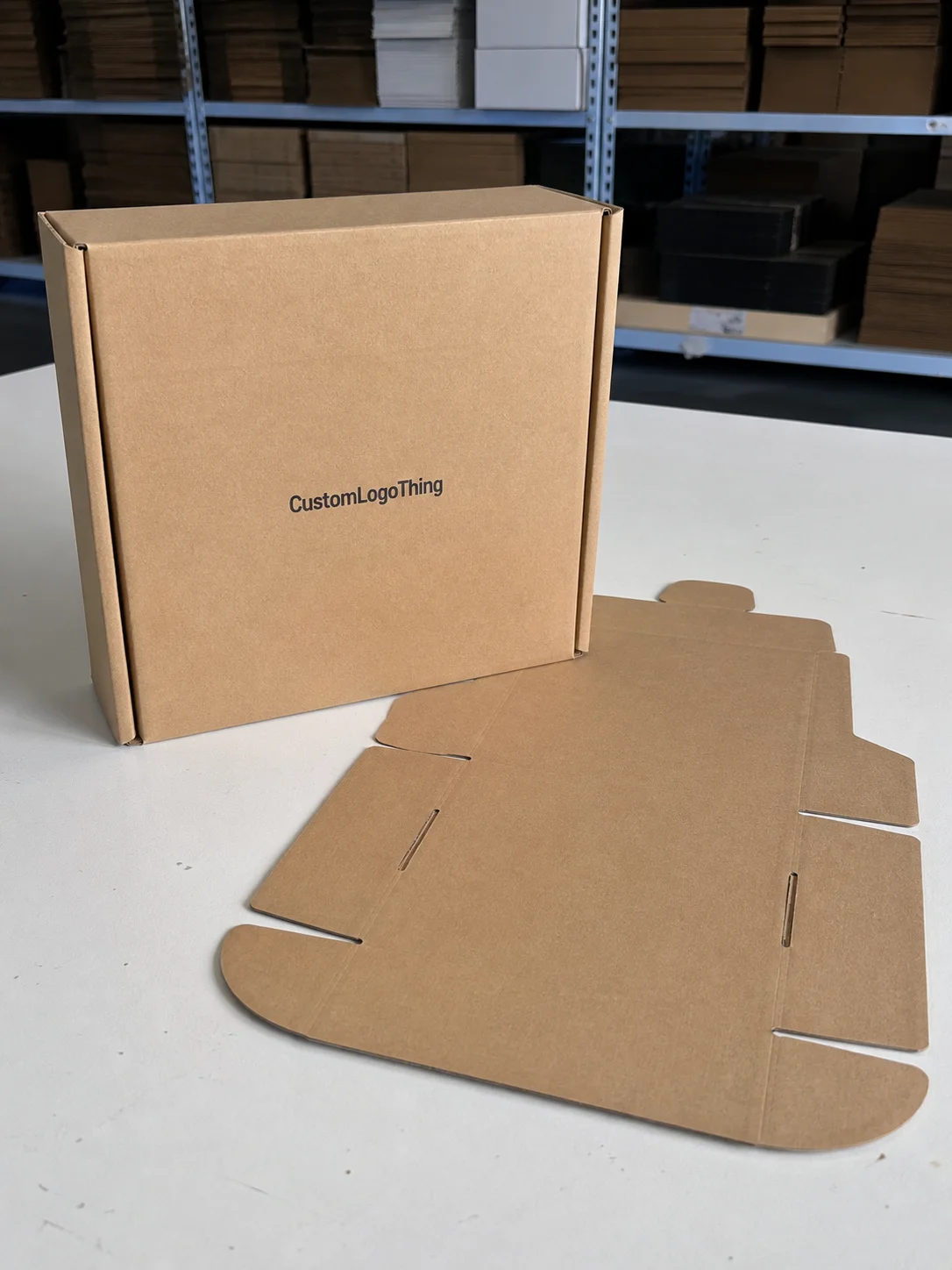
If you are comparing a beer merch Hang Tags Supplier, the real question is not whether the tag looks nice in a mockup. It is whether it still works after the merch has been folded, handled, scanned, stocked, and moved around a retail floor. That is a narrower brief than many brands start with, but it is usually the one that matters.
A hang tag is small, yet it does several jobs at once. It can carry branding, price, care instructions, product size, barcode data, QR codes, seasonal messaging, and legal copy without taking over the item itself. For beer merch, that matters because the product often has to feel both collectible and practical. A hoodie, glass set, or koozie can be perfectly made and still look unfinished if the tag feels thin, awkward, or off-brand.
Custom Logo Things sees the tag as part of the selling surface, not just an accessory. The right build gives beer merch a more deliberate presentation, makes the display easier to shop, and helps lower-value items feel considered. The wrong build does the opposite. It can make a solid product look like afterthought inventory.
Why Beer Merch Hang Tags Matter More Than Most Brands Think
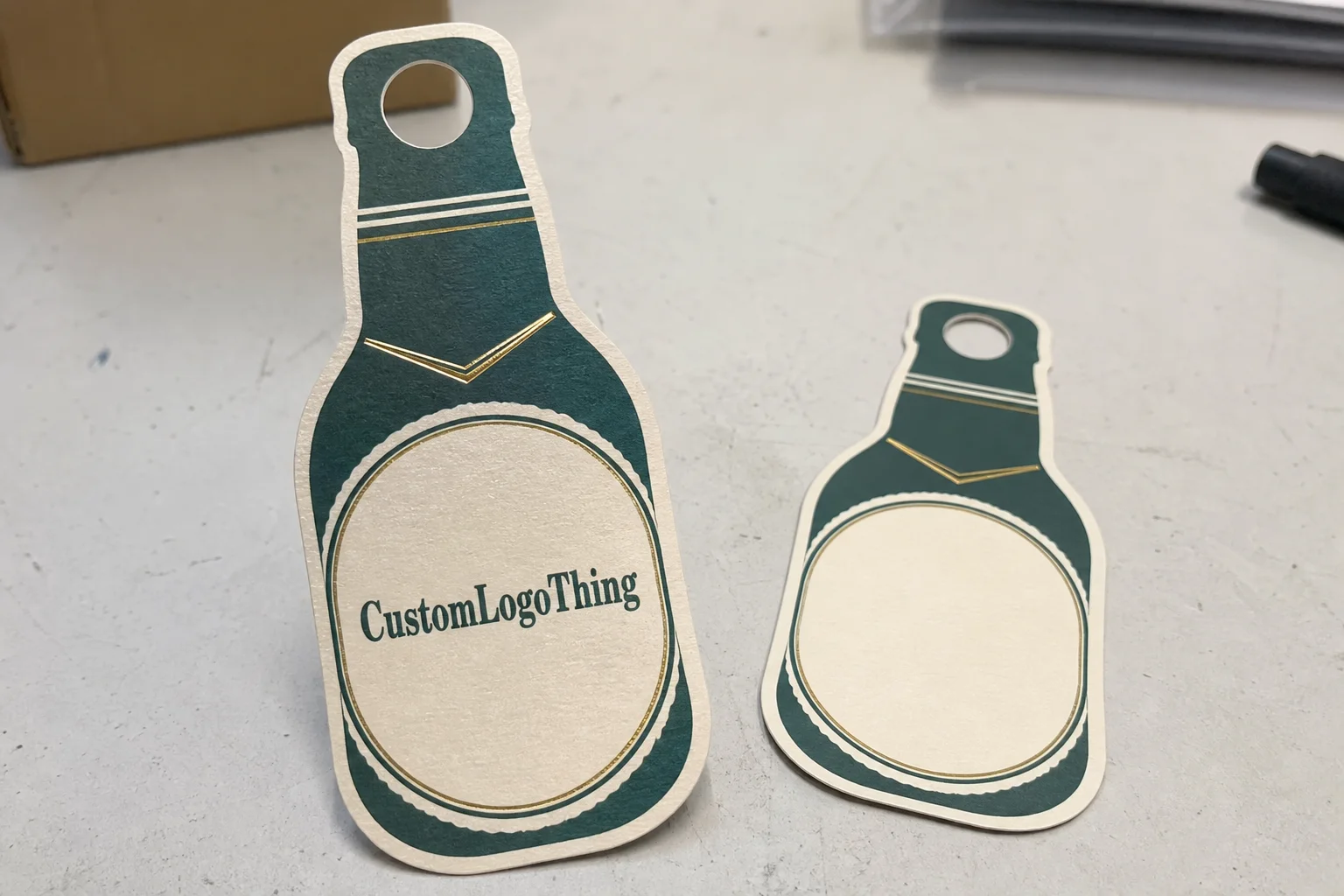
In a taproom or retail setting, shoppers do not read merchandise like a catalog. They glance at a wall, pick up an item, check the label, and make a decision quickly. That means the hang tag is often doing quiet persuasive work before anyone asks a question. A strong beer merch Hang Tags Supplier understands that the tag has to earn its place in a very short attention span.
The best tags organize information instead of crowding it. A front panel might carry the logo and product name. The back can handle sizing, care, barcode space, and a short brand note. That structure matters because clutter creates friction. If a shopper has to hunt for the size or pricing, the chance of a sale usually drops a little.
There is also a perception effect that is easy to underestimate. A thick matte tag, a kraft tag, and a foil-stamped premium tag all say different things about the product before the customer touches the item itself. A kraft stock can make merch feel local and handmade. A clean white matte tag tends to feel more retail-ready. A soft-touch finish often reads as premium or giftable. None of these options changes the shirt or glass, but they change how the product is read.
“The tag is part of the first impression. If it bends, smudges, or looks underbuilt, the merchandise tends to feel less valuable too.”
Functional needs can be more demanding than the branding brief. Retail channels may require barcodes, SKUs, and consistent quiet space around machine-readable data. Taproom gift shops often need care instructions or warnings. Seasonal releases may need a tag format that can be updated without redoing the entire layout. The supplier has to handle all of that without turning a simple tag into a production problem.
For teams building a wider packaging system, it helps to keep hang tags aligned with your Custom Labels & Tags so the merch wall, carton, and insert materials feel like one family rather than three separate jobs.
How Custom Beer Merch Hang Tags Work From Design to Display
A hang tag looks straightforward, but a lot of small decisions determine whether it actually performs well. The front usually carries the logo, product name, artwork, or seasonal message. The back is where practical information lives: pricing, size, material, care, SKU, barcode, or a short story about the product. Hole placement and orientation matter more than people expect. If the punch sits too close to the edge, the tag can tear. If the layout is off-center, it hangs crooked and makes the whole item look less polished.
The attachment method also affects how the product reads in hand. Cotton cord gives a softer, more natural impression. Elastic loops are tidy and efficient. Plastic fasteners are practical for volume and speed. String length matters too. Too short, and the tag presses against the product. Too long, and it swings awkwardly or catches on other items. These are small details, but they show up immediately in retail handling.
Print method is another practical choice, and the right answer depends on volume and artwork. Digital printing is usually the better fit for shorter runs, quick revisions, and variable designs. Offset printing usually makes more sense for larger quantities where color consistency and lower unit cost are more important than speed. If a beer merch hang tags supplier cannot explain why one method is better for your order, that is a warning sign.
Artwork setup can be the difference between a smooth run and a messy one. Bleed should extend past the trim line. Text should stay inside a safe area. Barcode zones need clean contrast and enough white space. File resolution matters, especially if the logo will be enlarged. Brand colors can shift depending on paper stock, coating, and ink system, so asking for Pantone matching or a hard proof is sensible when color consistency matters.
Most breweries and merch teams do better when the tag is built as part of a wider package system rather than as a one-off. If the tone, icon style, and typography echo the carton, label, or insert card, the merchandise line feels more coherent. That coherence is not decorative fluff; it tends to read as quality.
Materials, Finishes, and Design Factors That Change the Final Look
Material choice changes the experience before the customer even reads the words on the tag. Uncoated stock has a natural, tactile feel that suits rustic brewery branding and merch that leans handmade or heritage-driven. Matte coated stock is smoother and cleaner, with less glare under shop lighting. Gloss coated stock makes color pop, but it can also look more commercial and may scuff more easily during handling. If the merch is going to be touched often, a heavier cover stock usually performs better than lightweight paper.
For beer merch, buyers usually start with one of three goals: rugged, refined, or somewhere in between. That decision should drive the finish. Kraft stock fits taproom apparel, local gift sets, and limited runs with an earthy tone. Matte white stock works well for retail displays and product lines that need a crisp presentation. Soft-touch lamination gives a velvet-like feel that can make a product feel more upscale, though it adds cost and is not always the best fit for everyday promo items.
Special finishes can add impact, but only if the rest of the design supports them. Foil stamping works best when it highlights a logo or a very small graphic element. Too much foil can look busy rather than premium. Embossing and debossing add depth that people notice immediately when they pick up the tag. Spot UV creates contrast between matte and gloss areas, which can be effective on logos or icon marks. Die-cut shapes help a tag stand out, while rounded corners reduce wear and make the tag feel softer in the hand.
Design details matter just as much as material. Readability depends on contrast, font size, and spacing. Thin type can disappear under warm retail lighting. Dark backgrounds can swallow small print. If the tag needs a barcode, make sure there is enough clean space around it for scanning to work reliably. If care icons are included, give them room to breathe. If the product is handled often, reinforced holes and heavier stock around the punch area can prevent tearing.
The best-looking tag is not always the most decorated one. A clean layout on a strong stock usually outperforms a crowded layout with too many finishes. For beer merch, the tag should match the item it is attached to. A rugged tag suits brewery workwear and heavier apparel. A clean matte tag suits glassware or retail accessories. A premium gift set can justify a more refined finish, but only if the whole product line supports that choice.
Here is a practical comparison buyers can use when narrowing specs:
| Option | Best For | Typical Feel | Practical Notes |
|---|---|---|---|
| Uncoated cover stock | Rustic merch, brewery apparel, natural branding | Tactile, matte, earthy | Good writing surface; color usually looks softer |
| Matte coated stock | Retail displays, balanced premium looks | Clean, controlled, smooth | Strong readability; less glare under lighting |
| Gloss coated stock | Bright graphics, high-color artwork | Shiny, vivid, energetic | Can scuff more easily in heavy handling |
| Soft-touch laminated stock | Gift sets, upscale merch, limited releases | Velvety, premium, refined | Higher cost; strong tactile appeal |
Cost, Pricing, and MOQ Factors That Affect Your Quote
If you are asking a beer merch hang tags supplier for pricing, quantity is the biggest cost driver, but it is far from the only one. Stock thickness, print method, number of colors, special finishes, attachment method, and die-cut complexity all affect the quote. A simple one-color tag on standard stock can be very different from a soft-touch tag with foil and a custom shape.
Minimum order quantities exist because setup takes time and money. Custom dies, plates, coating preparation, and finishing all need to be ready before the first tag is printed. If a supplier is offering a very low MOQ for a highly customized build, ask how they are handling the setup cost. Sometimes the answer is a higher unit price. Sometimes it is a longer lead time. Either way, the tradeoff should be visible.
Realistic unit pricing is helpful because it keeps planning grounded. A standard tag at 1,000 pieces might land roughly around $0.24 to $0.38 each, depending on stock and print complexity. At 5,000 pieces, that same tag may fall closer to $0.10 to $0.18 each. Add foil, embossing, or a custom die-cut, and the price rises again. Those are not universal numbers, but they are close enough to help buyers think in ranges rather than guesses.
It is easy to over-order because the unit price looks attractive. That is usually a mistake. Inventory gets stuck when artwork changes, pricing changes, a SKU is retired, or a seasonal run ends sooner than expected. For many beer merch programs, a smaller first order with a controlled reprint plan is safer than locking cash into tags that may not age well.
Side-by-side quotes help a lot. Ask for a standard build and a premium build using the same artwork. The difference often clarifies the decision in a way a single quote never does. A small upgrade in stock may add very little. A switch to custom shape and foil may add much more. That is useful information, not just a sales pitch.
A simple way to think about pricing tiers:
- Standard tag: simple 1-2 color print, standard shape, no special finish
- Mid-tier tag: full-color print, heavier stock, rounded corners, string included
- Premium tag: soft-touch or specialty stock, foil or embossing, custom die-cut
If merchandising, finance, and brand teams all have a say, give them the same comparison sheet. That usually reduces circular debates and keeps the decision tied to margin, shelf impact, and production reality instead of opinion alone.
Process and Timeline: From Quote to Finished Tags
The ordering flow is straightforward on paper, but each step has a way of slowing things down if the input is incomplete. The process usually starts with a spec request: quantity, size, stock, finish, attachment method, and any barcode or compliance copy. Then comes the quote, artwork submission, proofing, approval, finishing, inspection, and shipping. A good supplier should make that sequence easy to follow and easy to check.
Most delays come from predictable issues. Missing dielines slow artwork setup. Low-resolution graphics create proof revisions. Late changes to finish or quantity force the quote to be revised. Internal approvals can also drag if brand, operations, and retail all need to sign off separately. None of that is unusual, but it needs to be scheduled early if the merch launch date is fixed.
For timing, simple digital runs can often move in roughly 7 to 10 business days after proof approval, depending on workload and shipping. Standard custom orders often take about 12 to 15 business days. Larger quantities, special dies, foil, embossing, or multi-step finishing usually take longer. Those ranges are useful for planning, though they are not guarantees. Paper availability and seasonal capacity can change quickly.
If the merch is being shipped to several stores or event locations, ask about split shipments. That can save receiving time and keep one location from being buried under the full order. It is also smart to confirm the proof approval deadline upfront. In many cases, that deadline affects the launch more than the press run itself.
Common Ordering Mistakes That Hurt Beer Merch Programs
The most common mistake is designing for a screen instead of for a rack. A tag that looks fine on a laptop may turn muddy, dark, or too detailed once it is hanging under mixed shop lighting. Thin script fonts are especially risky. They can look elegant in a design file and nearly vanish in retail conditions.
File preparation causes its own share of problems. Bleed gets forgotten. Text is placed too close to the trim edge. Barcode quiet zones are ignored. A logo is exported at low resolution and then enlarged until it softens. None of those mistakes is dramatic alone, but together they make the final tag feel less finished than it should.
Material mismatch is another frequent issue. Gloss stock can scuff if the merch is handled constantly. Lightweight paper can feel flimsy on a premium garment or gift set. If the item is intended to feel giftable, a tag that wrinkles or bends too easily can weaken the perceived value before the customer reaches the counter.
Proof review is where many avoidable errors are caught, and skipping it is risky whenever brand color, legal copy, or barcode placement matters. A proof is not a formality. It is the last chance to catch mistakes before a full run is printed. If sustainability claims are part of the conversation, it is worth checking paper options and packaging guidance through public references such as the U.S. EPA.
For broader packaging benchmarks, the Packaging Association is a useful reference point for teams comparing materials and packaging waste reduction goals. That does not replace supplier testing, but it can help frame the right questions.
Expert Tips for Better Results From a Beer Merch Hang Tags Supplier
Ask for a sample kit if one is available. Paper texture, opacity, and coating are much easier to judge in hand than in a PDF. A sample can tell you whether the stock feels too thin, whether the finish reflects too much light, and whether the tag has enough weight for the product it will hang from. That small step often prevents a larger mistake later.
If your merch changes often, build one master file with editable panels. That makes it easier to swap out seasonal names, SKU details, price points, or care copy without redesigning the whole tag. For breweries with rotating releases or limited-edition merch, this saves time and keeps the identity consistent from one run to the next.
Try to match the tag tone to the rest of the packaging. If the label is muted and restrained, a loud gloss tag can feel out of place unless the contrast is intentional. If the carton is minimal, the tag should echo that restraint. Customers may not articulate the connection, but they notice it.
Mock up the tag against real product photos before approving production. That helps you check scale, hole placement, and string length in context. A design can look perfectly balanced on a flat artboard and still hang too low, cover a seam, or compete with another label once attached. Mockups catch those issues early, while they are still cheap to fix.
If you want a supplier that thinks past the print step, ask how they handle quality control. Check whether they inspect color consistency, trim accuracy, punch placement, barcode readability, and finish adhesion. Those are the kinds of checks that prevent avoidable reprints. If the answer is vague, the process may be too loose for retail work.
It also helps to ask about material availability before you finalize the design. Specialty stocks, foil, and certain laminations can affect both cost and timing. If paper inventory is tight, a fallback stock can keep the schedule moving. In packaging work, flexibility is often more valuable than a perfect spec that arrives late.
Next Steps for Choosing the Right Tag Specification
Before you Request a Quote from a beer merch hang tags supplier, gather the basics: quantity, size, stock preference, finish, attachment method, and any barcode or compliance needs. That gives the supplier enough information to build a useful quote instead of a guess, and it saves time for everyone involved.
Then decide what the tag needs to do best. Does it need the lowest unit cost, the fastest turnaround, the most premium appearance, or the strongest durability? You can usually optimize for two of those at once, sometimes three, but rarely all four. A clear priority list keeps the project from drifting into unnecessary complexity.
Artwork should be checked by the right people before it goes out. If brand, retail, and operations each need a review, identify the approval chain early. One delayed sign-off can move the schedule more than the production itself. That is especially true with merch launches tied to events, seasonal releases, or retail resets.
The most practical final move is to compare a standard version and a premium version side by side. Once paper, finish, and total cost are in front of you, the better choice usually becomes obvious. For many beer merch programs, the tag is not a throwaway detail. It is part of the sale. Treat it with the same care you would use for labels, cartons, or any other visible packaging element, and the merch will usually look more complete from the first glance.
FAQ
What should I ask a beer merch hang tags supplier before ordering?
Ask about stock options, finishes, minimum order quantities, proofing steps, and whether strings or fasteners are included. Also confirm turnaround time, shipping options, and the file formats they need so the job does not stall during artwork approval.
Which hang tag material works best for beer merch?
A thicker cover stock usually performs well because it feels more substantial and holds up better in retail handling. Kraft, matte, and soft-touch options each create a different impression, so the best choice depends on whether you want rustic, clean, or premium presentation.
How much do custom beer merch hang tags usually cost?
Price depends on quantity, stock, print complexity, die-cut shape, and specialty finishes like foil or embossing. Unit cost usually drops as order size increases, but custom shapes and premium finishes can raise the total quote quickly.
How long does the hang tag production process take?
Timing depends on proof approval speed, order size, and finishing choices. Simple digital runs can move faster, while larger or more complex orders usually need more time for setup, printing, finishing, inspection, and shipping.
Can hang tags include barcodes or SKU information for beer merch?
Yes. Many hang tags include barcodes, SKU numbers, pricing, care icons, and short product details. The layout just needs enough quiet space and the right contrast so scanning and readability stay reliable.