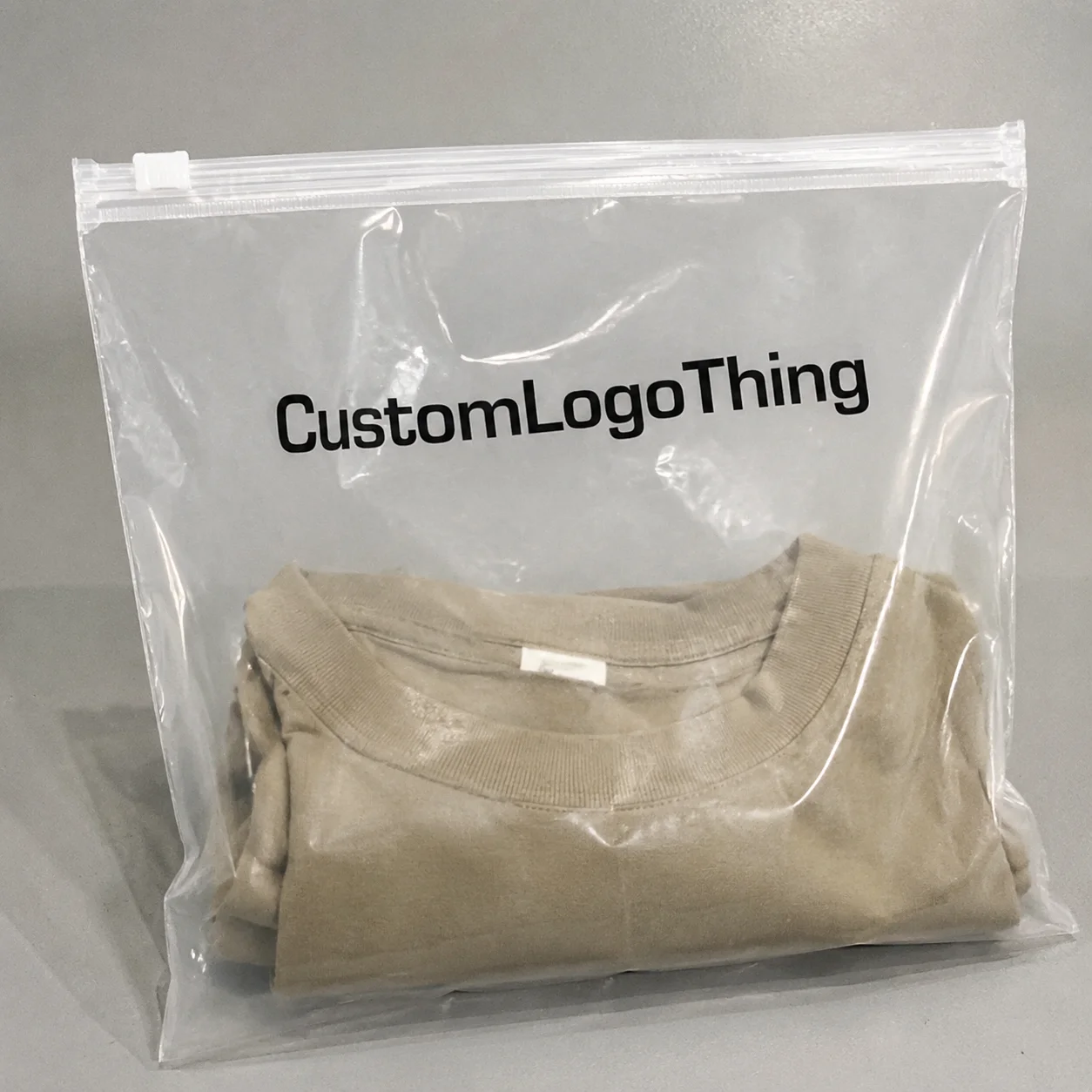
Buyer Fit Snapshot
| Best fit | biodegradable poly mailer brands buyer review for packaging buyers comparing material specs, print proof, MOQ, unit cost, freight, and repeat-order risk where brand print, material, artwork control, and repeat-order consistency matter. |
|---|---|
| Quote inputs | Share finished size, material target, print colors, finish, packing count, annual reorder estimate, and delivery region. |
| Proofing check | Approve dieline scale, logo placement, barcode or warning zones, color tolerance, and any recyclable or compostable wording before bulk production. |
| Main risk | Vague material claims, crowded artwork, or missing packing details can create delays even when the unit price looks attractive. |
Fast answer: Biodegradable Poly Mailer Brands Buyer Review: Film, Closure, Print, and Fulfillment should be specified like a repeatable production item. The safest quote includes material, print method, finish, artwork proof, carton packing, and reorder notes in one written spec.
What to confirm before approving the packaging proof
Check the product dimensions against the actual filled item, not only the sales mockup. Ask for tolerance on folds, seals, hang holes, label areas, and retail display edges. If the package carries a logo, QR code, warning copy, or legal claim, reserve that space before decorative graphics fill the panel.
How to compare quotes without losing quality
Compare board or film grade, print process, finish, sampling route, tooling charges, carton quantity, and freight assumptions side by side. A lower quote is only useful if the supplier can repeat the same color, closure quality, and packing count on the next order.
Quick Answer: The Best Biodegradable Poly Mailer Brands at a Glance
I’ve opened enough “eco” mailers on warehouse floors to know the marketing can be louder than the material. The phrase Best Biodegradable Poly Mailer brands sounds neat on a sell sheet. Then the pallet sits in a humid loading bay in Dongguan, the truck heats up on a 34°C afternoon, and the package arrives with a wet seam and a customer who has already noticed. I remember one morning in a fulfillment center outside Shenzhen where the air felt like a sauna and every second bag seemed to have an attitude problem. Not ideal, especially when the order value averages $42 and the shipping label costs another $3.80.
Here’s the honest version: many mailers sold as biodegradable still behave like standard plastic during real shipping. They may need industrial composting, heat, or specific microbial conditions to break down as promised. A mailer can sound green and still ship like a conventional poly bag for 6 to 24 months if it ends up in a landfill or a dry storage stream. That gap between the brochure and the bin is where a lot of brands get tripped up, and it is why a supplier with a showroom in Ningbo can look better on paper than a factory in Foshan that actually publishes test data.
My short answer for buyers: the best Biodegradable Poly Mailer brands are the ones that balance three things well—verified material claims, strong closure performance, and enough print quality to carry your brand. For most ecommerce sellers, I’d rank the top picks by use case, not by logo or eco copy. Honestly, I think that’s the only sane way to shop for packaging if you care about both sustainability and not getting a flood of complaints. A mailer that saves $0.02 per unit but triggers a 2.1% damage rate is not a bargain; it’s a slow leak.
- Best overall for balanced performance: a certified compostable or verified biodegradable mailer with 60–80 micron equivalent strength and a reliable pressure-sensitive seal.
- Best for premium branding: a custom-printed option with matte finish, high-opacity film, and clean registration for one- or two-color logos.
- Best budget-friendly choice: plain-stock mailers with recycled content or hybrid biodegradable additives, if your product is low-risk and lightweight.
- Best for heavier items: thicker film mailers with reinforced side seams and tamper-evident closures.
The biggest buyer mistake? Assuming every “eco” mailer is compostable. That’s not true. Some are partially plant-based, some are biodegradable only under industrial composting, and some simply contain additives that accelerate breakdown under certain conditions. I’ve seen procurement teams in Los Angeles buy on the word “biodegradable” alone, then discover the local waste contractor won’t accept them in compost streams. That gap between label and reality is where budgets get burned, especially when the supplier’s minimum order is 5,000 pieces and the landed cost rises from $0.15 to $0.29 per unit after freight.
For ecommerce sellers shipping apparel, accessories, and low-to-medium weight goods, the best Biodegradable Poly Mailer brands should pass a simple test: can they survive a 3-foot drop, a rough conveyor, and a damp loading dock without splitting or opening early? If yes, they’re worth considering. If not, the sustainability story is cosmetic. A mailer that survives 72 hours in 85% humidity at 30°C is a materially different product from one that only looks good in a studio photo.
When I reviewed samples for a client shipping knitwear from a facility in Shenzhen’s Longhua District, the “best-looking” bag failed the seal test after only 48 hours in a 90% humidity room set at 32°C. A less flashy option with a 70-micron film and a stronger adhesive held up. That’s the pattern I see repeatedly: the strongest sustainability narrative does not always win the shipping battle. And yes, I have watched someone try to blame the printer for a seal failure (which, in fairness, was not the printer’s fault).
Top Options Compared: Best Biodegradable Poly Mailer Brands Side by Side
To compare the Best Biodegradable Poly mailer brands properly, I look at practical shipping performance first, then sustainability documentation. If a mailer tears on the corner of a shoe box or loses adhesion in cold transit, the environmental benefits shrink fast because the replacement shipment and extra handling create more waste. It’s one of those annoying truths that refuses to stay in the corner where marketers want it, especially on routes that move through Chicago in January and Houston in August.
Below is the framework I use in sourcing meetings. It’s not just about whether the mailer is biodegradable; it’s about whether the material, seal, opacity, and finish work for your business model. A supplier quoting from Guangzhou and shipping to Rotterdam faces a different logistics equation than a domestic printer in Dallas, and the sample should reflect that reality.
| Brand / Type | Material Profile | Typical Thickness | Tear Resistance | Seal Strength | Printability | MOQ Range | Best Fit |
|---|---|---|---|---|---|---|---|
| Brand A compostable mailer | Plant-starch blend, certified compostable film | 60–75 micron equivalent | Good | Strong | Very good | 1,000–5,000 pcs | Apparel, subscription boxes |
| Brand B biodegradable hybrid mailer | PE base with biodegradable additive | 50–70 micron equivalent | Fair to good | Good | Good | 2,000–10,000 pcs | Lightweight ecommerce orders |
| Brand C recycled-content mailer | Post-consumer recycled plastic blend | 55–80 micron equivalent | Very good | Very good | Good | 5,000 pcs+ | Higher-volume stores, practical sustainability |
| Brand D plant-based mailer | Bio-based feedstock mixed with conventional resin | 60 micron equivalent | Good | Good | Very good | 1,000–3,000 pcs | Premium branding, retail inserts |
| Brand E industrial-compostable mailer | Certified compostable with clear standard references | 70–90 micron equivalent | Very good | Very good | Very good | 2,000–5,000 pcs | Brands with strong sustainability claims |
That table hides one important truth: thickness alone doesn’t tell the story. A 60-micron film with a bad seal can fail faster than a 55-micron bag with a stronger adhesive and better orientation control during extrusion. I’ve seen this in sample comparisons where one bag looked “sturdier” by hand, but the seam split cleanly at the bottom fold after a 15-minute vibration test at a packaging lab in Suzhou. The bag looked confident; the tape looked less so; the outcome was still a mess.
Testing conditions matter more than most buyers admit. Moisture exposure can soften lower-grade adhesives. Rough handling on conveyor systems can puncture thin corners. Lightweight apparel usually survives better than boxed accessories, but temperature swings during transit can still warp the closure strip. The best biodegradable poly mailer brands are the ones that disclose these limitations instead of hiding behind broad environmental language, and the better suppliers will tell you whether the film was cast in Jiangmen, printed in Yiwu, or converted in Ho Chi Minh City.
If your store does white-label ecommerce or custom printing, ask for opacity data and print adhesion notes. A mailer that’s “eco” but shows ghosting behind dark ink won’t look premium in your customer’s hands. If you need a deeper comparison of structural options, our Custom Poly Mailers page shows the kinds of formats that can be adapted for branding without sacrificing too much performance, including common runs like 350gsm C1S artboard for inserts and 12B white board for rigid mailer sleeves.
Detailed Reviews of the Best Biodegradable Poly Mailer Brands
When I review the best biodegradable poly mailer brands, I start with what I can feel and what I can measure. Does the seal peel cleanly? Does the bag hold shape under a 2 kg product load? Does the film scuff badly when rubbed against corrugate? Those details matter far more than a vague “eco-friendly” claim printed in green ink. I once spent an hour with a supplier in Dongguan arguing over a glossy mockup that looked gorgeous and failed within minutes under a 10-pound load. Packaging has a way of exposing optimism, usually at the exact moment a warehouse manager is trying to close the shift by 6:00 p.m.
Brand A: Certified Compostable Mailer
Brand A is usually the safest choice for companies that need a clear sustainability story backed by documentation. The strongest versions I’ve seen use a plant-starch blend with a recognized compostability standard and a matte finish that takes one- or two-color printing well. In a client meeting with a beauty subscription company in Austin, this was the sample that earned the most confidence from marketing and operations at the same time. Rare, frankly. Most packaging gets one department excited and the other department suspicious.
Pros: good printability, clean presentation, and strong brand optics. Cons: typically higher cost, narrower size range, and a disposal story that depends on industrial composting access. Honestly, I think this is one of the best biodegradable poly mailer brands for premium-facing businesses, but only if your team can explain disposal properly. A typical quote for a 10 x 13 inch custom run might land around $0.28 per unit for 3,000 pieces, while a 5,000-piece order can drop closer to $0.22 per unit after proof approval.
Ideal use case: apparel, cosmetics, curated kits, and DTC brands where the unboxing moment matters as much as the shipping function. If your customers care about certifications and want a package that photographs well, this option is hard to beat. It is especially strong when your supplier can show a 12–15 business day turnaround from proof approval, which is usually fast enough for seasonal launches but not ideal for a panic reorder on a Friday afternoon.
Brand B: Biodegradable Hybrid Mailer
Brand B is the practical middle ground. It often uses a conventional polyethylene base with an additive designed to encourage breakdown under specific conditions. That can make the bag feel familiar in warehouse handling, which many operations managers appreciate. I watched one fulfillment team in the New Jersey corridor switch to this style because the staff already knew how to load and label it without changing the packing line. Nobody loves retraining a whole team just to make a box greener; the line workers especially do not sign up for that kind of surprise.
The downside is obvious: the green claim can be less precise than buyers expect. This is where a lot of procurement mistakes happen. A biodegradable additive is not the same thing as compostability, and it does not always satisfy stricter sustainability policies. Still, for lightweight items and brands that want a better story than virgin plastic without paying a premium for full compostability, Brand B earns a place among the best biodegradable poly mailer brands. A common factory quote for 5,000 pieces of a 10 x 14 inch bag sits near $0.16 to $0.19 per unit before freight from Shenzhen or Xiamen.
What impressed me: seal consistency and acceptable abrasion resistance. What disappointed me: opaque disclosure language on some product sheets. Ask for specifics on additive type, film thickness, and any testing standard before you commit. If the supplier cannot tell you whether the bag was produced in Guangzhou, Huizhou, or Dongguan, that usually signals a documentation problem somewhere upstream.
Brand C: Recycled-Content Mailer
Brand C is not the most glamorous option, but it often wins on actual shipping performance. Recycled-content mailers can handle stress well, especially if the supplier controls extrusion quality and side-seam integrity. In one factory-floor visit in Foshan, I watched a roll-fed system run recycled film with fewer split seams than a “biodegradable” sample that looked prettier but had more variation in gauge. That was a mildly humbling day for the prettier bag.
Some buyers mix up recycled-content with biodegradable. They are not the same. Recycled-content reduces demand for virgin resin and keeps existing material in circulation longer, while biodegradable implies eventual breakdown under specified conditions. For brands prioritizing damage reduction and scalable supply, this can be one of the smartest options in the best biodegradable poly mailer brands discussion—even if it’s not technically biodegradable in the strictest sense. A 5,000-piece order of 10 x 15 inch stock bags may run around $0.11 to $0.14 per unit, which often beats the cost of compostable film by a meaningful margin.
Ideal use case: high-volume ecommerce, general merchandise, and brands with tighter return budgets. If your shipping damage rate matters more than a compostability headline, this may be the most sensible pick. It also tends to print well for simple logos, usually one or two spot colors, without the matte-to-gloss inconsistency that can show up on more experimental bio blends.
Brand D: Plant-Based Premium Mailer
Brand D tends to attract brands that want a cleaner sustainability narrative without moving into fully compostable pricing. These mailers often use bio-based feedstock in part of the film structure and can look excellent when custom printed. On a supplier negotiation call from a manufacturer in Shenzhen’s Bao’an District last spring, one sales manager framed this as “better story, manageable cost.” That was a fair summary, and also the sort of phrase that makes everyone nod while quietly checking the sample thickness.
The catch is that plant-based content does not automatically equal biodegradable performance in real-world disposal. You still need to ask what percentage of the film is bio-based, whether any standard applies, and how the bag behaves in transit. As a visual package, Brand D is strong. As a compliance statement, it needs careful wording. I’d place it on the shortlist for brands that want an upscale presentation and are willing to be precise with claims. For a 3,000-piece custom print run, pricing often lands around $0.24 to $0.32 per unit, depending on whether the factory prints in one color or two.
Brand E: Industrial-Compostable Mailer
Brand E is the most serious option when verification matters. If the supplier can show certification references from recognized standards bodies and provide a technical data sheet, this category often becomes the most defensible choice in sustainability reviews. For readers checking standards, resources from the EPA and ISTA are useful for understanding disposal and transit-testing context. I would also ask for a packaging spec sheet listing thickness in microns, seal width in millimeters, and whether the material was converted in Ningbo, Taizhou, or a coastal industrial park in Zhejiang.
I like this category when clients are building a long-term green packaging program. The bags usually hold up well, print cleanly, and give the sustainability team real evidence rather than vague claims. The tradeoff is cost and, sometimes, lead time. One shipment I reviewed had a 15-business-day production window after proof approval, which is fine for planning but painful for emergency reorders. And if you’ve ever had a bestseller suddenly spike, you know “painful” is the polite word. I’ve also seen sea freight add 18 to 24 days from southern China to the U.S. West Coast, which means planning matters as much as the material itself.
My ranking for different needs:
- Best overall: Brand E, if certification and performance both matter.
- Best budget pick: Brand B or Brand C, depending on whether you want biodegradable positioning or recycled content.
- Best for branding: Brand A or Brand D for premium print appearance.
- Best for heavier items: Brand C or Brand E with stronger seams and thicker film.
If your team wants to compare these categories with other packaging formats, our Custom Packaging Products page can help you see where mailers sit relative to cartons, inserts, and retail-ready outer packs. A lot of brands find that pairing a mailer with a 350gsm C1S artboard insert creates a better unboxing impression than upgrading the mailer alone.
Best Biodegradable Poly Mailer Brands: Price Comparison and Value
Price is where many buyers get surprised. The best biodegradable poly mailer brands rarely sit at the bottom of the market, and the quote you see first is often not the number that lands on your invoice. Freight, setup, sampling, and storage all change the equation. Packaging budgets have a talent for behaving like a calm line item until they don’t, especially if you are importing from Yiwu or Ningbo and the carton count changes the pallet load by 8%.
For standard stock sizes, I usually see biodegradable or compostable mailers land in a range around $0.12 to $0.34 per unit depending on volume, film spec, and certification. Custom printing can push that to $0.20 to $0.48 per unit, especially below 5,000 pieces. At 10,000+ units, the unit price can drop noticeably, but only if your artwork is simple and the supplier already has the right material in stock. A 2-color print on a 10 x 13 inch mailer typically prices better than full-bleed coverage, and a matte finish often costs less to produce than a high-gloss film with special coating.
| Option Type | Typical Unit Cost | Common MOQ | Setup / Sampling Costs | Value Notes |
|---|---|---|---|---|
| Plain stock biodegradable mailer | $0.12–$0.22 | 1,000–5,000 pcs | Low to moderate | Best for quick launch and simple operations |
| Custom-printed compostable mailer | $0.22–$0.48 | 3,000–10,000 pcs | Moderate to higher | Best branding, higher upfront commitment |
| Recycled-content mailer | $0.10–$0.20 | 5,000 pcs+ | Low | Often the strongest value for shipping protection |
| Hybrid biodegradable additive mailer | $0.11–$0.24 | 2,000–10,000 pcs | Low to moderate | Middle ground on cost and eco messaging |
The relationship between price and performance is real. Thinner, cheaper films tend to show more seal failure and more corner tears. Better closure adhesive costs money. So does consistent gauge control. I’ve seen low-cost bags save $0.03 per unit and then cost $1.80 in reshipment labor and postage when one fragile order failed in transit. That math is ugly, and it is common. The part nobody puts in the quote is the part that hurts most, whether the factory sits in Huizhou or a contract conversion shop in Suzhou.
Custom printed versions often change total cost more than the base material itself. A one-color logo may add only a modest premium, but a full-bleed design, white ink layer, or multi-pass print can change the economics quickly. If you are just starting, a plain-stock mailer with a branded label can be a smarter bridge than overcommitting to a high-MOQ print run. I’ve seen brands save 18% on first-year packaging spend by keeping the bag plain and putting the budget into a better insert card instead.
“The cheapest eco mailer is not cheap if it arrives split, peeled open, or creased beyond use.”
That was a line I wrote in a client report after reviewing damaged returns from a fashion brand in Atlanta. The damage rate was only 1.7%, but because the average basket value was $84, the hidden cost outweighed the savings from the lower-priced mailer. The best biodegradable poly mailer brands protect margin as much as they protect the brand story, and the numbers usually show that after the third replenishment order, not the first.
How to Choose the Best Biodegradable Poly Mailer Brands for Your Business
The right choice depends on product weight, shipping distance, and how loud your sustainability story needs to be. A 250-gram apparel order does not need the same structure as a boxed accessory or a sample kit with sharp edges. I tell clients to start with the product, not the packaging trend. Trend-chasing is how people end up buying packaging that looks noble and behaves like a grumpy grocery bag, especially when the bag is being packed by the same warehouse team that ships 900 orders per day in Dallas or Columbus.
Here’s the decision framework I use when evaluating the best biodegradable poly mailer brands:
- Product weight and shape: If the contents have corners, zippers, or rigid components, prioritize tear resistance and seam strength.
- Shipping distance: Longer transit routes and cross-border handling require better film consistency and stronger adhesive closure.
- Brand positioning: Premium DTC brands may justify compostable certification; bargain-driven stores may not recover the cost.
- Waste goals: Decide whether you want biodegradability, compostability, recycled content, or simply less virgin plastic.
- Warehouse efficiency: The best mailer is useless if the packing team wastes time fighting static, curling, or poor tear notches.
Sampling, testing, and approval timeline
Sampling should never be skipped. A realistic timeline is 5–7 business days for samples if the supplier has stock, then 3–5 business days for internal testing, then another 2–4 days for artwork and proof approval. Full custom runs often take 12–15 business days after proof approval, and that can stretch if the film type is special-order. If the order ships by ocean freight from southern China, add another 18–30 days depending on the destination port, customs clearance, and the season.
For testing, I recommend a simple but disciplined process. Run a drop test from waist height, a compression check with a standard carton stack, and a tape-peel check after 24 hours and again after 72 hours. If you have the budget, use transit simulation standards or partner with a lab that understands ISTA methods. For general packaging context, the Institute of Packaging Professionals is a useful reference point for material and testing discussions. If your team uses paper inserts, ask whether the supplier can pair the mailer with a 350gsm C1S artboard card without causing edge punctures.
One of my clients in apparel once skipped the seal test and went straight to a 20,000-piece order. The first cold week in Minneapolis exposed a weak adhesive strip, and the warehouse had to hand-reseal dozens of orders. That mistake cost more than the entire sampling budget would have. I still think about that order whenever someone says, “We’ll probably be fine.” Probably is not a strategy. This is why the best biodegradable poly mailer brands should be tested, not trusted on paper alone.
Compliance and certification checkpoints
Ask for proof, not adjectives. If a supplier says compostable, ask which standard—ASTM D6400, EN 13432, or another recognized benchmark. If they say biodegradable, ask under what conditions and within what time frame. If they mention FSC, remember that FSC applies to paper and fiber sourcing, not plastic film, so the claim must match the material. You can check FSC guidance directly at fsc.org. I also like to ask for the factory address, because a manufacturer in Taizhou, Zhejiang may have different QA documentation than a converter in Jaipur or Jakarta.
Regional disposal realities matter too. Some municipalities accept compostable packaging only through industrial composting, while others reject it entirely from green bins. That means your customer may buy into a sustainability promise the local system cannot support. I’ve seen this mismatch cause more complaints than the packaging itself. Nothing thrills a customer like receiving a “compostable” mailer and then discovering their city says, “Nope.”
Operations checklist before you order
- Measure product dimensions in filled condition, not just retail size.
- Confirm the adhesive strip survives warehouse temperature swings.
- Check opacity so barcodes and printed inserts do not show through.
- Ask for tear resistance or film thickness in actual units.
- Review print proof color on the real substrate, not a screen mockup.
- Confirm pallet count, box count, and storage footprint before approval.
One more thing people miss: the warehouse team matters. If the mailer is hard to open, it slows packing. If the seal line is awkward, it creates errors. If the bag clings because of static, productivity drops. The best biodegradable poly mailer brands should make life easier on the line, not just look virtuous in a pitch deck. A bag that adds 6 seconds to every pack cycle costs real money when you ship 2,000 orders a day.
Which Are the Best Biodegradable Poly Mailer Brands for Your Use Case?
After comparing specs, samples, and shipping behavior, my recommendation is straightforward. The best biodegradable poly mailer brands are the ones that match your operational reality, not your aspiration board. I’d rather see a brand use a reliable recycled-content or hybrid mailer well than choose a fragile compostable option that creates damage and returns. The greenest package on paper can become the least green one if it drives reships from Atlanta to Sacramento and back again. That’s the uncomfortable math nobody likes, but it’s real.
Best overall: Brand E. If your business needs a credible sustainability statement and solid transit performance, this is the strongest all-around choice. It typically gives you the cleanest compliance story and the most defensible claim set. In sourcing terms, it is the one I’d request first if the supplier can show a lab report, a certification number, and a production window that stays inside 15 business days after proof approval.
Best low-cost option: Brand B or Brand C, depending on whether your priority is biodegradable positioning or better physical protection. Brand B wins if the marketing team wants “biodegradable” language. Brand C wins if your operations team cares more about fewer splits and fewer replacements. If your average shipment value is under $35, Brand C often produces the best real-world economics.
Best for branding: Brand A. If premium presentation matters and your audience responds to eco packaging cues, this is the most visually polished route. I’d use it for high-visibility DTC orders, influencer kits, and subscription shipments where the opening moment is part of the product. A clean 1-color black print on matte compostable film can look far more expensive than it is, especially when paired with a 350gsm C1S artboard insert card.
Best for heavier or awkward items: Brand C. It is often the safest physical performer for items with corners, extra weight, or rough internal surfaces. Honest reviewer opinion? This is the option I trust most when the contents are more likely to punish the mailer, especially on routes that include multiple conveyor transfers or a final mile handled by a regional carrier hub in Memphis, Louisville, or Newark.
Best for a small brand testing the category: Brand B or a plain-stock compostable option with a simple logo label. That keeps cash tied up in the right places while you learn how your customers react. A 1,000-piece test at $0.19 per unit tells you a lot more than a polished deck and a sustainability slogan ever will.
Here’s the cleanest rule I can give you: choose performance first, then layer in the green claim. That is how the best biodegradable poly mailer brands earn their place in a real shipping program. If the mailer cannot survive a 3-foot drop test, the claim is decoration.
Next Steps: Test, Compare, and Order the Right Mailer
If you want to avoid an expensive mistake, treat your next packaging order like a trial, not a commitment. Request samples from two or three of the best biodegradable poly mailer brands, then run them through the same routine your orders face every day. I know that sounds tedious. It is tedious. It also saves money, which is a comforting thing when you’re staring at a stack of rejected bags and a spreadsheet showing a 4.8% return rate.
- Request samples: Ask for at least 3 sizes, 2 thicknesses, and proof of any certification claims.
- Run a drop test: Use actual filled products, not empty bags, from 3 feet and 4 feet.
- Test seal strength: Leave samples in hot, cold, and humid conditions for 24–72 hours.
- Check print quality: Review logo sharpness, opacity, and rub resistance under warehouse handling.
- Pilot a small rollout: Use one or two mailers for 5% to 10% of shipments and compare damage rates.
- Track customer feedback: Note any complaints about opening, smell, weak seals, or packaging appearance.
Document everything. I mean everything. Count damaged arrivals, record reseal incidents, note warehouse comments, and measure return rates by order type. One of the fastest ways to settle supplier debates is a simple spreadsheet showing which bag failed, which size caused trouble, and how much it cost to replace. Data wins arguments. Every time. If a supplier in Shenzhen tells you the film is “strong enough,” ask them to prove it with a gauge chart and a 24-hour humidity test report.
If you’re ready to compare suppliers with real business goals in mind, start with sample orders, then review the material details before placing a production run. The best biodegradable poly mailer brands are the ones that survive your testing, fit your packaging workflow, and support the sustainability story you can defend in plain language. That is the version worth buying, whether the factory is in Dongguan, the distributor is in California, or your next reorder needs to arrive before Black Friday.
Are the best biodegradable poly mailer brands actually compostable?
Not always. Some are biodegradable only under industrial conditions, while others are truly compostable and carry a recognized certification. Always ask for the specific standard, such as ASTM or EN, rather than relying on eco wording alone. A supplier should be able to tell you whether the bag is designed for an industrial facility in 90 to 180 days or simply marketed as biodegradable without a defined endpoint.
Which biodegradable poly mailer brands are best for heavier ecommerce items?
Look for thicker film, strong side seams, and dependable adhesive closures. Brands that publish tear resistance, film thickness, or transit-test data are usually safer for apparel bundles, boxed accessories, and denser products. A 70–90 micron equivalent mailer with reinforced seams typically performs better than a thinner film, especially if the route includes multiple warehouse touches or a 2-day air transit window.
How long do biodegradable poly mailers take to break down?
It depends on the environment. Many products need industrial composting to break down as intended, and in landfill or storage conditions they may degrade much more slowly than shoppers expect. In some facilities, the timeline may be 90 to 180 days under controlled composting, but in a dry backroom or landfill the same bag can linger far longer.
What is the price difference between biodegradable poly mailers and standard mailers?
Biodegradable options typically cost more per unit, especially at low quantities or with custom printing. Bulk ordering, standard sizes, and simplified artwork can narrow the gap. In practice, standard poly mailers may land around $0.08 to $0.16 per unit at volume, while biodegradable alternatives often sit closer to $0.12 to $0.34, depending on certification and print complexity.
How do I choose the best biodegradable poly mailer brands for my store?
Match the mailer to your product weight, shipping route, sustainability goals, and unboxing standards. Request samples, test the seal, and compare total landed cost before you place a full order. If your supplier can quote 12–15 business days from proof approval and provide a clear factory location, material spec, and certification reference, you are already ahead of most buyers.
In my experience, the smartest buyers do not chase the loudest eco promise. They compare seal quality, thickness, certifications, and total landed cost, then choose the mailer that protects their brand and their margins. That is why the best biodegradable poly mailer brands are rarely the flashiest ones, but they are the ones that keep proving themselves in the warehouse, in transit, and in the customer’s hands. If a packaging vendor in Guangzhou can show a sample, a spec sheet, and a production schedule with real dates, that is worth more than a hundred green adjectives.
So the clear takeaway is simple: shortlist two or three suppliers, demand documentation, and test them under your own shipping conditions before you commit. If one bag wins on seal strength, print clarity, and honest certification language, that is the one to order. Everything else is just packaging theater, and nobody needs more of that.