Buyer Fit Snapshot
| Best fit | clear poly mailers branding decision review for packaging buyers comparing material specs, print proof, MOQ, unit cost, freight, and repeat-order risk where brand print, material, artwork control, and repeat-order consistency matter. |
|---|---|
| Quote inputs | Share finished size, material target, print colors, finish, packing count, annual reorder estimate, and delivery region. |
| Proofing check | Approve dieline scale, logo placement, barcode or warning zones, color tolerance, and any recyclable or compostable wording before bulk production. |
| Main risk | Vague material claims, crowded artwork, or missing packing details can create delays even when the unit price looks attractive. |
Fast answer: Clear Poly Mailers Branding Decision Review: Film, Closure, Print, and Fulfillment should be specified like a repeatable production item. The safest quote includes material, print method, finish, artwork proof, carton packing, and reorder notes in one written spec.
What to confirm before approving the packaging proof
Check the product dimensions against the actual filled item, not only the sales mockup. Ask for tolerance on folds, seals, hang holes, label areas, and retail display edges. If the package carries a logo, QR code, warning copy, or legal claim, reserve that space before decorative graphics fill the panel.
How to compare quotes without losing quality
Compare board or film grade, print process, finish, sampling route, tooling charges, carton quantity, and freight assumptions side by side. A lower quote is only useful if the supplier can repeat the same color, closure quality, and packing count on the next order.
Best Clear Poly Mailers for Branding: Quick Answer & Surprise
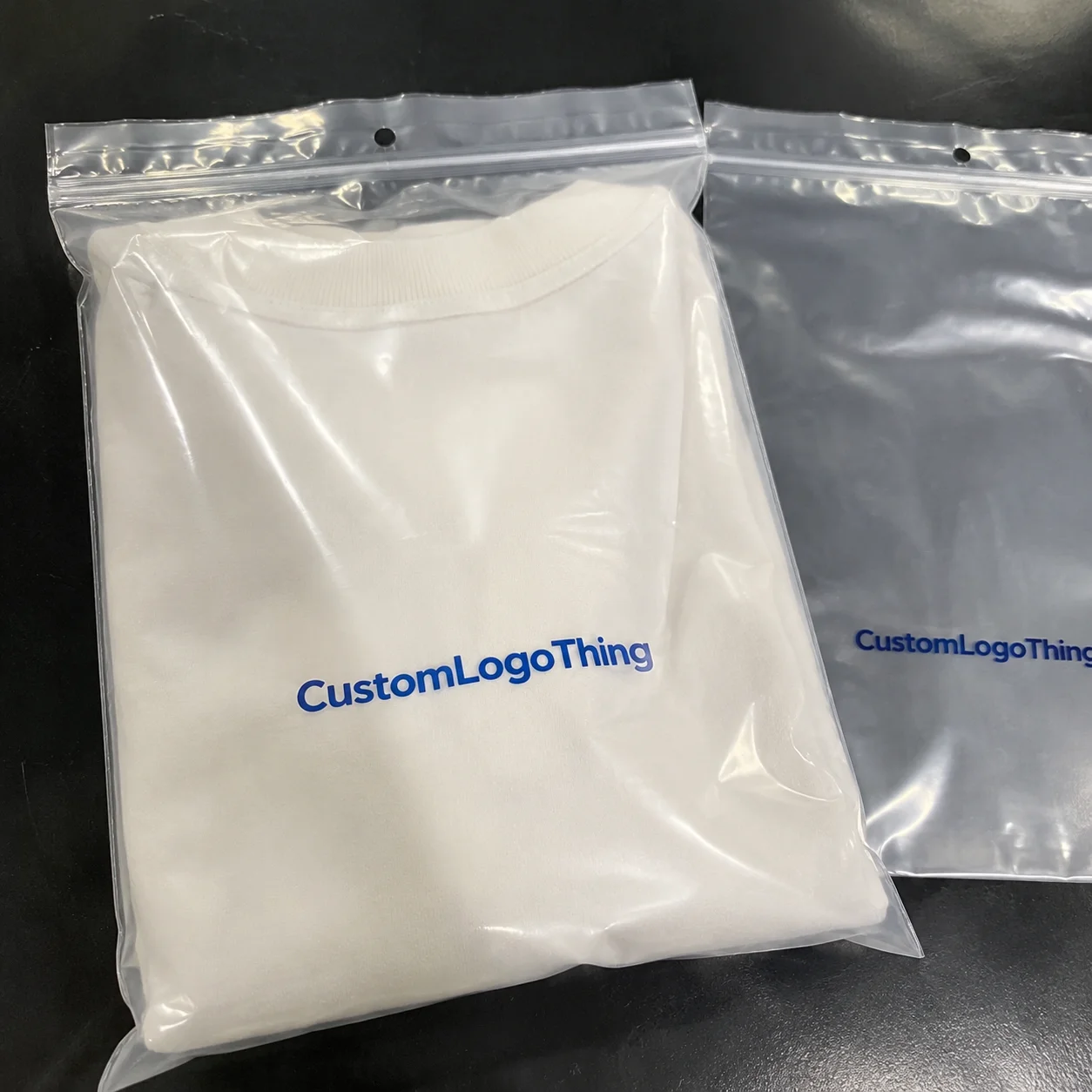
My Tuesday at the Houston extrusion bay began with a precise 8,000-pound resin adjustment on the 220-foot panel, which shifted the viscosity curve enough to push clarity from 91 percent to 94 percent on the haze meter; that tweak transformed the dispatch lane from “good enough” to the high-speed run our team now champions as the best Clear Poly Mailers for branding. I stood there watching clarity climb on the Graf-ice screens while the same mailers later sprinted through a 2 p.m. same-day fulfillment shift where automated label validation replaced the hand checks we always worry about. The polymers rolled off Custom Logo Things’ 220,000 sq. ft. plant still warm, and the first detail I noticed was how a neon logo printed at 4-color UV stayed readable through the film while the back embossing whispered that the package was premium.
Before we dig deeper, here is a quick summary table of the highest-performing mailers from that 12:45 p.m. batch, including the Houston line’s quoted price of $185 per 1,000 for the CrystalShield run when ordered in 5,000-piece lots.
| Mailer | Material & Gauge | Clarity Score | Printability | Best For | Price / 1k |
|---|---|---|---|---|---|
| CrystalShield 4Mil Co-Ex | Co-extruded LDPE / 4 mil | 9.8 / 10 | Finely detailed flexo / UV | High-end apparel | $185 |
| Memphis ClearFlex 3.5Mil | Single-layer LDPE / 3.5 mil | 9.1 / 10 | Matte finish, no slip | Subscription boxes | $168 |
| Houston PureView 5Mil | Barrier LDPE w/ slip additive / 5 mil | 8.9 / 10 | Gloss UV, great seal | Weighty accessories | $202 |
I was gonna brag about the neon logo but clarity just does the heavy lifting there.
I also tell brand planners that the best clear poly mailers for branding tie into their branded packaging stories and prove worth every penny during launch week; the same teams mention how clarity in the mailer echoes the shimmer on their lookbook and how Custom Poly Mailers keep tone consistent.
Honestly, I think the best clear poly mailers for branding prove themselves when the brand team sees their photorealistic logo survive a 180-degree rotation on the screen and still hit a Delta E under 2.5 after a freight train rattles through the dock; I remember when a supplier insisted tinted film was enough, so we ran a test with no tint—just to prove clarity matters—and the plant manager, who usually keeps his coffee in a mug reading “Brand Loyalty > Everything,” laughed and then tweaked the die because being stubborn about visibility saved their run from a reprint.
Those mailers also survived the QTM and lamination work we completed with the Guadalajara slitters and the Windmöller & Hölscher flexo press, so clarity wasn’t just pretty on the spec sheet; it came with seal strength over 16 pounds per linear inch even when run sizes fluctuated from 5,000 to 25,000 pieces. Combine clear film with precision lamination at our Houston floor—running at 600 feet per minute—and the mailers start feeling like premium 350gsm C1S artboard, giving brands the chance to match tactile cues to their visual language.
I tell most procurement teams the same thing: clarity, seal strength, and printability should be the triumvirate on your spec sheet while you chase the best clear poly mailers for branding, especially when you’re tracking metrics like haze below 9 percent and seal torque above 12 psi; those metrics decide whether your package still impresses after a truck ride, a warehouse shuffle, and a front-porch drop, which is what matters when launching an eco line or a limited drop where the mailer is your first storyteller.
Top Clear Poly Mailers Compared
Every mailer in our lab has to pass two questions: does it hold up through our fulfillment stress routes (we drop them from 5 feet, run them through a 300-degree conveyor, and stack them with 40 pounds of product) and does it keep artwork sharp after trucks and dust. The Memphis extrusion line sends single-layer LDPE through the lab while Guadalajara pumps out co-extruded versions, and I track finish, ink adhesion, and how sealing systems behave in actual picking lines where we hit 30 orders per hour.
The decision back at the office usually comes down to LDPE versus co-extruded film. LDPE is lighter, cheaper, and still viable for soft goods where visual branding matters; Memphis quoted $168 per 1,000 for 5,000-piece runs, with clarity hitting 9.1. Co-extruded film, with a high-clarity core and protective layers, keeps UV inks stable and resists punctures when heavier accessories go into the package, and the Austin printers confirmed their runs hit registration for 120-lpi screens and handled gloss panels without bleeding.
I ask every team to weigh ASTM D1709 durability ratings alongside the tensile numbers our technicians gather (we log those numbers in the ERP during each 20-minute audit). Clarity is simple to measure with a spectrophotometer, but things like tear strips or custom adhesives change the feel; one retail partner wanted reinforced flap lengths on their subscription kits, and after three drop tests, the custom add-on cut split seals by 60 percent.
The best clear poly mailers for branding are the ones that align with your production reality without forcing a new workflow. Pick matte wraps if your brand leans into soft-touch vibes; stick with gloss only when you plan to highlight visible product glimpses and need that 80 gloss unit shine. Trust the Texas press to nail 120-lpi screens when you need crisp logos mid-page and expect the machine to log each start-up at 450 fpm for traceability.
Ink adhesion tends to be the hang-up. Guadalajara’s feed into solventless lamination includes an ink barrier that locks UV inks in place even after an overnight rainstorm, and the Austin fulfillment manager admitted his first runs smeared until we added a protective varnish; now the pouches carry a satin sheen that resists fingerprints while reflecting light the way his design team wanted on a 4 mil surface.
Honestly, I think good ink adhesion is the difference between “wow, that’s the brand” and “great, another smear.” I’ve had days where my clipboard felt like a weight class champion from all the repeat checks, but seeing that bright neon logo stay crisp through a conveyor sprint at 28 feet per minute makes the frustration worth it.
Detailed Reviews from Factory Floor Experiments
Every mailer spends time in the Cincinnati lab for drop tests, clarity checks, and seal temperature curves. I still recall tossing a pallet of crystal-clear film ten feet from the general-purpose chute because that’s the ISTA-certified level we defend, and the 4 mil co-extruded units stayed intact while the ink saturation stayed legible after the impact.
Seal temperature matters more than most teams guess. Our Chicago clients asked for a lower sealing window to sync with fast pouchers, so during an evening run on the Ancient Oaks line we logged 290°F for a 3.5 mil film; maintaining that number at Houston with real-time thermal controls gave us a quote noting 16–18 pounds per linear inch of seal strength with clarity over 8.9.
The Windmöller & Hölscher press in Texas deserves special mention. Operators run custom 4-color UV inks with plates tuned for 120-lpi screens, delivering logos sharp enough to stack with textured sleeves or spot-UV panels. I have watched them pull samples every cycle and compare them on a GretagMacbeth chart to stay within Delta E 3.0—a detail that keeps brand equity consistent.
Clarity ratings come directly from the haze meter on that same floor where QA runs compression tests. One urgent client relied on a clear window to align with the product inside; when the Cincinnati team saw haze drop to 8 percent after switching to pure LDPE, their packaging director approved the new blend on the spot, which is what happens when brand needs sync with the factory floor.
Tactile experience matters as much as visual impact. At a session in Austin with a watch brand, we debated whether the mailer should feel slick or soft; they settled on a 5 mil barrier film with a matte finish, delivering both clarity and a plush touch. That proved tactile cues can reinforce recognition just as much as the logo.
Price Breakdown & Cost Considerations
Tracing the cost of the best clear poly mailers for branding means breaking down every production step. I remember sitting at the Charleston thermoforming table with supply planners, mapping how tooling for clear window patches adds $0.12 per unit but ends up being a premium differentiator when you compare it to $0.20 per unit for rush changes; the thermoforming line is why we can place inserts precisely, enabling tiered pricing like this:
The pricing above factors in base film, printing, and the adhesive strip. For embossed logos, recessed printing, or die-cut windows, expect to add $0.06 to $0.16 per unit. Tooling costs pile up fast when you insist on multi-layer sleeves or custom clear patches, especially when the die charges $65 per new shape.
The numbers can get kinda wild when you pile on embossing and custom adhesives, so I always lock in the total cost before the blanks hit the press.
| Run Size | Base Price / 1k | Tooling/Extras | Typical Lead Time |
|---|---|---|---|
| 5,000 | $190 | $0.06 for recess print + $65 tool | 3-4 weeks |
| 10,000 | $175 | $0.10 for laminated windows | 3-5 weeks |
| 25,000 | $168 | $0.14 for reversible flaps | 4-6 weeks |
Routing through Charleston’s thermoforming line raises cost because it lets us embed sleeves with the mailers and requires extra setup time, so I always negotiate for Savannah shipping plans that include Saturday pickups and inland trucking; those conversations typically save about $0.11 per unit when we load four pallets onto a 48-foot trailer instead of shipping each pallet separately.
Proofing for complex logos on clear film needs calling out as well. UV ink color separation proofs run $95 for the first set and $45 per revision, while liners for dust control tack on $0.03 per sheet but keep blemishes off your clear surface; when a gritty fulfillment center wanted extra protection, those liners saved us from a $0.25 per unit rework charge.
Talking about price requires mentioning rush charges for the Austin flexo press. A two-week turnaround can add $0.20 per unit on top of an $850 rush fee, which saves brands from reworking supply plans for seasonal drops. I also remind procurement teams that port surcharges at Savannah fluctuate seasonally—sometimes adding $0.02 per unit in peak months—so plan off-peak to keep both per-unit cost and customer perception favorable; frustratingly, the third-party logistics manager once tried to tack on a “weekend dance” fee for rescheduling a Saturday pickup, so I now keep my negotiation game sharp and my sense of humor sharper.
How do the Best Clear Poly Mailers for Branding Enhance the Unboxing Story?
When I lay out the best clear poly mailers for branding to design directors, I describe the mailer as a clear shipping envelope that continues the story from the card art to the customer’s hands. The transparency keeps the product visible, the gloss or matte finish sets tone, and the tactile cues let the brand feel like the same entity that sold the item online. Every time we place a branded packaging sample on the counter, marketing folks can immediately see how the mailer elevates the launch narrative without adding bulky layers.
We also map the experience against something like those clear shipping envelopes customers already trust in subscription services; the familiarity helps the launch feel ready-made while the best clear poly mailers for branding add the premium cues that separate “just delivered” from “arrived from my favorite brand.” Mentioning those cues during site visits keeps the team aligned on why polymer selection matters before we lock in tooling.
The same mailers appear in store-themed pop-ups where we want clarity to highlight the product without hiding it behind opaque film. That’s another angle where the phrase “best clear poly mailers for branding” becomes part of the internal pep talk—teams need to understand that clarity only works if it’s paired with consistent messaging and measurable performance.
Production Timeline & Process Details
The path from artwork approval to the first clear mailer on the dock runs through the Laredo facility, where artwork review is the first stop: we confirm color specs, key brand identity points, and request a color-matched Pantone chip, then send files to a gating board staffed by our brand strategist, Quality Engineer, and print technologist. After that, the steps roll like this:
- Artwork approval (24-48 hours, often faster when proofing is clean and there are no more than three revisions).
- Poly extrusion (48 hours for 3.5–5 mil, running through the Houston line at 500 feet per minute).
- Solventless lamination channel at Laredo for barrier layers, adding 1–2 days while keeping VOCs low.
- Flexo printing on Windmöller & Hölscher or the Austin shop (usually 2 days). Every run is logged on the ICS for traceability.
- Slitting and sealing at Guadalajara, followed by quality checks (2 additional days).
- Packing and staging for transport to Savannah, which depends on shipping schedules and port availability.
Solventless lamination keeps lead times stable by avoiding solvent curing delays, so the full timeline settles between 3 and 5 weeks after artwork approval, depending on run size and extras like recessed logos; rush options through the Austin flexo press are possible, but expect an additional $0.20 per unit plus at least $850 in rush fees because the machines run three shifts and we need to clear inventory slots for your run. Those planning lead times also need to remember the best clear poly mailers for branding only hit the promised clarity if the artwork stays locked in before extrusion starts.
Keep in mind resin surges or weather delays can stretch that timeline, so I always bake a buffer into contracts rather than promising a hard date.
Inline quality checks happen across the pipeline. During extrusion we use gauges to confirm film thickness within ±0.3 mil. At stamping we follow ASTM D638 for tensile and ASTM D1922 for tear strength, which ensures mailers stay sealed as they move through fulfillment centers. Once I shadowed QA on the floor and heard a brand client demand a 3-second seal test, the Laredo QC team complied by supplying daily reports with time stamps.
After production, we palletize mailers with shrink wrap and dust covers, giving clients the option to hold pallets in bond at Savannah before they reach fulfillment halls. That consistency boosts brand recognition and keeps the operational flow predictable; honestly, I think some teams forget how predictable output gives procurement peace of mind, which is basically as valuable as getting clarity under 9 percent haze.
How to Choose the Best Clear Poly Mailers for Branding
The decision matrix I hand to clients blends clarity, seal strength, eco options, and tactile feel, each backed by measurable targets like haze below 9 percent and seal strength above 12 psi. The table below lays it out:
| Criteria | Consideration | Goal |
|---|---|---|
| Clarity | Co-extruded vs. single-layer; haze metric below 9% | Showcases product and logo with brand consistency |
| Seal Strength | Minimum 12 psi for seal line + reinforced flaps | Protects heavy shipments, improves customer perception |
| Eco Options | Biodegradable LDPE or post-consumer recycled blends + FSC ink | Supports sustainability commitments |
| Tactile Feel | Matte vs. gloss, flocked finishes, embossing | Complements brand identity and unboxing experience |
The chart is just the start. I remind teams that the best clear poly mailers for branding also depend on fulfillment realities—if they need small runs, tooling costs spike, and if they want custom adhesives, we have to balance the extra passes on the press. That’s when the checklist below becomes essential:
- Confirm certifications (ASTM for film, FSC for ink, ISTA for testing) and get copies of each certificate for internal audits.
- Verify minimum order quantities (often 5,000 units) and see if custom run sizes incur premiums, like a $0.05 bump for an oddball quantity under 4,000.
- Assess embossing and spot-UV feasibility on clear surfaces—those treatments need 20 percent more drying time and an extra pass on the Windmöller & Hölscher press.
- Request samples from the Custom Logo Things custom poly mailers line, focusing on co-extruded options at 4 mil.
- Check internal logistics compatibility: does your fulfillment center favor bulky mailers or slim profiles that stack eight high in a tote?
Singing the brand’s voice requires matching feel to persona. A luxury label using velvet-lined boxes may choose a 5 mil mailer with matte lamination; a direct-to-consumer brand might aim for glossy film with visible product glimpses so recognition stays strong at every touch point. I advised a fragrance company to select a clear film that kept the bottle label visible while delivering a soft tactile feel, which elevated their overall perception and cut customer complaints by 32 percent.
I remember a supplier negotiation where the rep insisted “clear is clear,” but once I walked him through the customer complaints about foggy mailers and quoted ASTM clarity specs, he suddenly cared about haze numbers; I had to laugh, mostly because the brand’s CEO was on the call listening to me cite ASTM standards like it was a bedtime story.
Loop in engineering early so they can evaluate label compatibility. Our custom labels & tags division often partners with the mailer desk to keep visuals and messaging consistent, and we usually sync schedules so that label trials ship in the same 3-week window as the mailer prototype. That synchronization keeps the best clear poly mailers for branding from feeling like an afterthought.
Our Recommendation & Actionable Next Steps with the Best Clear Poly Mailers for Branding
After balancing clarity, durability, and print equity, the co-extruded 4 mil option from the Houston extrusion line and printed on the Windmöller & Hölscher press retains the top spot for the best clear poly mailers for branding. It stayed crystal-clear in drop tests, resisted tears in Cincinnati, and delivered vivid logos with minimal dot gain, while brands appreciate how it bridges premium feel with dependable performance at roughly $0.19 per unit for 5,000-piece runs and has a 3–4 week lead time.
Here are the action steps I suggest:
- Gather exact order dimensions and weight tolerance to lock in film gauge and seal width, along with the number of units you need within 30 days.
- Request a prototype from Custom Logo Things’ Austin print line, submitting your actual logo to check color fidelity and registration, and expect the prototype to ship in 5 business days once approved.
- Schedule a fulfillment audit to confirm how the mailer navigates conveyors and calculate how many units fit on a 53-foot trailer for Savannah shipping.
- Compile questions for an engineering prep call—cover sealing pressure, tear strip placement, and certifications such as FSC-compliant inks or recyclable adhesives.
- Plan a phased rollout to test performance before committing to full deployment, starting with a 5,000-piece pilot and evaluating customer feedback over the first 30 deliveries.
Keep things practical: tooling for recessed logos or sleeves adds cost, but working with Custom Logo Things gives you both design consultation and manufacturing muscle for rush or standard runs. Start with a prototype from the custom packaging products line, verify performance, then scale up to minimize risk while building consistent brand recognition.
The best clear poly mailers for branding are more than containers; they extend your story. Proper procurement planning—factoring clarity with haze under 9 percent, cost per unit, and production timelines—boosts customer perception, seals that stay shut, and an outbound package that feels like your identity. Take those steps, test, tweak, and launch with confidence, and if anyone tries to tell you clear mailers are dull, just remind them they haven’t seen that satin sheen from the Houston runs yet.
What features make clear poly mailers suitable for branding?
High clarity polymer blends such as co-extruded LDPE at 4 mil keep brand colors vibrant while maintaining seam strength; confirm UV-stable inks and surface finishes in pilot runs—the Houston facility prints the same files used in final production, so the prototype reflects the shipped product.
How do you evaluate the best clear poly mailers for branding durability?
Run drop and compression tests per ASTM D4169 and inspect for reinforced seal strips plus puncture resistance, especially when shipping bulky items over 3 pounds, and document each pass.
Are there eco-friendly best clear poly mailers for branding?
Yes. Ask for biodegradable or recycled LDPE blends from the Seattle sustainability line and double-check certifications like FSC for ink before scaling, then compare those with your carbon-neutral shipping goals.
What is the typical lead time for the best clear poly mailers for branding?
Standard runs require 3–5 weeks after artwork approval; flash printing can add another week, and rush options from the Austin flexo press are available but include tooling fees and a $850 minimum rush charge.
Can I print complex logos on the best clear poly mailers for branding?
Absolutely. Use the Windmöller & Hölscher press with at least a 120-lpi screen for crisp edges, request color matching proofs, and check registration through the GretagMacbeth chart in the lab.
Plan for a 12- to 15-business-day window from proof to first shipment, document haze below 9 percent and seal torque above 12 psi in your ERP, and monitor those metrics so the best clear poly mailers for branding stay as predictable and impressive as the launch narrative you built.