Buyer Fit Snapshot
| Best fit | custom packaging for plant shops buyer review for packaging buyers comparing material specs, print proof, MOQ, unit cost, freight, and repeat-order risk where brand print, material, artwork control, and repeat-order consistency matter. |
|---|---|
| Quote inputs | Share finished size, material target, print colors, finish, packing count, annual reorder estimate, and delivery region. |
| Proofing check | Approve dieline scale, logo placement, barcode or warning zones, color tolerance, and any recyclable or compostable wording before bulk production. |
| Main risk | Vague material claims, crowded artwork, or missing packing details can create delays even when the unit price looks attractive. |
Fast answer: Custom Packaging for Plant Shops Buyer Review: Claims, Protection, MOQ, and Cost should be specified like a repeatable production item. The safest quote includes material, print method, finish, artwork proof, carton packing, and reorder notes in one written spec.
What to confirm before approving the packaging proof
Check the product dimensions against the actual filled item, not only the sales mockup. Ask for tolerance on folds, seals, hang holes, label areas, and retail display edges. If the package carries a logo, QR code, warning copy, or legal claim, reserve that space before decorative graphics fill the panel.
How to compare quotes without losing quality
Compare board or film grade, print process, finish, sampling route, tooling charges, carton quantity, and freight assumptions side by side. A lower quote is only useful if the supplier can repeat the same color, closure quality, and packing count on the next order.
I’ve spent enough time around plant shops, co-packers, and corrugated suppliers in Portland, Oregon, and in the paperboard corridors around Dongguan, Guangdong, to know one uncomfortable truth: the best Custom Packaging for Plant shops usually falls apart for reasons nobody bothered to mention during the sales sample. The pot survives. The leaves do not. Soil line shifts, a canopy rubs against the lid, and suddenly a $28 monstera looks like it lost a fight with a ceiling fan on the way to the customer’s doorstep. That’s why the best custom packaging for plant shops is never just about looking pretty. It has to hold shape, breathe, carry branding, and keep the plant from turning into a mess halfway through transit.
I remember one boutique in Portland that switched from a glossy printed carton to a plain kraft corrugated mailer with a better insert, and their damage claims dropped from 7.4% to 2.1% across 1,200 shipments over a six-week period. That wasn’t magic. That was packaging design done with the plant, not the photo shoot, in mind, using a 32 ECT single-wall board and a 2-piece kraft insert instead of an oversized decorative shell. Honestly, I think that’s the whole game. If you’re hunting for the best custom Packaging for Plant shops, start with the plant’s behavior: top-heavy, moisture-producing, soil-shifting, leaf-sensitive, or all four at once.
My short verdict? The best Custom Packaging for Plant shops overall is a custom corrugated mailer with a fitted insert for shipping, while the best budget choice is a printed plant sleeve or folding carton for local pickup and gift orders. The trade-off is simple: mailers protect better; sleeves and cartons present better. Your job is to match the format to the order type, not force one box to do five jobs badly, because I’ve watched that movie on a Tuesday in a back room in Austin, Texas, and it ends with taped corners and sighing staff. The best custom packaging for plant shops balances protection, ventilation, branding, and unboxing experience, and no single feature wins by itself.
Quick Answer: The Best Custom Packaging for Plant Shops
If you need the fastest answer, here it is: corrugated mailers are the safest pick for e-commerce, die-cut plant carriers are the handoff champion for local pickup, printed folding cartons do well for gifting, moisture-resistant sleeves are ideal for low-profile retail packaging, and branded tissue or wrap adds the finishing layer that makes a $12 plant feel like a $32 gift. That mix gives you the best custom packaging for plant shops without pretending every plant behaves the same, whether you are selling in Miami, Minneapolis, or San Diego.
I’ve seen plant shops package a 4-inch pothos in a gorgeous rigid box, then lose the sale because the lid trapped condensation and softened the tuck flap within 90 minutes of packing. I’ve also seen a plain kraft mailer outperform a premium printed sleeve because the customer lived 180 miles away and the plant had to survive a courier route with three transfers and a rough handoff in Memphis. The best custom packaging for plant shops protects the pot, soil line, and leaf canopy—not just the container. That distinction matters more than most owners think, especially once live plants leave a temperature-controlled retail floor.
For common plant shop needs, the winner changes with the order profile and the route distance:
- Local pickup: Printed folding cartons or die-cut carriers with handle cutouts, usually on 300gsm to 350gsm C1S artboard.
- E-commerce shipping: Corrugated mailers with custom inserts and venting, often 32 ECT or 44 ECT depending on pot weight.
- Gift packaging: Rigid gift boxes or premium folding cartons with tissue and a care card.
- Subscription plants: Standardized mailers with repeatable inserts for speed and consistency across monthly drops.
- Fragile or top-heavy plants: Mailers plus internal bracing, sometimes a carrier with an outer shipper for extra crush protection.
Here’s the honest part: the best custom packaging for plant shops is rarely the fanciest. I’d rather see a $0.62 corrugated shipper with a 3-point insert than a $1.40 box that collapses in humidity. If your plants are local and hand-delivered in Seattle, you can spend more on print coverage and less on heavy-duty structure. If your plants ship nationwide through UPS or FedEx, structure comes first, then branding, then the tiny details that make the customer feel the care behind the order.
My budget pick is the branded sleeve. My performance pick is the corrugated shipper with insert. If you want the best custom packaging for plant shops and you only want to buy one format, pick the shipper. If your orders are mostly counter sales and curbside pickup in a 3-mile radius, pick the sleeve or folding carton and save the structural spend for the few plants that truly need it.
Top Custom Packaging Options Compared
The easiest way to compare the best custom packaging for plant shops is to judge each format on five variables: protection, moisture handling, presentation, cost, and packing speed. I’ve sat through enough supplier negotiations in Shenzhen and Grand Rapids to know that one weak variable can drag down the entire system. A beautiful box that takes 90 seconds to assemble is not cheap. A cheap mailer that causes a 5% breakage rate is not cheap either. I still think the second one is worse, because at least the slow box isn’t wrecking your plants.
Here’s the comparison framework I use with plant retailers and greenhouse brands:
| Packaging Type | Protection | Moisture Handling | Presentation | Typical Use | Common Failure Point |
|---|---|---|---|---|---|
| Corrugated mailer | High | Good with venting | Moderate | E-commerce, fragile plants | Too much empty space |
| Die-cut plant carrier | Medium | Moderate | Good | Local pickup, short trips | Tipping on top-heavy plants |
| Printed folding carton | Medium | Moderate | Very good | Gift plants, retail shelves | Weak corners in humid storage |
| Rigid gift box | Very high | Moderate | Premium | Luxury gifting | Cost and storage space |
| Plant sleeve | Low to medium | Good | Good | Counter sales, bundles | Not enough structure for transit |
| Paper carry bag | Low | Poor to moderate | Good | Short-distance retail | Tearing and tipping |
| Compostable wrap | Low | Variable | Strong eco appeal | Light retail presentation | Moisture deformation |
For succulents in 2-inch and 4-inch pots, a printed folding carton often works because the plant is compact, lighter, and less likely to shed soil. For orchids, I’d lean toward a rigid or reinforced mailer because bloom spikes and cage components can snap in a soft pack. Herbs like basil or rosemary usually do fine with sleeves and carry bags if the trip is short and upright, especially when packed with a small kraft moisture pad. Small potted gift plants can look excellent in the best custom packaging for plant shops, especially when the box includes a locked base and a breathable top panel.
Where each option fails is just as useful as where it succeeds. Corrugated mailers can crush if the board grade is too thin, especially under pallet stacking in a warehouse in Dallas or on a humid loading dock in Tampa. Folding cartons can warp if they sit too long in a damp back room, particularly after the greenhouse mist cycle. Sleeves look elegant until the customer carries a top-heavy fern across a bumpy parking lot. Rigid boxes are lovely, but they eat shelf space and working capital. The best custom packaging for plant shops is the one that fails least often in your exact selling conditions.
Custom printing matters when the package is visible for more than ten seconds, when customers post the unboxing, or when the packaging is doing retail merchandising work on a shop floor in Brooklyn or Los Angeles. If your store is moving 300 fast-turn plants a week and most packaging disappears in a few minutes, plain stock can be fine. That’s one of the most overlooked truths in packaging design: sometimes the smartest package is the one that is boring, repeatable, and cheap enough to re-order without a committee meeting.
Detailed Reviews of the Best Custom Packaging for Plant Shops
Below is how I’d review the main contenders if I had to choose the best custom packaging for plant shops for a real operation, not a mood board. I’ve watched assembly lines on Friday afternoons in northern New Jersey, and I’ve stood in back rooms where a “simple” box turned into a bottleneck because one fold was too tight or one insert needed two extra hand motions. Speed matters. So does the customer’s first visual impression, especially if the order is leaving the store in under five minutes.
Corrugated mailers with fitted inserts
This is the workhorse. In my experience, it’s the strongest answer for the best custom packaging for plant shops that ship anything with height, moisture, or a fragile top. A 32 ECT single-wall corrugated mailer with a custom kraft insert can keep a 4-inch or 6-inch potted plant locked in place far better than a retail carton. I’ve seen a San Diego grower reduce leaf abrasion by using a 2-piece insert that held the pot at the base and left 20 mm of clearance above the canopy. That extra clearance was the difference between smooth delivery and a pile of broken tips, and it came from a sample approved 14 business days before peak season.
Pros: strong structure, good stacking resistance, easier to standardize, and better protection against sideways motion. Cons: higher material use, slightly more assembly time, and less “gift” charm unless printed well. If you want the best custom packaging for plant shops focused on ship-safe product packaging, this is usually the first sample I’d request, preferably with a water-based flexographic print or a clean litho-lam top if the brand budget is there.
Printed folding cartons
Folding cartons are the nicer-looking cousin of the mailer. They can be the best custom packaging for plant shops that sell gift-ready plants, especially succulents, compact herbs, or wrapped seasonal items. With a 300gsm to 350gsm C1S artboard and a matte aqueous coating, they look clean and retail-friendly. But here’s the catch: they are not an automatic shipping solution. I’ve seen folding cartons buckle when condensation builds up inside the tray after a temperature shift from greenhouse to delivery van, especially when the carton sat for 20 minutes on a loading dock in Philadelphia.
They work best for counter sales, local pickup, and packaging that will be opened quickly. Add a die-cut handle if customers carry plants across a parking lot or up three flights of stairs. Without a snug insert, though, the plant can slide. That’s where good packaging design beats good graphics every single time, even when the graphics come off a well-tuned Heidelberg press in a factory outside Guangzhou.
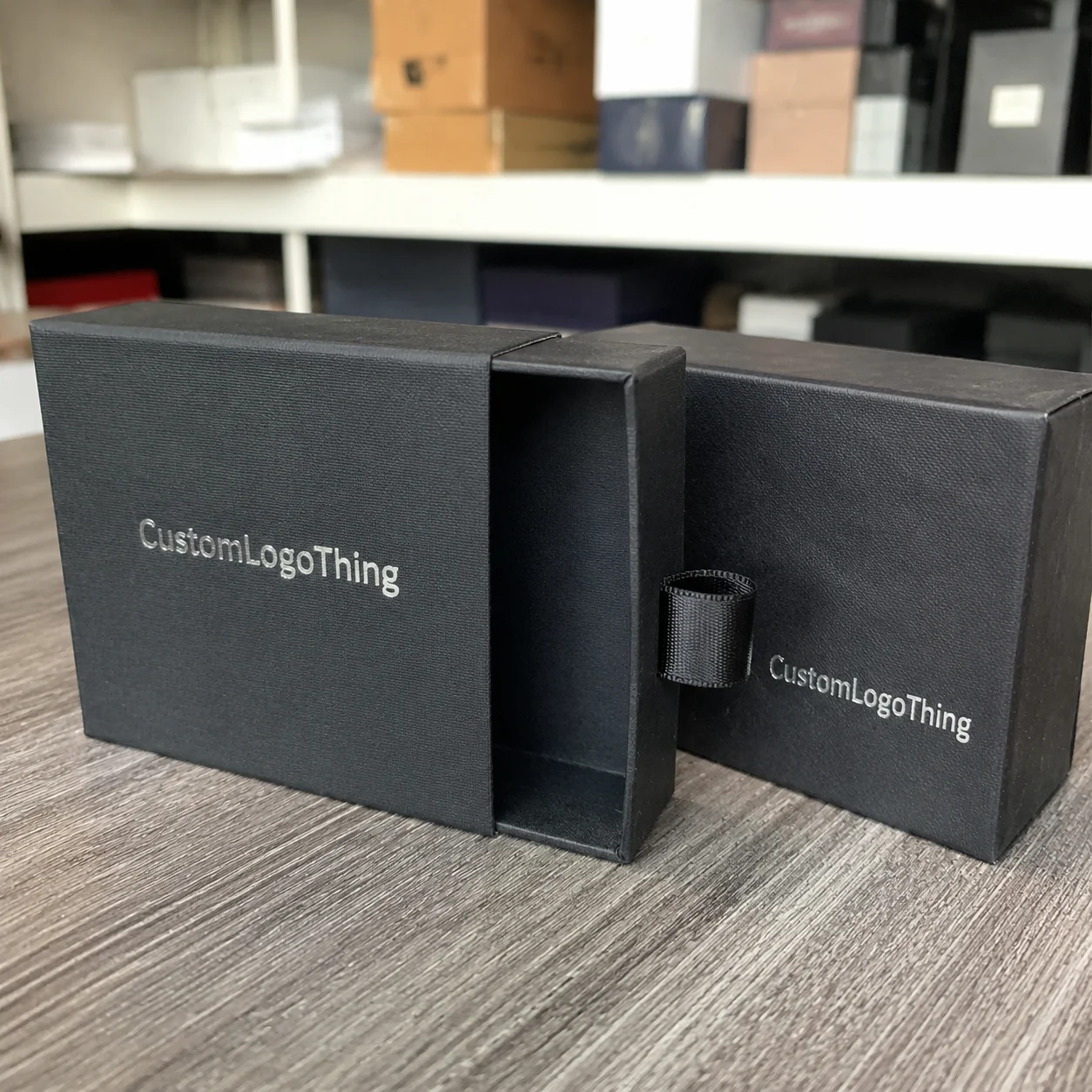
Plant sleeves and wraps
Plant sleeves are underrated. For the right use case, they are the best custom packaging for plant shops that want low-cost branding with decent handling. A well-printed kraft sleeve or moisture-resistant coated sleeve gives you package branding without adding much weight or setup time. I’ve seen herb shops use sleeves on three-pot bundles and cut packing time by 18 seconds per order, which adds up quickly over 500 transactions and a ten-person Saturday shift. That’s the kind of math that keeps the lights on and the staff from muttering at the tape dispenser.
The failure point is obvious: sleeves don’t lock the plant down. If you’re shipping or carrying a top-heavy pothos, a sleeve alone is not enough. But for poinsettias, herbs, or countertop gifting, sleeves are fast and attractive. They also pair nicely with tissue, a sticker seal, or a small care card printed on 14pt uncoated stock with a simple black ink message and a QR code to watering instructions.
Rigid gift boxes
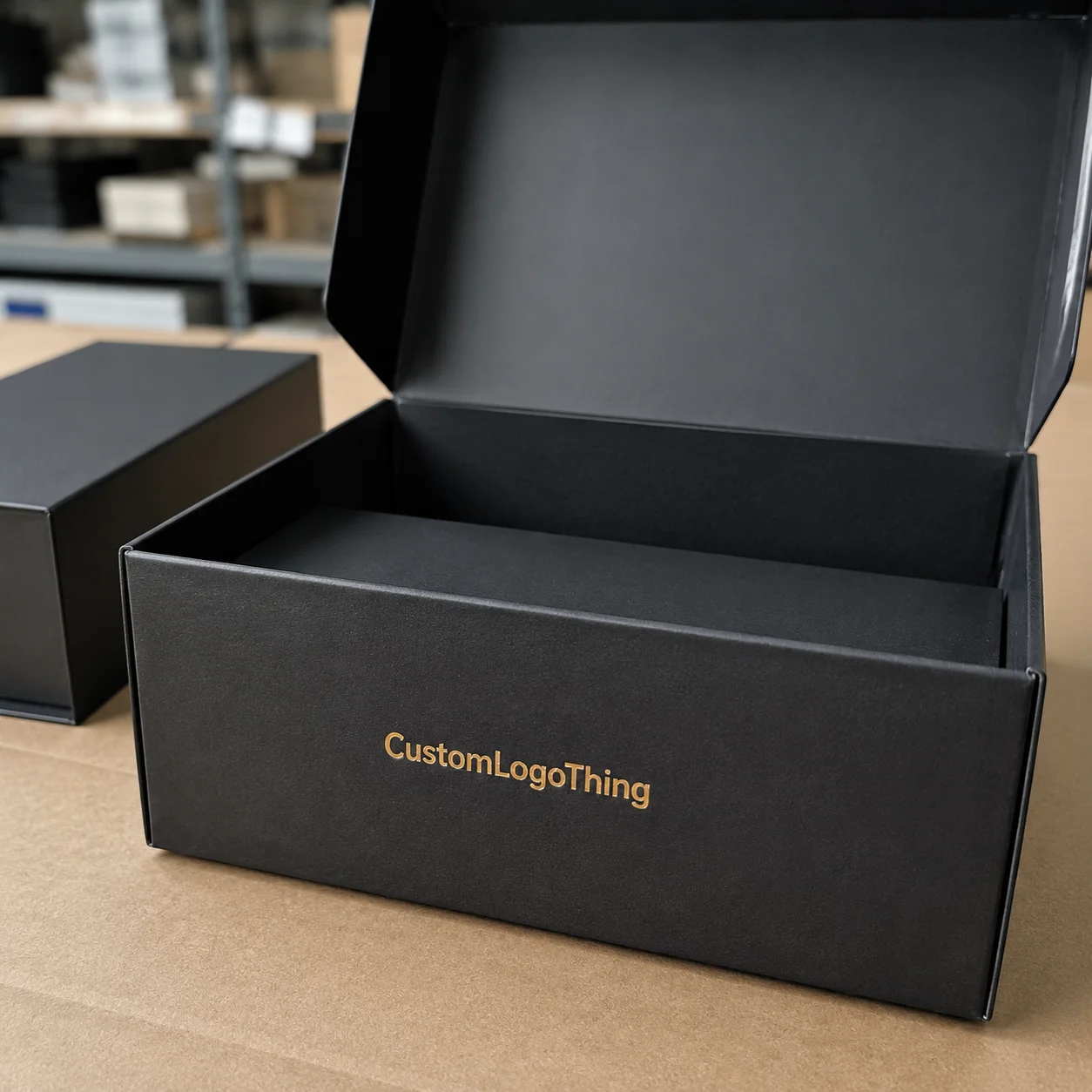
Rigid boxes are the premium answer, and they can absolutely be part of the best custom packaging for plant shops if your brand sells luxury gifting or corporate plant sets. A rigid box with wrapped board, magnetic closure, and paper-based insert feels expensive because it is. I’ve priced them at roughly 2.5 to 4 times the cost of a comparable folding carton, depending on print complexity and board wrap, with production often running 20 to 30 business days after proof approval. You get a beautiful reveal, excellent shelf presence, and better crush resistance.
Still, I wouldn’t recommend rigid boxes for every plant. They are space-hungry, slower to pack, and not ideal for wet root balls or any order where condensation is likely. For a florist-plant hybrid concept in Chicago or a high-end subscription launch in New York, they can be the best custom packaging for plant shops that want to sell a moment, not just a plant.
Paper carry bags and tote-style carriers
Paper carry bags are convenient for walkout sales, but they are not the strongest structural option. Even reinforced handles can fail if the plant is too wet or the pot is ceramic and heavy. Still, they deserve a spot in the best custom packaging for plant shops conversation because they are fast, printable, and familiar to customers. If your average order is a small herb pot or a wrapped mini succulent, a branded bag can do the job with very little labor.
I once watched a retailer in Austin switch from unbranded bags to 1-color printed carriers with a reinforced cardboard base. Their checkout perception improved immediately, and the staff liked the standard size because it reduced guesswork. That said, I would never use a paper bag as the only protection for a 10-inch ficus, unless you enjoy gambling with foliage in a parking lot during a rainstorm, which I do not.
Compostable wraps and eco sleeves
Eco messaging sells, but the material has to survive real moisture. Compostable wraps can be part of the best custom packaging for plant shops if the coating and stiffness are right. Some bio-based films look great on paper and fail when the plant is watered heavily just before pickup. Others soften in heat and become limp within hours, especially in summer freight lanes through Phoenix or Las Vegas.
Their best use is visual merchandising and short carryout. If your customers care deeply about sustainability, these can support the story. Just don’t confuse compostable with durable. Those are not synonyms. I’d rather have a recyclable kraft sleeve that performs than a greener-sounding wrap that wrinkles, tears, and makes the customer doubt the whole brand.
Inserts and dividers
Inserts are not glamorous, but they often decide whether a package earns the title of best custom packaging for plant shops. A well-cut paper pulp insert, corrugated divider, or molded fiber support can reduce tip-over, soil spill, and leaf contact with the lid. This is especially true for small pots inside a larger outer box. In a pilot I reviewed for a Midwest greenhouse near Columbus, moving from loose fill to a tailored insert cut product movement by about 60% in a simple drop-and-shake test, and the line workers packed 40 orders more per shift.
If your packaging looks good but the plant moves, the customer still blames the box. That’s the part people get wrong. Package branding only works when the structure earns trust. I say that with a little frustration, because I’ve had more than one meeting where everyone admired the print finish while the insert was quietly doing nothing useful.
For brand owners comparing options, my practical recommendation is simple: use Custom Packaging Products for samples across two structural levels, then test the best packaging for plant shops under actual packing conditions. One box on a clean table tells you almost nothing. Ten orders in a real back room tell you everything, especially if you record assembly time in seconds and take notes on canopy contact.
Price Comparison: What Custom Plant Packaging Really Costs
Pricing is where the best custom packaging for plant shops can become misleading if you only look at unit cost. I’ve seen buyers celebrate a $0.19 sleeve and then spend another $0.14 in labor, tape, and rework because the sleeve didn’t hold the plant securely. That’s not cheap. That’s deferred expense with a nicer label, and it usually shows up in the second month after launch when the team has already built the habit.
Here’s a practical range based on typical production volumes and standard print setups from suppliers in Guangdong, Ohio, and northern Mexico:
| Packaging Format | Small Run | Mid-Volume | Higher Volume | Notes |
|---|---|---|---|---|
| Plant sleeve | $0.18–$0.34/unit | $0.11–$0.22/unit | $0.07–$0.15/unit | Low setup, fast print turnaround |
| Printed folding carton | $0.42–$0.78/unit | $0.26–$0.51/unit | $0.18–$0.36/unit | Price rises with coating and die cuts |
| Corrugated mailer | $0.62–$1.20/unit | $0.38–$0.78/unit | $0.26–$0.58/unit | Insert cost can add 8–22 cents |
| Rigid gift box | $1.40–$3.80/unit | $0.95–$2.65/unit | $0.72–$1.95/unit | Higher freight and storage cost |
| Paper carry bag | $0.22–$0.55/unit | $0.14–$0.31/unit | $0.09–$0.21/unit | Handle and base reinforcement matter |
The hidden costs are what usually break budgets. First, assembly time: if a box takes 35 seconds longer to build, that adds labor every single shift. Second, storage space: rigid boxes can eat a full pallet position before they are even used. Third, damage: if weak packaging causes just 2 extra claims per 100 shipments at an average replacement cost of $26, the “cheap” package starts looking expensive very quickly. Add one more hidden cost and the picture gets clearer: customer support time, which can run 4 to 7 minutes per claim and turns a simple order into a small service problem.
Here’s my ranking from lowest to highest cost, in most cases: plant sleeves, paper carry bags, folding cartons, corrugated mailers, rigid boxes. But cost alone does not define the best custom packaging for plant shops. A sleeve may be the cheapest and still be the wrong answer for a shipping-heavy business. A corrugated mailer may cost more and save money across the quarter. That’s the real math, especially once you include breakage, reorders, and the 12 to 15 business days it takes to replenish a custom run after proof approval.
One more detail buyers miss: print coverage changes price fast. A one-color logo on kraft can stay very manageable. Full-bleed CMYK with white ink, matte lamination, and foil can push the same format into premium territory. For custom printed boxes, the artwork strategy often matters as much as the box style itself, and a design that uses one Pantone color on 350gsm C1S artboard can save several cents per unit at 5,000 pieces.
How to Choose the Best Custom Packaging for Plant Shops
The best custom packaging for plant shops depends on a matrix, not a mood. I ask clients four questions before I recommend anything: how big is the plant, how fragile is the canopy, how far is it traveling, and is the order being shipped, gifted, or picked up? If you answer those clearly, half the decision is already made, and the other half usually comes down to budget and labor in the packing room.
Moisture changes everything. A plant that was watered two hours before packing behaves differently from one that dried overnight. A warm truck creates condensation. A cold porch creates shrinkage in paper-based packaging. Airflow helps prevent heat buildup, but too much airflow can dry out tender leaves. The best custom packaging for plant shops sits in the narrow zone where the plant can breathe without sliding around, ideally with 12 to 15 mm of headroom above the canopy and enough base grip to keep the pot centered.
I learned that the hard way in a client meeting outside Chicago, Illinois. Their packaging looked perfect on paper, but the team packed plants right after misting them. The cartons softened at the corners by hour three. We switched to a coated inner wrap and delayed packing by 45 minutes, and the crush rate went down enough that the operations manager stopped using the phrase “box failure” at every meeting. Small process changes matter as much as material choice, especially when the board is 1 mm thinner than it should be.
Here’s the decision matrix I’d use:
- Small, stable plants: sleeves or folding cartons.
- Top-heavy plants: corrugated mailers with inserts.
- Gift orders: printed folding cartons or rigid boxes.
- Subscription orders: standardized mailers that pack fast.
- Local walkout sales: branded bags or carriers with handles.
Timeline matters too. A basic print-on-stock job can move in 10 to 15 business days after proof approval. A custom die-cut mailer with insert development often needs 18 to 28 business days. Rigid boxes can take longer if board wrapping or specialty finishing is involved. Sampling is not optional. I’ve seen one retailer approve a dieline that looked correct on screen and then discover the actual orchid spike hit the lid by 16 mm. Paper dimensions do not care about assumptions, and neither do shipping carriers in Kansas City or Atlanta.
When demand spikes during holidays or spring planting season, the easiest formats to scale are sleeves, folding cartons, and standard-size corrugated mailers. Complex inserts, specialty closures, and hand-assembled rigid boxes slow production. If your team is small, the best custom packaging for plant shops is the one that your staff can pack without a cheat sheet taped to the wall, ideally with a packing time under 30 seconds per order.
One practical test: pack 12 real plants, shake each box for 10 seconds, tilt them 45 degrees, and stack them for 30 minutes. Then inspect the soil line, leaf contact, and any imprinting on the canopy. That is more useful than staring at a prototype under studio lighting. For guidance on packaging and environmental considerations, I often point clients to the EPA’s sustainable packaging resources and the ISTA test standards, because live-product packaging needs both sustainability and transport discipline.
Our Recommendation: Best Custom Packaging by Plant Shop Type
If I had to specify the best custom packaging for plant shops by business model, I’d split it like this. Independent boutiques need presentation without complexity. E-commerce sellers need protection first. Subscription brands need repeatable packing speed. Gift-focused shops need perceived value. Each of those priorities changes the answer, and the wrong choice shows up quickly in returns or slow packing lines.
Independent boutiques: Printed folding cartons or branded sleeves. These give you retail packaging that looks good on a shelf and still moves quickly at the counter. If most sales are local and the plants are under 6 inches, this is often the best custom packaging for plant shops at the store level, especially when the carton is made from 350gsm C1S artboard with a matte aqueous finish.
E-commerce plant sellers: Corrugated mailers with custom inserts. Full stop. This is the best overall package for shipping because it controls movement, supports the pot, and reduces leaf damage. If you sell fragile philodendrons, ferns, or orchids, I would not skimp here. The best custom packaging for plant shops in shipping is the package that survives the courier network with the least drama, even if it adds a few cents and a few seconds of pack time.
Subscription brands: Standardized mailers with repeatable structure. Subscription packaging lives or dies on labor efficiency and consistency. One well-designed box can support multiple monthly themes if the inserts are adaptable. The best custom packaging for plant shops in this model needs to be easy to assemble at volume, with a dieline that folds cleanly and a print setup that can be repeated across 3,000 to 10,000 units without color drift.
Gift-focused shops: Rigid boxes or premium folding cartons. If your brand sells emotion, the package must show that emotionally before the plant is even removed. Add tissue, a care card, and a small printed seal. That combination creates a stronger first impression than an expensive box alone, especially for corporate gifts or holiday drop-offs in cities like Boston, Denver, and San Francisco.
Best budget option: Plant sleeves. They are not the strongest, but they are inexpensive and fast. For short-distance retail packaging, they can be exactly right, especially in one-color print on kraft paper at higher quantities.
Best premium option: Rigid gift boxes with inserts. Gorgeous, memorable, and expensive. Best used selectively, not everywhere, unless your average order value supports a box that lands near $1.95 to $3.80 per unit in smaller runs.
“The package should make the plant easier to sell, easier to carry, and harder to damage. If it only does one of those three, it’s not the right box.”
If you want my blunt opinion, the best custom packaging for plant shops is the one that reduces returns without making the team miserable. I’ve seen beautiful systems rejected internally because they were too slow to pack. I’ve also seen plain systems embraced because the owner could train a seasonal hire in ten minutes. That practical fit matters more than fancy renderings ever will, especially in a store where labor is expensive and the plants are alive.
Next Steps: Test, Sample, and Order the Right Packaging
Start with measurements. Not guesses. Measure your top three plant SKUs: pot diameter, total height, canopy width, and wet weight. Then note whether they are shipped upright, delivered locally, or carried by hand. That tells you which version of the best custom packaging for plant shops you actually need, and it prevents expensive artwork from being built around the wrong inner dimensions.
Next, sample 2 to 3 formats. I’d pick one structural mailer, one retail-facing carton or sleeve, and one premium option if gifting is part of your business. Ask for a dieline, board specification, print proof, and lead-time estimate. If the supplier can’t give you material thickness, print method, and production timing in writing, keep shopping. Good vendors talk in specifics: 32 ECT, 350gsm C1S, 18 business days, 1-color or 4-color process, and a freight estimate out of the factory in Dongguan or the converting plant in Indiana.
Then run a small pilot with real orders. Ten to twenty shipments is enough to expose most issues. Check for crushed leaves, soil spill, lid bulge, insert slippage, and assembly speed. Track the average packing time per unit. If one format saves 12 seconds per order across 300 orders a month, that’s an operational win you can actually feel in payroll, especially when the team is packing from 9 a.m. to 3 p.m. during spring rush.
Build a checklist with four columns: branding, protection, speed, and customer experience. Score each sample from 1 to 5. Do not rely only on your personal taste. I’ve seen owners pick the prettiest carton, then regret it after the second rainy week because humidity made the board ripple. The best custom packaging for plant shops should pass both the camera test and the back-room test, including the 15-second shake test and the 30-minute stack test.
If you need a place to start, use the sample process to compare two or three variations from a supplier that understands Custom Packaging Products. Ask for one version optimized for shipping, one for retail, and one for gifting. That is usually the fastest route to finding the best custom packaging for plant shops without overspending on the wrong format, and it gives you a real basis for comparing unit cost, assembly time, and damage rates.
My final advice is plain: don’t buy packaging because it looks premium in a render. Buy it because it keeps the plant healthy, fits your staff’s workflow, and still feels gift-worthy in the customer’s hands. That is the real standard for the best custom packaging for plant shops, and it’s the standard I’d use for my own money.
Frequently Asked Questions
What is the best custom packaging for plant shops that ship fragile plants?
Corrugated mailers with fitted inserts are usually the strongest choice for fragile shipments. They keep the pot stable, reduce side-to-side movement, and protect the leaf canopy better than a soft sleeve or standard carton. For especially delicate plants, I’d pair the outer shipper with an internal brace or branded wrap so the plant cannot shift during transit, ideally in a 32 ECT or 44 ECT board with 12 to 20 mm of canopy clearance.
Which custom packaging works best for plant shop gifts and local pickup?
Printed folding cartons and rigid gift boxes are usually the best for gifts because they create a cleaner unboxing experience and better shelf appeal. For local pickup, look for handle cutouts, leak resistance, and a snug insert. If the plant is top-heavy, add structural support so the customer doesn’t have to balance the pot like a bowling ball across the parking lot, especially during a 10-minute drive across town.
How much does custom packaging for plant shops usually cost?
Costs vary based on material, print coverage, size, and quantity. In practical terms, sleeves can start around $0.18 per unit in small runs, folding cartons around $0.42, and corrugated mailers around $0.62, with rigid boxes higher. The real cost includes labor, storage, and damage reduction, not just the unit price, and a 5,000-piece run often drops the per-unit cost by 20% to 35% compared with a short order.
How long does the custom packaging process take for a plant shop order?
A straightforward stock-based print job may move in about 10 to 15 business days after proof approval. Fully custom structural packaging with inserts often needs 18 to 28 business days, especially if there are multiple proof rounds. Add time for sampling, dieline corrections, and any special coatings or finishes, plus freight time if the boxes are converting in Guangdong, Wisconsin, or northern Mexico.
How do I choose custom packaging that keeps plants healthy during shipping?
Choose packaging that balances airflow with restraint. The plant should breathe, but it should not slide, tip, or press its leaves into the lid. Avoid packages that trap heat or moisture, and test with real plants, not empty boxes, because live product behavior changes the fit in ways a mock-up cannot predict. A 10-second shake test and a 30-minute stack test will tell you more than a polished render ever will.