Buyer Fit Snapshot
| Best fit | custom packaging ideas for spring launches buyer review for packaging buyers comparing material specs, print proof, MOQ, unit cost, freight, and repeat-order risk where brand print, material, artwork control, and repeat-order consistency matter. |
|---|---|
| Quote inputs | Share finished size, material target, print colors, finish, packing count, annual reorder estimate, and delivery region. |
| Proofing check | Approve dieline scale, logo placement, barcode or warning zones, color tolerance, and any recyclable or compostable wording before bulk production. |
| Main risk | Vague material claims, crowded artwork, or missing packing details can create delays even when the unit price looks attractive. |
Fast answer: Custom Packaging Ideas for Spring Launches Buyer Review: Material, Print, MOQ, and Cost should be specified like a repeatable production item. The safest quote includes material, print method, finish, artwork proof, carton packing, and reorder notes in one written spec.
What to confirm before approving the packaging proof
Check the product dimensions against the actual filled item, not only the sales mockup. Ask for tolerance on folds, seals, hang holes, label areas, and retail display edges. If the package carries a logo, QR code, warning copy, or legal claim, reserve that space before decorative graphics fill the panel.
How to compare quotes without losing quality
Compare board or film grade, print process, finish, sampling route, tooling charges, carton quantity, and freight assumptions side by side. A lower quote is only useful if the supplier can repeat the same color, closure quality, and packing count on the next order.
The Best Custom Packaging ideas for spring launches usually fail for one very simple reason: the product is ready, the marketing is polished, and the box still looks like it belongs to a colder season. I’ve watched that happen more than once on line reviews in Shenzhen and in a Midwest co-packing room where the cartons were technically perfect, but the visuals were so dark and heavy that the whole launch felt off by the time the pallets hit the dock. One skincare brand I reviewed in Guangzhou had a beautiful formula, a clean website, and a charcoal carton that made the entire drop feel like November instead of April. If you want the best Custom Packaging Ideas for spring launches, you need packaging that feels lighter, brighter, and more intentional the second someone touches it, whether it’s a 350gsm C1S artboard carton or a 2mm rigid setup box wrapped in uncoated text paper.
That’s the practical truth I’ve learned after two decades around folding carton runs, corrugated converting, rigid setup box assembly, and a lot of budget meetings where the packaging had to pull double duty as both protection and sales tool. I remember one launch in Dongguan where the team spent weeks debating a blush tone that looked gorgeous on a monitor and then turned weirdly peach under warehouse LEDs rated at 4,000K, which is, frankly, a recurring crime against good design. The Best Custom Packaging ideas for spring launches are not always the fanciest ones, but they do have a consistent pattern: cleaner color stories, better tactile finishes, and structures that hold up in retail, DTC shipping, or subscription fulfillment without blowing up unit cost. I’ll walk through what actually performs, what I’d trust for a seasonal drop, and where brands usually spend money they don’t need to spend.
For Custom Logo Things, this is the kind of decision that affects more than the unboxing moment. It affects freight cost, print waste, assembly labor, returns from transit damage, and the perception of your branded packaging across social media and retail shelves. A difference of $0.22 per unit at 10,000 pieces is $2,200 before freight, and freight from Yiwu to Chicago can jump another 8% if the carton footprint grows by even 12mm. So let’s keep this grounded in factory-floor reality, not mood-board fantasy.
Quick Answer: Best Custom Packaging Ideas for Spring Launches
If you need the short version, here it is: the best custom packaging ideas for spring launches are rigid gift boxes, folding cartons, corrugated mailers, paper tubes, sleeve boxes, and eco-friendly mailer setups. Those six formats cover most spring product drops I’ve seen, from perfume sets and skincare kits to candles, apparel, and small gift bundles. In practical terms, that means a 2mm greyboard rigid box for a luxury serum set, a 350gsm C1S folding carton for a candle SKU, or an E-flute mailer for a DTC apparel launch leaving a facility in Portland or Dallas.
What tends to work best depends on channel. For premium retail, rigid boxes and sleeve boxes usually win because they have strong shelf presence and support stronger package branding. For DTC shipping, corrugated mailers and mailer-box hybrids do a better job protecting the product while still giving you room for graphics and inserts. For subscription boxes, folding cartons and lightweight corrugated setups keep costs under control and still let you create a clean seasonal theme. For limited-edition spring collections, paper tubes and specialty sleeves stand out because they feel fresh without requiring a massive structure investment. I’ve seen a tube program in Toronto outperform a flat carton on social shares simply because the cylindrical silhouette photographed better against blossoms and pastel sets.
The spring cues that consistently perform well are surprisingly consistent across categories: pale greens, blush, sky blue, cream, and warm white; botanical patterns; light-reflective foil accents; soft-touch lamination; and subtle embossing or debossing. I’ve seen a 350gsm C1S carton with a simple pastel gradient outsell a more complex design because it photographed better under retail lighting and felt easier to hold. A 0.3mm emboss line on a clean leaf motif can do more for perceived value than a full flood of metallic ink. That’s why the best custom packaging ideas for spring launches should be judged on both appearance and handling, not just the render in your approval email.
Most brands overcomplicate spring packaging. They add too many floral layers, too many finishes, and too much ink coverage. The cleanest programs usually feel the most seasonal. If your product is fragile, expensive, or sold through a retail buyer who expects polish, choose a structure with enough stiffness and a finish that reads fresh, not heavy. If your product ships directly to consumers, protection matters first, then presentation. A candle in a 28pt SBS carton may look lovely, but if it needs a 1.2mm corrugated insert to survive UPS sorting in Louisville, that’s the actual spec that matters. The best custom packaging ideas for spring launches always balance those two pressures.
You can save time by starting with your actual sales channel and budget instead of the visual you wish you could afford. A $0.48 folding carton and a $1.65 rigid box do not live in the same production universe, and a spring launch that looks perfect in a render may become expensive once you add inserts, foiling, or a double-wall shipper. A 5,000-piece rigid program in Shenzhen may quote at $1.40 per unit, while the same volume in a domestic plant in Milwaukee can come in closer to $2.10 per unit because of hand labor and shorter runs. That’s the real starting point for choosing the best custom packaging ideas for spring launches.
Best Custom Packaging Ideas for Spring Launches Compared
When I compare the best custom packaging ideas for spring launches on the factory floor, I look at four things first: presentation, protection, sustainability, and production cost. Those are the levers that affect whether a packaging program survives the first pallet run or turns into a series of expensive revisions. I’ve seen brands fall in love with a structure that looked beautiful in CAD, only to discover that it needed 90 extra seconds of hand assembly per unit. At 8,000 units, that is 200 hours of labor, which is the sort of number that turns a design meeting into a finance meeting.
Here’s how the main options stack up in actual production terms. Rigid boxes give the strongest premium feel, especially for beauty kits, jewelry, candles, and gift sets. Folding cartons are lighter, faster, and usually the best way to control unit cost for retail packaging. Corrugated mailers are the workhorse for ecommerce, especially when you need a structure that can be shipped flat and assembled quickly. Paper tubes are memorable and distinct, which makes them a good fit for skincare samples, candles, teas, and novelty spring collections. Custom mailers, including printed poly-mailer alternatives and paper-based mailers, are often the smartest choice for apparel, accessories, and light subscription shipments. A paper mailer produced in Ho Chi Minh City at 5,000 pieces may cost $0.32 per unit, while a reinforced corrugated mailer out of Qingdao can reach $0.88 per unit depending on the flute and print coverage.
One thing people often miss: litho-lam corrugated behaves very differently from SBS paperboard. Litho-lam gives you a smoother top sheet and stronger graphics, but it adds cost and can complicate the die-cutting and gluing process if the structure is too busy. SBS paperboard is cleaner for fine print and sharper color work, especially on cosmetics and food-adjacent product packaging, but it won’t take rough transit the way corrugated does. E-flute is often the better tradeoff when you want a print-friendly surface and enough protection without jumping to heavier board that inflates freight. I’ve had more than one buyer assume “heavier board” automatically meant “better board,” and that assumption has cost people real money, especially on routes from Shanghai to Los Angeles where every extra kilogram changes the quote.
| Packaging format | Best use | Approx. unit cost at 5,000 pcs | Strengths | Watch-outs |
|---|---|---|---|---|
| Rigid gift box | Premium retail, luxury kits | $1.40-$3.80 | High perceived value, strong shelf appeal, excellent unboxing | Higher labor, bulkier freight, longer production |
| Folding carton | Beauty, food, wellness, candles | $0.18-$0.55 | Fast-turn, economical, strong print quality | Less impact in transit, may need inserts |
| Corrugated mailer | DTC shipping, subscription | $0.65-$1.90 | Protection, assembly efficiency, good branding area | Can look plain if graphics are weak |
| Paper tube | Specialty spring launches | $0.95-$2.40 | Distinct shape, premium feel, recyclable options | Limited stack efficiency, more structural planning |
| Custom mailer | Apparel, light goods | $0.28-$1.20 | Low freight cost, efficient fulfillment | Less protection for fragile items |
For spring launches, I’d rank the visual strengths this way: rigid boxes for premium shelf appeal, mailers for ecommerce efficiency, tubes for standout novelty, and cartons for fast-turn retail programs. That ranking changes if your product is glass, heavy, or unusually shaped, but it holds up well in most client meetings. If you need authoritative guidance on transit testing, the ISTA testing standards are worth reviewing before you approve final construction. I’ve had more than one return issue disappear once we tested the pack properly instead of relying on a sample that never saw a real conveyor drop. A 1-meter drop test in Chicago tells you more than a hundred approved mockup photos taken under studio lights.
Detailed Reviews of the Best Custom Packaging Ideas for Spring Launches
Here’s where I get opinionated, because I’ve handled enough sample rounds to know which best custom packaging ideas for spring launches look good in a pitch deck and which ones actually hold up after a pallet ride, a warehouse pick line, and 200 customer unboxings. I’m not interested in packaging that only succeeds in a render. I want to know what it feels like in hand, how it assembles, how it prints, and whether it still looks intentional after the box has been handled three times. If that sounds a little obsessive, well, packaging people become that way for a reason. A launch in Eindhoven taught me that lesson after a gorgeous sample arrived with corner crush from a three-day truck haul and looked like it had aged five years.
Rigid setup boxes
Rigid Setup Boxes are the top choice for premium spring gifts, influencer kits, and beauty sets that need to feel expensive the moment the lid lifts. In hand, they feel dense, stable, and deliberate. A 2mm greyboard wrapped in printed paper with soft-touch lamination or linen texture gives you that luxury weight that buyers notice instantly. Foil stamping in pale gold or silver can work beautifully here, but I’d keep it restrained; too much foil can make a spring pack feel like a holiday leftover. I once saw a brand add so much rose-gold foil that the box looked like it had been dressed for a wedding it wasn’t invited to. A better spec is often 157gsm art paper wrap over 1.8mm board, with a 0.5mm emboss on the front panel and no more than 12% foil coverage.
On the production side, rigid boxes require more hand assembly than folding cartons, and that means longer lead times and tighter QC. I’ve been in factories where the wrap glue line needed repeated adjustment because the lamination curl was off by just 1.5mm, and that tiny problem would have caused visible corner gaps in final packing. If your launch depends on high-touch presentation, rigid boxes are one of the best custom packaging ideas for spring launches, but only if you respect the labor and timing they require. In Shenzhen, a 5,000-piece rigid run typically takes 18-25 business days after proof approval, and a simple interior tray can add another 4-6 business days if the insert is glued by hand.
Folding cartons
Folding cartons are the quiet winners. They’re economical, print beautifully on SBS board, and are often the fastest path from artwork to finished inventory. If you’re launching skincare, supplements, artisan chocolate, tea, or a candle line, a well-built folding carton gives you a clean retail-ready look without forcing your budget into premium territory. I like 300gsm to 400gsm paperboard for most spring cartons, though the exact spec depends on product weight and whether you need a tuck-end or auto-lock bottom. For a 120ml serum bottle, I’d usually start at 350gsm C1S artboard with a 300gsm insert card if the glass neck needs extra support.
This is one of the most underrated best custom packaging ideas for spring launches because it gives you flexibility. Add a matte aqueous coating for a soft finish, or use spot UV on a botanical pattern if you want highlights that catch store lighting. I’ve seen a simple cream carton with sage-green line art outperform louder designs because it felt calm, fresh, and easy to trust. That’s a good lesson for custom printed boxes in seasonal retail: clarity often beats clutter. Honestly, clarity also saves everyone a headache during print approval, which is never a bad thing. A carton quote in Dongguan for 5,000 pieces can come in at $0.23 per unit with two PMS colors and aqueous coating, which is hard to argue with if the product margin is tight.
Corrugated mailers
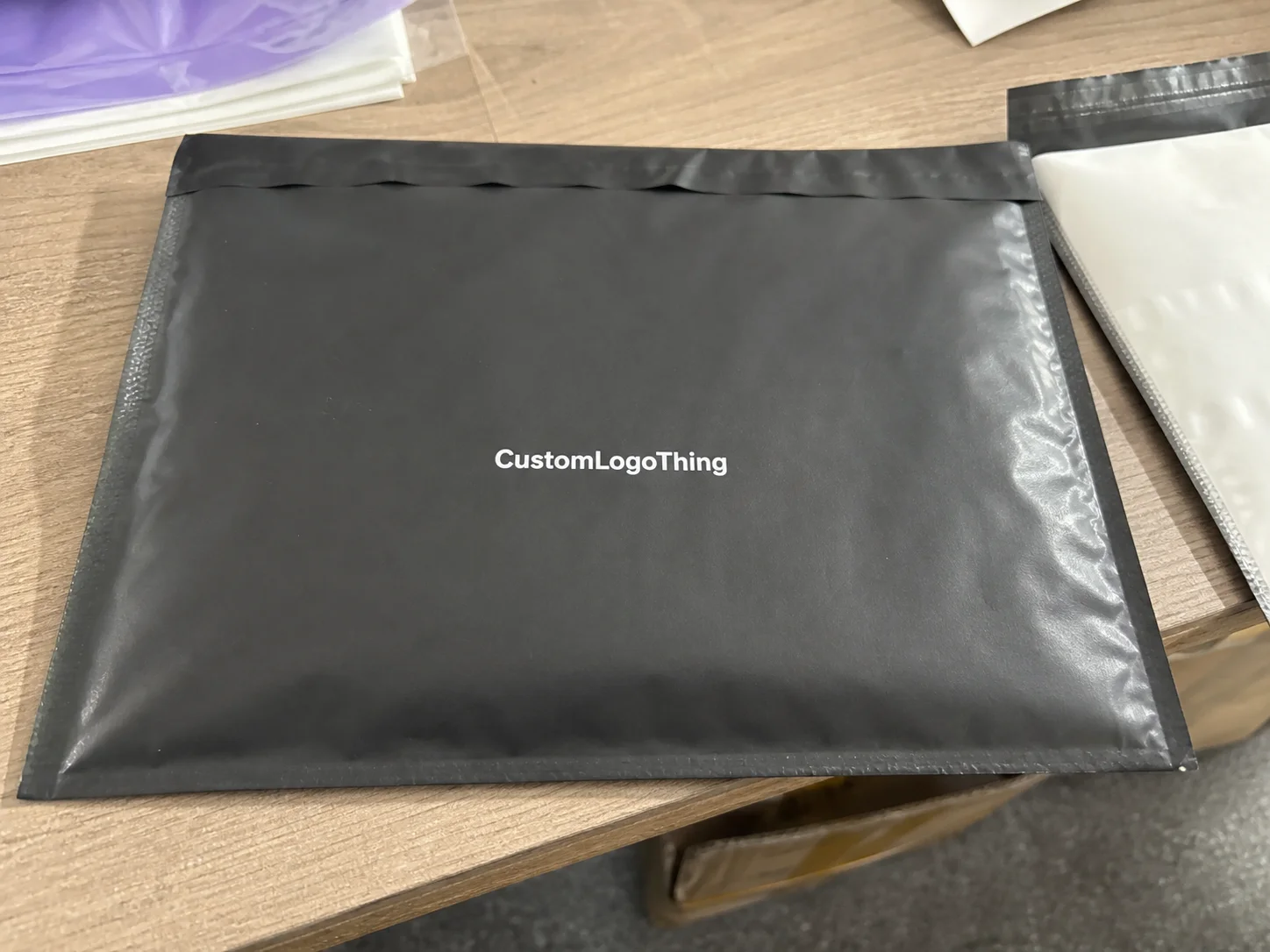
Corrugated mailers are my default recommendation for DTC spring drops that need to survive parcel networks, especially if the product is boxed inside a secondary shipper or insert tray. E-flute is the sweet spot for many programs because it gives enough cushion without making the outer pack feel bulky. If you’re sending candle sets, apparel bundles, or mixed-product kits, a printed mailer can carry branding on the inside and outside, which turns the unboxing into a real part of the campaign. A 32 ECT E-flute mailer in a 9 x 6 x 3 inch format can often be produced in the $0.72 to $1.05 range depending on print coverage and whether you add a tuck-lock closure.
I once reviewed a mailer program for a lifestyle brand that kept receiving crushed corners in transit. The problem wasn’t the mailer art; it was the internal clearance. We adjusted the insert by 4mm, switched the board from a lightweight B-flute substitute to a more stable E-flute construction, and the damage rate dropped sharply. That’s why the best custom packaging ideas for spring launches need structural thinking, not just graphic design. If the product has room to rattle, the box will eventually tell on you. A 2 mm gap can become a broken jar after one rough sort in a regional hub near Atlanta.
Paper tubes
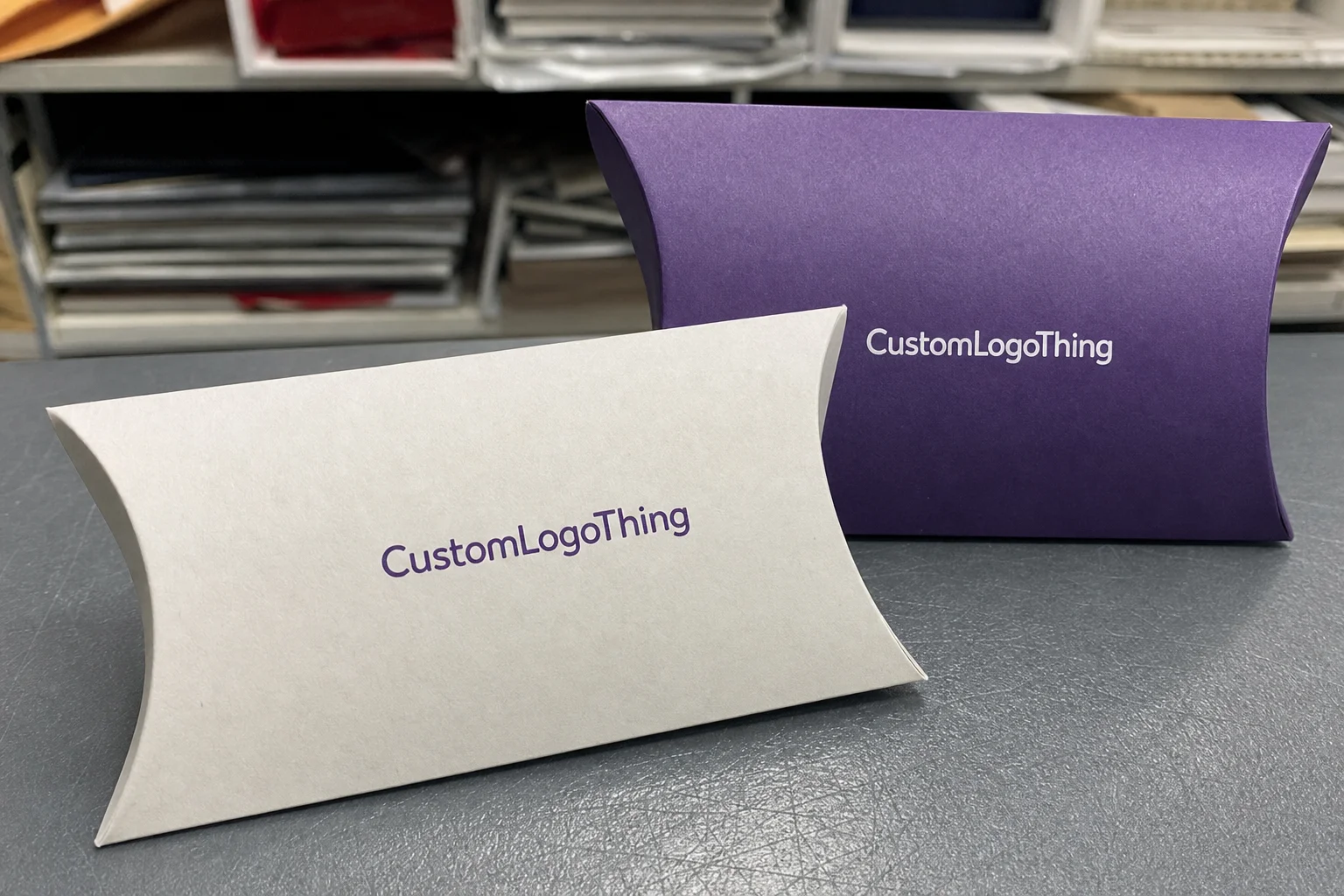
Paper tubes bring novelty in a way that feels natural for spring. They suit tea, candles, bath products, seed kits, and small accessories because the round shape feels softer and more seasonal than a rigid rectangle. They also give you a strong branding canvas, especially if you use full-wrap print with a matte finish and a tight cap fit. I’ve seen matte black tubes used for winter launches, but for spring I prefer warm whites, botanical illustrations, or pastel blocking that leaves some breathing room on the surface. A 76mm diameter tube with a 350gsm wrapped board shell and a paper end cap can look refined without becoming overly ornate.
The downside is stack efficiency. Tubes take up more awkward space in cartons and on pallets, and if you’re co-packing in a busy facility, that matters. They also require more careful diameter planning because an oversized tube can look awkward and drive up freight. Still, if your brand wants something memorable and tactile, tubes belong on the short list of best custom packaging ideas for spring launches. They’re a little fussy, yes, but they reward good planning. A production plant in Suzhou can usually turn a standard tube program in 15-20 business days once the cap tooling is finalized.
Sleeve boxes
Sleeve boxes are strong for limited-edition launches because they give you a premium reveal without the cost of a full rigid setup. A sleeve over a tray or folding carton creates a nice sliding motion, and that small interaction gives customers a sense of ritual. They’re especially good for cosmetics, stationery sets, seasonal gift assortments, and wellness bundles. If you want a slightly elevated look without committing to a rigid box, this is a smart middle ground. A sleeve with 300gsm art paper over a 400gsm tray can create enough contrast to feel premium while still keeping the cost near $0.60 to $1.10 at 5,000 units.
The production note here is print alignment. Sleeve artwork has to register nicely with the tray beneath it, or the whole effect looks sloppy. I’ve had buyers push for very tight window cutouts and then wonder why the die line needed extra make-ready time. With sleeve boxes, the best results come from keeping the structure clean and the graphics controlled. In my experience, that makes them one of the best custom packaging ideas for spring launches for brands chasing a polished but not overbuilt look. A 1.5mm misalignment on a sleeve opening can ruin the reveal more reliably than any color mismatch.
Eco-friendly mailer setups
Eco-friendly mailer setups, including recycled corrugated, FSC-sourced board, and paper-based inserts, are ideal for brands that want to talk honestly about material responsibility. If you care about sustainability, choose a structure that reduces mixed materials and avoids decorative elements that interfere with recyclability. A kraft outer with minimal ink coverage, water-based coating, and a paper insert can feel both responsible and premium if the print design is disciplined. A recycled E-flute mailer made in Kaohsiung or a folded carton sourced in Vancouver can still look sharp when you use one-color line art and a clean logo lockup.
If you want to back up those claims, review the sourcing and chain-of-custody guidelines at FSC. I’ve had clients think “eco-friendly” meant plain brown board and no design, but that’s not true at all. The best sustainable packs still carry strong package branding. They just do it with fewer coatings, lower ink coverage, and smarter structural choices. That’s why eco setups belong among the best custom packaging ideas for spring launches for brands trying to pair presentation with responsibility. A recycled content claim means more when the pack still looks like a launch piece, not a shipping compromise.
For readers who are still sourcing structures, it may help to review the range of Custom Packaging Products available before settling on a single format. I’ve seen better decisions made after brands compare three or four real prototypes instead of arguing over mockups on a screen. Paper samples beat opinions. Every time. A set of samples sent from Bangkok, Dongguan, and Chicago can settle a debate in 48 hours if the team is willing to touch the materials instead of staring at flat JPEGs.
Best Custom Packaging Ideas for Spring Launches by Price
Budget changes the answer more than most marketers want to admit, so I always sort the best custom packaging ideas for spring launches into tiers before I approve a structure. A pack that looks inexpensive can still feel premium if the print and proportions are right, while a costly box can look disappointing if the finish is weak or the insert rattles inside. That’s why pricing has to be connected to structure, print method, and assembly reality, not just a line item on a quote sheet. A quote for 5,000 folding cartons in Shenzhen means something very different from the same volume made in Ohio with domestic paper and faster turnaround.
At the low end, printed folding cartons and basic custom mailers are the strongest value plays. A folding carton at roughly $0.18 to $0.55 per unit for a 5,000-piece run can look excellent with two colors, a good die cut, and one clean coating. A mailer around $0.28 to $1.20 can do the same for ecommerce if you keep the graphics sharp and avoid overcomplicated inserts. This is where many spring campaigns should start, especially if the product itself is new and you want to keep cash available for inventory and marketing. I’ve seen a cosmetic brand in Nashville launch with a 350gsm carton at $0.31 per unit and spend the savings on retail sampling instead of extra foil.
Mid-range packaging usually means Custom Corrugated Mailers, upgraded cartons, or a sleeve-and-tray setup with one specialty finish. That range often sits between $0.65 and $1.90 for corrugated and roughly $0.35 to $0.90 for higher-end cartons, depending on board grade and finishing. The value here is balance. You can add a soft-touch lamination, one foil accent, or a single embossed logo without turning the pack into a manufacturing headache. In my experience, this is where a lot of the best custom packaging ideas for spring launches live, because they feel better than basic retail packaging without the labor burden of rigid construction. A sleeve box from a plant in Ho Chi Minh City may still cost less than a rigid box from Milan while giving a similar visual lift.
Premium packaging includes rigid boxes, custom inserts, multi-piece presentation packaging, and highly finished limited-edition sets. Once you’re in that area, expect unit costs that often land around $1.40 to $3.80 and sometimes more if the box is large or heavily decorated. The added cost can pay off when the launch depends on perceived value, social sharing, or giftability. I’ve watched a rigid floral gift set justify its cost because buyers treated it like part of the product, not just a container. That’s the sweet spot, and it’s not cheap. For 5,000 units with a wrapped tray, insert, and foil logo, a factory in Shenzhen may quote $2.35 per unit before inland freight; a premium domestic run in Los Angeles can land closer to $3.10 if hand assembly is involved.
| Budget tier | Recommended formats | Typical cost drivers | Best for |
|---|---|---|---|
| Entry | Folding cartons, printed mailers | Board grade, number of colors, coating choice | Starter launches, seasonal SKUs, lean budgets |
| Mid | Corrugated mailers, sleeves, upgraded cartons | Die complexity, inserts, specialty finish, E-flute vs B-flute | DTC brands, subscription, moderate retail volume |
| Premium | Rigid boxes, presentation kits, custom inserts | Greyboard thickness, wrap paper, hand assembly, foil, embossing | Luxury gifts, influencer kits, high-value seasonal drops |
The cost drivers that matter most in real production are board grade, print method, number of colors, finishing, custom inserts, structural complexity, and packing labor. Add a single custom thermoformed tray, and the budget changes quickly. Add a foil stamp and a spot UV layer, and you’ll feel it again. Add both, plus a tricky insert that requires manual placement, and you may have just moved the entire project into a different production class. That is why the best custom packaging ideas for spring launches must be matched to the economics of the campaign, not just the design brief. A 0.4mm PET insert may sound small, but in a 10,000-piece run it can add days of assembly in Guadalajara.
Process and Timeline for Spring Packaging Production
The production path for the best custom packaging ideas for spring launches is straightforward on paper and occasionally messy in practice. It usually starts with concept and structural design, moves into sample development, then artwork approval, then print, finishing, assembly, QC, and freight. Every one of those steps can absorb extra days if the product dimensions change or if the finish requires a tighter tolerance than the first sample allowed. I’ve lost count of the times a launch got pushed because someone measured the bottle with the cap on in one meeting and off in another. That kind of thing happens more often than anyone likes to admit, especially when the packaging team is in Toronto and the product team is in Austin.
For standard folding cartons or simple mailers, I’ve seen good programs move from final dieline approval to production in roughly 12 to 18 business days, assuming the artwork is locked and there are no structural revisions. Rigid boxes and specialty packs can easily take 25 to 40 business days, especially if you need wrapped components, inserts, or complex finishing. That difference matters. I’ve had spring launches miss their retail window because the team approved photography before the carton spec was finalized, then had to change the product proportions after the box had already been quoted. A carton proof in 3-5 business days, plus 7-10 business days for mass print, is realistic; a rigid box with hand-glued magnets often needs a longer runway.
What causes delays? Artwork revisions are the obvious one, but they’re not the only one. Die-line changes can force a new plate or new cut sample. Material shortages can push board substitutions. Pantone matching issues can require another press check. Inserts sourced separately can lag the outer packaging by a week or two, which is enough to throw off co-packing. And in a humid shipping lane, certain coated papers behave differently than they did in the sample room, especially if you’re using a soft-touch laminate or a heavy flood ink area. A shipment leaving Xiamen in late March can pick up enough moisture to change carton memory before it reaches a warehouse in Seattle.
Here’s the workflow I prefer for seasonal launches:
- Lock product dimensions first, down to the millimeter.
- Choose the sales channel: retail, ecommerce, subscription, or hybrid.
- Request dielines and confirm the board grade.
- Build a sample with the real product inside.
- Approve final artwork only after the sample fits correctly.
- Confirm finishes, inserts, and assembly method.
- Plan freight and fulfillment before mass production begins.
This is the point where brands need discipline. A launch calendar without packaging deadlines is just a wish list. If you want the best custom packaging ideas for spring launches to land on time, treat the package like part of the product development cycle, not the decoration at the end. I’d rather see a brand choose one simple carton and hit the shelf with confidence than spend three weeks arguing about emboss depth while inventory sits waiting. That debate is how nice things become expensive, late things. A launch team in Minneapolis once saved 11 days simply by freezing the dieline before the second round of scent approvals.
For packaging testing and performance verification, I also recommend checking the guidance at EPA recycling resources if sustainability claims are part of the message. That keeps your messaging closer to reality and avoids overpromising on what customers can actually recycle in their local systems. A box labeled recyclable in theory is less convincing than one built with mono-material paperboard and simple water-based coating.
How to Choose the Right Spring Packaging for Your Brand
The simplest decision framework for the best custom packaging ideas for spring launches starts with five questions: How fragile is the product? Where does it sell? How important is sustainability? What does the brand feel like? How much can you spend before packaging starts crowding out the rest of the launch budget?
If the product is fragile, like glass serum bottles, candles, or ceramic accessories, protection comes first. That usually pushes you toward corrugated mailers, rigid boxes with inserts, or a carton inside a shipper. If the product is less fragile, like apparel, stationery, or dry wellness goods, you can prioritize shelf appeal and tactile branding more aggressively. There’s no prize for using the fanciest structure if it increases breakage by 7% or creates extra returns. I know that sounds obvious, but you’d be amazed how often people ignore it. A travel candle in a 1.5mm board insert may survive a local delivery van in Brooklyn but fail after a 600-mile truck route to Denver if the clearance is too loose.
Brand personality matters too. A botanical, airy brand usually looks best with warm whites, sage, soft pink, and light illustration. A clean, minimal brand might need white SBS, a single-color print system, and a tight logo lockup. A playful brand can get away with pastel blocking, pattern repeats, and window cutouts. A luxe editorial brand may need rigid construction, soft-touch lamination, and a very controlled foil accent. The package should feel like the product’s voice, not a separate department. If the line is launched in Chicago and targeted at boutique retail in Portland, that same voice has to hold up on shelf tags, shipping labels, and Instagram reels.
Material choice is also a big part of package branding. Kraft paperboard gives you a more natural tone, but it can dull certain colors. White SBS delivers crisp print detail and is often ideal for cosmetics and premium food packaging. Coated paperboard gives you richer color and a more polished face, but you may lose some of the tactile warmth. Corrugated structures offer strength and shipping confidence, and they’re often the right choice if your launch has to move through a rough fulfillment center with fast pick-and-pack operations. A 400gsm coated white card can produce a brighter spring palette than a kraft board, but the kraft option may feel more aligned with an earth-toned skincare line.
In my experience, the best packaging balances retail shelf appeal, ecommerce durability, and easy fulfillment instead of trying to maximize all three equally. That balance is what separates good product packaging from expensive packaging that creates headaches downstream. If your team can agree on one priority and two acceptable tradeoffs, you’ll usually land on one of the best custom packaging ideas for spring launches much faster. A brand in Dallas that needed both shelf presence and shipping safety ended up with a folding carton inside an E-flute shipper, which cost $0.14 more per unit but reduced damage claims enough to justify the increase.
“The package should survive the truck, the shelf, and the unboxing video. If it only survives one of those three, it’s not ready.”
Our Recommendation: Best Custom Packaging Ideas for Spring Launches
If I had to choose the best custom packaging ideas for spring launches by launch type, I’d break it down like this. For luxury gifts, rigid setup boxes with soft-touch lamination and a restrained foil detail still deliver the strongest premium impression. For ecommerce, custom corrugated mailers with paper-based inserts are the safest and most flexible choice, especially for mixed SKUs. For sustainability-focused brands, FSC-sourced folding cartons or kraft corrugated systems with minimal ink coverage are the strongest fit. For fast-turn seasonal drops, folding cartons are usually the most practical because they are efficient, printable, and easier to schedule around a tight calendar. A spring fragrance set in Paris may deserve a rigid wrap, while a wellness starter kit in Phoenix may perform better in a clean carton with a single-color botanical print.
If you want one balanced winner for most spring launches, I’d pick a well-designed folding carton or corrugated mailer, depending on whether the product ships retail or DTC. That may sound plain, but plain is often what survives production, shipping, and budget review. A good carton with one excellent finish, clean die lines, and strong color management will outperform a prettier but overbuilt option that arrives late or dents too easily. I’ve seen that happen enough times to trust the boring answer when the boring answer is the right one. For a 5,000-piece spring run, saving 11 cents per unit on the outer can free up enough margin to fund a better insert or a stronger product sample program.
The packaging ideas that look best in mockups do not always perform best in the warehouse. A deep emboss can crack on certain coated papers. A heavy foil layout can show misregistration if the press run drifts. A window cutout can create structural weakness if the panel is too narrow. A multi-piece presentation box can eat up labor in co-packing faster than any marketing estimate predicts. That is why my recommendation stays grounded in factory conditions, not just design taste. A plant in Dongguan can produce a gorgeous sample, but if the same pack needs 14 seconds of manual folding per unit in a Louisville fulfillment center, the math changes immediately.
If your timeline is short, choose one of these fallback options: a high-quality printed folding carton with matte aqueous coating, or an E-flute corrugated mailer with simple inside print and a snug insert. Both can give you excellent spring presentation without taking the project into risky territory. Then move fast on dielines, sample approval, artwork, and freight booking. If you keep the product size fixed and the finish count disciplined, the best custom packaging ideas for spring launches become much easier to execute. A clear 12-15 business day path from proof approval to carton delivery is realistic for many simple builds, especially if the board is standard and the artwork is already signed off.
My final advice is simple: define the product size, choose the sales channel, request the dielines, confirm finishes, collect artwork, and get sample approval before full production. That order prevents most of the headaches I’ve seen over the years. If you do that well, the best custom packaging ideas for spring launches will do what they’re supposed to do: protect the product, carry the brand, and make the launch feel like a real event from the first touch to the last unboxing. And if a tiny detail still goes wrong? Welcome to packaging. It happens. The trick is making sure it doesn’t happen on the pallet truck. A 2mm tolerance issue in Shenzhen is easier to fix on paper than in a warehouse in Newark after the cartons have already landed.
What are the best custom packaging ideas for spring launches if I need a premium look?
Rigid setup boxes with soft-touch lamination, foil stamping, or embossing usually give the strongest premium impression. If the product ships directly to customers, pair the box with a protective corrugated mailer or a custom insert so the unboxing stays intact and the corners survive transit. A 2mm greyboard base with 157gsm wrap paper is a dependable starting spec for luxury kits in spring.
Which custom packaging ideas for spring launches are most budget-friendly?
Printed folding cartons and custom corrugated mailers usually give the best mix of affordability and brand impact. Keep costs down by limiting color count, avoiding overly complex structures, and choosing one strong finish instead of stacking multiple upgrades that add labor and make-ready time. At 5,000 pieces, a simple folding carton from a plant in Dongguan can come in near $0.23 to $0.35 per unit depending on board and coating.
How far in advance should I order custom packaging for a spring launch?
Start early enough to allow for structure design, sample approval, print setup, finishing, and shipping delays. More complex packaging with specialty finishes or rigid construction usually needs more lead time than simple cartons or mailers, especially if you want to avoid rush freight charges. For many spring programs, 12-15 business days from proof approval is realistic for cartons, while rigid boxes often need 25-40 business days.
What materials work best for spring packaging that still feels eco-friendly?
Kraft paperboard, recyclable corrugated board, and FSC-sourced paperboard are common choices for brands aiming for a more responsible presentation. A natural finish, minimal ink coverage, and thoughtful structure design can make packaging feel eco-conscious without looking plain or underdeveloped. A mono-material FSC carton with water-based coating can work well for skincare, tea, and wellness kits shipped from facilities in Vancouver or Chicago.
How do I choose between spring packaging for retail shelves and ecommerce shipping?
Retail packaging can prioritize shelf visibility, graphics, and tactile finishes, while ecommerce packaging must emphasize protection and unboxing durability. If you sell through both channels, choose a structure that can be adapted with inserts, outer mailers, or secondary cartons so the same core design works in more than one setting. A folding carton inside an E-flute shipper is often the most practical hybrid for spring launches moving between retail and DTC.