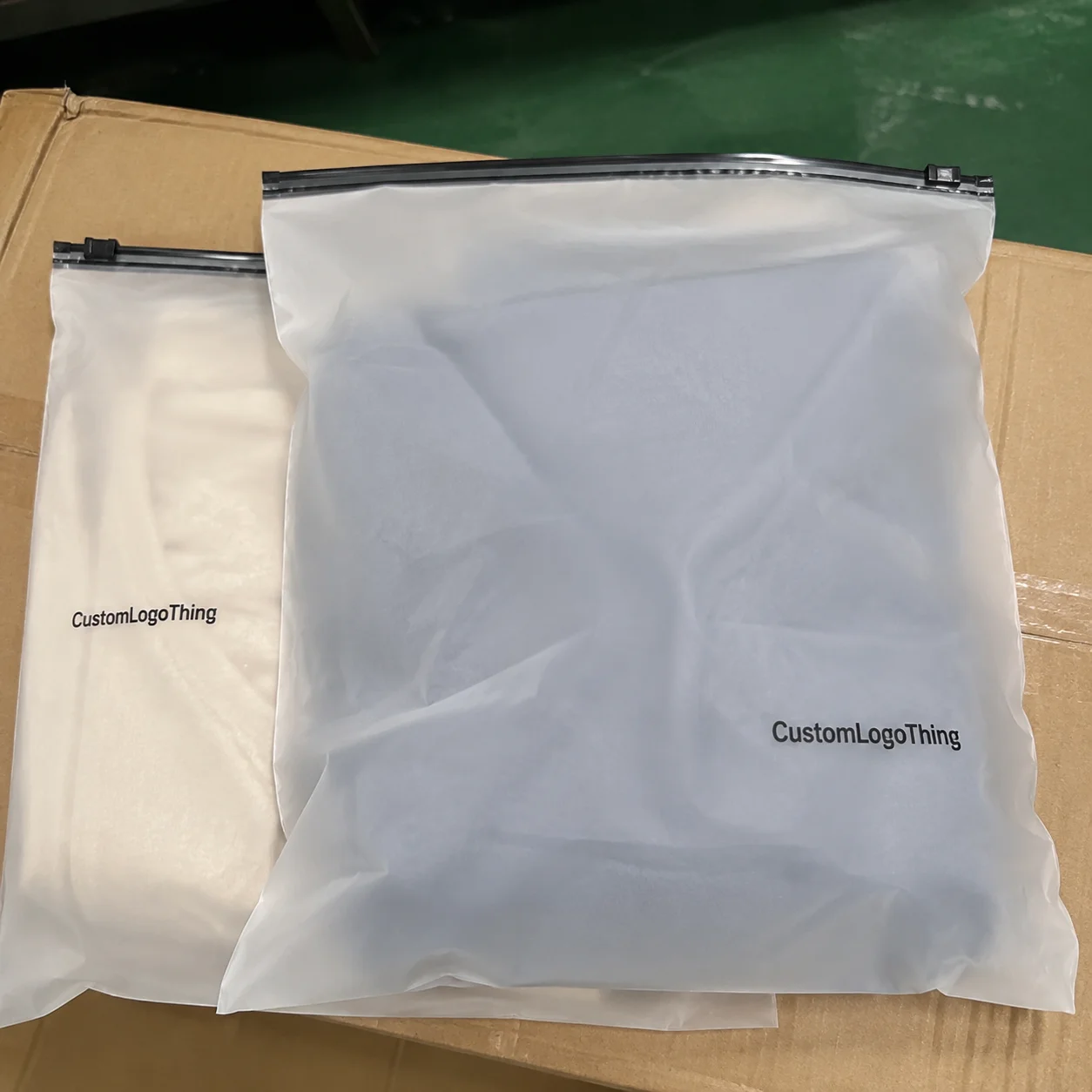
Custom Courier Bags for Breweries Print Method Comparison
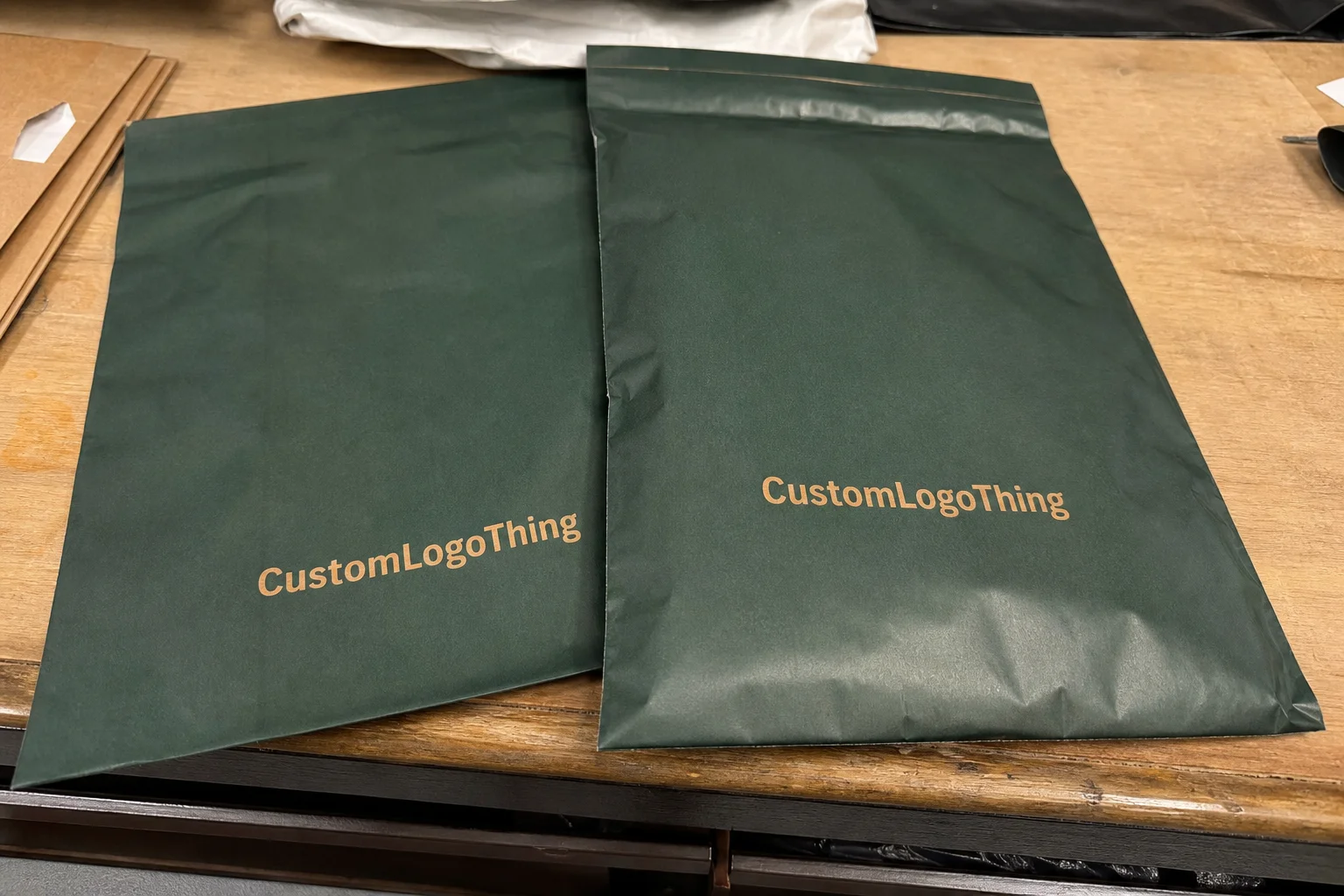
A courier bag for brewery merchandise has a harder life than it looks. It moves through cold rooms, loading bays, couriers, apartment lobbies, and sometimes a wet doorstep before anyone notices the print. If the logo scuffs, the color shifts, or the film creases badly, the packaging starts to look like an afterthought. That is why custom courier bags for breweries Print Method Comparison is a production decision, not a branding exercise dressed up as one.
Breweries usually need three things at once: protection, print durability, and a unit cost that still leaves room for the actual beer sale. Those priorities do not always line up. A short run for a taproom launch may need speed more than economy. A recurring ecommerce program may need repeatability more than design freedom. The print method has to fit that reality.
The main options are flexographic printing, gravure printing, digital printing, and screen printing. Each one handles ink transfer, color density, setup cost, and artwork complexity differently. On plastic courier bags, those differences show up quickly because the substrate is flexible, low-porosity, and often exposed to condensation. A method that looks strong on paper can underperform on film if the bag stock, ink system, and cure conditions are not aligned.
The useful comparison is not “which method is best” in the abstract. It is which method works best for the brewery’s order pattern, artwork style, and handling conditions. A simple logo that repeats every month is one decision. A seasonal illustration with gradients and fine type is another. Treating them as the same job leads to avoidable waste.
How the Main Print Methods Behave on Plastic Courier Bags
Plastic courier bags are not forgiving in the way cartons are. Film flexes, static can affect registration, and the surface needs the right treatment for ink to anchor well. Most suppliers will ask about film type, thickness, corona treatment, print coverage, and whether the artwork uses spot colors, reverse print, or white underprint. Those details matter because the film is doing part of the work that the coating would normally do on paper.
Flexographic printing
Flexo is usually the most practical middle ground for brewery courier bags. It uses flexible plates and fast-drying inks, which makes it efficient for repeated runs and moderate-to-high quantities. For artwork built around one to four bold colors, it can produce sharp, commercially clean results on 50 to 80 micron polyethylene bags. That thickness range is common because it balances cost, puncture resistance, and foldability.
Flexo is strongest when the design is disciplined. Solid logos, clean shapes, and controlled color areas usually print well. Fine gradients are possible, but they need careful plate work and a supplier that understands film behavior. Small legal text and barcodes can also be held cleanly, though they are more sensitive to registration drift than large graphics. If a brewery expects to reorder the same design several times, flexo often becomes the sensible long-term option.
Gravure printing
Gravure sits at the premium end of the traditional spectrum. The image is engraved into a cylinder, which gives excellent ink release and very consistent solids. For a brewery that wants deep color, polished presentation, and a large repeat run, gravure can produce the most stable visual result of the four methods. The print is especially strong when the artwork includes heavy coverage or rich brand colors that need to stay uniform across a long production run.
The catch is cost. Cylinders are expensive, and the setup only works economically when the order volume is high enough to spread that cost across many bags. If the artwork is likely to change before the next reorder, gravure is difficult to justify. It is a strong tool, but not a flexible one.
Digital printing
Digital printing is the fastest route from approved file to finished bag. There are no plates or cylinders, so short runs, pilot launches, and seasonal changes are easier to manage. That makes digital useful for collaborations, limited releases, and brewery programs where the artwork may change from quarter to quarter. In those cases, the absence of tooling can matter more than the higher unit cost.
Digital also handles fine detail well. Small type, layered artwork, and variable designs are easier to manage than they are on many conventional presses. The tradeoff is economics at scale. Once quantities rise, digital often stays relatively expensive per unit because the setup savings no longer offset the per-piece cost. It is the most flexible method, not the cheapest one for every run.
Screen printing
Screen printing makes sense when the brief is simple: strong logo, bold color, durable ink laydown. It is not the best option for photographic art or complex gradients, but it can be excellent for a thick, visible brand mark that needs to survive rough handling. On darker films, heavier ink deposition can help the artwork remain legible in cold or wet conditions.
Screen printing tends to suit lower-to-mid volumes or designs where the brewery wants high contrast rather than visual complexity. It can be a good fit for one- or two-color branding, especially when the bag is part of a straightforward merch shipment. The method is old, but the reason it persists is simple: it still does one thing well.
The film finish matters as much as the print method. Glossy film usually gives brighter color and a cleaner visual pop, while matte film can mute contrast but reduce glare. A treated surface improves adhesion, and that is one of the first things worth checking before comparing quotes. The same artwork on two different bag stocks can look like two different jobs.
Cost, Pricing, and MOQ Tradeoffs
Pricing is usually presented as a single number, but the real cost is a stack of smaller decisions. Plates, cylinders, screens, setup labor, color changes, proofing, ink consumption, finishing, and freight all contribute. If the job requires white ink, reverse printing, or multiple passes, the quote can move much faster than buyers expect. A bag that looks cheap in the first line item can become expensive once every line is counted.
| Print Method | Typical Setup Cost | Best Fit | Common Unit Cost Range |
|---|---|---|---|
| Flexo | $250-$600 per color for plates and setup | Mid-to-high volumes with stable artwork | $0.12-$0.28 each at larger runs |
| Gravure | $800-$2,500 per color for cylinders | Large repeat orders and premium image consistency | $0.10-$0.22 each at high volumes |
| Digital | Low tooling, sometimes none | Short runs, frequent artwork changes, seasonal drops | $0.20-$0.60 each on smaller quantities |
| Screen | $100-$300 per screen, depending on artwork count | Bold logos, simple graphics, heavier ink laydown | $0.18-$0.45 each depending on run size |
MOQ follows the logic of the process. Flexo and gravure need enough quantity to absorb setup cost, so unit pricing falls as volume rises. Digital behaves differently. It can carry a higher per-piece price, but it avoids the plate or cylinder bill that can make a small order uneconomical. For breweries with limited editions or variable campaigns, that flexibility often matters more than the line-by-line unit price.
There are also hidden costs that tend to stay invisible until the quote is already in review. Extra colors add prep time. White underprint adds another pass or another layer of control. Rush work carries a premium because it interrupts the normal schedule. Artwork revisions after proof approval can trigger new setup charges. If the bag requires a special surface treatment or a stricter color match, expect the quote to move again.
For stable artwork, the break-even point usually sits in the middle, not at a dramatic threshold. A design that will be reused for several reorders can justify flexo or gravure, even if the first run looks more expensive. A brewery with frequent seasonal changes may save more by choosing digital and avoiding repeated tooling costs. The cheapest setup is not always the cheapest program.
Production Steps and Lead Time for Custom Runs
Good lead time starts before the press. The usual flow is artwork intake, file review, color check, proofing, tooling or setup, print run, converting, packing, and shipment. If any step is vague, the schedule slips. Missing dielines, low-resolution logos, incorrect Pantone references, or a last-minute request to change the blue after proof approval can add days very quickly.
Digital typically moves the fastest because it avoids tooling. Flexo sits in the middle, especially if the supplier already has usable plates or can reuse them for a repeat run. Gravure takes the longest because engraved cylinders need to be produced and approved before press time can begin. A practical planning range is often 7 to 10 business days for a simple digital order after approval, 12 to 15 business days for flexo, and 20 business days or more for gravure when tooling is new. Those numbers shift with workload, shipping mode, and how quickly the buyer responds.
Where schedules slip
Most delays are not caused by the press. They come from the buyer side. Slow internal approvals, unclear quantity forecasts, late artwork revisions, and uncertainty about barcode placement all create friction. If the brewery is tying the order to a seasonal release or a distributor drop, the lead time matters as much as the print result. A bag that arrives after the launch window is just inventory.
The route matters too. Courier bags often ship with other merch, inserts, or glassware, so the packaging is exposed to vibration, compression, and moisture before the customer sees it. That is close to the same logic used in ISTA transit testing guidance: the package has to survive real handling, not just a flat sample view. A printed bag should be judged under conditions that resemble the actual delivery path.
How to Choose the Right Print Method for Your Brewery
The cleanest way to choose is to match the method to the order pattern. A stable logo that reorders every month points toward flexo or gravure. A short seasonal run with changing graphics points toward digital. A simple mark with strong ink coverage can be a good screen printing candidate. The artwork itself matters too. Full-color backgrounds, small legal copy, and layered branding all change the answer.
Think about the bag’s real job. If the bags leave a chilled room, sit in a wet loading dock, or get stacked under heavier parcels, the print needs abrasion resistance and good adhesion. A sample that looks fine on a desk can tell a different story after a few minutes in the cold. That is why physical testing matters more than mockup approval alone.
Internal workflow is part of the decision. If the brewery revises artwork often, digital reduces friction. If several people sign off on package branding, a method with predictable repeatability may save more time later. That logic shows up across packaging categories, including Custom Printed Boxes and other ecommerce materials, where the balance between visual ambition and reorder simplicity tends to decide the process.
A quote can be technically correct and still be wrong for the business if the print fails after the first damp delivery.
There is also a practical sustainability angle. The better question is not how to make the bag feel premium, but how to specify only what the shipment actually needs. The EPA Sustainable Materials Management guidance is relevant here because material efficiency begins with specification discipline. A slimmer, better-targeted bag spec can reduce waste, lower freight weight, and avoid decorative extras that add cost without improving performance.
A useful rule of thumb: choose the method that protects brand consistency, fits the transit environment, and leaves room for future reorders. That is the version of custom courier bags for breweries Print Method Comparison that survives launch week and the reorder after that.
Common Mistakes When Comparing Print Options
The first mistake is comparing only the headline price. A flexo quote with low unit cost can look attractive until plates, color count, freight, and proof revisions are added. A digital quote can look expensive until it turns out the order is only 1,000 bags and there is no tooling bill at all. Proper comparison means the same bag size, the same film, the same print area, the same color count, and the same delivery window.
The second mistake is assuming every bag stock behaves the same way. Film thickness, surface treatment, gloss level, and ink system all affect adhesion and appearance. A design with fine lines may look crisp on one substrate and muddy on another. White ink can look adequate on a proof and still appear thin on a darker bag once the press reaches full speed. The proof is a guide, not a guarantee.
The third mistake is skipping real-world handling tests. Courier bags can pass a desk sample and still fail in cold, wet, or abrasive conditions. Scuffing, blocking, and smearing usually show up after the bag has been stacked, folded, or rubbed against another surface. If the brewery cares about brand consistency, the sample should be judged in a setting that resembles the route it will actually take.
The fourth mistake is underestimating operational copy. Barcodes, legal text, sizing notes, and warning copy are not decorative extras. If the print method cannot hold them cleanly, the bag looks careless. That is especially true for branded ecommerce packaging, where the first visible defect often shapes the customer’s judgment of the whole order.
Expert Tips for Smarter Specs, Quotes, and Approvals
Send a complete spec sheet the first time. The supplier needs bag dimensions, film type, thickness, print area, artwork files, color references, and the target ship date. If the bag needs reverse printing or white underprint, say so upfront. The more precise the brief, the less time gets wasted on follow-up questions and quote revisions.
Vector artwork helps. So do clear Pantone references and a note about minimum line weight. If the brewery has rules for logo spacing, background colors, or barcode placement, include them in the first round. Those requirements belong in the packaging spec, not in a later correction cycle. The print method can only perform as well as the file allows.
Ask for more than one quantity tier. A 5,000-piece quote may hide a much better 10,000-piece value if setup is already being absorbed. Sometimes the larger run is the smarter move, especially if the artwork will stay live for several months. That is the kind of decision that turns a decent procurement decision into a better one.
If possible, request a physical proof or a production sample on the actual bag substrate. There is no perfect substitute for seeing how the ink sits on the film, especially with dark backgrounds and white underprint. A supplier should also record proof comments clearly so the press team does not have to guess what was approved. Ambiguous approval notes are a common cause of avoidable mistakes.
If the brewery also needs labels, inserts, or Custom Packaging Products, keep the procurement calendar organized so the artwork stays aligned. It is not about bundling everything for the sake of convenience. It is about keeping the visual system consistent across the shipment and avoiding mismatched production timing.
Turn Quotes Into an Order Plan
Start with two methods, not four. Ask for the same spec quoted in two different ways so the comparison is meaningful. If the order is short and the artwork may change, one of those quotes should be digital. If the run is larger and the design is stable, flexo or gravure deserves a serious look. Screen printing belongs in the conversation when the artwork is simple and the brand wants heavier ink coverage.
Then build a small decision grid that ranks cost, print quality, lead time, and flexibility. Keep it blunt. A method that saves eight cents per bag is not a win if it adds two weeks to the schedule or weakens the logo in transit. The right answer is the one that fits the brewery’s launch plan and keeps the bag looking intentional all the way to the customer.
For the final check, compare the quotes against one approved sample and one realistic shipping scenario. If the bag holds up in cold, damp handling and the cost still fits the margin, the method is doing its job. If it fails either test, revise before the order is placed. That is the point of a careful Custom Courier Bags for breweries print method comparison: to avoid discovering the weak link after the first shipment leaves the dock.
Which print method is best for custom courier bags for breweries?
For short runs or frequent artwork changes, digital is usually the easiest place to start. For larger repeat orders with stable artwork, flexo or gravure often delivers better unit economics. The best option depends on quantity, color complexity, and how quickly the bags need to ship.
What drives the price of brewery courier bag printing the most?
Setup cost, tooling, color count, MOQ, and bag material are usually the biggest price drivers. Rush production, white ink, special finishes, and repeated proof changes can add meaningful cost. A quote should always be checked against the actual spec, not only the base print price.
How long does production usually take for printed courier bags?
Digital is often the fastest because it avoids plates or cylinders, while flexo and gravure usually take longer. Artwork approval is a common bottleneck, so fast feedback from the brewery matters. Lead time also depends on current press capacity, finishing needs, and shipping method.
Can I print fine details or gradients on brewery courier bags?
Digital is often the easiest method for fine detail, while flexo can handle many designs with some limits. Screen printing is better for bold graphics than tiny text or gradients. The exact result depends on the film surface, ink system, and proof quality.
What should I send to get an accurate quote for custom courier bags?
Send the bag dimensions, film type, thickness, print area, artwork files, color references, quantity, and target ship date. Include notes about white ink, reverse print, finish, and whether you need a sample or press proof. The more complete the spec sheet, the faster and more reliable the quote will be.