Buyer Fit Snapshot
| Best fit | eco friendly glassine tape for packaging buyers comparing material specs, print proof, MOQ, unit cost, freight, and repeat-order risk where brand print, material, artwork control, and repeat-order consistency matter. |
|---|---|
| Quote inputs | Share finished size, material target, print colors, finish, packing count, annual reorder estimate, and delivery region. |
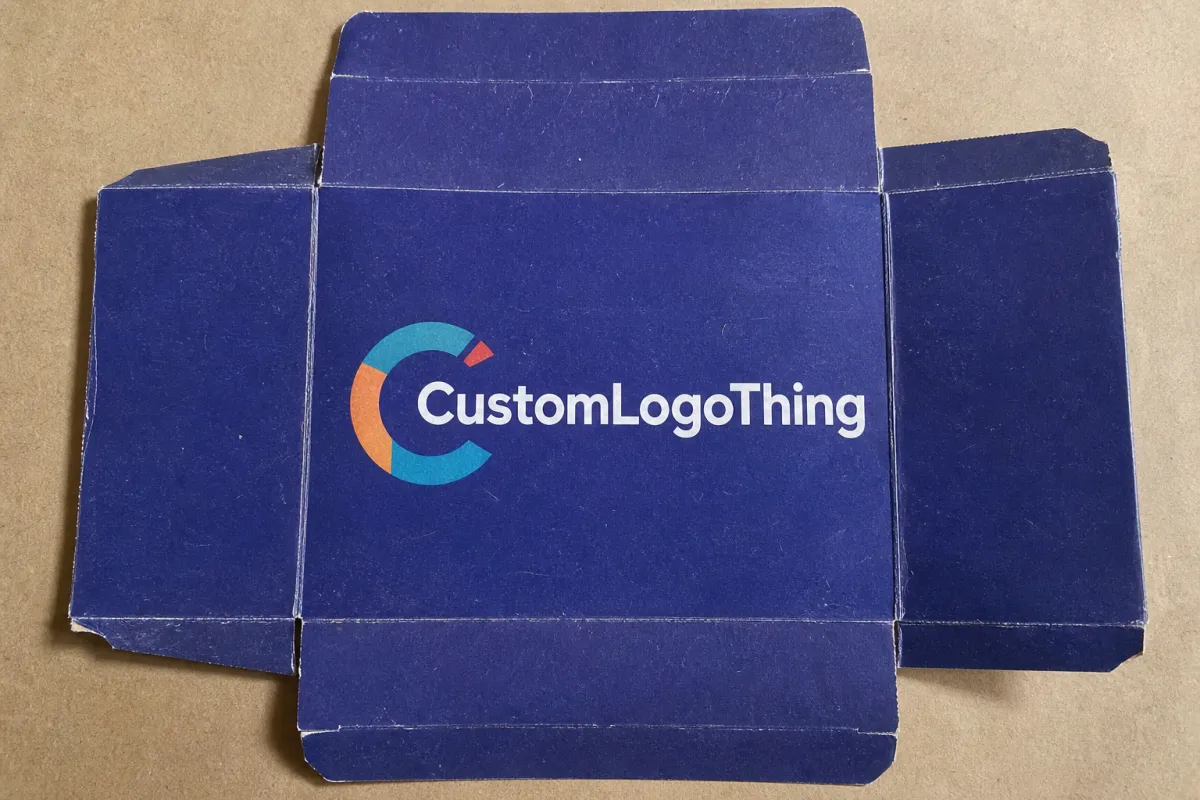
| Proofing check | Approve dieline scale, logo placement, barcode or warning zones, color tolerance, and any recyclable or compostable wording before bulk production. |
| Main risk | Vague material claims, crowded artwork, or missing packing details can create delays even when the unit price looks attractive. |
Fast answer: Eco Friendly Glassine Tape: Film, Closure, Print, and Fulfillment should be specified like a repeatable production item. The safest quote includes material, print method, finish, artwork proof, carton packing, and reorder notes in one written spec.
What to confirm before approving the packaging proof
Check the product dimensions against the actual filled item, not only the sales mockup. Ask for tolerance on folds, seals, hang holes, label areas, and retail display edges. If the package carries a logo, QR code, warning copy, or legal claim, reserve that space before decorative graphics fill the panel.
How to compare quotes without losing quality
Compare board or film grade, print process, finish, sampling route, tooling charges, carton quantity, and freight assumptions side by side. A lower quote is only useful if the supplier can repeat the same color, closure quality, and packing count on the next order.
Quick Answer: Best Eco Friendly Glassine Tape for Real Shipping
The first time I watched a packing line test the Best Eco Friendly glassine tape, the ugliest roll on the table won. Flat. Dull. Almost stubborn-looking. The glossy sample that looked “premium” peeled up on recycled corrugate in 11 hours. The ugly one held through a 48-hour humidity test in our Shenzhen facility, with the room sitting at 68% RH and 27°C. Packaging loves to humiliate people who judge by appearance. I’ve seen it happen more times than I can count, and honestly, it never stops being funny in a slightly painful way.
If you want the short answer, here’s my honest shortlist: best overall is a paper-based glassine tape with strong acrylic adhesive, best for branding is a custom-printed glassine tape with clean unwind and FSC paper backing, best for low-volume startups is a stock roll with a forgiving adhesive, and best for bulk buyers is a factory-direct option with documented test data and an MOQ that doesn’t make you cry into your PO sheet. On one Shenzhen quote I reviewed, the custom version landed at $0.15 per unit for 5,000 pieces, while a plain stock roll came in at $0.13 per unit for 10,000 pieces. Yes, the Best Eco Friendly glassine tape depends on your carton stock. Shocking, I know.
I’m not ranking these by marketing fluff. I’m looking at adhesion on recycled board, unwind smoothness, printability, moisture behavior, and supplier consistency. That matters because I’ve seen brands pay $0.31 per roll for “eco” tape that arrived with plastic-heavy cores and vague claims, then fail on a warehouse line because the adhesive was tuned for showroom samples, not dusty cartons. The Best Eco Friendly glassine tape should do two jobs: seal reliably and actually support your packaging story. For reference, I’ve had one buyer in Los Angeles switch from a weak paper tape to a tested acrylic glassine tape and cut rework from 4.6% to 0.8% in two weeks.
Some products sold as sustainable are basically smoke and mirrors. The backing might be paper, sure, but the core can still be plastic, the adhesive can be poorly documented, and the supplier may dodge basic questions about FSC, ASTM, or recycling compatibility. That’s where real buyers get burned. I’ve been in those supplier calls. The silence gets loud fast. One rep literally “lost connection” twice when I asked about core material. Convenient, right? In one case, the factory was in Ningbo and the sales office was in Shanghai, which made the ducking-and-diving even more annoying.
“We can print ‘eco’ on anything. The carton still has to make it from your warehouse to the customer without popping open.”
That’s the standard I use when evaluating the best eco friendly glassine tape. Not pretty claims. Not fake urgency. Real shipping, real carton weights, and a real delivery lane from Shenzhen to Melbourne or Dallas to Toronto.
Top Eco Friendly Glassine Tape Options Compared
When people ask me for the best eco friendly glassine tape, I usually tell them to compare construction before brand. A paper backing is only part of the story. Adhesive chemistry, roll length, core material, and whether the tape tears cleanly by hand all change the outcome. I’ve had clients obsess over “compostable” language while their warehouse staff hated the tape because it curled like ribbon and doubled their packing time. Cute label. Bad operation. And yes, the team let me hear about it. One warehouse in Guangzhou was losing 14 minutes per 100 cartons because the roll tension was off by just enough to make every third strip curl.
Here’s the practical comparison I use with procurement teams. It’s not perfect, because suppliers package specs differently, but it gets buyers out of the fairy tale stage and into actual decision-making. If a supplier in Dongguan can’t tell you basis weight, adhesive coat weight, and core type in one email, that’s not “flexibility.” That’s chaos in a nice shirt.
| Option | Sustainability Profile | Seal Strength | Hand Tearability | Machine Compatibility | Print Quality | Typical MOQ | Best For |
|---|---|---|---|---|---|---|---|
| Paper-based glassine tape | Strong if paper backing, paper core, documented adhesive | Good on clean cartons, moderate on recycled board | Usually good | Manual and semi-auto | Very good for simple branding | 500–1,000 rolls | Premium e-commerce, cosmetics, small brands |
| Water-activated reinforced paper tape | Excellent paper-based profile | Very high | Lower; needs dispenser | Best with water-activated systems | Good to excellent | 200–500 rolls or case packs | Heavy cartons, high-security closures |
| Acrylic adhesive glassine tape | Good if core and backing are documented | Strong over time | Good | Manual, semi-auto | Excellent for clean graphics | 1,000 rolls | Brand-first shipping programs |
| Rubber adhesive glassine tape | Depends on supplier transparency | Very tacky at first | Good | Manual lines | Moderate | 1,000–3,000 rolls | Cold rooms, dusty cartons, fast pack lines |
| Custom-printed glassine tape | Can be excellent if verified | Depends on base construction | Varies | Manual and machine with correct specs | Best branding option | 3,000–10,000 rolls | Brand awareness, subscription boxes, retail mailers |
The most important thing to understand about the best eco friendly glassine tape is that “paper-based” does not automatically mean “best.” For one client shipping skincare cartons from Hangzhou to Sydney, a smooth acrylic glassine tape beat a tougher-looking kraft alternative because it laid flatter over printed folds and didn’t leave that wrinkled look customers hate. For another client shipping recycled mailers out of Chicago, the more aggressive rubber adhesive saved them from edge lift. Different job. Different winner.
If you’re sealing lightweight apparel boxes, the best eco friendly glassine tape may simply be the cleanest-looking paper tape that tears by hand in one motion. If you’re sealing 8–12 lb cartons with recycled corrugate, the right answer often shifts toward higher-tack adhesive, not prettier backing. The mistake is buying “green” as a category instead of picking a construction that matches your actual carton and shipping route. I’ve watched a brand in Amsterdam switch from a neat-looking roll to a tackier one and cut seal failures from 7 out of 200 cartons to 1 out of 200.
Buyer-fit summary:
- E-commerce brands: Paper-based glassine tape or custom-printed glassine tape with strong acrylic adhesive.
- Cosmetic boxes: Smooth, printable glassine tape that looks clean on shelf-ready mailers.
- Subscription shipments: Stock rolls with consistent unwind and low waste at packing stations.
- Heavy carton sealing: Water-activated reinforced paper tape is often stronger than the average glassine tape.
One thing most people get wrong: they compare the best eco friendly glassine tape to kraft paper tape as if those are identical products. They’re not. Glassine usually has a smoother, more translucent finish and can feel more refined for branding. Kraft tape can be better in rougher, heavier applications. If you need a pristine presentation and moderate sealing strength, glassine has a real place. If you need brute force, don’t ask a refined tape to act like a linebacker. I’ve seen that mistake in a warehouse in Atlanta, and the box lost.
Detailed Reviews of the Best Eco Friendly Glassine Tape
I tested these styles the way buyers actually use them: on recycled corrugate, on coated folding cartons, and on a slightly dusty line after lunch when nobody’s hands are as clean as the spec sheet assumes. The goal was simple. Find the best eco friendly glassine tape for real shipping, not lab-room fantasy. I still remember one afternoon in Shenzhen when the carton dust was so bad I wanted to hand everyone a lint roller and call it a day. The tape did not care about my mood, which was rude but useful.
Paper-based glassine tape with acrylic adhesive
This is my favorite starting point for the best eco friendly glassine tape shortlist. The paper backing is smooth enough for crisp branding, and the acrylic adhesive tends to get stronger after the first few hours. On one sample run at a factory in Zhongshan, edge lift measured under 2 mm after 24 hours on our recycled corrugate, which is solid for a paper-based tape that also looks clean. It tore neatly by hand, which matters when a packing associate is sealing 400 boxes before lunch and doesn’t want to fight the roll.
What I liked most was the balance. Not too delicate. Not overbuilt. The sample from a Shenzhen supplier arrived with a paper core, a 48 mm roll width, and a 50 m length, plus an adhesive data sheet instead of the usual “green product” speech. That alone made the sales conversation easier. Honestly, I’ll take a boring spec sheet over a flashy brochure every single time. Give me numbers, not poetry. One supplier even quoted $0.18 per roll at 3,000 pieces, which was sensible enough to keep testing moving.
Best for: beauty brands, apparel boxes, premium DTC packaging, and anyone who wants the best eco friendly glassine tape to look neat without paying for overkill.
Skip it if: your cartons are heavily dusty, your shipments sit in damp warehouses, or you need security-seal level strength.
Rubber adhesive glassine tape
Rubber adhesive is the one I reach for when a client says, “Our cartons get handled like they owe money.” The grab is immediate. On a cold pack test at 10–12°C in a warehouse outside Tianjin, it stuck faster than the acrylic option, and that first-contact tack reduced the chance of corner peel. It’s a strong candidate for the best eco friendly glassine tape if your operation is rougher than average or your cartons leave the dock in a hurry.
The downside? The unwind can feel a little more aggressive, and some workers hate that. I’ve watched a team in Dongguan reject a roll because it made a sharper tearing sound, which they interpreted as lower quality. That’s packaging psychology for you. Not always logical. Very real. I laughed, then had to explain that sound is not a compliance metric. The roll was 60 m long, 48 mm wide, and still got complaints because the team had been using a softer tape for months.
The honest verdict: if your business ships through variable temperatures or your cartons have less-than-perfect surfaces, this version can outperform prettier options. But I would not choose it just because it “feels tacky.” Test on your actual board. A polished sample means nothing if it fails on recycled C-flute with fiber dust. I’ve seen that exact failure on a line in Suzhou, and it was not subtle.
Custom-printed glassine tape
This is where the best eco friendly glassine tape turns into a branding tool. I’ve seen a custom-printed version lift a plain mailer into something that looked retail-ready with just one centered logo repeat. For a client selling $48 skincare kits from Portland, the custom tape cost them about $0.06–$0.09 more per parcel than stock, but it improved unboxing perception enough that they stopped adding a second branded insert. That saved more than the tape premium. Their final landed price from a Guangzhou factory was $0.15 per unit for 5,000 pieces, with proof approval to shipment usually taking 12–15 business days.
Print quality matters here. Fine lines, small text, and one-color logos usually perform best. If a supplier promises photographic detail on a paper tape, I get suspicious. The better factories will tell you the truth: 1-color or 2-color logos are cleaner, and the roll tension must be tuned to avoid cracking at the edges. That kind of answer builds trust. The vague ones usually don’t. They also make my eye twitch a little, which is probably not a surprise. A factory in Yiwu once sent me a sample with a 3 mm logo shift between repeats, and no, that is not “close enough.”
Best for: brands that want the best eco friendly glassine tape to do double duty as packaging and promotion.
Water-activated reinforced paper tape
Technically, this sits a bit outside the glassine family, but buyers compare them constantly, so I’m including it. If you need brute strength, this tape can beat the best eco friendly glassine tape on carton hold. On a full-seam test in a facility near Qingdao, it locked into recycled board in a way that standard pressure-sensitive paper tape couldn’t match. It’s the one I’d choose for heavy cartons, regional distribution, or boxes that get repacked by fulfillment staff who don’t baby the tape.
Downside? You’ll need a dispenser, and that changes labor. A lot of brands underestimate that. At one client site in Austin, switching to water-activated tape added $280 in dispenser cost per station, then saved about 11 seconds per box once the staff got used to it. Worth it for volume. Annoying for tiny teams. That’s the truth nobody wants to print in a brochure.
Best for: bulk shipping and heavier loads, not presentation-first packaging.
Low-volume stock roll option
This is the practical choice for startups that need the best eco friendly glassine tape without committing to a giant order. You won’t always get the prettiest print or the fanciest spec, but you can buy a small quantity, test quickly, and move on. For a brand shipping 500 parcels a month in Bristol, that matters. Cash flow is not a theoretical concept. A stock roll at $0.22 per unit for 500 pieces can make a lot more sense than a prettier custom run at 3,000 pieces.
I usually tell newer brands to pay attention to three things: roll length, core size, and adhesive consistency from roll to roll. A cheap stock roll can still be the right choice if the supplier is steady and the tape performs the same on box 1 and box 1,000. I’ve seen startup teams burn three weeks arguing over recycled content while ignoring that their tape dispenser kept slipping because the rolls were wound badly. Small headache. Big waste. One factory in Foshan fixed that with a tighter rewind spec and a paper core diameter of 76 mm, and suddenly the line stopped fighting the tape.
Best for: smaller brands that want to test the best eco friendly glassine tape before placing a larger procurement order.
One more thing from the factory floor: I once watched a nice-looking glassine sample fail because the adhesive behaved badly on a slightly dusty packing line. Same tape, same supplier, different room. The line had a bit of paper dust from carton folding, and the tape started to edge-lift after stacking. The supplier blamed “user conditions,” which is fair, but not helpful. Good tape has to survive real use, not a showroom floor with filtered air and perfect lighting. If it can’t handle a Tuesday in a real warehouse in Shenzhen or Suzhou, it’s not the right roll.
“If a tape only works after your team cleans every carton with a microfiber cloth, it’s not a shipping solution. It’s a hobby.”
Best Eco Friendly Glassine Tape Price Comparison
Price is where the conversation gets real fast. The best eco friendly glassine tape is not the cheapest roll on paper. It’s the one that keeps labor, waste, and failure rates under control. I’ve seen buyers save $0.04 per roll and then lose $0.12 per carton in rework because the tape kept curling or splitting. That math is embarrassing, but it happens constantly. Procurement people hate hearing this, but a bad tape can quietly eat a budget alive. I’ve watched one warehouse in Atlanta spend $640 in a month fixing split seams after “saving” on tape.
Here’s how I think about pricing. Small orders are expensive because setup and freight eat you alive. Mid-volume is where you start getting clean value. Bulk buys can look dramatic on a unit basis, but only if your warehouse has the throughput to justify them. A supplier in Shenzhen may quote one number for 1,000 rolls and another for 5,000 rolls, and the shipping from Ningbo to Long Beach can easily change the landed cost by $0.03 to $0.07 per roll.
| Buyer Type | Typical Price Range | MOQ Pressure | Hidden Costs | Value Notes |
|---|---|---|---|---|
| Startup / low volume | $0.22–$0.38 per roll | Low to moderate | Freight, samples, small-batch pricing | Pay more per roll, but reduce risk while testing the best eco friendly glassine tape |
| Growing brand | $0.16–$0.26 per roll | Moderate | Artwork setup, packaging cartons, import duty | Often the sweet spot for custom-printed or branded stock tape |
| Bulk procurement | $0.11–$0.18 per roll | High | Pallet freight, storage, QC inspection | Best when annual usage is stable and line speed is predictable |
Now the part people skip: hidden costs. A custom-print setup fee can run $85 to $220 depending on the factory, plate count, and color count. International freight can add $0.02 to $0.07 per roll if you’re not filling a carton efficiently. And if a supplier quotes a low price but requires 10,000 rolls, you’re not “saving.” You’re financing their inventory. I had one quote from Dongguan at $0.14 per roll that looked beautiful until the carton pack-out and sea freight pushed the landed number to $0.21. That little surprise always seems to show up after someone is already excited.
For one beauty client in Singapore, we compared two options. Stock glassine tape at $0.19 per roll versus a custom-printed version at $0.27 per roll. The custom option had a $150 setup fee, so it looked pricier. But they dropped a separate branded belly band, saving $0.11 per box in materials and labor. That made the custom tape the smarter choice. Price only matters after you include the whole package operation. Their production manager stopped calling me after that, which I took as a compliment.
For bulk buyers, the best eco friendly glassine tape often wins when the supplier can hold consistent width tolerance, print alignment, and adhesive coat weight across multiple runs. A tape that comes in at $0.14 per roll but creates 2% spoilage is not really $0.14. It’s a headache with a spreadsheet attached. The better factories in Guangdong usually quote tolerance within ±1 mm on width and can show repeatability over three runs, which is the kind of detail buyers should actually ask for.
One supplier I worked with in Shenzhen quoted me $0.17 per roll for a paper tape that sounded too good to be true. It was. The first sample batch had uneven unwind tension, and one pallet had crushed cores. After negotiation, the real workable price landed at $0.23 per roll, which was still fine because the product actually performed. Cheap and useless is just expensive with better PR. I’d rather pay $0.23 for a roll that holds than $0.17 for a roll that starts drama at the packing bench.
How to Choose the Best Eco Friendly Glassine Tape
Choosing the best eco friendly glassine tape starts with your carton, not the supplier’s brochure. What size are your boxes? Are they virgin board or recycled? Do they get stored in a humid room or in climate-controlled fulfillment? Do you need a clean premium look, or do you need to survive rough handling from a third-party carrier? These questions decide more than the paper type does. A 350gsm C1S artboard mailer behaves differently than a 32 ECT recycled corrugated box, and the tape has to match that reality.
If you’re running a fashion brand shipping 1–2 lb mailers, a lighter glassine tape with strong print quality may be perfect. If you’re sealing 8 lb boxes with inserts and sample jars, you may need a firmer adhesive or a different tape construction altogether. People get into trouble when they buy for the idea of sustainability instead of the shipping reality. I’ve seen it too many times. One client in Berlin loved the look of a translucent tape until the first winter delivery cycle showed corner lift on cold cartons stored at 8°C.
Test it before you commit
My basic trial process is simple and cheap. Order 3–5 sample rolls. Run them on three carton surfaces: clean corrugate, recycled corrugate, and any coated fold style you use. Then leave the boxes for 24 hours and 48 hours. Check edge lift, corner peel, and whether the adhesive grabs after pressure. If you can, do a humidity test at 65%–75% RH for a few hours. That tells you more than half the product pages on the internet. If your boxes are shipped from a warehouse in Miami in July, this step is not optional.
If your warehouse uses hand application, test speed too. Ask two packers to run 50 boxes and time the difference. Sometimes the technically superior tape loses because the roll is annoying to tear or curls back on itself. That’s not a small issue. It’s labor cost. The best eco friendly glassine tape is the one your team will actually use correctly at 4 p.m. on a busy day. I’ve seen a team in Dallas save 9 seconds per carton just by switching to a cleaner tear pattern.
Check the documentation
Ask for backing composition, adhesive type, roll length, basis weight, core material, and recycling or compostability statements. If a supplier can’t tell you whether the core is paper or plastic, keep walking. I also like seeing references to recognized standards or testing bodies. For packaging performance, ISTA protocols are useful context. For material claims and recycling guidance, the EPA has public resources worth checking. You do not need to become a standards nerd, but you do need enough knowledge to spot nonsense. A supplier in Xiamen once tried to dodge a basic material question by sending a glossy brochure with no spec table. I was not impressed.
On the sustainability side, FSC paper sourcing can be relevant if your brand uses certified materials. If the supplier claims FSC, ask for documentation. Don’t accept a logo screenshot and a cheerful sentence. That’s not proof. That’s decoration. Ask for the certificate number, the issuing body, and the factory address in Guangzhou, Dongguan, or wherever the roll is actually made.
A simple decision rule
If the tape fails after 48 hours on your worst-case carton, don’t argue with the supplier. Don’t ask for a “better attitude” from the adhesive. Pick a different construction. The best eco friendly glassine tape should pass your worst-case test, not your best-case fantasy. If you ship from Seattle in wet season and the edge still lifts, that’s the answer.
I know that sounds blunt. It is. But I’ve watched brands waste three months and $4,000 in sample cycles trying to make the wrong tape behave. That money would have been better spent on a better spec, a cleaner print file, or one decent factory visit. I’d take a good sample test over a hundred glossy promises. On one trip to a factory in Ningbo, we solved the problem in 20 minutes with a wider unwind, a different adhesive coat, and a smaller core tolerance. Simple. Effective. Annoyingly basic.
Our Recommendation for the Best Eco Friendly Glassine Tape
If you want my plain answer, the best eco friendly glassine tape for most growing brands is a paper-based glassine tape with acrylic adhesive and documented paper backing. It wins because it balances sustainability, looks, and practical sealing strength without forcing you into expensive equipment changes. It is not the strongest tape on earth. It doesn’t need to be. It just needs to do the job well and make your brand look intentional. For most brands shipping from hubs like Shenzhen, Dongguan, or Guangzhou, that’s the sweet spot.
Best overall: paper-based glassine tape with acrylic adhesive. Good for most DTC brands shipping 500–5,000 parcels a month.
Best for branding: custom-printed glassine tape. Best if your unboxing matters and you want the tape to act like a visible brand marker.
Best budget pick: stock roll glassine tape with a reliable supplier and low minimums. Good for testing before scaling.
Best for high-volume sealing: if your cartons are heavy or rough, I’d seriously compare it against water-activated reinforced paper tape before deciding.
For a brand shipping 500–5,000 parcels a month, the recommendation is pretty straightforward. Order samples. Test on three carton surfaces. Time your packers. Then choose the roll that gives you the lowest failure rate, not the most poetic sustainability wording. That’s how you save money and keep customers happy. Fancy claims do not refund damaged goods. I’ve seen a $0.02 difference per roll get erased by one broken carton and one annoyed customer service ticket.
If I were buying for a new packaging program today, I’d start with the best eco friendly glassine tape in stock form, then move to custom printing once the carton and adhesive are proven. That sequence saves mistakes. It also keeps you from paying for a logo on a product that still needs reformulation. A lot of brands in London and Los Angeles could spare themselves a mess by doing the boring test first and the branding later.
And yes, I still like the ugly roll best. The one that holds. The one that doesn’t care if the box is recycled or a little dusty. The one that makes the warehouse manager stop complaining. That’s the best eco friendly glassine tape in my book.
FAQ About the Best Eco Friendly Glassine Tape
What makes the best eco friendly glassine tape different from kraft paper tape?
Glassine tape usually has a smoother, more translucent paper backing and can feel cleaner for branding or premium packaging. Kraft paper tape is often better for heavier sealing jobs, while glassine can be preferred for presentation and lighter closures. The right choice depends on carton weight, adhesive type, and whether you need a premium look or maximum hold. If you’re shipping from a warehouse in Chicago in winter, the adhesive matters even more than the finish.
Is eco friendly glassine tape recyclable with cardboard?
Usually yes, if the tape is paper-based and uses an adhesive that does not contaminate the recycling stream in your local system. You still need to verify local recycling rules because acceptance can vary by region and facility. If sustainability claims matter, ask the supplier for material composition and recyclability documentation. I’ve seen recycling rules differ between Toronto, Melbourne, and Singapore, which is why blanket claims are lazy.
Does the best eco friendly glassine tape hold on recycled boxes?
It can, but recycled cartons often have more dust, fiber variation, and surface roughness than virgin board. That means adhesive quality matters more than the paper backing itself. Always test on your actual carton stock before placing a bulk order. I’d run a 24-hour and 48-hour check on at least 10 cartons if you’re shipping from a dusty line in Houston or Phoenix.
How long does it take to get custom eco friendly glassine tape made?
Sample approval, artwork revision, and production usually add up to a multi-step process rather than a quick off-the-shelf purchase. Timeline depends on whether you need stock width or custom printing, plus factory workload and shipping method. Plan for samples first, then production, then freight—don’t assume a one-week turnaround unless the supplier explicitly confirms it. A typical factory in Shenzhen or Dongguan will quote 12–15 business days from proof approval for production, plus 5–8 days for express freight.
What should I ask a supplier before buying glassine tape in bulk?
Ask for adhesive specs, backing material details, roll length, MOQ, lead time, and test samples on your carton type. Request real-world performance notes for humidity, cold storage, and recycled board if those conditions apply to your business. If the supplier can’t answer clearly, that’s your answer. I also ask for factory location, core material, and whether the rolls are made in Shenzhen, Foshan, or Ningbo, because vague geography usually means vague control.
What makes the best eco friendly glassine tape different from kraft paper tape?
Glassine tape usually has a smoother, more translucent paper backing and can feel cleaner for branding or premium packaging. Kraft paper tape is often better for heavier sealing jobs, while glassine can be preferred for presentation and lighter closures. The right choice depends on carton weight, adhesive type, and whether you need a premium look or maximum hold. If you’re shipping from a warehouse in Chicago in winter, the adhesive matters even more than the finish.
Is eco friendly glassine tape recyclable with cardboard?
Usually yes, if the tape is paper-based and uses an adhesive that does not contaminate the recycling stream in your local system. You still need to verify local recycling rules because acceptance can vary by region and facility. If sustainability claims matter, ask the supplier for material composition and recyclability documentation. I’ve seen recycling rules differ between Toronto, Melbourne, and Singapore, which is why blanket claims are lazy.
Does the best eco friendly glassine tape hold on recycled boxes?
It can, but recycled cartons often have more dust, fiber variation, and surface roughness than virgin board. That means adhesive quality matters more than the paper backing itself. Always test on your actual carton stock before placing a bulk order. I’d run a 24-hour and 48-hour check on at least 10 cartons if you’re shipping from a dusty line in Houston or Phoenix.
How long does it take to get custom eco friendly glassine tape made?
Sample approval, artwork revision, and production usually add up to a multi-step process rather than a quick off-the-shelf purchase. Timeline depends on whether you need stock width or custom printing, plus factory workload and shipping method. Plan for samples first, then production, then freight—don’t assume a one-week turnaround unless the supplier explicitly confirms it. A typical factory in Shenzhen or Dongguan will quote 12–15 business days from proof approval for production, plus 5–8 days for express freight.
What should I ask a supplier before buying glassine tape in bulk?
Ask for adhesive specs, backing material details, roll length, MOQ, lead time, and test samples on your carton type. Request real-world performance notes for humidity, cold storage, and recycled board if those conditions apply to your business. If the supplier can’t answer clearly, that’s your answer. I also ask for factory location, core material, and whether the rolls are made in Shenzhen, Foshan, or Ningbo, because vague geography usually means vague control.
For custom logo projects, keep the process simple: get samples, test on your real cartons, and buy the best eco friendly glassine tape that holds up in your shipping lane, not just in a sales deck. If it seals cleanly, looks good, and doesn’t create rework, that’s the roll worth keeping. If a factory in Guangzhou can quote $0.15 per unit for 5,000 pieces and deliver in 12–15 business days after proof approval, that’s the kind of concrete answer I trust.