Buyer Fit Snapshot
| Best fit | Printed Box Wraps with Logo projects where brand print, material claims, artwork control, MOQ, and repeat-order consistency need to be specified before quoting. |
|---|---|
| Quote inputs | Share finished size, material target, print colors, finish, packing count, annual reorder estimate, ship-to region, and any compliance wording. |
| Proofing check | Approve dieline scale, logo placement, barcode or warning zones, color tolerance, closure strength, and carton packing before bulk production. |
| Main risk | Vague material claims, crowded artwork, missing packing details, or unclear freight terms can make a low unit price expensive after revisions. |
Fast answer: Printed Box Wraps with Logo: Film, Print, MOQ, and Carton Packing should be specified like a repeatable production item. The safest quote records material, print method, finish, artwork proof, packing count, and reorder notes in one written spec.
Production checks before approval
Compare the actual filled-product size with the drawing, then confirm tolerance on folds, seals, hang holes, label areas, and retail display edges. Reserve space for logos, QR codes, warning copy, and material claims before decorative graphics fill the panel.
Quote comparison points
Review material grade, print process, finish, sampling route, tooling charges, carton quantity, and freight assumptions side by side. A quote is only useful when the supplier can repeat the same color, closure quality, and packing count on the next order.
Printed Box Wraps with Logo: Design, Cost, and Fit Tips
Printed box wraps with logo can make a plain shipping carton look like somebody planned the package instead of just surviving the budget meeting. That is the real value. You do not need a fully custom carton every time you want a strong branded presentation. A well-made wrap can carry color, messaging, and finishing detail across a standard box without forcing a complete packaging rebuild.
For packaging buyers, that creates a useful middle ground. You get more print space than a label, better brand consistency than a blank carton, and more flexibility than changing the whole box structure every time the product line shifts. The catch is simple. The wrap has to fit the carton, survive handling, and print cleanly enough that the logo still looks sharp after folding, scoring, and assembly.
The best printed box wraps with logo do three jobs at once: they brand the pack, respect the carton’s dimensions, and keep the packing line moving without drama.
What Printed Box Wraps with Logo Really Do
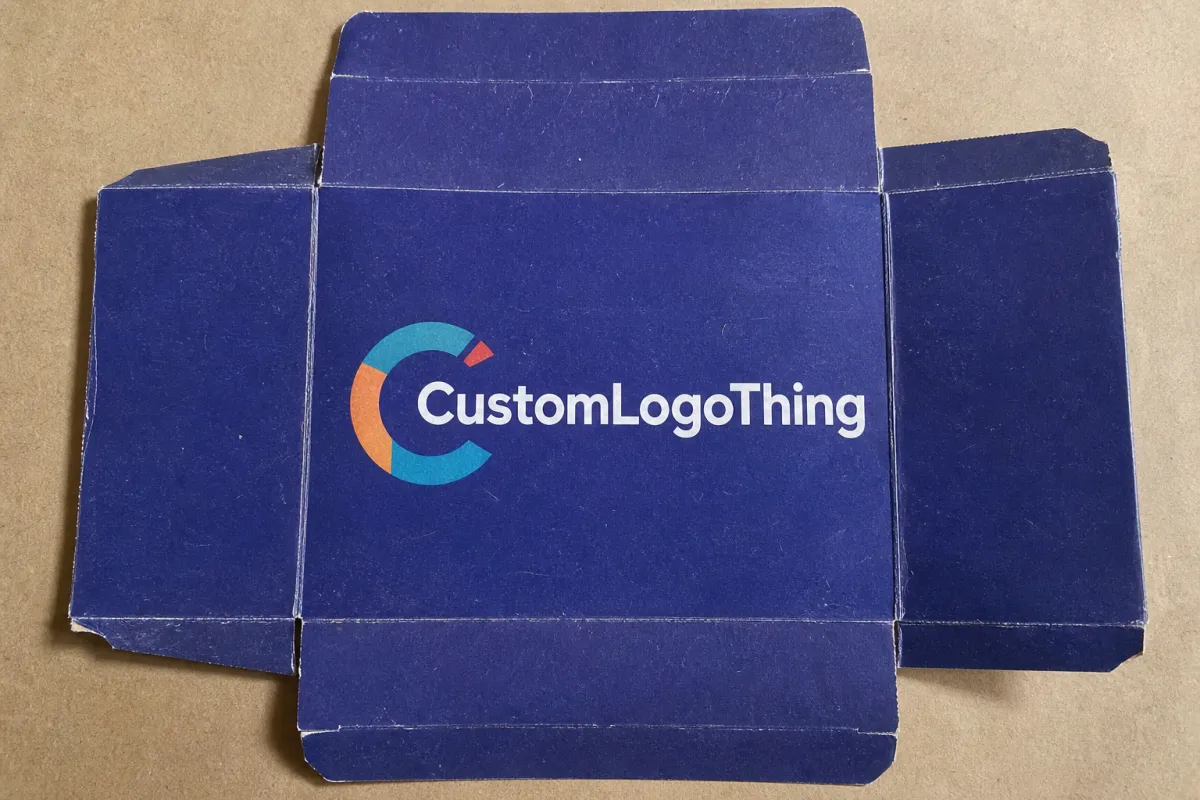
Picture a plain kraft or white carton on a shelf, in a mailer, or on a subscription table. Functional. Forgettable. Add a printed wrap, and the same carton can read like a retail package, a seasonal gift set, or a premium presentation box. The artwork does most of the heavy lifting, and the stock backs it up.
That is why printed box wraps with logo show up in so many packaging programs. They are not trying to replace the base box every time. They sit on top of a standard carton as a sleeve, a belly band, a glued wrap, or a folded outer panel. The base box handles protection. The wrap handles brand communication and visual impact. Clean split. Easy to understand. Harder to execute well.
The biggest design advantage is surface area. A small carton might give you one or two useful panels. A wrap can go around the box and leave room for a logo, product name, shade system, QR code, ingredient panel, seasonal message, or retailer-specific artwork. That larger canvas matters when the packaging has to do more than hold a product.
There is also a practical business reason to use them. One standard carton can support multiple product versions, limited editions, or promotional bundles if the outer wrap changes. That can cut down on separate box tooling and help a brand respond faster to retailer requests or seasonal launches.
From a buyer’s point of view, that flexibility matters because it keeps inventory simpler. One base box size can handle a fragrance set, a gift bundle, a holiday release, or a channel-specific pack. That is cleaner than managing a pile of rigid box SKUs nobody wants to count twice.
The wrap is not just decoration. It changes how the package behaves in real life. A wrap can affect how the carton opens, where the seam lands, how the box stacks in a case, and how much time the packing team needs to align each piece. A nice render does not tell you any of that. The physical fit does.
That is why stronger programs treat printed box wraps with logo as part design and part engineering. The artwork matters, but so do the fold locations, panel proportions, seam placement, and the way the wrap lands on a real carton with real manufacturing tolerances. A one-millimeter shift can be invisible in a file and obvious on the finished box.
How Printed Box Wraps with Logo Work in Production
Production usually starts with a dieline or wrap template. That file shows the exact panel structure, fold lines, glue zones, bleed, and any opening or locking features needed to make the wrap behave correctly on the box. Once the template is approved, the artwork is built around it so the logo and supporting copy land where people can actually see them.
After approval, the design gets printed on the chosen substrate, then cut, scored, slotted, or glued depending on the format. A slip-on sleeve behaves differently than a belly band, and both behave differently than a wrap with adhesive on one side. The assembly method is not a side note. It determines how the wrap is packed, shipped, and applied.
Some wraps are simple paper sleeves that slide over the carton. Others act more like a folded shell or a partially glued outer band. A few use tabs or tuck locks so they can be assembled by hand without tape. Each method has tradeoffs. Slip-on pieces are fast, but they need accurate sizing. Glued wraps feel more secure, but they usually demand more setup and handling.
The substrate changes the whole look and feel. SBS gives a crisp print surface and clean color reproduction. Kraft paper creates a warmer, more natural appearance, especially for brands that want an eco-minded or artisanal tone. Chipboard and heavier paperboard options can add stiffness, which helps a wrap hold its shape during handling. Coated paper stocks improve color density and fine detail, while uncoated stocks feel more tactile and relaxed.
Logo placement deserves real planning. A front-panel logo is the most direct choice, but some brands repeat the logo across multiple sides to build rhythm and recognition. Others place the mark on the top panel so it shows first during unboxing. Side-panel placement works well for stacked retail displays, while a banded layout can create a wraparound effect that feels deliberate from every angle.
Automation matters too. If the packaging line runs at higher volume, the wrap has to be easy to place and consistent enough that operators do not waste time aligning it. If the run is smaller and hand assembled, the brand can use more complex wrap forms, but the format still needs to stay put and close cleanly during packing.
That is where print method becomes part of the production decision. Offset printing usually makes sense for larger quantities with tight color expectations. Digital printing is often better for shorter runs, prototypes, or multi-version programs. Flexographic printing can work for simpler graphics and repeated packages, especially where line efficiency matters. The right choice depends on volume, image detail, and whether the wrap needs to hold a very specific brand color.
For technical buyers, the point is straightforward: a wrap is only as good as the way it fits the carton and survives the handling path. A design that looks polished on a screen can still fail if the wrap opens at the seam, catches on the case pack, or drifts off center when the carton is folded.
Key Design and Material Factors to Compare
Start with size and tolerance. If the wrap is too loose, it slides and looks careless. If it is too tight, operators have to force it into place, which can crush corners or make the seam bulge. Good die-line work accounts for the real carton dimensions, not just the nominal size on a spec sheet.
That point matters more than many teams expect. Corrugated boxes, folding cartons, and rigid packs all have manufacturing variation, and even small shifts in caliper or score depth can change the finished fit. Ask for a template based on a physical carton sample whenever possible, especially if the outer wrap has to land consistently on high-visibility retail packaging.
Print method is the next major decision. Offset printing gives very fine detail, smooth solids, and strong consistency across long runs. Digital printing is more adaptable and can be economical for lower quantities or multiple SKUs. Flexographic printing is often efficient for certain paper wraps and repeated patterns, though the level of detail and halftone control may be more limited than offset. The right method depends on what the logo and graphics actually need to do on the pack.
Finishing is where many brands either lift the package or clutter it. A matte varnish can calm a bright design and cut glare. Gloss can make colors pop and help logo marks stand out. Soft-touch lamination gives a velvety feel that reads as premium, though it can cost more and may show scuffs depending on handling. Spot UV can highlight the logo or a pattern, while embossing and foil add dimension for a more gift-like presentation.
None of those finishes are automatically better. They just support different brand stories. A clean subscription box may only need a restrained matte coating and strong logo placement. A cosmetics set or luxury accessory package may benefit from foil accents or embossing, but those choices should be weighed against budget, lead time, and the risk of scuffing during transit.
Structural details are easy to overlook during artwork review, yet they drive day-to-day performance. Score lines need to be deep enough for clean folding but not so aggressive that they crack the surface. Glue tabs need enough space and clean artwork suppression. Tuck areas must stay clear if the wrap is expected to close around an opening. Fold direction affects how graphics break across panels, and that can change where the logo should sit for the best visual flow.
Sustainability belongs in the early conversation, not after the design is finished. If the brand wants recyclable paper packaging, ask about FSC-certified stocks and whether the chosen coating or laminate will affect recyclability in the target market. Some coatings are more packaging-friendly than others, and the answer can change by local recycling system. For broader context on fiber sourcing and responsible paper choices, the FSC site is a useful reference point.
It also helps to think about the packaging standard the wrap needs to support. If the carton will move through a parcel network, a retailer distribution center, or a direct-to-consumer lane, the wrap should be checked against practical handling expectations. The ISTA testing framework is often used to evaluate transport performance, and while not every project needs formal testing, the thinking behind that approach is worth borrowing when deciding how much finishing or surface treatment the package can handle.
| Option | Typical Use | Approximate Unit Cost | Strengths | Watch For |
|---|---|---|---|---|
| Paper sleeve wrap | Retail cartons, subscription boxes, gift sets | $0.18-$0.45 at 5,000 pieces | Fast branding, good shelf impact, flat shipping | Must fit tightly and align at the seam |
| Belly band | Simple promotional packaging, secondary branding | $0.12-$0.30 at 5,000 pieces | Low material use, easy versioning, economical | Less surface area for messaging |
| Engineered wrap with glue or tabs | Premium cartons, multi-panel presentation packs | $0.30-$0.75 at 5,000 pieces | Secure fit, higher-end look, more structure | More setup, more assembly time |
| Full custom printed carton | High-volume branded programs | $0.45-$1.20+ depending on structure | Integrated design, fewer loose components | Higher tooling and design commitment |
The table makes one thing obvious: printed box wraps with logo usually live in a practical middle zone. They can deliver a meaningful branding upgrade without pushing the business into a full custom carton program, and that matters when the packaging budget has to support more than one launch or product family.
Step-by-Step Process and Timeline for Ordering
The cleanest ordering process starts with the box itself. Measure the actual carton, not just the vendor’s catalog dimension. If the carton is already in production, get a physical sample and check height, width, depth, and any flap interference. Measure twice if the wrap needs to land over an opening, window cutout, or glued closure.
Once the box dimensions are confirmed, define the packaging goal. Is the wrap supposed to create a retail-ready shelf piece, add premium feel for an unboxing moment, or support a seasonal campaign? That answer changes almost everything else, including the stock choice, the size of the logo, the amount of copy, and whether the wrap should be a sleeve or a more structured format.
The artwork step should happen on the correct template, not on a guessed rectangle. Ask for the dieline and mark the safe zones clearly. Keep critical text away from folds and trim, and make sure the logo does not straddle a seam unless that split is part of the design on purpose. Small type should be checked at final size because what reads fine on a monitor can get muddy once printed on the actual wrap.
Proofing is where many production issues get stopped early. A digital proof confirms content placement, panel order, and spelling. A hard proof or sample shows the real surface feel, the fold behavior, the seam location, and the way the print behaves on the selected stock. If color consistency matters, compare the proof under the lighting where the product will be packed or displayed, because warehouse light and retail light do not tell the same story.
Production timelines vary with format, quantity, and finish complexity. A straightforward digital run with a simple sleeve can sometimes move in roughly 7-12 business days after proof approval, though that depends on current workload and substrate availability. Offset runs, specialty coatings, foil, embossing, or glued structures often extend the schedule to around 12-18 business days or more after approval. Freight time is separate and should always be included in the planning window.
There is a pattern here that buyers learn fast: clean files save time. If the dieline is correct, the art is prepared properly, and the approval loop is short, the job tends to move faster and with fewer surprises. If the project starts with unclear dimensions, missing seam allowances, or uncertain finish choices, every step after that takes longer.
A typical ordering sequence looks like this:
- Confirm carton dimensions and pack-out requirements.
- Request the correct wrap template or dieline.
- Place artwork, logo, and safe zones on the template.
- Review digital proof for structure and content.
- Approve sample or hard proof if color and texture matter.
- Run print, finishing, cutting, and assembly.
- Pack and ship flat or preassembled depending on the format.
That process looks simple on paper, but it works best when each stage is treated as a packaging decision rather than just an artwork approval. A good packaging partner will ask about the carton, the assembly method, and the shipping environment before confirming the final spec.
Cost, Pricing, MOQ, and Quote Basics
Pricing for printed box wraps with logo comes down to a few repeat factors: quantity, stock choice, print coverage, finishing, structure, and how much handling happens after printing. A flat printed sleeve on standard paperboard will almost always cost less than a structured wrap with scoring, glue, and special coatings. That is why the quote should be read as a set of tradeoffs, not just a unit number.
Minimum order quantities vary by supplier and print method. Smaller runs usually carry higher unit costs because the setup work gets spread across fewer pieces. Larger runs lower the per-unit cost, but they also require more storage, more upfront cash, and more confidence that the artwork will stay current long enough to use the inventory. For many brands, the sweet spot sits between 1,000 and 10,000 units, though that range shifts with product velocity and packaging complexity.
It helps to know what is usually included in the quote. At minimum, buyers should expect prepress or file setup, printing, finishing, die cutting or slitting, and packaging of the finished wraps. Some suppliers also include assembly, kitting, or bundling. Freight may be separate, especially if the wraps ship flat in cartons to a fulfillment location or co-packer.
Here is where printed box wraps with logo can be financially attractive. If the brand can reuse a standard box and only change the outer wrap, tooling costs may be lower than a fully custom carton program. That can be especially useful for limited runs, launch testing, or seasonal messaging. The saving is not automatic, though. Heavy finishing, complex structure, or very short runs can narrow the gap quickly.
Hidden cost drivers show up more often than buyers expect. Spot colors add complexity. Metallic foil requires extra setup. Soft-touch coating can increase both unit cost and lead time. Rush production may carry a premium. Revisions after proof approval can create wasted material if the template has already gone to press. Even packaging that looks simple can pile up cost in all the little places.
For a clearer comparison, consider the following practical ranges for a mid-volume consumer run:
- Simple sleeve wrap: often $0.18-$0.35 per unit at moderate quantities, depending on coverage and substrate.
- Printed band or belly wrap: often $0.12-$0.28 per unit, with lower material use but less branding space.
- Premium wrap with finishing: often $0.30-$0.75 per unit, especially when foil, embossing, or specialty coatings are involved.
- Setup and prepress: can range from a small proof fee to several hundred dollars, depending on complexity and supplier workflow.
Those numbers are not universal, and they should not be treated like a quote. They are practical buying ranges that help a team budget realistically before requesting samples or locking in a launch calendar. Actual price depends on the exact carton size, the number of inks, the run length, and whether the wrap ships flat or preassembled.
If the same campaign could be produced either as a full custom carton or as a printed wrap over a stock box, the decision usually comes down to business priorities. A custom carton can feel more integrated, but it may require more upfront commitment. A wrap is often the better choice when flexibility, lower tooling, or multi-version branding matters more than fully built-in structure.
Common Mistakes That Hurt Brand Impact
One of the easiest mistakes is designing for the screen instead of the carton. On a monitor, a layout can look balanced and elegant. Once it folds around a real box, the seam may cut through a key graphic, the logo may sit too close to an edge, or a line of text may land in the crease. That is why carton-aware design matters so much on wraps.
Logo placement is another frequent problem. If the mark lands directly on a seam, taped edge, or structural transition, it can disappear at the exact moment it should be doing the work. The same issue shows up when the logo sits near a fold that shifts the panel slightly during assembly. A wrap should be planned so the brand mark stays readable from the most common viewing angles.
Low-resolution artwork and weak contrast get louder on a larger printed surface. A design that seems acceptable on a small mockup may expose fuzzy type, pixelated icons, or muddy color relationships once it is scaled to wrap around the carton. If the pack carries a lot of copy, the hierarchy needs to be disciplined, or the front panel starts feeling crowded and the main message gets buried.
Assembly speed matters more than some teams expect. A wrap that needs constant adjustment can slow the line and create uneven shelf presentation. In a busy fulfillment environment, operators usually prefer a format that guides itself into place, lands squarely, and does not need much visual correction. If the wrap takes 10 extra seconds to align, that adds up quickly over a full run.
Finish risk is another one. A surface treatment may look great on a sample, but if the wrap sees repeated handling, it can scuff, rub, or show edge wear during shipment. Gloss surfaces can pick up scratches. Soft-touch can show burnishing. Foil can crack on a tight fold if the score is not controlled. The finish should match the handling path, not just the mood board.
Another common oversight is ignoring the outer shipping environment. A wrap designed for a boutique shelf display may not need the same durability as one going through parcel distribution. If the package has to survive carton friction, stack compression, and repeated touchpoints, the material and finish choices should reflect that reality.
Here are a few practical checks that prevent trouble:
- Confirm the seam location before final artwork release.
- Review the wrap on a physical carton sample, not only a PDF.
- Check small type at real size and under warehouse-style lighting.
- Verify whether the finish can tolerate the expected handling and shipping path.
- Ask the packing team whether the wrap is easy to apply repeatedly.
Packaging quality usually gets decided in these small choices. A strong design does not need to be complicated, but it does need discipline. That matters even more for printed box wraps with logo, where the whole point is to make a standard structure feel far more deliberate than it really is.
Expert Tips and Conclusion: Next Steps for a Stronger Launch
Start with the box you actually have. Measure the physical carton, check the tolerance, and look at the closure behavior before you commit to artwork. Real packaging rarely matches the clean diagram in every direction, and the difference between nominal and actual size can be enough to affect wrap fit.
Build one master template and use it consistently across versions if the brand plans to launch multiple flavors, SKUs, or seasonal sets. That keeps logo spacing, panel balance, and legal copy placement stable, which reduces artwork errors later. It also makes revisions easier because the team works from one approved structure instead of rebuilding each version from scratch.
Ask for sample stock or finish swatches before final approval. A matte sheet, a soft-touch laminate, and a coated gloss panel all look different under different light sources. The same logo can read quiet, rich, or overly shiny depending on the surface. A quick physical review saves a lot of guesswork.
Do not separate design from operations. The people creating the artwork, the people buying the packaging, and the people assembling the pack should all understand how the wrap will be handled. If the pack line needs speed, keep the wrap simple. If the brand needs a premium presentation, make sure the chosen structure can still be assembled without slowing the operation to a crawl.
For teams comparing options, printed box wraps with logo remain one of the most practical ways to upgrade a standard carton without rebuilding the whole packaging system. They can improve shelf appeal, support seasonal variation, and keep costs in check when the base box can be reused. The key is to respect the fit, the material, and the production path instead of treating the wrap like a flat graphic exercise.
Before you place an order, gather the carton dimensions, request the correct dieline, confirm MOQ, review the proof carefully, and map out the production timeline with freight included. That sequence keeps surprises to a minimum and helps the final package look intentional from the first box to the last. If the box size is fixed and the branding needs to change often, lock the template first. Everything else gets easier after that.
FAQ
What are printed box wraps with logo used for?
They add branding to a standard carton without rebuilding the entire box structure. Brands use them for retail packaging, subscription sets, promotions, seasonal product lines, and gift-ready presentation. They are especially useful when the outer look needs to change while the base box stays the same.
Are printed box wraps with logo cheaper than custom printed cartons?
Often yes, especially when a stock box can be reused and only the outer wrap needs printing. The savings are usually strongest when tooling and setup costs would be higher on a fully custom carton. Final pricing still depends on quantity, finish, print coverage, and assembly method.
How do I choose the right material for a box wrap with logo?
Start with how the wrap will be handled, shipped, and displayed. Choose a stock that balances stiffness, print quality, and fold performance for the box size. If sustainability matters, ask for recyclable or certified paper options before approving the spec, and confirm whether coatings or laminations affect disposal in your target market.
What files do I need to order printed box wraps with logo?
A print-ready file built on the correct dieline or template is the safest starting point. Keep logos, text, and important graphics inside safe zones so they do not land on seams or folds. Use high-resolution artwork and confirm color expectations before production begins.
How long does it take to produce printed box wraps with logo?
Timing depends on proof approval, order size, print method, and finishing complexity. Simple digital runs can move faster, while specialty finishes and larger quantities usually add lead time. The fastest projects are the ones with clean artwork, quick approvals, and clear pack-out requirements.
Related packaging resources
Use these related guides to compare specs, costs, quality checks, and buyer decisions before making the final call.


