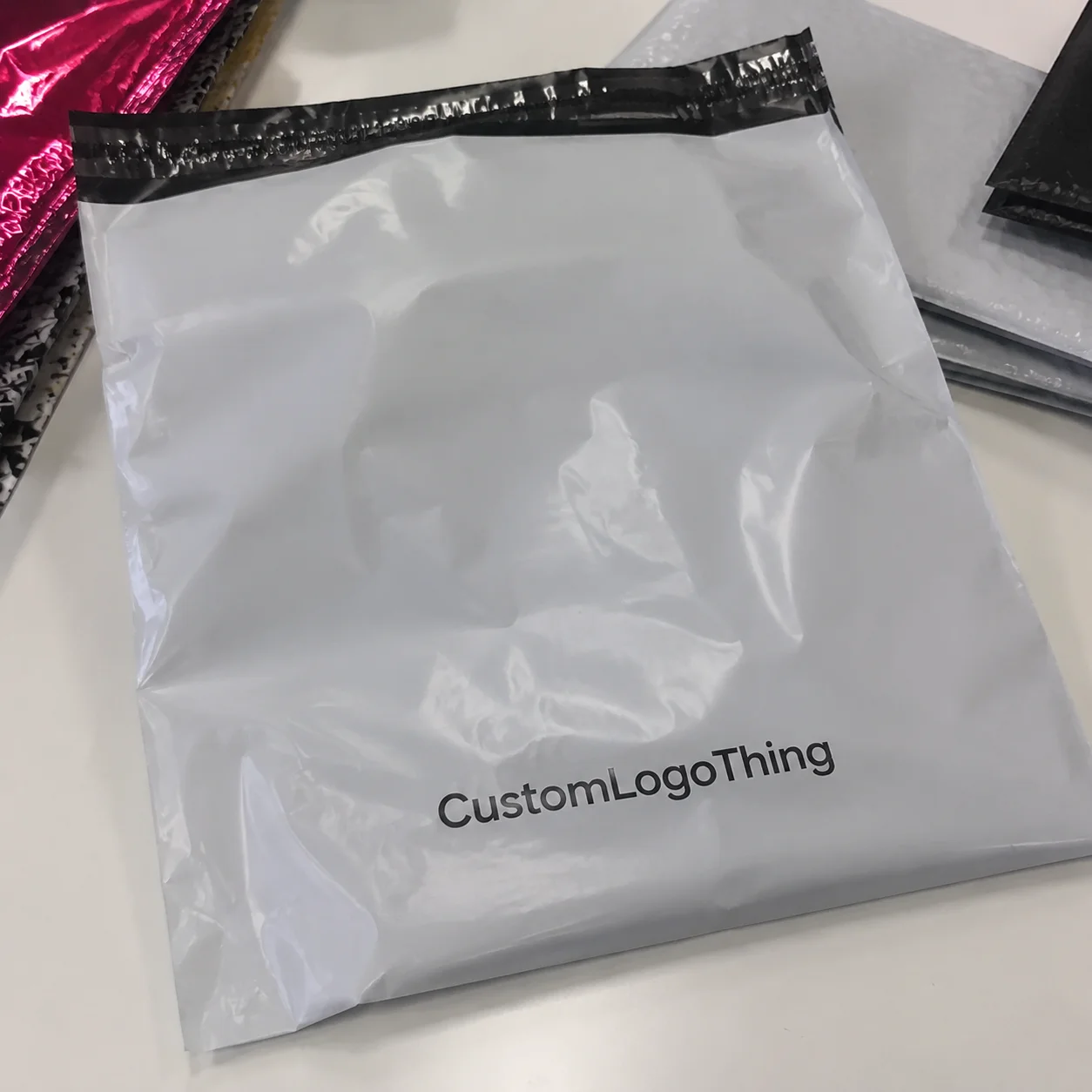
Buyer Fit Snapshot
| Best fit | minimalist ecommerce packaging workflows work for packaging buyers comparing material specs, print proof, MOQ, unit cost, freight, and repeat-order risk where brand print, material, artwork control, and repeat-order consistency matter. |
|---|---|
| Quote inputs | Share finished size, material target, print colors, finish, packing count, annual reorder estimate, and delivery region. |
| Proofing check | Approve dieline scale, logo placement, barcode or warning zones, color tolerance, and any recyclable or compostable wording before bulk production. |
| Main risk | Vague material claims, crowded artwork, or missing packing details can create delays even when the unit price looks attractive. |
Fast answer: Minimalist Ecommerce Packaging Workflows Work: Claims, Protection, MOQ, and Cost should be specified like a repeatable production item. The safest quote includes material, print method, finish, artwork proof, carton packing, and reorder notes in one written spec.
What to confirm before approving the packaging proof
Check the product dimensions against the actual filled item, not only the sales mockup. Ask for tolerance on folds, seals, hang holes, label areas, and retail display edges. If the package carries a logo, QR code, warning copy, or legal claim, reserve that space before decorative graphics fill the panel.
How to compare quotes without losing quality
Compare board or film grade, print process, finish, sampling route, tooling charges, carton quantity, and freight assumptions side by side. A lower quote is only useful if the supplier can repeat the same color, closure quality, and packing count on the next order.
Best minimalist ecommerce packaging workflows are not about stripping every order until it looks like a warehouse mistake. I remember standing over a packing table in Shenzhen, in a 12,000-square-foot facility near Longhua, while one apparel brand cut $0.42 per order by removing a single insert. It took a painfully boring packaging audit, a 40-minute argument with a corrugated supplier from Dongguan, and a test stack of 500 parcels that proved the old setup was mostly decorative waste. Annoying? Absolutely. Useful? Extremely. The best minimalist ecommerce packaging workflows usually live in that uncomfortable space between restraint and real-world protection.
I like simple packaging when it is disciplined. Honestly, I think minimal packaging gets misunderstood because teams confuse minimal with cheap, and then act surprised when the math bites back. Save $0.18, add $2.80 in damage claims, and you have not improved product packaging; you have just moved the bill to a different line item. I have seen that happen on a 4,800-order run from a warehouse in Jersey City, New Jersey, where one loose closure turned into 73 returns in 19 days. The best minimalist ecommerce packaging workflows avoid that trap by cutting waste without cutting control.
Quick Answer: Best Minimalist Ecommerce Packaging Workflows
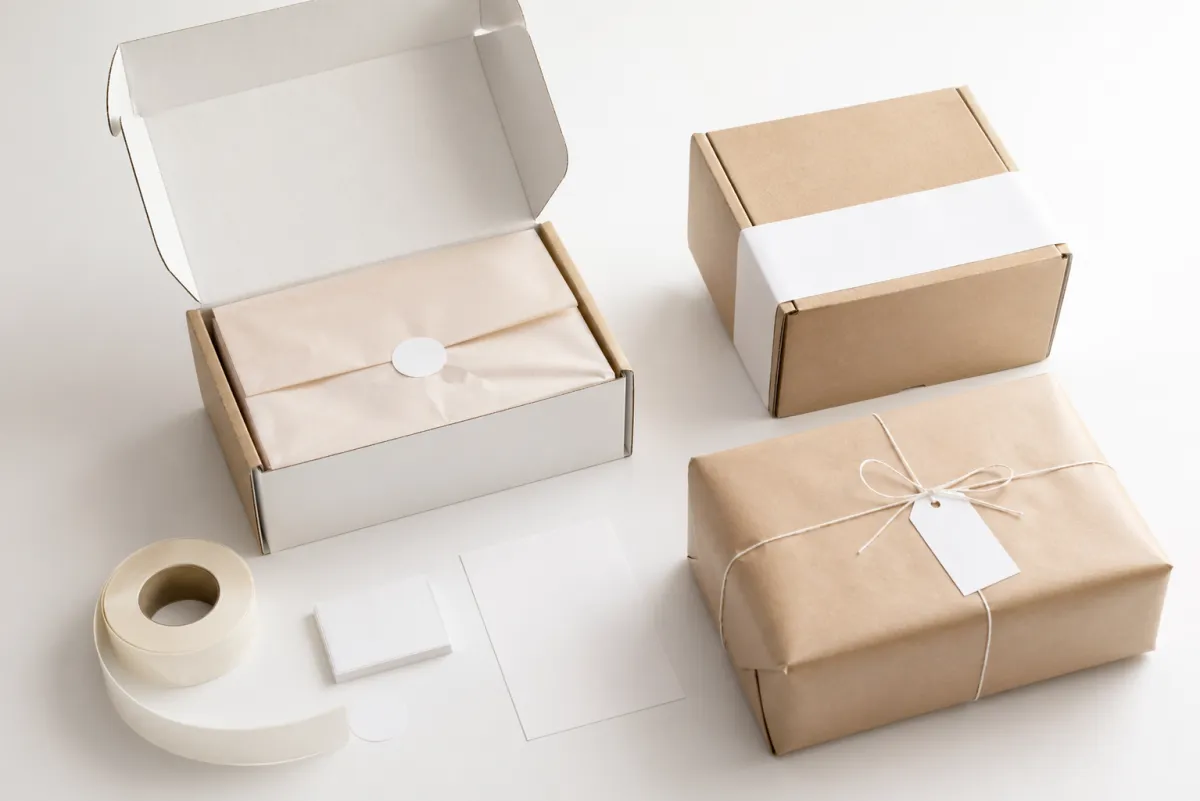
The best minimalist ecommerce packaging workflows usually combine a stock mailer or box, one branded touchpoint, and zero unnecessary void fill. That is the blunt answer. The shorter version, from someone who has stood next to a folding table while 2,000 orders moved through a pack line in Guangzhou, is this: the winning setup protects the product, keeps assembly under 30 seconds, and does not make the warehouse crew hate your name by Friday. In practice, the best minimalist ecommerce packaging workflows are less about aesthetics and more about repeatable packing logic.
I saw this play out with a candle brand in Portland, Oregon, that insisted on two inserts, tissue, and a printed belly band. We removed the second insert after a drop test showed the candle already sat tight in a 32 ECT corrugated mailer from a supplier in Ningbo. Pack time dropped from 74 seconds to 41 seconds, the outbound carton count stayed the same, and the cost saved was not glamorous, but it was real. That is how the best minimalist ecommerce packaging workflows actually work: fewer parts, tighter fit, less nonsense, fewer chances for someone to fold a flap the wrong way and stare at it like the box betrayed them.
"We stopped shipping air."
That was the line a warehouse lead gave me after we killed a double-insert setup for a skincare client in Austin, Texas. The box looked cleaner, the line moved faster, and nobody missed the extra paper.
By product type, the answer changes fast. Light apparel usually does best with a stock mailer plus sticker or one simple brand seal. Fragile items need a box plus paper filler, because aesthetics do not stop a broken bottle neck. Subscription kits want a box with one insert or tray so the product opens in a controlled way. Premium DTC products can justify a Custom Printed Box or mailer if the graphics are restrained and the structure is clean. The best minimalist ecommerce packaging workflows are not one-size-fits-all, and anyone selling you that fantasy is probably trying to unload dead inventory from a factory in Yiwu, Zhejiang. The strongest versions still feel minimal, but they do their actual job.
Minimal does not mean low effort either. A clean package can hide expensive mistakes if the carton size is wrong, the adhesive fails in cold storage, or the product rattles because somebody wanted to save three cents on paper fill. I have seen a "simple" setup drive returns up by 6% because the product landed with a dented corner after a 1,200-mile route from Dallas to Chicago. That is not minimalism. That is bad planning with a nicer font. The best minimalist ecommerce packaging workflows hold the line on both protection and presentation.
Top Minimalist Ecommerce Packaging Workflows Compared
When I compare the best minimalist ecommerce packaging workflows, I look at five things first: protection, pack speed, brand feel, setup complexity, and how badly the workflow ages after 500 to 1,000 orders. A setup can look elegant in a sample photo and still fall apart once the tape guns come out and the line is moving at full speed in a warehouse outside Ho Chi Minh City. The best minimalist ecommerce packaging workflows still need to survive repetition, not just a photoshoot.
| Workflow | Best For | Typical Landed Cost | Setup Speed | Brand Feel | Main Tradeoff |
|---|---|---|---|---|---|
| Stock mailer plus sticker | Apparel, small accessories, low-fragility items | $0.30 to $0.80 | Fast | Clean and light | Less protection and less print control |
| Custom printed mailer | DTC brands wanting strong branding with low build-out | $0.85 to $1.60 | Medium | Premium without bulk | MOQ pressure and print setup fees |
| Box plus paper filler | Fragile goods, beauty, glass, gift sets | $1.15 to $2.40 | Medium | Polished and protected | More labor and more material |
| Box plus one insert | Subscription kits, premium product packaging | $1.30 to $2.80 | Slower | Structured and deliberate | Insert cost can creep fast |
| Ship-in-own-container | Strong retail packaging and rigid secondary containers | $0.15 to $0.60 | Fastest | Depends on the original pack | Outer wear and crush risk |
The winner by use case is different every time, which is exactly why I do not trust anyone who claims one universal champion. A $0.22 sticker is great until the product needs crush protection. A beautiful custom printed box is great until the warehouse starts burning labor on complex folding and extra tape. The best minimalist ecommerce packaging workflows give you one obvious thing to do and nothing else, ideally with a 350gsm C1S artboard sleeve or a 32 ECT mailer that fits the product instead of bullying it. That fit is where the real efficiency comes from.
For light apparel, stock mailers with one branded sticker usually win because they are fast, cheap, and easy to store in a single shelf bay. For fragile items, box plus paper filler wins because the product gets hold, cushion, and less lateral movement. For premium DTC brands, a Custom Printed Mailer or simple box with one sharp brand mark often feels more honest than a fully dressed-up package with tissue, stickers, and a card nobody reads. That is the sort of packaging design choice that looks restrained instead of corporate, especially if the print is a single Pantone on a kraft base from a printer in Dongguan. The best minimalist ecommerce packaging workflows usually stop at the first visual element that earns its keep.
My honest verdict? The cleanest setups are the ones that use one deliberate branded touchpoint and stop there. I am talking about a single printed panel, one label, or one Insert That Actually earns its place. The best minimalist ecommerce packaging workflows should feel intentional at the doorstep, not overworked in the warehouse, and they should still be easy to reproduce by a two-person team in Phoenix or Leeds on a Monday morning. If the workflow gets harder with every extra order, it is not one of the best minimalist ecommerce packaging workflows; it is just a prettier bottleneck.
Detailed Reviews of the Best Minimalist Ecommerce Packaging Workflows
Stock Mailer Plus Sticker
This is the entry-level winner in a lot of categories, and I have tested it with everything from socks to small candle tins. A plain kraft mailer from Uline or a similar stock supplier, paired with a clean brand sticker from Noissue, gives you an immediate visual lift without the cost of a custom print run. It also keeps the workflow simple enough that a new hire can learn it in one shift, which matters when your onboarding budget is $120 per person and the warehouse manager in Charlotte, North Carolina, wants fewer mistakes before lunch. For many brands, this is one of the best minimalist ecommerce packaging workflows because it saves time without making the packout feel stripped bare.
The strongest version of this setup uses consistent carton sizing, a label in the same corner every time, and no extra filler unless the product shifts in transit. I saw one accessories brand save 11 seconds per order by standardizing on a 6 x 9 mailer and a single 3-inch seal sticker. The product felt calmer in the box, and the brand impression got better because the package looked deliberate instead of patched together.
Where it fails: heavy products, humid storage, and anything with a sharp edge. I have watched sticker adhesive get sloppy in a warm packing room in Manila, and I have watched customers peel a label off and call the package "cheap" even when the product inside was excellent. The package branding has to hold up to handling, or the minimal look turns into a budget tell. That part still annoys me, because one loose sticker can make a decent setup look like it was assembled during a lunch break, kinda like a shirt cuff missing its button. If your item does not sit still, this is not among the best minimalist ecommerce packaging workflows for that SKU.
Custom Printed Mailer
This is where the best minimalist ecommerce packaging workflows start to feel like a real brand system. A clean one-color print or a restrained two-color design on a mailer can look excellent if the art team keeps their hands off the nonsense. I have ordered Custom Printed Mailers from Packlane for a client who wanted a muted, high-end unboxing moment without a box, and the result was strong because the print was simple, the board was E-flute corrugated, and the structure stayed light. This is one of the best minimalist ecommerce packaging workflows when branding matters but the product does not need extra structure.
The key detail is fit. If the mailer is too large, the product floats. If it is too tight, the seams split and the warehouse ends up fighting the flap instead of packing orders. I have seen 2 mm of dimensional drift turn a clean workflow into a daily annoyance. That is why I always test three sample sizes before placing a full run. The mockup photo never tells the whole story, no matter how lovingly the render was presented in a slide deck in New York City.
What I like most here is that the branding feels intentional without taking over the order. You can get a lot of lift from one logo panel, a limited ink coverage area, and a consistent closure method. What I do not like is when teams turn the mailer into a billboard and then pretend the setup is minimalist. It is not. It is just smaller than a box, usually with a $0.09 print premium that still needs to earn its keep. The best minimalist ecommerce packaging workflows keep the print sharp and the structure plain.
Box Plus Paper Filler
For fragile or semi-fragile items, this is one of the safest members of the best minimalist ecommerce packaging workflows group. A plain corrugated box, ideally with a clean board spec like 32 ECT or stronger depending on weight, and recycled kraft paper fill gives you enough cushion without drifting into overpacking. I have used this for glass bottles, ceramic goods, and beauty sets where damage was more expensive than the extra paper. If your product needs real transit protection, the best minimalist ecommerce packaging workflows usually end up here.
The biggest win here is consistency under pressure. Paper fill is easy to meter, easy to see, and easy to teach. I had a fulfillment manager in Hong Kong tell me she liked paper fill because her team could judge "enough" by eye in under two seconds. She was right. If the fill material is always the same size and the product sits centered, pack time stays predictable and carrier damage drops. A 1.5-inch paper nest around a bottle is often enough; a 4-inch nest usually means somebody got nervous.
The downside is labor. Paper fill adds a few motions per order, and if the product does not actually need it, you are paying for drama you could have avoided. I have also seen brands overfill boxes until the item bounces in a nest of paper like it is on vacation. That is waste, not protection. The best minimalist ecommerce packaging workflows use just enough material to stop movement, then stop, which is exactly the rule a team in Milan used to cut their pack station from 52 seconds to 37.
Box Plus One Insert
This is the setup I like for subscription kits, premium launches, and ecommerce packaging where the opening sequence matters. One insert can hold the product in place, reveal it in a specific order, and make the inside feel controlled without piling on extra layers. The trick is restraint. One insert. Not three. Not a "welcome message" plus a coupon card plus a product map nobody asked for. I usually spec 18pt SBS for light inserts or 350gsm C1S artboard when the graphics need a cleaner finish. Among the best minimalist ecommerce packaging workflows, this one carries the most storytelling without turning into clutter.
At a client meeting for a skin care line in Los Angeles, I put three sample packouts on the table. The version with the simplest insert won because it opened cleanly and the bottle did not wobble. The fancy version looked impressive in a render, but it took 29 extra seconds to assemble and used more board than the other two combined. That is the sort of decision that sounds artistic until the warehouse starts missing its hourly target.
I still use this structure when the product needs a stage. One insert can carry the brand story, protect the item, and keep the package neat. But if you add too much copy or too many cutouts, the insert stops being functional and becomes expensive decoration. That is how a clean workflow turns into a supply chain headache, especially when the insert has to be die-cut in Shenzhen and shipped across the Pacific in 12 to 15 business days after proof approval. For launch kits, it can still be one of the best minimalist ecommerce packaging workflows if the insert earns every gram.
Ship-in-Own-Container
When the product already ships in strong retail packaging, this is the fastest and leanest option in the best minimalist ecommerce packaging workflows group. It works for rigid cases, sturdy consumer goods, and some premium boxes that can survive light parcel handling on their own. The upside is obvious: fewer materials, fewer picks, fewer decisions, and less freight weight. I have seen brands save $0.15 per unit for 5,000 pieces just by removing the outer shipper. That is a real win if the retail container can take the abuse.
But this is also the easiest option to get wrong. Retail packaging has to survive more than a shelf. It has to survive a drop, vibration, handling at a hub, and a bored carrier who treats every parcel like it owes him money. I usually want evidence here, not optimism. If the container has not passed reasonable transit testing, I do not care how good it looks in a studio shot in Copenhagen or Seoul. The best minimalist ecommerce packaging workflows do not rely on hope and a glossy surface.
When I need a reference point, I check test expectations against ISTA methods and basic transit logic. I also think about source reduction in the same breath, because shaving material only matters if the pack still arrives intact. That is not me being dramatic. That is me having paid for enough broken inventory to know the difference, including one 900-unit launch that failed after a two-day lane from Atlanta to Miami. If a ship-in-own-container plan cannot survive shipping, it is not one of the best minimalist ecommerce packaging workflows; it is a damaged goods forecast.
What Fails First
The same mistakes show up again and again. Oversized boxes make the product rattle and increase freight cost. Weak adhesive turns a simple closure into a rerun. Too much void fill adds labor and gives the customer the impression that the packer was guessing. Fragile inserts can look elegant and still add no real protection, which is a neat trick if your goal is to spend money twice. These are exactly the failure modes the best minimalist ecommerce packaging workflows are built to avoid.
One brand I worked with was using a custom printed box, tissue, a cardboard insert, and a foam spacer for a product that weighed 180 grams. We removed the foam spacer and swapped the insert for a tighter board spec, and the damage rate stayed flat at under 1%. The line got faster, the package felt cleaner, and the final package design made more sense for the product. That is the difference between thoughtful and bloated.
If you want a place to start testing, I would look at our Custom Packaging Products selection and compare stock sizes against your actual product dimensions, not the dream dimensions the marketing team wrote in a mood board. If your product is 98 x 62 x 24 mm, spec to that, not to the prettier 100 x 70 x 30 mm that sounds nicer in a spreadsheet. That simple habit often separates the best minimalist ecommerce packaging workflows from the ones that only look minimal on paper.
Minimalist Ecommerce Packaging Workflow Costs and Pricing
Pricing gets messy fast if you only look at the unit quote. The best minimalist ecommerce packaging workflows need a landed cost view: box or mailer, print, insert, tape, void fill, labor, and freight. I have seen a quote that looked unbeatable at $0.19 a unit turn into a $0.63 landed cost after the supplier added setup fees, split shipments, and a second pallet charge nobody mentioned in the first call. That sort of surprise should be illegal, or at least frowned upon more aggressively.
Here is the rough range I use when I sanity-check packaging budgets. A stock mailer setup can land around $0.30 to $0.80 per order if the product is light and packing is simple. A Custom Printed Mailer usually comes in around $0.85 to $1.60 when you include print and a normal order quantity. A box plus insert system often lands between $1.15 and $2.40, depending on board strength, insert complexity, and how many hands touch the kit before it ships. In Taiwan, those numbers can dip a bit on volume, but freight usually eats the difference. The best minimalist ecommerce packaging workflows make these costs obvious instead of hiding them in labor.
| Workflow | Unit Cost | Labor Cost | Hidden Costs | When It Pays Off |
|---|---|---|---|---|
| Stock mailer plus sticker | $0.18 to $0.45 | Low | Storage and label stock | High-volume, light product packaging |
| Custom printed mailer | $0.55 to $1.10 | Low to medium | MOQs, setup fees, proofing | Brands needing clean package branding |
| Box plus paper filler | $0.75 to $1.80 | Medium | Paper consumption and assembly time | Fragile goods with moderate order value |
| Box plus one insert | $0.90 to $2.20 | Medium to high | Dielines, insert tooling, storage | Premium launches and controlled unboxing |
| Ship-in-own-container | $0.12 to $0.40 | Very low | Damage risk and outer wear | Rigid retail packaging that survives transit |
The hidden costs are the part suppliers love to underplay. Minimum order quantities can trap cash in inventory. Plate charges and setup fees can add $120 to $600 before the first box leaves the press. Storage fees pile up when the warehouse is already full of seasonal stock. Rush freight is the silent killer because it looks like a rescue and invoices like a mistake. And labor? Labor matters more than people think. If a "fancy" pack takes 22 extra seconds, you may burn through the savings before the month ends, especially at 3,000 orders a week in a facility near Scranton or Nashville. The best minimalist ecommerce packaging workflows reduce those hidden costs by design, not by luck.
That is why I get cranky when someone obsesses over unit price alone. Saving $0.12 on packaging means nothing if damage claims cost $3.00 per order or if your team loses five minutes per carton because the insert only fits after a little wrestling match. I would rather pay an extra dime for a setup that reduces rework, stack damage, and customer complaints. The number on the quote matters, sure, but the number on the return spreadsheet matters more. That is the difference between one of the best minimalist ecommerce packaging workflows and a cheap-looking mistake.
For sustainability-minded teams, I also point people toward the EPA guidance on reducing waste. It is not glamorous. It is useful. It reminds people that source reduction is a process choice, not a slogan, and that the cleanest packaging is often the one you do not have to rebuild at the packing bench in the first place. The best minimalist ecommerce packaging workflows are usually the least wasteful ones, which is a nice coincidence until you realize it is not a coincidence.
How Do You Choose the Best Minimalist Ecommerce Packaging Workflows?
Choosing among the best minimalist ecommerce packaging workflows starts with product risk, not taste. I ask five questions every time: How heavy is the item? How fragile is it? What is the average order value? What shipping lanes does it cross? And how much does the unboxing moment affect repeat purchase behavior? If you skip those questions, you are just decorating a guess, usually with a budget of $500 to $2,000 and a lot of confidence.
Here is the practical filter I use. If the product weighs under 250 grams and has low breakage risk, a stock mailer plus sticker is usually enough. If the item has glass, ceramic, or exposed corners, move to a box plus paper fill or one insert. If the product sits in a premium price band and the packaging is part of the brand promise, then a custom printed mailer or box can make sense, but only if the structure stays lean and the print coverage stays disciplined. That is the framework behind the best minimalist ecommerce packaging workflows.
- Weight: Light goods favor mailers; heavier goods need box structure.
- Fragility: If a 30-inch drop test feels scary, add protection before adding graphics.
- AOV: Higher order value can absorb a better pack without wrecking margin.
- Shipping lane: Long transit lanes and rough handling call for stronger board and tighter fit.
- Brand role: If packaging is part of retention, the package branding deserves more attention.
I also keep a hard rule for multi-SKU brands: one box family, one insert system, one branding method. That is it. If you use three different cartons, two insert styles, and a random mix of labels, the warehouse starts operating like a craft project. The best minimalist ecommerce packaging workflows scale when they are boring to manage and pleasant to receive, whether the orders ship from Toronto, Amsterdam, or a 30-dock facility outside Dallas. Boring is not a flaw here; it is the point.
Do not over-optimize for appearance if your real bottleneck is damage rates, picker speed, or supplier lead time. I have seen brands spend six weeks debating a soft-touch finish when the real problem was a carton that collapsed on the bottom row of a pallet. That is why transit testing matters. If you need a standard, use the logic behind ISTA style drop and vibration testing, then make the packaging design decision with data instead of hope. The best minimalist ecommerce packaging workflows are usually the ones that pass that test without drama.
I also think the phrase "minimalist" gets abused. If the package has one job, do that job well. If it needs to communicate value, then choose one strong visual cue and stop. If it needs to cut freight, reduce dimensional weight first. If it needs to lower labor, simplify assembly before touching print. The best packaging workflow is not the prettiest one. It is the one that survives the line, the truck, and the customer’s hands without drama, from a 90-degree summer day in Texas to a damp winter route through Rotterdam. That is why the best minimalist ecommerce packaging workflows usually look calm rather than flashy.
Process and Timeline for Minimalist Ecommerce Packaging Workflows
The setup process for the best minimalist ecommerce packaging workflows is usually more about sequencing than speed. I map it in six steps: packaging audit, size spec, sample request, proof review, production, inbound freight, and warehouse training. Skip one of those steps and you end up paying for the gap later. Usually with your own money, which is the least fun kind of lesson. The best minimalist ecommerce packaging workflows reward methodical teams and punish improvisation.
- Packaging audit: Measure the actual product, not the CAD fantasy. I want weight, height, width, depth, and corner sensitivity.
- Size spec: Lock the internal dimensions first, then pick board grade or mailer thickness.
- Sample request: Order stock samples and custom samples side by side, not one after the other.
- Proof review: Check color, placement, seam alignment, and closure method before sign-off.
- Production: Confirm MOQ, lead time, and pallet count before the supplier starts cutting.
- Warehouse training: Run a pack-out script and measure seconds per order.
Real timing matters. I usually see 3 to 7 days for stock sample testing, 1 to 2 weeks for proofs and revisions, and 12 to 15 business days from proof approval for production on a simple custom printed mailer from a factory in Dongguan. A custom printed box with an insert takes longer, often 18 to 30 business days, because dielines, artwork, and board specs all have to agree with one another before anybody touches the machine.
That is where delays show up. Dieline revisions drag when the product changes late. Artwork approvals crawl when six people want to "just tweak" the logo size by 2 mm. Carton fit tests fail when the sample was based on the wrong measurement. Freight gets messy when the cartons are ready but the pallet booking is not. I learned this the annoying way after a supplier in Guangdong sent me a beautiful print job that sat for nine days because the inbound warehouse had no dock time booked. Beautiful box. Very expensive paperweight. The best minimalist ecommerce packaging workflows make these handoffs smaller, not more complicated.
A small pilot batch is the best insurance I know. Run 50 to 100 orders first, track damage, and watch the pack line. If the setup works, scale it. If the line starts improvising, you just found a problem before you bought 12,000 bad boxes. That is a much cheaper lesson than discovering the flaw after the holiday rush. The best minimalist ecommerce packaging workflows are the ones that survive a pilot without asking for a hero to rescue them.
One more thing: train the warehouse on the actual closure sequence. I have watched a team save five seconds per order simply by telling pickers which flap closes first and where the label goes every time. It sounds tiny because it is tiny. Tiny savings multiplied by 8,000 orders a month are not tiny anymore, especially when the labor rate is $18.50 an hour and the shift runs across two breaks. That kind of repeatability is what makes the best minimalist ecommerce packaging workflows scale without friction.
Our Recommendation: Best Minimalist Ecommerce Packaging Workflows
If you asked me for one default answer, I would pick a stock or lightly custom box plus one branded touchpoint for most brands. That is the cleanest balance of cost, speed, protection, and brand feel. It gives you enough structure to protect the order, enough surface area to signal quality, and enough simplicity to keep labor under control. In other words, it behaves like a real system instead of a costume, whether the cartons are printed in Guangzhou or assembled in a fulfillment center outside Philadelphia. That is why I keep coming back to the best minimalist ecommerce packaging workflows as a practical default.
For apparel, I would start with a stock mailer and a single sticker or seal. For beauty, I would usually step up to a box plus paper fill, especially if the product has glass or leaks easily. For accessories, a slim custom printed mailer can work well if the print stays restrained. For fragile products, I would not argue with the box plus insert approach if the insert genuinely prevents movement. That is the part many teams miss: the best minimalist ecommerce packaging workflows are different because the products are different, and a $7 lipstick does not need the same structure as a 450-gram ceramic mug.
If you are building from scratch, start with our Custom Packaging Products options and compare two sample directions side by side: one pure stock-based setup and one lightly branded setup. Then test both on 50 orders with real packers, real tape, real freight, and real customers. The sample table that looks prettier on a desk often loses once the cartons hit the line, especially if the custom option adds $0.27 in labor and 8 more seconds per order. The best minimalist ecommerce packaging workflows usually win the repack test, not the rendering contest.
I tell clients the same thing every time: pick the workflow that your warehouse can repeat on a bad Tuesday in February, not the one that photographs best on a sunny Thursday in September.
My next-step checklist is simple. Audit three current pack styles. Request two samples. Calculate landed cost, not brochure cost. Run a drop and vibration test if the product is fragile. Then launch the winner on a small batch before you commit to scale. That is how you avoid paying for decorative packaging that never earned its place, and it usually takes 10 to 14 days to get enough data to make the call. The best minimalist ecommerce packaging workflows should be verified in the real lane, not the mood board.
The best minimalist ecommerce packaging workflows reduce waste, protect margins, and still feel intentional at the doorstep. If a setup does not do those three things, it is not minimalist. It is just underbuilt, which is a different problem with the same invoice. Start by choosing one structure, one branding move, and one test batch, then let the numbers tell you whether the pack is actually doing its job.
What is the best minimalist ecommerce packaging workflow for a small brand?
Start with a stock mailer or box, one branded sticker or insert, and standard paper fill only if the product needs it. Keep assembly under 30 seconds per order so the workflow does not become a labor tax, and test for damage first because a pretty box that arrives crushed is just expensive trash. If you can get samples in 5 to 7 days, even better. For a lot of smaller labels, that is the shortest path to one of the best minimalist ecommerce packaging workflows.
How much do minimalist ecommerce packaging workflows cost per order?
Many lean setups land between $0.30 and $1.60 per order depending on size, print, and protection needs. Add labor, freight, and setup fees when you compare options, or the cheap quote will lie to you politely. If your average order value is high, paying a little more for damage reduction usually beats chasing the lowest unit price. A stock mailer plus sticker can come in around $0.34 at 5,000 units, which is why it often shows up among the best minimalist ecommerce packaging workflows for fast-moving goods.
How long does it take to launch a minimalist ecommerce packaging workflow?
Simple stock-based setups can be tested in a week, while custom printed packaging often takes several weeks from proof to delivery. Plan extra time for sample approval and warehouse training because the printer is rarely the slowest part of the process. A small pilot run should happen before full rollout so you can catch fit issues and packing errors early. For custom work, 12 to 15 business days from proof approval is a realistic baseline for a basic run, which keeps the best minimalist ecommerce packaging workflows from turning into schedule surprises.
Which materials work best for minimalist ecommerce packaging workflows?
Corrugated mailers, kraft boxes, recycled paper fill, and one strong branding element are usually the safest bets. Choose materials based on protection and stackability first, then aesthetics second, because carriers are not gentle artists. Avoid mixing too many finishes or layers unless the product truly needs them. For premium inserts, 350gsm C1S artboard or 18pt SBS usually holds up better than flimsy stock. That material discipline is a big part of the best minimalist ecommerce packaging workflows.
How do I keep minimalist ecommerce packaging workflows from looking cheap?
Use clean sizing, consistent print quality, and one deliberate branded detail instead of lots of random decoration. Match the package to the product value so the customer feels coherence, not thrift-store panic. Spend on structure and presentation before expensive extras, because fit and finish do more work than gimmicks, and that is why the best minimalist ecommerce packaging workflows keep winning. A single crisp logo on an E-flute corrugated mailer usually looks better than three weak brand touches.