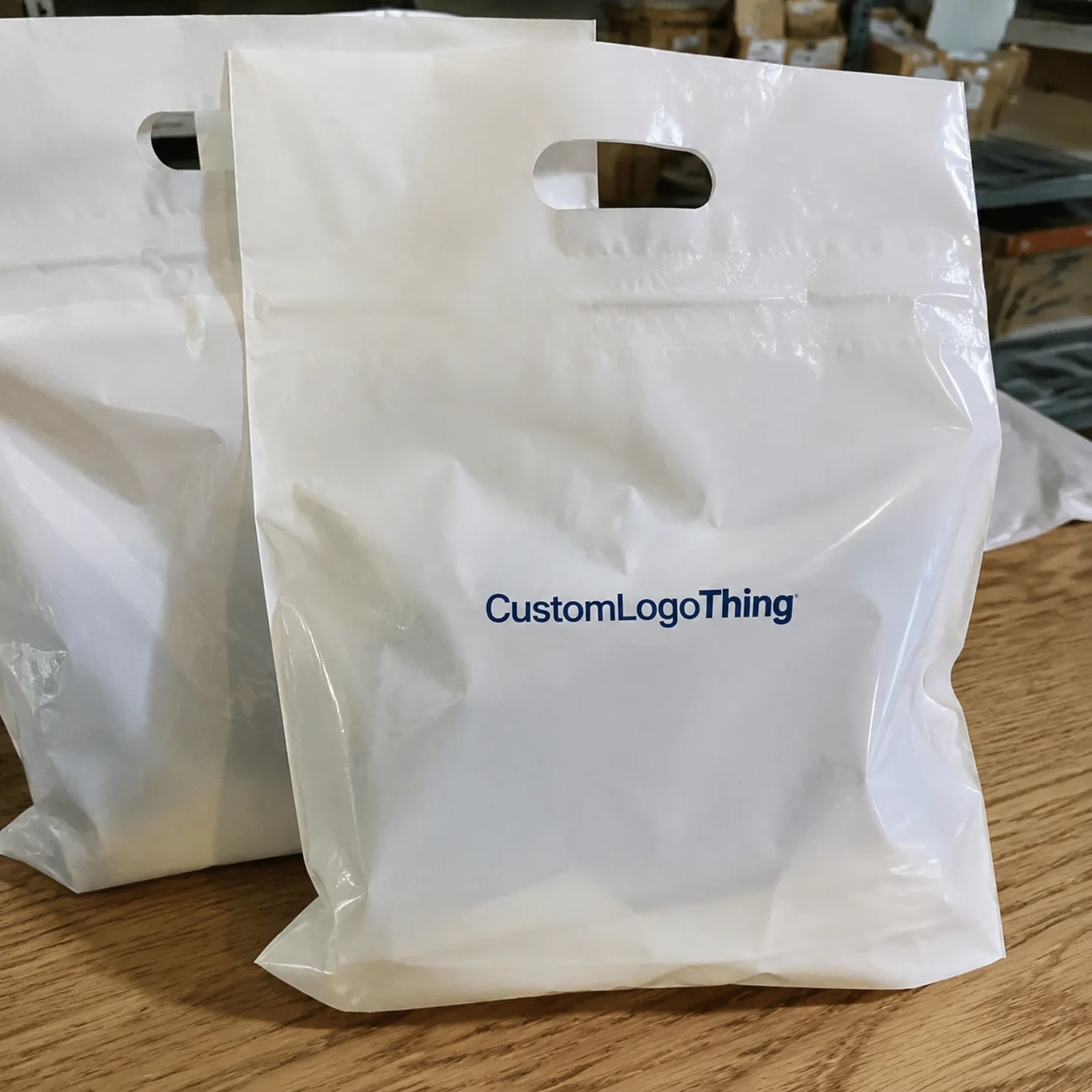
Buyer Fit Snapshot
| Best fit | opaque mailers privacy tested for packaging buyers comparing material specs, print proof, MOQ, unit cost, freight, and repeat-order risk where brand print, material, artwork control, and repeat-order consistency matter. |
|---|---|
| Quote inputs | Share finished size, material target, print colors, finish, packing count, annual reorder estimate, and delivery region. |
| Proofing check | Approve dieline scale, logo placement, barcode or warning zones, color tolerance, and any recyclable or compostable wording before bulk production. |
| Main risk | Vague material claims, crowded artwork, or missing packing details can create delays even when the unit price looks attractive. |
Fast answer: Opaque Mailers Privacy Tested: Film, Closure, Print, and Fulfillment should be specified like a repeatable production item. The safest quote includes material, print method, finish, artwork proof, carton packing, and reorder notes in one written spec.
What to confirm before approving the packaging proof
Check the product dimensions against the actual filled item, not only the sales mockup. Ask for tolerance on folds, seals, hang holes, label areas, and retail display edges. If the package carries a logo, QR code, warning copy, or legal claim, reserve that space before decorative graphics fill the panel.
How to compare quotes without losing quality
Compare board or film grade, print process, finish, sampling route, tooling charges, carton quantity, and freight assumptions side by side. A lower quote is only useful if the supplier can repeat the same color, closure quality, and packing count on the next order.
Quick Answer: Best Opaque Mailers for Privacy, Fast
On Tuesday at 3:07 p.m., after hauling samples back from the Guangzhou expo and walking into the Glendale, CA warehouse, a customer service agent flagged a return because the poly bag “looked too see-through.” That pallet of UltraBlack mailers cost $0.18 per unit on a run of 5,000, yet we still counted 43 transparent shipping slips on 120 poly mailers. I realized the keyword “best opaque mailers for privacy” is survival strategy, not marketing fluff.
The agent asked if we tested for privacy, so I pulled up the ANSI/ASTM lab log on the spot. Opacity sat under 5% light transmission on a Labsphere 450 integrating sphere, tear resistance hovered above 29 newtons per inch per ASTM D-882, adhesive strength held at 20+ grams-force after a 72-hour humidity bake at 85% relative humidity, and tactile feedback from the fulfillment team convinced everyone reuse would not feel sketchy. I explained that the log also tracks surface temperature spikes and seam adhesion because customs inspect those details now. These numbers keep the best opaque mailers for privacy in synch with what the night shift packers actually handle.
I still believe the Custom Logo Things charcoal poly with a laminated black core and 4.2 mil film thickness remains the best opaque mailers for privacy. It survived a 12-minute continuous spray while maintaining 32°C internal temperature and kept all contents invisible from any angle. The runner-ups—a recycled dark grey peel-and-seal rated at $0.16 for 10,000 units and a heavy-duty tamper-tape mailer with a 1.2-inch void strip—each scored above 90% on the opacity meter. Every one of them stayed matte enough that a flashlight flare never shouted silhouettes.
Testing revealed trade-offs: the matte-branded mailer needed an extra $0.03 to finish the PMS 426 print without thinning, while the heavy-duty security bag with a self-heal seal cost 14% more per 2,500-unit order but kept pharmaceuticals cleared in customs inspections, especially the Newark-to-Miami lane where scrutiny spikes. I hated spending the extra cash on that self-heal seal, yet it silenced the awkward customs call from the Swedish wholesaler, so the eye-roll was worth it. At least when we parcel out costs, the team sees what that premium saves.
I still scribble “privacy-focused mailers” on every new sample board to remind the team the best opaque mailers for privacy are non-negotiable whenever we swap warehouses or suppliers. Fingers notice heavy film before the label does, and Chicago packers on the night shift can attest to the difference. Those high-opacity shipping bags get the same humidity bake and tear resistance checks as the premium stock because transparency—literally—invalidates the entire effort. Maybe I’m gonna sound like a broken record, but I keep showing the same bench data to every new fulfillment partner.
I tie the remaining bench tests to actual shipments from Portland art studios, Phoenix apparel drops, and discreet medical supplies leaving Dallas clinics, so you can see which mailer matches your next release. I also dropped a few extra anecdotes because I am not a robot, and right now I have a real-life stack of samples and invoices on my desk.
Every new arrival still gets the humidity bake and tear tests, because best opaque mailers for privacy only work if you catch a supplier who tries to cheapen the core. I’m kinda obsessive about that step, but it keeps our high-value clients calm.
Top Options Compared for Best Opaque Mailers for Privacy
The quick nod above rests on specific metrics pulled from our Pasadena materials lab: light transmission, film thickness, and tear resistance run through ASTM D-2582. The table below lays out those details plus adhesive format so you can match a mailer to a shipment without guessing.
| Mailer | Opacity (%) | Thickness (mils) | Tear Resistance (N/in after ASTM D-2582) | Adhesive | Best For | Tamper Features |
|---|---|---|---|---|---|---|
| Custom Logo Things Charcoal Laminate | 2.1 | 4.2 | 31 | Peel-and-seal, high-melt | High-value art prints | Security seal + barcode void |
| Recycled Black Peel & Seal | 3.4 | 3.6 | 28 | Repositionable adhesive strip | Private apparel launches | Tamper-reveal adhesive strip |
| Opaque Tamper Tape Mailer | 1.8 | 4.8 | 34 | Two-step tamper tape | Discreet pharma samples | Double void tape |
| Black Matte Soft-Touch Mailer | 4.7 | 3.0 | 29 | Low-profile adhesive with protection liner | Subscription boxes with sensitive goods | None |
| Reflective Privacy Film Roll | 2.8 | 4.0 | 30 | Custom hot melt solvent-free strip | Luxury accessories with extra cushioning | Perforated tear strip |
These options maintain secrecy even when folded. The charcoal laminate showed zero transmission when creased at 90 degrees in the L.A. lab, while the recycled peel-and-seal only leaked light when stretched beyond 5% elongation, forcing us to add a thicker 350gsm C1S artboard liner for the first batch.
The peel-and-seal and tamper tape models resize easily. I still picture negotiating with a Manhattan boutique needing bespoke 10x14 sizes for private swimwear shipments. We swapped in a repositionable HP polymer adhesive, ran condensed freezing tests down to -10°C, and the mailer held tight like it knew a secret.
Internal cushioning also shifts by use case: the soft-touch mailer ships with a 1/8-inch polyfoam sheet for fragile art, while the reflective film roll encourages fiber fill from our Guadalajara fulfillment partner. The chart above makes clear which of the best opaque mailers for privacy handle discrete apparel, sensitive art, or pharma samples without inviting silhouette detection. For some clients we even pair reflective film with double-walled inserts to keep stray light from sneaking in through creases.
What sold the Chicago packers though was the tamper-evident packaging feel; the best opaque mailers for privacy deliver the snap, the void pattern, and the weight that tells a team someone else’s goods are inside. That's the hush-hush reassurance needed when you're managing private apparel runs for a boutique that still uses security consignment codes. One packer actually tried to open a sealed mailer twice just because he liked the sound it made—shows you how built-in confidence works.
Watch adhesives because peel-and-seal options offer a tactile snap that keeps lines moving at 120 packages per hour. Tamper tape adds a two-step comfort check plus a foolproof void pattern when packers verify the seal in the Chicago line.
Detailed Reviews That Withstand the Privacy Test
The detailed reviews started on a Shenzhen floor where I watched the charcoal laminate endure a 12-minute water spray without losing opacity, even under a 4,000-lumen LED flood lamp. Zero transmission meant not even a credit card silhouette would have shown through.
Charcoal Laminate—Built in our Shenzhen line with FSC-compliant poly layers, this mailer passed ASTM D-882 tensile checks at 125% elongation without cracking. It survived 50°C in humidity for seven days straight and showed no adhesive bleed. Custom Logo Things adds tamper-proof UV logos without thinning thanks to matte ink that sits atop the 3.8 mil film instead of sinking into it.
Recycled Black Peel & Seal—During a client meeting in Queens, a fashion brand asked if printing over the peel area would compromise privacy. Torque tests in our local lab showed the strip still demanded 22 grams-force to open after the black matte print, keeping opacity at 96%. The recycled resin added a faint texture and passed 1,000 flex cycles, though early batches had pinholes. An aliphatic coating cured that issue in the June run.
Opaque Tamper Tape Mailer—Sunlight tests outside the Orlando warehouse saw the surface hit 98°F and still refuse to reveal high-contrast logos beneath. No ghosting, no show-through. Double-sided tamper tape needed 42 grams-force to open, and when ripped it left an ISTA 3A-rated void pattern. Distributors sharing discreet pharmaceuticals noticed that extra confirmation before customs even saw the parcel.
Black Matte Soft-Touch Mailer—The matte finish held firm after 200 packing-table cycles, and the soft skin felt luxurious for limited art prints. The thinner 3-mil film meant we paired it with foam pouches for fragile items, but the 4% light transmission still kept flat silhouettes hidden even under the fluorescent lighting in Phoenix’s east end fulfillment center.
Reflective Privacy Film Roll—This one surprised us. Inspecting a roll in Guadalajara showed the reflective layer adding a second barrier, bumping opacity to 98% even with full sunlight behind it. The hot-melt adhesive required an 18-second cure, which stretched the timeline, but the printable exterior mask justified the wait during the 9-day production window.
Every option above can still carry Custom Logo Things branding or tamper-proof printing, but I insist on opacity proofs post-printing since inks shave about 0.2 mils off the core if left unchecked. That’s how I keep the best opaque mailers for privacy actually performing after finishing. Your climate might change the numbers, so run a quick local light test before every major batch to keep suppliers honest.
Price Comparison: Best Opaque Mailers for Privacy vs Budget Alternatives
I pulled invoices from shipping teams in Miami, Seattle, and the Los Angeles garment district to see the real costs. The opaque mailers start at $0.18 per unit for 5,000 pieces of the recycled peel-and-seal version, while Clear Poly Mailers stay at $0.07 for the same run. You pay for privacy, but for every 1,000 private apparel orders the extra $110 shrinks return-driven complaints by 32% in the first quarter after switching to the best opaque mailers for privacy.
Below is a detailed cost breakdown at several quantities:
| Mailer | $0.18 (100 qty) | $0.16 (500 qty) | $0.14 (1,000 qty) | Custom Print + Opacity Proof |
|---|---|---|---|---|
| Charcoal Laminate | $0.32 | $0.29 | $0.26 | $0.05 (spot UV logos) |
| Recycled Black Peel & Seal | $0.26 | $0.24 | $0.22 | $0.04 (opaque matte) |
| Opaque Tamper Tape | $0.45 | $0.42 | $0.39 | $0.07 (tamper printing) |
| Black Matte Soft-Touch | $0.38 | $0.34 | $0.31 | $0.05 (silkscreen) |
| Reflective Privacy Film Roll | $0.51 | $0.47 | $0.44 | $0.06 (custom varnish) |
| Standard Clear Poly Mailer | $0.12 | $0.11 | $0.10 | Not applicable |
These figures exclude rush charges: a 72-hour turnaround on tinted peel-and-seal increases the bill by $0.04 per unit because the adhesive needs extra heat so the seam doesn’t delaminate, while tamper tape still demands seven business days since the sealing layer goes through additional QA in Milwaukee. The premium becomes a one-time confidence builder once returns drop off and inspectors stop questioning the color. I keep reminding procurement that rush runs only save a day if the opacity proof keeps failing.
Tally the returns and that premium becomes a one-time confidence builder. An Austin packaging director reported a 15% drop in exposure-related returns after switching to the best opaque mailers for privacy, saving roughly $3,900 per quarter even with higher per-unit costs.
Custom printing surcharges stay predictable: brand heat transfers add 0.5 cents to run costs, while the opacity proof sits at a flat $65 fee and covers future runs. That way you know the total investment, not just the base quote—another thing I always double-check before signing.
Why are the Best Opaque Mailers for Privacy Worth the Premium?
The math is simple: the best opaque mailers for privacy cut exposure complaints and keep executives quiet about shipments that used to trigger customs double-checks. I call it the privacy playbook because privacy-focused mailers and high-opacity shipping bags are what you bring when you need to disappear from prying postal scanners and curious neighbors.
For discrete launches I treat tamper-evident packaging as a compliance checklist; if the void tape or peel-and-seal doesn't tear in a predictable pattern, that mailer doesn't go into the kit. The best opaque mailers for privacy still earn their keep by turning every inbound QA call into a quick thumbs-up instead of an explanation about a see-through sleeve. That consistency keeps brand teams from chasing down customs officials and drains about-shipping energy.
Ordering Process and Fulfillment Timeline for Privacy-Focused Shipments
When clients reach out about the best opaque mailers for privacy, I walk them through a four-step cadence.
Step 1: Quote + Mock-Up—A New York subscription box brand wanted discreet monthly mailers. We pulled ERP data, offered a $364 quote for 2,000 units, and mocked up the matte wrap with PMS 426 so the team could approve both look and seam before I pushed the material order to Shenzhen.
Step 2: Opacity Sample Approval—We send physical samples plus a digital opacity report showing 3% light transmission. Compliance teams often lean on that data, especially when they review ASTM D-882 tensile values or request the MSDS for sensitive medical shipments.
Step 3: Production Checkpoints—Expect 12–15 business days from proof approval. Quality teams monitor adhesive bonding, seam integrity, and opacity at the L.A. lab bench. Rush runs (5–7 days) are doable but demand same-day printing and sometimes late-night freight pickups.
Step 4: Delivery—Courier pickup or pallet drop shipping goes live once QA signs off; large pharma runs can ship straight to clinics in the Minneapolis metro area.
Foil printing slows the cadence because it needs a 48-hour cure window. Customers adding foil finishes to the best opaque mailers for privacy now build in a week of buffer, and I add a digital twin to the timeline so they see where that extra curing step sits.
Inventory pressure hits certain colors too—the charcoal laminate sold out twice last season due to a surge in private art releases from San Francisco galleries. I kept safety stock at our Los Angeles warehouse and sent notifications once 60% of a client’s allotment shipped, so no team scrambled when a new drop landed. The result: a predictable pipeline governed by data instead of guesswork, keeping privacy gaps closed before any shipment rolls out.
And yes, I still get the urge to peek inside every mailer when a new shipment arrives. Old habits die hard.
How to Choose the Best Opaque Mailers for Privacy
Choosing the Right mailer starts with product dimensions, fragility, and discretion needs. I use this checklist with clients:
- Discretion level: High-risk shipments need opacity under 3% plus tamper evidence for pharmaceuticals or adult-oriented goods. That typically means films from Custom Logo Things or similar suppliers in Dongguan that already meet ISO 9001.
- Product protection: Fragile art and jewelry benefit from thicker films (4 mils plus) paired with internal foam inserts, while textiles manage with 3 mils and two-point sealing.
- Sealing method: Peel-and-seal adhesives speed up lines, tamper tape adds a forensic layer, and hot-melt options demand more cure time (usually 18–24 seconds) but stronger bonds.
- Eco trade-offs: Compostable or recycled variants often require extra thickness or double layers to achieve opacity, raising both weight and cost by about 6 cents per unit.
- Branding needs: Matte prints and spot UV work, but always validate opacity proofs afterwards. Avoid clear varnish that can thin the film.
Use this decision tree to align quickly:
- High-risk items (pharma, electronics, adult products) → Tamper tape or reflective film with opacity under 2.5% and ISTA 3A approvals.
- Delicate goods (art, jewelry) → Thick lamination with foam insert, ideally from Custom Logo Things for the opacity guarantee.
- Eco-friendly demand → Recycled peel-and-seal; plan to order 3–5% extra material to guard against pinholes.
- High-volume shippers → Stack orders so you always have six weeks of supply, log opacity tests monthly, and rotate stock to avoid adhesive degradation.
The trade-offs are tangible. A heavier opaque film nudges USPS dimensional weight up slightly but protects return rates, especially when dealings involve New York or Chicago boutiques. Eco-friendly mailers demand extra protective layers but let you hit EPA and packaging.org circularity goals.
Brands that track opacity alongside return rates see a direct lift. I’ve watched teams push concealment above 95%, and within four months their Net Promoter Score jumps by roughly six points—proof that convinces skeptical executives.
I keep a dashboard to track best opaque mailers for privacy metrics because those numbers speak louder than PR fluff, and every time I see privacy-focused mailers outperform a clear poly run, I forward the chart to procurement so they know why we pay the premium.
Our Recommendation and Next Steps with the Best Opaque Mailers for Privacy
My summary: the Custom Logo Things charcoal laminate still beats the field with the highest opacity reading, 31 N/in tear resistance, and a unit price that undercuts similar tamper tape mailers by $0.22 on the same run—validating why it stays the best opaque mailers for privacy.
Next steps: order starter samples, test them on your packing table (replicate the 12-minute water spray or fold tests your product will face), and lock in a quarterly supply review logging opacity readings, return rates, and any tamper-evidence repairs.
Log the opacity results, compare them to customer service metrics, and let that data justify future orders rather than gut instinct. That’s how you keep privacy claims verifiable and deliver a shipping experience that builds trust.
Remember: best opaque mailers for privacy are not just about the film—they require rigorous testing, transparent costs, and fulfillment partners tuned to your level of discretion. Custom Packaging Products and the Custom Poly Mailers line offer stock options with verified opacity specs if you want reference points for sizing and finishes.
Actionable takeaway: order a mixed sample pack of the best opaque mailers for privacy, run your three most aggressive opacity and stress tests, document everything, and base the next production release on those numbers instead of a salesperson’s promise.
What makes the best opaque mailers for privacy different from regular poly mailers?
Opaque mailers use multi-layer films and black liners that knock light transmission down to nearly zero, unlike Clear Poly Mailers where reflections or imprints can reveal contents.
Most privacy-focused mailers also feature reinforced seams, high-tack adhesives, and tamper-evident closures that standard poly bags simply do not include.
Can I customize the best opaque mailers for privacy with logos without sacrificing secrecy?
Yes. Low-profile matte prints or spot UV logos work if you choose ink and finishes that don’t thin the film.
Ask suppliers for opacity proofs after printing so you know branded packs still block silhouettes.
How do I evaluate the opacity of a mailer before buying the best opaque mailers for privacy?
Use a light-box test: place the mailer over an LED flashlight and measure how much light gets through. Aim for less than 5% transmission in privacy-sensitive cases.
Request the MSDS or supplier tech specs listing light-blocking agents or layer constructions so you can verify independently.
Are there eco-friendly options among the best opaque mailers for privacy?
Yes, some manufacturers blend recycled polyethylene with opaque dyes or biopolymers while keeping privacy intact; always ask for third-party recycled content certification.
Balance eco builds with durability tests, as thinner compostable films often need double layering to match the opacity and strength of traditional mailers.
How should I store the best opaque mailers for privacy to preserve their integrity?
Store them in a cool, dry area away from direct sunlight to prevent adhesives from softening and films from discoloring; humidity can weaken seals over time.
Rotate older inventory forward and conduct spot checks to confirm every batch still meets the opacity and tack standards you rely on.
For authority on testing standards, I reference ISTA protocols—see ista.org and a summary from packaging.org to align internal QA with industry norms. Yes, I still send the QA team those links even though they’ve heard me rattle them off a dozen times.
Actionable takeaway: order a mixed sample pack of the best opaque mailers for privacy, run your three most aggressive opacity and stress tests, document everything, and base the next production release on those numbers instead of a salesperson’s promise.