Buyer Fit Snapshot
| Best fit | packaging cost tracking tools ecommerce planning review for packaging buyers comparing material specs, print proof, MOQ, unit cost, freight, and repeat-order risk where brand print, material, artwork control, and repeat-order consistency matter. |
|---|---|
| Quote inputs | Share finished size, material target, print colors, finish, packing count, annual reorder estimate, and delivery region. |
| Proofing check | Approve dieline scale, logo placement, barcode or warning zones, color tolerance, and any recyclable or compostable wording before bulk production. |
| Main risk | Vague material claims, crowded artwork, or missing packing details can create delays even when the unit price looks attractive. |
Fast answer: Packaging Cost Tracking Tools Ecommerce Planning Review: Cost, MOQ, Proof, and Reorder Checks should be specified like a repeatable production item. The safest quote includes material, print method, finish, artwork proof, carton packing, and reorder notes in one written spec.
What to confirm before approving the packaging proof
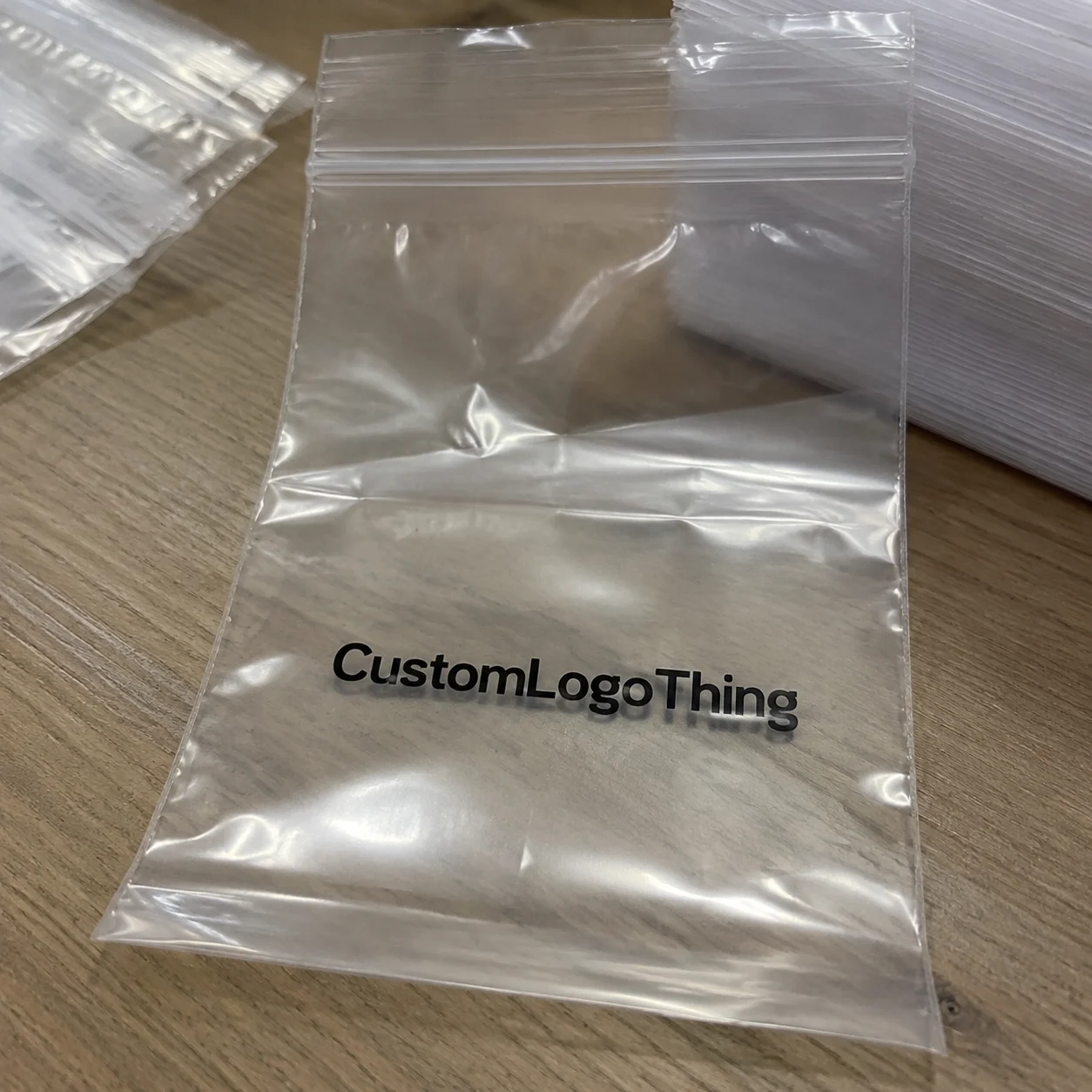
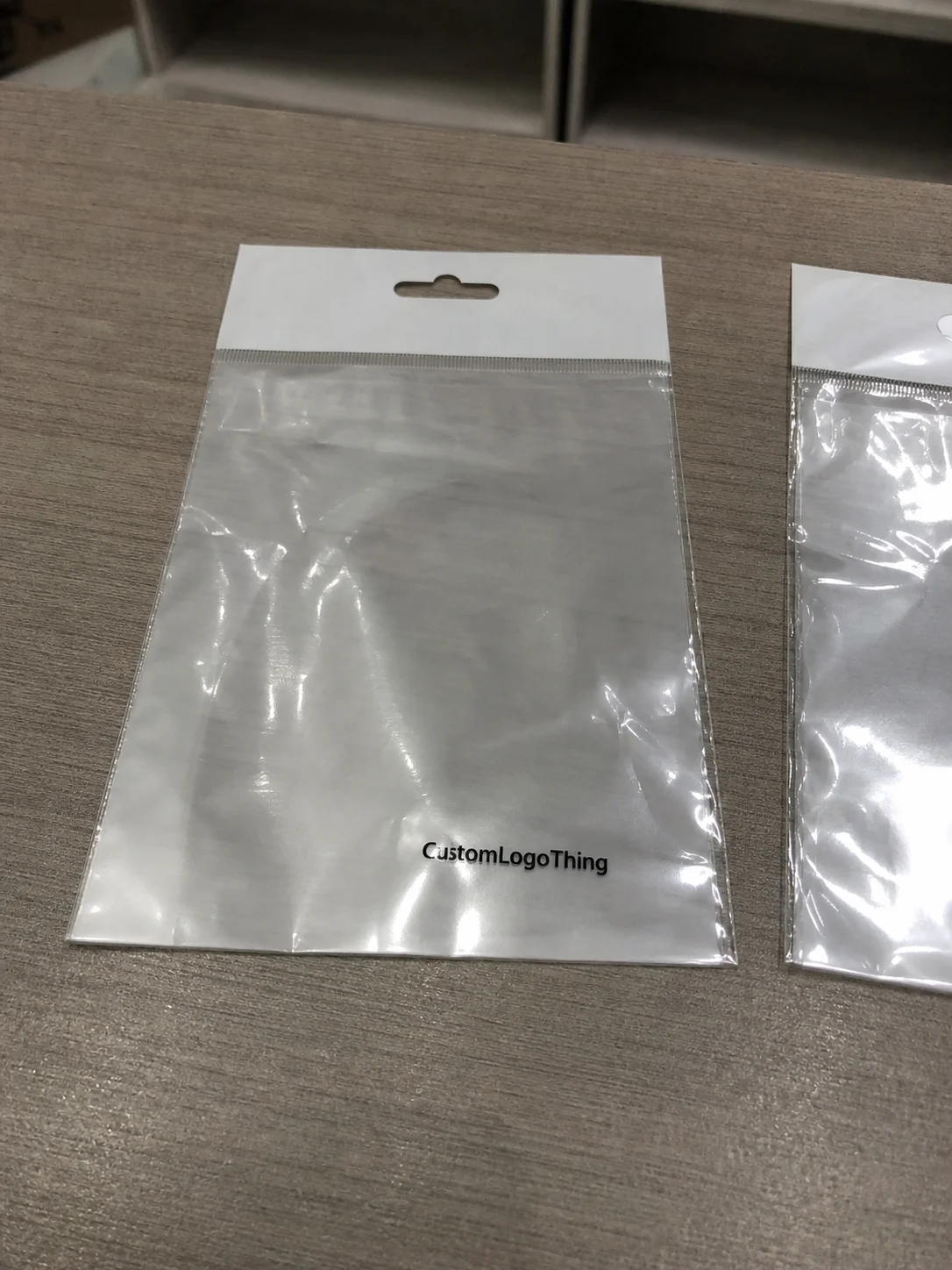
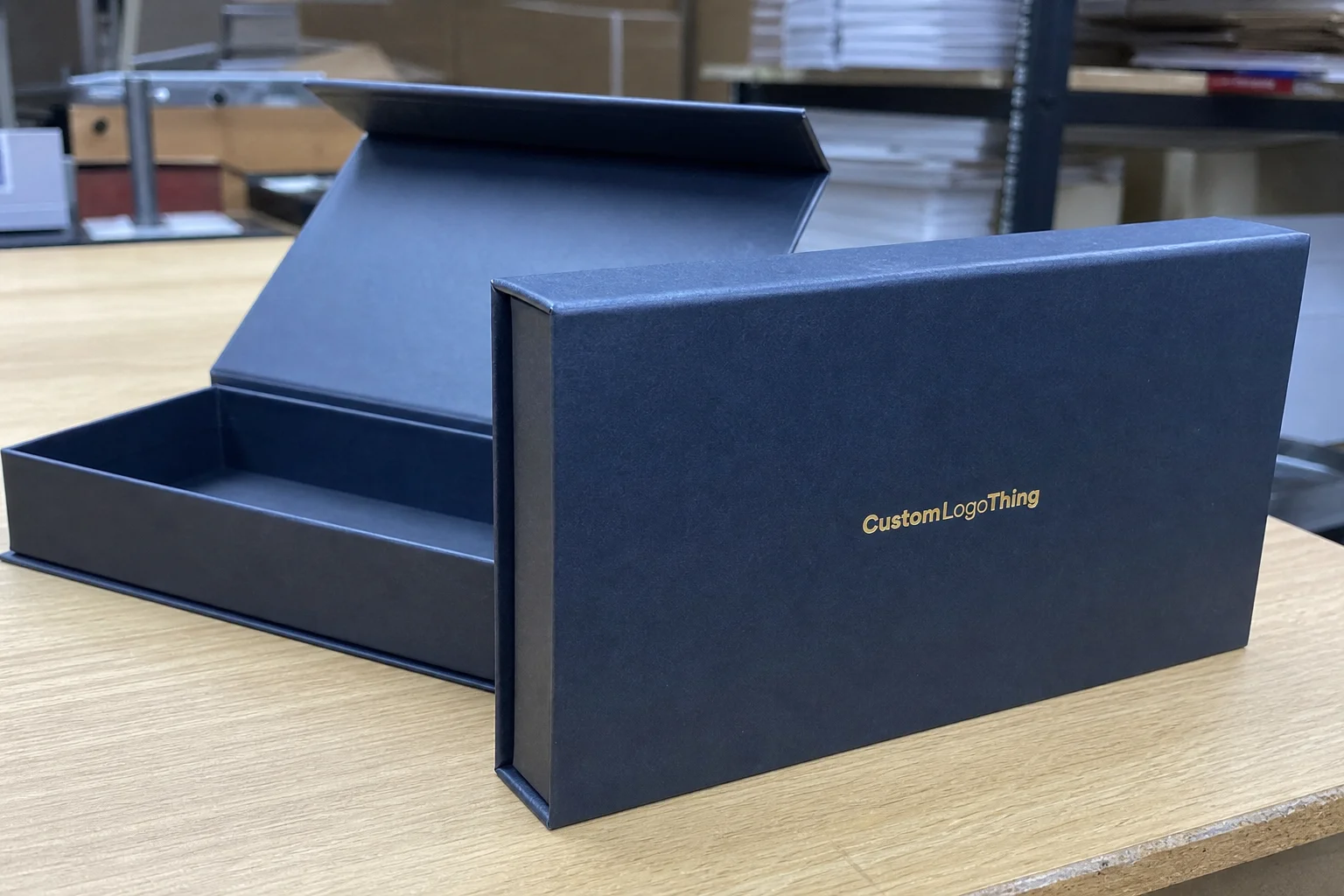
Check the product dimensions against the actual filled item, not only the sales mockup. Ask for tolerance on folds, seals, hang holes, label areas, and retail display edges. If the package carries a logo, QR code, warning copy, or legal claim, reserve that space before decorative graphics fill the panel.
How to compare quotes without losing quality
Compare board or film grade, print process, finish, sampling route, tooling charges, carton quantity, and freight assumptions side by side. A lower quote is only useful if the supplier can repeat the same color, closure quality, and packing count on the next order.
Comparing the best Packaging Cost Tracking tools ecommerce teams rely on starts with an uncomfortable fact: packaging rarely wrecks margins in one dramatic blow. It drips. A carton overbuy of $0.04 here, a $0.07 void-fill switch there, a 12% freight jump from dimensional weight, and one rushed reprint can turn a healthy margin into a spreadsheet of excuses. I remember sitting in a budgeting meeting in Chicago where everyone was focused on paid media and packaging was treated like the quiet kid in the back of the class. That quiet kid, as it turned out, was stealing money with alarming consistency. I’ve watched that pattern show up in audits from 500-order startups to 8-figure DTC operators, and the spreadsheet was usually the last place anyone looked.
The best packaging cost tracking tools ecommerce buyers want are not pretty dashboards. They are systems that show unit cost by SKU, channel, and fulfillment center, then flag waste before finance discovers it at month-end. That matters whether you sell custom printed boxes, branded packaging, or plain shipping Mailers Made from 32 ECT corrugated board. Packaging now sits inside cost of goods sold, freight math, and customer experience at the same time. Honestly, that is why so many teams feel like they are “doing fine” until the P&L says otherwise.
Most teams underestimate the operational drag. A packaging change that looks minor in procurement can ripple through picking labor, carton fill rates, and even claims data. The right best packaging cost tracking tools ecommerce buyers choose should capture those moving parts without demanding a full ERP overhaul. If the software needs a six-week IT summit and three espresso-fueled meetings just to show you carton spend, I’d be suspicious.
There is also a timing problem. Packaging cost creep usually hides in plain sight for months, then shows up all at once after a supplier reset, a board grade change, or a freight recalculation. That delay makes the issue feel smaller than it is. It isn’t.
Why the Best Packaging Cost Tracking Tools Ecommerce Brands Use Start With Margin Leakage
Packaging often looks like a tiny line item, yet it can quietly eat 2% to 6% of margin when freight, waste, and purchasing errors are included. I saw this firsthand during a client meeting with a beauty brand shipping from two warehouses in Reno, Nevada, and Allentown, Pennsylvania. Their carton price was only $0.14 above benchmark, which sounded harmless until we multiplied it across 780,000 annual orders. That one decision represented more than $109,000 in avoidable spend before filler and labor entered the picture. I still remember the finance lead staring at the sheet like it had personally insulted her family.
The best packaging cost tracking tools ecommerce operations can deploy close that blind spot by connecting spend to real operating variables: SKU, order type, fulfillment center, shipping zone, and supplier. Manual spreadsheets miss too much. They rarely catch dimensional weight changes after a box spec is updated, or the hidden cost of a supplier substituting a 350gsm C1S artboard for a stiffer 400gsm sheet that behaves differently on the pack line. They also struggle with rush orders. One missed forecast, one weekend air shipment from a converter in Dongguan or Ho Chi Minh City, and “cheap” packaging turns costly fast.
On a visit to a contract packout facility outside Dallas, the operations manager showed me three carton versions that shared the same outer dimensions but had different board calipers and crush performance. Purchasing had priced them as though they were interchangeable. They were not. The paper difference was $0.03 per unit; the damage-claim difference was closer to $0.11 per shipped order over a six-month sample. That is the kind of leakage the best packaging cost tracking tools ecommerce teams need to expose. Honestly, that was the moment I stopped trusting “close enough” packaging assumptions because close enough is usually code for “we’ll pay for this later.”
A tool worth buying must do four things well:
- Capture packaging spend by SKU and channel, not just by vendor.
- Separate packaging cost from freight cost so you can see where the real drag sits.
- Track changes by fulfillment center because pack behavior is rarely identical across sites.
- Show variances over time so price creep, waste, and over-specification become visible.
The best packaging cost tracking tools ecommerce brands use are transactional tools. They help you decide whether a 32 ECT corrugated mailer is enough or whether a 200# test box is overkill. They show if kraft paper void fill costs more than the dunnage machine. They turn opinions into numbers, and that is where margin control begins.
“We thought packaging was stable until we mapped it by order profile,” a DTC home goods director told me during a supplier review in Austin, Texas. “Then we found three SKUs that were burning 18% more packaging cost than the rest because the carton size was never revisited after a product redesign.”
If your current process cannot answer those questions in minutes, not days, then you are already behind. That is why the best packaging cost tracking tools ecommerce decision is less about software category and more about financial visibility.
Best Packaging Cost Tracking Tools Ecommerce Teams Should Evaluate
The market is not one-size-fits-all. The best packaging cost tracking tools ecommerce companies evaluate usually fall into five categories, and each solves a different part of the problem. Some are built for finance. Some are built for inventory teams. Some are just dashboards that look polished in a demo and become useless the moment your 3PL changes file formats. I have seen a gorgeous interface collapse the second a CSV column arrived in the wrong order. Not glamorous. Very annoying. Extremely common.
1. ERP add-ons
These are a good fit for companies already running NetSuite, Microsoft Dynamics, or SAP and wanting packaging cost allocated into existing cost centers. They work best when your data structure is disciplined and your SKU master is clean. If you have 200 SKUs and one warehouse in Columbus, Ohio, an add-on may be enough. If you have 3,000 SKUs and four fulfillment nodes, you will likely need more reporting flexibility.
2. Inventory platforms
These are useful for brands that want packaging stock tracked alongside finished goods and raw materials. I like them for operators with tight inventory control, especially if packaging consumption is tied to production runs in a facility outside Charlotte, North Carolina. They help show when a packaging lot is running low, which reduces emergency buys. Still, many inventory platforms stop short of true unit-cost analysis by order profile.
3. Procurement systems
Procurement systems are strong at vendor pricing, purchase order flow, and approvals. They help compare supplier quotes for retail packaging, cartonboard, and mailers. They are especially useful for brands negotiating annual contracts with minimum commitments from converters in Shenzhen, Monterrey, or Ohio. But procurement software alone often misses pack-out efficiency and order-level economics.
4. BI dashboards
Power BI, Tableau, and Looker can become excellent reporting layers if your data team knows what it is doing. A smart analyst can build a view that compares packaging spend, wastage, and freight by channel. The catch is speed. Custom dashboards depend on clean source data and ongoing maintenance. I have seen BI projects stall because one supplier changed the invoice naming convention, and suddenly everyone was “investigating” for two weeks.
5. Packaging-specific cost trackers
These are the most relevant for brands with active packaging redesign programs. They can link BOMs, supplier quotes, packaging design changes, carton optimization, and fulfillment data. If you are running Custom Packaging Products across multiple SKUs, this category gives the clearest view of how a box choice changes unit economics.
Which category fits which stage? A startup with 40 SKUs and a single warehouse in Phoenix may begin with a procurement system plus disciplined spreadsheets. A high-volume DTC brand with 500,000 monthly orders usually needs packaging-specific reporting or a BI layer with automated feeds. A multi-warehouse retailer should prioritize integration depth and allocation logic over visual polish. An omnichannel brand with retail packaging, ecommerce packaging, and store replenishment needs one source of truth that can separate those channels cleanly.
| Tool Type | Best For | Strength | Limitation | Typical Fit |
|---|---|---|---|---|
| ERP Add-on | Finance-led teams | Cost center visibility | Rigid reporting | Stable SKU base, 1-2 sites |
| Inventory Platform | Operations teams | Stock control | Limited order economics | Production-linked packaging |
| Procurement System | Buyers | Supplier pricing control | Weak consumption analysis | Quote-heavy packaging programs |
| BI Dashboard | Data-rich brands | Flexible analysis | Build and maintenance burden | Teams with analyst support |
| Packaging-Specific Tracker | Scaling ecommerce brands | SKU-level unit cost clarity | May require integration work | High order volume, redesign cycles |
The best packaging cost tracking tools ecommerce buyers should evaluate all share a few traits: accurate allocation, automation, and reporting depth. The difference is where the logic lives. If the logic sits too close to finance and too far from operations, it will be too slow. If it sits too close to operations and too far from finance, it will not pass audit scrutiny. That balance matters more than any demo animation.
I have sat through demos where the dashboard looked beautiful while the underlying unit cost math was wrong by 8%. Eight percent! That is not a rounding error; that is a budget problem wearing a blazer. That is why the best packaging cost tracking tools ecommerce teams should shortlist are judged on data integrity first, aesthetics second.
Product Details: Features That Separate Useful Tools From Pretty Dashboards
The difference between a useful system and a decorative one usually shows up in the feature list. The best packaging cost tracking tools ecommerce teams rely on should do more than summarize spend. They should explain why spend changed, where it changed, and what to do next.
Packaging BOM tracking is the first feature I look for. A bill of materials for packaging should show every component: shipper, insert, tape, label, void fill, dunnage, and any specialty print component. If a cosmetic brand ships a folding carton made from 350gsm C1S artboard inside a mailer with a paper insert, all three costs should be visible. Otherwise, you are only seeing part of the picture.
Cost-per-order reporting matters just as much. A unit cost on a purchase order helps, but the real business question is what Packaging Costs Per shipped order, per SKU, and per channel. If the average order contains 1.7 items and your packaging changes based on order value, the system needs to reflect that. The best packaging cost tracking tools ecommerce users choose should calculate this automatically, not force manual formulas every week.
Material variance alerts are another dealbreaker. If your supplier swaps from 450gsm folding carton board to 400gsm without notice, the tool should flag it. The same applies to adhesive changes, corrugated flute changes, or liner shifts. On a factory floor in New Jersey, I watched a packaging supervisor reject an entire lot because the board stiffness was visibly lower than sample. That avoided downstream crush issues, but only because the team had a defined spec to compare against. A good tracking tool should encode that kind of control.
Waste analysis is where the financial payoff starts to sharpen. Waste includes scrap, overprints, excess safety stock, obsolete artwork, and cartons that no longer fit the product after a design revision. Waste is not only a sustainability issue. It is a cash issue. A pallet of obsolete custom printed boxes in a warehouse in Atlanta or Toronto is cash sitting on a steel rack, not inventory you can use next week.
Integration depth should include Shopify, Amazon, 3PL systems, ERP software, and procurement platforms. If the tool cannot pull order data from Shopify and fulfillment data from a 3PL like ShipBob, Deliverr, or a regional partner in New Jersey or Ontario, its reporting will be incomplete. For brands shipping through multiple channels, the system must keep channel logic intact. Ecommerce packaging is not the same as wholesale cartonization, and the software should know the difference.
- Real-time or near-real-time updates for fast-moving order profiles
- Role-based access so finance, ops, and procurement see the right data
- Custom reporting for spend by SKU, site, and supplier
- Export options for CFO review and board decks
- Scenario modeling for packaging design comparisons and box resizing
- Supplier benchmarking for quote comparison and renewal prep
Advanced capability is where the best packaging cost tracking tools ecommerce leaders separate themselves from average software. Scenario modeling lets you test whether dropping a mailer from 12x9x4 to 11x8x3 saves more in freight than it adds in packing labor. Packaging redesign comparisons show whether changing a window patch or switching print finishes changes the total cost per order. Supplier quote benchmarking exposes when one vendor’s “better price” actually includes lower board grade or longer lead times from a plant in Vietnam, Wisconsin, or Guangdong.
During a supplier negotiation in Ohio, a converter offered a 6% price cut on folded cartons. The catch was a two-week longer lead time and a higher MOQ. Once we modeled the carrying cost, the “discount” was barely a discount at all. That is why the best packaging cost tracking tools ecommerce teams choose must see past the invoice line.
I also look for export discipline. Finance teams need CSV, XLSX, and API access because board meetings do not wait for software permissions. The reporting should be clean enough that a controller can trace a line item back to a supplier invoice, a SKU, and a fulfillment location. That traceability is not glamorous, but it is exactly what keeps cost control credible.
One more thing: if the tool cannot distinguish between product packaging and shipping packaging, it will create confusion. A cosmetics box, a corrugated shipper, and a retail sleeve are not interchangeable budget buckets. The best packaging cost tracking tools ecommerce teams deploy should reflect how the packaging actually moves through the business.
It also helps if the interface is honest about uncertainty. Not every packout lane is perfectly standardized, and not every vendor sends clean invoices. A credible tool should let you mark exceptions instead of pretending they do not exist. That kind of flexibility is what keeps the numbers believable.
What should the best packaging cost tracking tools ecommerce buyers compare first?
If you are building a scorecard for the best packaging cost tracking tools ecommerce options, compare specs the same way you would compare a carton spec sheet. Look at the technical details, then compare the operational impact.
Supported data sources should be first. The system should connect to ecommerce platforms, ERP software, 3PL feeds, supplier invoices, and purchase order records. If it only ingests one data source cleanly, your reporting will have gaps. Those gaps show up later as arguments between finance and operations. I’ve lived through that argument in Seattle, and I do not recommend it.
API availability matters if your business is growing. Some teams start with CSV uploads and regret it within six months. An API reduces manual data handling, cuts down on version confusion, and improves refresh reliability. The best packaging cost tracking tools ecommerce buyers select often include API access even if they do not use it on day one.
Refresh frequency should match order velocity. A brand shipping 800 orders per day may be fine with daily updates. A brand shipping 20,000 orders per day may need hourly or near-real-time reporting if packaging decisions change frequently. This depends on the operation, not the software pitch.
User limits are easy to overlook. If procurement, finance, ops, and warehouse leadership all need access, per-seat pricing can add up quickly. I have seen a “low-cost” tool become expensive after three extra user tiers and one reporting module were added. Ask for the full seat count and the cost of admin roles up front.
Audit trails are non-negotiable if you report to finance, private equity, or a board. You need to know who changed the carton spec, who approved the supplier quote, and when the pricing was updated. Without a clear audit trail, you will spend too much time defending numbers instead of acting on them.
Dashboard customization should be practical, not theatrical. Can you show packaging spend by SKU, order value band, and fulfillment center? Can you isolate rush orders? Can you split cost by branded packaging versus plain mailers? If not, the dashboard may look attractive while hiding the only data you need.
For security and compliance, look for permissions, data retention policies, and access controls. Finance should not have to rely on shared passwords. Warehouse teams should not be able to overwrite contract pricing. If the vendor cannot explain their permission model in plain language, keep looking.
I like a simple scorecard with five categories:
- Data accuracy — Does the tool reconcile to invoices within 1% to 2%?
- Automation — How much manual entry is left?
- Reporting flexibility — Can it answer finance and ops questions?
- Integration depth — Does it connect to your actual systems?
- Ease of implementation — Can your team launch without a six-month IT project?
The best packaging cost tracking tools ecommerce buyers should shortlist score well across all five. A tool that is brilliant in one area and weak in three is usually a costly distraction. I would rather see a slightly plainer interface with accurate cost allocation than a flashy platform that cannot survive a 3PL migration.
Ask whether the system can handle multi-location support. If you are running a West Coast 3PL in Los Angeles, an East Coast warehouse in Edison, New Jersey, and a Canadian node in Mississauga, the tool should show each site’s packaging profile separately. That matters for freight, damage rates, and supplier fulfillment patterns. The best packaging cost tracking tools ecommerce brands use make that comparison straightforward.
Another filter is whether the system can preserve historical specs. Packaging programs evolve, and old cartons do not disappear from reporting just because a redesign went live. If a platform overwrites the past, you lose the ability to compare before-and-after economics. That comparison is usually where the savings prove themselves.
Pricing & MOQ: What Ecommerce Brands Really Pay
Pricing for the best packaging cost tracking tools ecommerce teams consider usually falls into four buckets: subscription, usage-based, per-seat, and enterprise contracts. Every model looks manageable in a demo. The real bill appears after onboarding, integration work, and the first reporting customization request. Funny how software pricing always feels calm right up until someone says, “We’ll just need one custom view.”
Subscription pricing is common for smaller teams. Expect ranges from roughly $300 to $1,500 per month for basic reporting, with higher tiers reaching $2,500 to $5,000 if you need multiple integrations or advanced analytics. That may sound reasonable until you add implementation. A team in Denver can think they are buying a $600 monthly tool and end up closer to $1,800 once connectors and support are included.
Usage-based pricing can work for brands with seasonal demand, but it can also create surprises. If the fee scales with orders, suppliers, or data volume, a good quarter can raise your software bill. I have seen brands accept this model because the base fee was low, only to find the real cost doubled during peak season in November and December.
Per-seat pricing is easy to understand and often hard to love. A team of eight can outgrow it fast, especially when finance, procurement, and operations all need visibility. The best packaging cost tracking tools ecommerce companies use in larger organizations often bundle seats to avoid constant permission disputes.
Enterprise contracts are usually justified when data complexity is high. Multi-channel brands with several warehouses, custom packaging programs, and frequent supplier negotiations need stronger support and custom integrations. Those contracts often begin around $15,000 annually and can move much higher depending on scope. The price is not the only question. The question is whether the tool will save more than it costs within a year.
Now for the hidden costs. These are where I tell buyers to slow down.
- Implementation fees: $2,000 to $20,000 depending on integration complexity
- Data migration: cleaning SKU names, supplier IDs, and packaging BOMs
- Custom dashboards: often billed separately
- Training: especially if finance and ops need different views
- API or connector charges: sometimes hidden in higher tiers
MOQ changes the economics too. If your supplier in Shenzhen requires 10,000 units of a custom printed box and your monthly run rate is 3,000, your unit cost may be lower on paper but worse in practice because inventory sits longer. Storage, obsolescence, and cash flow all matter. In one buyer meeting in Minneapolis, a brand proudly showed a 9% lower carton price after increasing MOQ. What they had not modeled was the extra $8,400 in carrying cost and the risk of artwork changes making the inventory stale. The best packaging cost tracking tools ecommerce teams choose should help model that tradeoff.
Here is a practical way to calculate ROI:
Annual savings = reduced packaging waste + fewer expedited freight charges + lower write-offs + better supplier pricing + labor time saved.
If your packaging spend is $1.2 million per year, a 5% improvement equals $60,000. If the tool costs $18,000 annually plus $7,000 in setup, you still have room to win. That is why the best packaging cost tracking tools ecommerce buyers should evaluate are not judged by license price alone. They are judged by payback period.
I also recommend separating unit cost from total landed packaging cost. A box that costs $0.38 but saves $0.14 in freight and $0.05 in labor can be a better buy than a $0.29 box that creates waste and damage. That is the kind of calculation the best packaging cost tracking tools ecommerce leaders need to make quickly.
If you are sourcing branded packaging or comparing material grades for package branding, the purchase decision should include MOQ, freight, storage, and artwork changes, not just quote price. Otherwise, you are comparing invoices instead of economics.
One caution: lower software price does not mean lower total cost. If the platform cannot reconcile packaging data to invoices, your team ends up doing manual clean-up in Excel anyway. That labor is real, and it adds up faster than most software vendors admit.
Process & Timeline: From Audit to Live Reporting
Implementation is where software plans either earn trust or lose it. The best packaging cost tracking tools ecommerce teams implement usually follow a clear sequence, and the sequence matters more than the feature list.
Step 1: Packaging audit
Start with current packaging invoices, carton specs, supplier lists, and order profiles. Pull the top 20 SKUs by volume and the top 10 by margin impact. If your packaging program includes retail packaging and shipping packaging, separate them now. I have seen teams mix those categories and spend weeks untangling the data later.
Step 2: Data cleanup
This step is boring and essential. Normalize SKU names, match supplier records, and verify dimensions. If one system says 11x8x4 and another says 11.0 x 8.1 x 3.9, the refresh will create noise. On one factory floor in North Carolina, a team lost almost two weeks because three different naming conventions existed for the same mailer. That is not a software problem. It is a data hygiene problem.
Step 3: Tool setup
Configure cost buckets, order channels, and fulfillment locations. Map packaging BOMs where needed. If the tool supports role-based access, define who sees procurement detail versus executive summaries. The best packaging cost tracking tools ecommerce teams choose are easier to launch when the permissions are thought through early.
Step 4: Integration testing
Run sample data from Shopify, Amazon, your ERP, and 3PL. Check whether the Packaging Cost Per order aligns with invoice data. Test at least one busy SKU and one low-volume SKU. If the dashboard cannot reconcile those two extremes, it will not be reliable at scale.
Step 5: Reporting launch
Launch a small set of reports first: spend by SKU, cost per order, waste by supplier, and monthly variances. Then expand to scenario modeling and supplier benchmarking. This phased approach gets value moving faster and gives teams time to trust the data.
Who needs to be involved? Operations owns the packaging data. Finance owns cost definitions. Procurement owns supplier records and pricing updates. The warehouse knows what actually happens at packout. Ecommerce leadership cares about conversion, damage, and customer experience. If one of those groups is missing, the system will be incomplete. The best packaging cost tracking tools ecommerce rollouts are cross-functional from day one.
How long does it take? A simple setup can go live in 2 to 4 weeks if your data is clean and integrations are standard. A more complex multi-warehouse operation may need 6 to 10 weeks, especially if packaging BOMs, ERP mappings, and supplier files require cleanup. Time to value depends more on data quality than software installation.
Common delays are predictable. Incomplete supplier records. Duplicate SKUs. Missing dimensions. A packaging design team that changed the dieline but never updated the database. If you want the best packaging cost tracking tools ecommerce system to perform well, clean the inputs before you blame the output.
One client on a supplier call in Boston asked why their reports were inconsistent by 3%. The answer was simple: one 3PL was using packed weight, another was using product master weight, and the ERP held a third value entirely. Once we standardized the fields, the numbers lined up within 1.2%. That is the kind of operational detail that separates the best packaging cost tracking tools ecommerce programs from the ones that gather dust.
Build a short validation checklist before launch. Compare supplier invoices, carton counts, and packed-order samples for the same time period. If those three sources do not agree, fix the mapping before the reports go live. It saves a lot of headaches later, and frankly, a lot of weird meetings.
Why Choose Us for Packaging Cost Visibility and Control
Custom Logo Things sits in a useful middle ground: we understand manufacturing, but we also understand ecommerce unit economics. That matters because packaging cost tracking is not only a software question. It is a packaging design question, a sourcing question, and a fulfillment question. When those three areas are separated, cost drift follows.
We work with brands that need custom printed boxes, mailers, inserts, and other product packaging elements to support growth without letting packaging costs drift out of control. If your branded packaging is meant to improve presentation and repeat purchase rates, it still needs to be tracked like any other cost center. Pretty packaging that cannot be measured is a liability. Measured packaging is a profit tool.
In a supplier negotiation in Portland, Oregon, I watched a client compare two box options that looked nearly identical. One had a slightly better print finish and a $0.05 higher unit price. The other had a lower MOQ but worse corrugate performance in transit. Because we had the cost breakdown in front of us, the decision became straightforward: choose the higher-spec option for a hero SKU, and reserve the lower-cost option for a slower-moving line. That kind of decision only works when cost visibility is real.
Here is what our consultative support typically covers:
- Packaging audits that identify over-specification, waste, and duplicate SKUs
- Cost breakdowns by material, print, labor, freight, and MOQ impact
- Material recommendations based on performance and price, not guesswork
- MOQ planning so cash flow and storage are considered before ordering
- Supplier comparison support for better quote discipline
If you are early in the process, start with your current packaging invoices, top-selling SKUs, and shipping profiles. Then compare that data against your packaging design standards and actual packout behavior. A small audit often reveals the fastest savings. I have seen $0.09 per order disappear simply by resizing a carton and reducing void fill. On 300,000 orders, that is real money.
We also pay attention to standards and compliance. Packaging decisions should align with relevant testing and sourcing expectations such as ISTA for transit testing, Packaging School and industry resources at packaging.org for material and conversion context, and FSC when fiber sourcing matters. For sustainability-minded teams, the EPA also provides useful reference points on waste and materials management. Those standards do not choose your supplier for you, but they do sharpen the buying conversation.
My view is simple: the best packaging cost tracking tools ecommerce brands adopt are only as useful as the packaging strategy behind them. If your carton sizes are wrong, if your MOQ is too high, or if your supplier data is messy, software will only make the problem more visible. That is still valuable, but it is not enough on its own.
So the next move is clear. Gather your current packaging invoices, list your top SKUs, note your packaging BOMs, and benchmark your unit cost by channel. Then request a packaging cost review and compare the results against your current reporting. The best packaging cost tracking tools ecommerce teams use should show you where money leaks, where packaging design can improve, and where supplier terms need a reset.
If you want tighter control over unit cost, clearer visibility into MOQ, and better decisions around package branding, start there. The right data makes the next purchase cleaner. The right packaging partner makes it actionable. That is why the best packaging cost tracking tools ecommerce decision should always be tied to a packaging review, not just a software demo.
FAQ
What are the best packaging cost tracking tools ecommerce brands should start with?
Start with tools that connect packaging spend to SKU, order volume, and fulfillment location. Prioritize integration with ecommerce, ERP, and 3PL systems before advanced analytics. Choose the simplest tool that can accurately track cost per order and flag waste, especially if you ship from a facility in Texas, New Jersey, or Ontario.
How do packaging cost tracking tools help ecommerce margins?
They reveal hidden costs from overpacking, inefficient cartons, and supplier price changes. They make it easier to compare packaging options by unit economics rather than guesswork. They support faster decisions that reduce waste, freight costs, and rushed reorders, which can save $0.05 to $0.15 per order on high-volume programs.
What features matter most in best packaging cost tracking tools ecommerce teams use?
SKU-level reporting, packaging BOM tracking, and automated cost allocation matter most. Integration depth and reporting accuracy usually beat flashy dashboards. Tools should also support scenario comparisons and supplier pricing visibility, including MOQ impacts and material-grade changes like 32 ECT versus 200# test board.
How much do packaging cost tracking tools for ecommerce usually cost?
Pricing often depends on users, integrations, and reporting complexity. Expect extra fees for setup, data migration, and custom dashboards. The best purchase decision compares total cost to measurable savings in packaging waste and labor; a $15,000 annual tool can pay back quickly if it cuts $25,000 in avoidable spend.
How long does it take to implement a packaging cost tracking system?
Simple setups can launch in 2 to 4 weeks if packaging data is clean and integrations are standard. More complex ecommerce operations may need 6 to 10 weeks for SKU cleanup and multi-channel mapping. The timeline depends most on data quality, not just software installation.
Do smaller ecommerce brands need these tools?
Not always at full scale. A smaller brand with a tight SKU set can often start with a procurement system, a disciplined spreadsheet process, and monthly review. But once packaging choices start changing by channel, or when freight and damage become noticeable, the reporting gap gets annoying fast. That is usually the point where a dedicated tracker earns its keep.
If you are comparing the best packaging cost tracking tools ecommerce brands use, do not start with features alone. Start with your invoices, your SKU map, and your current packaging waste. Then check whether the tool can reconcile those numbers without hand-waving. The right choice is the one that helps you spot leakage, prove savings, and keep the next packaging decision honest.