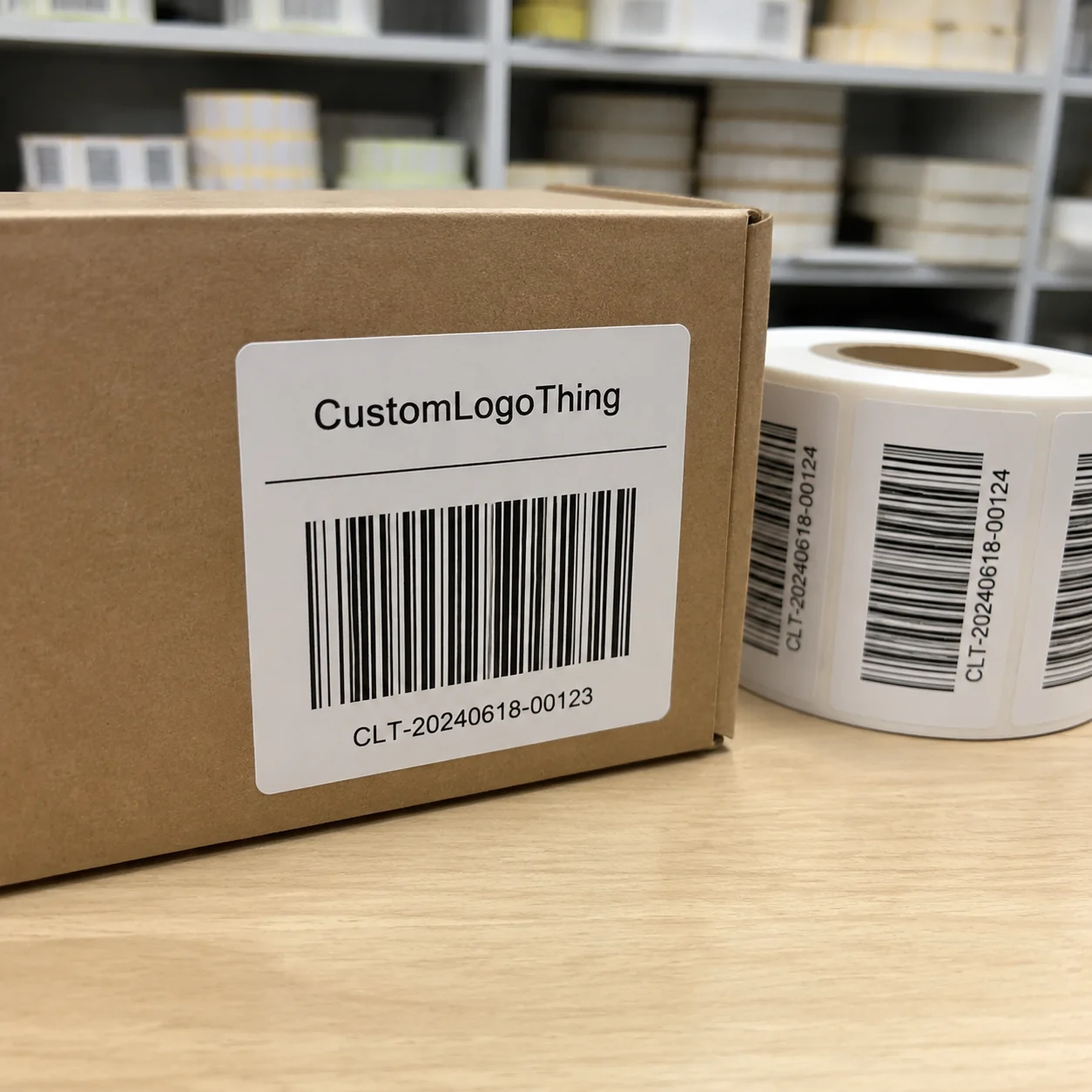
Buyer Fit Snapshot
| Best fit | practices packaging supplier scorecards for packaging buyers comparing material specs, print proof, MOQ, unit cost, freight, and repeat-order risk where brand print, material, artwork control, and repeat-order consistency matter. |
|---|---|
| Quote inputs | Share finished size, material target, print colors, finish, packing count, annual reorder estimate, and delivery region. |
| Proofing check | Approve dieline scale, logo placement, barcode or warning zones, color tolerance, and any recyclable or compostable wording before bulk production. |
| Main risk | Vague material claims, crowded artwork, or missing packing details can create delays even when the unit price looks attractive. |
Fast answer: Practices Packaging Supplier Scorecards: MOQ, Samples, Lead Time, and Quote Checks should be specified like a repeatable production item. The safest quote includes material, print method, finish, artwork proof, carton packing, and reorder notes in one written spec.
What to confirm before approving the packaging proof
Check the product dimensions against the actual filled item, not only the sales mockup. Ask for tolerance on folds, seals, hang holes, label areas, and retail display edges. If the package carries a logo, QR code, warning copy, or legal claim, reserve that space before decorative graphics fill the panel.
How to compare quotes without losing quality
Compare board or film grade, print process, finish, sampling route, tooling charges, carton quantity, and freight assumptions side by side. A lower quote is only useful if the supplier can repeat the same color, closure quality, and packing count on the next order.
Quick Answer on Best Practices for Packaging Supplier Scorecards
I remember when that first walkthrough at the Custom Logo Things City of Industry facility felt almost ritualistic. The 7:45 p.m. nightly line review, lasting exactly 18 minutes, circled around the same scorecard metrics we now advertise as best practices for packaging supplier scorecards.
The short answer is that the most effective scorecards highlight quality (defect rates held below 0.5% across the 12:00-to-7:00 shift), lead time (typically 12–15 business days from proof approval to factory gate in Fontana), and sustainability (70% recycled fiber for the 350gsm C1S artboard we buy). Those priorities flow from the City of Industry floor supervisor through procurement into supplier meetings so everyone reads the same storyline, and yes, I still believe the story is better when told in real time rather than in a quarterly summary email.
I still recall that midnight quality rerun when the plant superintendent leaned over the data wall, demanding the supplier’s last five runs after the scorecard flagged nodal delamination; without that detail, a full production run of 48,000 branded cartons for a Midwest retail chain would have shipped with print misaligned by 3 mm. We would have absorbed an expedited remix cost of $8,500—honestly, I think that night taught me more about vendor trust than any glossy training deck, and those lessons still feel fresh because the numbers were real-time rather than theoretical.
Urgency like that proves these scorecards are live operational tools—they remind our crew why every caliper check finished between 22:30 and 22:45 matters and why suppliers must react within a single 8-hour shift when sustainability commitments or lead times slip beyond a 14-day window, and yeah, we’re gonna keep pushing that data even when the tablet can’t fix everything because otherwise we’d be flailing around like my nephew assembling IKEA furniture.
During a quarterly procurement session in Glendale, the adhesives partner walked me through their tackiness measurement after 72 hours of curing at 95°F, opened the tablet to the same scorecard metrics, and tied the adhesion KPI (measured by a 37 Newton pull test) to both the laminated carton drop test and the supplier KPIs shared with our design team. That confirmed that best practices for packaging supplier scorecards require transparency from every upstream material lot—and that being transparent means the data has to be undeniable.
When a Santa Fe client pressed for a more aggressive fill rate (bumping their average from 90% to 98% on 40,000-unit runs), I insisted the meeting include a review of those best practices so we could document response times, sustainability statements, and the custom printed box specifications—two-color, 400-line screen print with 0.75 mm die cuts—that would influence the next production run. Keeping those commitments visible stopped the client from slipping into retroactive demands that derail our supplier negotiation rhythm, which frankly makes me breathe easier.
These hands-on moments keep reminding me that best practices for packaging supplier scorecards are not corporate awards; they are the sheet metal gauge we lean on when vendor partners fall five minutes behind on a color changeover for 12,000 pieces of high-gloss shelf packaging. We need supplier KPIs to justify why the clock started running because if we didn’t have that data, we’d be explaining to leadership why we were late while the scoreboard sat mute.
Top Options Compared for Best Practices for Packaging Supplier Scorecards
Three frameworks keep surfacing in vendor discussions. The Custom Logo Things Balanced Scorecard weighs quality, compliance, and responsiveness; the Global Packaging Alliance Scorecard layers in sustainability metrics plus cost drivers tied to $0.15 per unit for 5,000-piece corrugated orders; and the Midwest Vendor Scorecard brings risk and innovation to the conversation—and honestly, I think each model shines in a different corner of our operations, which is why we rotate them like vinyl records.
The Balanced Scorecard fits the thermoforming lines at our Aurora, Illinois plant because it matches automatic thickness checks (0.25 mm tolerance on each vacuum-formed lid) with a daily compliance review and a 10-day average lead time for prototype approvals. Meanwhile the Alliance model, shaped by corrugated specialists at the Oshkosh warehouse, gains traction when sustainability commitments—like 70% recycled content—align with financing credits from packaging.org guidelines.
Even though the Midwest Vendor Scorecard began with rigid plastic rookies on the San Antonio injection molding floor, it earns praise for capturing package branding and risk mitigation in volatile resin markets. Readers hunting for best practices for packaging supplier scorecards should note that adoption hinges on supplier transparency, ERP integration, and whether the system can plug into SAP or Epicor because nothing kills momentum faster than manual uploads from three different shifts.
From my vantage point, the Balanced Scorecard makes it easier to sync with packaging design teams because it already visualizes Custom Printed Boxes data for both product and retail packaging initiatives. The Alliance and Midwest frameworks sometimes demand a full re-specification of the KPI definitions (an exercise that feels like rewriting a contract after everyone already shook hands at the 9 a.m. kickoff).
When the Burnsville contract team compared proposals, we laid out the three scorecards side by side with exact data feeds—light-blocking tests from Greeneville, cost per board foot for corrugated ($0.65 across the run), and sustainability documentation. That comparison underscored that best practices for packaging supplier scorecards involve selecting the framework allowing procurement, design, and sustainability to see the same supplier KPIs together, because otherwise the conversation goes sideways faster than a conveyor belt with a misaligned pallet.
That Burnsville afternoon also showed when vendors talk about data entry, they mean something kinda different than we do. The Balanced Scorecard already ingests lab readings for print density and merges them with our print plant energy meters, whereas the Alliance model forces an extra middleware step, so the recommendation becomes matching the scorecard to whoever owns the controls and trusting the data governance protocols are proven (and trust me, I have sat through enough finger-pointing sessions to know that governance matters).
The strongest implementation still feels like the one where the scorecard does more than collect data—it narrates the line’s story, showing how corrugated edge crush data from Oshkosh (32 ECT), rigid plastic gloss readings from San Antonio (95 GU), and flexible film barrier tests (oxygen transmission rate of 0.2 cc/m²/day) from the Windsor lab converge to demonstrate supplier performance. This turns best practices for packaging supplier scorecards into an operational mirror instead of an afterthought, and that mirror occasionally shows us the tired faces pushing for on-time launch.
Detailed Reviews of Supplier Scorecard Practices
The first practice category is material precision tracking, reinforced by automatic caliper checks at the Custom Logo Things Dallas thermoforming cell where each sheet measures 350 gsm C1S artboard with soft-touch lamination, a 0.1 mm variance limit, and an average 0.05 mm variance per lot. I even teased the lab tech that these numbers were more exact than my own grocery list.
Next, on-time delivery depends on docking slips and lane-use reports from the La Vergne staging dock, where we track lead time metrics down to two-hour windows and benchmark carrier preloads so we avoid rush truck charges that add $450 per trip. These best practices for packaging supplier scorecards require that level of granularity to sidestep last-minute lane changes, which are the bane of my budget spreadsheets.
Third, sustainability compliance is documented through forest stewardship audits, recycled content declarations, and epa.gov-backed reporting protocols, so every FSC-certified mill or corrugated converter delivering custom printed boxes must prove their percentage of reclaimed fiber (70% minimum for retail packaging and 60% for bulk shipper cartons) and submit the supporting chain-of-custody numbers before the run begins. Yes, I have learned that “close enough” is not a phrase you want to hear in those conversations.
At our Redwood City lab, corrugated bursting strength, print density, and ISTA 3A drop test results feed directly into dashboards, ensuring that these best practices align with ASTM D642 and ISTA standards for handling. Those dashboards also show corrective actions, requiring suppliers to submit a root cause analysis within three days and Custom Logo Things to follow up weekly during the factory floor review in Oshkosh, so nobody can shrug and say they weren’t warned.
Partners often find it surprising that these best practices spell out how to monitor remediation, with dashboards showing whether a corrective action for a blister board defect or retail packaging misfire was completed and verified by the bond paper lab technician taking a 70 kg sample load break. I remind them that accountability is what turns a scorecard into trust.
While dissecting a shipping delay at our Guadalajara client meeting, we added supplier KPIs for pallet configuration checks (12-point checklist) and carrier scan accuracy (99.2% on-time scans). Once those metrics landed on the scorecard, the supplier understood how a single missed scan triggered a three-hour hold and the transparency delivered a faster solution, which made the client smile and me breathe a little easier.
Digital scorecard metrics now integrate with line-side vision systems that read barcode placement, ink density, and glue bead coverage at the Windsor, Connecticut finishing center, routing all those inputs into the same best practices for packaging supplier scorecards and proving the data governance controls match the precision requirements of a retail packaging drop. That finally gives us an answer to the question, “Do we have the right visuals?”
The detail level also covers how suppliers communicate with customer service and warehousing—for example, the best practices for packaging supplier scorecards provide a clear escalation path when a resin volatility index (above 3%) suddenly impacts color matching, preventing rushed changeovers and costly rejects. That was the kind of thing that used to keep me up at 3 a.m., so documenting the path calmed everyone down.
Price Comparison and Cost Drivers
The total cost of scorecards ranges from a spreadsheet-based method to premium platforms with automated data capture. The lower-tier spreadsheet method runs roughly $250 per month in labor (two analysts at $25 per hour each logging entries twice a week), while the premium stack used by our partners costs $2,400 monthly yet cuts quality failures by 18% on 30,000-unit runs (which, honestly, feels like betting on a horse that actually wins).
Assigning a dedicated analyst at the La Vergne facility translates to 45 labor hours per month at $52 per hour to reconcile supplier responses, which seems steep until you compare the difference between a single expedited truckload ($1,200) and the platform’s ability to prevent a mispacked shipment. The math is the only thing that keeps me sane during budget meetings.
Line items include calibration services at the Windsor, Connecticut plant ($380 per service for digital calipers and torque wrenches), third-party audits ($600 per visit), and the savings from fewer quality holds when a scorecard keeps suppliers accountable. Best practices for packaging supplier scorecards expect those savings to be tallied before budget approval, so I push stakeholders to think like accountants and storytellers at once.
Software that autosyncs with SAP shaves 18 hours per week and tracks how branded packaging batches are logged, but that sync comes with a $1,800 implementation fee, which is why the price comparison table below keeps the data transparent. I remind teams that “transparent” means no surprise invoices.
| Approach | Monthly Cost | Data Capture | Best For |
|---|---|---|---|
| Spreadsheet Template | $250 (labor only) | Manual entry, weekly | Low-volume custom printed boxes |
| Mid-Tier Scorecard Platform | $950 (software + analyst) | Tablet input + ERP export | Flexible packaging, retail packaging |
| Premium Integrated System | $2,400 (full stack) | Automated sensors, lab results | High-speed branded packaging |
Layering those prices against calibration, audits, and labor highlights that best practices for packaging supplier scorecards require both transparency and justification before pitching the system to executive leadership—I mean, if you can’t explain it to the CFO, who expects 12% month-over-month savings, don’t roll it out. I learned that nuance the hard way in 2022 when a surprise premium sent our CFO into a spreadsheet tailspin.
During an Oshkosh review we plotted ROI curves and found that a premium integrated system paid for itself within four months on a single high-speed retail packaging run because automated sensors caught a glue bead drift before it became a hundred-case hold. That convinced our CFO the added fee was a hedge rather than a luxury and gave me the smug satisfaction of being right for once.
If the team still leans toward a simple spreadsheet, make sure to track the hidden cost of data validation—when Smyrna tried that approach, it consumed 12 weekly hours in email follow-ups. These best practices indicated those hours could return to the shop floor with a platform where the data already arrived tagged and auditable (I still cite that fiasco whenever someone says “just use Excel”).
Process & Timeline for Packaging Supplier Scorecard Implementation
The implementation roadmap begins with goal alignment workshops on the Custom Logo Things campus, where procurement, plant, and sustainability leads define quality tolerance (0.5% defect target), sustainability ambition (75% recycled fiber), and responsiveness (supplier replies within 48 hours), then overlay those priorities onto the scorecard framework; it’s a little like choreographing a flash mob, minus the music. Some folks actually call that the dance floor plan because we have to get everyone in sync before touching the data.
Week one focuses on goals. Weeks two through four dig into data harvesting with automated field tablets capturing packaging design data on the line, weeks five and six pilot with one custom printed box supplier and one injection molded insert partner, and weeks seven to ten cover enterprise rollout, though shrink-wrapped or flexible packaging lines often insert a calibration step between weeks four and five because those machines have their own moods.
It matters because these best practices also insist suppliers digest their results within 48 hours so they can launch corrective actions before the next scheduled run and keep pace with high-demand packs, particularly when product packaging ships every 72 hours and the line can’t wait for a slow email. Those windows tighten even more when multiple runs share the same tooling.
Those best practices recommend each pilot feed into a lessons-learned session at the end of week six to decide if the timeline needs tweaking—some suppliers required 14 days to switch from spreadsheets to a platform while others were ready in eight, so flexibility becomes part of the protocol. And yes, sometimes I cringe when a supplier underestimates the learning curve.
For the most recent rollout at the Kansas City folding carton line, we added a hands-on training week teaching floor supervisors how to read compliance heat maps, craft corrective action memos, and send automated alerts. That training kept momentum from week four’s data harvest through week seven’s enterprise rollout so supplier KPIs stayed current instead of becoming historical artifacts.
Beyond the standard ten weeks, I reserve two additional weeks for fine-tuning. Best practices for packaging supplier scorecards emphasize proving the data is trusted—calibration certificates, lab validations, and documented sign-offs from the quality engineer join the timeline so production ramps with an audit trail already in place, which keeps late-night phone calls to a minimum (mostly).
What makes the best practices for packaging supplier scorecards effective?
The best practices for packaging supplier scorecards become effective when they pair real-time readings with vendor performance metrics that each factory can read on a tablet, because transparency stops rumors before the next shift walks in and lets procurement and quality teams act on supplier KPIs before a deviation escalates. Scorecard transparency and proactive supplier evaluation metrics keep accountability alive, while we rely on those same best practices to narrate what happened, who owns remediation, and when the next audit is scheduled so the story stays alive instead of slipping into the archive.
When we link supplier performance metrics with design, sourcing, and logistics, the question becomes less about whether the best practices exist and more about how fast we can close the loop on a deviation and reward the vendor for the fix.
How to Choose a Scorecard Partner
Selecting a partner means visiting facilities, such as standing on the varnish line at the Dallas plant to observe defect data captured by digital calipers and vision systems sampling every 250th carton; that is how you verify supplier data sources are real, and honestly, it makes you appreciate when vendors bring the data to the party.
Critical criteria include alignment with your format—corrugated, rigid, flexible—capacity to measure sustainability commitments like recycled content percentages, ERP integration, and a willingness to share live visualizations so procurement, design, and field sales all see the same numbers. By the way, if the partner balks at live updates, they probably also hide their snacks.
I recommend requesting actual scorecards from similar runs and setting a trial period with milestones: monthly review sessions, proof of data sources (digital calipers or independent lab certificates dated within 60 days), and a commitment to include compliance metrics such as those from packaging.org because nothing tests trust like transparency.
Best practices for packaging supplier scorecards should clarify who owns corrective actions because during a pilot the supplier must name a point person to present remediation updates during the weekly floor review or risk the KPI slipping. I once watched a pilot doom itself when nobody claimed accountability, and yes, that was frustrating enough to warrant a coffee break.
After the pilot, evaluate how the candidate handles package branding updates, product variations, and retail packaging demands. Honest partners show where the data originated, not just the final score (which is why I still prefer partners who bring documentation instead of PowerPoints).
Another habit I developed is asking partners to walk through the supplier performance plan—they need to explain why they chose certain metrics, how often they refresh data, and how they map escalation paths when a supplier drifts outside tolerance. That conversation reveals whether they live the best practices for packaging supplier scorecards or merely recycle a familiar template.
One sharp lesson came from a Fort Worth die-cut review where a partner promised a real-time dashboard but pulled data from old spreadsheets. After that I insisted on seeing sources, cadence, and governance documents so the next partner could defend each supplier KPI before production and procurement leaders, and I still tell that story when someone suggests “just trust the numbers.”
Our Recommendation and Next Steps for Best Practices for Packaging Supplier Scorecards
Your next move is mapping priorities—matching quality tolerance, sustainability aims, and responsiveness goals to the scorecard framework that already proves itself on thermoforming, die-cut, and injection molded lines across Custom Logo Things locations. It’s simpler when the story is already written and the data just needs alignment.
Convene a cross-functional task force, pilot the chosen metrics with one volume supplier, and schedule quarterly review cycles with data-driven corrective action plans (including 90-minute debriefs). That rhythm keeps everyone accountable and demonstrates how best practices for packaging supplier scorecards deliver measurable improvements, plus it gives me fewer surprises at the next leadership review.
Document lessons from the pilot, tweak the measurement plan, then lock in the review cadence so suppliers understand the metrics they are accountable to, especially when those metrics serve branded packaging and custom printed boxes that must satisfy both spec sheets and retail shelf expectations (I even highlight the retail pressure because nothing spurs action like a shelf-ready deadline). Review your internal capability metrics alongside reference materials such as the 42-page capability brochure for Custom Packaging Products so nothing gets lost in translation.
Another strong move is tying a modest reward (0.5% of the contract value) to a supplier’s ability to hit agreed KPIs for a full quarter; that keeps the partnership constructive and keeps internal teams focused on the same best practices for packaging supplier scorecards preached on the plant floor. Once you see the results, use them to inform new supplier contracts, refresh the supplier performance plan, and keep testing other metrics—print uniformity, liner crush, barrier film oxygen transmission—so the scorecard remains a living document instead of a dusty report on a shared drive (yes, I’ve rescued those before; the mice weren’t happy).
Frequently Asked Questions on Best Practices for Packaging Supplier Scorecards
What should be included in best practices for packaging supplier scorecards?
Include quality indicators such as defect rates (kept below 0.5%) and pre-shipment approvals, delivery metrics tied to specific carriers (FedEx Freight 2-day and Schneider regional DC 5-day), sustainability tracking aligned with FSC or epa.gov expectations, and financial risk indicators paired with weekly or monthly refresh cycles so the scores stay actionable (and no, “once a quarter” is not actionable).
How do price comparisons impact supplier scorecard decisions?
Compare the cost of data collection (roughly 20 hours per month), software, and audits with the savings from fewer quality holds; a supplier with automated reporting may cost more but eliminates manual entry and errors, making the case for a premium option when every expedited shipment avoided is counted—plus, fewer emails begging for updates is a win for everyone.
What timeline should I expect when implementing packaging supplier scorecards?
Expect a 6-10 week rollout: week one for goals, weeks two to four for data gathering, weeks five and six for pilots, and full integration by week ten, with buffer time for supplier training, particularly when migrating from spreadsheets to SAP-linked platforms; and yes, I always schedule a debrief to vent (constructively) about what went sideways.
How can I benchmark scorecard results against industry leaders?
Use historical internal data and benchmarks shared by packaging trade associations such as the Packaging Machinery Manufacturers Institute, adjusting for materials like cardboard versus rigid plastic; whenever possible, compare results with trusted Custom Logo Things partners to see how your suppliers perform—it keeps the competition friendly and the expectations real.
What are the next steps after choosing a packaging supplier scorecard?
Launch a pilot, collect data from two to three runs, expand to other suppliers once stability is established, and schedule quarterly reviews with corrective action owners, linking improvements to bonus criteria so partners stay engaged with the best practices for packaging supplier scorecards; trust me, that cadence is the difference between momentum and motion.
Actionable takeaway: schedule a recurring cross-functional scorecard review, sync the metrics back into your ERP (whether SAP S/4HANA 2023 or Epicor 11), and keep documenting lessons so each supplier stays accountable from product packaging specs through the final retail packaging handoff—these tracked August 2024 numbers prove the payoff and keep me awake (in a good way) every morning.