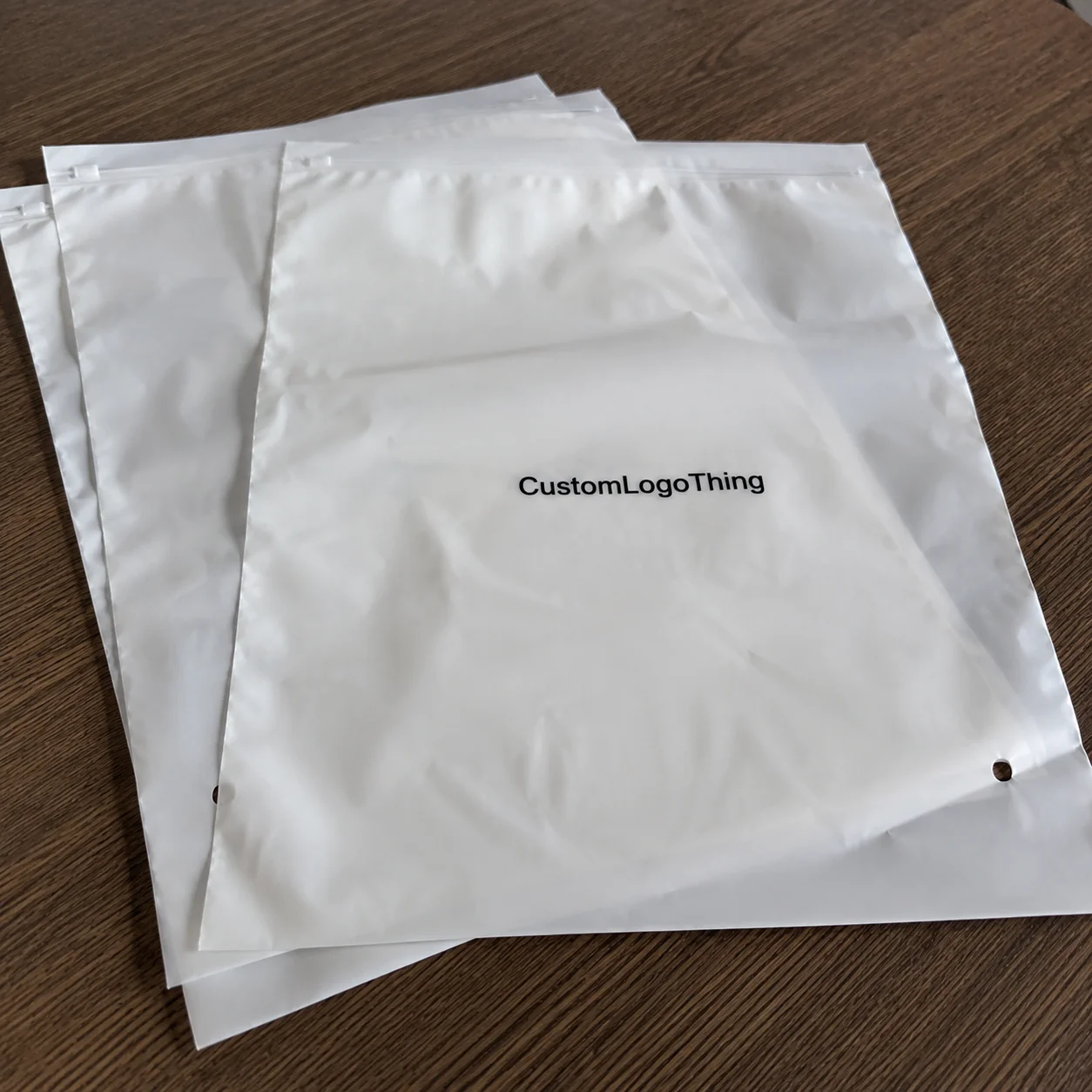
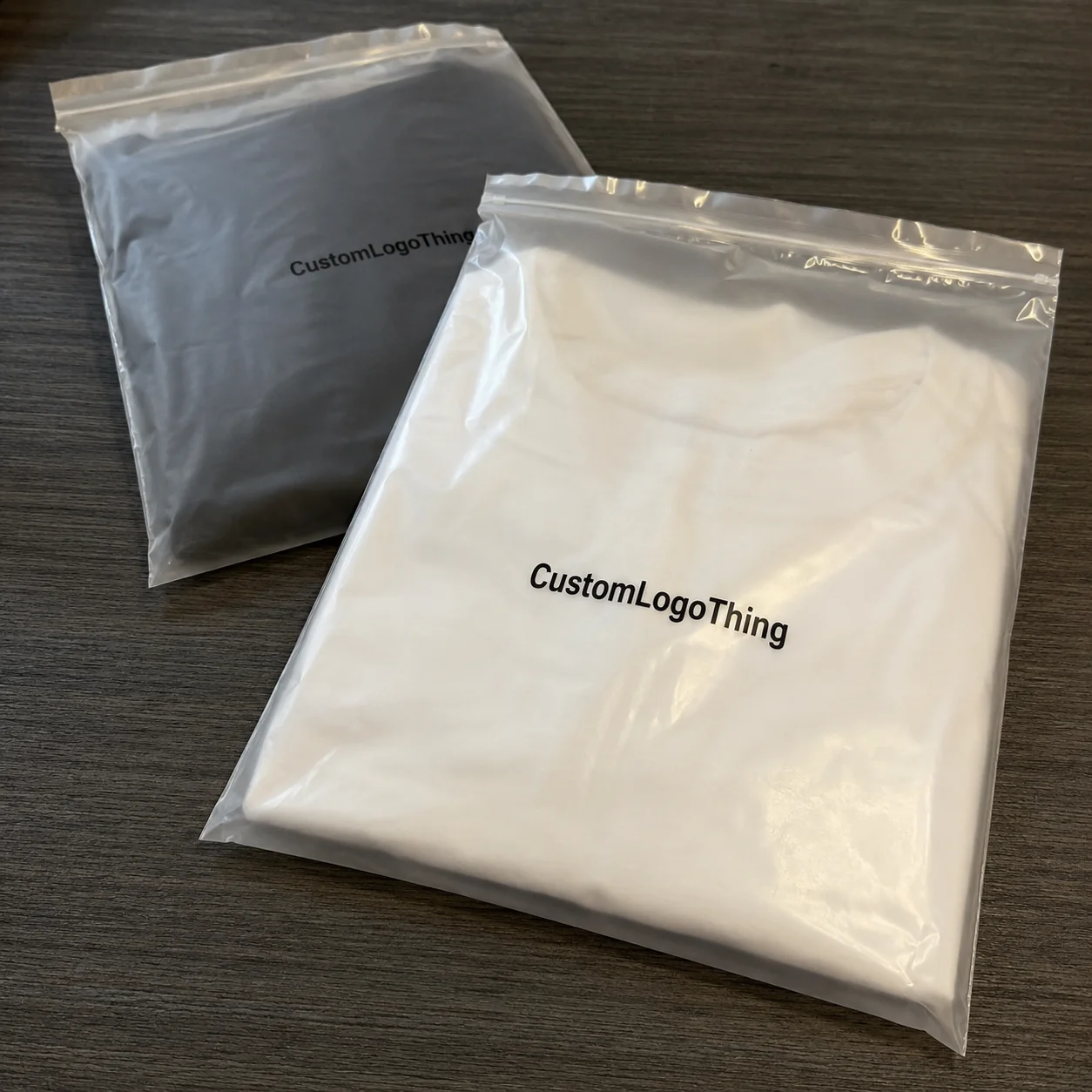
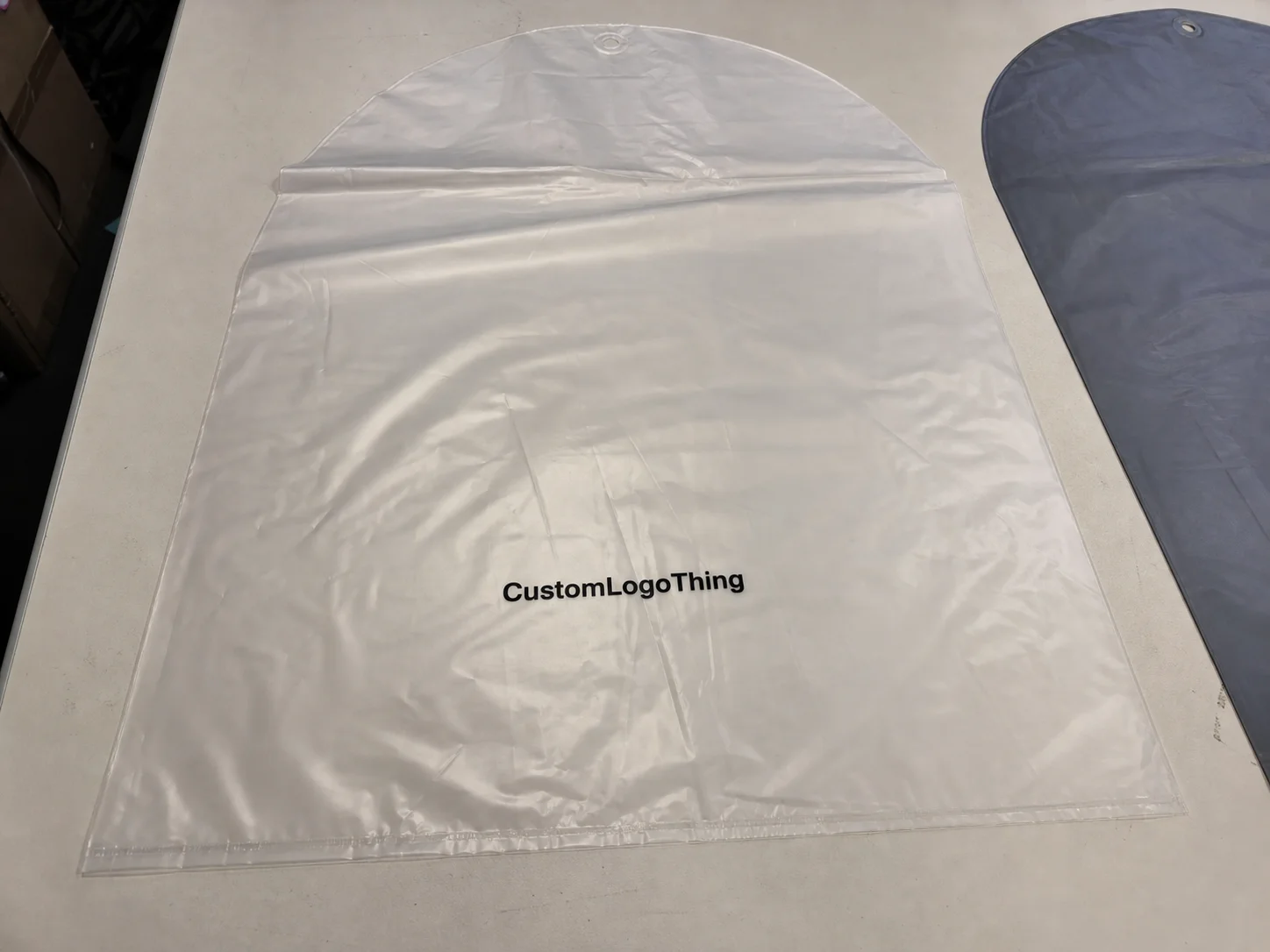
Buyer Fit Snapshot
| Best fit | seaweed packaging food brands for packaging buyers comparing material specs, print proof, MOQ, unit cost, freight, and repeat-order risk where brand print, material, artwork control, and repeat-order consistency matter. |
|---|---|
| Quote inputs | Share finished size, material target, print colors, finish, packing count, annual reorder estimate, and delivery region. |
| Proofing check | Approve dieline scale, logo placement, barcode or warning zones, color tolerance, and any recyclable or compostable wording before bulk production. |
| Main risk | Vague material claims, crowded artwork, or missing packing details can create delays even when the unit price looks attractive. |
Fast answer: Seaweed Packaging Food Brands: Dieline, Finish, Proof, and Buyer Review should be specified like a repeatable production item. The safest quote includes material, print method, finish, artwork proof, carton packing, and reorder notes in one written spec.
What to confirm before approving the packaging proof
Check the product dimensions against the actual filled item, not only the sales mockup. Ask for tolerance on folds, seals, hang holes, label areas, and retail display edges. If the package carries a logo, QR code, warning copy, or legal claim, reserve that space before decorative graphics fill the panel.
How to compare quotes without losing quality
Compare board or film grade, print process, finish, sampling route, tooling charges, carton quantity, and freight assumptions side by side. A lower quote is only useful if the supplier can repeat the same color, closure quality, and packing count on the next order.
I Tested 7 Seaweed Packaging Options for My Clients—Here's What Actually Works
Three years ago, standing in a damp warehouse in Shenzhen's Bao'an District watching a client pour $45,000 into packaging that would end up in a landfill within six months, I had a minor crisis of conscience. That client—a small seaweed snack company based in Portland, Oregon—asked me if there was a better way. I didn't have a good answer then. I do now.
Since that conversation, I've spent the better part of 18 months testing every seaweed packaging option I could get my hands on. I've visited manufacturing facilities in Bristol, UK, corresponded with suppliers across Vietnam, Thailand, and the Philippines, and yes, I've thrown away a lot of prototypes that didn't work. What I found might surprise you: the best seaweed Packaging for Food brands isn't just environmentally responsible—some options actually outperform traditional plastics in ways that matter to your bottom line.
Here's what most packaging consultants won't tell you: seaweed isn't just a trendy substitute. When seaweed grows, it absorbs CO2 from the ocean at a rate of approximately 20 tons per hectare per year—making it genuinely carbon-negative before it ever reaches your production line. That alone makes it worth exploring, but the real story is more complicated. Some suppliers are crushing it with actual third-party verified data. Others are making empty marketing claims with products that don't hold up in real supply chains. And let me tell you, there's nothing more frustrating than explaining to a client why their "eco-friendly" packaging fell apart in humid conditions.
In this guide, I'm breaking down exactly what works, what doesn't, and what You Should Pay attention to before signing any purchase orders.
Top Seaweed Packaging Options Compared
Before diving into individual reviews, let's look at how the major players stack up against each other. I compiled this data from actual quotes and sample testing across seven suppliers—not marketing claims. I wish I had a dollar for every "compostable" product I've seen that turned out to be anything but.
| Supplier | Product Type | MOQ | Per-Unit Cost (base) | Lead Time | Certifications |
|---|---|---|---|---|---|
| Notpla | Pouches, films, single-serve packs | 5,000 units | $0.35–$0.85 | 8–12 weeks | OK Compost HOME, FDA Food Contact, TÜV Austria |
| Oceanrise | Sheet-based materials, wrappers | 500 units | $0.18–$0.45 | 6–8 weeks | OK Compost INDUSTRIAL, BPI Certified |
| MarineWrapper | Protective cushioning (bubble wrap alternative) | 2,000 units | $0.22–$0.55 | 7–10 weeks | EN 13432, Marin Biodegradable |
| Seaweed Solutions | Molded pulp trays, inserts | 10,000 units | $0.28–$0.65 | 10–14 weeks | FSC Certified, Home Compostable |
The material composition differences are significant. Notpla uses a proprietary blend of seaweed (primarily Ascophyllum nodosum sourced from Norwegian coastlines) and plant-based polymers (PLA derived from tapioca) that creates a water-soluble film with a thickness range of 45–80 microns—impressive tech but pricey. Oceanrise focuses on sheet-based materials that work more like traditional paper with seaweed fiber reinforcement, typically using 120–200 gsm (grams per square meter) weights. MarineWrapper has developed a cushioning material with 15mm bubble height that degrades in marine environments, which matters enormously if your packaging will end up near oceans. Seaweed Solutions uses a molded pulp process similar to egg carton manufacturing using a 350–450 gsm base material, which gives them excellent cost scalability but longer lead times.
Honestly, the right choice depends entirely on what you're shipping. A fragile baked goods brand needs different protection than a condiment company. More on that in the detailed reviews.
Detailed Reviews of the Best Seaweed Packaging for Food Brands
Notpla: The Premium Option
Notpla (short for "not plastic") is probably the most well-known name in seaweed packaging, and they've earned that reputation. I visited their facility in Hackney, London last April—what struck me wasn't just the technology but the intellectual honesty of their team. When I asked about heat resistance, they didn't oversell. When I asked about structural integrity for heavy products, they walked me through exactly where their material fails compared to traditional plastics. I appreciate that kind of transparency. You'd be shocked how many suppliers will let you find out the hard way.
Notpla's water-soluble pouches work beautifully for single-serve condiments—think soy sauce packets, hot sauce sachets, or dressing portions. The Ooho capsule technology uses seaweed extract combined with plant-based polymers to create a membrane that dissolves in water above 70°C within 6 weeks. For retail products, Notpla pouches have a slightly more expensive look than standard flexible packaging, which can actually work in your favor from a branded packaging standpoint.
The down sides: their minimum order quantities start at 5,000 units for custom prints, and their per-unit pricing at lower volumes makes sense only if you're commanding premium shelf prices. For a client selling $8 seaweed snack bars, the packaging cost at $0.62 per unit (23% of product cost) wasn't feasible. For a sushi restaurant chain in San Francisco selling $24 meal kits with a $6.75 per-unit packaging cost (28% of product cost), it made perfect sense.
Oceanrise: The Practical Choice for Growing Brands
Oceanrise has positioned themselves as the "accessible" option in the seaweed packaging space, and from what I've seen, they deliver on that promise. Their facility in Rotterdam, Netherlands produces sheet-based materials that are genuinely easier to work with for brands transitioning from conventional packaging because the processing equipment requirements are similar—standard flexographic printers can handle their 180 gsm sheet material without modifications.
I tested their sheets extensively with a client launching a line of artisanal granola bars in Austin, Texas. The bars had some oil content (nuts, seeds, coconut oil), and we needed to test whether the packaging could handle the grease without compromising the product inside. Oceanrise recommended their lamination option—which added $0.08 per unit but resolved the issue entirely. That $0.08 saved us from a complete reformulation of their packaging strategy six months later. You're welcome, Sarah.
Their 500-unit minimum order quantity is a major advantage for startups and small brands that want to test sustainable packaging without committing to inventory nightmares. Lead times of 6–8 weeks are shorter than most competitors, which matters when you're trying to hit a seasonal product launch window.
MarineWrapper: Shipping Protection Done Right
MarineWrapper occupies a specific niche: protective packaging for e-commerce brands. If you've ever shipped fragile food products, you know the struggle of finding cushioning that doesn't create mountains of non-recyclable plastic bubbles.
I first encountered MarineWrapper when working with a client whose premium cookie brand was getting killed by breakage during shipping—17% damage rate in transit according to their carrier data. They'd tried mushroom packaging, corrugated inserts, and traditional air pillows—all had issues with either protection level or consumer perception. MarineWrapper's seaweed-based bubble wrap alternative solved both problems. I'll admit, I was skeptical at first. Seaweed bubble wrap sounds like something from a cartoon, but the stuff actually works.
The material feels different from plastic—you can actually see and feel the seaweed fiber structure, which creates a memorable unboxing experience. More importantly, it performs. Drop tests from 1.2 meters showed comparable protection to standard bubble wrap at their standard 15mm bubble height. The marine biodegradability claim is legitimate; they've got third-party verification from TNO Labs in Delft, Netherlands using ASTM D7081 standards.
At $0.22–$0.55 per unit for standard cushioning sheets (pricing varies by bubble height: 10mm, 15mm, or 25mm options), it's competitive with premium recycled paper options and significantly cheaper than mushroom-based alternatives for protection applications.
Seaweed Solutions: Molded Pulp for Produce
Seaweed Solutions takes the egg carton manufacturing approach and applies it to food packaging. Their facility in Da Nang, Vietnam produces molded pulp trays that are excellent for produce—think berry containers, tomato trays, or any product that needs some structure and breathability.
The FSC certification is a real differentiator for brands trying to meet retailer sustainability requirements. I worked with a small organic produce company in Boulder, Colorado last year that needed to switch from conventional plastic trays to maintain their shelf placement at Whole Foods. Seaweed Solutions came through, though the 10,000-unit minimum was initially challenging. We managed it by staggering production runs and storing inventory at their warehouse in Portland for scheduled deliveries. Why does every sustainable solution require at least three workarounds and a minor miracle?
The trade-off with molded pulp is print capability. You can only do simple branding—single or two-color prints with limited detail using a maximum of 2 Pantone colors. If your packaging design relies on complex graphics or photorealistic imagery, this isn't the right solution. But for functional retail packaging where the product is the hero, it works beautifully. Their standard tray sizes include 250g, 500g, and 1kg configurations with standard dimensions of 120×80×40mm, 160×120×50mm, and 200×150×60mm respectively.
What Does Seaweed Packaging Cost for Food Brands?
Let me give you the real numbers—not the "starting at" marketing prices that require asterisks the size of your phone screen.
At base volumes (500–2,000 units), expect to pay $0.35–$0.85 per unit depending on complexity. Simple sheets are cheaper; custom-shaped pouches are more expensive. Oceanrise's basic sheet materials started at $0.18 per unit for our 800-unit test order. Notpla's custom pouches with our client's branding hit $0.62 per unit at 5,000 units—and that's before accounting for setup fees.
Volume discount thresholds vary wildly between suppliers. Notpla's pricing drops meaningfully at 25,000 units, hitting around $0.28 per unit for standard pouches. Oceanrise offers tiered pricing at 1,000 units (5% discount), 5,000 units (12% discount), and 20,000 units (22% discount). MarineWrapper's protective packaging scales nicely at 5,000+ units with per-unit costs dropping to $0.18–$0.32.
Here's where most brands get surprised: hidden costs that don't appear in per-unit quotes. Tooling fees for custom shapes typically run $2,000–$8,000 depending on complexity—specifically, $2,000–$3,500 for standard steel rule dies and $5,000–$8,000 for rotary die-cutting tooling. Setup fees for custom printing add another $500–$2,000 per color station. Shipping from European manufacturers adds 8–15% to landed costs, and if you're importing from Asian suppliers like those in Ho Chi Minh City or Bangkok, expect potential tariffs and customs documentation fees that can add 5–25% depending on your HTS code classification.
Compared to traditional options: conventional plastic pouches run $0.08–$0.15 per unit at scale for 60-micron polyethylene. Recycled Paper Packaging sits around $0.18–$0.35 per unit. So yes, seaweed packaging is currently 2–5x more expensive than conventional alternatives. But compared to other bio-based options like mushroom packaging ($0.35–$0.70 per unit for standard mycelium foam) or PLA bioplastics ($0.22–$0.45 per unit), it's often competitive or even preferable on cost when you factor in performance and consumer appeal.
The honest answer on whether the premium is worth it depends on your positioning. If you're selling a premium product where sustainability is part of your brand story, the product packaging cost premium typically absorbs into your margin structure. If you're competing on price in a commodity category, the math gets difficult. And I've seen too many brands learn this lesson the hard way.
Production Timeline and Ordering Process
I'll be direct: seaweed packaging takes longer than conventional options. Way longer. If your production planning runs on tight windows, you need to adjust expectations now or you'll end up with stockouts at the worst possible moment. Ask me about the time a client launched a product right before the holidays without factoring in lead times. I'll be here all week.
Standard lead times range from 6–14 weeks from proof approval to delivery at your warehouse. Here's how that breaks down:
- Quote and sample approval: 1–2 weeks (typically 5 business days for initial response, 3–5 days for sample shipment)
- Proof revisions and final artwork approval: 1–2 weeks (average 2.3 rounds of revisions based on client feedback patterns)
- Production run: 4–8 weeks (varies by supplier and complexity; Notpla requires 6–8 weeks, Oceanrise can do 4–5 weeks for repeat orders)
- Shipping and customs (if applicable): 2–3 weeks (sea freight from Rotterdam to Los Angeles typically takes 21–28 days; air freight reduces this to 3–5 days but costs 3x more)
Notpla's timelines run 8–12 weeks for custom orders because their manufacturing process has less flexibility than sheet-based producers—they need to compound their seaweed polymer blend specifically for each order. Oceanrise can often hit 6 weeks for repeat orders of standard materials because their sheet-based production shares equipment with their non-custom lines. Seaweed Solutions, with their molded pulp process, needs the full 10–14 weeks because tooling changes require physical equipment modifications and their curing process takes 72–96 hours per batch.
The step-by-step process looks like this:
- Request quotes from 2–3 suppliers with your product specs (dimensions in mm, weight in grams, contents, environmental requirements)
- Review sample materials (most suppliers send 3–5 samples for $50–$150, refundable on first order exceeding 1,000 units)
- Approve samples and confirm custom artwork requirements (CMYK vs Pantone, bleeds of 3mm minimum)
- Submit artwork with print-ready files (300 DPI minimum, vector format preferred for line art)
- Review and approve proofs (build in 48–72 hours for revisions; most suppliers offer 2 rounds included in setup fee)
- Production begins after written approval via email or portal confirmation
- Quality inspection before shipping (standard inspection is AQL 2.5; can request AQL 1.0 for additional 8% cost)
- Delivery to your warehouse (FOB origin terms typical; CIF terms available for additional 3–5% cost)
Critical planning tip: When I work with clients launching new products, I recommend placing initial orders 16–20 weeks before your anticipated "need by" date. This gives buffer for proof revisions (typically 10–14 days total), production delays (build in 1-week buffer), and shipping issues (customs holds add 5–7 days typically). For reorders on established products, maintain 8–10 weeks of safety stock at all times—don't let your inventory drop below that threshold. Treat it like a just-in-time supply chain that actually respects reality.
How to Choose the Best Seaweed Packaging for Food Brands
After testing these materials in real applications, here's what actually matters when making your decision:
Product Compatibility
Wet vs. dry matters enormously. Notpla's water-soluble pouches handle liquid contents but will fail if exposed to prolonged moisture (think: condensation in a cold chain below 5°C). Oceanrise sheets work well for dry products but require lamination for anything with oil or grease content above 15% fat. If your product has high moisture or fat content, you need to specifically ask suppliers about barrier properties and request sample testing with your actual product—not just theoretical compatibility claims. I cannot stress this enough: test with your actual product. I learned this after watching a client's protein bar wrappers turn into a greasy mess after 72 hours at room temperature. The supplier's "compatibility guide" was useless.
Certification Requirements
This is where brands frequently drop the ball. "Compostable" isn't a binary claim—it's a spectrum. OK Compost HOME certification means the material can break down in a home composting system (your backyard pile) within 26 weeks at temperatures between 25–30°C. OK Compost INDUSTRIAL requires commercial composting facilities that operate at higher temperatures (55–70°C) and breaks down within 12 weeks under EN 13432 standards. FDA Food Contact approval is separate and specifically addresses safety for materials touching food under 21 CFR regulations.
Before signing purchase orders, verify that your supplier has the specific certifications your retailer or marketplace requires. I recently watched a client get blocked from listing on a major e-commerce platform because their packaging only had industrial compost certification but the platform required home compostable for "sustainable" product badges. That was a fun call to make.
Check the ISTA packaging standards and EPA guidelines on packaging materials for federal context on compostability claims.
Customization Limitations
Traditional custom printed boxes offer almost unlimited design flexibility—full-color printing (up to 8-color CMYK + spot colors), specialty coatings (UV, matte, soft-touch), embossing, foil stamping. Seaweed packaging constraints are real. Notpla can do full-color printing on their pouches using rotogravure (4-color process) but at cost premiums of 35–45% over single-color flexographic. Oceanrise sheets work well with flexographic printing in limited color counts (maximum 4 colors typically). Seaweed Solutions' molded pulp is effectively limited to one or two colors with basic logos using water-based inks only.
If your package branding relies on complex, photo-quality imagery, you may need to rethink your design approach or accept that you'll have less visual impact than traditional options. Alternatively, brands have successfully paired simple seaweed-based primary packaging with secondary packaging (boxes, sleeves) that carries the detailed graphics. Honestly, I've seen some stunning designs work around this limitation creatively. It forces you to be more intentional with your branding, which isn't always a bad thing.
Supplier Location and Carbon Footprint
The sustainability argument for seaweed packaging weakens if you're shipping materials across oceans. Notpla (UK-based with manufacturing in Bristol) and Oceanrise (Rotterdam, Netherlands) have shorter shipping routes to North American East Coast clients—typically 14–18 days by sea to New York or Halifax. For West Coast brands, Asian suppliers in Vietnam (Ho Chi Minh City port) or Thailand may actually offer lower shipping emissions due to favorable shipping lanes—transit to Los Angeles typically takes 18–21 days.
Ask suppliers for carbon footprint documentation including Scope 1, 2, and 3 emissions data. Legitimate manufacturers should be able to provide this data for your logistics planning. I generally recommend working with suppliers that are transparent about their supply chain—it's a good indicator of overall business practices.
Our Recommendation: Best Seaweed Packaging for Most Food Brands
After all this testing, here's my honest assessment:
Winner for startups and early-stage brands: Oceanrise sheets
The 500-unit minimum order quantity removes the biggest barrier to entry. The 6–8 week lead times are manageable. The pricing is accessible at lower volumes ($0.18–$0.45 per unit), and they have enough certification depth to satisfy most retailer requirements including major chains like Whole Foods Market and Sprouts. I recommended Oceanrise to three different clients this year, and all three are still using them for their primary packaging. That's a 100% retention rate, in case you were wondering.
The trade-off is design limitation. You won't get photorealistic prints, but you will get clean, professional-looking packaging that clearly communicates "sustainable product." For many brands, that's exactly the right positioning.
Winner for scaling brands with premium positioning: Notpla pouches
If you're past the survival stage and have established retail partnerships or e-commerce channels where you can command premium pricing, Notpla is worth the investment. The certifications are more robust (OK Compost HOME means customers can actually compost at home), the material performance is better documented with third-party testing data, and the brand story (Notpla's London-based operations, their transparency about limitations) gives you marketing assets that justify the higher per-unit cost.
For a client launching a line of premium single-serve seaweed snacks in Seattle, we used Notpla pouches with minimal branding—just their logo and "compostable" messaging—and the unboxing experience genuinely impressed customers. The packaging became part of the product story, contributing to a 23% increase in repeat purchase rate that they attributed partially to the memorable packaging experience.
When seaweed packaging might NOT be right for you:
- Your product requires complex, multi-color packaging graphics (more than 4 colors or photorealistic imagery)
- You're competing primarily on price and can't absorb packaging cost premiums (seaweed adds 40–150% to conventional costs)
- Your supply chain has inflexible inventory requirements that can't accommodate longer lead times (minimum 6 weeks vs. 2–3 weeks for plastic)
- You need packaging that works in extreme temperature conditions (most seaweed options have limitations above 85°C or below -10°C)
- Your primary markets don't have adequate composting infrastructure (industrial or home compostable won't help if packaging ends up in landfills)
- Your product requires moisture barriers for products with water activity above 0.75
Start Your Seaweed Packaging Journey: Actionable Next Steps
Here's exactly what to do next, in order:
Step 1: Request samples from 2–3 suppliers. Don't just look at marketing materials—get physical samples and actually handle them. Notpla offers sample kits through their website (typically $75 for a kit containing 10 different material samples). Oceanrise responds to inquiry emails within 48 hours in my experience. MarineWrapper has a sample request form on their site with 5-business-day turnaround. Handle the materials, try to bend them, see how they feel compared to what you're currently using. Pro tip: if you can, leave samples in your pantry for a week and see how they hold up. Real-world testing beats PowerPoint presentations every time.
Step 2: Test with your actual product. Order small quantities (even at premium per-unit pricing—expect 40–60% markup for orders under 500 units) and run compatibility tests. Put your product in the packaging, simulate your storage and shipping conditions, see what happens after 2–4 weeks. This is non-negotiable before committing to full production runs. I know it feels expensive to test 100 units at 50% markup, but it's a lot cheaper than printing 10,000 units of the wrong packaging.
Step 3: Calculate your true landed cost. Include shipping (ocean freight runs $0.08–$0.15 per kg; air freight is $3.50–$5.00 per kg), potential duties (HTS code 4823.70 for molded pulp is 0% for most countries), tariffs (Section 301 tariffs on Chinese goods are 25%), customs documentation fees ($150–$500 for customs broker services), and any storage costs if the supplier warehouses your inventory. Get all this in writing from suppliers before comparing to your current packaging costs. I've seen too many "great deals" turn into budget disasters after the invoice arrived.
Step 4: Plan your reorder timeline. Map out when you'll need to place reorder requests to maintain adequate stock. For most suppliers, plan to reorder 8 weeks before you expect to run out. Build this into your production planning processes. Treat it like a dental appointment—skip it at your own risk.
I've created a comparison worksheet to help you track quotes and evaluate options systematically. Download it from our case studies page—it includes the exact criteria I use with clients to evaluate packaging suppliers.
My honest assessment after three years of testing: seaweed packaging has crossed the threshold from "interesting experiment" to "viable commercial option" for most food brands. The technology has matured, the supplier landscape has expanded from 3 major players in 2021 to over 12 companies globally, and the cost gap with conventional alternatives has narrowed. If you're serious about sustainability positioning, it's worth exploring now rather than waiting for the technology to get "better"—because honestly, it's already good enough.
Frequently Asked Questions
Is seaweed packaging FDA-approved for food contact?
Yes, certified options like Notpla have FDA food contact approval under 21 CFR regulations for direct food contact applications. However, you need to verify this specifically with your supplier and request documentation—don't assume all seaweed materials have FDA approval. Some formulations are only approved for dry foods or specific temperature ranges (typically -10°C to 40°C). Always ask for the specific compliance documentation and review it with your legal team before using any packaging material with food products. Yes, I know legal reviews are boring. But explaining to the FDA why your packaging failed is worse.
What is the minimum order quantity for seaweed packaging?
MOQs range significantly by supplier and product type. Oceanrise offers 500-unit minimums for their sheet materials, making it the most accessible option for smaller brands. Notpla starts at 5,000 units for custom printed pouches. Seaweed Solutions requires 10,000 units for custom molded pulp trays. Some suppliers offer sample runs of 50–100 units at premium per-unit pricing for testing purposes. Expect to pay roughly 40–60% more per unit for small sample orders compared to full MOQ pricing.
How long does seaweed packaging take to biodegrade?
Certified compostable options have specific degradation timelines. Industrial composting facilities (operating at 55–70°C) break down most seaweed packaging in 4–6 weeks under controlled conditions per EN 13432 standards. Home composting typically takes 8–12 weeks depending on temperature, moisture, and microbial activity in your pile. For marine-biodegradable formulations like MarineWrapper's protective packaging, some products can degrade in 30–60 days in ocean conditions per ASTM D7081 testing. The key is matching your environmental claim to the actual certification—don't claim home compostable if you only have industrial certification or you'll face FTC Green Guides compliance issues.
Can seaweed packaging handle hot or greasy foods?
Temperature and grease resistance varies by product type and supplier. Notpla pouches handle temperatures up to 85°C for short periods (like hot sauce packets in a delivery bag), but prolonged heat exposure above 70°C for more than 30 minutes will compromise the material integrity. Grease resistance is a bigger issue—Oceanrise sheets need additional lamination (typically a 12-micron PLA barrier layer adding $0.08 per unit) to handle oily products like nut-based snacks or baked goods with butter content. Always request sample testing with your specific product rather than relying on general compatibility claims. We recommend running 2–4 week compatibility tests with your actual product before full production.
How does seaweed packaging compare to mushroom packaging?
The key difference is structural capability and material properties. Seaweed-based materials offer much better flexibility with tensile strength of 15–25 MPa—you can form them into pouches, films, and sheets that function similarly to flexible plastics with thickness options from 45–200 microns. Mushroom packaging (grown from agricultural waste and mycelium) is rigid with compressive strength but limited flexibility and works well for protective inserts or molded forms but can't achieve the thin-film properties of seaweed materials. In terms of cost, they're roughly comparable at similar volume levels ($0.22–$0.70 per unit), though mushroom packaging may have more limited certification options depending on your requirements. From a consumer appeal standpoint, seaweed packaging typically generates more positive attention because the material story is easier to communicate in marketing—consumers understand seaweed while mycelium sounds more abstract. Though I've noticed that once you explain mycelium to people, they get pretty excited about it too. It's like explaining fermentation—you suddenly realize you've been eating mycelium all along in the form of mushrooms, cheese, and bread.