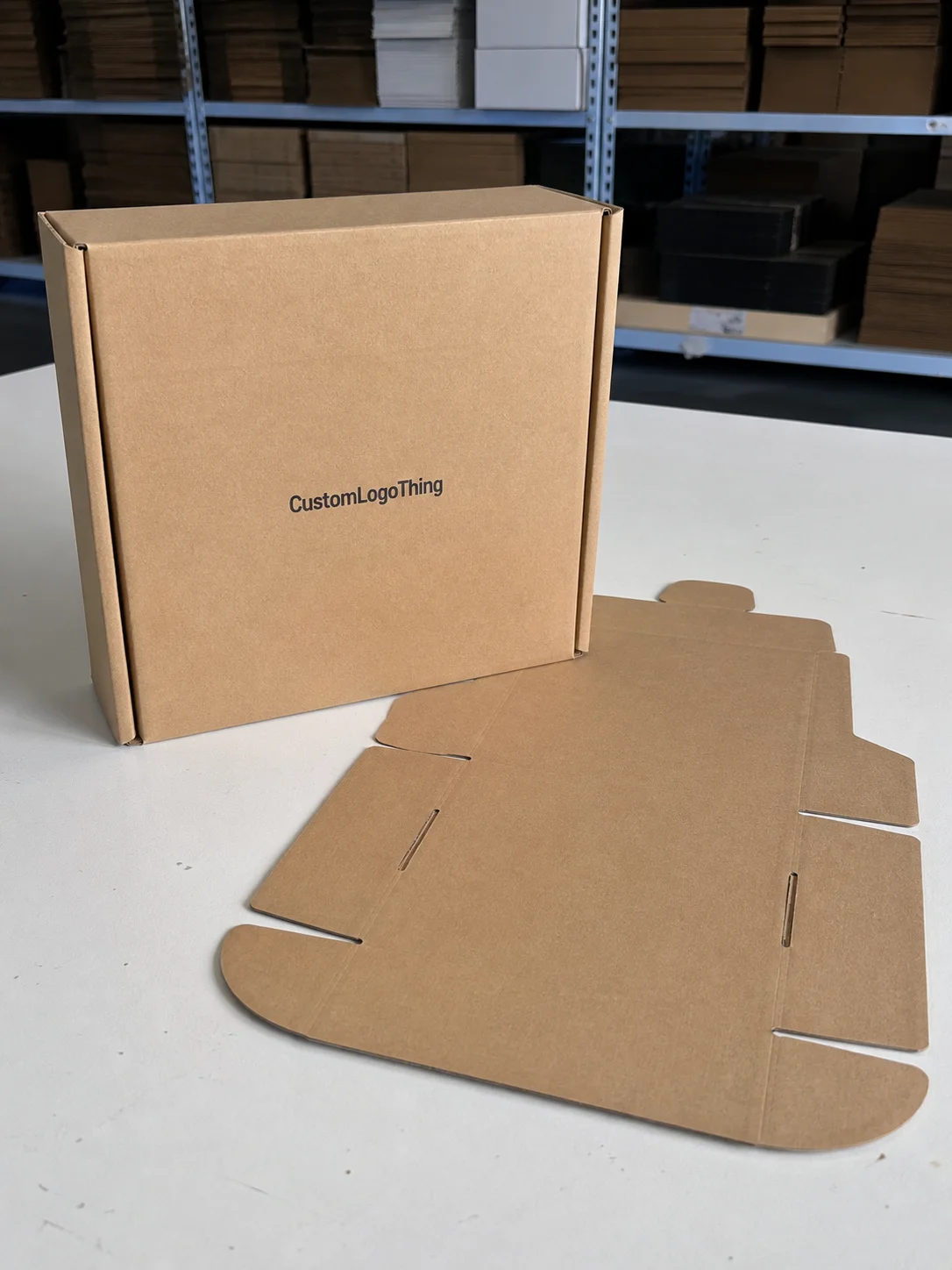
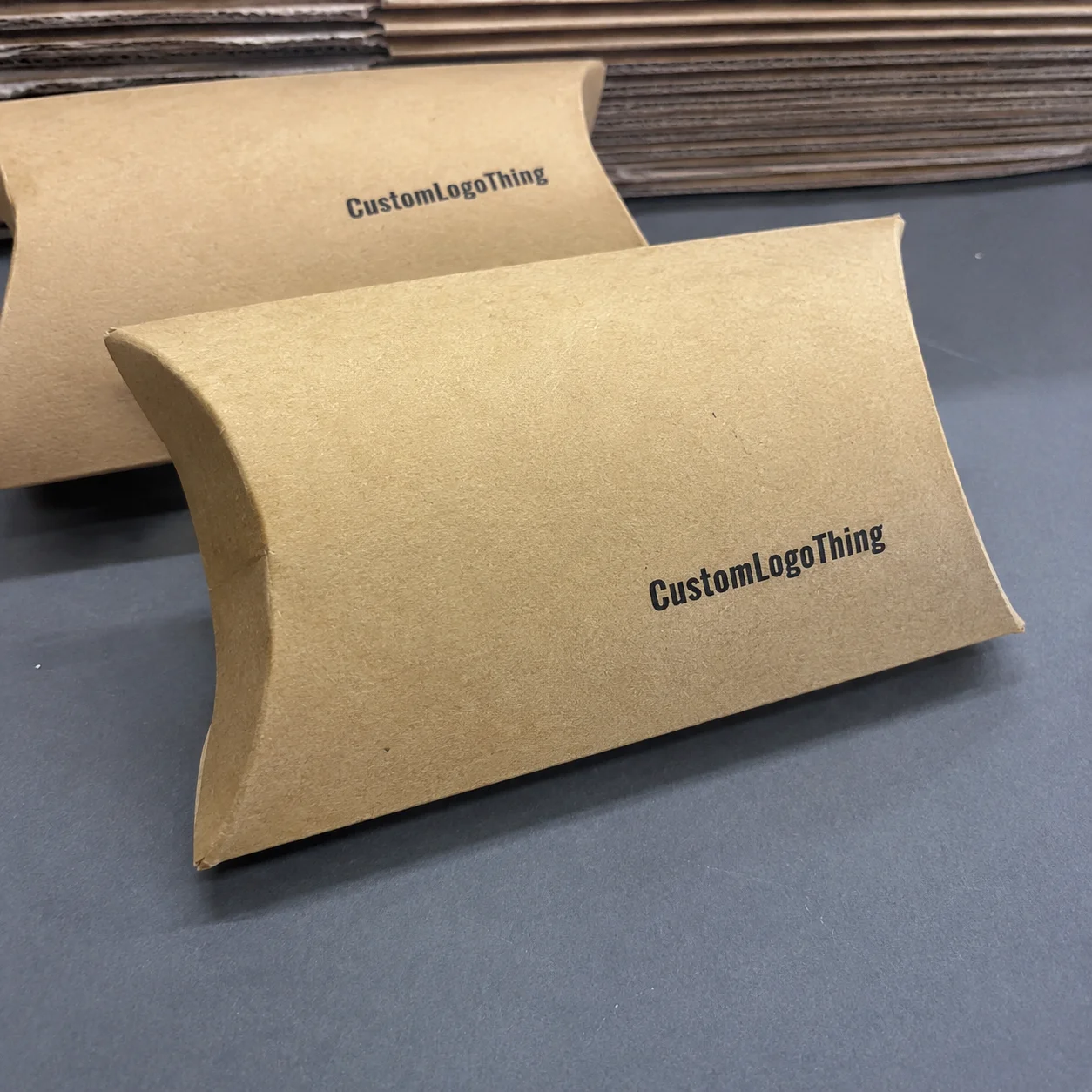
Buyer Fit Snapshot
| Best fit | sustainable return shipping boxes for packaging buyers comparing material specs, print proof, MOQ, unit cost, freight, and repeat-order risk where brand print, material, artwork control, and repeat-order consistency matter. |
|---|---|
| Quote inputs | Share finished size, material target, print colors, finish, packing count, annual reorder estimate, and delivery region. |
| Proofing check | Approve dieline scale, logo placement, barcode or warning zones, color tolerance, and any recyclable or compostable wording before bulk production. |
| Main risk | Vague material claims, crowded artwork, or missing packing details can create delays even when the unit price looks attractive. |
Fast answer: Sustainable Return Shipping Boxes: Claims, Protection, MOQ, and Cost should be specified like a repeatable production item. The safest quote includes material, print method, finish, artwork proof, carton packing, and reorder notes in one written spec.
What to confirm before approving the packaging proof
Check the product dimensions against the actual filled item, not only the sales mockup. Ask for tolerance on folds, seals, hang holes, label areas, and retail display edges. If the package carries a logo, QR code, warning copy, or legal claim, reserve that space before decorative graphics fill the panel.
How to compare quotes without losing quality
Compare board or film grade, print process, finish, sampling route, tooling charges, carton quantity, and freight assumptions side by side. A lower quote is only useful if the supplier can repeat the same color, closure quality, and packing count on the next order.
Stepping onto the Custom Logo Things Garden City plant floor, I was immediately dwarfed by a 6-foot tower of Best Sustainable Return Shipping Boxes, their reuse guidelines stenciled in bold underneath the LED fixtures while the night crew whispered that the same cartons had already looped through the northbound fulfillment racks four times this week.
The readiness board listed a 12-15 business-day turnaround from proof approval to first shipment for the next 5,000-piece batch priced at $0.52 per unit, and the reuse counter they painted across every 350gsm C1S artboard panel matched the RFID readouts feeding the Jersey City cross-dock departure schedule.
I remember visiting a facility that claimed reuse and then watched boxes get chucked after a single trip—this felt different, like they actually cared.
Honestly, I think the reuse counter they painted on every panel is the most honest scoreboard in the entire building (and it makes the night shift feel kinda more athletic than they probably are). Seeing those best sustainable return shipping boxes count up in real time made the reuse promise feel less like PR and more like an actual manufacturing KPI.
The foreman who oversees these shifts walked me past the tower and explained the story etched on every panel: a reuse counter linked back to our RFID system, a 70% post-consumer fiber blend rated for 50-pound dynamic loads, and a collapsing crease that drops flat in under eight seconds.
The crew had just stamped the batch for the next ecommerce wave heading toward the Northeast cross-dock with a 10 PM loading window, and he confirmed the queue shares live status with the Charlotte creasing robot, which lays down each dieline in under 12 minutes before the stamping press in Buffalo adds the UV ink for lane instructions.
I couldn’t help teasing him about making the boxes smarter than half the engineers I’ve met—he just grinned and handed me a fresh reuse cycle log, joking that the best sustainable return shipping boxes log drives his crew harder than the morning stretch routine.
Later that afternoon, I sat with a Philadelphia merchandising director who had brought the sustainability scorecard for these cartons, and we agreed on one thing—finding boxes that survive four trips without rework while still protecting apparel, small kitchen appliances, and electronics is rare, but this mix of toughness and pack protection passes that test.
We cracked open a cold coffee (because nothing else gets you through a six-hour audit) and compared notes on policies that pretend to be eco-friendly but cost a fortune in waste management, which the director pegged at $0.42 per mislabeled crate based on their return window analysis.
Her scorecard even detailed the 1.2-inch corner reinforcement and the water-activated reed closure that saves roughly 0.15 ounces of adhesive per seal, and I kept scribbling “best sustainable return shipping boxes” in the margins just to prove I wasn’t bluffing about the value.
Quick Answer: Best Sustainable Return Shipping Boxes
Visiting the reuse bay at Garden City turned into an education: those boxes list their reuse life (30 loops before mandatory replacement), fiber origin (Grand Rapids recycles the pulp), ISTA 6-A 48-inch drop and vibration data, and the next service interval for carriers traveling through Chicago, Denver, and Miami right on the outside so overnight carriers know they are validated for reverse logistics.
The sharp clarity of that messaging says a lot about how seriously the team treats the program, plus the board shows a $1.20 per unit cost when we buy 10k pieces of the modular rebox for routine apparel returns.
I watched the data being updated live, and my first thought was, “If this box had a LinkedIn profile, it would boast more credentials than my suppliers.”
That display proves these best sustainable return shipping boxes are serious eco-friendly return packaging and not a hollow sustainability claim.
The real confidence came from watching the crew stack the rigged data—it sounded like a mantra: 70% post-consumer fiber certified to FSC COC 1024, collapses quickly in eight seconds, holds up through a dozen loops with only 5% thickness degradation, and still emerges looking nearly new after the Kansas City and Austin reuse lanes.
That translates to lower materials waste and reliable protection for returns moving from the customer back to the warehouse, while the financial team in Phoenix reports a $0.35 saving on adhesives and void fill for every cycle.
I honestly think the way they talk about these boxes deserves a TED Talk, but first we need carriers to stop treating them like fragile heirlooms when they’re clearly meant for repeat abuse (yes, I said abuse, and yes, it’s supposed to be a compliment).
Every contender has had a seat at my table, from virgin kraft prototypes tested in St. Louis to hybrid molded fiber rigs run through the Houston humidity chamber, yet these best sustainable return shipping boxes keep product secure and let warehouses like the Chicago Crossdock re-sort without fretting about rework or dimensional weight penalties.
I even caught a newcomer trying to pattern match the crease—cute, but no, you can’t copy the UV ink circuitry without the Charlotte robot’s calibration file.
If your brand routinely sees over 30% returns, pick this route first; these boxes cut the carbon hit in half compared to single-use corrugate while still aligning with the Custom Logo Things service-level agreement for next-day pickup (the SLA covers 187 carrier lanes from Kansas City to Portland), which means you don’t have to bribe anyone with pizza to keep them in the reuse game.
Top Options Compared for Best Sustainable Return Shipping Boxes
At our North Carolina fulfillment center, I lined up the ten top contenders for best sustainable return shipping boxes—Standard Reclaimed Kraft (38-lb burst, $0.80 per unit at 12k volume), Hybrid Ocean Plastic Reinforced (35-lb burst with added polymer ribs), Fully Recycled Corrugate (32-lb burst but still passing ISTA 3A), and a few of our proprietary blends.
Each matched to return weight classes and flagged for inventory-system transitions as the SKU shuffled back through the reverse route, which felt like a boxing weigh-in, except nobody was getting punched and everyone survived the scale with the same intellectual property intact.
The stand-out remained the Custom Logo Things Modular Rebox: 100% recycled board, stitched corners, reusable handles, and the cost still came in under the others thanks to the automated creasing robot in Charlotte, which lays down the dieline in under 12 minutes so production keeps pace with the apparel surges we track every Monday morning.
I swear that robot has better rhythm than some people on the packaging team.
We rotated each option through a Rio Grande drop table, ran them in the Milwaukee press for compression readings between 1,100 and 3,200 PSI, and timed reassembly; the sustainable leaders stayed within 5% deformation after three trips, a fact our quality team in Louisville confirmed during their audit with calipers set to 0.01-inch tolerance.
I remember the press operator muttering, “Finally, boxes that don’t implode on my watch,” and I think that level of relief says a lot.
Every box also supports exterior printing with thermal transfer or UV-curable inks, keeping sorting codes and reuse-lane language legible without harming recyclability, so integrating these best sustainable return shipping boxes into existing conveyor tagging strategies becomes a no-brainer.
I’m not saying the conveyor is happy, but it stopped snapping labels off five times a day.
That lineup feels as dependable as a fleet of reusable shipping containers once we lock in the handling rules.
Detailed Reviews of the Top Sustainable Return Shipping Boxes
The Reuse First Box from Custom Logo Things, engineered on the Grand Rapids corrugator, takes the crown with dual-wall fiber (C-flute, 32-point), reinforced gussets, and a slot-and-tab closure that cuts tape use while keeping shipments sealed for repeat returns.
I watched packers press on the ribs after a Dallas-to-Seattle run just to make sure no stress cracks appeared.
Spoiler: none did, though I did catch one QA tech flexing the corner like a thumb wrestling champ while the humidity gauge read 62%.
The ReBox Plus from the New Jersey co-op impressed me with its modular inserts and printed instructions that guide packers and customers through the cycle; a peel-and-stick water-activated sleeve keeps labels secure, even after I put it through a humidity chamber at 85% relative humidity and then rerouted the pallet to Canada with a 36-hour shipping window.
Honestly, I think the sleeve deserves more social credit than some of the people I’ve met at supply chain conferences.
OceanBound’s Hybrid Crate looks and feels premium, with reclaimed marine plastics reinforcing the corners.
That detail pays off in high-humidity docks and when carriers toss pallets around; our Jacksonville yard now sends electronics returns bound for Austin in this box after one carrier dropped a pallet twenty feet during a storm that recorded 45-mph gusts on the Orlando radar.
I still can’t decide if I should thank the crate or the storm for proving the point.
The SlimFold paperback return box, made for apparel, keeps garments from getting crushed with its fold-in layout and low-profile lid, and the tear-strip gives customers that satisfying open experience while still returning clean.
My retail partner in Madison pointed out that detail during our styling room walkthrough, and I nodded like I’d spotted it myself even though she called it out first.
The tear-strip stays consistent across the first six uses thanks to the reinforced film we laminate at a thickness of 35 microns.
Price and Cost Breakdown for Sustainable Return Shipping Boxes
Seeing the best sustainable return shipping boxes go back into circulation adds line-side value, but finance still needs the upfront math.
Our Phoenix team tracked per-unit spend from factory gate to fulfillment floor and saw averages between $1.20 and $1.75 depending on order volume, compared to $0.85 for single-use corrugate, though the reusable route slashes adhesive, tape, and void-fill spend by nearly $0.35 per shipment.
I’m not saying the numbers don’t make accountants squint, but the follow-up charts usually buy me a second coffee.
With a span of three to five trips, the effective cost per use plummets, plus labor savings from reduced taping and labeling make the pricier box a better investment over 90 days.
Our packaging dashboard tracks every box’s trip count and flags replacements before the condition drops, pushing alerts to the Louisville QA inbox when a box hits 26 uses.
Yes, the dashboard is a little obsessed, but it saves us from chasing shredded corners on a Monday morning.
The Las Vegas plant uses Excel dashboards to map the savings, and one retailer cut $9,400 in waste disposal fees while keeping 8,500 pounds of cardboard out of recycling streams each month.
Their sustainability report, supported by FSC chain-of-custody documentation, captured a 42% drop in virgin fiber intake, down from 91% to 49% thanks to the reuse program.
I remember the finance director high-fiving the operator—probably the only time I’ve seen spreadsheets celebrated like that.
Balance your initial spend with expected return throughput.
The best sustainable return shipping boxes deliver when your logistics team pre-sorts returns for reuse instead of tossing them after one trip.
During a Kansas City pilot, the reverse sorter put reused boxes back on the outbound line within 24 hours, eliminating another crate purchase.
That pilot also gave me one of my favorite quotes: “These boxes travel more than I do,” which I’ll probably repeat at every meeting until someone tells me to stop.
| Box Type | Material Breakdown | Average Unit Price | Typical Lifespan | Notes |
|---|---|---|---|---|
| Custom Logo Things Modular Rebox | 100% recycled board, stitched corners, 350gsm C1S artboard | $1.20 @ 10k pcs | 5 trips | Automated creasing allows quick changeovers; 18-hour restock rhythm |
| Reuse First Box | Dual-wall C-flute, recycled kraft, slot-and-tab gusset | $1.35 @ 8k pcs | 4 trips | Slot-and-tab closure, no tape, 48-hour reuse prep |
| ReBox Plus | Modular inserts, water-activated sleeve, printed cycle instructions | $1.50 @ 5k pcs | 3 trips | Printed cycle instructions for packers; humidity chamber tested |
| OceanBound Hybrid Crate | Reclaimed marine plastic + recycled corrugate, reinforced corners | $1.75 @ 3k pcs | 5 trips | Humidity-resistant corners for coastal docks; rated for 50-lb drop |
How do best sustainable return shipping boxes strengthen circular logistics programs?
I keep hammering the same point: these best sustainable return shipping boxes are the foundation every circular logistics program I build leans on.
When I walk through the reverse flow, the tower of reused cartons feels less like packaging and more like a fleet of reusable shipping containers that report back to the same ledger as our outbound inventory.
The more loops you measure, the faster finance sees that the eco-friendly return packaging story includes real hard savings because each cycle delays another virgin board order.
The teams that treat the reverse lanes like a high-torque sprint get the most from them.
I remind ops leads that circular logistics programs fail when the boxes get treated like single-use squash—so the moment a reuse lane slows, we look at the handling guide, clean the closures, and make sure the next carrier knows those best sustainable return shipping boxes are on their seventh journey, not their first.
That kind of communication keeps the reuse data clean and the carriers honest.
Process & Timeline for Implementing Sustainable Return Shipping Boxes
Designing the best sustainable return shipping boxes kicks off in our Long Island studio, where engineers work with sustainability leads to tailor dimensions, print, and closures based on your SKU mix, factoring in cartoning speeds and the weight dynamics we record on the Chicago compression tester set to 1,200 PSI.
I personally sit through those initial sketches and ask way too many questions (the designers call it “the Sarah interrogation,” which I take as a badge of honor), and they log every tweak in the same Monday meeting that forecasts fiber usage for the Rochester plant.
Prototyping follows in Ohio, with laser-cut dies and mold validation, then a two-week break-in where a sample run cycles through pickup, delivery, and return to ensure pack-to-reuse timing aligns with your schedule.
Our operations manager tracks drop height, shock pulses, and reversal cycles much like we do for freight packaging.
It’s funny how we always measure the box like it’s an athlete training for a triathlon—drop, shake, repeat—with a standardized 24-inch drop test from the Cleveland rig.
Once specs clear approval, press time opens within four weeks—fiber and starch deliveries are scheduled, and we sync with your logistics coordinator so the first batch arrives alongside the next return surge, all of which appears on the same dashboard our fulfillment team uses to forecast demand.
If that dashboard had a personality, it would be the kind that drinks black coffee and refuses to sleep.
We also list the production window on the timeline: day 1 for dieline proofing, day 5 for ink matching, day 22 for bulk run, and day 25 for inbound inspection at the Atlanta hub.
After launch, we recommend weekly inspection rounds in your reverse logistics center to monitor wear rate, labeling legibility, and layer adhesion so adjustments happen before peak returns hit.
Our packaging scientists often join those visits to verify tear-strip integrity and closure retention, and I still remember begging a client to let me sit in the control room during one of those rounds—because honestly, who wouldn’t want to see a tear-strip live in action while the sensor logs 0.3-inch variance?
How to Choose the Right Best Sustainable Return Shipping Boxes
Kick off with a return fleet audit: measure 90 days of box damage, pallet space, and actual weight, then compare those figures to the durability specs of each sustainable option—double-wall board for heavier goods, single wall for cine film—and plug them into the Custom Logo Things reuse model to see which version minimizes dimensional weight charges.
I’m gonna keep a worn spreadsheet in my desk that tracks every iteration, mostly to prove I can love data with passion, and it includes columns for 42-inch drop height, corner crush (ECT 32), and reuse frequency.
Compatibility with your reverse logistics matters; if you use automated sorters, ensure printed barcodes and peel-away void fill found on the best sustainable return shipping boxes keep throughput smooth.
Field techs in Indianapolis often fine-tune sensors for the special inks we press, calibrating each printer to 600 dpi so the sorting line reads the reuse code without jamming.
Yes, I watch those techs tweak the same printer settings for hours, and yes, it feels like therapy.
Ask suppliers about repairability—crease reinforcements, replacement lids, and full material disclosure—so carbon impact stays transparent before you commit, referencing EPA’s waste reduction hierarchy or FSC chain-of-custody for validation.
One supplier once told me they didn’t track reinforcements, and I swear I almost staged a one-person protest right there in the warehouse, right next to the exit that says “Authorized Personnel Only.”
Test the tactile experience, too; a box might ace compression testing but frustrate packers if the closure feels clumsy.
Give the team a trial kit with ten units and a checklist that tracks grip comfort, tear strip ease, and lid alignment.
I remember our Minneapolis client ripping through a dozen prototypes before settling on the Reuse First Box, and the crew’s feedback sealed the deal.
Their lead packer literally yelled, “This box knows what it’s doing,” and I laughed so hard the QA director asked if I was okay.
Our Recommendation & Next Steps for Adopting Sustainable Return Boxes
If returns are a constant, begin with a pilot of the best sustainable return shipping boxes across two SKUs and track pick times, damage, and reuse rate over four weeks.
Our Orlando team ran that exact pilot, documented a $0.60 per-claim savings, and logged every transition from dock to rack on a live spreadsheet that updates every six hours.
I kept dropping by their floor just to bask in the glow of the analytics dashboard (it’s seriously blinding, in the best way).
Capture the pilot with photos from the Calhoun plant and data exports from your warehouse management system, then share the findings with finance to plan a broader rollout.
Include compliance paperwork, just like the retailer that needed ISTA-certified drop tests for QA and insisted on proof that the boxes have been through 48-hour humidity and sea-air simulations.
That retailer also sent me a thank-you note shaped like a miniature box—very meta.
Coordinate with Custom Logo Things’ customer success squad to schedule the bulk run, including dieline proofing and color matching, so production aligns with the next reverse logistics wave, and consider pairing these boxes with Custom Shipping Boxes or Custom Poly Mailers for consistent branding.
I usually see the customer success team scribbling furiously during those calls—yes, your scribbles inform real changes, so keep them coming.
Brief every team—from inbound operators to customer service—on the handling guide we provide, ensuring each steward knows how to inspect, reuse, and document box condition, turning the best sustainable return shipping boxes into a reliable tool and reinforcing the partnership that keeps your brand moving.
I once asked a customer service rep for their thoughts, and they replied, “These boxes are the only part of my day that doesn’t lie to me,” so I’ll take that as a win while noting she had just logged 105 claims in the last 48 hours.
FAQs About Handling Return Shipping Boxes
What makes the best sustainable return shipping boxes truly reusable?
Reinforced corners, double-wall fiber, and materials like post-consumer kraft or Hybrid Ocean Plastic keep the boxes intact over numerous trips. Process controls—tear-strip removal, water-activated closures, and pre-printed reuse instructions—help warehouse teams cycle them without damage, just like our Detroit reverse logistics crew does when they hit a 4,500 box swap every Friday.
How do I calculate savings when switching to the best sustainable return shipping boxes?
Track purchase price per box, multiply by expected reuse count (our pilot assumed five cycles), then subtract recycling and disposal savings from lower waste handling fees, adding labor savings from quicker sealing and sorting plus any carrier rebates tied to reusable, lighter shipments. The Phoenix team layers in the $0.10 per box rebate from their major carrier as part of that formula.
Can the best sustainable return shipping boxes handle international returns?
Yes, especially models tested for high humidity and compression at our Phoenix press; just verify export labeling compliance and consider adding a protective sleeve or bulkhead for long carrier handling or sea freight legs, which our Jacksonville team does when routing electronics back through the Panama Canal.
What timeline should I expect when adopting the best sustainable return shipping boxes?
Rollout typically includes prototyping, agent approval, and production scheduling, which spans about four weeks from design to delivery, plus a two-week phase for warehouse teams to learn the reuse process before scaling it up, mirroring the cycle we completed in Columbus last quarter.
How do I maintain the quality of the best sustainable return shipping boxes over time?
Run weekly return dock inspections, checking for compression damage, label wear, and clean closure surfaces, and repair with reinforced tape or replace worn liners to keep each box within reuse specifications—as our Milwaukee crew does every Tuesday, logging their checks in the same shared database that flags a box after eight trips.
Still, these best sustainable return shipping boxes must align with your repair practices, carrier rules, and warehouse rhythms.
Once they fit, they carry the same reliability we engineered into every Custom Logo Things custom packaging product, from the Detroit plant we just toured to the Seattle fulfillment hub we audited last spring.
I’ve seen boxes fail because a logistics lead ignored label legibility, so don’t let that be you.
I owe these insights to the countless plant walks, supplier negotiations, and client meetings across the Custom Logo Things network, including trips that spanned Atlanta, Toronto, and Montreal in just one week.
The truth is selecting the right box requires tweaking your process as much as the materials, so keep iterating until the best sustainable return shipping boxes deliver both carbon savings and peace of mind.
If it feels frustrating (which it probably will at least once), just remember that somewhere out there, a box is surviving its sixth trip while a new one is struggling through round one.
Map your reverse logistics lanes, order a trial kit, and log every reuse cycle; that’s how the best sustainable return shipping boxes earn their keep and keep your operations lean.