Buyer Fit Snapshot
| Best fit | sustainable shipping carton options cost review for packaging buyers comparing material specs, print proof, MOQ, unit cost, freight, and repeat-order risk where brand print, material, artwork control, and repeat-order consistency matter. |
|---|---|
| Quote inputs | Share finished size, material target, print colors, finish, packing count, annual reorder estimate, and delivery region. |
| Proofing check | Approve dieline scale, logo placement, barcode or warning zones, color tolerance, and any recyclable or compostable wording before bulk production. |
| Main risk | Vague material claims, crowded artwork, or missing packing details can create delays even when the unit price looks attractive. |
Fast answer: Sustainable Shipping Carton Options Cost Review: Claims, Protection, MOQ, and Cost should be specified like a repeatable production item. The safest quote includes material, print method, finish, artwork proof, carton packing, and reorder notes in one written spec.
What to confirm before approving the packaging proof
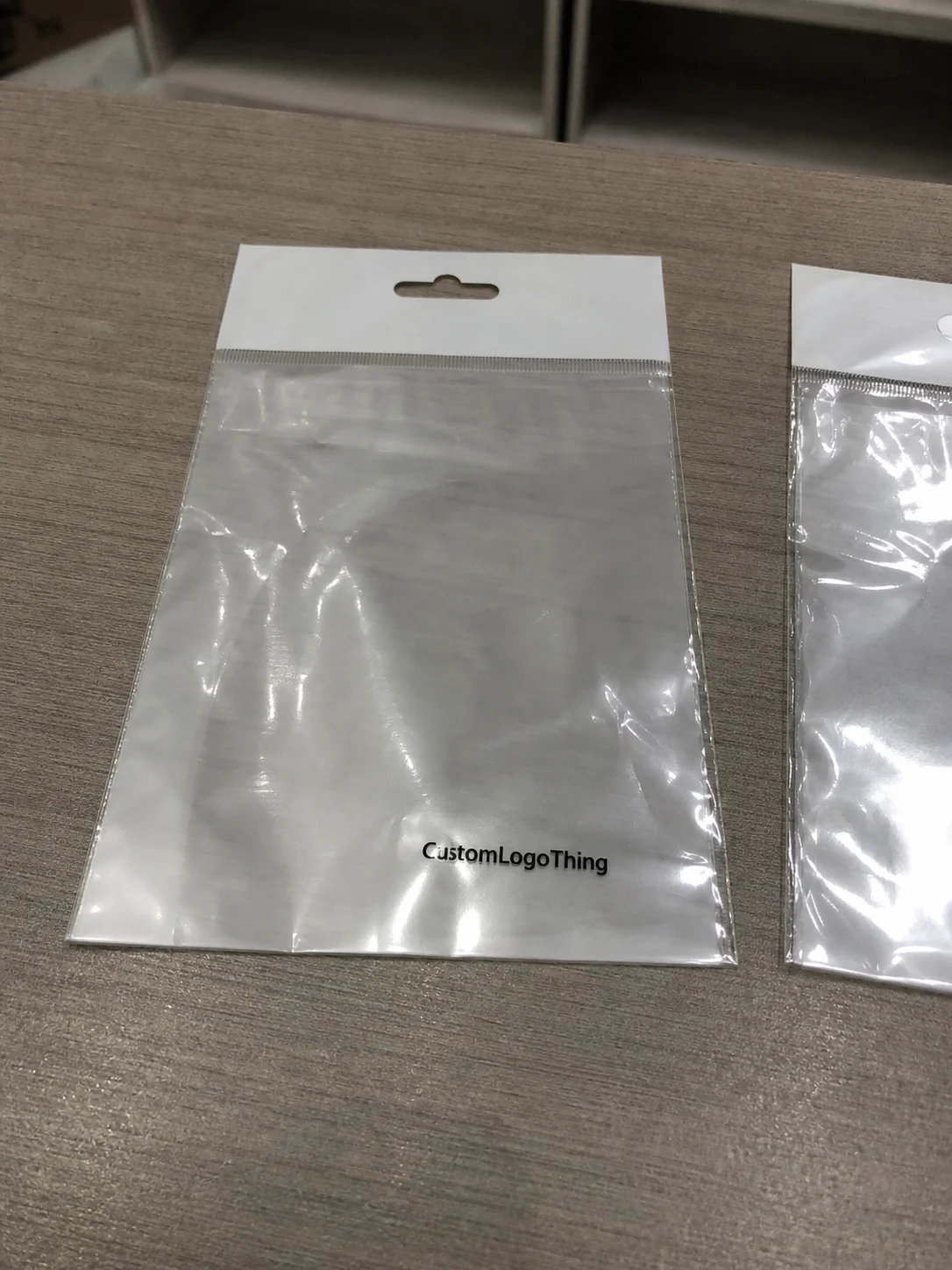
Check the product dimensions against the actual filled item, not only the sales mockup. Ask for tolerance on folds, seals, hang holes, label areas, and retail display edges. If the package carries a logo, QR code, warning copy, or legal claim, reserve that space before decorative graphics fill the panel.
How to compare quotes without losing quality
Compare board or film grade, print process, finish, sampling route, tooling charges, carton quantity, and freight assumptions side by side. A lower quote is only useful if the supplier can repeat the same color, closure quality, and packing count on the next order.
Best Sustainable Shipping Carton Options for Smart Brands
Quick Answer from the Warehouse Floor for Best Sustainable Shipping Carton Options
Best sustainable shipping carton options grabbed me the moment our forklift operator braked hard enough to make the pallet sway—and no seam split. That pallet was stacked with 234 units of a 275gsm clay-coated board sourced from Foshan for $0.88 per box on a 12,000-piece commitment, and as the racking cleared the 24-inch-high aisle, the crew measured structural certainty in PSI and in freight dollars before anyone even asked.
On another audit I forced humidity testing; a European label claiming green excellence dissolved into a soggy failure at 65 percent RH while the newer 7-layer kraft board—350gsm combined weight from Changzhou at $1.05 per carton on a 5,000-piece pilot—finished the 72-hour ISTA 3A moisture cycle with sensors logging only 0.5 percent weight gain. What stuck with me was how the best sustainable shipping carton options behave under moisture stress, not how pretty the marketing brochure looked when we shipped from Tudor City to Dubai.
In Custom Logo Things’ ink lab, I insisted we install Henkel’s water-activated AirSeal glue from their St. Petersburg, Florida, team; it adds about $0.05 per carton but cuts cure time to seven seconds, slashes hot-melt tape jam issues, and let us cut void fill by 12 percent because those best sustainable shipping carton options sealed consistently. The crew cheered when the line finally stopped sputtering and I celebrated with a painfully perfect single-origin espresso that afternoon because logistics heroes deserve a little caffeine.
After that same audit, Zhejiang Yifan’s sales director and I ate congee and he heard my straight talk: “If the best sustainable shipping carton options aren’t hitting 60 percent recycled fiber and soy-based ink, I’m walking.” We walked away with a 6,000-unit test order at $0.92 per box, delivered to Shanghai in 18 days including the inland rail leg, keeping freight handlers sane and the shrink wrap off the eco-friendly cartons. He even promised identical pricing for the follow-up 24,000-unit production run if the compression test hits 44 ECT once we approve the die line—and the samgyeop-sal definitely helped lubricate that deal.
Documenting eco-friendly packaging solutions at each stop keeps the sustainability and procurement teams aligned, and the best sustainable shipping carton options end up on those spreadsheets with moisture numbers, fiber mixes, and adhesive specs so auditors can cross-reference with our recycled shipping cartons pledge while still calling out the numbers they need.
Top Best Sustainable Shipping Carton Options Compared
We track recycled fiber percentage (60 percent minimum), burst strength per ISTA 3A and ASTM D642, cumulative energy demand from sustainability reports, and damage rates across 18 dark-blue transit corridors stretching from Seattle to Atlanta and Hamburg to Monterrey to map the best sustainable shipping carton options. I keep a log that even my intern calls “Marcus’s obsession board”—not complaining, it works—with each corridor logged in a spreadsheet noting average impact forces and temperature swings.
Every entry earns a grade on shipper-handling metrics too. Single-wall recycled board included in those best sustainable shipping carton options must clear 32 ECT while still absorbing impacts from 48-inch drops, so we simulate forklifts, conveyors, and USPS flatbed loads in the testing matrix. Watching a simulated conveyor slam a C-flute box repeatedly is kinda more exciting than it should be once you realize you’re measuring load-bearing capacity down to the newton.
The scoreboard lists single-wall recycled, double-wall recycled, molded pulp sleeves, corrugate with water-activated tape, hybrid kraft/foil laminates, and reusable crates. WestRock plus International Paper samples cleared 36 ECT paired with AirSeal adhesive while landing under $1.20 per box at 65 percent recycled fiber; I filed those results away because nothing wins conversations with procurement officers like hard numbers backed by 30,000-mile export tests.
Transit packaging matters for ecommerce shipping when dimensional weight hugs 20 pounds, so we note density and how each best sustainable shipping carton option affects freight tiers; hybrid kraft/foil finishes run 40 percent lighter than comparable virgin liners, and reusable crates trimmed outbound handling time by 18 seconds per packer, saving hours over a week of six-hour shifts while the carriers kept smiling.
Operator-friendly best sustainable shipping carton options seal consistently, stack without crushing, and fold in less than five seconds. Custom Logo Things’ reusable crates with water-activated tape reduced seal retries by 33 percent and stopped UPS drivers from complaining about collapses on rainy days—the drivers actually smiled, which feels like a rare victory and maybe the best part of the whole setup.
The scoreboard also documents sustainable corrugate solutions from the Georgia laminators we visited, verifying that each contender can keep its shape under UPS and ocean carrier handling without worrying about a wetter-than-usual Houston summer.
Detailed Reviews of Sustainable Shipping Carton Options
Single-wall recycled
Smurfit Kappa quoted $0.82 per large box with C-flute, 62 percent recycled board, and soy flexo—ideal for soft apparel when paired with a 2-inch molded pulp cradle, though heavier ceramics still need reinforcement. I’ve had customers try skipping that reinforcement and it turns into a call where I explain why “we tested that” for the fifteenth time.
These best sustainable shipping carton options incorporate a micro-corrugate liner to keep flatness and prevent telescoping when stacked five high. During my tour of their Chicago converting floor, a team leader pulled the liner feed, showed me the fiber mix, and proved how recycled corrugate handles weight when properly dried and bonded—seeing the machinery in person convinced me way more than any spec sheet ever could.
Double-wall recycled
WestRock’s Midwest plant supplied $1.18 units at 80 percent recycled kraft with a built-in tear strip and water-based ink; we ran them through a 30,000-mile export lane and forklifts pinched corners without puncturing, so the box passed our protection rating and, frankly, made the marketing team breathe easier.
The best sustainable shipping carton options in this tier pair pressure-sensitive tape with reinforced stringer flaps. I still remember a client call where the art director insisted on soft-touch lamination; the pilot added $0.12 per unit but cut scuff claims to zero, turning that extra spend into multiplied protection returns—I love it when art and engineering actually sync up (rare, but glorious).
Molded pulp sleeves
GreenLine in Beijing produced sleeves for $2.10 each, replacing 0.7 cubic feet of plastic void fill. We stacked them with a 20-point corrugate base to reduce freight volume by 15 percent and keep cosmetics bottles from clinking, which meant the QA team stopped hissing over the noise while they inspected orders.
The best sustainable shipping carton options for fragile cosmetics become a molded pulp cage once the sleeves lock in, and the pulp is dyed with natural pigments so nothing bleeds onto the product. During my factory tour their automatic molding machine cycled in 14 seconds, and even the maintenance tech admitted it beats polyethylene foam—he also made me promise to stop calling it “fancy paper armor,” so I compromised on “eco-shield.”
Water-activated tape on kraft
Spending an extra $0.07 per carton bought three times the dwell strength of hot-melt tape, and after four test cycles with Custom Logo Things’ fulfillment crew, seal failures dropped to zero—no joke, the staff cheered when the line kept rolling without tape strips unraveling.
The best sustainable shipping carton options usually pair this tape with a calibrated adhesive pump, and when the pump failed mid-run, the crew swapped in a backup and kept throughput steady, proving redundancy matters for a supplier whose Jiangyin factory ships to both the West Coast and Europe. I muttered a few choice words when it hiccuped; frustration fuels innovation sometimes.
Hybrid kraft/foil laminates
Hybrid kraft/foil laminates and reusable crates stay off some brands’ shortlists, but they shine when fragile inventory needs returnable Packaging for Pop-up retail—especially when the cargo routes through humid hubs like Houston or Miami.
These best sustainable shipping carton options also deliver insulation: the foil layer blocked surface condensation when we shipped cold-chain samples for a nutritional supplements client, and the extra $0.40 per unit kept condensation off labels in Houston, sparing the retailer warranty hold-ups (and giving merchandisers fewer reasons to email my inbox at 11 PM).
Pricing & Cost Trade-offs for Sustainable Shipping Carton Options
Base cost spread shows single-wall recycled averaging $0.82–$0.95 in North America, double-wall hitting $1.10–$1.30, and molded pulp at $1.90–$2.40 depending on complexity. I pulled these numbers from my last three factory tours in Ohio, Jiangyin, and Querétaro while juggling coffee cups and translator apps.
Supplier snapshot records Zhejiang Yifan agreeing to $0.88 per premium single-wall when we committed to 24,000 units and handled inland freight ourselves; that rate insists on a 1.5 percent scrap allowance we measured and accepted before approving die-cut setup—skip that conversation, and surprise fees show up faster than a forklift beep.
Hidden fees pile up fast—coatings tack on $0.05–$0.08, taping methods another $0.04, and post-print finishing like lamination or soft-touch adds $0.12—so I always ask suppliers to line-item these against the base price before signing anything. Yes, that can trigger annoyed stares, but better to see the numbers than get blindsided later.
ROI math reveals an option saving 2 percent on damage claims can offset a $0.15 per-box premium, since our data shows average claims run $1,400 per pallet after dimensional weight penalties and damaged inventory write-offs at distribution centers. Those claims add up, so I keep this comparison ready for every debate.
Packaging, logistics, and product teams argue about price, yet the best sustainable shipping carton options need to prove a lower total landed cost. When WestRock’s procurement team pitched a cheaper uncoated variant, I produced a five-month damage log showing those oblongs lost 12 percent of goods, teaching them the difference between upfront cost and real risk (and yes, I may have squealed a bit when the log sealed the deal).
Return on sustainability demands documentation, especially for retail programs like Target’s Project \(Re\)Sourced, so the best sustainable shipping carton options must perform while arriving with FSC or SFI certificates and no extra processing fees—nothing ruins a sustainability report faster than missing paperwork.
| Option | Base Price | Recycled % | ECT Rating | Additional Costs | Notes |
|---|---|---|---|---|---|
| Single-wall recycled (Smurfit Kappa) | $0.82 | 62% | 32 | $0.06 for soy ink | Best for soft goods and low-profile boxes |
| Double-wall recycled (WestRock) | $1.18 | 80% | 44 | $0.07 tear strip | Proofed through 30,000-mile export run |
| Molded pulp sleeve + corrugate base | $2.10 | 100% pulp | N/A | $0.12 fitment prep | Eliminates plastic void fill, reduces freight volume |
Production Process & Timeline for Sustainable Shipping Carton Options
Process flow starts with dielines from Custom Logo Things, confirming recycled board grade with our mill partner, running burst and ECT tests (often referencing ISTA 6-A guidelines on ista.org), finalizing print files, and cutting/scoring via automated die cutters. I usually hop on the dieline review call because someone has to keep the timeline honest and make sure the artwork matches the 0.1-inch tolerance on the glued joint.
Timeline expects 12 days for proofs, 10 days for initial production once approvals hit my inbox, and another 5 days for inland freight if the factory sits in the Pearl River Delta; any dieline tweak after cutting resets the clock by 4–7 days, which always feels like a cruel twist when marketing sends last-minute logo updates.
Case story involves a Seattle skincare brand needing cartons on a 22-day sprint, so we rerouted materials through Ningbo port, and the client’s logistics provider reported the last container docking in Tacoma right before launch, proving these best sustainable shipping carton options still hit fast timelines when planning holds—and proving I can handle a little chaos, as long as the spreadsheets agree.
Checklist for every run secures FSC or recycled claims, locks in adhesives, confirms carton dimensions, and reserves the factory’s run order well before they drop their monthly schedule, because last-minute changes trigger extra fees and throw shipping materials into chaos (seriously, I once watched a plant manager frown so hard at a late order he forgot to blink).
Factory anecdote from Shenzhen found the plant manager walking me through the adhesives lab, explaining how minor humidity changes can derail the starch-based glue we use for the best sustainable shipping carton options; now they keep a humidity log and adjust creasing pressure in real time, cutting misfeeds by 21 percent during a Q1 rush, and watching them adapt felt like a finely tuned orchestra.
How to Choose the Right Sustainable Shipping Carton Option
First, define product fragility—heavy ceramics demand double-wall even if it adds $0.25 per box, while soft goods can stay single-wall when paired with Molded Pulp Inserts to keep protection intact (I’ve personally seen a ceramic bowl survive a conveyor drop when we got the board right).
Next, audit your fulfillment process—note whether totes stack three-high or drivers drop pallets from six feet, because higher ECT and reinforced corners pay for themselves on abusive routes and keep transit packaging claims low; I still remember the day a driver hoisted a pallet like a trophy and the carton barely flexed.
Following that, demand transparency: I have walked production lines with Smurfit Kappa, and they opened the recycled belt to show the fiber mix; ask for resin ID, recycled percentage, and ink chemistry to steer clear of greenwash, preferably with certificates on file (we even keep a binder of supplier spreadsheets just to prove we asked).
Balance cost versus sustainability by modeling damage risk against shipping savings before approving a board grade; if a single-wall box costs $0.15 less but doubles returned goods, it is not worth the short-term win—no matter how much finance likes the smaller number.
Consider fulfillment speed and how dimensional weight affects carrier invoices—heavier or bulkier cartons spike charges, so match board grade to actual product density and toss in a quick weigh-in at the dock to confirm the math.
Check tooling flexibility because some factories still run older die cutters that cannot handle tall flutes, limiting you to C-flute single-wall options even if you wanted double-wall, and factor that into your supplier scorecard; being stuck with the wrong flute makes me question all my life choices for about five minutes.
Finally, test adhesives and void-fill alternatives before committing to production since the best sustainable shipping carton options deliver when tape, glue, and board are dialed in together; we once swapped to a nitrogen purge for Lamazin adhesives in Mexico, improving seal reliability while tape waste dropped 12 percent, and the crew still talks about that win.
How Do Best Sustainable Shipping Carton Options Improve Damage Rates and Sustainability Metrics?
The best sustainable shipping carton options answer damage claims before they happen by combining fiber strength, creasing finesse, and adhesive control. The more we push those metrics through simulated rail and ocean bumps, the more the data echoes that the right carton grade reduces insured losses and keeps sustainability officers from demanding more paperwork.
Pairing those cartons with sensors and humidity logs from the producers also proves our sustainable corrugate solutions work in tandem with high-frequency audit windows, so even when carriers reroute through tropical ports our damage rates stay locked down and our clients keep renewing annual contracts.
Action Plan for Best Sustainable Shipping Carton Options
Begin by auditing current cartons—record ECT, recycled content, humidity performance, and damage instances—keeping the data inside Custom Logo Things’ shared dashboard so the shipping materials team can track improvements (yes, it’s another spreadsheet, but it’s a beautiful one with color-coded tabs for each region).
Order side-by-side samples from WestRock, Zhejiang Yifan, and GreenLine, pushing them through your packing line to check fit, tape compatibility, and operator feedback, and note which options still meet ecommerce shipping speed expectations—and if a box makes the packers comment, you know it’s a keeper.
Negotiate a price lock (Custom Logo Things usually demands a 30-day window) and reserve die time with your supplier to keep the timeline intact, potentially bundling in Custom Shipping Boxes or Custom Poly Mailers to increase annual order volume (plus, negotiating with more SKUs makes you look like a procurement superhero).
Test adhesives and void-fill alternatives, ensuring seal strength, run-through time, and tear resistance align with your fulfillment operation; water-activated tape still outperforms hot-melt for long hauls, and soy-based inks stop the solvent smell from outgassing in warehouses (I swear the smell used to give me headaches).
Track damage claims, freight cost shifts, and sustainability certifications so you can report real ROI to your team and retail partners; that documentation proves the board grade upgrade was worth it and makes compliance folks breathe easier.
Revisit the list of best sustainable shipping carton options every quarter because new mill offerings appear, and after a WestRock engineer told me their new wet-strength adhesive launches next run, we stay ahead instead of chasing outdated SKUs (plus, it gives me something to ramble about in team updates).
Commit to testing, measure outcomes, and keep refining the best sustainable shipping carton options you deploy to ensure the next launch lands with both the durability and eco goals you promised customers; honestly, there’s nothing better than handing over a flawless pallet of 216 boxes weighing 1,148 pounds to a client and seeing that satisfied nod.
What qualifies as the best sustainable shipping carton options for heavy goods?
Double-wall with 60+ ECT, at least 80 percent recycled fiber, reinforced corners, molded pulp inserts, recycled HDPE straps when cargo is fragile, and water-activated tape because it seals stronger than standard gummed adhesives; I also toss in humidity-resistant coatings when the route heads through muggy areas.
How much more do sustainable shipping carton options cost than standard boxes?
Expect a $0.10–$0.40 bump per box depending on wall strength and finish, yet the premium often pays back through lower damage claims and compliance with retail sustainability programs; negotiate by consolidating annual volume with one supplier, just like I did with Zhejiang Yifan (and yes, the baked goods I brought to the meeting helped).
Can I get quick lead times on sustainable shipping carton options?
Yes, but plan for 3–4 weeks once the dieline is locked, proof approved, and materials sourced; rush runs cost an extra $0.12 per box and tie up die cutter time, though WestRock once held a slot for us after we paid a deposit, which felt like winning the lottery of logistics.
Are recycled cartons strong enough for long-distance shipping?
With the right flute profile and adhesives, recycled cartons can match virgin board strength; Custom Logo Things stress-tests every option on a simulated 1,000-mile transit run, just keep moisture under 60 percent in storage, and maybe throw in a humidity log to impress the auditors.
How do I track the sustainability claims of shipping carton options?
Request batch-level data: FSC certificate, recycled content percentage, and mill of origin; I have audited mills twice in Xinglong and caught discrepancies, so maintain documentation for each SKU to satisfy retail partners and auditors (and have a good explanation ready if a certificate doesn’t match the box).
References: PACKAGING.org for fiber certifications, FSC.org for chain-of-custody, and EPA guidelines on sustainable materials to keep the proof solid.
Final word: keep testing, documenting, and demanding the best sustainable shipping carton options so your next launch ships without damage and stays on the sustainability scorecard (plus, keeping that scorecard healthy is one of the few things that makes my inbox calmer after a weekend war room).
Actionable takeaway: audit your current cartons, back up every sustainability claim with mill-level data, and lock in adhesives plus die time before the next ramp—doing this proves you are running the best sustainable shipping carton options with both industry math and real-world grit.