Biodegradable coffee bags wholesale is not just a search term for procurement teams. It is the point where freshness, shelf appeal, disposal claims, and production cost all have to fit together without fighting each other. A bag can look clean and modern on screen, then fall apart in practice if the liner is weak, the seal area is too narrow, or the structure cannot support the roast inside. The best packaging quietly does its job: it protects the coffee, moves cleanly through production, and gives the brand a story that feels honest rather than rehearsed.
Roasters, private label buyers, and cafe retailers usually end up comparing biodegradable coffee bags wholesale options more technically than they expected at the start. Paper finish matters, sure, but it is only one piece of the build. The liner, valve, zipper, seal width, and carton format all affect how the bag behaves on the fill line, in transit, and on the shelf. The strongest packaging programs treat the pouch as a working system, not a front-panel graphic with a sustainability label slapped on it.
From the buyer's side, the goal usually stays practical: protect the coffee, keep production predictable, and make sure any environmental claim is supportable. That is where biodegradable coffee bags wholesale can make sense for the right product line. The best results come when the structure matches the roast, the closure matches how the customer opens and reseals the bag, and the order can be repeated later without surprises or needless rework.
"A pouch that looks compostable is not a packaging plan unless the liner, seal, and disposal claim actually line up."
The sections below cover the details that tend to affect buying decisions, the specs worth checking before approval, the way pricing and minimums usually work, and the information needed for a quote that reflects a real production plan. If you are comparing biodegradable coffee bags wholesale suppliers, these are the points that help narrow the field quickly and with less guesswork.
Why Biodegradable Coffee Bags Wholesale Helps Brands Protect Freshness and Cut Waste
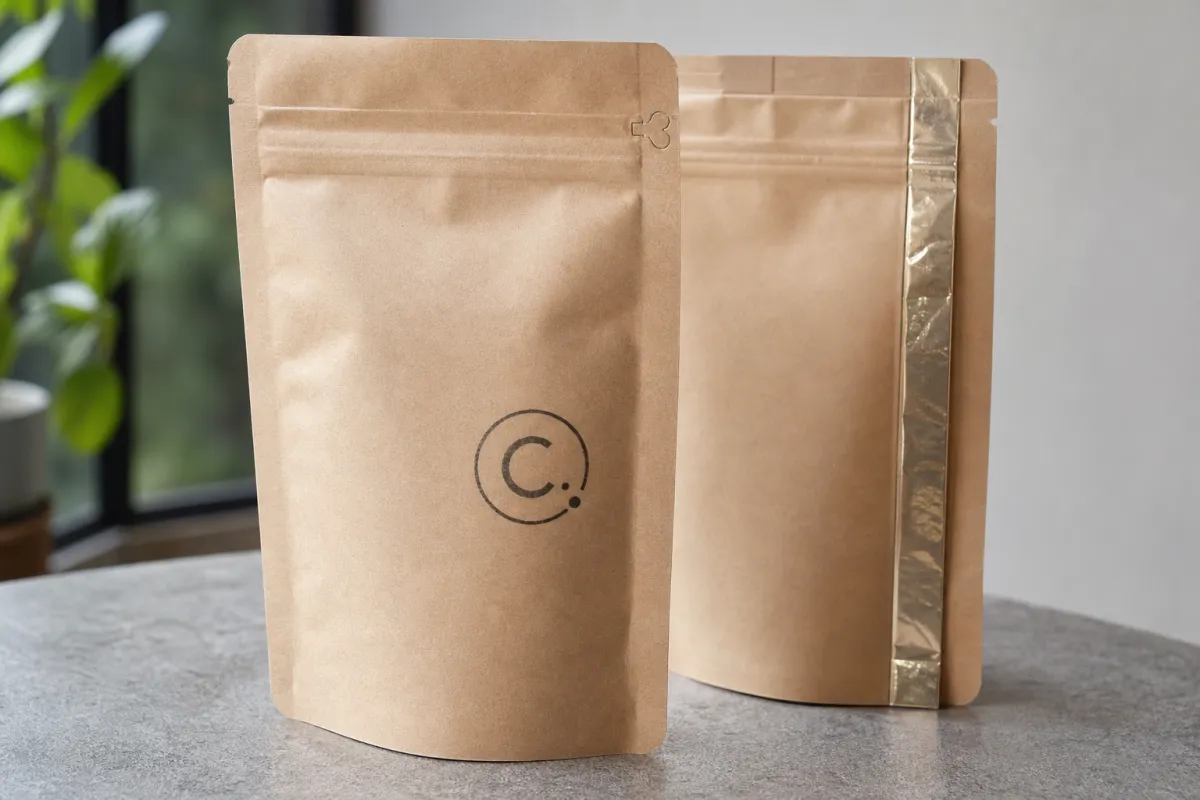
A coffee bag is not just a container. It is part of the freshness system, and that gets overlooked more often than it should. A sourcing decision that starts with appearance alone can lead to trouble after filling, sealing, shipping, and shelf storage. With biodegradable coffee bags wholesale, the opportunity is to Reduce Packaging Waste without giving up the barrier and handling performance coffee requires.
Fresh coffee releases gas, picks up moisture, and loses aroma faster than many brands expect once it leaves the roastery. A well-built biodegradable coffee bags wholesale structure can support that reality, but only if the package is chosen with the actual product in mind. Whole bean and ground coffee do not behave the same way. Retail, e-commerce, and foodservice also place different demands on the bag. Shelf-life targets matter too, whether the product needs six weeks, six months, or longer. Those variables shape the spec more than the logo does.
There is a commercial side to this as well. Retail buyers want packaging that looks credible under bright shelf lighting. DTC sellers need parcels that can handle the trip without scuffing the whole presentation. Roasters want bags that run cleanly on the fill line and seal the same way every time. Biodegradable coffee bags wholesale only helps when the bag supports the full path from production to end user. A package that looks sustainable but creates more rejects, more rework, or more complaints ends up costing more than it saves. That part is kinda hard to ignore once a few pallets have gone out the door.
The word "biodegradable" can also create the wrong impression. It sounds like the whole job is done, yet it is only one part of the spec. The outer paper, inner liner, adhesive layers, zipper parts, and valve component all affect the finished pouch and what it can honestly claim. Careful biodegradable coffee bags wholesale buying starts with the full build, the actual disposal pathway, and the documents that support the description. Surface appearance alone does not tell the truth.
When the structure is chosen well, the benefits are concrete. The brand can support a cleaner packaging story, keep the coffee protected, and make its sustainability message easier to explain to retail partners who want evidence of progress. That is the real appeal of biodegradable coffee bags wholesale: it connects product protection with packaging reduction in a way that can be repeated on reorder, which matters far more than a one-time statement.
If your team already has a broader sourcing plan, it helps to connect the bag decision to your Wholesale Programs so packaging, artwork, and replenishment all move in the same direction. That usually separates a one-off purchase from a stable packaging system.
Biodegradable Coffee Bags Wholesale Product Details: Materials, Liners, and Closures
Most biodegradable coffee bags wholesale products begin with a paper-based outer layer, then pair that surface with a liner or barrier film chosen for freshness and sealability. The build can vary a lot. Some bags use a kraft-paper look with a compostable or bio-based inner layer. Others use hybrid constructions that preserve a premium surface while still aiming for a lower-impact profile. The right choice depends on how much protection the coffee needs and how much shelf presence the brand wants.
Paper outer layers are popular because they create a natural visual cue, especially for roasters that want a cleaner and more restrained shelf identity. Paper alone does not give coffee the barrier it needs. In a proper biodegradable coffee bags wholesale structure, the paper is only one part of the package. The liner has to support oxygen and moisture resistance, and the finished pouch still needs dependable seals so the coffee stays protected after filling. A bag that looks eco-friendly but cannot hold a stable seal is not a good packaging solution, no matter how nice the mockup looks.
Closures matter just as much. A heat-seal-only pouch is simpler and usually costs less. A zipper gives the customer a way to close the bag after opening, which helps retail coffee and subscription use. Tin ties can suit certain artisanal presentations, but they do not always improve freshness once the bag is open. For freshly roasted coffee, one-way degassing valves are often essential. In biodegradable coffee bags wholesale sourcing, the closure should match the product, not be added simply because it sounds complete.
Print finish changes the feel of the package right away. Kraft, matte, and fully printed surfaces can all work, but the branding should support the material story instead of fighting it. A brand built around clean ingredients and careful sourcing often benefits from paper texture and restrained typography. A premium retail line may call for a more polished print build. With biodegradable coffee bags wholesale, the design brief should follow the product promise, not only the logo.
One point I always bring up with buyers is the need to confirm the exact layer structure before approving production. The outer appearance of a bag does not tell the full story. Two pouches can look almost identical online and still behave very differently in transit, sealing, or storage. That is why biodegradable coffee bags wholesale quotes should be backed by a clear material description, not just photos. If the supplier cannot explain the structure in plain language, the buyer is taking on avoidable risk.
| Option | Typical Build | Best Use | Indicative Unit Cost | Practical Notes |
|---|---|---|---|---|
| Kraft pouch, heat seal | Paper outer with simple barrier liner | Small roasts, test runs, low-complexity SKUs | $0.16-$0.24 | Lower cost, simpler setup, fewer features |
| Kraft pouch, zipper | Paper outer, reseal closure, improved retail use | Retail coffee, subscription programs | $0.22-$0.34 | More consumer-friendly, usually a bit slower to source |
| Valve pouch, zipper | Paper outer, one-way valve, reseal closure | Freshly roasted beans | $0.26-$0.40 | Better for gas release, often preferred for specialty coffee |
| Premium printed pouch | Custom graphics, enhanced structure, added finishes | Flagship retail lines | $0.30-$0.50+ | Best appearance, highest setup sensitivity |
Those numbers are not a quote. They are the kind of range buyers usually see when comparing biodegradable coffee bags wholesale options with similar size and print complexity. The real price changes with bag dimensions, printing coverage, closure type, and order volume. What matters is that the structure matches the product, because a cheaper bag that fails in use is never actually cheap.
Specifications That Matter: Barrier, Valve, and Seal Performance
For coffee packaging, the specs that really affect performance are barrier, seal integrity, puncture resistance, and the way the bag behaves after it has been filled and handled a few times. With biodegradable coffee bags wholesale, the buyer should not stop at the material name. Ask how the bag resists oxygen ingress, how it handles moisture, and what seal window the production team needs during filling. Those details say far more than a generic sustainability label.
Barrier matters especially for ground coffee and longer distribution cycles. If the bag sits in warehouse inventory before sale, the package needs enough protection to hold aroma and slow staling. That is why a biodegradable coffee bags wholesale conversation should always include the actual shelf-life target. A pouch that works well for a quick-moving local roast may not be strong enough for national retail or export. Shelf-life expectations should shape the material discussion from the start.
Valve selection also deserves attention. A one-way degassing valve lets freshly roasted beans release gas without allowing air back in. That helps the bag keep its shape and supports product quality. The valve is not a standalone feature, though. It has to work with the rest of the pouch construction, the sealing method, and the artwork layout. When buyers order biodegradable coffee bags wholesale, they should confirm the valve style, placement, and installation method so production does not bring any surprises later.
Size planning matters more than many teams expect. A 250 g bag, a 12 oz pouch, and a 1 kg bulk format all need different headspace, fill allowances, and sealing behavior. If the bag is too tight, the seal area can become inconsistent. If it is too large, the pouch may feel loose on shelf and take up extra freight space. Good biodegradable coffee bags wholesale sourcing starts with the fill weight, then moves to dimensions, then to structural details. That order saves time and prevents a lot of revisions.
Printing and compliance review should sit in the same approval path. Barcode placement, registration tolerance, scuff resistance, and panel copy all matter in real use. If the bag will be stacked, shipped, or displayed under hard lighting, the finish should be chosen with that in mind. Claims deserve the same care. Buyers should make sure any biodegradable, compostable, or recyclable language is backed by the actual build and documentation. If the claim reaches beyond the material, the risk is easy to avoid but expensive to fix. The U.S. EPA's composting guidance is a useful reference for general disposal education: EPA composting guidance.
For packaging that needs transport testing, it helps to think about shipping abuse too. Coffee bags are light, yet they still get compressed, dropped, and stacked. Industry guidance from groups such as ISTA can help buyers frame the handling a package should survive before it reaches retail or the end customer. That is a practical way to judge whether a biodegradable coffee bags wholesale spec is strong enough for the channel.
Biodegradable Coffee Bags Wholesale Pricing, MOQ, and Unit Cost
Pricing usually gives the clearest picture of what is driving the order. The main cost factors in biodegradable coffee bags wholesale are structure complexity, bag size, print coverage, zipper choice, valve inclusion, and whether the order uses stock components or custom tooling. A simple unprinted pouch will almost always cost less than a fully printed retail bag with a zipper, valve, and special finish. That sounds obvious, yet it remains the most common reason quotes differ so much from supplier to supplier.
MOQ is tied to setup efficiency. Lower minimums are often possible for simpler builds, especially when the bag uses standard dimensions or stock components. Once you add custom artwork, special finishes, multiple SKUs, or unique layer structures, the minimum usually rises. For biodegradable coffee bags wholesale, it helps to ask which part of the spec is actually pushing the MOQ upward. Sometimes the bag shape is fine, and the artwork count or closure choice is the real driver.
One common mistake is comparing only the unit price. That can be misleading. Plates, cylinders, proofs, freight, customs, packaging labor, and final inspection all add to landed cost. If a bag needs extra assembly steps, the true unit cost may be higher than the headline quote suggests. That is why I recommend comparing biodegradable coffee bags wholesale offers on a like-for-like basis: same size, same material structure, same closure, same print count, same shipping terms. Anything less is only a rough estimate.
There is a simple way to think about cost. The more the bag does, the more the supply chain must support it. A pouch with a zipper and valve adds convenience and product protection, but it also adds parts, setup steps, and quality checks. A cleaner, simpler structure can be a strong fit for a limited product line or a test launch. A more advanced structure may be worth it for a premium coffee that needs a stronger retail presence. Biodegradable coffee bags wholesale is not about choosing the cheapest package; it is about matching the spend to the business purpose.
For repeat orders, stability matters. If the roast line, fill weight, and distribution pattern are likely to stay the same, locking the spec can reduce surprises later. Reorders run more smoothly when the supplier already understands the bag build, the artwork file is final, and the approval process is documented. That is one reason experienced buyers like to settle on a dependable biodegradable coffee bags wholesale format instead of changing small details every cycle. Consistency keeps production predictable and helps protect margin.
If you are building a broader replenishment plan, our Wholesale Programs page is a useful starting point because it helps align pack quantities, lead times, and repeat ordering into one process rather than a series of urgent purchases.
Option Comparison for Buyers
The table below gives a practical comparison for biodegradable coffee bags wholesale buyers who want to balance cost, presentation, and product protection. Use it as a starting point, then confirm the exact structure before approving production.
| Buyer Priority | Recommended Bag Type | MOQ Tendency | Typical Lead Time | Best Fit |
|---|---|---|---|---|
| Lowest starting cost | Simple heat-seal pouch | Lower | Often 12-15 business days after proof approval | Tests, early launch, short runs |
| Retail convenience | Zipper pouch | Moderate | Often 15-20 business days after proof approval | Retail shelves, subscriptions, repeat use |
| Fresh-roast protection | Valve pouch with reseal option | Moderate to higher | Often 15-22 business days after proof approval | Specialty beans, fast gas release |
| Premium branding | Fully printed custom pouch | Higher | Often 18-25 business days after proof approval | Flagship lines, private label, retail expansion |
Those ranges are planning numbers, not promises. The actual timing for biodegradable coffee bags wholesale depends on artwork readiness, order size, and whether the construction needs special confirmation. Buyers who want faster execution usually save time by sending a complete brief up front, which is much easier than making the supplier chase missing details.
Process, Timeline, and Production Steps for Your Order
A clear ordering process keeps mistakes down. For biodegradable coffee bags wholesale, the usual flow starts with inquiry, then moves into spec review, artwork prep, proofing, production, inspection, and shipment. When each stage is defined clearly, the project moves faster and the final result is easier to repeat. The more vague the brief, the more time gets lost in back-and-forth emails and corrections.
The biggest delays are rarely technical. Missing dielines, unclear fill weights, late artwork changes, and uncertainty about whether the bag needs a valve, zipper, or both create far more drag than the packaging structure itself. A good supplier can recommend a build, but they still need a solid starting point. That is especially true with biodegradable coffee bags wholesale, where the material choice affects print layout, sealing behavior, and disposal claims.
Samples and proofs are there to prevent expensive surprises. A proof confirms artwork placement, panel balance, and color direction. A physical sample helps the buyer judge the paper feel, the stiffness of the pouch, and the closure behavior. For coffee, that step is worth taking seriously because a bag that looks fine on screen can still behave differently in the hand. I have seen buyers approve biodegradable coffee bags wholesale from visual mockups and then discover later that the seal zone is too narrow or the graphics sit too close to the bottom gusset.
Simple builds usually move faster than fully custom builds. If the order uses stock construction, standard sizes, and a straightforward print setup, the path to production is shorter. Once you add special valves, unique finishes, or multiple SKUs, the process takes longer because each part has to be checked against the others. That is why realistic lead-time planning matters. For biodegradable coffee bags wholesale, it is safer to leave room for proof approval, production, transit, and final packaging-line checks after arrival.
Packaging lines deserve a quick reality check too. A bag can be technically correct and still be annoying to run if the mouth width is wrong or the seal window is too tight. Before placing a larger order, it helps to test a sample on the actual fill equipment instead of only in the office. That detail often separates a smooth launch from a frustrating one. If the packaging line likes the bag, the reorder path for biodegradable coffee bags wholesale becomes much easier.
Brands that want to move quickly usually do best when the brief is complete from day one. Size, fill weight, roast style, closure preference, print colors, target quantity, and delivery location remove a lot of friction all at once. When buyers treat biodegradable coffee bags wholesale as a manufacturing project rather than a simple purchase, the quote, proof, and production stages all become more predictable.
Why Choose Us for Sustainable Coffee Packaging
What matters most in sustainable coffee packaging is fit. A good packaging partner should help turn your sustainability goal into a bag spec that actually works for the coffee, the line, and the channel. That is the kind of support buyers should expect from biodegradable coffee bags wholesale sourcing. The right supplier does not just say yes to every request; they help shape the request so it can be produced well.
Technical fit starts with barrier and closure. If the coffee is freshly roasted, the pouch needs the right valve and a dependable seal. If the coffee will sit on a retail shelf, the artwork and finish need to hold up through handling. If the product is part of a premium launch, the bag should feel consistent and look intentional from the first pallet to the tenth reorder. That is why our approach to biodegradable coffee bags wholesale focuses on material choice, process control, and repeatability rather than broad claims about being the greenest option on the market.
Consistency matters more than many buyers admit. It is one thing to approve a sample. It is another to receive the same color tone, seal quality, and closure performance on reorder months later. That is especially true for private label and multi-SKU coffee programs. A reliable biodegradable coffee bags wholesale supply should reduce variation, not introduce it. Clear proofing, clear spec sheets, and a communication process with little room for guesswork make that possible.
We also understand that not every program starts at the same scale. Some brands want a small test run for a local launch. Others need larger wholesale replenishment with tighter scheduling. Some are refreshing retail packaging; others are building a new line from scratch. Good biodegradable coffee bags wholesale support should handle those different stages without changing the underlying quality standard. If the spec is stable, the order path becomes much easier to manage.
If you are sorting out your wider packaging plan, our custom wholesale packaging options can help align coffee bag construction with repeat order planning, while keeping the discussion focused on the details that actually affect performance.
What buyers usually appreciate
Clear spec guidance, honest lead-time expectations, and straightforward documentation are often more valuable than flashy sales language. Buyers in biodegradable coffee bags wholesale programs usually want to know three things: will the bag protect the coffee, will it run consistently, and will the claim stand up to scrutiny. If those three are answered well, the rest of the project becomes much less stressful.
Next Steps to Get a Fast Quote
The fastest quote requests are the ones that arrive complete. If you are pricing biodegradable coffee bags wholesale, gather the basics first: bag size, fill weight, roast type, closure preference, print colors, and any sustainability requirement that needs to be supported in writing. Those details let the supplier recommend a realistic structure instead of sending a generic answer that fits nothing well.
Artwork and logistics matter too. If you already have a dieline, send it. If you need help deciding on dimensions, say so. If there is a target MOQ, a specific delivery window, or a shipping destination, include that as well. The more the request reflects the real project, the more accurate the quote for biodegradable coffee bags wholesale will be. Freight can change landed cost enough to alter the final decision, so it should be part of the first conversation.
If you are unsure about the best structure, ask for a material recommendation based on your priorities. Some buyers care most about shelf life. Others want the strongest sustainability claim. Others are balancing premium appearance with the lowest landed cost. There is no single best answer for every brand. A practical supplier should be able to explain which biodegradable coffee bags wholesale setup fits each goal and where the trade-offs sit.
My advice is straightforward: compare two or three spec options, confirm which one fits the brand and the distribution channel, then move the selected build into proofing and production. That keeps the decision grounded in facts instead of assumptions. If you are ready to move, use a complete brief and the response will be faster, cleaner, and easier to quote accurately. For brands that want repeatable supply, biodegradable coffee bags wholesale works best when the request is specific, the claim is clear, and the package spec is chosen with the actual coffee in mind.
For the next step, send a full packaging brief to Wholesale Programs so the quote can reflect the structure, artwork, and shipping path you actually need. That is the fastest route to biodegradable coffee bags wholesale that fits your brand and your production plan.
What should I check before ordering biodegradable coffee bags wholesale?
Confirm the exact material structure, because the outer look, liner, and seal layers all affect performance and disposal claims. Match the bag to roast level, fill weight, and shelf-life target so the package protects aroma during storage and shipping. Ask for a spec sheet or written confirmation of valve, zipper, barrier, and print details before approving the order.
Can biodegradable coffee bags wholesale include a one-way valve and zipper?
Yes, but both features must be compatible with the chosen film structure and sealing method. A valve helps with freshly roasted beans, while a zipper supports recloseability after opening. Ask whether adding these features changes MOQ, Lead Time, or unit cost before final approval.
What MOQ is typical for biodegradable coffee bags wholesale orders?
MOQ depends on size, print complexity, material type, and whether the bag uses stock or custom components. Simple structures usually allow lower quantities than fully custom builds with special finishes or multiple SKUs. If you need a test run, ask for the smallest quantity that still supports proper production setup and quality control.
How do I compare unit cost across biodegradable coffee bags wholesale suppliers?
Compare the same size, same material structure, same print count, and same closure setup across every quote. Include setup charges, freight, samples, and any special assembly costs so the landed price is accurate. A lower price can still be the more expensive option if barrier performance or consistency is weaker.
What details do I need to request a quote quickly?
Send bag dimensions, fill weight, roast type, print artwork, closure preference, and target quantity. Include any sustainability claim you want supported, such as compostable or biodegradable language, so the structure can be checked first. Add your shipping destination and timeline so the quote reflects real production and delivery timing.

