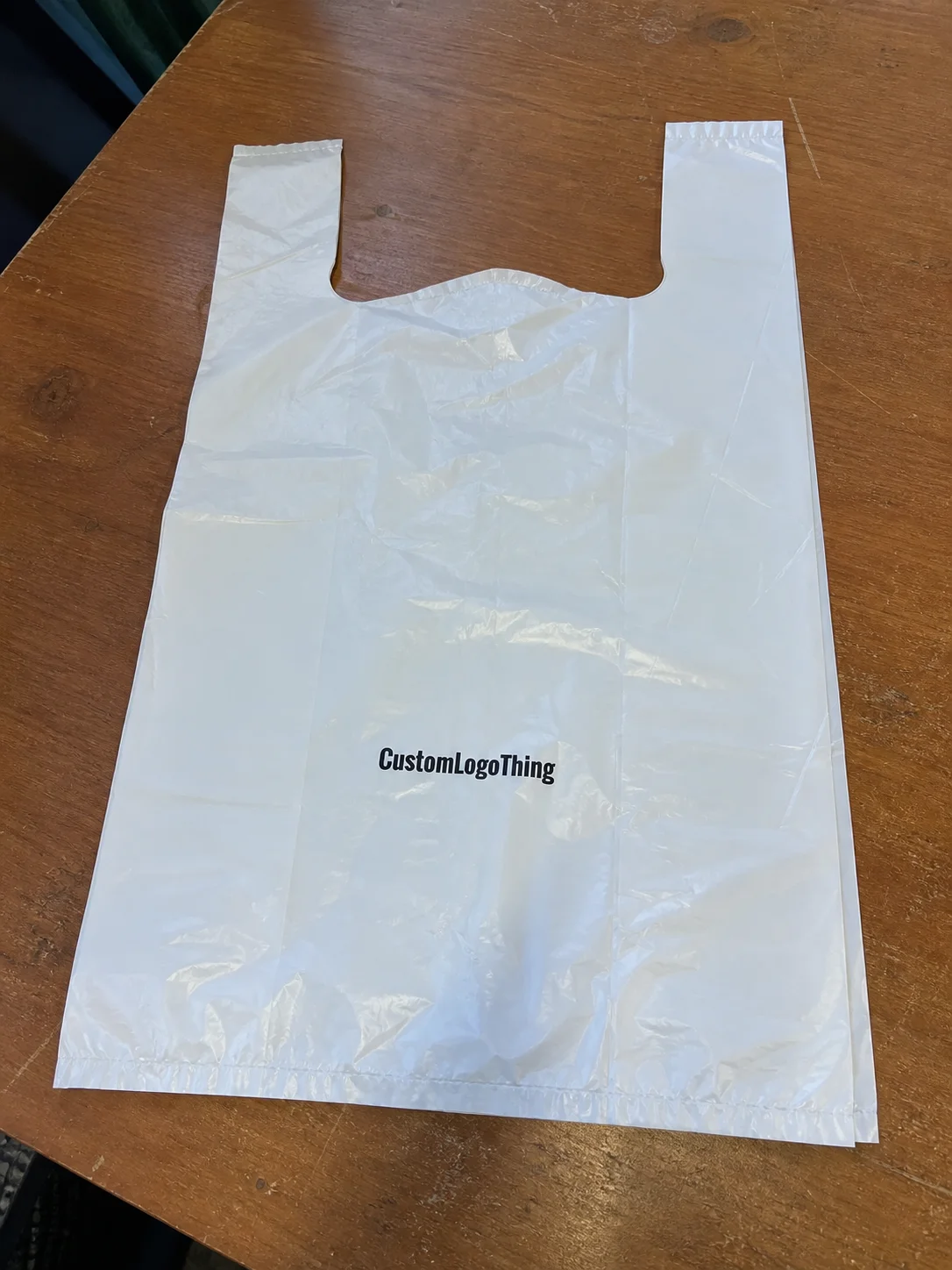
Buyer Fit Snapshot
| Best fit | Biodegradable Mailers Bulk Order projects where brand print, material claims, artwork control, MOQ, and repeat-order consistency need to be specified before quoting. |
|---|---|
| Quote inputs | Share finished size, material target, print colors, finish, packing count, annual reorder estimate, ship-to region, and any compliance wording. |
| Proofing check | Approve dieline scale, logo placement, barcode or warning zones, color tolerance, closure strength, and carton packing before bulk production. |
| Main risk | Vague material claims, crowded artwork, missing packing details, or unclear freight terms can make a low unit price expensive after revisions. |
Fast answer: Biodegradable Mailers Bulk Order: Pricing, Specs, MOQ should be specified like a repeatable production item. The safest quote records material, print method, finish, artwork proof, packing count, and reorder notes in one written spec.
Production checks before approval
Compare the actual filled-product size with the drawing, then confirm tolerance on folds, seals, hang holes, label areas, and retail display edges. Reserve space for logos, QR codes, warning copy, and material claims before decorative graphics fill the panel.
Quote comparison points
Review material grade, print process, finish, sampling route, tooling charges, carton quantity, and freight assumptions side by side. A quote is only useful when the supplier can repeat the same color, closure quality, and packing count on the next order.
Buyers searching for a biodegradable mailers bulk order usually start with one number: unit price. Fair enough. I have sat through enough procurement calls to know the first spreadsheet column gets the most attention. In one Nashville apparel rollout, the team fixated on a quoted $0.13 per unit and ignored seal failure rates that later pushed the effective cost to $0.21 after returns and reships. The real math is rarely that tidy. Waste fees, failed seals, transit damage, and repeat reorders can push the true cost higher than a slightly pricier mailer with better specs and steadier print consistency.
From the packaging side, a biodegradable mailers bulk order is not a sustainability purchase first. It is a supply decision. If the mailer protects apparel, cosmetics, or accessories, supports a brand’s presentation, and keeps freight and returns under control, it earns its place. If not, it becomes a pretty liability. I have seen both outcomes on the same dock in Long Beach, which is a cheerful little reminder that packaging has a cruel sense of humor.
At Custom Logo Things, the goal is simple: help you compare biodegradable mailers bulk order options on facts, not slogans. You need pricing tiers, MOQ clarity, material specs, and production timing you can actually plan around. A typical custom run may quote at $0.15 per unit for 5,000 pieces, with a 12- to 15-business-day timeline from proof approval, and that kind of detail changes how a buyer schedules inventory. That is the kind of detail this article is built around.
Why Biodegradable Mailers Bulk Order Makes Sense
The first mistake I see buyers make is judging packaging only by the unit quote. A mailer at $0.14 can look better than one at $0.19 until you discover the cheaper option tears in transit or fails adhesive tests under cold-storage conditions. Then the reprint, reship, and customer service costs show up. In one Toronto trial, the lower-price option drove an extra 7.8% in replacement shipments over six weeks. Suddenly the “saving” is gone. I remember one client who was thrilled about shaving a few cents off every bag until their returns mailbox started looking like a disaster movie.
A biodegradable mailers bulk order improves the unit economics because quantity works in your favor. A small run might carry higher setup charges, slower production attention, and less favorable freight pricing. In contrast, a larger order often spreads tooling, plate costs, and freight more efficiently. A factory in Dongguan might quote a $65 plate charge on a short run and absorb that across 500 pieces, but the same charge becomes far less painful at 10,000 units. That is basic procurement, not marketing.
When I visited a West Coast fulfillment operation in Oakland last year, their team showed me a pallet of returned mailers from a previous supplier. The seal tape had failed in winter transit. They saved $420 on the first order and lost more than $2,000 in replacements and labor. That is the sort of story that changes how people evaluate a biodegradable mailers bulk order.
There is also the brand side. Customers notice packaging. A clean logo on an eco-friendly mailer signals control, not just intent. That matters in apparel, indie beauty, subscription boxes, and lightweight accessories. A strong biodegradable mailers bulk order can support the unboxing experience while reducing landfill impact compared with conventional poly mailers, especially when the mailer is sized properly instead of being oversized by habit.
Some buyers overstate the sustainability angle and understate the operational one. The stronger argument is this: a well-specified biodegradable mailers bulk order can reduce damage rates, stabilize inventory, and keep replenishment predictable. Sustainability is part of the case. It is not the entire case. A 4% drop in damaged shipments can matter more than a marketing claim on the outer flap.
| Buying approach | Typical unit cost | Setup burden | Risk profile | Best fit |
|---|---|---|---|---|
| Small quantity order | $0.22–$0.38/unit | Low upfront, but frequent reorders | Higher freight per unit, more stockouts | Testing a new SKU or artwork |
| Biodegradable mailers bulk order | $0.11–$0.24/unit | Higher initial commitment | Lower per-unit cost, better continuity | Ongoing shipping programs |
| Mixed inventory strategy | $0.14–$0.28/unit | Moderate planning required | Balanced flexibility and savings | Seasonal brands and launch cycles |
For buyers under pressure from finance and operations, a biodegradable mailers bulk order is easier to defend because it shows a measurable path to lower landed cost per shipment. The key is to compare like for like: same size, same thickness, same print coverage, same freight terms. If you do not compare those variables, the quotes are not really comparable. A $0.16 quote on 9 x 12 mailers is not a bargain against a $0.18 quote on 10 x 13 if the smaller size forces product compression and higher return rates.
If you need a broader packaging source while planning your mailer purchase, our Custom Packaging Products page can help you map related items such as tissue, cartons, and inserts. That matters because buyers rarely source mailers in isolation, and one 20-foot container from Shenzhen often carries mailers with two or three adjacent packaging SKUs.
Biodegradable Mailers Bulk Order: Product Types and Materials
A biodegradable mailers bulk order can be built from several constructions, and the details matter more than most catalogs admit. Some are designed for light apparel only. Others are made to handle thicker seams, tougher handling, or moisture exposure. A film that performs well for a 12-ounce T-shirt may fail fast on a boxed candle set. The wrong choice creates expensive friction later. I have seen a “good enough” spec turn into a very expensive lesson, and nobody enjoys explaining that to finance.
The most common material families include blends with PBAT, PLA, and starch-based components. These can be engineered for flexibility, tear resistance, and appearance. A typical biodegradable film may measure 60 to 80 microns for light garments, while a heavier-use version may push toward 90 to 100 microns. “Biodegradable” does not automatically mean “compostable,” and it certainly does not mean every mailer breaks down in the same conditions. Buyers need to separate claims from standards.
In a recent supplier negotiation in Guangzhou, a client asked me whether a biodegradable mailer was the same as a compostable mailer. The short answer was no. The longer answer was that the supplier’s claim sheet used the word biodegradable, while the compostable product required specific certification, controlled conditions, and a different end-of-life story. That distinction matters in a biodegradable mailers bulk order because compliance language gets printed on Packaging and Marketing pages fast, sometimes before anyone checks whether the country of sale recognizes the same terms.
“The mailer looked almost identical in hand, but the spec sheet told a different story. The client saved money only after we matched the construction to the actual shipping profile.”
For a biodegradable mailers bulk order, buyers usually choose among a few practical formats:
- Standard shipping mailers for apparel, socks, lightweight textiles, and paper goods.
- Tamper-evident mailers for cosmetics, subscription kits, and items that need visible closure integrity.
- Custom-printed mailers for brand building and retail presentation.
- Opaque mailers where privacy or product concealment matters.
- Dual-seal or peel-and-stick options for returns or reuse scenarios.
For apparel brands, the best-performing biodegradable mailers bulk order is usually a flexible film with enough puncture resistance to survive conveyors, corners, and rough handling. Cosmetics buyers often care more about appearance and seal quality. Accessories brands tend to sit in the middle, wanting good graphics and respectable tear resistance without overpaying for unnecessary thickness. A 9 x 12 mailer with a 60-micron film can work for jewelry pouches, while a 10 x 14.5 mailer with a 90-micron structure is more realistic for folded knitwear or small boxed items.
One factory-floor lesson sticks with me. In Shenzhen, a production manager pulled three mailer samples from the line and folded them hard at the edge seal. The thin one split at the corner. The heavier one held. The third had a better seal design and outperformed both. That is why a biodegradable mailers bulk order should never be chosen on film thickness alone. Seal geometry, adhesive width, and the placement of the seam can matter just as much as the film spec.
Readers who still use standard materials for comparison can review our Custom Poly Mailers page to see how classic poly constructions differ in feel, opacity, and shipping performance. That comparison often clarifies why a biodegradable mailers bulk order may cost a bit more but protect value better, especially when compared against a standard 50-micron poly mailer versus a 70-micron biodegradable alternative.
For end-of-life claims, buyers should also check whether the supplier references recognized frameworks or testing standards. The EPA is a good starting point for waste and environmental context, while packaging certifications often point to material handling and disposal guidance. Do not assume every green label means the same thing in every market, whether the order ships to California, Ontario, or the United Kingdom.
Specifications to Check Before You Place a Biodegradable Mailers Bulk Order
Specifications are where a biodegradable mailers bulk order either succeeds or becomes a headache. I have seen brands approve artwork before confirming size, only to discover the logo lands too close to the seal edge. I have also seen buyers ignore load capacity and then complain when the mailer stretches around folded hoodies. That is avoidable, even if it does mean slowing down for five minutes and reading the spec sheet like it owes you money.
Start with dimensions. A 6 x 9 inch mailer and a 10 x 13 inch mailer are not interchangeable just because the product “mostly fits.” The right size lowers void space, improves carton packing, and helps with dimensional weight. In shipping, that is money. If you are sending out 3,000 parcels a month, saving even 0.3 ounces per parcel can matter in aggregate. On a Los Angeles to Dallas lane, that can translate into noticeable freight relief over a quarter.
Then check film thickness, often shown in microns or mils depending on the supplier. For a biodegradable mailers bulk order, common ranges sit around 50–100 microns, but the right number depends on what is inside. A lightweight T-shirt does not need the same build as a boxed accessory set. For example, a 70-micron film may be enough for soft goods, while a 95-micron construction is safer for items with sharper edges or denser corners.
Seal type matters too. Adhesive performance can vary by temperature, humidity, and storage time. A strong peel-and-stick closure should hold during line packing and transit. If your warehouse sits in Phoenix, ask how the adhesive behaves at 100°F dock temperatures. If products ship through Minnesota in January, ask the same question in cold conditions and request a test strip that holds after 24 hours at low temperature.
What to verify before approving artwork
- Print area: Make sure your logo does not crowd the edges or seals.
- Color count: One-color printing often costs less than two- or three-color work.
- Finish: Matte, gloss, or soft-touch affects perceived quality.
- File format: Vector files are usually safer for sharp print.
- Bleed and safe zone: Confirm the printer’s required margins.
For brands that want traceability, ask for certification references. FSC is more common for paper-based packaging, but a supplier may still provide material declarations or testing references for a biodegradable mailers bulk order. If the supplier cannot explain their material claims in plain language, keep asking questions. For broader packaging standards and industry context, Packaging Industry Association resources are useful reference points. A factory in Dongguan, for instance, may provide batch records, film composition notes, and a signed declaration of conformity if you ask before deposit payment.
One cosmetics client I worked with nearly approved a run without checking opacity. The mockup looked good on screen, but the actual sample let darker product cartons show through under strong light in a Miami showroom. They fixed it by moving to a different film structure. That saved a full reprint. This is why sample approval is not optional in a biodegradable mailers bulk order.
Ask for samples every time. Hold them in your hand. Test closure strength. Drop a filled sample from desk height. Rub the print with a dry cloth. These are simple checks, but they tell you more than a polished PDF. A serious biodegradable mailers bulk order should never move forward without physical verification. A sample that survives a 36-inch drop onto concrete and keeps the adhesive closed tells you more than a marketing sentence ever will.
Also ask for disposal guidance. Some suppliers make broad environmental claims and leave buyers to sort out the rest. That is not enough. You want the exact wording that can be used internally and, if needed, externally. Claims should match the product spec sheet, not a sales line. If your distributor operates in Seattle but your end customers are in Texas, the wording still needs to be consistent across channels.
Biodegradable Mailers Bulk Order Pricing, MOQ, and Unit Economics
Pricing for a biodegradable mailers bulk order is usually shaped by five variables: size, material structure, print coverage, quantity, and freight terms. Miss one of those and you can misread the quote by a wide margin. I have seen buyers focus on a beautiful per-unit number, only to discover the shipping cost was almost as large as the product cost. That usually ends with a very quiet room and a lot of calculator tapping.
As a rough commercial range, stock-style biodegradable Mailers in Bulk can fall around $0.11 to $0.24 per unit depending on size and thickness. A 9 x 12 stock mailer at 5,000 pieces may come in at $0.15 per unit, while a 10 x 13 printed version could sit closer to $0.19 or $0.22 depending on color count and film gauge. Custom printing often adds setup and production complexity, especially if you want multiple colors or larger coverage. For a biodegradable mailers bulk order, the price ladder usually improves as quantity rises because setup costs get spread across more units.
MOQ can be the hard part. Some factories set a minimum of 1,000 to 3,000 units for stock sizes. Custom print can push that to 5,000 units or more, especially if the buyer wants exact Pantone matching, full coverage, or a custom size. A supplier in Xiamen may accept 3,000 pieces for a one-color logo, while a full-bleed design from Suzhou could require 10,000. That does not mean you should avoid the order. It means you should align the MOQ with your monthly usage instead of guessing.
I once sat in on a negotiation where the buyer wanted 2,000 units, but the factory quoted 5,000 because of print setup. The supplier looked expensive until we worked out the total landed cost and the buyer’s 90-day usage forecast. At that point, the larger biodegradable mailers bulk order was actually the safer and cheaper move. Their warehouse in New Jersey used 1,400 mailers per month, so the larger lot reduced reorder pressure and kept freight at a lower per-unit rate.
| Order tier | Indicative unit price | Typical MOQ | Best use case | Quote risk |
|---|---|---|---|---|
| Test order | $0.20–$0.38 | 500–1,000 | Sampling and launch validation | Higher freight and setup per unit |
| Biodegradable mailers bulk order | $0.11–$0.24 | 1,000–5,000+ | Regular shipping programs | Need accurate forecasting |
| High-volume repeat order | $0.09–$0.18 | 10,000+ | Established fulfillment operations | Inventory carrying cost increases |
Compare quotes on a like-for-like basis. If one supplier offers a lower unit price but charges more for freight, tooling, or artwork revisions, the real savings may disappear. A smart biodegradable mailers bulk order review includes:
- Unit price at your exact size and thickness.
- Print setup cost and whether it is one-time or per run.
- Freight terms to your warehouse or port.
- Sample charges and whether they are credited later.
- Payment terms such as deposit balance or net terms.
Ask for landed cost, not just EXW or FOB unit price. The landed cost captures what the packaging actually costs to receive and put into use. That is the number your CFO cares about, and it is the only number that tells the truth in a biodegradable mailers bulk order. A quote of $0.17 ex-factory from Shenzhen can become $0.24 landed in Chicago once inland freight, import handling, and warehouse receiving are included.
If you need a broader supply structure for comparison, our Wholesale Programs page outlines how volume pricing tends to work across packaging categories. That is useful when you are deciding whether to consolidate multiple SKUs into one buying cycle, especially if your cartons, labels, and mailers all re-order on the same 60- to 90-day rhythm.
Color count affects price. One-color logos are the easiest to run. Two-color or full-bleed graphics add cost and may require tighter registration checks. If your brand can achieve the look with a single bold mark, you may save enough to improve the economics of the entire biodegradable mailers bulk order. A one-color run may stay near the low end of the quote range, while a two-color layout can add $0.01 to $0.03 per unit depending on the factory and quantity.
How the Biodegradable Mailers Bulk Order Process Works
The process for a biodegradable mailers bulk order is usually more predictable than first-time buyers expect. The path looks simple on paper, but each step has decision points that can move the schedule by days or even weeks. That is why a clear timeline matters, especially if your launch date is fixed in mid-June and your inventory arrives from Asia through the Port of Los Angeles.
It usually starts with a quote request. You share dimensions, target quantity, print needs, and shipping destination. The better the input, the cleaner the quote. If you only send “need eco mailers,” expect delays. If you send exact size, thickness target, print colors, and monthly usage, the conversation moves faster. A well-prepared request might specify 10 x 13 inches, 70 microns, one-color black logo, and 5,000 units delivered to Atlanta.
Next comes artwork review. In my experience, most delays happen here. Files arrive as low-resolution JPGs, with no bleed, or with text too close to the edge. A strong supplier will flag issues before production. That is not being picky. That is preventing waste in a biodegradable mailers bulk order. A correct vector file can save two revision rounds and shave several days off the schedule.
Then proofing begins. Digital proofs are common, and physical samples may be offered for custom jobs. If your mailer includes a logo, color matching should be discussed early. A Pantone reference helps, but exact matching on film is not always identical to coated paper. Buyers who expect paper-like results from flexible mailers are often disappointed for the wrong reason. On a matte biodegradable film, a deep navy may print slightly softer than it does on a 350gsm C1S artboard box, and that difference should be planned for.
A realistic production timeline for a biodegradable mailers bulk order can look like this:
- Quote and spec confirmation: 1–3 business days.
- Artwork proofing: 2–5 business days.
- Sample approval: 3–7 business days if physical samples are needed.
- Production: 10–18 business days depending on quantity and print complexity.
- Freight transit: varies by lane, often 5–30 days.
That schedule is not fixed. It depends on the factory queue, raw material availability, print method, and shipping lane. If a supplier promises everything in a tiny window without seeing your artwork, be cautious. I prefer suppliers who tell the truth about the bottleneck. A buyer sourcing from Jiangsu, for instance, may get production in 12 business days, while the same spec in a peak season queue in Foshan may take closer to 18.
One client preparing for a subscription box launch nearly missed their ship date because they approved a proof with the wrong logo positioning. We caught it before print, but only because they had a sample review step built in. That one-hour check avoided a month of problems. A biodegradable mailers bulk order deserves that discipline.
For operational planning, a buyer should place the order well before the inventory gets thin. I recommend building in a buffer equal to at least 20% of the transit window. If transit is 20 days, protect yourself with 4 extra days of cushion. In fast-moving fulfillment, that margin is cheap insurance. If your peak season starts in October, the order should be locked by late August rather than after the warehouse count has already fallen below two weeks of supply.
Why Choose Us for Biodegradable Mailers Bulk Order
Custom Logo Things is built for buyers who want useful answers, not fluffy claims. On a biodegradable mailers bulk order, the real value is reliability: consistent sizing, clear print, honest MOQ guidance, and production support that does not disappear after the quote lands in your inbox. That matters whether the order ships from Ningbo to Vancouver or from Houston to a regional fulfillment center in Charlotte.
We focus on practical fit. That means helping you choose a mailer that matches the product, not just the budget. If your assortment includes tees, socks, and small accessories, we can help map the size mix so you are not overpaying for excess film. If you need stronger closure performance, we can discuss adhesive choices and seal style before production starts. For example, a dual-adhesive strip may make sense if you need a return-ready option and want to reduce secondary packaging costs by a few cents per parcel.
Quality control is not a slogan here. It is a checklist. We review dimensions, artwork alignment, print coverage, and packing consistency. In a biodegradable mailers bulk order, a small deviation can create a large warehouse issue. A 2 mm shift in print placement may look minor on screen. On a production run of 10,000 units, it becomes a customer-facing error that can affect every pallet loaded in a facility outside Shanghai.
I have seen factories succeed because they were careful, and I have seen them fail because they rushed the proof stage. What most people get wrong is assuming all mailers from the same category behave the same. They do not. Two biodegradable films can feel similar and perform very differently in closure tests and transit handling. That is why the supplier conversation matters, especially if your products are moving through hot inland routes in Texas or damp coastal routes in Georgia.
We also believe in transparent quoting. If a biodegradable mailers bulk order involves setup, freight, or custom tooling, those charges should be visible. Hidden costs create mistrust. Clear cost breakdowns build better buying decisions. If the quote includes $120 in tooling, $80 in sample freight, and a separate carton fee, you should see those figures line by line before you commit.
If you want to compare packaging categories before committing, our FAQ page answers common sourcing questions, and it can save time before you send artwork. For buyers who still want a benchmark against conventional film, comparing against Custom Poly Mailers helps isolate where the eco option changes cost and performance, especially if your current poly option costs $0.12 and your biodegradable version comes in at $0.16 with stronger brand value.
“The supplier that wins the order is not always the cheapest. It is usually the one that explains the tradeoffs clearly and ships what it promised.”
That has been my experience across enough client meetings to trust it. A biodegradable mailers bulk order should give you confidence in the product and confidence in the process. If it does both, the purchase becomes easier to defend internally and easier to repeat. That kind of consistency is worth more than a one-time discount that disappears the moment the next PO is due.
How do you choose the right biodegradable mailers bulk order?
The right choice starts with shipping reality, not branding preference. Match the mailer to product weight, shape, and transit conditions, then compare quote structure and supplier support. A biodegradable mailers bulk order should be selected by fit, seal strength, print quality, and landed cost, with sustainability claims verified against the product spec sheet. If a 70-micron mailer handles your returns, resists punctures, and keeps freight in line, that is better than a prettier option that looks good only on a mockup.
Next Steps to Place Your Biodegradable Mailers Bulk Order
If you are ready to move, start with a simple checklist. A good biodegradable mailers bulk order begins with accurate data, not guesswork. Confirm the product size, estimate monthly usage, identify whether you need stock or custom print, and collect your logo files in vector format if possible. If your packaging is tied to a Q4 launch in Chicago, that paperwork should be ready before the calendar flips to September.
- Size: exact internal dimensions of the products you ship.
- Quantity: monthly forecast and 90-day total usage.
- Print needs: one-color, two-color, or full custom branding.
- Material preference: standard biodegradable, enhanced tear resistance, or custom construction.
- Delivery window: warehouse date, launch date, or seasonal peak.
When you request a quote, ask for unit price, MOQ, sample availability, artwork setup requirements, and estimated production time. If the supplier gives you only one number, that is not enough for a real buying decision. A proper biodegradable mailers bulk order quote should show the commercial picture end to end. A good reply might say 5,000 pieces at $0.15 each, $75 for setup, and 14 business days from proof approval to finished goods.
If you need to test before you commit, order samples. Test seal strength, opacity, and print finish. Fill one with your heaviest realistic item and inspect the edge seams. Then compare the result against your current mailer or a standard poly alternative. That side-by-side comparison usually settles the discussion quickly. If your product is a 2.2-pound knit sweater, a sample should hold without stretching at the flap or splitting at the side seam.
I have watched buyers delay for weeks because they hoped to find the perfect quote. In practice, the smarter path is to define the spec, request 2–3 comparable quotes, and pick the supplier that offers the best balance of price, compliance, and execution. That is how a biodegradable mailers bulk order should be bought. It is less like hunting for a miracle and more like building a repeatable supply line.
If you are ready to source, reach out with your dimensions, artwork, and estimated quantity. We can help you evaluate options, compare structures, and move from interest to purchase without wasting time. A well-planned biodegradable mailers bulk order should feel like a controlled procurement decision, not a leap of faith.
What is the minimum quantity for a biodegradable mailers bulk order?
MOQ varies by size, material, and print requirements. Stock mailers may start around 1,000 to 3,000 units, while custom printing often begins at 5,000 units or higher. Ask for the MOQ before approving artwork so the biodegradable mailers bulk order matches your budget and forecast. A supplier in Shenzhen may accept 2,000 plain pieces but require 5,000 once a logo and custom color are added.
How do biodegradable mailers compare to compostable mailers in bulk orders?
Biodegradable describes breakdown over time, while compostable implies specific composting conditions and standards. Buyers should confirm disposal claims with the supplier and avoid assuming the terms mean the same thing. Use the product specification sheet to verify certifications and recommended end-of-life handling for a biodegradable mailers bulk order. If you sell into California or the EU, the exact language matters even more.
Can I print my logo on biodegradable mailers bulk order packaging?
Yes, custom printing is typically available in one or more colors depending on the material and production method. Logo placement, print coverage, and file quality affect the final appearance. Ask for a digital proof or sample before production starts so your biodegradable mailers bulk order is approved with confidence. Many buyers also request a Pantone reference and a mockup showing the logo at full size.
What affects pricing the most in a biodegradable mailers bulk order?
Material construction, size, print complexity, and total quantity are the biggest drivers. Shipping costs and any custom tooling can also change the final landed cost. Comparing unit price alone can hide higher freight or setup charges in a biodegradable mailers bulk order. A 10 x 13 custom print from Dongguan may cost more than a stock 9 x 12 piece, but it can still be cheaper at the landed level if the fit reduces void space and freight weight.
How long does production usually take after I place a biodegradable mailers bulk order?
Timing depends on artwork approval, quantity, and whether the order is stock or custom printed. Samples and proof approvals can add time before production begins. Ask for a timeline that separates proofing, manufacturing, and shipping so there are no surprises in your biodegradable mailers bulk order. A common timeline is 12 to 15 business days from proof approval, plus shipping time that can range from 5 to 30 days depending on the route.
For buyers who want a sourcing partner that treats packaging like a real operational input, not a buzzword, the right biodegradable mailers bulk order can improve cost control, brand presentation, and fulfillment reliability at the same time. The practical next step is to lock your size, forecast your 90-day usage, request comparable landed-cost quotes, and approve samples before production. That is the cleanest path to a purchase you can defend, repeat, and actually sleep on.