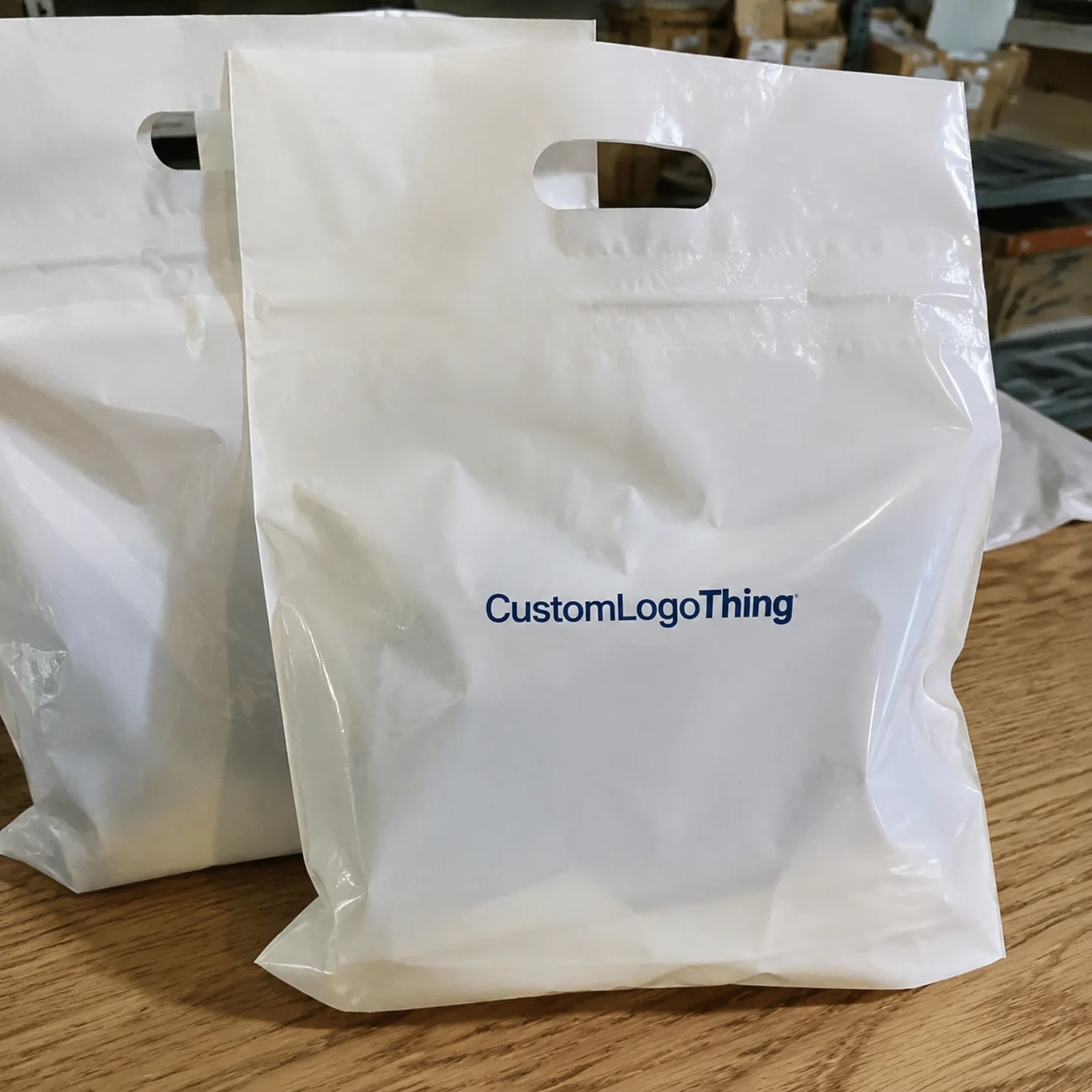
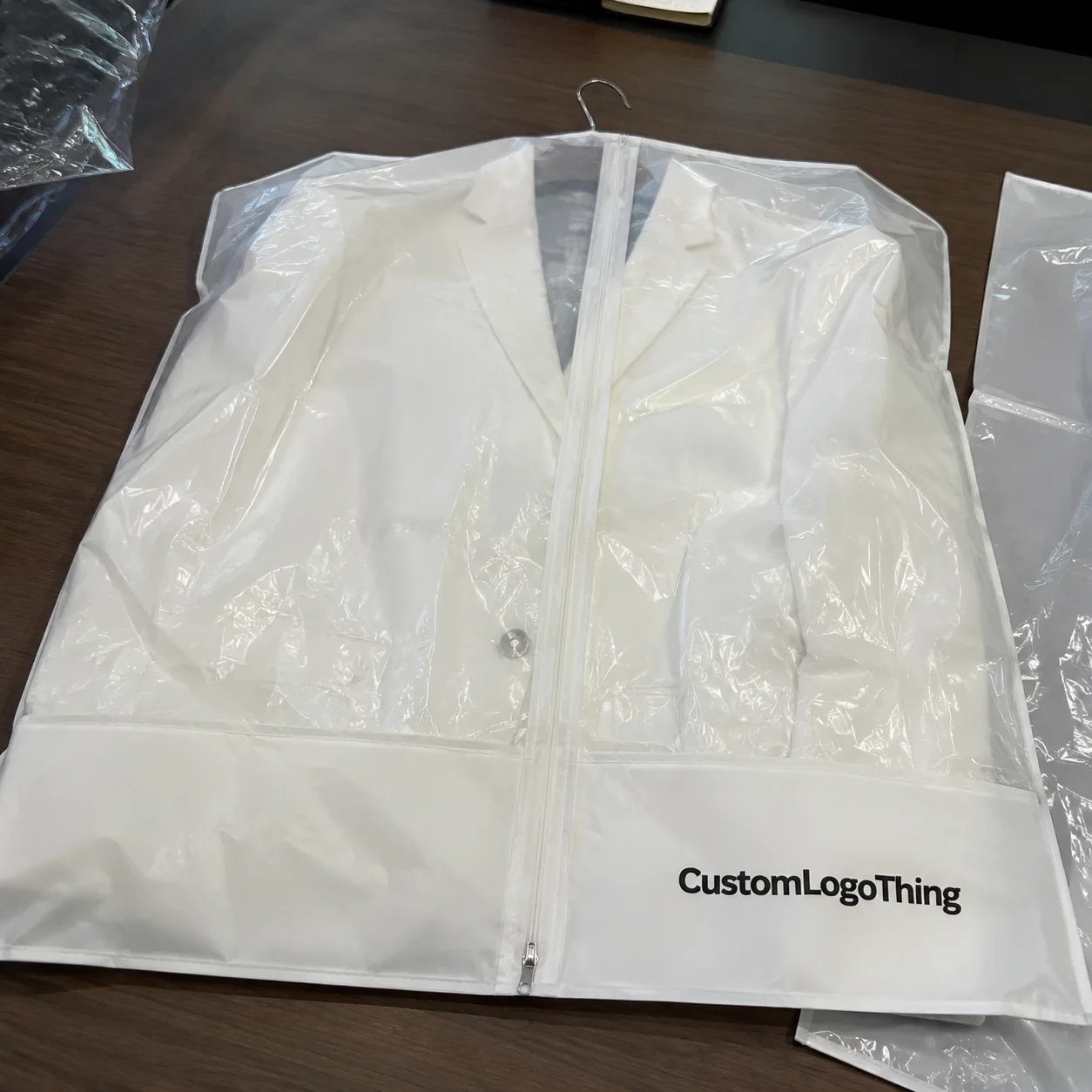
Buyer Fit Snapshot
| Best fit | Biodegradable Mailers Manufacturer projects where brand print, material claims, artwork control, MOQ, and repeat-order consistency need to be specified before quoting. |
|---|---|
| Quote inputs | Share finished size, material target, print colors, finish, packing count, annual reorder estimate, ship-to region, and any compliance wording. |
| Proofing check | Approve dieline scale, logo placement, barcode or warning zones, color tolerance, closure strength, and carton packing before bulk production. |
| Main risk | Vague material claims, crowded artwork, missing packing details, or unclear freight terms can make a low unit price expensive after revisions. |
Fast answer: Biodegradable Mailers Manufacturer: Film, Print, MOQ, and Carton Packing should be specified like a repeatable production item. The safest quote records material, print method, finish, artwork proof, packing count, and reorder notes in one written spec.
Production checks before approval
Compare the actual filled-product size with the drawing, then confirm tolerance on folds, seals, hang holes, label areas, and retail display edges. Reserve space for logos, QR codes, warning copy, and material claims before decorative graphics fill the panel.
Quote comparison points
Review material grade, print process, finish, sampling route, tooling charges, carton quantity, and freight assumptions side by side. A quote is only useful when the supplier can repeat the same color, closure quality, and packing count on the next order.
I’ve stood beside blown film lines where a biodegradable mailers manufacturer was pulling 18-inch layflat film off a cooling tower, and I can tell you this: the phrase “eco-friendly” can hide a lot of different resin recipes, film blends, and shortcuts. If you’re buying mailers for apparel, beauty products, or light accessories, the difference between a careful biodegradable mailers manufacturer and a broker reselling stock bags can show up in seam strength, adhesive hold, and even whether the carton arrives with crushed corners or clean stacks.
At Custom Logo Things, I’ve seen brand teams get excited about greener packaging, then get stuck because the sample looked nice but failed a simple drop test from 36 inches onto concrete. That’s why I always start with the same question: what is the biodegradable mailers manufacturer actually making, and what proof do they have that the bag performs under real shipping conditions?
For helpful background on packaging standards and material choices, you can also review Packaging Machinery Manufacturers Institute resources, or check environmental labeling guidance from the U.S. Environmental Protection Agency.
What a Biodegradable Mailers Manufacturer Actually Does
A biodegradable mailers manufacturer does far more than print a logo on a bag. The real work starts with resin selection, because some so-called eco mailers use conventional polyethylene with additives, while others use bio-based blends, and those two categories behave very differently in extrusion and in disposal. I’ve walked through plants in Shenzhen where the resin silos were labeled by grade and additive package, and the better factories had batch records tied to every production lot, not just a sales brochure with a leaf on it.
In plain language, biodegradable mailers are shipping bags designed to break down under certain environmental conditions, but that does not mean every bag disappears the same way in a backyard, a landfill, or an industrial composting facility. A standard poly mailer is usually made from polyethylene, which is durable, moisture resistant, and inexpensive, while a biodegradable version may use different polymer chemistry, additive loading, or a blended structure that changes how the film behaves over time. Compostable mailers are a separate category again, and a serious biodegradable mailers manufacturer should be able to explain the exact standard, the expected conditions, and the limits of the claim.
The manufacturer, not the broker, is responsible for film formulation, blown film extrusion, slitting, flexographic printing, bag conversion, sealing, and quality control. That matters because a reseller can promise a low price and a cute logo, but only an actual biodegradable mailers manufacturer can tell you whether the extrusion line is running 50 microns or 80 microns, whether the side seal is rated for 3 kg or 7 kg, and whether the adhesive strip still closes after the bag sits in a warehouse for six weeks at 30°C.
Good construction details are easy to miss if you’ve never handled thousands of bags. I look for consistent seal strength, clean tear resistance, a closure strip that peels once and sticks once, and film thickness that matches the shipment profile. If a mailer is too thin, it can split at the corners. If the adhesive is weak, fulfillment teams end up taping every box anyway, which defeats the point. And if the gusset is poorly formed, the bag may puff awkwardly around folded garments and waste space in the carton packout.
“I’d rather see a biodegradable mailers manufacturer show me a failed test report than a polished marketing claim,” one warehouse manager told me during a buyer audit in southern China. “At least then I know they’ve actually measured something.”
That honesty is rare, but it’s the right standard. A dependable biodegradable mailers manufacturer should have incoming resin checks, in-process inspection, finished-goods carton counts, and compliance paperwork ready before the shipment leaves the plant. If they can’t walk you from resin receiving to pallet wrap, you’re probably dealing with a middle layer, not the source.
For companies comparing packaging formats, it also helps to review Custom Packaging Products and see how mailers fit with labels, cartons, and inserts across a full shipping system.
How Biodegradable Mailers Work in Real Production
Behind the scenes, a biodegradable mailers manufacturer usually starts with resin blending or compounding, where the base material and any biodegradable additive package are measured to the gram. Then the material goes through blown film extrusion, where it’s heated, inflated through an annular die, cooled, flattened, and wound into rolls. I’ve stood next to a 3-layer blown film line where the operator was checking bubble stability every few minutes, because a tiny temperature swing can change film gauge consistency across the whole roll.
After extrusion, the film is slit, printed, and converted into finished bags on side-seal or bottom-seal machines. If the order calls for logo printing, flexographic plates are mounted, ink viscosity is matched to the film surface, and the press speed is adjusted to protect registration. A good biodegradable mailers manufacturer will watch ink adhesion closely, because some eco films accept print differently than standard poly mailers, especially when the design uses heavy solid coverage or fine white type on a dark base.
Material science matters more than most buyers expect. Some biodegradable systems are tuned for breakdown under industrial composting conditions, while others depend on oxygen exposure, heat, moisture, and microbial activity over time. That means storage conditions can influence performance, and so can the thickness of the film, the percentage of additive loading, and whether the bag is held in a hot distribution center for eight weeks before use. I think this is where many brands get tripped up: they assume one label describes one behavior, but the real answer depends on chemistry, temperature, humidity, and disposal path.
Performance tradeoffs are normal. A mailer That Holds Up like conventional poly during parcel transit may degrade more slowly than a thinner, more aggressively formulated option, while a faster-degrading bag may give up some puncture resistance. A seasoned biodegradable mailers manufacturer should be candid about that balance. In one client meeting, I watched a cosmetics brand choose a slightly heavier 60-micron bag over a 45-micron version because the product had glass jars and sharp corners; they accepted a few cents more per unit to avoid breakage and returns.
Quality control is where the plant proves its discipline. Typical checks include width and length measurements, dart impact, seal integrity, drop simulation, and ink rub testing. If the order is going to a fulfillment center that runs 1,500 parcels per shift, the mailer should also be tested for smooth feeding and closure behavior so the packing team doesn’t slow down. A strong biodegradable mailers manufacturer will document those results and keep samples from each lot.
If you want a familiar point of comparison, look at how traditional Custom Poly Mailers are specified, then compare thickness, closure type, and print method line by line. That side-by-side view makes the eco conversation much clearer.
Key Factors That Affect Quality, Compliance, and Pricing
Several variables drive whether a biodegradable mailers manufacturer can deliver a bag that performs well and stays within budget. The biggest are material type, thickness, bag dimensions, print complexity, certification requirements, and order quantity. A 10 x 13 inch bag with one-color print is a very different job from a 14 x 19 inch bag with full-coverage artwork, a peel-and-seal strip, and custom hang-hole punching.
Pricing deserves a direct answer. In most cases, biodegradable mailers cost more than standard polyethylene mailers, often because the resin itself carries a premium, production yields can be lower, and testing or certification adds overhead. I’ve seen simple unPrinted Biodegradable Bags quote around $0.18 to $0.28 per unit at 5,000 pieces, while standard poly versions might sit closer to $0.09 to $0.15 depending on size and gauge. Add two-color flexo printing, and the total can climb by $0.03 to $0.08 per bag once plate charges and setup time are included. Those numbers move with region, volume, and resin market conditions, so they should be treated as planning ranges, not promises.
Custom printing affects cost in very concrete ways. Each color usually means another plate, another setup step, and more press calibration. If the artwork has a gradient, metallic effect, or edge-to-edge coverage, the biodegradable mailers manufacturer may need slower line speeds to keep registration tight. That’s not a sales tactic; it’s simply what happens when you ask a flexo press to hold fine detail on a film that behaves slightly differently from conventional poly.
Compliance is another place where buyers can get burned. Claims about biodegradability often need support from ASTM-style test references, industrial compostability documentation, or region-specific labeling rules. Some markets also expect clear language about disposal, because “biodegradable” is not a universal promise. A trustworthy biodegradable mailers manufacturer should be able to provide supporting paperwork, and if they mention certification, you should ask exactly which standard applies and what the claim covers. For broader industry reference, the International Safe Transit Association has useful transit testing context, and the Forest Stewardship Council is helpful when your packaging program includes paper-based components.
Lead time depends on more than a production calendar. Resin availability can shift, artwork approval may take days, tooling for a new size can add another week, and a factory with a full queue may simply not be able to slot your job immediately. A biodegradable mailers manufacturer that controls extrusion, printing, and bag conversion in-house usually has better timing visibility than one outsourcing half the process. Short runs can be economical for brand testing, but once you cross into repeat monthly volumes, the unit cost often drops enough to justify a larger order and a buffer stock strategy.
How to Choose a Biodegradable Mailers Manufacturer
If you’re comparing suppliers, start by separating a true biodegradable mailers manufacturer from a trading company or stock-bag reseller. Ask where the film is extruded, where the printing is done, and whether the bags are converted in-house or passed through another plant. A direct manufacturer can usually explain resin grades, machine types, and inspection points with the kind of detail that only comes from standing on the production floor.
Then look at the factory equipment itself. A well-run plant may have a multi-layer blown film line, a flexographic press with stable registration, side-seal and bottom-seal bag conversion machines, and a QC room with micrometers, seal testers, and drop-test setups. That equipment mix does not guarantee quality, but it does tell you the biodegradable mailers manufacturer has control over the process instead of depending on outside vendors for every stage.
Ask for documentation before you discuss decoration or branding. Resin data sheets, thickness tolerances, certification references, and shelf-life guidance should come first. If those papers are vague or missing, that is usually a sign the supplier is selling around the product rather than through it. A dependable partner will also explain how the mailers should be stored, especially if your warehouse sits in a warm or humid region.
Finally, compare communication style. The best biodegradable mailers manufacturer does not drown you in jargon, but also does not reduce everything to a glossy claim. You want a supplier who can say, plainly, “This structure is best for light apparel, this one is stronger for boxed products, and this one is compostable under specific conditions only.” That level of clarity makes ordering easier and keeps your brand messaging honest.
Step-by-Step: How to Choose the Right Biodegradable Mailers Manufacturer
Start with your actual shipping needs, not the marketing mood board. What are you packing, how much does it weigh, and does the product have corners, jars, or sharp edges that can puncture a thin film? A biodegradable mailers manufacturer can only recommend the right gauge if they know whether you’re shipping 6-ounce tees, 12-ounce skincare kits, or light accessories in rigid boxes.
Ask for material data before you talk artwork. You want resin details, thickness, closure style, test data, and any certification documents available. I’ve seen buyers skip this step and go straight to logo placement, only to discover that the bag they loved couldn’t support the brand’s sustainability claims. That’s an expensive mistake, especially if the website copy and the mailer artwork end up contradicting each other.
Then compare manufacturing capabilities. Does the biodegradable mailers manufacturer run in-house extrusion and printing, or do they buy film from one supplier, print it elsewhere, and convert it somewhere else again? Every handoff adds risk. A plant with a blown film line, a flexographic press, and side-seal bag machines under one roof usually has tighter control over dimensions, finish, and lot consistency. You can ask for a factory process map; any serious supplier should have one.
Sample performance should be tested like a real shipment, not admired on a desk. Check the seams, peel the adhesive strip once, press it closed, then leave the bag in a warm room for 24 hours and open it again. Fill it with the real product, shake it, and inspect the corners. If the print matters to your brand, rub the surface lightly with a dry cloth and see whether the ink smears. A professional biodegradable mailers manufacturer will welcome that kind of testing, because it reduces surprises later.
Ask for a written quote with line-item clarity. I want to see bag cost, print setup, tooling, certification fees if any, freight terms, and packaging details such as carton count or pallet pattern. When a quote is vague, that usually means the first invoice will not be pleasant. A good biodegradable mailers manufacturer knows that transparent pricing builds repeat business, especially for private-label brands that reorder every quarter.
Before full production, approve a proof or a pre-production sample. This is the step many teams rush, and then they regret it when the logo sits 6 mm too low or the closure strip overlaps the artwork. I’d rather spend one extra day on proofing than scrap 20,000 bags because a barcode landed in the seal area.
Common Mistakes Buyers Make When Ordering Eco-Friendly Mailers
The first mistake is choosing on language alone. A package can look sustainable, sound sustainable, and still be the wrong material for your shipping profile. If a biodegradable mailers manufacturer cannot tell you the exact structure and disposal pathway, keep asking questions.
Second, buyers often ignore seal performance. The adhesive strip is not decoration. If the closure loses tack in a humid warehouse or after repeated handling, you’ll see open packages, returns, and customer complaints. I once sat with a fulfillment supervisor who showed me 400 returned garments in one week because a low-cost mailer failed at the peel strip; the packaging savings were wiped out by repack labor and refunds.
Third, thickness gets overlooked. A thin bag may save fractions of a cent, but if the product has buttons, zippers, or boxed accessories, the film can scuff or tear during conveyor handling. The right biodegradable mailers manufacturer will talk about gauge in practical terms, not just in abstract sustainability language.
Fourth, storage conditions Matter More Than many teams realize. Heat, sunlight, and high humidity can affect adhesive performance and, over time, the behavior of some eco formulations. If your distribution center sits in a hot climate, ask the manufacturer how the bags should be stored and whether there are shelf-life recommendations.
Fifth, buyers skip sample testing and discover too late that the mailer size is off by 15 mm or the finish doesn’t match the brand look. That’s especially painful when you’ve already approved artwork and printed cartons. Finally, some brands assume every supplier can produce custom work in-house, when in reality many are simply resellers of stock formats. A real biodegradable mailers manufacturer should be able to describe the equipment, the process, and the test method without hesitation.
Expert Tips for Working Smoothly With a Manufacturer
Send a finished product sample or a precise die-line early. The best biodegradable mailers manufacturer can estimate bag size from a product photo, but a physical sample removes guesswork, especially if the item is boxed, folded, or irregular. I’ve seen a 2 cm difference in pack-out change the bag spec enough to affect freight and carton loading.
Keep your sustainability claims grounded in paperwork. If your website says the mailer is biodegradable, make sure the resin, test report, and labeling language all support that statement. A responsible biodegradable mailers manufacturer should be able to align with that standard and tell you what cannot be claimed. That kind of caution protects the brand and avoids awkward compliance conversations later.
Design artwork with production reality in mind. Strong contrast, fewer colors, and clear disposal messaging tend to print more cleanly and read better on the bag. If you need edge-to-edge coverage or tiny legal text, build extra time for proofing. On one press visit, I watched a 4-color design lose legibility because the type sat too close to a seam; the fix was simple, but it required a revised proof and another day of sign-off.
Order a pilot run if the mailers will feed into a fast packing line. Even 500 or 1,000 units can reveal issues with slip, sealing, or warehouse handling that a desk sample won’t show. A dependable biodegradable mailers manufacturer won’t push back on this request; they’ll usually appreciate the chance to prove the job before a larger release.
Finally, confirm carton pack counts, pallet patterns, and shipping method before release. A bag that performs well is still a problem if it arrives in cartons that are too heavy, poorly stacked, or labeled inconsistently. Packaging is not just the bag itself; it’s the entire path from the factory floor to the packing bench.
What to Do Next Before You Place an Order
Build a simple specification sheet before you contact a biodegradable mailers manufacturer. Include bag size, thickness, color, print count, closure style, monthly volume, target budget, and any certification language you expect to use. The clearer your brief, the cleaner the quote.
Request samples from at least two suppliers and test them with your actual products. Don’t just hold them up to the light. Fill them, seal them, drop them, and run them through the same packing flow your team uses every day. That one step tells you more than a glossy brochure ever will.
Compare quotes on equal footing. I’ve seen three bids that looked wildly different until someone noticed one included freight, one excluded plates, and one assumed a stock size rather than a custom die. A fair comparison is essential when you evaluate a biodegradable mailers manufacturer, because hidden costs can erase a low unit price very quickly.
Verify lead time, proofing steps, and reorder process before anything is approved. If your shipping volume spikes during holiday promotions or a product launch, you’ll want a buffer, not a scramble. The best biodegradable mailers manufacturer will give you a realistic schedule and a straightforward repeat-order path once the first run is complete.
Most of all, decide which claims you can defend. That’s the line I return to again and again after years on factory floors: packaging should perform first, communicate clearly second, and support your brand story with facts. If you Choose the Right biodegradable mailers manufacturer, you get a mailer that does all three without forcing the warehouse team to work around it.
Custom Logo Things can help you think through those details, whether you’re comparing formats, reviewing print options, or planning a broader shipping program through About Custom Logo Things. A careful first order usually leads to fewer surprises, lower waste, and a cleaner operation once production starts.
FAQs
What should I ask a biodegradable mailers manufacturer before ordering?
Ask what the mailers are made from, how they biodegrade, and whether the supplier can provide test data or certifications. Confirm thickness, closure type, print options, minimum order quantity, and production lead time. Request a sample so you can test sealing, puncture resistance, and real-world packing performance.
Are biodegradable mailers more expensive than standard poly mailers?
Usually yes, because eco-friendly resins, additives, and compliance testing can raise raw material and manufacturing costs. Pricing also changes with bag size, thickness, custom printing, and order volume. A higher unit price can still make sense if the mailer reduces brand risk or meets customer sustainability expectations.
How long does production usually take for Custom Biodegradable Mailers?
Timeline depends on whether artwork is ready, whether tooling already exists, and how busy the factory schedule is. Samples or proofs may add time, especially for custom sizes or multi-color printing. Ask for a written schedule that includes proof approval, production, inspection, and shipping.
What is the difference between biodegradable and compostable mailers?
Biodegradable means the material can break down over time, but the conditions and timeframe may vary widely. Compostable usually implies a stricter standard and a defined breakdown process under specific composting conditions. Always check the exact certification and disposal guidance instead of relying on the label alone.
How do I know if a biodegradable mailers manufacturer is reliable?
Look for in-house production capabilities, clear documentation, and consistent sample quality. A reliable manufacturer should explain materials, print methods, and testing without vague claims. Fast responses, transparent pricing, and willingness to run a sample or pilot order are strong signs of a dependable partner.
If you’re comparing options right now, the safest move is to treat the biodegradable mailers manufacturer as a technical partner, not just a price source. Ask for the spec, inspect the sample, and verify the test data before you commit. That’s how you get a mailer that supports your brand, protects your products, and holds up in real shipping conditions.