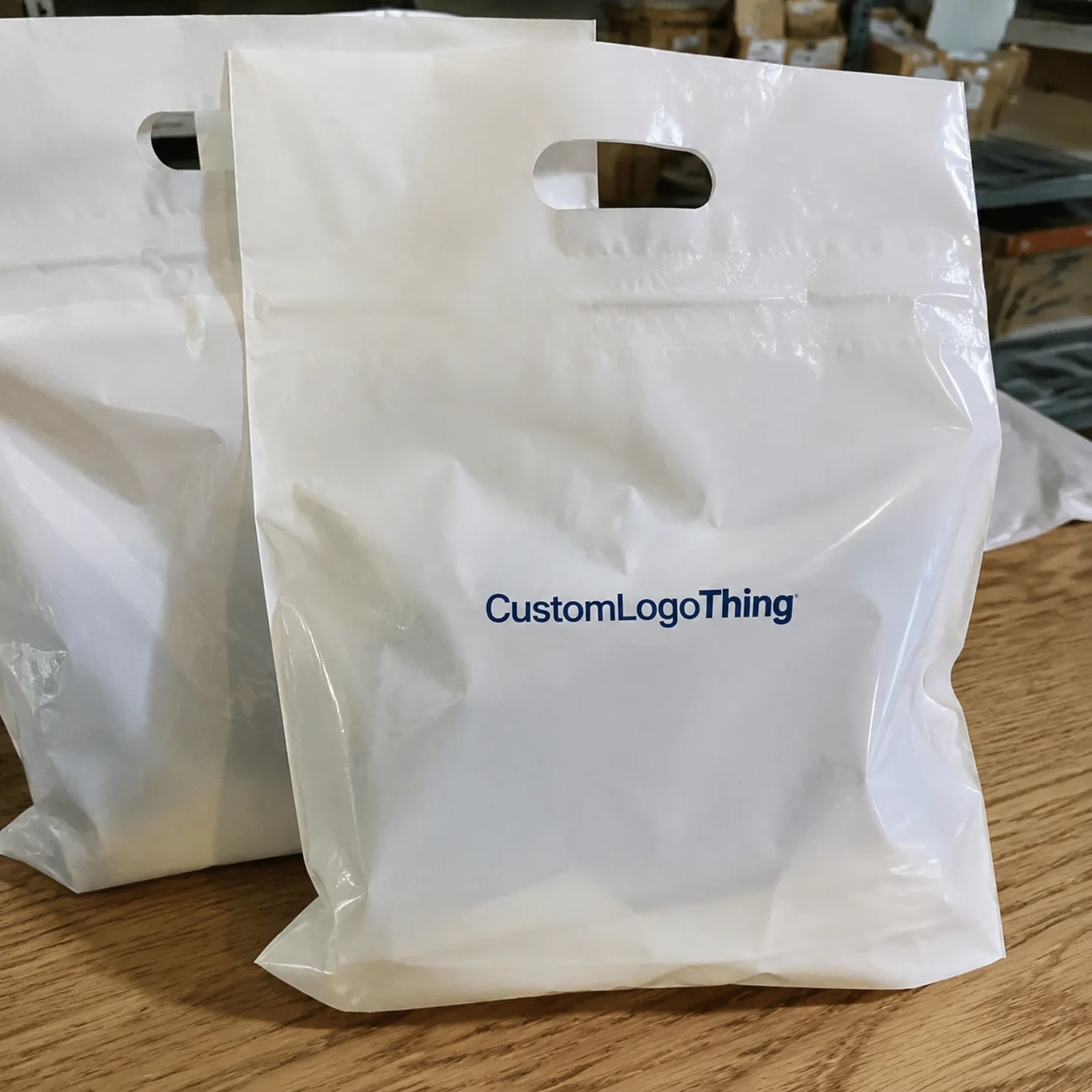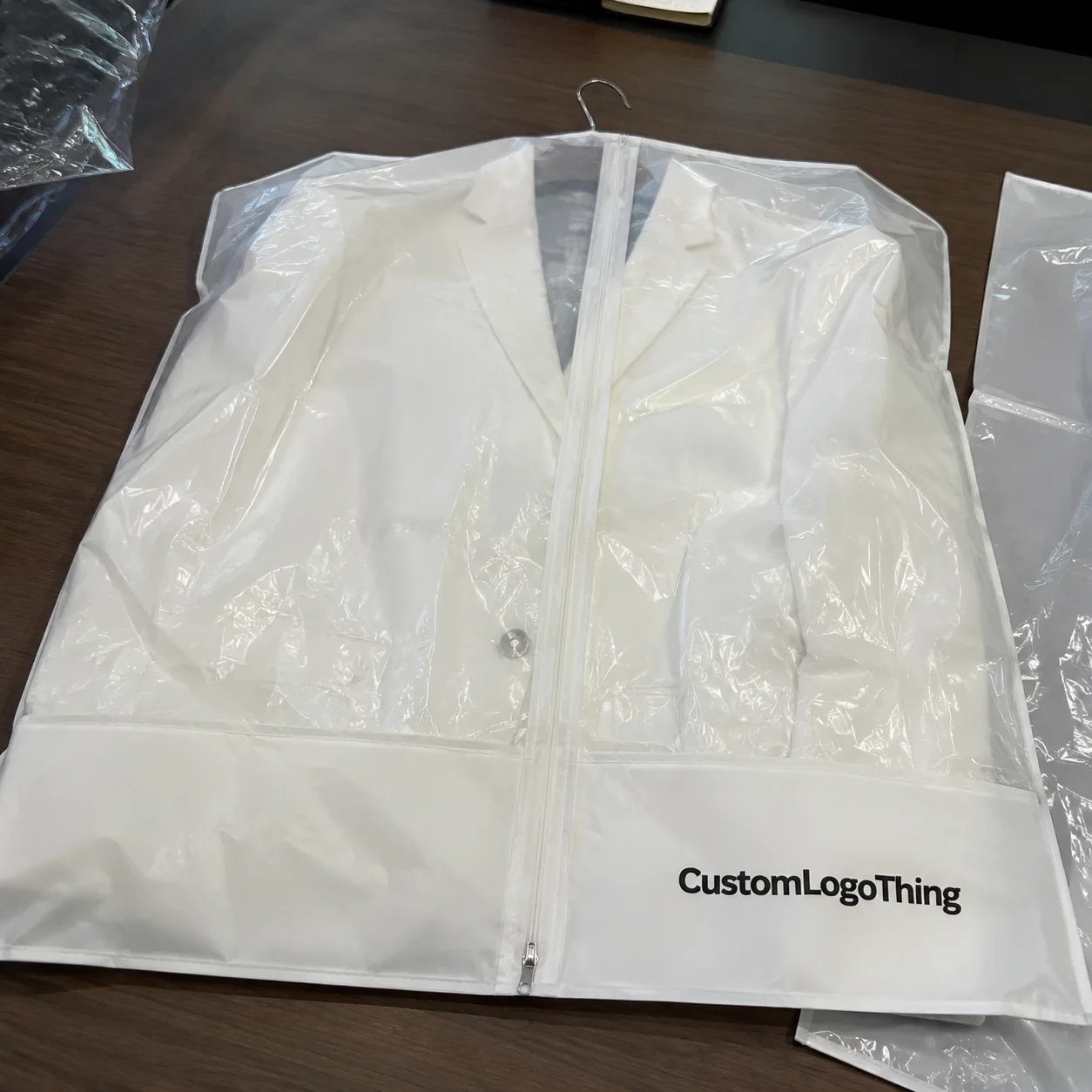
Buyer Fit Snapshot
| Best fit | Biodegradable Mailers Pricing projects where brand print, material claims, artwork control, MOQ, and repeat-order consistency need to be specified before quoting. |
|---|---|
| Quote inputs | Share finished size, material target, print colors, finish, packing count, annual reorder estimate, ship-to region, and any compliance wording. |
| Proofing check | Approve dieline scale, logo placement, barcode or warning zones, color tolerance, closure strength, and carton packing before bulk production. |
| Main risk | Vague material claims, crowded artwork, missing packing details, or unclear freight terms can make a low unit price expensive after revisions. |
Fast answer: Biodegradable Mailers Pricing: Film, Print, MOQ, and Carton Packing should be specified like a repeatable production item. The safest quote records material, print method, finish, artwork proof, packing count, and reorder notes in one written spec.
Production checks before approval
Compare the actual filled-product size with the drawing, then confirm tolerance on folds, seals, hang holes, label areas, and retail display edges. Reserve space for logos, QR codes, warning copy, and material claims before decorative graphics fill the panel.
Quote comparison points
Review material grade, print process, finish, sampling route, tooling charges, carton quantity, and freight assumptions side by side. A quote is only useful when the supplier can repeat the same color, closure quality, and packing count on the next order.
If you have spent any time comparing quotes for a Biodegradable Mailers Pricing guide, you have probably noticed something that feels a little strange at first: two mailers that look nearly identical on a product sheet can land at very different prices, sometimes by 15% to 30%, and the reason usually sits in the resin blend, the film gauge, the sealing window, or the testing standard rather than the artwork. I once stood beside a slit-rewind line in a Shenzhen converting plant while a buyer from an apparel brand held two samples up to the light and asked why one “felt cheaper” even though both were the same size; the answer was buried in the compound, the extrusion stability, and a slight difference in tear propagation that only showed itself after a few dozen drop tests. That is exactly why a biodegradable mailers pricing guide has to go past the sticker price and explain the full cost picture.
Biodegradable Mailers Pricing Guide Overview
A practical biodegradable mailers pricing guide should help buyers understand not only what a mailer Costs Per Unit, but also why one supplier’s quote can differ so sharply from another’s. The true price is shaped by material formulation, film thickness, seal performance, printing method, minimum order quantity, freight, and the level of testing or certification behind the product. Once those parts are clear, the numbers stop feeling mysterious and start looking like a predictable result of production decisions.
Biodegradable mailers are shipping bags built with materials intended to break down under specific conditions faster than conventional polyethylene, although the exact behavior depends on the formulation and the environment. Some are made with certified biodegradable compounds, others rely on starch blends or additive packages that help the film fragment and biodegrade over time, and that difference matters because not every “eco” mailer is built to the same standard. Buyers often search for a biodegradable mailers pricing guide because they want clarity on unit cost, setup fees, sample charges, freight, and the longer-term savings that can come from fewer returns or a stronger brand impression.
One part gets overlooked more often than it should: the lowest quote is not always the lowest total cost. If a mailer tears on a packing line, or the seal pops in transit, you end up paying twice, once for the mailer and again for the replacement shipment, customer service time, and possibly a reshipment label. In my experience, apparel brands and accessory sellers care about that balance more than almost anyone else, because a lightweight hoodie or a canvas pouch needs a mailer that looks good, seals consistently, and survives conveyor handling without turning into a claims headache.
“I’d rather pay a little more for a mailer that seals cleanly at 140 to 160°C and survives a 1-meter drop test than save a penny and spend a week fixing damaged orders.” That was a quote from a fulfillment manager I worked with in southern China, and honestly, he was right.
A practical biodegradable mailers pricing guide also needs to separate sustainability messaging from performance claims. If your brand is telling customers that the package is biodegradable, you need a supplier who can explain the resin composition, the test method, and the limitations honestly. For broader standards and packaging context, I often point buyers to industry and authority resources like Packaging Institute guidance and EPA materials on waste reduction and packaging impacts at epa.gov.
The Surprising Truth About Biodegradable Mailer Pricing
Biodegradable mailer pricing is rarely driven by a single factor, and that is where many buyers get tripped up. The material itself may be the biggest line item, but manufacturing loss, print setup, compliance documentation, and shipping can all shape the final number. A strong biodegradable mailers pricing guide helps you see those pieces as a system rather than as isolated charges.
In many cases, the best quote is the one that is easiest to verify. If a supplier can explain the resin source, show you the seal test results, and confirm the print process without hesitation, the price usually makes more sense because the production method is transparent. When a quote feels vague, it often means the factory is hiding either a loose specification or a less stable process, and both can cost you later.
That is one reason the same bag size can vary so much from factory to factory. A shop running a stable extrusion line in Dongguan with tight gauge control, well-maintained sealing jaws, and regular pull testing will not price the same way as a converter that skips inspections to chase speed. The cleaner the process, the more predictable the mailer, and the more defensible the price.
There is also a practical point here that gets lost in glossy packaging conversations: if a supplier cannot explain where the savings come from, you may not be seeing a savings at all. You may just be looking at thinner film, a shorter seal margin, or fewer quality checks, and those shortcuts tend to show up later in damaged parcels or rework. That is not theoretical; I have watched a warehouse crew in Guangdong re-bag a whole afternoon’s worth of orders because the adhesive strip on a low-cost mailer was inconsistent from carton to carton.
How Biodegradable Mailers Are Made and Why That Affects Price
Most biodegradable mailers begin as compounded resin pellets, which are fed into an extrusion system and blown into film, then flattened, wound, printed, and converted into finished bags through side sealing, bottom sealing, gusseting, and perforation or pouch cutting. On a well-run line, the film gauge stays consistent within a tight tolerance, the seal bars hold steady temperature, and the print registration stays sharp enough to keep a logo edge at 150 lines per inch. Every one of those steps adds cost, and the more specialized the compound, the more the material price rises before the bag is even formed.
Compared with a conventional poly mailer, a biodegradable version may use a more expensive base resin, a starch additive, or a certified biodegradable compound that requires tighter sourcing controls. That extra cost is real, and it shows up not only in the material invoice but also in the scrap rate if the film is less forgiving during extrusion. I have seen a production run where the film looked perfect on the rolls, yet the seal area cracked because the compound behaved differently in humid weather, and the plant had to slow the line from 180 bags per minute to 120 just to keep rejects under control.
Thickness matters just as much. A 50-micron film and a 70-micron film are not close cousins; they behave differently under puncture, compression, and hot tack conditions. Thicker films usually cost more because they require more raw material, yet the thicker option can lower real cost by reducing failure rates in the warehouse. If your products ship with zippers, hardware, or sharp edges that bite into film, that extra 10 to 20 microns can be the difference between a clean delivery and a box of complaints.
Printing adds another layer. Flexographic printing with one or two colors is usually less expensive than heavy full-coverage decoration, and custom rotogravure-style effects, while attractive, can push the price higher because cylinder or plate preparation is more involved. Many brands use that print investment strategically, especially when ordering through Custom Packaging Products, because a simple logo, website line, and disposal message can look crisp without overcomplicating the spec.
Converting-stage quality control also affects the quote. A factory that checks seal integrity, print adhesion, bag length, and film stretch at multiple points will usually price a bit higher than one that runs faster with fewer checks. I would call that a fair trade in most cases, because a biodegradable mailers pricing guide only helps if it reflects what the bags actually cost to use, not just what they cost to buy.
Key Factors That Influence Biodegradable Mailers Pricing
The biggest cost drivers are usually material type, size, thickness, and closure style. A 10 x 13-inch mailer with a standard peel-and-seal flap will not price the same as a 14 x 19-inch mailer with a reinforced adhesive strip and dual-use expansion gussets. If you change only one dimension, the effect may look minor on paper, but in a factory environment it can alter film yield, bag nesting, and carton packing density, which changes the quote in ways buyers do not always expect.
Custom printing is another obvious factor, especially when artwork coverage goes beyond a centered logo. One-color print might add a modest charge, while a full-bleed design with multiple Pantone matches can raise the unit price by 10% to 25%, depending on run size and process setup. I have sat through more than one supplier negotiation where the buyer wanted a full-photo design on a small order of 3,000 pieces, and the pressman’s face said everything before anyone spoke: the make-ready time alone was eating the economics.
Order quantity changes everything. In many factories, setup costs for film, plates, sealing knives, and print adjustment get spread across the run, so 5,000 pieces often price notably higher per unit than 25,000 pieces. A typical pattern might look like this: $0.28 to $0.34 per unit at 5,000, dropping to $0.16 to $0.22 per unit at 20,000, depending on size and decoration. That is why a careful biodegradable mailers pricing guide always asks for expected reorder volume, not just the first purchase.
Logistics can quietly erase savings. Freight, pallet configuration, carton count, warehouse handling, and import duties all affect landed cost, and in some cases the shipping bill is larger than the material delta between two suppliers. If the supplier packs 500 mailers per carton instead of 250, your inbound freight efficiency may improve; if the cartons are oversized or the pallets are poorly stacked, you may pay for air instead of product. For buyers with strict performance and transportation testing needs, the ISTA testing standards are worth reviewing because package resilience and shipper performance are tied together much more tightly than people think.
Certification and traceability can also influence the quote. If you need FSC-linked paper inserts, documented raw-material traceability, or third-party verification of biodegradable claims, expect some compliance cost. That does not mean every supplier charges a premium for paperwork, but a reputable one will have spent time and money building the traceability trail, and that tends to show up in the price. A strong biodegradable mailers pricing guide should tell you that up front rather than pretend compliance is free.
One more factor deserves a mention because it is easy to miss: storage stability. Some biodegradable blends are more sensitive to heat, moisture, or extended warehouse dwell time than standard polyethylene, and that can affect the way a factory plans inventory or advises shelf life. If you are buying ahead for a seasonal launch, ask how long the supplier expects the film and adhesive to hold up under normal storage conditions, because a bargain that turns brittle in six months is not really a bargain.
How Much Do Biodegradable Mailers Cost?
There is no single universal price for biodegradable mailers, but buyers can usually expect the unit cost to move within a predictable band once the specification is set. For small custom runs, costs often sit higher because setup, testing, and print preparation make up a larger share of the total. At larger volumes, the same spec can drop meaningfully, especially if the factory already has the resin, tooling, and artwork files ready for repeat production.
As a rough example, a simple unprinted biodegradable mailer in a common e-commerce size may land in a lower range than a fully printed, thicker mailer with custom branding and a reinforced seal. Add in freight, and the landed cost can shift by another noticeable amount depending on origin, carton density, and destination. That is why any serious biodegradable mailers pricing guide should be treated as a framework, not a fixed price list.
For brands that want a practical budget anchor, the most useful starting point is to compare three pieces at once: a low-spec option, a mid-tier option, and a premium version with the exact performance or compliance features you need. Doing that gives you a clear picture of what each upgrade is worth, instead of making you guess whether a better seal or heavier film is actually adding value.
In practice, I like to think about cost in layers. First is the factory price, then packaging and freight, then inspection and duties if applicable, and finally the hidden cost of failure if the mailer underperforms. A mailer that saves $0.02 but causes even a small uptick in returns can erase the savings very quickly, so the cheapest quote is only useful if the bag actually holds up in your operation.
Step-by-Step: How to Compare Quotes and Budget Accurately
Start with the use case, not the shopping cart. Ask yourself what the mailer needs to do: hold 8 ounces or 3 pounds, protect against moisture in a humid warehouse, carry printed branding for unboxing, or ship through a courier network with rough handling. Once that is defined, write down the product dimensions, target film thickness, seal style, print requirements, and any branding details before you request quotations.
Create a simple quote checklist. It should include unit price, plate or setup fees, sample cost, shipping, taxes, duties, payment terms, and repeat-order discounts. If one supplier gives you a price for a 60-micron film and another quotes 50 microns, those numbers are not comparable, even if the bags look similar in the mockup. I have had buyers bring me two quotes and ask which was better, only to discover that one included freight to Los Angeles and the other did not include inland delivery at all.
- Match the same dimensions, thickness, and closure type across every quote.
- Request the same artwork file, print count, and Pantone references from each supplier.
- Ask for the same Incoterms or delivery terms so freight is comparable.
- Calculate landed cost, not just ex-factory unit cost.
- Divide the total by the number of shipped orders to find cost per shipment.
That last step is where the real budget picture appears. A mailer that costs $0.03 more per unit but cuts damage claims by 2% may be the better buy, especially if your average order value is $42 or $68. A biodegradable mailers pricing guide built for real operations has to include that downstream math. I would also recommend a pilot order of 300 to 1,000 pieces, because samples tell you a lot, but a real packing line with tape guns, label printers, and rushed staff tells you more.
If you already use branded packaging elsewhere, it can help to compare the mailer against your current Custom Poly Mailers spec. Sometimes the best value is a gradual shift: keep the same bag size, improve the material, and standardize the print so your team does not have to relearn packing setup for every SKU.
And please do not let a quote conversation stop at “What’s the unit price?” That question is fine, but it is never enough. Ask how the price changes at 10,000, 25,000, and 50,000 pieces, whether the resin batch is already stocked, and whether the supplier has a documented reprint policy if the color drifts outside tolerance. Those details make the difference between a clean budget and a mess you have to untangle later.
Timeline, Ordering Process, and What to Expect
The usual process starts with inquiry, then sample or spec review, then artwork proofing, then production, inspection, and shipment. For a Custom Biodegradable Mailer, first orders often take 12 to 20 business days after proof approval, though that number changes with print complexity, factory load, and whether the film compound is already in stock. If the supplier needs to source a specific biodegradable resin batch, the timeline can stretch, especially if the order includes multiple colors or unusual sizing.
Domestic production can shorten communication loops, but overseas production often offers broader material selection and more competitive economics on higher quantities. Neither route is automatically better. The question is whether you need faster back-and-forth, smaller volume flexibility, or a lower landed cost at scale. I have worked with brands that valued a seven-day domestic turnaround for a launch campaign, and others that happily waited three weeks because they saved enough per unit to fund better creative assets.
Color matching deserves a buffer. If your logo uses a specific shade of green or a soft earth-tone brand palette, expect at least one proof cycle and possibly a press-side adjustment, especially on recycled or biodegradable films where surface behavior can affect ink appearance. A smart biodegradable mailers pricing guide should tell you to schedule extra time for that step instead of treating it like an afterthought.
For seasonal sellers, I recommend ordering before your peak by at least one full production cycle plus transit time. If you need stock in hand before a holiday sale, a launch event, or a subscription box drop, build in extra days for inspections and customs clearance. A two-week delay on packaging can ripple into missed revenue, and I have seen that happen more than once when a brand waited until the last minute to approve a proof.
One more real-world wrinkle: some factories will quote quickly but move slowly once artwork revisions start. That usually means the production floor is fine, but the internal proofing process is thin, and you end up doing extra follow-up. A cleaner schedule is one where the supplier gives you a realistic proof cycle on day one rather than telling you what sounds good and hoping the line can keep up later. It sounds obvious, but that kind of honesty saves a lot of headaches.
What should you ask before requesting a biodegradable mailers quote?
Before you ask for quotes, gather the exact dimensions, thickness target, quantity, artwork files, closure type, and shipping destination. If you can, include product weight, expected packing environment, and whether the order is for e-commerce, retail distribution, or subscription fulfillment. The more complete the brief, the less likely you are to receive quotes that look cheap but compare poorly.
Then build a comparison sheet with one line for each supplier and columns for unit price, setup fees, sample cost, freight, lead time, payment terms, and reorder pricing. That keeps the conversation grounded in facts instead of vague claims. A well-structured biodegradable mailers pricing guide is less about finding the cheapest supplier and more about choosing the supplier that gives you the best total value across the life of the product.
Request samples, test them with real products, and see how they behave on your own packing table. Use your actual labels, your own tape guns, and the same handling conditions your warehouse staff faces every day. If possible, order a small pilot batch before committing to full scale, because that is where seal quality, print durability, and opening experience reveal themselves with brutal honesty.
Finally, confirm lead time, payment terms, and reorder pricing before you approve the final order. If a supplier can hold your color standard, keep the material consistent, and offer repeat pricing that makes sense, that is a strong sign you have found a partner worth keeping. A good biodegradable mailers pricing guide should lead you to that kind of decision with fewer surprises and fewer budget shocks.
Common Pricing Mistakes Buyers Make
The first mistake is comparing a biodegradable mailer to a cheaper standard poly mailer and assuming the difference is just environmental labeling. It is not. The material system, verification burden, and sometimes the film processing window are different, so the price gap reflects more than marketing language. A solid biodegradable mailers pricing guide should help buyers make apples-to-apples comparisons with the right performance expectations attached.
The second mistake is ignoring freight, import fees, and local handling charges. A low ex-factory quote can look attractive until the pallet lands, the broker invoice arrives, and the warehouse starts charging receiving fees. I once helped a buyer in the apparel space recalculate a “cheap” quote that looked 18% lower, only to find the landed cost was actually 6% higher after duties and inland delivery were included.
Artwork files cause problems too. Low-resolution logos, unembedded fonts, and vague color references can trigger reproof charges or lead to a batch that misses brand color badly enough to require a partial reprint. That is not the supplier being difficult; that is the cost of unclear files. Give the factory a clean vector file, Pantone references, and a written approval standard, and your pricing stays much more predictable.
Film gauge is another trap. Saving a fraction of a cent by dropping thickness can feel smart until a corner seam tears in the packing area or a courier route introduces abrasion your team never tested. The result is often more expensive than the upgrade you skipped. And do not skip samples. A mailer may look attractive on a screen and still fail when a packer with gloves tries to close it over a bulky garment insert.
Another mistake I see a lot is treating all “biodegradable” claims as interchangeable. Some products are compostable under industrial conditions, some are biodegradable in a broader sense, and some use additives that change how the film behaves without making it a certified end-of-life solution. If the claim matters to your brand story, ask for the exact standard and the evidence behind it, because vague sustainability language is how a lot of purchasing teams get themselves in trouble.
Expert Tips for Getting Better Value Without Sacrificing Quality
Standardize sizes wherever you can. If three product lines can share two mailer dimensions instead of four, you simplify planning, improve order efficiency, and often reduce the chance of paying for custom tooling or odd-run penalties. I have seen a subscription brand save more on reduced SKU complexity than they lost by giving up one specialized size, and that is the kind of operational win that rarely gets discussed in pricing conversations.
Keep artwork efficient. A centered logo, one web address, and a short disposal message usually costs less than complex full-coverage art, and it still looks professional. Simple print layouts also reduce the chance of alignment problems during production. If you need custom branding help, browsing Custom Packaging Products can give you a practical sense of what print coverage and structural choices pair well together.
Buy a little more if storage allows. The storage cost for a few extra cartons is often smaller than the savings gained from moving into a better volume tier. That said, I would not overbuy a biodegradable compound if your warehouse sits in a hot, humid region and the supplier cannot guarantee shelf-life stability. Honest suppliers should tell you what the storage window looks like, and if they cannot, I would treat that as a warning sign.
Ask direct questions about testing. A good supplier should be able to tell you how they evaluate seal strength, drop performance, puncture resistance, and print adhesion. If they cannot explain whether they use ASTM-related methods, in-house pull testing, or simple line checks, you may be buying blind. A small factory on the edge of Dongguan once showed me a seal test rig built from a modified tensile frame, and that kind of practical verification told me more than a glossy brochure ever could.
Honestly, I think the best value often comes from a proven spec rather than the fanciest material claim. If a 60-micron biodegradable mailer with a clean seal and well-matched print solves your shipping problem, do not pay extra for features you do not need. A disciplined biodegradable mailers pricing guide should help you spend where the package actually earns its keep.
Your Next Steps for Getting an Accurate Price
Before you ask for quotes, gather the exact dimensions, thickness target, quantity, artwork files, closure type, and shipping destination. If you can, include product weight, expected packing environment, and whether the order is for e-commerce, retail distribution, or subscription fulfillment. The more complete the brief, the less likely you are to receive quotes that look cheap but compare poorly.
Then build a comparison sheet with one line for each supplier and columns for unit price, setup fees, sample cost, freight, lead time, payment terms, and reorder pricing. That keeps the conversation grounded in facts instead of vague claims. A well-structured biodegradable mailers pricing guide is less about finding the cheapest supplier and more about choosing the supplier that gives you the best total value across the life of the product.
Request samples, test them with real products, and see how they behave on your own packing table. Use your actual labels, your own tape guns, and the same handling conditions your warehouse staff faces every day. If possible, order a small pilot batch before committing to full scale, because that is where seal quality, print durability, and opening experience reveal themselves with brutal honesty.
Finally, confirm lead time, payment terms, and reorder pricing before you approve the final order. If a supplier can hold your color standard, keep the material consistent, and offer repeat pricing that makes sense, that is a strong sign you have found a partner worth keeping. A good biodegradable mailers pricing guide should lead you to that kind of decision with fewer surprises and fewer budget shocks.
My practical advice is simple: define the spec, request three aligned quotes, test samples under real shipping conditions, and choose the option that offers the best total value, not just the lowest line item. That is the approach I would use for apparel, accessories, and lightweight goods every time, and it has saved more than one brand from chasing the wrong number.
If you are building a broader sustainable packaging program, it can help to compare mailers alongside other formats in your packaging mix, including mailers, boxes, and inserts. That way, the biodegradable choice fits your operations instead of fighting them. In my experience, that is where the real savings, and the real brand trust, begin.
So if you are putting together a biodegradable mailers pricing guide for your team, the cleanest next step is to lock the spec first, then compare landed cost, test performance, and only after that decide whether the premium is justified. That order keeps the numbers honest and the packaging decision grounded in how your warehouse actually ships.
Biodegradable Mailers Pricing: decision table
| Decision area | Best fit | What to verify | Risk if skipped |
|---|---|---|---|
| Board or flute choice | Product protection, stacking strength, and shipping distance | Caliper/flute, crush resistance, and sample fit | Weak structure or oversized cartons increase damage and freight cost |
| Print and finish | Retail presentation, unboxing, and shelf recognition | Color proof, coating, scuff resistance, and logo placement | A good dieline can still look cheap if finish and color drift |
| Packing method | Hand packing, ecommerce fulfillment, or retail-ready cartons | Inner count, master carton, label position, and warehouse handling | Good packaging slows operations if pack-out is ignored |
Frequently Asked Questions
What affects biodegradable mailers pricing the most?
Material formulation is usually the biggest driver, followed by size, thickness, and print complexity. Order quantity matters too, because larger runs spread setup and production costs across more units. A biodegradable mailers pricing guide should always compare those variables side by side.
Are biodegradable mailers more expensive than regular poly mailers?
Usually yes, because biodegradable materials and verification processes can raise raw material and manufacturing costs. The real comparison should include brand value, waste reduction goals, and any customer perception benefits tied to your packaging choice.
How can I estimate my total biodegradable mailers cost?
Add unit price, printing, samples, freight, duties, taxes, and any setup fees to calculate landed cost. Then divide that total by the number of shipments to find your true cost per order. That method gives a much clearer picture than unit price alone.
How long does it take to produce custom biodegradable mailers?
Lead time depends on artwork approval, material availability, and production load. First orders usually take longer because sample review and proofing are part of the process, and color matching can add a few business days.
What should I ask before choosing a supplier for biodegradable mailers?
Ask about film composition, seal strength, print method, sample availability, and minimum order quantity. Also confirm freight terms, the reordering process, and whether they can match your brand colors consistently over repeat runs.