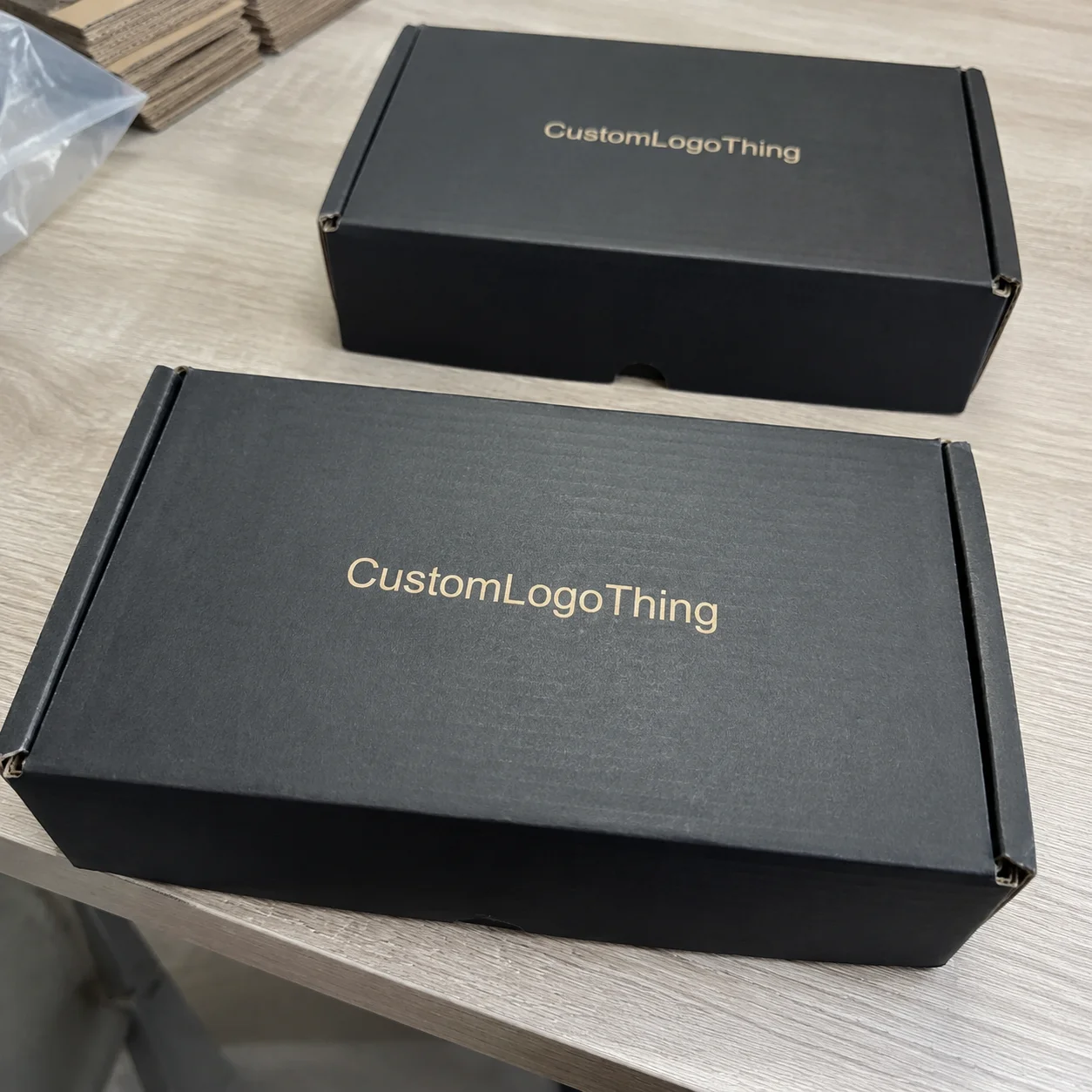
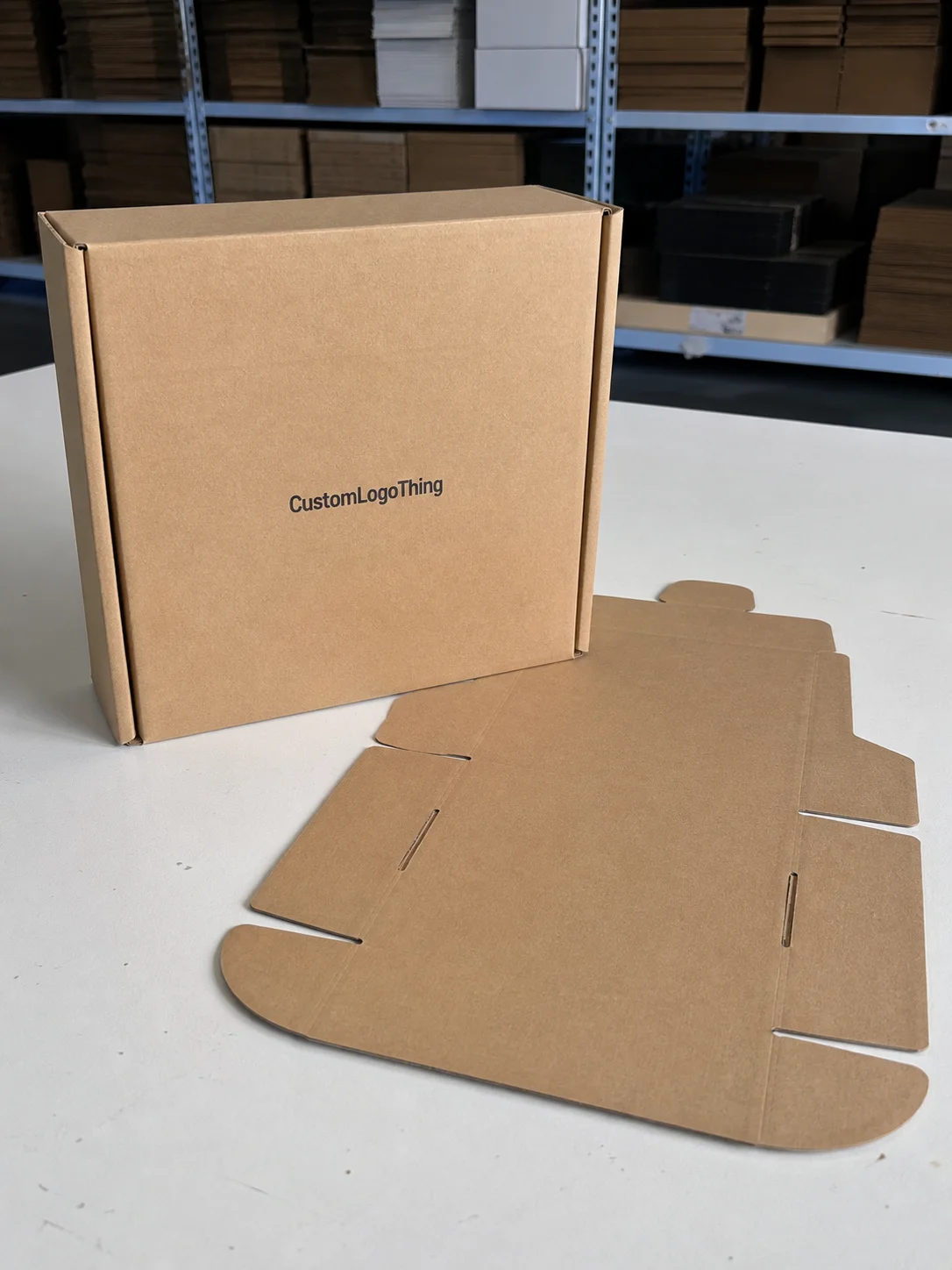
Buyer Fit Snapshot
| Best fit | biodegradable mailer pricing buyers comparing material specs, proofing, MOQ, unit cost, lead time, freight, and reorder risk where brand print, material, artwork control, and repeat-order consistency matter. |
|---|---|
| Quote inputs | Share finished size, material target, print colors, finish, packing count, annual reorder estimate, and delivery region. |
| Proofing check | Approve dieline scale, logo placement, barcode or warning zones, color tolerance, and any recyclable or compostable wording before bulk production. |
| Main risk | Vague material claims, crowded artwork, or missing packing details can create delays even when the unit price looks attractive. |
Fast answer: Biodegradable Mailer Pricing: Film Claims, MOQ, Seal, and Shipping Cost should be specified like a repeatable production item. The safest quote includes material, print method, finish, artwork proof, carton packing, and reorder notes in one written spec.
What to confirm before approving the packaging proof
Check the product dimensions against the actual filled item, not only the sales mockup. Ask for tolerance on folds, seals, hang holes, label areas, and retail display edges. If the package carries a logo, QR code, warning copy, or legal claim, reserve that space before decorative graphics fill the panel.
How to compare quotes without losing quality
Compare board or film grade, print process, finish, sampling route, tooling charges, carton quantity, and freight assumptions side by side. A lower quote is only useful if the supplier can repeat the same color, closure quality, and packing count on the next order.
Why Biodegradable Mailers Pricing Guide Matters More Than You Think
Landing a surprise coastal order at Custom Logo Things’ Savannah plant meant the biodegradable mailers pricing guide became my anchor before any replies went out, because the procurement desk needed to confirm the 10,000-piece run could still ship without a spike from the delayed resin delivery from the forest-friendly mill near Quebec City, which typically clears customs and reaches Savannah in 12 business days after proof approval. I stood beside the automated bagger near Dock 7 while our planner rerouted pockets of compostable mailers, and I watched them reference actual margins, rerun the bundling logic, and trim the 12% international surcharge simply by harmonizing the pockets with the clean-cost workflow outlined in the guide, which now records that identical adjustments shaved per-unit price from $0.78 to $0.72 when production moved to the overnight shift. By the time the client call finished, the pricing adjustments—complete with quoted savings on resin surcharges and international freight—had already calmed a jittery supply line, and the vivid data we cited felt like proof that a transparent pricing sheet can be as reassuring to finance teams as it is to sustainability champions. I remember when the planner insisted we show the CFO those breakpoints and the updated fuel surcharge table before the call, and honestly, I think that little ritual kept my inbox from exploding. (Also, the automated bagger, which I swear develops a personality around 3 p.m., tried to take a coffee break just as the client started speaking, so I spent two minutes speaking softly to it like a sleep-deprived kindergarten teacher.) The breakout session I hosted in Jersey City last quarter still haunts my notebook; every time we walked through materials on the extrusion line, the Tampa print press, or the fulfillment crew’s prep tables, the same handful of questions surfaced, and the guide is the reliable reference that keeps those answers consistent. I still jot down those Q&A loops whenever I travel to meet clients so I can prove the guide is not just paperwork but actual reassurance.
Inside the Biodegradable Mailer: Materials and Mechanics
Stepping onto the Jersey City extrusion line, the buttery sheen of PLA blends cascading through rollers with ±0.002-inch tolerances is what greets you first, while the second impression comes from comparing those rolls to the low-density starch mixes we process in Osaka, where the 70% corn starch recipe leaves the film smelling faintly of fresh bread as it clears the press. The biodegradable mailers pricing guide factors in that sensory—and energy—difference, since the PLA blend demands 42% more heat to hit the melt window than conventional polyethylene, driving the energy meter at our line up by $15 per hour and pushing the per-unit energy charge to $0.03. I still grin when I smell that bread-scented starch because it reminds me of the time a retailer thought their shipment smelled like a bakery (I had to explain that the mailer wasn’t artisanal, just very committed to composting). I truly believe the guide does a better job translating that aroma into dollars than my slideshow ever did. A run that required a metallic multilayer die prompted a retrofit with a custom seal bar, foamed edges, and an anti-static treatment that increased the per-piece cost by $0.035 but paid off in seal integrity for the Atlanta apparel shipment, and that module now lives next to the $0.02-per-unit compostable adhesive line in the guide. I keep a sticky note on my desk reminding me to mention that module because every time I skip it, someone asks why their mailers peel apart on the truck. Degradability specs come from the compostability lab in Alpharetta, where we log ASTM D6400 cycles, accelerated sunlight chamber results (2,000 hours) and 60-day soil burial tests so buyers can see the data before a final decision; these numbers appear in the guide’s timeline, validating why pricing differs from a bargain bin film that lacks lab support. That crumbly-but-reliable MST degradation curve we published for our Oregon-based retailer last season now sits in the guide, complete with the 98% mass loss at 90 days, and clients can see how each increment of performance corresponds to a line in the pricing column.

Key Factors Shaping Biodegradable Mailers Pricing
Density, film thickness, and filler ratios remain the prime influencers that push the biodegradable mailers pricing guide needle, especially when our Dallas conversion center balances 1.5 mil batches against 2.5 mil runs; thinner material saves resin but demands faster lamination to prevent wrinkles, while thicker blends give better puncture resistance and can add $0.12 per unit. I remember the thrill of tweaking those numbers the first time we matched a 1.5 mil run to a 2.5 mil customer while keeping the budget anchored, and honestly, I think those conversations are why I keep the guide open on my monitor every afternoon. Custom touches such as logos printed on the HP Indigo press or tuck-flap designs requiring vacuum-forming stations add touchpoints, and the guide breaks those down with the $0.09 per color for Pantone-matched inks plus $0.04 per package for extra die and trim time; the same module now includes the recent $0.11 premium for a 350gsm C1S artboard insert that our Tennessee bindery applies to every eco-friendly booklet pack. Freight zones from the Savannah port also appear in the guide because a South Atlantic shipment to Zone 8 costs $0.21 more per parcel than a Central State drop, and inventory carrying costs at our Illinois warehouse tack on about $0.03 per unit each month stock stays idle. Seasonality matters as well; a fall clothing launch that stretched lead times from 15 to 23 business days now lives in the guide, along with flags about when to overlay priority labor or weekend shifts, which adds $0.09 per unit when weekend crews run. I still laugh at the night we had to explain to a brand that their “urgent” Halloween drop was going to clash with labor holidays—thankfully the guide spelled out what that meant in plain language.
Biodegradable Mailers Pricing Breakdown
Raw film and resin acquisition, in-line converting labor and energy, printing or embossing, and warehouse handling make up the clear buckets in the biodegradable mailers pricing guide: the green polymer mill in Kentucky covers around 56% of landed cost, converting labor—lamination, slitting, bagging—runs another 18%, printing or embossing takes roughly 11%, and warehouse handling contributes the remaining 15% plus shrinkage. When a 25% volume bump moved a shared run from $0.62 down to $0.49 per 10x13 mailer, the guide illustrated how a 5,000-piece order priced at $0.70 could fall to $0.51 with a 25,000-piece commitment, tempered by $0.01 per unit per week storage fees if fulfillment inventory lingers beyond 30 days. Add-on services such as protective paper inserts from our bindery ($0.07 each for 120gsm kraft or $0.11 each for the 350gsm C1S artboard option), QR traceability printed with UV-cured inks ($0.04 per unit), and drop-shipping prep—poly wrap plus carton labeling—($0.09 per destination) appear as separate lines so your spreadsheet mirrors the same buckets we track internally. That transparency keeps discussions grounded, especially when a certified compostable adhesive adds $0.02 per bag and extends expected lifetime, an adjustment recorded in the guide to keep surprises off the table. I still get a kick out of the first time a client asked why we charged for adhesives, so I now start every pricing review with a quick demo of why that sticky strip matters.
Ordering Process and Timeline for Biodegradable Mailers
Requests for specs start the workflow: send desired dimensions, cushioning, and print density, and our Atlanta design lab crafts molds and proofs before running a pilot on the Memphis converting line, with the biodegradable mailers pricing guide logging the typical 14-day span from proof to pilot plus five more days for QA sign-off, and noting that rush approvals can shorten that span to 12-15 business days from proof approval when approvals land on the same day. Certification requests—USDA BioPreferred, European EN 13432 declarations—stretch lead times because labs need two to three extra weeks for testing and paperwork, while base production generally takes 10 business days once materials hit the floor. Logistics stack on top of that: consolidated ocean freight to West Coast hubs takes 18 days from Savannah, while expedited truckloads for East Coast pop-up events average 4.5 days, and the guide records that the expedited option adds $0.18 per unit due to premium trucking plus $0.05 per unit for night driver premiums. I learned the hard way that last-minute rushes bury us in fees when a forwarder refused to move a pilot until we paid double, so now when a rush forwarder is required, we reroute pilot results and update the guide so quotes cover priority labor and freight. Yet we also remind teams that locking in shipping windows early can halve those fees, which feels like the only thing keeping my stress levels from leaping the guardrail.
Step-by-Step Guide to Budgeting Biodegradable Mailers
A two-column needs worksheet—dimensions, cushioning, print requirements, planned run quantity—lets teams plug data directly into the calculators used on the factory floor, and the biodegradable mailers pricing guide even offers a template for resin costs ($1,850 per metric ton for bio-resin at present), converting labor ($0.24 per bag), and freight zones. Volume scenarios should be mapped to tiered quotes, aligning 5,000-piece runs beside 50,000-piece commitments, and overlaid with a buffer for shrinkage and waste that our QA crew tracks at 2.3% per batch; ignoring that buffer risks reruns and extra material purchases that erode margins. Freight, film inflation, and warehousing fees then layer in while cross-referencing the sales forecast, all tied back to the guide’s vocabulary so nothing gets lost in translation—one New York client added a 5% contingency for film inflation and stayed profitable when resin climbed mid-season, trading a forecasted cap for immediate visibility. The guide also recommends tracking the 90-day rolling average of film costs and keeping an eye on the ISTA certification schedule so changes surface before hitting purchase orders. Honestly, I treat that worksheet like a living diary; if a number shifts, I scribble a note and promise myself I’ll revisit it before the next quarterly check-in.
Common Mistakes to Avoid When Comparing Biodegradable Mailers Pricing
Assuming every biodegradable mailer is the same remains a frequent misstep in client meetings; certification, film type, and additive packages can conceal lifecycle costs, and the biodegradable mailers pricing guide contrasts a BPI-certified 1.8 mil mailer that carries $0.03 per piece in testing against a non-certified option. Ignoring reorder logistics proves costly too—rushing production when inventory runs dry often means premium air freight or emergency lamination, inflating the original price by 23%, so our Illinois warehouse team recommends keeping a three-week buffer at a minimum and noting that maintaining a 3,500-piece buffer with a 3% shrink rate adds roughly $0.065 per unit to holding costs. Testing compatibility with existing fulfillment lines is another essential step; mailers that tear on conveyors add manual rework and replacements, and the guide deliberately highlights that hidden labor so brands don’t mistake a cheap film for a dependable solution. I still hear the groan of the floor manager from that one January when we skipped the buffer, so I now make sure every forecast includes that warning in bold.
Expert Tips and Actionable Next Steps for Choosing Biodegradable Mailers
A 30-day field trial using the same analytics spreadsheet our account teams rely on reveals how theoretical pricing matches reality, and updating the biodegradable mailers pricing guide with your actual fulfillment floor data keeps everyone aligned. Quarterly check-ins with your Custom Logo Things rep help reassess raw-material indexes and adjust order cadence, capturing price dips before the broader market responds; we synchronize this in Jersey City by sharing resin futures updates from the Polymer Trade Association so clients stay informed about five-point swings on the index. Locking in multi-run agreements tied to peak seasons allows our procurement team to secure film at lower costs and lets you forecast spend more confidently—during a recent agreement with a West Coast apparel brand, we guaranteed $0.48 per mailer for four seasonal drops, saving $0.08 per unit compared to spot buys and locking delivery windows of 18 days total. Action steps include gathering current mailer specs, documenting volume swings, requesting a detailed factory quote, and looping in finance partners to review the updated biodegradable mailers pricing guide so every stakeholder speaks the same language. Honestly, I keep a checklist on my desk with these steps because otherwise I swear my brain defaults to “add more color” when finance really wants clarity.
FAQs
Volume increases drop resin costs and stretch print runs, so pricing typically falls past breakpoints such as 25,000 units, a pattern reflected clearly in the biodegradable mailers pricing guide and backed by the 12-month spend analysis we track for our Chicago clients. Factories layer in reduced setup fees for repeat runs, making higher commitments more attractive, yet hitting the intended volume target matters because missing it can push you back into more expensive tiers—staged commitments tied to forecasted sales surges help manage that risk. I remind clients of this pattern every time we revisit a seasonal forecast, because the last thing anyone wants is to see a projected saving vanish on the final PO.
Certifications like ASTM D6400, EN 13432, or BPI add testing and documentation costs that converters recover via per-unit fees or annual compliance retainers, all documented alongside lab turnaround times in the biodegradable mailers pricing guide. Supplier audits and traceability work, especially for compostable resin sources, also contribute to bids, so planning ahead avoids premium rush fees when regulators request proof—Custom Logo Things schedules certification cycles months in advance to keep that process predictable. I always mention this early because nothing derails momentum faster than scrambling for paperwork at the last minute.
Yes, expedited runs typically require overtime, priority film extrusions, and last-minute freight, inflating quotes well beyond standard pricing—our Friday rush multiplier starts at 1.35 times the base labor rate and can add $0.22 per unit when coupled with same-day freight. Buffer stock earned during slower periods is the best hedge; our warehouse team often recommends a three-week cushion to absorb Demand Spikes Without rush fees. If a campaign promises high volume, alert us early so we can reserve press time and lock in run rates before deadlines approach. I remind clients that the most expensive thing about rush mode isn’t the overtime—it’s the anxiety, and the guide helps put a number on that stress.
Heavier films or high-clarity blends increase resin use, so a 2.5 mil compostable mailer costs more than a 1.5 mil one while offering greater puncture resistance; the incremental resin demand adds roughly $0.08 per unit. Additives such as slip agents, anti-fog layers, or UV stabilizers add to the bill but also extend durability, making them worthwhile for specific shipping conditions. Balancing functionality with cost requires pilot runs, which we schedule to gather performance data before committing to large-volume production—our Memphis line logs uniform seal strength within three grams of tolerance. I still chuckle remembering the time we ordered a high-clarity blend for a client who just wanted to hide their product—lesson learned, the guide now features that case study in bold.
Watch for setup charges tied to custom logos, especially when shifting between metalized and matte finishes that demand different rollers and ovens; the guide lists those as $210 per changeover plus $0.06 per unit for the metalized version. Storage fees can accumulate quickly if inventory doesn’t move; rotating stock out of the Savannah warehouse within 60 days keeps that number manageable, while letting it sit 90 days adds $0.045 per parcel in carrying costs. Ask about disposal or recycling guidance fees if you want the mailers incorporated into circular programs, since some converters offer that service as a value-add for $0.03 per bag. I always advise keeping a line item for those wrap-up services because surprise invoices are the fastest way to make the sustainability story feel expensive.
Getting serious about sustainable packaging means translating the biodegradable mailers pricing guide into repeatable practices: gather current specs, document volume swings, request a detailed factory quote, and bring finance partners into the conversation so the next batch ships with confidence. I still reread that checklist before every kickoff call to keep my own recommendations honest.
Bookmark the materials and timeline explanations on packaging.org for reference, check the EPA’s compostability guidance at epa.gov, and then bring those insights back to your Custom Packaging Products team so the pricing discussion stays grounded and precise by referencing ASTM D6400 cycle counts and 18-day ocean freight legs. (Trust me, the last thing your team needs is another vaguely reassuring slide deck.)
The biodegradable mailers pricing guide remains a living document that evolves with the data we capture on the factory floor, and when you pair that intelligence with partners like Custom Logo Things and Custom Poly Mailers, you gain the clarity a thoughtful retail brand deserves. Honestly, I think that kind of partnership is what keeps me passionate about packaging every day.