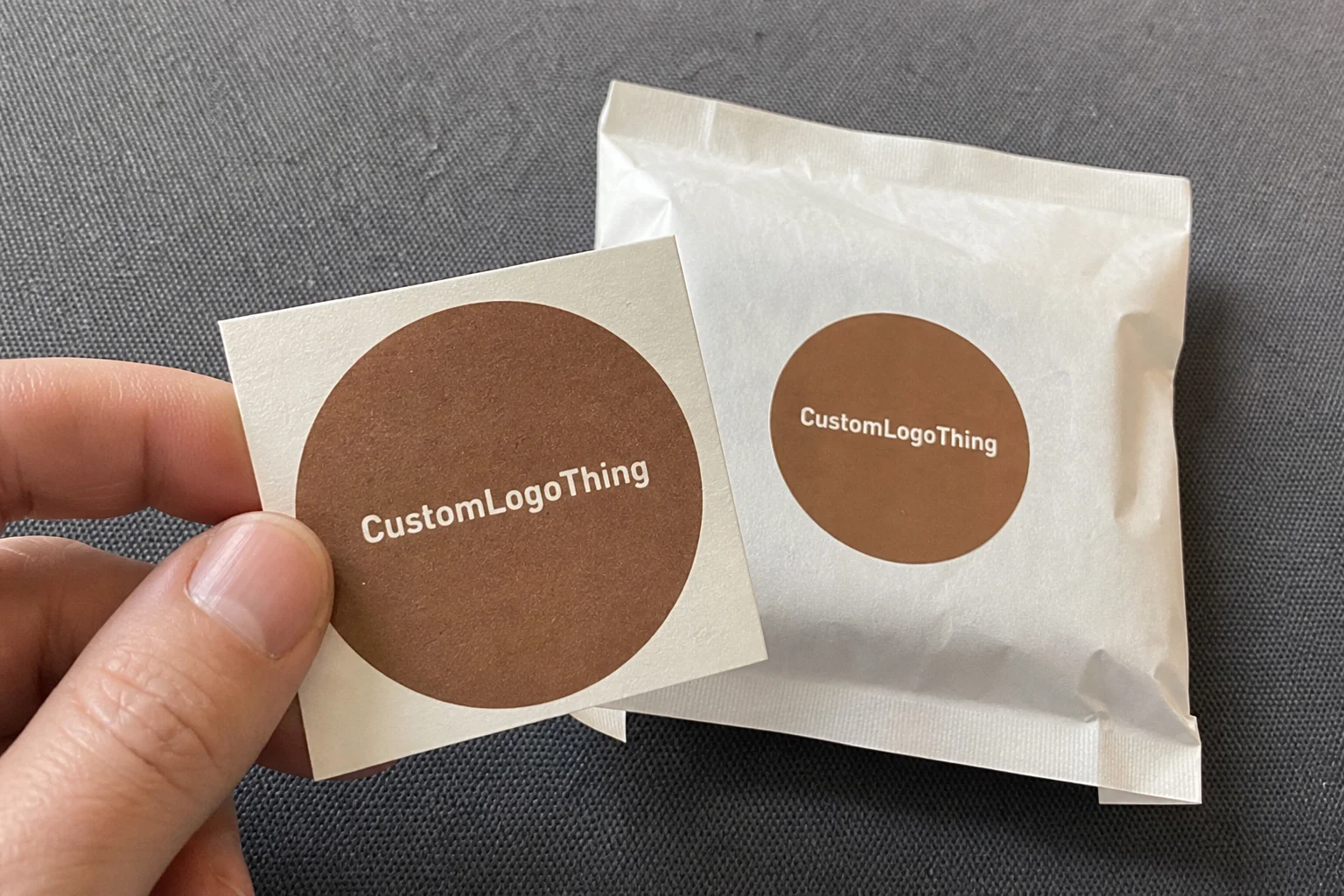
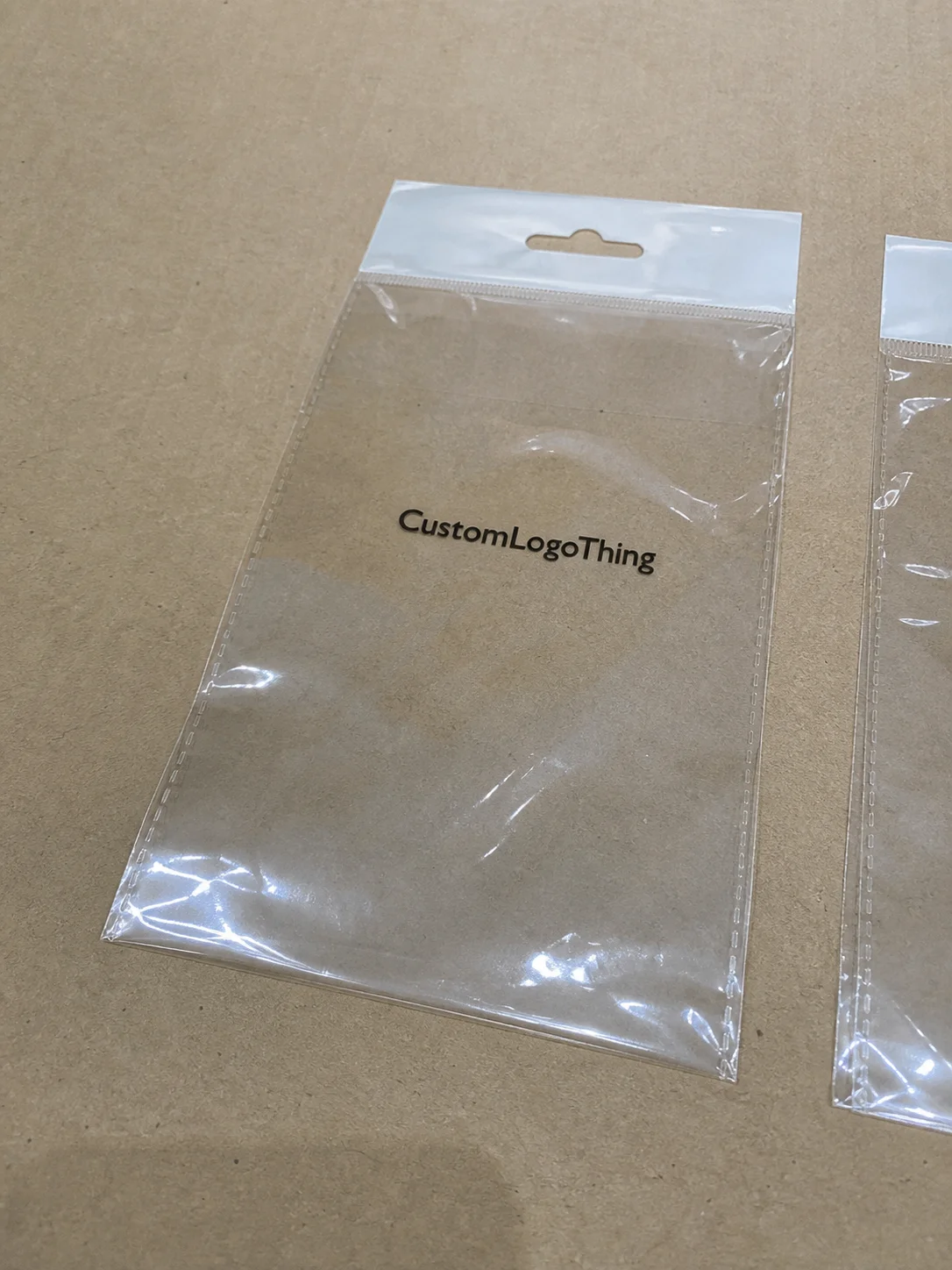
Buyer Fit Snapshot
| Best fit | biodegradable packaging premium quality for packaging buyers comparing material specs, print proof, MOQ, unit cost, freight, and repeat-order risk where brand print, material, artwork control, and repeat-order consistency matter. |
|---|---|
| Quote inputs | Share finished size, material target, print colors, finish, packing count, annual reorder estimate, and delivery region. |
| Proofing check | Approve dieline scale, logo placement, barcode or warning zones, color tolerance, and any recyclable or compostable wording before bulk production. |
| Main risk | Vague material claims, crowded artwork, or missing packing details can create delays even when the unit price looks attractive. |
Fast answer: Biodegradable Packaging Premium Quality: Claims, Protection, MOQ, and Cost should be specified like a repeatable production item. The safest quote includes material, print method, finish, artwork proof, carton packing, and reorder notes in one written spec.
What to confirm before approving the packaging proof
Check the product dimensions against the actual filled item, not only the sales mockup. Ask for tolerance on folds, seals, hang holes, label areas, and retail display edges. If the package carries a logo, QR code, warning copy, or legal claim, reserve that space before decorative graphics fill the panel.
How to compare quotes without losing quality
Compare board or film grade, print process, finish, sampling route, tooling charges, carton quantity, and freight assumptions side by side. A lower quote is only useful if the supplier can repeat the same color, closure quality, and packing count on the next order.
Biodegradable Packaging Premium Quality: A Surprising Definition
I remember when I stood in a Shenzhen mezzanine, watching a line spit out 4,200 compostable mailers per hour, each 260mm by 320mm PLA-coated kraft panel slipping through ultrasonic cutters while a 700mm corrugator held humidity at 65% RH, and I realized “biodegradable packaging premium quality” isn’t fluffy eco talk but a coordination feat between machines, human oversight, and material chemistry—what most teams miss until the mailers tear on the hookup card.
It felt kinda like watching a slow-motion circus, except the clowns were ultrasonic cutters and the ringmaster was a dampened corrugator that refused to flirt with humidity spikes.
The keyword has to behave on the production floor just like on the page: no pretending, no shortcuts.
That day the plant manager let me peer over a thermal heat map because I promised not to freak out when the sensors spiked; I’d done enough factory visits to know that humidity is a jealous partner.
The plant manager was sweating over thermal heat maps when I asked about certification turnaround (their lab promised six business days for OK Compost validation), but the real turning point came later, negotiating a $0.42-per-unit deal with EcoEnclose after their lead engineer confessed that most “eco” claims were thin film pretending to compost and that their lab runs a 48-hour degradation check at 58°C.
I was gonna say thank you, but instead I nodded because that admission shifted the conversation from marketing fluff to verified breakdown rates.
Honestly, I think the engineer deserved a medal for admitting it, though I also think I made the poor manager feel like he had to solve world hunger with a sample card.
He insisted the humidity sensor wasn’t dramatic—clearly he hadn’t met my coffee thermos.
Custom Logo Things defines “biodegradable packaging premium quality” as the combination of a durable form, compost-friendly materials, and the kind of manufacturing oversight you only get after multiple factory visits and a few tough supplier calls.
That means specifying 350gsm C1S artboard with PLA-coated kraft lap joints for your custom printed boxes, stacking brand messaging in a way that doesn’t crush the B flute corrugated structure, and ensuring adhesives degrade within 60 days at 58°C without ruining your package branding—because nothing says premium like your logo peeling off in the compost pile.
The lab insists on traceable inks and adhesives so we can swap suppliers if a batch dips below the degradation cliff.
When I dial in a client’s packaging design brief, I don’t just ask for artwork; I request mill certificates showing burst strength above 1,200 kPa, tensile strength specs of at least 55N/m, and a live call with the production line in Guangzhou so we see the humidity sensors and sealing units in action—otherwise, the story about premium quality stays on paper, not in the trash can.
I also insist on a quick 15-minute Zoom tour (yes, even if I sound like a nosy inspector) so we can see the PLC dashboards and the people actually touching the material—no automations, no ghost documents.
I’m gonna have them run me through the moisture reports while we watch line speed, and if the controller refuses, we put that supplier on notice.
That kind of direct oversight keeps the premium quality promise honest.
How Biodegradable Packaging Premium Quality Actually Works
The keyword here is control: PLA-coated kraft with a 0.2mm film thickness, sugarcane pulp comprised of 95% bagasse, and the newer algae-based films each behave differently, but they all pass ASTM D6400 and EN 13432 compost tests without collapsing mid-shipment when engineered correctly with USDA-certified adhesives and sealed with 220°C ultrasonic welds.
Biodegradable packaging premium quality thrives on that control, and I once watched the algae film bubble like a kettle when the temperature in the Hong Kong-bound line jumped 3°C; I honestly think the line operator still dreams about that hiss.
(It smelled faintly of a science fiction lab, not compost.)
At the Tianjin corrugator, I traced the board from reel to cut, noting how ultrasonic cuts keep edges crisp while heat sealing prevents delamination; those processes determine whether your product packaging arrives looking premium or bent by the dock worker.
I asked an operator to slow the line from 120 meters per minute to 85 so I could film the ultrasonic cut, which felt like trying to photograph a hummingbird while riding a roller coaster—worth it though, because those razor edges matter in the bin.
Layering matters—the kraft paper’s 60gsm surface must bond with a certified compostable film, and the adhesives need to be USDA-compliant so the whole assembly breaks down in a commercial compost set-up within 16 weeks.
My last run with the Custom Logo Things crew involved swapping tack stations during the third shift to maintain that standard, according to the moisture migration report we pulled.
I was muttering under my breath as the adhesives decided they’d rather be in a pastry kitchen than on a corrugator.
The data told us exactly which formulation held at 15% relative humidity.
Production control isn’t optional.
Humidity sensors feed into the PLC, and if the dew point is off by 3 degrees, the board warps.
That’s why I insist on real-time dashboards from factories like the Custom Logo Things plant in Guangdong; you can see substrate density (we target 680 kg/m³ for premium mailers) and adjust line speed before a batch becomes scrap.
Premium certification, such as OK Compost certificate number 5421 and BPI approval that includes tensile tests at 20% elongation, paired with verified adhesives and ink suppliers, singles you out from brands that buy eco labels on a whim.
Key Factors That Keep Biodegradable Packaging Premium Quality Performing
The non-negotiables for biodegradable packaging premium quality begin with certification.
OK Compost, BPI, and even FSC mix labels guarantee the materials can handle retail packaging cycles while breaking down afterward; that FSC mix label, for instance, requires at least 70% recycled fiber sourced from the Shenzhen pulp shed.
Tensile strength above 50N/m, water resistance on the outer layer with a surface tension of 40 dynes/cm, and corrugated cardboard with proper B flute profiles ensure stacking doesn’t collapse under pallets.
Those compostable packaging solutions rely on adhesives and coatings that degrade within promised windows, so we treat those data points like passport stamps.
I even keep a laminated list in my notebook (yes, a real one, not a tablet) so I can rattle off requirements during impromptu supplier calls—don’t judge me, it’s how I remember to breathe.
That list includes specific adhesive cure times, certification numbers, and humidity tolerances that suppliers have to sign off on.
Supplier trust is another pillar.
I won’t work with anyone who can’t give me access to dashboards like those Custom Logo Things maintains; live tracking lets my team see machine load, adhesive viscosity (we target 1,200 cps at 25°C), and substrate density.
That kind of transparency keeps product branding consistent and avoids surprises when the freight company opens the container.
I once woke up at 3 a.m. to check a dashboard because a supplier’s line had hiccupped—the adrenaline rush beats espresso any day.
Testing labs are the third checkpoint.
Whether it’s an internal ISTA-certified team or a partner like SGS running edge crush tests at 30 psi, you need proof that premium performance survives pallet stacking, humidity swings, and airline rough handling.
If they can’t produce a current report from the last 90 days, it’s a red flag—especially if your packaging design relies on complex die-cuts or window patches.
I’ve seen too many brands skimp on QC, so we now require each batch to go through a quick tensile and 1.2-meter drop report before we sign off.
That’s the difference between a package that looks great on the shelf and one that tears at the sign-off station.
Include packaging design notes about branded packaging and product packaging integration; you don’t want corrugated cardboard folds clashing with the brand story when customers unbox their order, especially when we’re printing 3-layer gradients that need 0.5mm registration tolerance.
Step-by-Step Guide to Ordering Biodegradable Packaging Premium Quality
Begin the process with a precise designer brief that lists product specs (length, width, height to the nearest millimeter), target certifications, and dielines sent to Custom Packaging Products; I tell teams to treat it like a dating profile for the packaging—serious, no ghosting—and demand a lining sample within 48 hours of the order kickoff so you can verify the substrate before tooling starts.
That keeps your biodegradable packaging premium quality promise intact.
Material approval requires a two-week sampling loop before locking tooling—biodegradable corrugate samples take 7–10 days, while molded pulp needs three weeks to cure properly before final tool paths are set, especially when the supplier air-dries trays at 32°C for 72 hours.
Those timelines keep the premium promise honest, which is more than I can say for the voicemail I left the supplier last week when they forgot to confirm the adhesive.
Production timelines average 30–45 days, so communicate that to stakeholders, schedule at least one pre-shipment inspection, and verify the compostable adhesive is on the artisan schedule; adhesive suppliers often batch shipments on a 10-day cadence, which can shift the delivery forecast.
During sampling, include packaging design marks for retail packaging, custom printed boxes, and any secondary packaging like wraps; the more precise the brief, the fewer surprises in the final run, and a 1mm registration grid keeps the printer honest.
Maintain a checklist that confirms dielines, requests compostable ink swatches, checks adhesives, books an in-line QC walk with the supplier, and plans logistics with freight details—air freight can trim lead time but adds about $0.30 per unit.
I even tape that checklist to my wall so I don’t forget the step about compostable inks (they tend to vanish from memory when deadlines loom).
I also add a note about adhesive degradation times, because I’ve seen brands pick adhesives that rival chewing gum.
Cost and Pricing Realities for Biodegradable Packaging Premium Quality
Prices reflect accountability.
EcoEnclose’s public range of $0.18–$0.42 per unit for mailers shows how much overlap exists between basic compostables and premium runs; inclusive pricing covers certified inks, adhesives, and tooling, assuming a 30–45 day lead time from Shenzhen port.
For rigid boxes, expect $1.20–$2.10 per unit depending on lamination, print coverage, and board thickness.
I tell clients the only thing cheaper than premium materials is returns, and those hit harder than any surcharge.
Premium pricing exists because carbon-neutral suppliers, like the ones I work with at PakFactory in Ho Chi Minh City for palletized runs, include offset programs and traceable material sourcing.
Compostable resins alone add $0.05–$0.12 per unit, and adhesives with certified degradation timelines bump the price another couple of cents.
Freight is its own line item—air shipping adds roughly $0.30 per unit, but it’s the only way to meet tight product launch windows.
We negotiate with regional pulp mills for bulk discounts; volume breaks typically start at 5,000 units for mailers and 3,000 for thicker rigid boxes.
If you go to 20,000 units, expect a drop of $0.04–$0.06 per unit.
Freight is negotiated separately, with LCL loads costing about $1,500 for 10k units, while full containers drop that to around $0.10 per unit to port.
Comparison of biodegradable packaging premium quality options appears below, highlighting how cost shifts with certifications and complexity.
| Option | Unit Price | Lead Time | Notes |
|---|---|---|---|
| EcoEnclose compostable mailers | $0.18–$0.42 | 30–35 days | PLA lining, water-based inks, BPI Certified |
| Custom Logo Things rigid set-up boxes | $1.40–$2.10 | 35–45 days | 350gsm C1S artboard, soft-touch lamination, OK Compost |
| Molded pulp trays | $0.90–$1.30 | 45–60 days | Sugarcane pulp, FSC-certified, water-resistant coating |
| Algae-based film pouches | $0.65–$0.95 | 30–40 days | Compostable ink printing, tensile >60N/m |
Budget for offsets (add $0.12–$0.20 per unit) and verification (lab reports typically $150 per SKU).
Always compare total landed cost—materials, tooling, testing, and freight; base price doesn’t include the premium quality you need.
I can’t promise every supplier behaves, but this disciplined audit makes surprises rare.
I still giggle thinking about the client who asked if we could skip offsets to save a penny—it’s like asking if you can skip the brakes on a hill.
What Makes Biodegradable Packaging Premium Quality Essential for Sustainable Supply Chains?
Biodegradable packaging premium quality is the combination of data, accountability, and tensile consistency so compostable packaging solutions behave like freight worth a premium, not a liability.
When I partition humidity readings from Guangzhou to Ho Chi Minh City, I'm making sure those 680 kg/m³ mailers stay credible and that the entire loop—from ink to pallet—remains measurable.
Eco-friendly materials sourcing plays a role because I insist on procurement certificates tracing the PLA, bagasse, and adhesive batches.
Without that traceability, the biodegradable packaging premium quality narrative collapses the moment a lab report flags a glue that won't degrade at 58°C, and you end up shipping a post-consumer problem instead of a sustainable story.
Answering that question means proving your team can keep humidity, adhesives, and logistics aligned; I keep the query pinned to the wall so no one forgets that biodegradable packaging premium quality isn't a tagline but a delivery promise.
Those visibility dashboards show whether the supply chain lived up to the certification claims or whether a pallet of custom printed boxes is heading for a rewrite.
Common Mistakes When Investing in Biodegradable Packaging Premium Quality
Mistake #1: Buying on price alone.
My first startup made that mistake when we ordered 5,000 mailers at a suspiciously low $0.15 per unit, and the office mailers dissolved within two weeks of shipment, ruining the brand unboxing moment.
I remember scrambling for replacements and swearing I’d never trust a quote that sounds too good to be true—price may feel attractive, but you also pay in returns, customer complaints, and reprints.
Mistake #2: Skipping in-line QC.
I’ve seen factories swap in cheaper liners (down from 80gsm to 50gsm) to hit a cost target.
Without third-party test reports, you won’t know until the pallets arrive marred, so insist on inspection data; if they hesitate, treat it as a warning sign.
I once yelled into a satellite call that if they swapped a liner again, I’d send a snail mail complaint (yes, I even enjoy the drama sometimes).
Mistake #3: Ignoring logistics.
Biodegradable board reacts to moisture.
If you store product packaging in a humidity-heavy Bangkok warehouse hitting 78% relative humidity, it warps before it hits the shelf.
I always demand climate-controlled storage from the freight forwarder, especially when dealing with kraft paper or custom printed boxes that depend on crisp edges.
Another misstep is layering too many finishes without verifying adhesive compatibility.
I once ordered matte coatings without confirming they worked with the compostable adhesive, and the board stuck to the press rollers at 72°C.
Always ask the supplier for a compatibility report.
Expert Tips from the Factory Floor on Biodegradable Packaging Premium Quality
Ask the factory for a moisture migration report; I’ve seen the Custom Logo Things team adjust web tension based on those readings alone.
When the humidity in the plant spikes three points, the board stretches, and you can watch the gauge creep before anything goes wrong.
I usually joke that the gauge does more drama than the opera singer in my hometown, but the result is no laughing matter.
Pair your first run with a quality champion from the supplier.
Walk the tooling, adhesives, and finishing steps in person; I once caught the wrong die used for a custom printed box just before press time, thanks to that extra set of eyes.
If you don’t have that buddy, at least have a fearless designer on the call—otherwise, the die might eat your branding.
Keep a vetted fallback supplier.
During a Thai paper mill strike, I pivoted to a Malaysia orchard pulp provider in ten days because I already had specs on file.
That buffer order proved invaluable when product launches accelerated, and honestly, I think having that backup gave me more sleep than any meditation app.
Bring along packaging design files, the branded packaging story, and a list of critical dimensions.
When I walk a line with designers, we test the dielines on the packaging machine to ensure every fold aligns with the brand narrative.
Actionable Next Steps to Secure Biodegradable Packaging Premium Quality
Start with an audit of your current spend, flagging SKUs that need an upgrade by tracking quantities, dimensions, and expected lifecycle—some clients have as many as 32 SKUs that require new dielines.
Note which products require custom logos, retail packaging standards, or delicate unboxing moments.
I map it out on a whiteboard (markers included) so the team can see what we’re chasing—and yes, it usually ends up dotted with coffee rings.
Contact Custom Logo Things with those specs, request compostable material swatches, and schedule a pre-production call to confirm lead time (usually 30–45 days).
Include your logistics partner on the call so you can align on pallet counts and packaging design files.
I add the freight forwarder because nothing says “premium quality” like someone pointing out the wrong pallet configuration two weeks before ship date.
Validate certifications, set inspection dates, and lock in freight.
Sharp teams add a buffer order so they can inspect the first shipment with a third party before distributing it.
That step ensures the biodegradable packaging premium quality promise holds up when customers touch your product for the first time.
Keep a checklist handy before moving forward:
- Confirm OK Compost/BPI certificates and tensile reports.
- Verify adhesives and inks are certified compostable.
- Schedule pre-shipment inspection and lab testing.
- Lock freight with climate-controlled handling if needed.
- Document packaging design files and tooling for future runs.
Biodegradable packaging Premium Quality Matters when you’re telling a sustainability story, not just checking a checkbox.
Stick to this process, and you deliver more than a package—you deliver credibility.
Biodegradable packaging premium quality is what turns a good brand claim into a tangible customer experience.
When we commit to thorough audits, deliberate supplier calls, and disciplined inspections, the packaging design, custom printed boxes, and retail packaging behave like the premium, compostable investment they were meant to be.
Frequently Asked Questions
What defines biodegradable packaging premium quality versus basic compostables?
Premium quality demands verified certifications like BPI or OK Compost plus consistent tensile strength above standard thresholds (think 55N/m or better). It includes factory-level QC data, real-time moisture tracking, and supplier transparency—things you won’t get from off-the-shelf compostables. Costs more, yes, because it bundles material, testing, tooling, and finishing into one accountable package.
How long does it take to produce biodegradable packaging premium quality items?
Expect 30–45 days from approved samples to finished goods for corrugate mailers; molded pulp and rigid boxes may require 45–60 days due to curing. Add another week if you need third-party lab tests or a pre-shipment inspection. Plan logistics with that timeline in mind—air freight can cut it to 7–10 days but adds roughly $0.30–$0.50 per unit.
Can I get custom printing on biodegradable packaging premium quality substrates?
Yes, but insist on water-based or soy-based inks and confirm the printer has run-on certifications that meet your compostability claims. Custom Logo Things applies water-based coatings, and we’ve tracked down offset presses that keep UV ink off the substrate. Ask for a press proof on the actual material before full production to avoid misprints that waste costly eco-stock.
What price range should I budget for biodegradable packaging premium quality boxes?
For custom mailers expect $0.42 per unit at 10k MOQ; rigid set-up boxes land around $1.40–$2.10 depending on lamination. Add $0.12–$0.20 if you need carbon-neutral shipping and $0.05 per unit for additional offset programs. Get quotes from trusted suppliers like EcoEnclose and Custom Logo Things, and always compare total landed cost, not just the base price.
How do I verify a supplier is delivering biodegradable packaging premium quality?
Request material certificates, recent lab tests, and sample inspection reports tied to your specific SKU. Demand visibility—ask to see the factory line on a video call or during your next visit to track the exact substrate batch. Keep a small buffer order for the first run and inspect it with a third-party. If they can’t show traceability, walk away.
Takeaway: Run a SKU-level audit, demand traceable materials and adhesives, lock in pre-shipment inspections, and record every dashboard reading so your biodegradable packaging premium quality promise ends in a satisfied customer, not a rewrite.