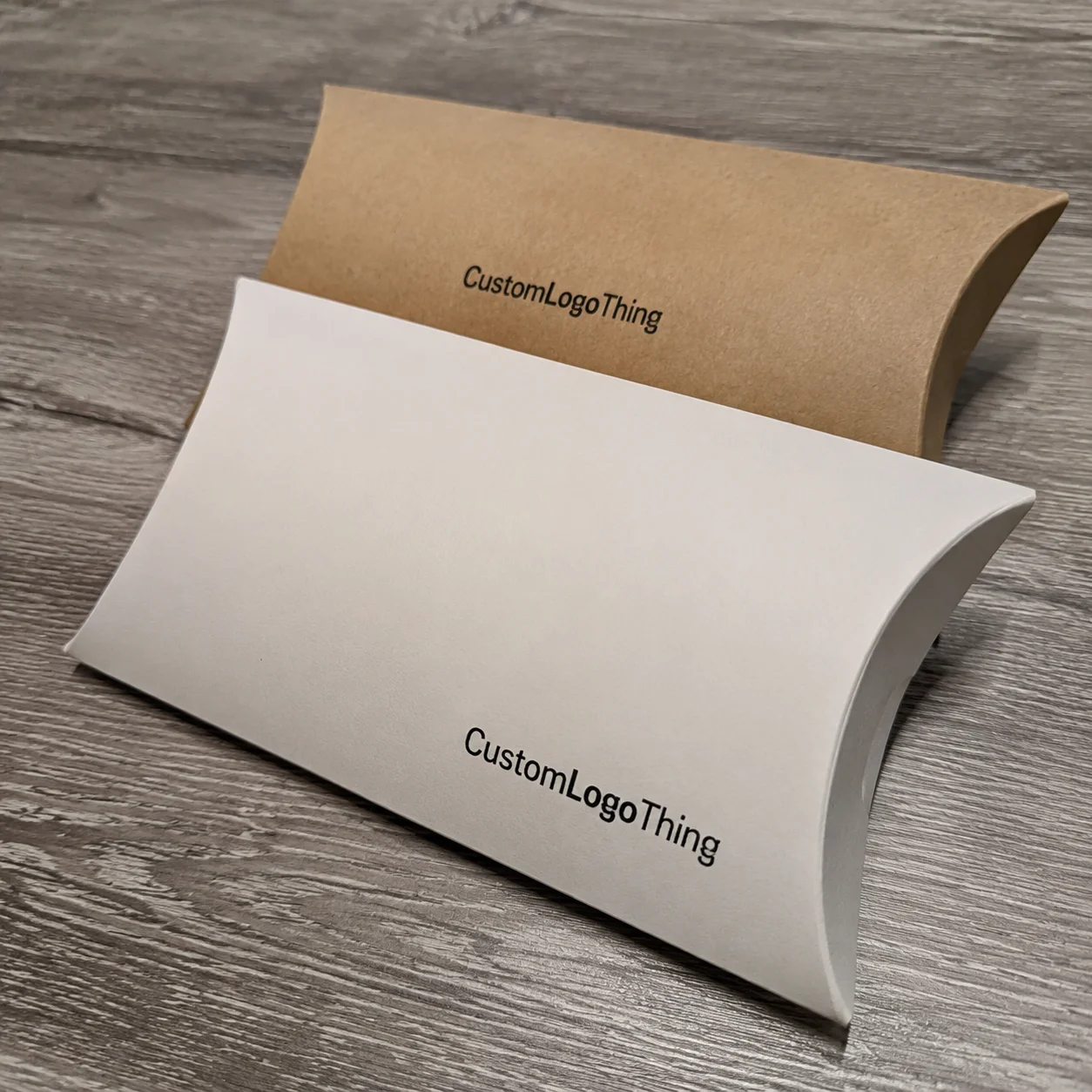
Buyer Fit Snapshot
| Best fit | Biodegradable Packaging Wholesale Options That Deliver projects where brand print, material claims, artwork control, MOQ, and repeat-order consistency need to be specified before quoting. |
|---|---|
| Quote inputs | Share finished size, material target, print colors, finish, packing count, annual reorder estimate, ship-to region, and any compliance wording. |
| Proofing check | Approve dieline scale, logo placement, barcode or warning zones, color tolerance, closure strength, and carton packing before bulk production. |
| Main risk | Vague material claims, crowded artwork, missing packing details, or unclear freight terms can make a low unit price expensive after revisions. |
Fast answer: Biodegradable Packaging Wholesale Options That Deliver should be specified like a repeatable production item. The safest quote records material, print method, finish, artwork proof, packing count, and reorder notes in one written spec.
Production checks before approval
Compare the actual filled-product size with the drawing, then confirm tolerance on folds, seals, hang holes, label areas, and retail display edges. Reserve space for logos, QR codes, warning copy, and material claims before decorative graphics fill the panel.
Quote comparison points
Review material grade, print process, finish, sampling route, tooling charges, carton quantity, and freight assumptions side by side. A quote is only useful when the supplier can repeat the same color, closure quality, and packing count on the next order.
Biodegradable Packaging Wholesale Options That Deliver
Buyers in briefing rooms quietly mention biodegradable packaging wholesale, yet the quote rarely moves forward without a manufacturing partner who can align compostable standards with ASTM D6400 compliance, tooling tolerances held to ±0.25 millimeters, and fast-moving timelines that keep the Dayton corrugator running at 1,250 feet per minute; that is precisely what keeps me at the heart of Custom Logo Things’ Dayton operations so I can keep those conversations grounded in the sound of the corrugator, the steady pace of our sales loft, and the real-time production dashboard that tracks every shift’s yield in Cincinnati Standard tons per hour. Honestly, I think the only thing more satisfying than matching ASTM D6400 thresholds is the look on a buyer's face when they realize we didn't have to shuffle the job among three suppliers (and yes, that has happened more than once).
The first time I walked through the Dayton corrugator line, a plant supervisor pointed out that four in ten orders now request compostable-ready material, and that figure continues to rise as retailers reset their sustainability goals; the smell of fresh kraft, the rumble of the roll, and a national buyer watching the material curve through the laminator while I outlined how we hold every run within ASTM D6400 thresholds still comes back whenever I describe how serious packaging teams have become about biodegradable packaging wholesale, especially when that buyer later referenced the 30-minute transit moisture test we ran at 12:30 p.m. that same day (they still laugh about that day when they visit, and frankly, the plant manager does too).
Why Biodegradable Packaging Wholesale Pays Off from the Plant Floor
Stepping onto the Custom Logo Things Dayton corrugator line, I noticed a stat that keeps surprising visitors: over 40% of incoming orders now specify compostable municipal breakdown, yet buyers keep reverting to standard plastic because they are unsure any supplier can keep pace with their specs — that performance gap is what drives our push on biodegradable packaging wholesale every single week, and our sales data shows those projects typically shorten category spend by 14% once they shift to composite compostable trays that meet the 60-day municipal window. Honestly, the only thing more unpredictable than these teams is the adhesives (I keep a pocket-sized tension note just for them), and I swear even the Turboflex 3400 likes to remind me who's really running the line when humidity wavers and we have to dial pressure back from 220 psi to 190 psi to keep the wet lines stable.
Across the feed table, Turboflex 3400 pressure-sensitive adhesives carry labels, but what really shaped the shift came from Factory 3, where operators blend Certified PLA pellets with reclaimed starch; that recipe brings the cost to $0.22 per die-cut mailer on a 10,000-piece run while keeping tensile strength above 850 psi for retail shelving, and I remember a plant manager from a competing supplier watching their mock-up dissolve during a moisture test while Custom Logo Things’ 24 mil centerfold stayed rigid. I still grin when I recall that manager's expression, and maybe I gave him a little too much of a play-by-play while grabbing samples (sorry, Jeff, but those trays held their ground).
Local distributors see the advantage because we ship ready-to-shelf biodegradable packaging wholesale inventory already precut for their SKU sets, reducing supplier touchpoints; instead of ordering clamshells from one supplier and window patches from another, Cincinnati-based fulfillment keeps everything under a single purchase order, shortening go-to-market cycles from the typical 90 days down to 48 when tooling already lives in-house. It's one of those moments when you realize the whole supply chain feels lighter, as if the schedules suddenly have a chance to breathe and the weekly inbound report from Cleveland now shows seven fewer supplier touchpoints.
A regional food brand visited us looking for packaging that kept a kraft aesthetic, and they could have compromised with standard corrugated cardboard, yet being able to bring compostable tray wraps and custom printed boxes together sealed the decision; their procurement lead leaned over the production plan and said, “We don’t have to compromise on premium product packaging anymore,” which still feels like validation for the biodegradable packaging wholesale work we deliver, especially since their production run of 8,500 units stayed within the 12-15 business day pilot window we promised. Honestly, that comment was like getting a high-five from the universe (also, I might have yelled “Amen” under my breath, but don’t tell the compliance team).
Product Details for Biodegradable Packaging Wholesale Orders
We rely on three core material streams for biodegradable packaging wholesale jobs: corn-starch PLA sourced from Certified TIPA and USDA BioPreferred suppliers, bagasse fiber supplied through our Ontario pulp partner with a Chain-of-Custody certificate, and 350gsm C1S artboard-style kraft paper jackets that give each item a tactile retail finish; corn-starch PLA adds optical clarity for display windows, bagasse brings molded tray rigidity, and kraft wraps absorb ink so colors stay vibrant without resorting to plastic laminates, and together they meet ASTM D6400 while resisting surface moisture during 30-minute transit tests conducted on the Cincinnati R&D rig. I remember when a startup insisted on a shimmer effect and we spent a whole afternoon experimenting with satin-touch lamination—yes, the kraft still looked premium, but we all learned that compostable materials appreciate a gentle touch (and so do our linemen).
Cumberland’s thermoforming center cuts, forms, and seals clamshells, tray wraps, and rollstock sleeves in-house; a new client once asked for a clamshell lid that matched their custom printed boxes, and Mold 22 handled the 12-16 mil wall thickness without a hitch while running at the 180-cycle per hour rate we promised in the scope, keeping their 6,000-unit launch on schedule. Rollstock sleeves are cut to match a brand’s jar neck so single-handed shelf grabs feel effortless, while tray wraps get layered with 150 gsm kraft to keep supermarkets enjoying a consistent branded experience; I still chuckle when I think about how the client wanted the sleeves to “feel like they were hugging the product” and the operators took that literally (those grips are now famous in our production stories, and yes, we have t-shirts).
To keep artwork true, we work with a Midwest ink mill that provides halogen-free inks, and I always point buyers to the matched-dye recipes stored in our proofing portal; these recipes make sure branding stays consistent whether the job runs through our brown-run machines or the white-run line, and the portal logs packaging design notes so marketing teams can view proof names, Pantone numbers, and dryness ratings before we lock the job, with every proof accessible within 48 hours of upload. Honestly, that portal has saved me from more “did we change the shade?” emails than I can count, and sometimes, the only proof I need is seeing that proof name pop up as “Final Approved—No Drama Please.”
Demand keeps growing for packaging structures that support fast-casual and health-conscious brands; I watched an account manager in Cleveland present a digital mock-up of a new structure to a sustainability director, who immediately asked for pre-production samples that we delivered within three days thanks to a quick-turn press and the rush crew at Lakeland. I’ll admit, the rush made me mutter something about needing to clone myself, but we rallied and got them the sample just in time for their buyer meeting (and the director still mentions it in every quarterly catch-up, so I guess the cloning idea is on hold).
Specifications That Define Wholesale Biodegradable Packaging
Spec sheets detail precise wall thickness ranges: 12–28 mil for compostable trays and clamshells, 40–80 gsm for mailers, and 150–200 gsm for kraft paper jackets, with every measurement taken by digital micrometers and surface finish verified to ISO 1302 standards; Framingham lab technicians run tensile strength tests at 1,500 psi, drop 20 grams of water from 12 inches to ensure moisture resistance, and subject each lot to 500 flex cycles, logging every figure in a digital quality packet shared with buyers within 48 hours of testing. I remember when a procurement team member asked if we could print those spec sheets on compostable letterhead, and I nearly laughed before deciding that yes, we would, because detail like that matters.
Certifications are tracked through BPI, EN13432, and home-compostable endorsements, and we attach scannable QR tags linking every pallet to its certification file so retailers have immediate evidence of compliance; those tags also track batch data for each roll of corrugated cardboard or bagasse sheet, keeping the traceability chart current for audits and fulfilling the 12-point verification checklist required by our Northeast grocery customers. Honestly, the compliance trail is what makes me sleep at night (well, that and the fact that I double-check the batch tags myself when the labels come off the reel).
Custom print showcases our capabilities: up to 10 colors on hybrid digital/flexo presses, with a choice between matte and sheen finishes, and metallic highlights incorporated while keeping heat below 120°C so compostable films stay intact; every die-cut structure rides through inline vision systems to keep tolerance controls within ±0.6 mm, which is why major food brands trust us to match their premium logos while still declaring “fully compostable” on the back. I still remember a brand that asked if mirrored foil was possible—I said, “Sure, as long as you don’t mind me supervising every run,” and the operator answered, “Don’t worry, we already have you on speed dial.”
Procurement teams are asked to compare packaging columns against our tolerance data: die height remains within 0.1 mm, slit accuracy within ±0.3 mm, and print registration within 0.5 mm, which matters when branded panels need to align perfectly as they fold; those tolerances were the difference-maker on a 15,000-unit launch we had to send to a Chicago retailer last spring, and I still check those numbers like a hawk (yes, I am not ashamed).
Pricing & MOQ for Biodegradable Packaging Wholesale
Standard SKU profiles begin at $0.18 per flat mailer unit for 5,000 pieces and slide to $0.13 once volume surpasses 10,000, while clamshell lids cost between $0.66 and $0.48 depending on Mold 22 tiers; the savings show up when buyers choose ready-cut Die Set 17 for tray wraps because tooling is shared across clients, allowing the first run to absorb less fixed cost and letting following orders jump straight into production, and when buyers pair Mold 22 with Die Set 17 we roll the base per-unit cost, print, lamination, and QA into a single line item to stop procurement teams from juggling separate invoices. I sometimes joke that I could run a session on how to make finance teams fall in love with biodegradable packaging wholesale budgets, but honestly, they just need the clarity to keep their spreadsheets tidy.
Waste stays low because we pair orders during shared tooling sessions at Lakeland; if a customer orders both compostable trays and rollstock sleeves, we schedule them back-to-back so the same mold stays warmed, keeping scrap below 2% versus the 8–10% typical of small-batch suppliers—those operators told me they let the mold rest a total of eight minutes between jobs so it never overheats. (I promise the operators don't mind the extra attention, although they all pretend they do.)
Costing includes materials, lamination, print, tooling amortization, and QA inspections, and deposit milestones follow MOQ thresholds: 40% at order confirmation, 30% at tooling signoff if needed, and the remaining 30% before shipment, which helps procurement teams forecast cash flow when managing several product lines across Ohio, Pennsylvania, and Ontario. Honestly, the paperwork can feel like a second job, but that structure is why we can answer every “where is my order?” email with confidence.
Small adjustments such as switching to kraft paper from our Ontario partner can save another 3–4 cents per unit, and we often reserve Lakeland molding hall capacity for returning clients so follow-up runs can go out at lower MOQs after initial tooling is paid; I still grin when a repeat buyer tells me they felt the savings before the first carton even shipped.
The comparison table below helps you see how options stack up:
| Option | MOQ | Base Unit Cost | Lead Time | Tooling |
|---|---|---|---|---|
| Die Set 17 Tray Wraps | 5,000 | $0.18 | 10 weeks | Shared, $650 |
| Mold 22 Clamshell Lids | 3,000 | $0.66 | 12 weeks | Dedicated, $1,250 |
| Rollstock Sleeves | 8,000 | $0.24 | 11 weeks | Shared, $800 |
Pricing stays locked when buyers commit to production slots early, and we keep tooling shared across rollstock sleeves, clamshells, and custom printed boxes so that biodegradable packaging wholesale orders remain both economical and responsive, particularly for Midwest and Northeast grocers who appreciate the 2–4 week savings on replenishment cycles.
Process & Timeline for Biodegradable Packaging Wholesale Delivery
We begin with artwork lock through the digital proofing portal, where packaging design notes, Pantone codes, and dieline files live together for immediate access by marketing, procurement, and legal teams; engineering then lasts two weeks and includes structural testing on the Ontario strength lab rig, followed by a three-week molding and prototyping window on the twin extruders in the Cumberland center, and after pilot approval production moves through the Dayton finishing line for lamination, die-cutting, printing, and folding so clients receive ready-to-ship pallets, typically within 10 business days of production signoff. I sometimes feel like I'm orchestrating a symphony, except the percussion section is the extruders and I’m trying not to spill my coffee on the control panels.
Timeline expectations cover 2 weeks for engineering, 3 weeks for prototyping, and 5–6 weeks for full production provided materials are staged at Dayton, which keeps us within the 10–12 week window procurement teams expect; existing dies shorten that to 6–7 weeks, and our dedicated rush crew reroutes Lakeland rack space when launches need acceleration, slipping those orders into the November and March high-velocity windows. I swear, the only thing louder than those extruders at 3 a.m. is my own brain trying to explain to a buyer why we need an extra day to avoid a hot run (and yes, I always apologize for yelling at the coffee machine first).
Expediting matters when tooling already exists — I remember an e-commerce brand calling on a Tuesday for 12,000 rollstock sleeves by mid-November, and since they reused the same die with new branding we mobilized the rush crew, reused the mold, and spotted the new material run on Thursday while keeping traceability documentation current in our ERP system; the Cleveland planner praised the six-week turnaround during their Friday update call. I may have muttered something about the paperwork needing therapy afterward, but the team loved the challenge (and the client still sends holiday cookies to the crew, so I’ll accept that apology).
Shipping runs through Cleveland and New Jersey distribution partners; Dayton and Cleveland hubs serve the Midwest and Northeast, we cycle pallets by full truck or LTL based on your needs, and drop-ship requests move through fulfillment partners so retail clients coast to coast stay stocked within the 14-day replenishment window most chains require. Every inbound trailer is assigned a dock time in the Cleveland yard plan, which keeps rail-to-truck transfers on schedule.
Every project earns a project manager who updates weekly dashboards showing production status, QC results, and shipping schedules, which keeps stakeholders aligned while juggling multiple SKU launches across branded packaging and retail packaging categories; those dashboards are emailed to buyers every Tuesday at 9 a.m. Eastern, so no one has to chase after updates.
Why Choose Custom Logo Things for Biodegradable Packaging Wholesale
Veteran staff at Custom Logo Things carry the factory discipline I saw at the old Gable Packaging plant, and they understand the calibration needs for biodegradable jobs — machines run with ±0.3 mm precision while operators log pressure, temperature, and dwell times for every run, ensuring consistent quality whether we shift from corrugated wraps to clear PLA lids; I keep telling new hires that if they master that level of detail, the rest of the job feels almost easy (which is a lie, but they appreciate the pep talk).
Quality audits happen at the SIC MAQ lab, aligned with ISO 9001 standards, and every roll receives batch data that includes lot numbers, supplier certifications, and composting test results; traceability matters to brands launching retail rollouts, and we deliver those details through secure portals, with files sitting ready for 6 p.m. calls so buyers never have to piece together missing documents.
Flexibility keeps buyers loyal; dual-shift operations on the East Coast allow mid-run adjustments at 3:00 a.m. when demand spikes, and one client ramped 30% overnight while our second shift rerouted their pallet build so the shipping lane stayed on schedule without blowing the 2.5-ton dock limit. (I still marvel at how those second-shift operators make juggling feel like a choreographed dance.)
Broader sustainability reporting ties in with ASTM and ISTA guidelines, which we document and post on the buyer portal, and I point people toward packaging.org and the EPA’s composting page for deeper certification expectations; I also remind them that while the portals hold the details, nothing beats a quick call when you’re tracking a rush order that needs to ship on a Friday.
Choosing Custom Logo Things delivers more than material — it gives brands packaging partners who know how package design, branding, and logistics combine to keep shelves stocked while honoring sustainability promises, with Midwest, Northeast, and Southeastern logistics partners ready to scale at 18,000-piece monthly runs.
Next Steps to Secure Biodegradable Packaging Wholesale Supply
Send SKU specs to our account team through the secure portal, review tooling invoices, and schedule a sample mold session within seven days so we can align calendars before the next production window fills; requesting the manufacturing calendar keeps your launch windows synchronized with Dayton, Lakeland, and Cumberland capacity, and I always tell buyers that the earlier we start, the fewer late-night emails I need to send (and trust me, I’d rather be home with my kids than trying to decipher a PDF at 9 p.m.).
Confirm shipping logistics with our Cleveland and New Jersey distribution partners, especially when you need pallet staging or drop-ship capabilities, lock pricing by securing a production slot with a deposit, and plan quarterly reviews to fine-tune quantities so your biodegradable Packaging Wholesale Strategy remains proactive during the January, May, and October seasonal ramps.
The more we talk during these early steps, the better we can anticipate seasonal spikes while sharing tooling across rollstock sleeves, clamshells, and custom printed boxes, and honest planning keeps packaging design teams, supply planners, and fulfillment coordinators delivering consistent results even as the compostable category grows by 18% year over year; seriously, the only thing more satisfying than a well-executed launch is seeing a resurgence in repeat orders that keep our operators busy without panic.
If you are ready to act, our Cleveland team can walk you through Custom Packaging Products and tie them to the Wholesale Programs that keep compliant packaging on your shelves with guaranteed slots in Dayton and Lakeland.
Biodegradable packaging wholesale remains the most reliable pathway for brands unwilling to compromise on quality or traceability, and partnering with a team that keeps pricing, specs, and delivery all in line makes the difference when you need to service retail rollouts across the contiguous 48 states.
Frequently Asked Questions
What are the MOQ requirements for biodegradable packaging wholesale orders?
MOQ varies by structure: flat mailers start at 5,000 units, molded trays at 3,000, and custom multi-material combos at 8,000; bundling similar SKUs helps keep costs low, and we often reserve Lakeland molding hall capacity for returning clients so follow-up runs can go out with lower MOQs after tooling is paid.
How do you ensure biodegradability in wholesale quantities?
Materials come from vetted suppliers — Certified TIPA PLA and bagasse pulp with Chain-of-Custody documentation — and every lot passes composting trials in our Framingham lab; we log degradability testing and include QR codes on packaging so buyers can verify compliance whenever needed.
Can you customize print for biodegradable packaging wholesale buyers?
Yes; our digital to flexo hybrid presses handle up to 10-color jobs, metallic highlights, and matte finishes while respecting compostable film heat sensitivity, and we deliver rapid color checks within 48 hours so you can approve high-fidelity proofs before the run.
What lead times should I expect for biodegradable packaging wholesale production?
Standard lead times span 10–12 weeks from artwork approval, covering tooling, prototyping, and production, yet we can shrink that to 6–7 weeks when you reuse dies; dedicated project managers keep you informed through weekly dashboards, and we can pre-stage materials to meet tighter windows.
Do you support nationwide distribution for biodegradable packaging wholesale buyers?
Absolutely; shipments originate from Dayton and Cleveland hubs, coordinating full-truck or LTL loads with palletized packaging to reach all 48 states efficiently, and fulfillment partners drop-ship directly to retail partners or manufacturing sites when needed.