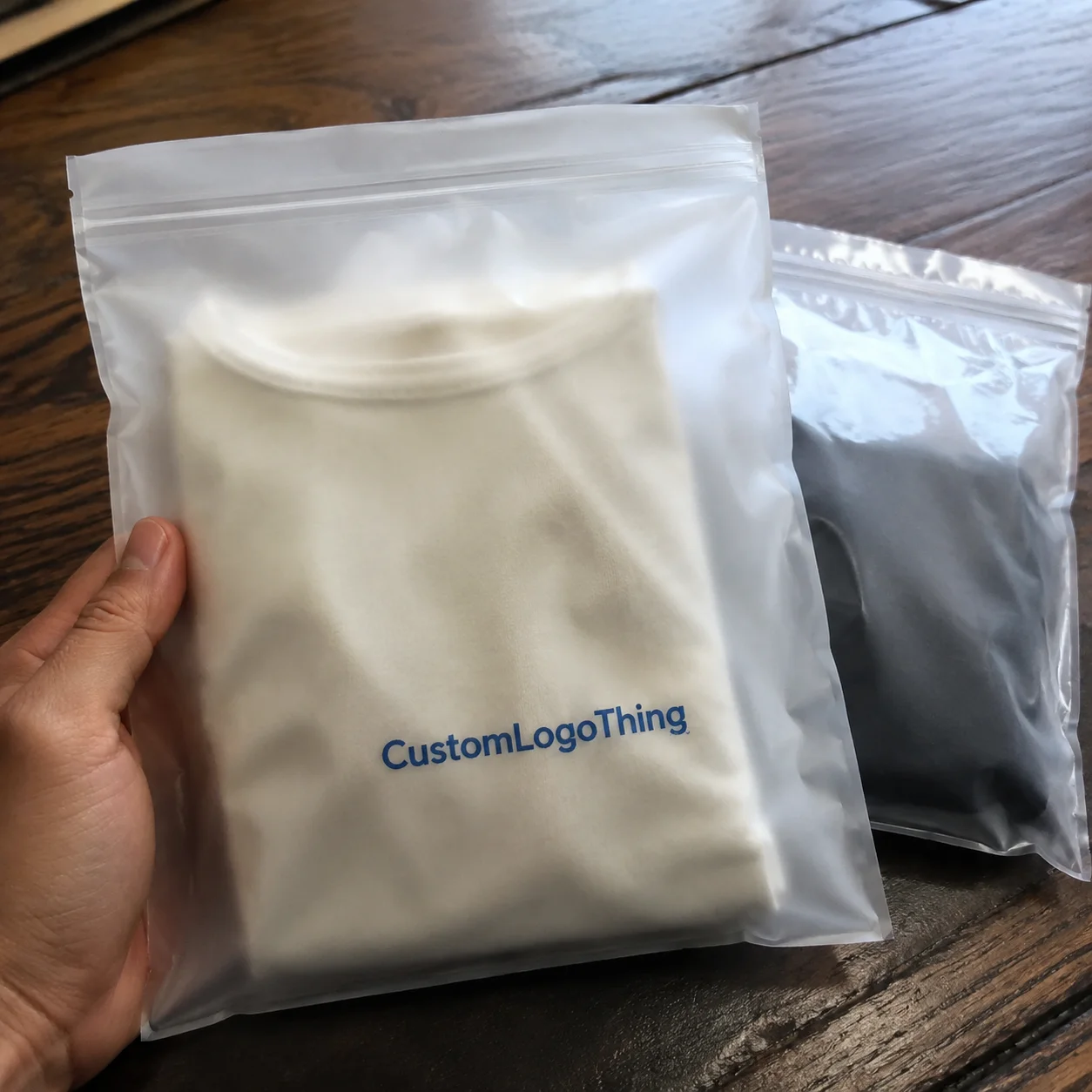
If you are sourcing from a biodegradable Poly Mailers Factory, the first thing to clarify is what the product can actually do. A mailer can be marketed as biodegradable and still fail to break down in a normal waste stream. That is not a minor distinction. It changes how you position the packaging, what documentation you need, and whether the environmental claim survives contact with reality.
Buyers often focus on the logo, the price, or the phrase on the spec sheet. Those matter, but they are not the whole story. Film composition, sealing temperature, print coverage, storage conditions, and the local disposal route all influence the final result. A mailer that looks sustainable in a catalog can behave very differently once it is packed, shipped, and discarded.
That is why packaging teams treat these mailers as a technical purchase. The difference between a bag that holds up through a humid transit lane and one that splits at the seam may come down to a few microns of thickness or a small adjustment in seal settings. Tiny numbers. Very real consequences.
What Biodegradable Poly Mailers Actually Are—and Why Brands Are Switching
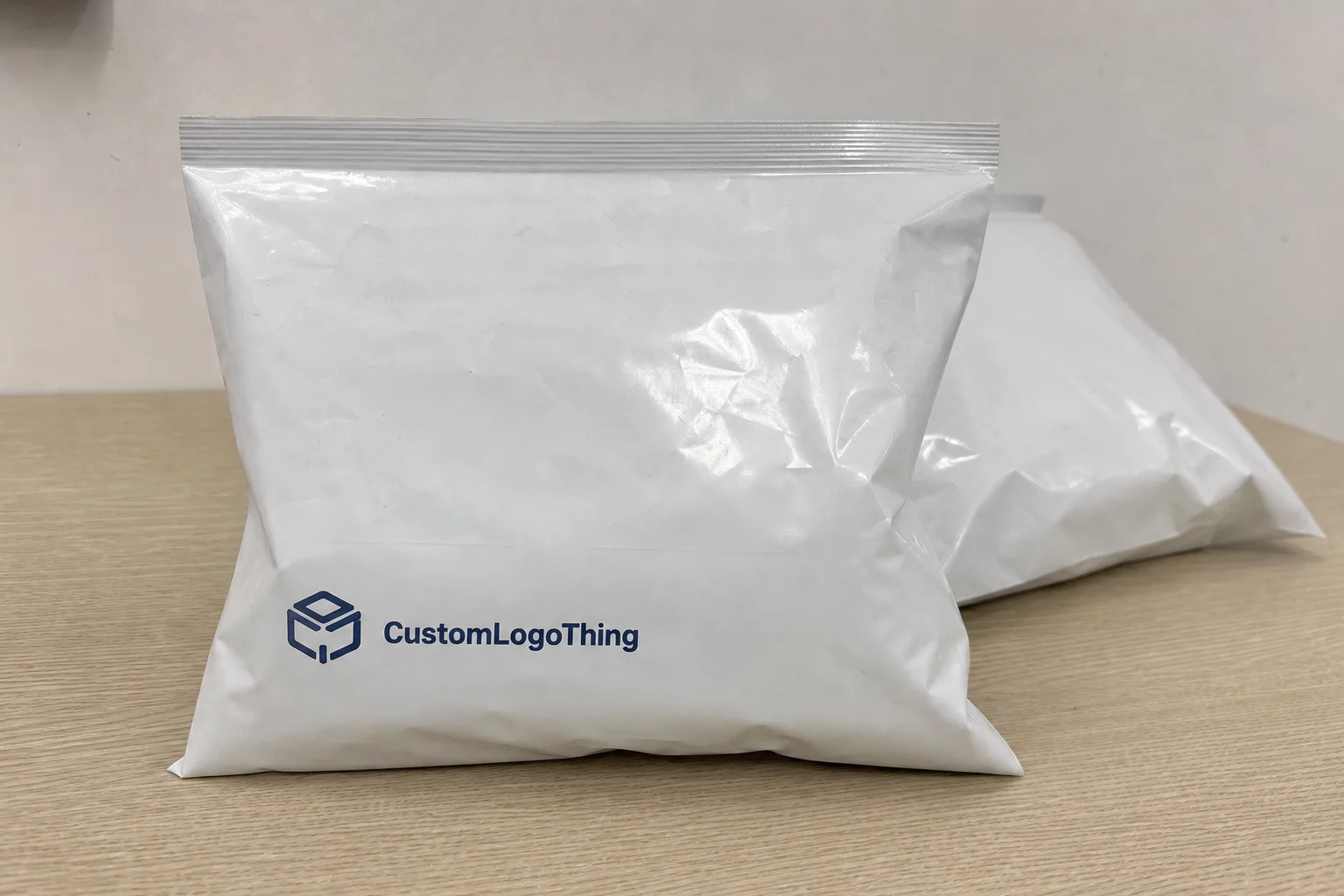
Biodegradable mailers are designed to break down under specific environmental conditions, usually with moisture, heat, oxygen, and microbial activity contributing to the process. The important part is that those conditions are not universal. A bag sent to landfill may behave one way; the same bag sent to an industrial composting facility may behave very differently.
Buyers also need to separate biodegradable from compostable. Compostable products are generally tested to tighter standards and are intended to break down into non-toxic components within a defined timeframe, usually in industrial composting systems and, in some cases, home composting systems. Biodegradable claims can be broader and easier to misuse in marketing. That is where many sourcing conversations go off track.
Most Biodegradable Poly Mailers use some combination of PBAT, PLA, and starch-based additives. PBAT adds flexibility, PLA contributes bio-based content, and starch can help influence breakdown behavior and film feel. The exact blend matters more than the label. Two mailers can both be described as biodegradable and still perform very differently in sealing, puncture resistance, and shelf stability.
Brands switch for practical reasons as much as for branding. Apparel, soft accessories, and lightweight retail goods need packaging that resists moisture, prints cleanly, and protects the product without adding unnecessary weight. Paper mailers can work well, but they crease easily and lose strength when wet. Standard polyethylene mailers are durable and low cost, yet they do not support a brand trying to reduce its plastic footprint. Biodegradable Poly Mailers sit in the middle: lighter than corrugated, more water-resistant than paper, and often easier to print with sharp, consistent graphics.
Disposal pathway decides whether the environmental claim really holds. A mailer labeled biodegradable can still miss the point if the local waste system cannot process it properly.
For buyers comparing options, it helps to look at performance and end-of-life side by side.
| Mailer Type | Strength & Moisture Resistance | Print Quality | End-of-Life Expectation |
|---|---|---|---|
| Biodegradable poly mailers | Good for apparel and light goods; varies by blend | High, especially with flexo or gravure | Depends on composting or certified breakdown conditions |
| Paper mailers | Moderate; weaker in wet transit | Good, though texture limits finish options | Widely recyclable if not contaminated |
| Standard PE mailers | Very good puncture and moisture resistance | Excellent for bold branding | Traditional plastic recycling routes, where available |
There is also a market reason these products keep gaining traction. Ecommerce parcels are expected to be lightweight, clean-looking, and inexpensive to ship. A mailer that protects the item while reducing carton volume can lower freight cost and simplify fulfillment. That is a practical advantage, not a marketing slogan.
How a Biodegradable Mailer Is Made in a Factory
A serious biodegradable Poly Mailers Factory does more than fold film into a bag. The process usually begins with resin selection and compounding, where the base polymer and additives are blended to achieve the target strength, feel, and breakdown behavior. The blend is then fed into film extrusion, where the material is formed into a sheet or tube at a controlled thickness, often measured in microns rather than approximated by eye. After that comes converting: cutting, folding, sealing, and adding features such as closure strips or tear lines if the design requires them.
The production settings matter more than many first-time buyers expect. A 50-micron film and a 60-micron film can look nearly identical, yet they behave differently in shipping. Too much heat during sealing can weaken the seam. Too little can cause adhesive failure or incomplete bond strength. Gusset width, seam alignment, and strip placement also affect performance, especially when parcels are stacked tightly or compressed beneath heavier cartons.
Printing is another place where process control shows up quickly. Flexographic printing is common for large runs because it balances speed and cost. Gravure can produce richer color consistency on very high-volume orders, though tooling costs are usually higher. Digital printing works better for short runs or frequently changing artwork, but the unit price tends to be higher. If a supplier says it can print custom mailers but cannot explain the differences between these methods, that is a warning sign.
Not every supplier is a true factory. Some are converters that buy film and assemble bags. Others control compounding, extrusion, printing, and conversion in-house. That distinction matters because tighter process ownership usually means better consistency on thickness, sealing behavior, and documentation. It also makes quality tracing simpler if a batch arrives with weak seals or uneven opacity.
Factory discipline shows up in unglamorous details: film roll inspection, seal sampling, tension control, print registration, and batch labeling. Those checks sound ordinary because they are ordinary. They are also the difference between a usable order and a warehouse problem.
Cost, MOQ, and Unit Price Factors Buyers Should Compare
Pricing for eco mailers is driven by more than size. The biggest cost levers are material formulation, bag dimensions, thickness, print colors, closure style, and documentation requirements. A plain stock-style mailer in a common size will usually cost far less than a custom-printed bag with a specialty blend and a tear strip. That sounds obvious, but buyers still compare quotes as if all mailers were the same product.
MOQ, or minimum order quantity, changes the economics quickly. If a factory needs to run custom film or make print plates, the setup cost has to be spread across the order. A 5,000-piece run often carries a much higher per-unit price than a 50,000-piece run, even if the bag looks almost identical. Stock-style constructions can sometimes be purchased at lower volumes, while fully custom orders usually need scale to become efficient.
Here is the practical comparison many sourcing teams use when talking to a biodegradable poly mailers factory:
| Order Type | Typical MOQ Pressure | Indicative Unit Price Drivers | What to Watch |
|---|---|---|---|
| Stock-style eco mailer | Lower | Basic size, limited print, standard film | Less branding control, but quicker to launch |
| Custom printed mailer | Medium to high | Plate setup, print coverage, proofing | Confirm exact color targets and artwork format |
| Specialty blend / certified claim | Higher | Material sourcing, testing, documentation | Ask whether certification cost is included or separate |
Hidden costs can distort the quote fast. Artwork prep, plates, tooling, sampling, inner packaging, freight, and compliance testing may be separate line items or rolled into one number. A low quote can look attractive until freight and rework are added. Then the landed cost is no longer low.
In current market conditions, buyers often see a wide spread between simple and highly specified orders. A plain, unprinted eco mailer may land in the low cents per unit range at scale, while a fully customized certified bag can move materially higher depending on size, thickness, and branding. That spread is normal. What matters is whether the factory can explain why the number changes.
If you want a cleaner comparison, ask each supplier for the same parameters: dimensions, thickness, print count, closure style, carton pack, sample charge, and delivery terms. That forces the quote to reveal whether the supplier is truly competitive or just vague.
Lead Time and Production Steps: From Sample to Shipment
The production sequence usually follows a predictable path: inquiry, spec confirmation, sampling, artwork proofing, approval, mass production, quality control, packing, and dispatch. The friction appears in the gaps between those steps. If dimensions are still open, the sample loop drags. If the logo needs several revisions, proofing slows. If certification paperwork is requested late, the shipment may sit while documents are pulled together.
For custom orders, realistic sample timelines are often a few days to roughly two weeks, depending on complexity and factory capacity. Bulk production can then run from around 12 to 20 business days, though specialty blends, custom colors, or multilayer films can push that out further. A straightforward order with standard film and simple print usually moves faster than a high-spec branded mailer with more documentation and tighter inspection.
Factories manage bottlenecks in a few ways. They schedule extrusion around resin availability, batch print jobs to reduce changeover waste, and queue final inspection before packing. None of that is unusual. Still, it matters, because even a well-run biodegradable poly mailers factory can be stretched when raw material supply tightens or several large orders arrive together.
Lead time is also affected by the number of approvals a buyer requires. If artwork, spec sheets, testing reports, and packaging labels all require separate sign-off, every round of revision adds time. A clean approval chain is often the fastest way to shorten production without sacrificing quality.
From a launch-planning angle, the safest move is to work backward from the inventory date, not the campaign date. Packaging is often the last thing to arrive and the first thing to block shipment. That is an expensive place to discover that the schedule was optimistic.
Key Specs That Decide Performance, Branding, and Compliance
Specification sheets can look dry, but they decide whether the mailer actually works. The essentials are thickness, dimensions, seal type, opacity, tear resistance, and adhesive performance. A 60-micron bag may be perfectly adequate for light apparel, while heavier soft goods may need a stronger film structure or a more reliable seal profile. If the adhesive strip loses tack in cold storage, the bag looks fine on paper and fails in use.
Branding is more than logo placement. Print coverage changes how the bag looks visually and can also affect how clearly sustainability language appears. Matte finishes tend to signal a softer, premium feel. Gloss finishes make color pop and often hide scuffs better. The right choice depends on the product category. Cosmetics and gift items often benefit from a cleaner presentation, while utilitarian ecommerce parcels may prioritize durability and cost.
Compliance requests should be precise. Ask for material disclosure, biodegradation or compostability standards, and third-party test reports where available. Standards and claims vary by market, so it helps to know exactly what the factory can document. For broader packaging guidance, the EPA sustainability resources are useful for understanding waste and material impact, while ISTA is valuable if you are evaluating shipping performance and distribution testing.
There is also a logistics side to this. In hot warehouses, some films can soften or become tacky. In colder transit lanes, adhesive behavior may change. Abrasion from conveyor systems and rough handling during parcel sorting can expose weak points quickly. A mailer that looks perfect in a studio photo can still fail if it is not matched to the route it will travel.
Good buyers match specifications to product class:
- Soft goods: prioritize seal integrity and print clarity.
- Kits and accessories: prioritize puncture resistance and consistent opacity.
- Cosmetics: prioritize presentation, moisture resistance, and clean adhesive closure.
- Low-weight ecommerce parcels: balance material reduction with handling strength.
One more detail often overlooked: storage stability. If a mailer blend is designed to begin degrading under certain conditions, buyers should ask how the factory recommends storing finished stock. Heat, humidity, and long dwell times can affect shelf life, and that matters if inventory will sit before use.
Common Buyer Mistakes When Sourcing Eco Mailers
The biggest mistake is assuming every biodegradable claim means the same thing. It does not. Some materials are designed for industrial composting. Others are marketed as biodegradable under broader conditions that may not exist in the customer’s disposal system. If your packaging language says “eco-friendly” but the audience places the mailer in general waste, the claim may not translate into measurable environmental benefit.
Another common error is approving a sample and skipping production-level testing. Samples are often made with more attention than a large run. That means the seal, tear resistance, and print can look excellent on sample day and then drift slightly during mass production. Testing one production batch is much cheaper than discovering a failure after orders have shipped.
Focusing only on unit price is another trap. A quote that looks 8% lower can still cost more once freight, defects, reprints, and extra packaging are included. One weak seam can turn into one damaged parcel, one replacement shipment, and one unhappy customer. That arithmetic becomes expensive quickly.
Then there is the paperwork problem. Vague artwork files, missing dielines, and rushed approvals add avoidable delay. So does choosing a supplier that cannot explain its materials clearly or produce supporting documents. If a factory is slippery on details, assume the problem will be bigger after payment, not smaller.
A final mistake is treating sustainability claims as if they are only a marketing issue. They are also a sourcing issue, a compliance issue, and a customer-service issue. Packaging claims should be able to survive a procurement review, not just a product launch deck.
Expert Tips for Choosing a Factory and Placing the Right First Order
Start by asking for a material breakdown, certification list, and sample set before comparing suppliers. That gives you more than a price; it gives you a baseline for how the supplier thinks about quality and compliance. A factory that can explain the blend, thickness range, and test method is usually easier to work with than one that answers every question with “yes, no problem.”
Test the mailer in the actual shipping environment, not just with a hand squeeze. Put it through handling, stacking, humidity exposure, and a drop sequence that resembles your real distribution channel. If you use third-party shipping protocols, align the test with relevant practices such as ISTA distribution testing guidance. That matters more than a glossy sample photo.
A pilot order is usually the smartest first move. It validates print, size, handling, and customer reaction before you commit to a larger run. In packaging, the first order is where you learn whether the factory is strong on speed, consistency, customization, or documentation. Rarely is it all four at once.
Build a spec sheet that includes:
- Exact dimensions, including gusset requirements
- Target thickness in microns
- Print rules, Pantone targets, and logo placement
- Closure style and adhesive expectations
- Packaging format, carton count, and labeling rules
- Acceptance tolerances for size, color, and seal quality
Also, if sustainability claims will appear on-pack, confirm the disposal language before printing. If the mailer is compostable only in industrial systems, say that clearly. Overclaiming is a brand risk. Under-explaining is a conversion risk. Good packaging sits between those two failures.
Price should not be the only filter, but it should still be organized properly. Ask for a quote that separates material, printing, packaging, testing, and freight. Once those costs are visible, hidden trade-offs become easier to spot.
For broader sourcing support, many teams coordinate eco mailers alongside other formats in their packaging system. If that is your situation, browsing Custom Poly Mailers and other Custom Packaging Products can help you compare structures without starting from zero every time.
Next Steps: How to Source, Test, and Finalize Your Order
Here is the clean sequence: define the use case, shortlist factories, request quotes on the same specification, review samples, compare total landed cost, then finalize artwork after the structure is approved. That order sounds basic, yet many sourcing problems happen because teams reverse it and treat artwork as the first decision instead of the last one.
Before sending an RFQ, prepare a spec packet with size, material preference, branding requirements, target quantity, packaging format, and delivery deadline. Add one note on the disposal claim you want to make, if any. That keeps the conversation honest and gives the biodegradable poly mailers factory a real chance to quote accurately.
If you are stuck between two constructions, ask for a side-by-side sample comparison. One should be built for lower cost. The other should favor durability or a clearer sustainability claim. Then test both under your actual packing and shipping conditions. The winner is usually obvious once the mailers have been handled, stacked, and closed repeatedly.
One last point: do not let “eco” replace proof. Request documentation, check the print and seal, and confirm the claim language that will go to customers. That is how you buy smarter. If you are working with a biodegradable poly mailers factory for the first time, the best outcome is not just a good quote. It is a mailer that fits the product, survives transit, and supports the brand story without guesswork.
FAQs
How do I know if a biodegradable poly mailers factory is using the right material blend?
Ask for a written material specification listing the base polymer, additive content, and intended disposal conditions. Then request test reports or compliance documents that match the claim being made. If possible, compare the sample’s feel, clarity, seal behavior, and tear resistance against the stated construction.
What MOQ should I expect when ordering from a biodegradable poly mailers manufacturer?
MOQ depends on bag size, print complexity, and whether the factory must source a custom film blend. Simple stock-style orders can be lower, while fully customized runs usually require more units. Ask whether MOQ changes by color count, packaging format, or certification requirements.
What affects the price of custom biodegradable mailers the most?
Material formulation, thickness, print coverage, and closure style are usually the biggest drivers. Sampling, plates, tooling, testing, and freight can materially change the final landed cost. A lower unit quote may still be more expensive overall if defects or shipping charges are higher.
How long does production usually take after artwork is approved?
Lead time varies by factory capacity, film availability, and whether the order is stock or custom. Sampling, proof approvals, and quality checks can add days or weeks before bulk production starts. Complex printing or specialty materials usually extend the timeline.
What should I test before approving a biodegradable poly mailers order?
Check seal strength, puncture resistance, adhesive performance, and print clarity. Test the mailers under real shipping conditions, including handling, stacking, and humidity exposure. Confirm that any sustainability claims align with your customer messaging and documentation.