A subscription brand shipping 20,000 monthly orders can lose $4,800 a year from a two-cent difference in mailer cost before freight, defects, returns, or replacement shipments enter the math. Buyers searching for a subscription brands Recycled Poly Mailers factory quote are usually past the inspiration stage; they need numbers, tolerances, delivery timing, and a clear read on what could go wrong.
A poly mailer looks simple. The buying decision is not. It affects postage, fulfillment speed, sustainability language, customer photos, warehouse space, and the expensive frustration of packages that split open on a conveyor or arrive with a label that will not scan.
Subscription Brands Recycled Poly Mailers Factory Quote: What You Are Really Buying
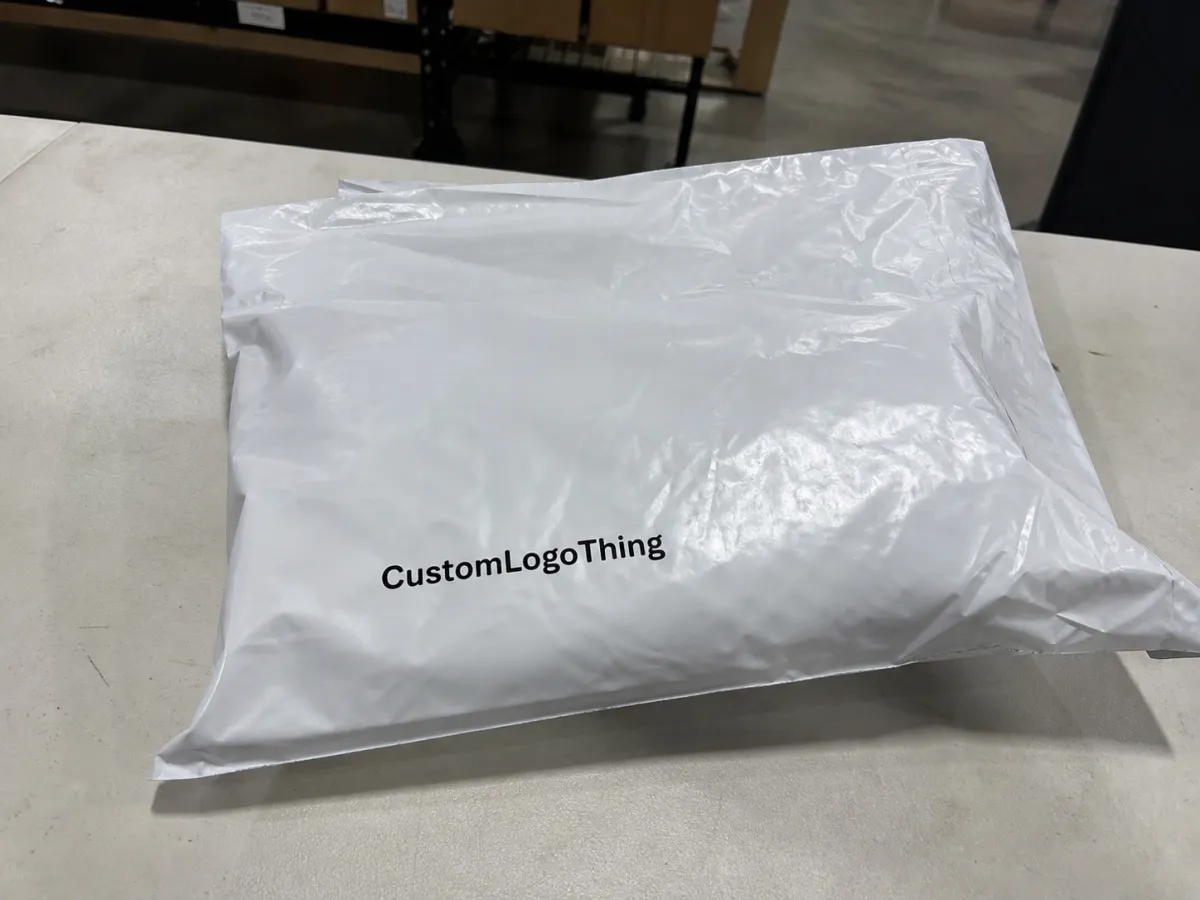
A Recycled Poly Mailer is often purchased as a bag. Operationally, it behaves more like a small packaging system: film, seal, ink, adhesive, label surface, carton pack, and freight plan. If one element is wrong, the cheapest unit price can become the most expensive option in the room.
The value proposition is practical. Recycled Poly Mailers reduce virgin plastic use while preserving the light weight, moisture resistance, and low-postage profile that subscription programs often depend on. For apparel subscriptions, refill programs, beauty sample kits, accessories, socks, soft wellness products, and other flexible goods, polyethylene still does a job that paper and corrugated may struggle to match at the same weight and cost.
Boxes protect rigid goods well. They also add dimensional weight, storage volume, taping labor, and corrugated cost. Paper mailers communicate sustainability clearly, but moisture exposure can be unforgiving, especially during long-distance shipping or mailbox delivery. Recycled poly sits in a less romantic but often more efficient middle: fast to pack, inexpensive to ship, compact to store, and durable enough for many soft-goods subscription shipments.
A serious subscription Brands Recycled Poly Mailers factory quote should read like a production document, not a vague price tag. It should identify the film structure, recycled-content percentage, thickness tolerance, adhesive style, print method, carton quantity, production lead time, and freight terms. A quote that only says “10 x 13, 10,000 pcs, logo print” leaves too many open questions for a recurring shipment program.
Packaging buyer’s rule: a reliable quote protects margin. A complete quote also protects launch dates, renewal cycles, influencer drops, and paid acquisition campaigns from packaging surprises.
Custom Logo Things works with buyers who need the quote to reflect the real job: brand print, recycled-content preference, delivery location, kitting schedule, fulfillment requirements, and monthly burn rate. That is different from pulling a commodity number from a marketplace listing and hoping the material behaves the same.
Recycled Poly Mailer Details That Matter for Subscription Shipments
Custom Recycled Poly Mailers are lightweight polyethylene shipping bags made with post-consumer recycled resin, post-industrial recycled resin, or a blend of recycled and virgin resin. They can be customized by size, color, logo, message, closure, opacity, thickness, and carton pack.
LDPE is common because it is flexible, puncture resistant, and forgiving during fulfillment. Co-extruded film can improve opacity and strength by layering different polyethylene structures. Recycled-content blends are often used when a brand wants a measurable reduction in virgin resin but still needs consistent converting performance and clean print reproduction.
Opacity deserves more attention than it usually gets. Customers rarely praise a bag for being opaque, but they notice immediately if apparel, personal care items, or premium samples are visible through thin film. For subscription shipments, a slightly gray or milky cast may be acceptable. A see-through mailer usually is not. Many buyers specify an opaque inner layer, a darker exterior, or heavier ink coverage to protect privacy and presentation.
Closure design changes both the pack-out process and the customer experience. Standard permanent peel-and-seal adhesive is economical and fast at the packing bench. Dual adhesive strips add a return feature, useful for apparel, rental-style programs, and try-before-you-keep models. Perforated tear strips make opening neater. Tamper-evident closures may be justified for higher-value shipments, although they add cost and can slow packing if the fulfillment team is not used to them.
Print choices range from disciplined to loud. One-color logo printing is often the lowest-cost custom route. Two-to-four-color flexographic printing supports stronger brand recognition and better unboxing photos. Full-surface flood coating turns the mailer into mobile advertising, but it increases ink use, setup scrutiny, and the chance that small registration shifts become visible.
Recycled resin comes with an honest materials caveat: it can create slight color variation, tiny specks, or less exact color matching than virgin film. That is not automatically a defect. It is a material reality. Brands that require strict Pantone matching, heavy flood colors, or ultra-clean white backgrounds should request a physical sample before approving production, especially if the mailer will appear in paid social content or subscription welcome photos.
For monthly subscription operations, small physical details matter. Cartons need to stack cleanly. Labels need to scan. Mailers need to open quickly at fulfillment stations. A bag that saves half a cent but slows each pack-out by three seconds can lose the labor argument once volume grows.
Specifications to Confirm Before Requesting a Factory Price
Before requesting a subscription brands recycled poly mailers factory quote, prepare the details a factory actually needs. Guesswork creates re-quotes. Re-quotes cost time, and time is usually the scarce resource before a subscription drop.
- Width and length: measured as usable internal size, not just the flat outside dimension.
- Flap size: commonly 1.5 to 2 inches, depending on bag size and closure style.
- Film thickness: often discussed in mils or microns; many soft-goods shipments use roughly 2.0 to 3.0 mil film.
- Recycled content: PCR, PIR, blended resin, and target percentage.
- Order quantity: launch run, monthly volume, and projected reorder cadence.
- Artwork: vector logo, Pantone references, print area, and orientation.
- Packing method: carton quantity, carton labeling, palletization, or fulfillment-center requirements.
- Delivery destination: full ship-to address, or at least city, postal code, and country for freight estimating.
Size selection is not cosmetic. The mailer must fit the product without excessive slack. Oversized bags use more material, look careless, snag during handling, and can create carrier issues if the product shifts inside. A fitted mailer, with enough room for insertion and sealing, feels intentional and usually packs faster.
Film thickness is another trade-off. Lighter film reduces unit cost and freight weight. Heavier film improves puncture resistance, stiffness, and perceived quality. A 2.0 mil mailer may be suitable for soft apparel under short transit routes. A 2.5 to 3.0 mil structure may be safer for mixed SKUs, sharper product edges, heavier kits, or longer-distance shipping. Product geometry matters more than a generic thickness recommendation.
Recycled-content claims need precision. Do you need post-consumer recycled content specifically? Is post-industrial recycled material acceptable? Does internal reporting require a percentage threshold, such as 30%, 50%, or higher? The U.S. Environmental Protection Agency provides broader guidance on waste reduction and recycled materials through its sustainable materials management resources at epa.gov/smm. Packaging claims should be specific enough to survive scrutiny from customers, marketplaces, and internal compliance teams.
Artwork should arrive as vector files, usually AI, EPS, or PDF with editable logo paths. Include Pantone references, repeat pattern direction, print placement, a barcode-free label zone, and any recycling marks or disposal language. If the shipping label is 4 x 6 inches, preserve a clean area with enough contrast for scanners, and avoid placing busy patterns directly behind the label zone.
Tolerances belong in the quote. Bag dimensions, film thickness, print registration, and color matching all have manufacturing variation. A credible supplier states tolerances before production rather than arguing about them after delivery. If switching from virgin poly to recycled poly, ask for a physical sample or pre-production proof, especially with dark ink, heavy products, high recycled content, or automated packing equipment.
Cost, MOQ, and Unit Cost Drivers in Recycled Mailer Quotes
The lowest unit price is not always the lowest landed cost. Subscription brands should compare final delivered cost per usable mailer, including tooling, plates, freight, duties, cartons, storage, and defect allowance. A one-cent saving disappears quickly if cartons arrive mislabeled, the adhesive fails, or the film is too thin for the actual product mix.
Major cost drivers include film thickness, recycled resin percentage, bag size, print coverage, number of ink colors, adhesive style, return strip, perforation, carton pack, and order volume. Custom printed recycled poly mailers usually carry higher minimums than stock plain mailers because extrusion, printing setup, and converting time must be spread across the run.
For testing, 5,000 pieces may be viable depending on size and print. The 10,000 to 25,000 range often improves unit economics because setup costs are less dominant. Larger replenishment programs can reduce cost further if artwork and specifications remain stable. Frequent design changes weaken the volume advantage and may introduce fresh proofing delays.
| Quote Scenario | Typical Use | Cost Behavior | Buyer Watchpoint |
|---|---|---|---|
| 5,000 pieces | Launch test, new SKU, seasonal promotion | Higher unit cost because setup is spread across fewer bags | Confirm whether plates, proofing, and freight are included |
| 10,000–25,000 pieces | Growing monthly subscription program | Often better unit economics with manageable inventory | Check storage space and monthly burn rate |
| 50,000+ pieces | Stable artwork and predictable replenishment | Lower unit cost, stronger freight planning options | Avoid overbuying if product size or branding may change |
Realistic pricing varies by size, thickness, recycled percentage, print coverage, and freight. As a broad planning range, a simple one-color custom recycled mailer in a common apparel size may land around $0.08 to $0.18 per usable unit at moderate quantities. Larger bags, dual adhesive returns, heavy flood print, smaller production runs, or higher PCR requirements can move that upward. Resin markets and shipping mode change the number, so treat any broad range as a planning tool, not a final quote.
Ask direct pricing questions. Are printing plates included? Is freight included? Are there surcharges for higher PCR content? Are cartons marked by SKU? Is the quote valid for 15, 30, or 60 days? Are overruns or underruns allowed, and if so, at what percentage? If the supplier quotes in factory terms only, ask what is still missing before the mailers reach your fulfillment center.
A useful request includes two or three quote scenarios: launch quantity, three-month supply, and six-month supply. That reveals the point where carrying inventory becomes cheaper than repeating setup. It also helps marketing, operations, and finance work from the same data instead of three separate assumptions.
For buyers comparing options, Custom Logo Things can quote recycled mailers alongside other Custom Packaging Products so the decision is based on weight, presentation, durability, and landed cost rather than preference alone.
Process and Timeline from Artwork to Delivered Mailers
A typical custom mailer project follows a predictable path: inquiry, specification review, factory quote, artwork check, sampling or proofing, deposit, material preparation, printing, converting, quality inspection, packing, freight booking, and delivery. The work is not complicated, but it is detail-sensitive.
Simple repeat orders move faster because the film, plates, artwork, carton pack, and approval standard already exist. First-time custom recycled mailers need more time for artwork confirmation, material matching, opacity review, and proof approval. If a buyer asks for pricing on Monday but sends artwork on Friday, the project clock did not truly start Monday.
In packaging, the bottleneck is often not the bag machine. It is missing artwork, unclear recycled-content requirements, delayed deposit, unapproved proofs, or a last-minute size change after someone finally measures the product with inserts included. That final inch matters.
Digital proofs confirm layout, scale, color callouts, and label-zone placement. Physical samples reveal the features that screens cannot show: film feel, opacity, stiffness, adhesive strength, tear behavior, and ink appearance on recycled material. For automated packing lines, samples are more than a presentation check. They test feed, grip, opening, and sealing behavior.
Subscription brands need to plan around kitting dates, not customer ship dates. If mailers must arrive at the fulfillment center five business days before billing closes, that date becomes the real deadline. A mailer that arrives the morning customers are supposed to receive tracking numbers is already late.
Build reorder triggers from burn rate. If a brand ships 15,000 orders per month and carries a four-week production-plus-freight window, one month of safety stock is thin. A safer trigger may activate at 30,000 to 45,000 bags on hand, depending on forecast accuracy, campaign spikes, transit reliability, and how painful it would be to ship in a temporary stock mailer.
Custom Logo Things approaches quoting and production with a simple goal: remove ambiguity early so production is uneventful later. For buyers comparing recycled mailers with branded boxes or inserts, reviewing Case Studies can also help frame packaging decisions around operations rather than isolated unit prices.
Quality Controls That Protect Subscription Margins
A mailer failure costs more than the mailer. One split seam can create a replacement shipment, a refund request, a support ticket, a negative review, and a retention problem. If the original bag cost $0.12, the failure may cost $12 or more once labor, postage, product replacement, and customer service time are counted.
Factory quality checks should include film thickness testing, seal strength checks, adhesive performance review, print inspection, size verification, carton counts, drop resistance observations, and random sampling before packing. For larger runs, documented inspection criteria reduce arguments because the standard is agreed before the product leaves the factory.
Seam strength is plain physics. Subscription mailers face conveyors, bins, truck vibration, sorting equipment, rain, heat, cold, and customers opening packages with keys or scissors. Puncture resistance matters most where product edges push against the film. A soft T-shirt behaves differently from a boxed serum bottle packed inside a mailer.
Print quality deserves the same discipline. Check color consistency, logo sharpness, ink adhesion, correct orientation, and registration. A small print defect can be magnified across thousands of unboxing posts or customer photos. Brands pay for advertising to create impressions; packaging should not create the wrong ones for free.
Adhesive should be checked under practical conditions, not only in a clean office. Mailers may sit in a hot warehouse, move through cold trucks, or be packed by teams working quickly through a backlog. The seal needs enough tack to close efficiently and enough hold to stay closed through transit. For returnable mailers, the second adhesive strip should be protected clearly so customers do not remove the wrong liner first.
Sustainability documentation is now part of packaging procurement for many brands. Buyers may need recycled-content declarations, material composition details, or compliance documentation for a marketplace, retail partner, or internal ESG report. Claims such as “fully sustainable” are risky because they are broad and hard to prove. More defensible language sounds like: “Mailer made with 50% recycled polyethylene,” assuming the documentation supports it.
Industry standards can help structure testing conversations. The International Safe Transit Association offers packaged-product performance testing resources at ista.org. Not every poly mailer program needs formal ISTA testing, but the logic is useful: packaging should be evaluated against the hazards it will actually face.
A well-specified recycled poly mailer is less glamorous than a rigid branded box. It often wins anyway. It wins on weight, warehouse density, packing speed, and total shipped cost for the right product category.
Next Steps to Get an Accurate Factory Quote Without Rework
If you want a fast and accurate quote, send the real packaging problem. Not just “Need eco mailers.” That phrase can mean a dozen material structures, 20 different sizes, and several very different price points.
Use this checklist before requesting pricing:
- Target size: width, length, and flap, or product dimensions if size is uncertain.
- Product type: apparel, refill pouch, accessories, flat kit, sample pack, or mixed SKU set.
- Estimated monthly shipment volume: current volume plus expected campaign spikes.
- Desired order quantity: test run, three-month buy, or longer replenishment plan.
- Recycled content preference: PCR, PIR, blended resin, and target percentage if known.
- Film thickness: preferred mil or micron, or product weight so a recommendation can be made.
- Print details: number of colors, logo placement, flood print, repeat pattern, and Pantone references.
- Artwork file: vector format preferred, with any required recycling marks or disposal instructions.
- Delivery address: fulfillment center, warehouse, office, or split shipment destinations.
- Required in-hand date: the date packaging must arrive before kitting starts.
If dimensions are uncertain, send product photos or a current mailer sample. A photo with a ruler beside the packed product can prevent a costly size assumption. Even better, share the product stack height, insert thickness, and whether the mailer must accommodate variable monthly assortments.
Identify special requirements before the quote is finalized. Do you need a returnable mailer with a second adhesive strip? Extra opacity for privacy? Tamper evidence? Cartons labeled by SKU for a fulfillment center? A fixed carton count, such as 500 or 1,000 bags per carton? These details affect production, packing, freight, and warehouse receiving.
Ask for a landed-cost comparison between two thicknesses or two quantities. For example, compare 2.0 mil versus 2.5 mil, or 10,000 pieces versus 25,000 pieces, including freight. Procurement sees cost. Marketing sees brand impact. Operations sees packing risk. The right comparison lets all three teams work from the same numbers.
The approval path should be clear: confirm specs internally, approve artwork, review the sample or proof, lock the quantity, approve the invoice, and schedule production. If a brand still has unresolved product dimensions or campaign artwork, say so early. A good supplier can hold assumptions separately from confirmed specs.
Buyers ready for a subscription brands recycled poly mailers factory quote should send specs, artwork, quantity, and delivery details so the factory can price the real job, not a guess. To start with Custom Logo Things, review Custom Poly Mailers or send your project details through Contact Us.
FAQs
What details do I need for a recycled poly mailers factory quote for subscription brands?
Send size, quantity, film thickness, recycled content target, print colors, artwork, closure type, shipping destination, and required delivery date. If you are unsure about size, share product dimensions or a current mailer sample so the supplier can recommend a practical fit. Also mention whether the mailer must support returns, high opacity, tamper evidence, or fulfillment-center carton labeling.
What MOQ should subscription brands expect for custom recycled poly mailers?
MOQ depends on size, print complexity, material structure, and recycled content requirements. Custom Printed Mailers usually need higher minimums than stock bags because setup, printing plates, material preparation, and converting time must be spread across the run. Ask for tiered pricing at launch volume, three-month supply, and six-month supply to see where the unit cost improves.
Are recycled poly mailers strong enough for monthly subscription shipments?
Yes, when film thickness, seam strength, and bag size are matched to the product weight and shape. Soft goods, apparel, accessories, refill pouches, and flat subscription items are common fits. Heavy, sharp, fragile, or rigid products may require thicker film, padding, a corrugated mailer, or a box.
How long does custom recycled poly mailer production usually take?
Timeline depends on artwork readiness, sampling needs, material availability, print complexity, order quantity, and freight method. Repeat orders are usually faster because specifications and artwork are already approved. Plan around the date packaging must arrive for kitting, not only the final customer ship date.
What affects the unit cost in a subscription brands recycled poly mailers quote?
Main cost drivers include bag size, film thickness, recycled resin percentage, print coverage, ink colors, adhesive style, perforation, quantity, carton pack, and freight. A low unit price may be misleading if it excludes plates, setup, shipping, duties, or carton requirements. Compare landed cost per usable mailer, not just the factory unit price.