Buyer Fit Snapshot
| Best fit | Biodegradable Tea Pouches Wholesale projects where brand print, material claims, artwork control, MOQ, and repeat-order consistency need to be specified before quoting. |
|---|---|
| Quote inputs | Share finished size, material target, print colors, finish, packing count, annual reorder estimate, ship-to region, and any compliance wording. |
| Proofing check | Approve dieline scale, logo placement, barcode or warning zones, color tolerance, closure strength, and carton packing before bulk production. |
| Main risk | Vague material claims, crowded artwork, missing packing details, or unclear freight terms can make a low unit price expensive after revisions. |
Fast answer: Biodegradable Tea Pouches Wholesale: Specs, MOQ & Pricing should be specified like a repeatable production item. The safest quote records material, print method, finish, artwork proof, packing count, and reorder notes in one written spec.
Production checks before approval
Compare the actual filled-product size with the drawing, then confirm tolerance on folds, seals, hang holes, label areas, and retail display edges. Reserve space for logos, QR codes, warning copy, and material claims before decorative graphics fill the panel.
Quote comparison points
Review material grade, print process, finish, sampling route, tooling charges, carton quantity, and freight assumptions side by side. A quote is only useful when the supplier can repeat the same color, closure quality, and packing count on the next order.
Biodegradable Tea Pouches Wholesale: Specs, MOQ & Pricing
Biodegradable tea pouches wholesale sounds straightforward until a buyer opens the first carton and the truck smells faintly of chamomile. I have seen that happen more than once, and it is never a good sign. Tea is unforgiving. If the pouch is thin, the seal is off, or the finish looks cheap under retail lights, the product feels smaller before a customer even gets it home. That is why biodegradable tea pouches wholesale is not just a sustainability phrase; it is a packaging decision tied to freshness, shelf presence, and margin.
From a buyer's point of view, the real value is not the label on the front panel. It is a pouch that keeps moisture out, holds aroma in, survives transit, and still gives the brand a cleaner material story without pretending every eco claim means the same thing. Biodegradable tea pouches wholesale works best when protection comes first, the sustainability story comes second, and unit price sits where it should: after the pack can actually do its job.
Biodegradable Tea Pouches Wholesale: Why Brands Switch Early
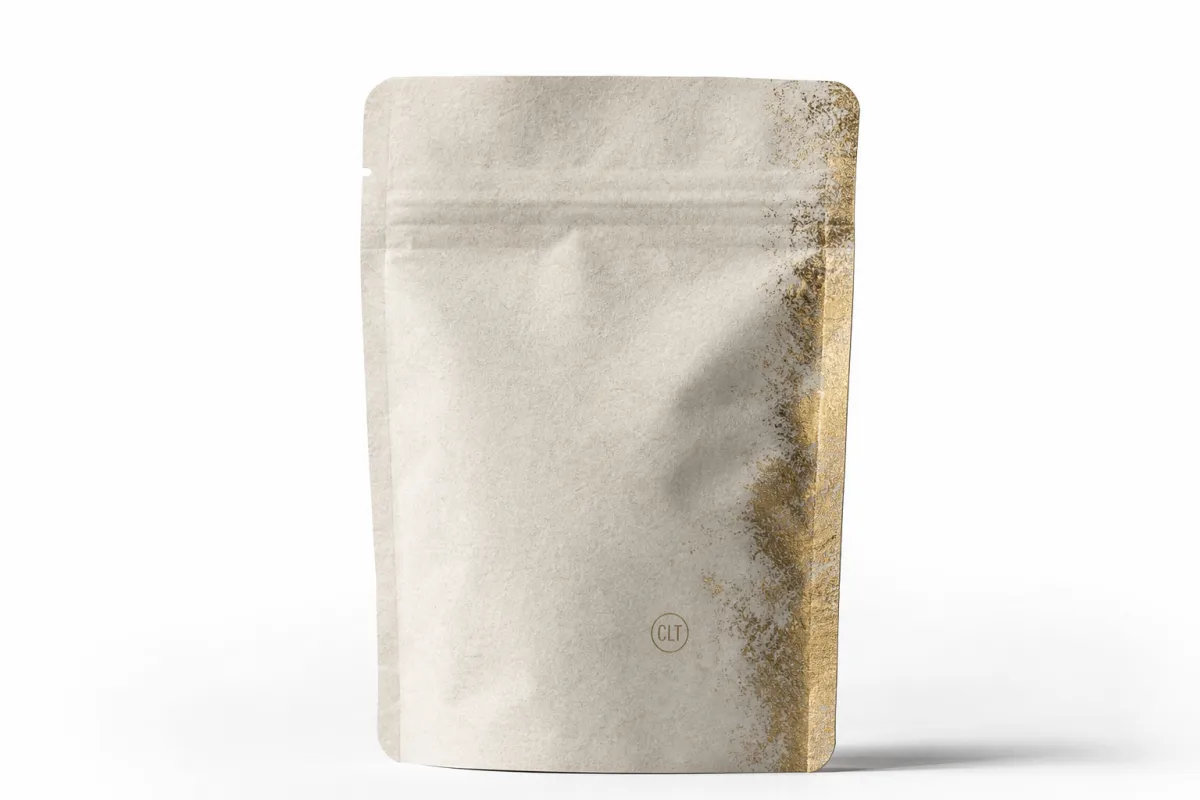
Brands usually move into biodegradable tea pouches wholesale before the damage shows up in returns. The trigger is often plain enough. The old pouch survives a warehouse, then starts failing once it hits a humid boutique, a subscription box, or a retail shelf where turnover is slow. Tea punishes weak packaging quickly. Loose-leaf black tea, herbal blends, matcha, and sachet formats all expose poor barriers in short order.
Presentation matters just as much. A pouch does not need to shout "green" to be effective. It needs to look deliberate. Biodegradable tea pouches wholesale helps a brand tell a cleaner shelf story while keeping the structure neat, the print sharp, and the closure easy to use. Buyers do not forgive a crooked pouch just because the copy sounds polished. They notice. Fast.
Wholesale buying matters because it lets you fit the pouch to the product instead of forcing the product into a stock size that almost works. That sounds obvious, yet plenty of brands still reverse the logic. They choose a nice-looking pouch first, then adjust fill weight, seal area, or tea density later. The result is wasted headspace, poor shelf fit, and a unit cost nobody enjoys.
The economics matter too. Biodegradable tea pouches wholesale usually gives you better unit pricing, steadier supply, and a cleaner path to standardizing across SKUs. A 50 g herbal blend and a 100 g loose-leaf tea do not need identical body sizes, but they may share a print system, zipper style, or barrier level. That kind of planning reduces the number of packaging mistakes that only appear after production starts.
A pouch that protects aroma, resists moisture, and still looks premium does more for tea sales than a vague eco claim ever will.
I once watched a tea brand spend weeks perfecting the botanical artwork, only to discover the pouch barely held a seal on the filling line. Pretty pack, ugly outcome. That sequence is backwards. Biodegradable tea pouches wholesale should be selected the same way any food pack is selected: confirm protection first, confirm fit second, then decide how much the finish is worth. That is the boring answer, and it is usually the right one.
For buyers who need a wholesale path with flexible volume, Wholesale Programs are the natural place to compare order tiers, print options, and repeat-run pricing. Once a tea line moves toward retail, consistency matters more than the first sample photo.
Biodegradable Tea Pouches Wholesale Product Details
Biodegradable tea pouches wholesale usually comes in four formats: stand-up pouches, flat pouches, gusseted bags, and resealable options for everyday use. Stand-up pouches are the retail favorite because they sit neatly on a shelf and leave room for branding on the front, back, and bottom gusset. Flat pouches suit sample packs, sachets, and smaller promotional runs. Gusseted bags work well where fill volume matters more than display drama.
Material construction matters more than the sales copy on the outside. Some biodegradable tea pouches wholesale options use compostable films designed for food use. Others use paper-based laminations with barrier layers. Some include transparent sections for product visibility. Each version behaves differently under humidity, oxygen exposure, and handling. Paper alone rarely gives enough protection for aromatic tea, so the barrier structure has to do real work.
Closure choice changes the user experience more than many brands expect. A zipper helps reclose the pouch after opening, which is useful for loose-leaf tea and premium wellness blends. A tin tie can suit paper-style packaging and gives a classic retail look, though it usually offers less repeat convenience than a zipper. Heat seal is the safest starting point for freshness. Tear notches make the opening cleaner. If the pouch is meant to feel premium, the closure cannot be treated as decoration.
Biodegradable tea pouches wholesale also gives you several print and finish directions. Matte films can feel modern and restrained. Soft-touch finishes feel expensive, though they can increase cost and complicate recyclability claims if the structure includes extra coatings. Kraft-look paper faces can support an earthy brand story. Clear windows show product color, which helps when the tea itself is visually strong. The tradeoff is simple: more visual polish usually means more material complexity.
One point gets ignored too often: not every pouch labeled biodegradable performs the same way in real storage. Some structures are fine for short shelf life or low-exposure distribution. Others are built for better barrier control and longer retail timelines. Biodegradable tea pouches wholesale should never be bought on label language alone. Ask for the actual layer structure, the barrier ratings, and the food-contact paperwork. If a supplier gets vague here, that is a warning sign, plain and simple.
For buyers comparing packaging families, the practical question is not "Which pouch is greenest?" It is "Which pouch will keep the tea fresh, survive shipping, and still fit the margin?" That question saves time and avoids embarrassing reorders.
Tea Pouch Specifications That Actually Matter
Biodegradable tea pouches wholesale starts with dimensions, not aesthetics. You need pouch width, height, bottom gusset depth, and usable fill volume. A 50 g loose-leaf tea may fit comfortably in a small stand-up pouch, while a denser herbal blend or a larger leaf cut may need more headspace for a proper seal. If the pouch is too tight, the top seal gets messy. If it is too large, the package looks underfilled and the shelf face suffers.
Barrier performance is the part that separates a real tea pack from a decorative bag. Tea is sensitive to moisture, oxygen, and light. Moisture dulls aroma. Oxygen strips freshness. Light can flatten the character of certain herbs and delicate blends. Biodegradable tea pouches wholesale should therefore be evaluated against the same basic protection requirements as any other food pack. If the structure cannot handle the environment the product will actually live in, the packaging is just an expensive wrapper.
Sealability is another quiet issue that becomes loud fast. A pouch can look perfect in a sample photo and still fail on the line if the seal zone is too narrow, the film is too thick for the machine setup, or the zipper alignment is inconsistent. Ask for heat-seal testing, zipper function checks, and puncture resistance before you place a bulk order. If the supplier can also discuss ISTA shipping tests or similar handling checks, that is a good sign they understand distribution, not just artwork.
Here is the rule I give buyers: choose specifications based on product behavior, not guesswork. A premium loose-leaf tea often needs stronger barrier and a cleaner retail finish. A sample pack needs lower cost and compact size. A wellness blend with strong herbal oils may need a better aroma barrier than a standard green tea. Biodegradable tea pouches wholesale should match the tea, the route to market, and the expected shelf time.
Compliance documentation matters as much as the film itself. Ask for food-contact declarations, compostability or biodegradability claims support, and details on the substrate used. If paper stock is part of the build, check whether it can be tied to FSC sourcing. For claim support, look for standards such as ASTM D6400 or EN 13432 where they are relevant to the material. Claims should be backed by documentation, not adjectives. That's the bit that keeps a nice marketing story from turning into a headache later.
- Premium loose-leaf tea: stronger barrier, resealable zipper, matte or soft-touch finish, 100-250 g fill range.
- Sample packs: flat pouch or small stand-up pouch, lighter print coverage, lower MOQ focus.
- Retail wellness blends: barrier-first construction, clean front panel, clear ingredient space, reliable seal.
- Subscription refills: easy-open tear notch, zipper reclose, compact shipping footprint.
Biodegradable tea pouches wholesale should also be checked against the reality of your packing line. If your machine dislikes thick seams or irregular gussets, the pretty spec sheet is not enough. Ask for a sample run and test the fill, seal, drop, and shelf-standing behavior before committing to production. That extra hour can save a week of rework.
Biodegradable Tea Pouches Wholesale Pricing & MOQ
Biodegradable tea pouches wholesale pricing depends on a few predictable levers: material type, pouch size, print complexity, barrier level, and whether you are ordering stock construction or a custom build. The more layers, special coatings, or premium finishes you add, the higher the price tends to move. That is not a flaw. It is manufacturing. Fancy materials rarely show up for free.
For a realistic budget range, simple biodegradable tea pouches wholesale runs can sit roughly around $0.12-$0.22 per unit at higher volumes for basic constructions, while more advanced compostable or paper-Based Barrier Pouches can land around $0.20-$0.45 per unit, sometimes more if you add custom printing, special finishes, or smaller order sizes. The exact number depends on structure and volume, but those ranges are far more useful than fake precision.
MOQ is where buyers often get the surprise they did not ask for. A stock pouch with simple branding may allow a lower minimum. Fully custom biodegradable tea pouches wholesale usually pushes the minimum higher because setup, print prep, and material sourcing all need to be justified. Pilot runs may start around 1,000 to 3,000 pieces in some cases, while many custom wholesale orders make more sense at 5,000 to 10,000 pieces and up. If you are planning a retail launch, get pricing at 1,000, 5,000, and 10,000 units so you can see the break point clearly.
Hidden costs are where quotes get messy. Setup fees, plate charges, sampling, freight, and artwork revisions can change the landed cost fast. A quote that looks cheap at the unit level can become expensive once shipping and proofing are added. Biodegradable tea pouches wholesale should always be compared on total landed cost, not just the sticker price. Otherwise you end up congratulating yourself on a quote that was never real.
Below is the buying comparison I wish more tea brands requested before they signed off on a run.
| Build Type | Typical MOQ | Unit Price Range | Best Fit | Tradeoff |
|---|---|---|---|---|
| Stock stand-up pouch with light branding | 1,000-3,000 pcs | $0.12-$0.22 | Samples, test launches, smaller direct-to-consumer runs | Less design control, fewer premium finish options |
| Custom printed biodegradable pouch | 5,000-10,000 pcs | $0.20-$0.35 | Retail SKUs, subscription refills, repeat orders | Higher setup cost, longer lead time |
| Premium barrier pouch with special finish | 10,000 pcs and up | $0.28-$0.45+ | High-margin tea lines, gift sets, premium wellness blends | Highest unit cost, stricter spec control |
That table is the practical shape of biodegradable tea pouches wholesale. Buyers who lead with volume can often control unit cost better. Buyers who lead with presentation can build stronger shelf appeal, but they should expect to pay for it. There is no trick here, just choices.
One more buying tip: ask for the quote in layers. Request the unit price, the MOQ, the setup cost, and the shipping estimate separately. Then ask what happens if you move from 5,000 to 10,000 pieces. That exposes the real price curve and tells you whether the supplier is actually set up for scalable biodegradable tea pouches wholesale, or just making the sample look good and hoping you do not ask too many questions.
Process, Timeline, and Lead Time
Biodegradable tea pouches wholesale usually follows a standard path: inquiry, spec confirmation, quote, sample approval, production, inspection, and shipment. The order sounds simple on paper, but the details decide the schedule. If the supplier has to chase down pouch dimensions, film choices, closure preference, and artwork corrections, the calendar stretches. That is not a mystery. It is paperwork in disguise.
Sampling is usually faster than full production because the supplier is proving the build, not running the whole order. A simple sample can move in days once the structure is clear. Custom production often takes longer, especially if the film, print, or finish is new. Biodegradable tea pouches wholesale often lands in a 12-20 business day production window after proof approval, though special materials, seasonal demand, or revision rounds can push that out. Shipping time sits on top of that, and international freight can add its own little drama.
The fastest orders are the ones with final artwork, confirmed dimensions, and no last-minute changes. If the buyer knows the fill weight, closure type, and barrier target before quoting, the whole process becomes less painful. Biodegradable tea pouches wholesale rewards decisiveness. Confusion costs time. Time costs launches. Launches cost revenue. That chain is boring and true.
Three things slow projects down most often. First, vague claims around biodegradability or compostability that need extra checking. Second, special substrates or finishes that require sourcing. Third, repeated artwork revisions because the brand team and the regulatory team are not speaking to each other. The most efficient projects keep those issues under control before production starts.
Here is a simple planning checklist that keeps restocks and launches from turning into emergencies:
- Confirm tea type, fill weight, and shelf life target.
- Choose pouch format and closure before requesting a quote.
- Approve artwork with enough bleed and seal-safe margin.
- Request a sample and test the seal, zipper, and shelf-standing behavior.
- Lock shipping terms before production begins.
Biodegradable tea pouches wholesale also needs calendar discipline. Seasonal teas, limited editions, and retail restocks should be ordered before inventory gets thin. Waiting until the last pallet is nearly empty is a good way to pay more for rushing, and no packaging buyer likes that conversation. Honestly, nobody enjoys that call.
Why Choose Us for Wholesale Tea Pouches
Biodegradable tea pouches wholesale should be sourced from a supplier that understands tea as a product, not just as "something dry that fits in a pouch." Tea needs aroma protection, steady barrier performance, and consistent print quality. If the supplier only talks about graphics and never asks about shelf life, they are missing the point. That is a red flag wearing a friendly smile.
The value of a good wholesale partner is consistency. The approved sample should match the production run. The second reorder should match the first. The film should behave the same way from batch to batch. Biodegradable tea pouches wholesale gets better when the supplier treats spec control like a basic requirement instead of a favor. Buyers do not want surprises in a food pack. They want repeatability.
Support matters too. That includes material guidance, artwork review, sample testing, and practical advice on which barrier levels make sense for your tea line. A supplier that can tell you the difference between a look-good pouch and a shelf-ready pouch is worth more than a supplier that repeats sustainability buzzwords until everyone tunes out.
From a risk point of view, the best packaging partner reduces the chance of delays, print defects, and weak claims. Biodegradable tea pouches wholesale often involves more questions than standard plastic packaging, and that is fair. Buyers need to verify food-contact suitability, barrier performance, and documentation. A supplier that answers clearly saves your team time and protects the brand from avoidable mistakes.
If you already have a packaging brief, this is the point where Wholesale Programs help you compare volumes, spec options, and repeat-order terms without guessing at the economics. For tea brands moving from online sales into retail, that matters. The wrong pouch looks cheap. The wrong supplier costs more than the pouch.
What buyers usually want here: a fair MOQ, realistic pricing, clear communication, and a pouch that does not embarrass the product. That is not asking for luxury. That is asking for basic competence.
Next Steps to Place Your Order
Biodegradable tea pouches wholesale becomes much easier once you have a clean brief. Before requesting a quote, gather the tea type, fill weight, pouch size, closure type, print requirements, and target quantity. If you can also share your shelf life target and distribution route, even better. A pouch going into a climate-controlled boutique is not the same as one going into nationwide retail.
Ask for a spec sheet, material samples, and at least two MOQ quotes. That gives you a real comparison instead of a vague opinion. Biodegradable tea pouches wholesale should be evaluated across volumes because the break point is often where the decision gets made. One quote at a single quantity tells you almost nothing.
Moving from inquiry to production should be straightforward: approve the sample, confirm the artwork, sign off on the timeline, and lock the shipping terms. If there is a rush launch, put barrier, seal quality, and fit ahead of styling preferences. A beautiful pouch that fails to preserve tea is just a pretty mistake.
Use this quick action list if you are placing an order soon:
- Confirm the exact fill weight and target pouch dimensions.
- Choose the closure based on repeat use, not just appearance.
- Request documentation for food-contact safety and claim support.
- Compare unit prices at 1,000, 5,000, and 10,000 pieces.
- Review a printed proof before mass production begins.
Biodegradable tea pouches wholesale is worth doing early if you want a package that fits the product instead of fighting it. Start with the specs, confirm the MOQ, test the sample, and lock the lead time before the launch window gets tight. If you do that, biodegradable tea pouches wholesale becomes a practical buying decision, not a branding gamble.
What is the usual MOQ for biodegradable tea pouches wholesale?
MOQ depends on pouch size, print method, and whether the bag is stock or fully custom. Smaller pilot runs are possible, but custom printing usually pushes the minimum higher. Ask for pricing at 1,000, 5,000, and 10,000 units so you can see where the cost curve actually bends for biodegradable tea pouches wholesale.
Are biodegradable tea pouches wholesale options safe for food packaging?
They should be food-contact safe and backed by documentation from the supplier. Do not trust the word biodegradable on its own; verify the structure, barrier layer, and compliance paperwork. For tea, the pouch also has to protect aroma, moisture control, and shelf life, or the packaging is missing the point.
Can biodegradable tea pouches wholesale use custom printing?
Yes, most suppliers can print logos, product names, ingredient panels, and brand graphics. Complex artwork, special finishes, and multiple colors can increase cost and lead time. Ask for a proof before production so placement and color are approved before the run starts, especially on biodegradable tea pouches wholesale projects with retail deadlines.
How long does production usually take for biodegradable tea pouches wholesale orders?
Sample approval is usually faster than full production, especially if the structure is already defined. Custom artwork, special materials, and revision rounds add time quickly. A supplier should give you a clear timeline for sampling, production, inspection, and shipping so biodegradable tea pouches wholesale does not turn into a guessing game.
How do I store biodegradable tea pouches before filling?
Keep them in a cool, dry place away from direct sunlight and moisture. Do not stack them where they can get crushed, bent, or contaminated before filling. Store them in original packaging until production to protect print quality and material integrity, which matters more than people assume with biodegradable tea pouches wholesale.


