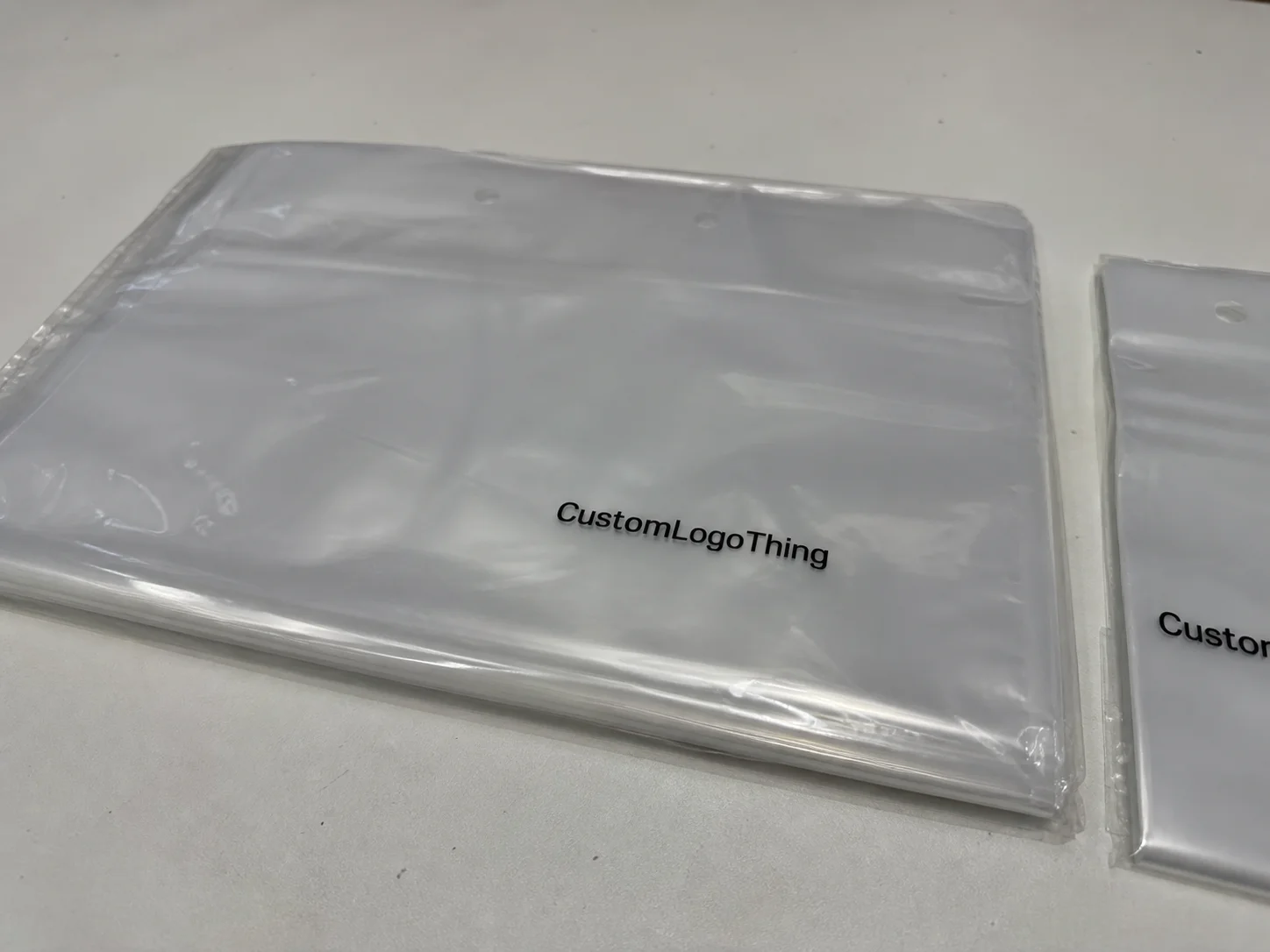
Buyer Fit Snapshot
| Best fit | Plant Based Barrier Pouches Supplier projects where brand print, material claims, artwork control, MOQ, and repeat-order consistency need to be specified before quoting. |
|---|---|
| Quote inputs | Share finished size, material target, print colors, finish, packing count, annual reorder estimate, ship-to region, and any compliance wording. |
| Proofing check | Approve dieline scale, logo placement, barcode or warning zones, color tolerance, closure strength, and carton packing before bulk production. |
| Main risk | Vague material claims, crowded artwork, missing packing details, or unclear freight terms can make a low unit price expensive after revisions. |
Fast answer: Plant Based Barrier Pouches Supplier: Film, Print, MOQ, and Carton Packing should be specified like a repeatable production item. The safest quote records material, print method, finish, artwork proof, packing count, and reorder notes in one written spec.
Production checks before approval
Compare the actual filled-product size with the drawing, then confirm tolerance on folds, seals, hang holes, label areas, and retail display edges. Reserve space for logos, QR codes, warning copy, and material claims before decorative graphics fill the panel.
Quote comparison points
Review material grade, print process, finish, sampling route, tooling charges, carton quantity, and freight assumptions side by side. A quote is only useful when the supplier can repeat the same color, closure quality, and packing count on the next order.
Plant based barrier pouches supplier sounds like a simple search term until you start looking at the actual pouch wall, the seal area, the closure, and the way the package holds up after weeks on a shelf or a few rough trips through a distribution network. Plant-based tells you something about the source of the material, but it does not tell you whether oxygen will stay out, whether moisture will stay balanced, or whether the disposal claim fits the market where the product is sold.
A good plant based barrier pouches supplier does far more than move film from one place to another. The work is part materials selection, part technical translation, and part reality check, because the package has to survive filling, shipping, display, and customer handling while still matching the brand’s sustainability story. If you have ever approved a pouch that looked great in the sample room and then got fussy on the filling line, you already know why that distinction matters.
For brands comparing options through Custom Logo Things, the best place to start is the product itself. Shelf life target, fill method, aroma sensitivity, grease load, humidity exposure, and retail handling all shape the structure far more than a pretty mockup does. Once those details are clear, a plant based barrier pouches supplier can recommend a pouch that fits the product instead of forcing the product to fit a label claim.
What a Plant Based Barrier Pouches Supplier Really Does
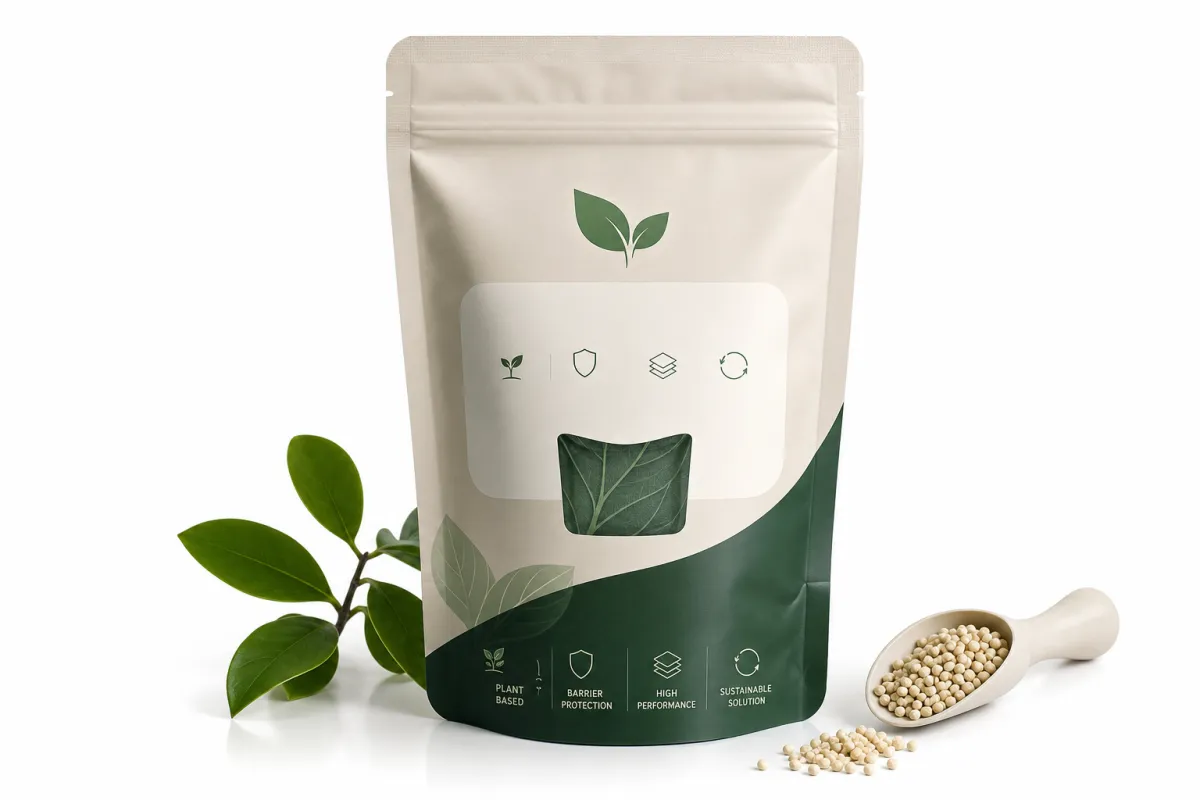
Plant-based packaging gets talked about as if the material story solves everything on its own. It does not. A plant based barrier pouches supplier acts as a technical matchmaker, aligning your food, supplement, or personal care formula with the right face stock, barrier layer, sealant layer, and closure system so the package works outside the brochure.
One of the most common misreads is assuming a greener-looking material automatically performs like a high-barrier structure. A pouch can look responsible on paper and still fail when the sealant does not tolerate fill temperature, when the barrier layer is too weak for oxygen control, or when a zipper or tear notch becomes the first point of failure. A plant based barrier pouches supplier should be able to show where those risks sit and what trade-offs come with each build. That conversation may not be glamorous, but it is the one that saves you from avoidable pain later.
Three terms get mixed together constantly, and they mean very different things:
- Bio-based means some or all of the raw material comes from plant feedstock such as sugarcane, corn, or cellulose.
- Compostable means the full structure has been designed and certified to break down under a defined composting system, usually with standards such as ASTM D6400 or EN 13432.
- Recyclable means the package can enter a real recycling stream, which depends on structure, sortability, and local collection infrastructure.
Those differences matter because a pouch that is bio-based may still be hard to compost, and a compostable pouch may not fit every product or every region. A serious plant based barrier pouches supplier will not blur those lines just to make the sales pitch easier. That shortcut creates confusion later, usually after the sample has already been approved and the launch timeline is already tight. I have seen teams get boxed in by a claim that sounded tidy in a presentation but fell apart the moment legal or operations asked for the actual test standard.
A pouch can look sustainable in a catalog and still fail on the filler, in transit, or on the shelf. The story printed on the material matters, yet the structure and the test data matter more.
From a packaging buyer’s point of view, the supplier’s role is to connect claims to performance. Oxygen transmission, moisture exposure, seal strength, puncture resistance, and product compatibility all need plain-language answers. If a plant based barrier pouches supplier cannot explain those points without falling back on vague language, the search is not far enough along yet. You do not need poetry here; you need numbers, test methods, and a clear explanation of what the pouch can and cannot do.
How a Plant Based Barrier Pouches Supplier Builds the Barrier
Barrier performance comes from the whole stack, not from a single miracle layer. A capable plant based barrier pouches supplier will break the pouch into the face stock, the barrier layer, the sealant layer, and any functional feature such as a zipper, spout, tear notch, hang hole, or gusset. Each element affects how the package behaves on a machine, in a case pack, and on a shelf.
The face stock influences print quality, stiffness, and the first impression a customer gets in hand. The barrier layer handles oxygen, moisture, aroma, or grease resistance, depending on the product. The sealant layer has to close cleanly within the sealing window your equipment can actually deliver, because a polished spec means very little if the jaws cannot form a consistent seal. Trust grows fast when a plant based barrier pouches supplier can explain those functions without hiding behind buzzwords.
Performance data is where the conversation gets concrete. Buyers should understand a few core measurements:
- OTR or oxygen transmission rate, which matters for coffee, dried fruit, nuts, powders, and other oxygen-sensitive goods.
- MVTR or moisture vapor transmission rate, which matters for hygroscopic powders, crunchy snacks, and products that lose quality when they absorb humidity.
- Grease resistance, which matters for oily foods, confections, and some beauty formulas that can migrate into weaker film structures.
- Aroma retention, which matters when the product’s smell is part of the brand experience, as with coffee, tea, herbs, or spices.
Plant-based materials can absolutely work in this space, but not every option suits every application. PLA, cellulose-based films, paper-composite structures, and bio-based laminations each bring a different balance of strengths. A dry snack with a modest shelf-life target may do well in one structure; an oxygen-sensitive coffee blend or a sauce pouch asks for much more. A plant based barrier pouches supplier should ask about product chemistry before talking about print finish or pouch shape.
Product behavior matters more than package appearance. Dry snacks usually need a balance of moisture resistance and puncture resistance. Powders care a lot about seal contamination and dust control. Sauces and pastes may need a stronger sealant and a structure that can handle hot fill or pasteurization. Oils can be unforgiving because they migrate, soften, or stress weaker laminations. A plant based barrier pouches supplier that skips those details is guessing, and guessing is expensive.
For broader packaging terminology and material references, the resources at Packaging.org are useful when you want a larger view of materials, structures, and test language. A supplier still needs to give you the exact data for your specific pouch, yet it helps when everyone is speaking the same technical language.
Plant Based Barrier Pouches Supplier Cost, MOQ, and Quote Factors
Pricing is where many buyers get surprised, and that surprise usually comes from comparing numbers built on different assumptions. A plant based barrier pouches supplier may quote a very different price depending on resin choice, print coverage, zipper style, barrier level, pouch size, and whether the design includes a spout, window, tear feature, or special matte finish.
The biggest cost drivers usually sit in the material stack and the work needed to convert it. Specialty bio-based films can cost more than standard laminations because sourcing is narrower and converting is more sensitive. Heavy print coverage raises ink, plate, and press time. Add a zipper or spout and the assembly becomes more complex. Ask a plant based barrier pouches supplier for a quote without those details and you are often comparing estimates instead of real offers.
MOQ, or minimum order quantity, shifts for the same reason. Digital print can support a lower MOQ, while flexographic or gravure printing often needs more volume to make setup practical. Custom tooling, special materials, and unique finishes can raise the floor. Small runs are possible, but the unit cost usually rises because make-ready time, material waste, and sourcing are spread across fewer pouches. A strong plant based barrier pouches supplier should say that clearly instead of pretending every quantity is equally efficient.
When buyers compare quotes, the better move is to look past unit price and examine total landed cost. Freight, sample costs, plate charges or plate alternatives, quality checks, storage, and any change-order fees should all sit in the same view. A slightly higher pouch price may still be the better deal if it lowers spoilage, rejects, or emergency reorders. That tends to matter most when working with a plant based barrier pouches supplier on products with real shelf-life sensitivity.
| Option | Typical Structure | Approx. Unit Price at 5,000 pcs | Typical MOQ | Best For | Main Trade-Off |
|---|---|---|---|---|---|
| Lighter barrier pouch | Bio-based or cellulose-forward laminate with basic barrier support | $0.18-$0.28 | 3,000-10,000 | Shorter shelf-life dry goods, promo runs, market testing | Less protection against oxygen, moisture, or aroma loss |
| Mid-range barrier pouch | Plant-based barrier layer with stronger sealant and print finish | $0.24-$0.42 | 5,000-15,000 | Snacks, powders, coffee, mid-shelf-life retail packs | More cost, but a better balance of performance and sustainability |
| High barrier pouch | Enhanced barrier laminate with zipper or extra protection features | $0.32-$0.58 | 10,000+ | Oxygen-sensitive products, premium retail, e-commerce shipping | Higher cost and longer sourcing time |
| Spouted or specialty pouch | Custom fill accessory, more complex lamination, tighter quality control | $0.55-$1.10+ | 10,000+ | Liquids, sauces, baby food, premium functional products | Most complex and usually the slowest to launch |
Those numbers stay broad for a reason, because the real quote depends on the structure, the print method, and the market. A plant based barrier pouches supplier worth working with should be able to break the price down into material, conversion, decoration, and logistics so you can see what is actually moving the number. If the quote is just one line with no explanation, there is usually more risk hiding inside it than most buyers want.
Plant Based Barrier Pouches Supplier Process, Timeline, and Lead Time
The process should feel structured, not mysterious. A good plant based barrier pouches supplier usually moves through discovery, spec review, material recommendation, sampling, artwork approval, production, and shipment. If any of those steps is missing, that does not automatically mean the supplier is careless, but it does mean the buyer needs to slow down and ask sharper questions before the project drifts off course.
Time is usually lost in familiar places. Compliance documents take longer than expected. Artwork files need corrections. A custom film has to be sourced before the run can begin. Or a brand asks for a sustainability claim at the last minute, and the plant based barrier pouches supplier has to confirm whether the structure really supports it. That kind of back-and-forth is normal, which is exactly why a schedule should be broken into separate parts.
Ask for three time frames, not one:
- Sample lead time for the first set of test pouches or mockups.
- Production lead time after artwork, specifications, and order confirmation are approved.
- Transit time from the supplier’s dock to your receiving point.
For standard structures, sampling may take 7-14 business days, while production often lands in the 12-25 business day range after proof approval. Specialty materials, custom barriers, or complex decoration can stretch that further. A disciplined plant based barrier pouches supplier should give you a critical-path schedule so procurement, operations, and marketing all know what depends on what.
Rush jobs are possible, and they usually trade away something. Maybe the MOQ changes. Maybe print options are trimmed. Maybe the material choice narrows. That is not always a bad call, but it should be deliberate. If the supplier promises too quickly, there is a fair chance the real cost shows up later in quality, freight, or missed launch dates. I have watched a few "fast" projects turn into slow ones because nobody stopped to ask what the shortcut was costing downstream.
For ship testing and distribution stress, many teams also refer to packaging methods for vibration, drop, and compression work. The guidance at ISTA is a helpful reference point when you are discussing how a pouch will travel through e-commerce or retail distribution. A plant based barrier pouches supplier should welcome that conversation because transport performance is part of the package, not a side issue.
Step-by-Step: Choosing the Right Pouch Spec
The best way to choose a pouch is to start with the product and work outward. A plant based barrier pouches supplier should first ask about shelf-life target, fill method, fill temperature, closure style, case pack, and whether the package will spend more time on a retail shelf or moving through e-commerce shipping. Those answers shape the real spec faster than any glossy brochure can.
Once the use case is clear, ask for technical data instead of leaning on claims. Barrier test results, food-contact documentation, compostability or recyclability evidence, and a clear material structure all belong in the review. If the supplier is using FSC paper as part of the facestock, ask for the relevant chain-of-custody information when that claim matters to your brand. A plant based barrier pouches supplier should not be uneasy about documentation; good suppliers expect it.
Then compare samples with a practical checklist. Not in a vague sense, but with hands-on observations from the actual product:
- Does the seal bite cleanly across the full width?
- Does the zipper close with enough force, but not too much?
- Does the pouch stand, flex, and pack the way you want?
- Does the film scuff, crease, or whiten at the fold lines?
- Does the structure resist puncture from corners, powders, or sharp inclusions?
- Does it survive a realistic drop or compression cycle without failure?
That last point carries more weight than many teams expect. A pouch can feel excellent in hand and still fail once it is filled, palletized, and shipped. A careful plant based barrier pouches supplier will encourage a pilot run because real equipment tells the truth. Seal jaw temperature, dwell time, fill contamination, and product dust all change the result, and those variables do not show up in a render file.
A clean side-by-side spec sheet makes the decision easier. Put each candidate structure in one row, then compare OTR, MVTR, sealant behavior, MOQ, unit price, lead time, and documentation. That kind of table removes emotion from the decision and makes it easier to defend internally. It also helps the plant based barrier pouches supplier understand exactly why one option wins over another.
Here is a practical rule: if the product is fragile, expensive, or shelf-life sensitive, do not skip the pilot. A plant based barrier pouches supplier should support a test phase that uses the actual filling line or at least a close simulation of it. That is how you catch wrinkles, poor seals, zipper misalignment, and fill contamination before full production locks everything in.
Common Mistakes When Switching to Plant-Based Barrier Pouches
The first mistake is assuming plant-based automatically means compostable, recyclable, or better for every waste stream. It does not. A pouch may be partially bio-based, fully compostable under a specific certification, or designed for a particular recycling path, but those are different outcomes. A responsible plant based barrier pouches supplier will explain the difference instead of collapsing all three into one tidy claim.
The second mistake is buying on price alone. That choice is easy to understand because purchasing teams are under pressure and the quote sheet is simple to compare. If the barrier data is weak, the seal strength is marginal, or the pouch fails under humidity, the lower price can cost much more in returns, waste, and brand damage. A plant based barrier pouches supplier should be judged on performance and reliability, not just cents per unit.
The third mistake is treating disposal claims as universal. They are not. A package can be industrially compostable and still be useless in a market with no composting access. It can be recyclable in one country and non-recoverable in another. If your brand message promises an end-of-life pathway, the plant based barrier pouches supplier should help confirm that the claim matches the markets you sell into and the infrastructure your customer can actually use.
The fourth mistake is skipping migration, odor transfer, and seal testing until after launch. That is too late. If the product contains fats, oils, acids, fragrance, or volatile compounds, the pouch has to be tested against those conditions early. A well-chosen plant based barrier pouches supplier knows that a pleasant-looking sample can still fail once the formula sits in it for a few weeks. I have seen a pouch pass the visual test and then start to tell on itself only after product contact changed the seal area or exposed a weak layer.
The fifth mistake is ignoring line trials. This one hurts because it is so preventable. A pouch may be technically sound and still jam on a filler because the gusset width is off, the zipper is too stiff, or the film behavior changes under heat. A strong plant based barrier pouches supplier will want to see the package run on the actual equipment, or as close to it as possible, before volumes rise.
From a standards perspective, it makes sense to think in terms of documented testing rather than assumptions. That may include barrier measurements, food-contact review, or distribution testing aligned to common packaging practice. The exact stack depends on the product, but the discipline stays the same: prove it, do not just describe it. That mindset is what separates a careful plant based barrier pouches supplier from one that only knows how to talk about sustainability.
Expert Tips and Next Steps Before You Request Samples
If you are close to sampling, ask each plant based barrier pouches supplier for a sample matrix with at least three levels of protection: a lighter barrier option, a middle option, and the strongest shelf-life option. That gives you a useful spread without forcing you to guess what the final structure should be. In practice, side-by-side samples reveal far more than a single “best guess” pouch ever will.
Also ask for a written recommendation tied to your actual product, not a generic catalog response. Good suppliers can explain why a structure was chosen, what it protects against, and what its limitations are. If the answer sounds like marketing language, keep asking until it becomes specific. A serious plant based barrier pouches supplier should be comfortable saying, “This works well for dry goods, but not for hot fill,” or “This option gives you better shelf life, but the MOQ is higher.”
Before sampling, run through a short checklist:
- Barrier spec and test method
- Material structure and closure details
- MOQ and expected unit price at your target quantity
- Sampling lead time and production lead time
- Print method and artwork requirements
- Food-contact, compostability, or recyclability documentation
- Total landed cost, including freight and any setup fees
After that, plan a small pilot with real product and realistic storage conditions. Do not just admire the empty pouch on a desk. Fill it, seal it, ship it, and let it sit long enough to show whether the barrier, seal, and closure behave the way you need. A thoughtful plant based barrier pouches supplier understands that this is not delay for its own sake; it is how you protect the launch.
There is a practical rhythm to these projects. First the product decides the package. Then the package proves it can survive production. Only then should the artwork, volume commitment, and replenishment plan lock in. Keep that order straight and a plant based barrier pouches supplier becomes a useful technical partner instead of just another line item in the procurement sheet.
For brands working with Custom Logo Things, the next move is straightforward: compare the data, request samples, and choose the plant based barrier pouches supplier that fits your performance target, budget, and timeline without forcing any of them to collapse. That balance is what makes the package dependable enough to ship and honest enough to stand behind, and it is the point where a packaging decision stops being theoretical and starts protecting real product on real shelves.
How do I choose a plant based barrier pouches supplier for food packaging?
Start with barrier performance, food-contact compliance, and the supplier’s ability to explain end-of-life claims in plain language. A good plant based barrier pouches supplier should connect test data to your actual product, because snacks, powders, sauces, and oily foods each place different demands on the pouch. Compare price, yes, but also compare MOQ, lead time, and whether the supplier can support real sampling and line trials.
Are plant based barrier pouches actually compostable?
Not always. “Plant-based” describes the raw material source, while compostable depends on the entire structure and the certification behind it. Some pouches may be industrially compostable; others may be partly bio-based or designed for a different recovery stream. A careful plant based barrier pouches supplier will provide documentation and will not blur those differences just to make the claim sound better.
What MOQ should I expect from a plant based barrier pouches supplier?
MOQ depends on print method, pouch size, material availability, and whether custom tooling or specialty finishing is required. Smaller runs are often possible, but the unit price usually rises because setup and sourcing costs are spread across fewer pouches. If your volume is uncertain, ask the plant based barrier pouches supplier about staged production, sample runs, or alternative structures before you lock in a bigger commitment.
How long does sampling and production usually take?
Sampling can be quick for standard structures, but custom films, artwork approvals, or compliance review can extend the schedule. Production lead time depends on material sourcing, press availability, and finishing details like zippers, spouts, or windows. A reliable plant based barrier pouches supplier should give you a timeline that separates sample lead time, production lead time, and freight so there are no surprises at launch.
What should I ask a plant based barrier pouches supplier before comparing quotes?
Ask for the exact material structure, barrier metrics, certifications, and any known limitations for your product type. Request a full cost breakdown that includes unit price, freight, sampling, tooling, and any possible change fees. Confirm expected lead time, MOQ, and whether the plant based barrier pouches supplier can support testing on your actual filling equipment before you place the order.
If you want the safest next move, gather three samples, compare the test data side by side, and choose the plant based barrier pouches supplier that can prove the package will protect the product, fit the line, and match the recovery claim you plan to make.
Related packaging resources
Use these related guides to compare specs, costs, quality checks, and buyer decisions before making the final call.