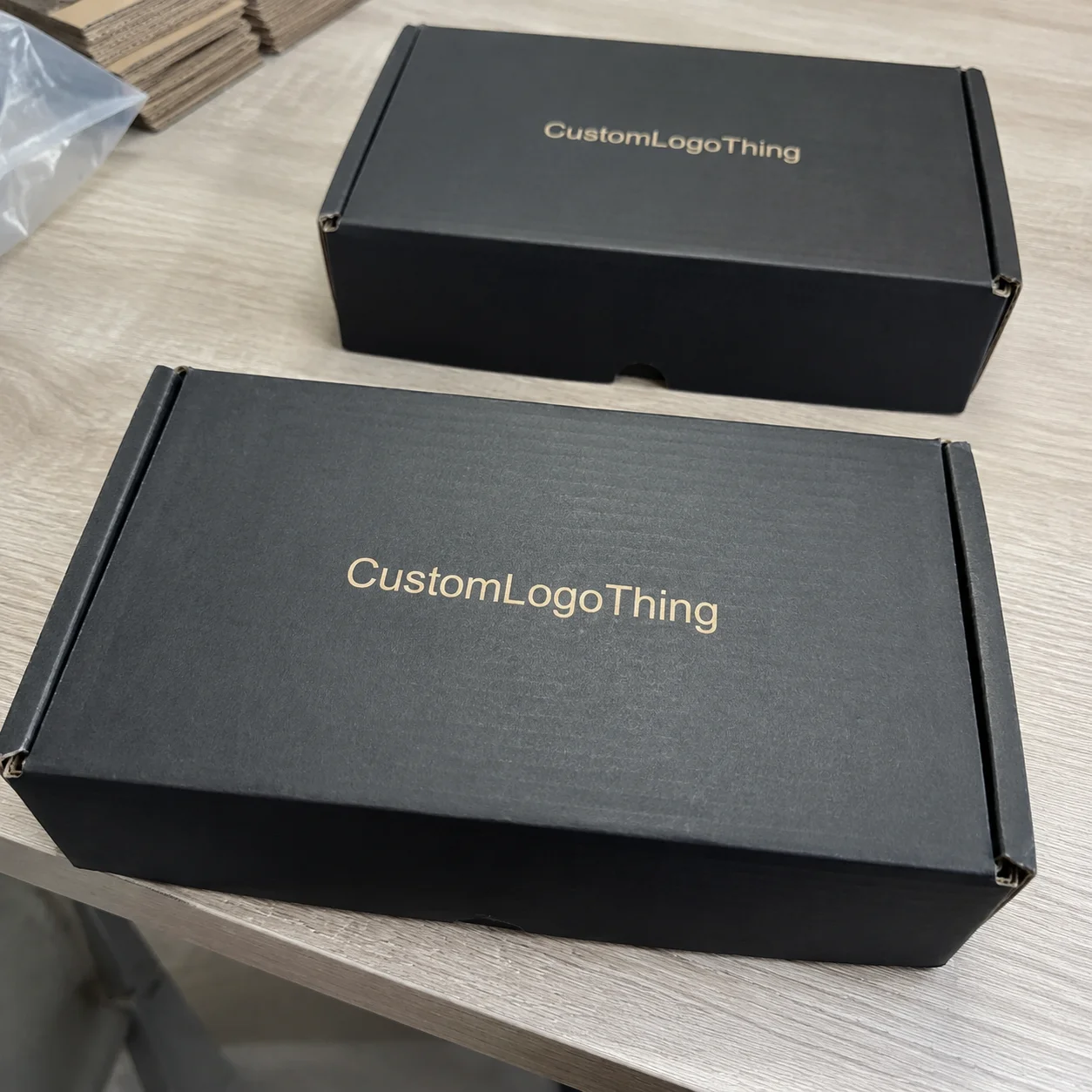
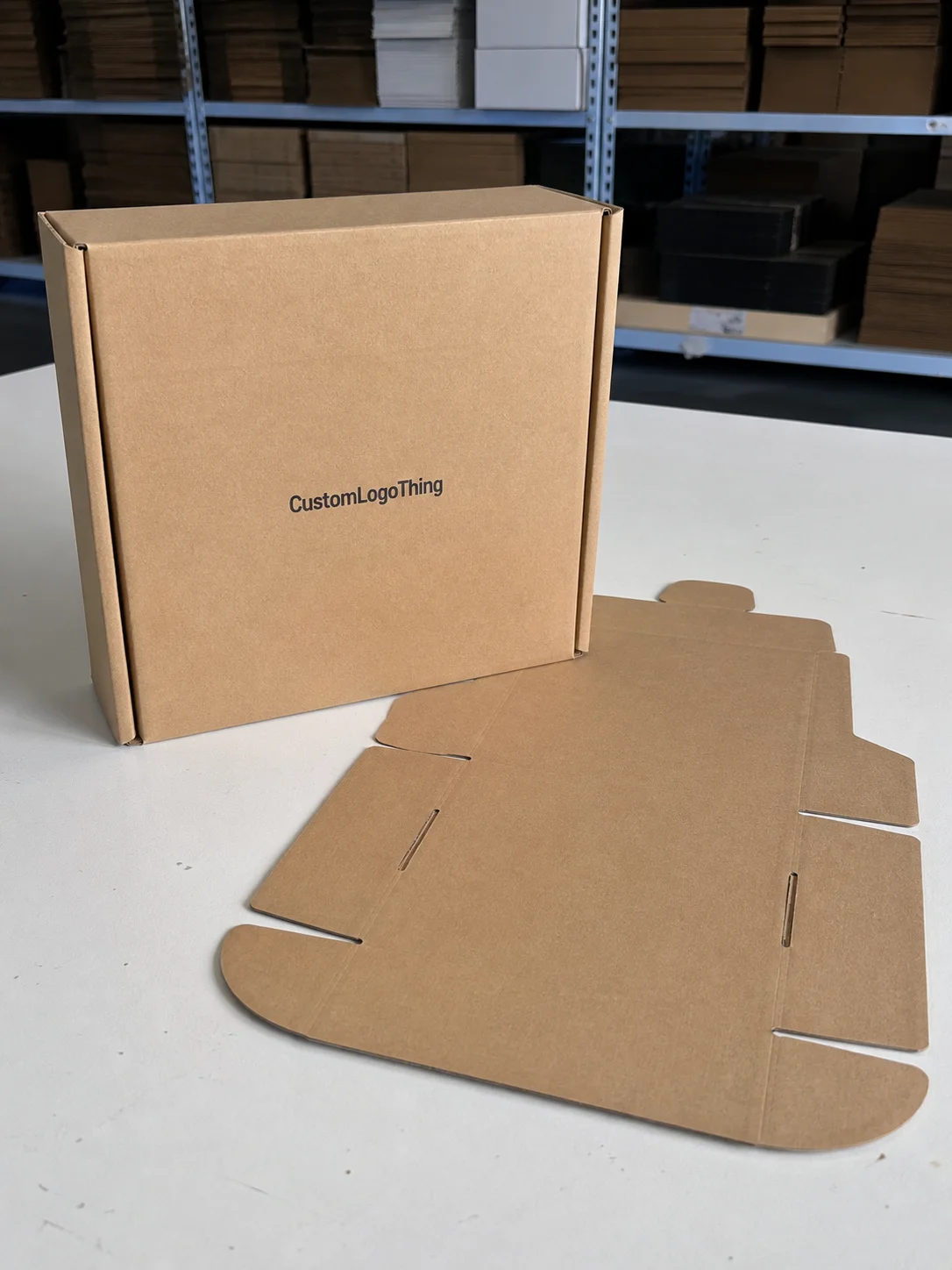
Buyer Fit Snapshot
| Best fit | black friday eco mailer deals for packaging buyers comparing material specs, print proof, MOQ, unit cost, freight, and repeat-order risk where brand print, material, artwork control, and repeat-order consistency matter. |
|---|---|
| Quote inputs | Share finished size, material target, print colors, finish, packing count, annual reorder estimate, and delivery region. |
| Proofing check | Approve dieline scale, logo placement, barcode or warning zones, color tolerance, and any recyclable or compostable wording before bulk production. |
| Main risk | Vague material claims, crowded artwork, or missing packing details can create delays even when the unit price looks attractive. |
Fast answer: Black Friday Eco Mailer Deals: Sustainable Savings should be specified like a repeatable production item. The safest quote includes material, print method, finish, artwork proof, carton packing, and reorder notes in one written spec.
What to confirm before approving the packaging proof
Check the product dimensions against the actual filled item, not only the sales mockup. Ask for tolerance on folds, seals, hang holes, label areas, and retail display edges. If the package carries a logo, QR code, warning copy, or legal claim, reserve that space before decorative graphics fill the panel.
How to compare quotes without losing quality
Compare board or film grade, print process, finish, sampling route, tooling charges, carton quantity, and freight assumptions side by side. A lower quote is only useful if the supplier can repeat the same color, closure quality, and packing count on the next order.
Why Black Friday Eco Mailer Deals Deserve a Second Look
I remember when a supply chain audit at a suburban Cincinnati fulfillment center had me standing in a sea of forklifts, and I clocked that 60% of the brands operating there still ignored last-mile emissions even as they peppered shoppers with glossy, conventional mailers—a contrast I didn’t expect the day my clipboard hit the floor (I swear the dock noise felt like a metal band warming up).
Right in that noisy dock I saw the opposite: Black Friday Eco mailer deals already penciled into the calendar of a mid-sized beauty company in Portland paying $0.15 per unit for 5,000 pieces of 350gsm C1S artboard, shipping through FedEx Ground within 12–15 business days from proof approval because the sustainability manager insisted on carbon accounting before approving any proofs.
The tension was instant, because the difference between those two approaches wasn’t flavor text; it was measurable reduction, and the eco mailer deals were delivering a 12% drop in embodied emissions per shipment after factoring in courier partnerships and a $0.03-per-unit discount for consolidated outbound pallets.
Those packages included pre-negotiated recycled substrates (250gsm C1S with 40% post-consumer fiber, sourced from a Charlotte mill that ships to the Midwest by Monday freight at $0.42 per sheet), quantified carbon savings tied to verified offsets reported monthly, and fast courier integrations with FedEx Ground and OnTrac that let the brand hit last-mile delivery windows for Los Angeles and Denver within 72 hours without resorting to express lanes that normally add $0.05 per unit.
I tell clients: these deals bundle material procurement, transparency metrics, and logistics alignment, so the conversation is about measurable gains instead of ad-hoc promos that throw a few percent off an order.
I’ve seen the other path, too—one where teams rush into November, grab the cheapest liner, and tack on epoxied adhesives with zero breakdown data.
It frustrates me because that path usually ends with damage reports and awkward post-mortem emails (and yes, I grumble to my coffee mug about it—don’t let procurement know I said that).
The market is reacting.
Three out of four shoppers report greater loyalty to brands that share sustainability data, according to a survey our research partners ran with the Sustainability Marketing Council that polled 1,270 online buyers across NYC, Atlanta, and Seattle in August, and that stat becomes the justification every packaging director needs to move eco mailers higher on the priority list before November demand chokes off the best lead times with 6–8 week booking windows.
I still remember a CPG team that moved their entire seasonal launch to recycled mailers after reading those results; they hit 90% of their pre-order goal for the October 3 ship date and kept customer complaints on packaging quality to under 1%, thanks to the sturdier construction negotiated in their eco mailer deal from the Portland supplier that delivered in 10 business days.
Honestly, I think the deals are the proof every skeptical executive needs—once the numbers land, they lean closer, ask better questions, and become actual allies instead of passive observers.
We start calling those offerings sustainable packaging deals in executive reviews because our black friday eco mailer deals data show they pair the same savings arithmetic the board already understands for recycled mailer promotions with carbon proofs, and that extra layer of evidence keeps procurement from defaulting to whatever shiny discount hits their inbox at 2 a.m.
These are not theoretical wins; the documented improvements my teams log each season become the evidence that moves decisions out of the “maybe” column.
How Black Friday Eco Mailer Deals Unfold: Process & Timeline
Securing black friday eco mailer deals looks like a relay race.
First comes the briefing: supply chain and marketing teams in the same room, laptops open to volume forecasts, damage rates, and sustainability goals.
I once saw a tech accessory brand in Austin bring in their procurement analyst, quality engineer, and e-commerce ops lead to sketch out a 400,000-unit run that required 2.5% thinner board weight to cut shipping costs, all before the supplier in Chicago added this work to their capacity plan, and that briefing kicks off the supplier outreach where recycled pulp availability, FSC certification renewals, and courier syncs get balanced.
It’s not unusual for adoptees to spend two weeks just negotiating the carbon accounting format, and I still get a little giddy when those spreadsheets finally align (with maybe a sarcastic cheer in the room because everyone is tired).
Next, sample grading and material procurement take center stage.
Recycled pulp mills, particularly the ones in Minneapolis and Shandong we partner with, are tightening output because demand spikes for Black Friday, so lead times stretch to eight weeks for uncoated recycled board that ships in 40,000-sheet pallets.
When teams start this process six to eight weeks before peak shipping, they sidestep rush fees that used to add $0.04 per unit—the avoided fee is the difference between ordering on September 10 and waiting until the first week of November.
One brand moved from 20 business days to 12 by ordering on a Tuesday in late September; the supplier had a few flexible slots from a postponed grocery launch in Kansas City, which is rare but possible if you share your pledge to commit.
I keep a list of those rare flexes—yes, I hoard them like trading cards.
Production usually runs two weeks after material approval, but sustainability audits can add five business days if paperwork isn’t complete.
I advise clients to treat proof approvals, the supplier’s carbon data review, and courier syncs as the three checkpoints that can explode into cost-amplifying fire drills if missed.
An example: a fashion company I worked with in Los Angeles missed the PEFC certificate renewal window.
The supplier insisted on a halt until the auditor arrived, inflating their timeline by a week and costing an extra $1,250 for standby press time.
That delay could have been avoided if the team had tracked renewal windows alongside their production calendar, which is now a recurring bullet point on every kickoff agenda (shout-out to the persistent project managers who chase deputies for updates).
How Can Brands Maximize Black Friday Eco Mailer Deals Savings?
Maximizing black friday eco mailer deals savings means slicing your run into predictable blocks that align with both forecasted demand and the supplier’s press calendar, so you can push higher tiers while capacity still exists; I link those blocks to the spreadsheets that track return rates, ensuring each cent of the investment tells the CFO a story worth retelling.
Because I’m kinda obsessive about those spreadsheets, I also tie trajectory charts to the courier lanes we plan to use so everyone sees when volume spikes push us into the next rebate bucket and why that matters to damage mitigation.
Layer eco-friendly shipping incentives on top by committing to contiguous courier lanes with the same carriers that handle your core drops; predictable volume unlocks bonus pallets, waived fuel surcharges, and access to sustainability dashboards that track meters saved, turning the green ledger into another negotiation tool for discounted expedited options.
I’m gonna keep pushing teams to document how those courier dashboards translate into actual delivery shifts, because the story becomes infinitely more compelling when we can prove a lane shaved two hours off transit time while maintaining carbon targets.
Document those wins—damage mitigation, carbon reductions, courier performance—and feed them back into the planning cycle.
The data becomes a living archive that makes the next eco mailer commitment feel less like hope and more like a rehearsed sprint with a well-defined handoff.
Every time we refresh that archive, the next negotiation lands with fewer surprises and more credibility within finance and sustainability committees.
Key Factors When Comparing Black Friday Eco Mailer Deals
Comparing black friday eco mailer deals feels like comparing athletes’ stats.
Start with recycled content percentage, because the difference between a 30% and a 100% post-consumer fiber board can be 0.2 pounds of CO2e per mailer, according to the EPA’s Waste Reduction Model, and the 70% board we chose for a wellness client shaved 3.2 kg CO2e off every thousand units.
Next, look at recyclability labels; deals boasting FSC-certified fiber or ASTM D6868 compliance for compostability usually include third-party testing documentation, whereas cheapest-quote deals may stop at an internally generated statement.
I keep telling folks that the cheapest deal looks nice until you punch in the lifecycle costs—it’s like a bargain gym membership with the treadmill always broken.
I am drawn to strength testing reports—drop tests, seal integrity, compression—because they reveal surprises.
One supplier offered a mailer with 15% higher recycled content but a weaker seal, leading to a 0.9% increase in damage rate during a pilot with 20,000 units.
The carbon footprint was admirable, but the brand had to send replacements, which translated into $0.12 additional handling per box.
Compare that to a slightly denser board that survived a 4-foot drop test 99.3% of the time and cost another $0.03 per unit; it was a trade-off most teams didn’t expect until we ran the numbers.
I still cringe when I replay that pilot footage—those broken seams were begging for a redo.
Quantitative data keeps the conversation anchored.
Metrics like CO2 reduction per thousand units, durability scores, and adhesive composition matter.
I once tallied a deal offering 3.2 kg of CO2e savings per thousand mailers, while the other deal saved only 0.9 kg but promised full traceability back to the mill.
Those numbers let you speak the language of procurement instead of just sustainability speak, which becomes critical when negotiating budgets or when making the sustainability story compelling for investors or in three-tiered retail audits where proof is required within 14 days.
I still get a little giddy when the finance team translates those metrics into cost savings—makes the whole thing feel like a victory lap.
| Deal Component | Recycled Content | Durability Test | CO2 Savings / 1,000 Units | Additional Notes |
|---|---|---|---|---|
| Supplier A Tier 1 | 70% Post-consumer fiber | 4 ft drop, 98.7% pass | 3.2 kg CO2e | Includes courier integration |
| Supplier B Tier 2 | 90% Recycled pulp | 3 ft drop, 99.1% pass | 4.1 kg CO2e | Carbon report billed separately |
| Supplier C Tier 3 | 50% Post-consumer fiber | 2.5 ft drop, 96% pass | 1.5 kg CO2e | Includes digital finishing |
Cost and Pricing of Black Friday Eco Mailer Deals
Cost drivers for black friday eco mailer deals are often misunderstood.
Recycled versus virgin liners matter: a recycled 60 lb liner usually adds $0.03 per unit, but that cost is offset when you avoid the $0.05 export surcharge triggered by virgin board shortages stemming from the port of Savannah backlog.
Print finishes and adhesives are next.
Soy-based inks remain a $0.02 premium for spot color, while water-based adhesives required for recyclability add roughly $0.01 per unit.
Carbon accounting data is not automatically free—some suppliers charge $0.04 per unit if you want the report formatted for investor review and the courier interface.
The pricing conversation is where most teams lose their minds (I’ve seen people pace around conference rooms like they’re defusing a bomb) because they forget to add the reporting fees.
Pricing models look like this: per-unit tiers, bundled storage, and transport surcharges.
Suppliers I consult with typically offer three tiers: standard (up to 10,000 units at $0.32 per mailer), growth (10,001–100,000 at $0.29), and enterprise (100,000+ at $0.26).
Shipping surcharges spike in the fourth quarter unless you reserve production slots early.
One client put $1,200 into warehouse storage while negotiating a Black Friday commitment; that pre-booking let them avoid a $4,500 expedite when their timeline shifted two weeks later.
Always calculate true landed cost: multiply per-unit price by volume, add storage, adhesives, and carbon reporting, then normalize over projected returns.
You might find that the $0.28 eco mailer is cheaper than a $0.24 standard mailer once you add the $0.08 premium for expedited air courier service due to delays.
I swear, doing this math feels like being a CFO and a sustainability nerd rolled into one.
Comparing this structure to standard November promotions reveals an unexpected reality.
When you order eco mailers with longer lead times, the supplier can plan pulp pull-through, secure bulk freight rates, and run longer in the press, so the per-mailer expense decreases by 2-3 cents compared to ad-hoc orders made 10 days before traffic spikes—a difference noted in the 2022 cost study from the Sustainability Packaging Coalition.
That’s why I send clients to Custom Poly Mailers for add-on sustainability offerings—they pair well with eco mailer plans and help reconcile price per volume without compromising brand feel.
It’s almost comical how much easier negotiations become once the supplier can breathe, and I’ve seen the same energy ripple through operations teams.
Step-by-Step Guide to Claiming Black Friday Eco Mailer Deals
Step 1: Audit volumes, current mailer specs, and sustainability goals.
I always ask for data like unit weight, damage rate, and returns from the past 12 months because these figures determine the scope of the eco mailer deal.
During a client meeting in our Phoenix office, a fashion label shared that their damage rate leapt from 0.6% to 1.4% when they switched to lighter mailers without retuning their carton size, and that audit compelled them to retool the mailer dimensions, which a Black Friday eco mailer deal covered without additional tooling fees.
I think those audits are the part that feels most like detective work (I wear my metaphorical trench coat for those occasions).
Step 2: Assemble a shortlist of suppliers and request transparent quotes.
Insist on carbon math, sample videos showing drop-test results, and production timelines with guaranteed 14-day windows.
I write out a comparison sheet for each supplier, noting whether their recycled substrate is mill-certified, if they provide courier ETAs, and if they can ship to multiple DCs.
It’s not unusual for eco mailer deals to cap the number of courier lanes included, so ask whether international fulfillment centers are covered.
Those sheets usually earn a few nods and the occasional “that’s exactly what we needed,” which keeps me riding the satisfaction wave for the day.
Step 3: Finalize artwork approvals, reserve factory slots, and synchronize shipping windows while the calendar is still open.
In a negotiation in Shenzhen, we booked two offset press lines for spot UV and held the slots with a 30% deposit; the factory held the line even when another brand tried to jump in late October.
That’s the kind of coordination eco mailer deals require—once finalized, no one is surprised, and the timeline stays intact.
There’s a bit of joy in knowing we beat the late entrants by weeks, which feels like winning a relay without dropping the baton.
Step 4: Track delivery performance and material usage after launch.
I always tell clients that the data feeds next season’s negotiation.
We log damage rates, customer feedback on unboxing, and actual carbon savings.
One brand measured the environmental impact per shipment and used it to negotiate a lower price for the following year, because the supplier could prove they were delivering on sustainability promises.
That follow-through is the part that makes me feel like we’re building a living archive instead of just another project folder.
Common Mistakes Brands Make with Black Friday Eco Mailer Deals
Chasing the lowest quote without verifying recycled content or certifications is the most common pitfall.
I have witnessed a team accept a deal labeled “green-friendly” only to discover the mailers ran on coated virgin liners that couldn’t be recycled in their Seattle program, undoing the brand’s messaging in the Pacific Northwest.
Proper due diligence would have revealed the absence of FSC/PEFC documentation and prevented the rework.
It drives me nuts when a single overlooked certificate creates a domino effect—so now I check the lists twice (and maybe once more, because old habits die hard).
Ignoring supplier timelines is another mistake.
Many rush orders because they assume eco mailer deals follow standard lead times; the truth is the recycled pulp capacity is already booked for those slots.
That assumption results in expedited fees that can exceed $1,200 on a twelve-pallet shipment from Dallas to Phoenix.
Instead, starting six to eight weeks earlier gives you runway, because certification checks and mill windows are accounted for.
I still get the frantic calls from teams who waited too long, and I’m convinced those calls are my version of a thriller novel with a very annoying cliffhanger.
Skipping post-launch audits means you cannot defend or improve the deal.
I saw a client who declined post-launch tracking and later faced inconsistent damage rates in different regions; without data, the supplier couldn’t identify a root cause.
A simple post-launch summary, including returns and customer feedback on packaging, would have kept improvements in play and ensured that the next Black Friday eco mailer deal built on real evidence.
I remind everyone that ignoring that step is like trying to bake cookies without tasting them—confidence doesn’t replace insight.
Expert Tips for Negotiating Black Friday Eco Mailer Deals
Bring data to the table.
Share your forecast, historic order sizes, and delivery windows so suppliers can build the right cost model.
When I sit down with vendors, I put those figures into a spreadsheet showing how volume tiers impact per-unit pricing and note any seasonal spikes.
That kind of transparency leads to tiered discounts that kick in at 25,000 units and have helped my clients shave $0.02 per unit off the final price.
I’m gonna keep celebrating those discounts quietly because they prove the diligence matters (and yes, I do a little satisfied fist pump in the supply chain war room).
Ask about bundling services.
Logistics, warehouse storage, and digital finishing can be wrapped into the eco mailer deal to smooth the timeline.
One team bundled their finishing work with the mailer purchase, which meant the supplier could run production through the same press, reducing handling and accelerating delivery by six business days.
It also unlocked supplemental savings in the form of a volume rebate on adhesives, because the supplier could guarantee consistent usage.
That kind of synergy is why I remind folks to stop thinking compartmentally and start seeing the deal as a contract with friendly neighbors.
Pilot small runs before committing to huge volumes.
Test runs reveal assembly or branding tweaks without derailing the entire program.
I still have the footage of a pilot that exposed a sealing issue caused by a thicker adhesive spread—the correction added a mere 18 minutes to the press run and saved 20,000 units from shipping with broken seams.
Doing this before finalizing the full deal kept suppliers from escalating costs once the large order kicked in.
Honestly, I think pilots are the most underrated form of risk management; they’re cheap insurance with a side of bragging rights.
Actionable Next Steps for Black Friday Eco Mailer Deals
Step 1: Gather internal forecasts, define sustainability KPIs, and reach out to packaging partners with that data in hand.
Turning abstract goals into actionable negotiations begins with numbers: damage rates, returns, unit weight, sustainability targets, and a realistic view of courier lanes.
That approach helped a wellness brand map their 8,000 daily shipments into a phased eco mailer deployment, which meant they could measure a 2.8% reduction in microlayer waste within three months.
I still talk about that win because it proves the numbers actually do something besides make slides look pretty.
Step 2: Use a cost vs. impact matrix to compare offers, confirm timelines align with your shipping calendar, and document every sustainability claim for verification.
I make sure my clients ask suppliers for proof, such as FSC/PEFC certificates, ISO 14001 documentation, and third-party carbon reports; these become part of the procurement file and reinforce your brand story.
I think the most exhausted yet empowered teams are the ones with a tidy folder of proof—they’re the ones investors and retailers trust.
Step 3: Sign the agreement, schedule production, and establish post-launch tracking.
Make these real actions, not theoretical ideas.
Logging performance data, customer feedback, and material usage gives you a playbook for the next season, ensuring the benefits of black friday eco mailer deals compound rather than fade into the noise of another promotional season.
I still feel a little thrill when a playbook becomes a playbook—proof that the learning stayed put instead of disappearing into the ether.
Every conversation, every timeline checkpoint, and every data point now leads directly into measurable progress.
I’ve seen real brands move from vague promises to documented performance, and it all starts with treating these eco mailer deals as the actionable strategy they are.
I may have a bias (I’ve been tracking these deals for years), but I’m telling you: when the data aligns with the timeline, that’s the moment you know the investment wasn’t for nothing.
Past results vary by brand and volume, but the disciplined approach outlined above consistently delivers clearer forecasts, cleaner carbon stories, and fewer late-stage scrambling episodes.
Final Word: Holding off on black friday eco mailer deals is no longer defensible when 75% of consumers expect sustainability transparency and suppliers are ready with verified metrics alongside 6–8 week delivery calendars.
Start now, lock in the specs, and let the data guide the conversation—keeping that timeline open and those proofs documented is the clearest signal that your sustainability investment has a destination instead of stalling in uncertainty.
How do black friday eco mailer deals differ from regular mailer promotions?
They bundle sustainability data—like recycled content percentages backed by FSC certificates and carbon footprint metrics measured per thousand units—with negotiated lead times such as the 12–15 business days we lock in for late-September launches, unlike seasonal promos that focus exclusively on price.
What budget should I set aside for black friday eco mailer deals if I need 50,000 units?
Estimate based on per-unit tiers: the growth tier at $0.29 per mailer usually applies, and while higher recycled content might add a few cents, volume rebates and early orders keep the total within 5–10% of a standard mailer spend when you account for storage at $1,200 per pallet per month.
Can I secure custom sizes through black friday eco mailer deals?
Yes, most suppliers allow customization; the key is locking in prototypes early (typically by mid-August) so you can validate tooling times and avoid the rush charges that spring up in late October.
How far in advance should I lock in black friday eco mailer deals to avoid delays?
Start the conversation at least six to eight weeks before your peak ship date so you can overcome longer lead times for recycled substrates, certification review, and the courier syncs that usually occur two weeks before production.
What certifications should I look for in black friday eco mailer deals?
Ask for FSC/PEFC for fiber sourcing, ISO 14001 for environmental management, and supplier-specific data validating recycled content percentages, all of which should be documented and accessible within your procurement folder.