Choosing Poly Mailer Bags material options for subscription apparel boxes looks straightforward until the first bulk order exposes the tradeoffs. Apparel mailers have to protect folded garments from moisture, abrasion, and seam stress; keep print sharp enough to carry the brand; survive warehouse handling; and still fit a recurring fulfillment budget that may be tighter than the marketing team expects. One weak point, and the whole system feels cheaper than it should.
The best mailer is rarely the most expensive or the most decorative. It is the one that matches the garment mix, the route, the packing line, and the brand’s expectations without creating avoidable waste. A soft tee subscription and a heavyweight hoodie program do not need the same film, the same gauge, or even the same closure style. That is why Poly Mailer Bags material options for subscription apparel boxes deserve a closer look than they usually get in early sourcing conversations.
What matters most when choosing mailers for apparel subscriptions
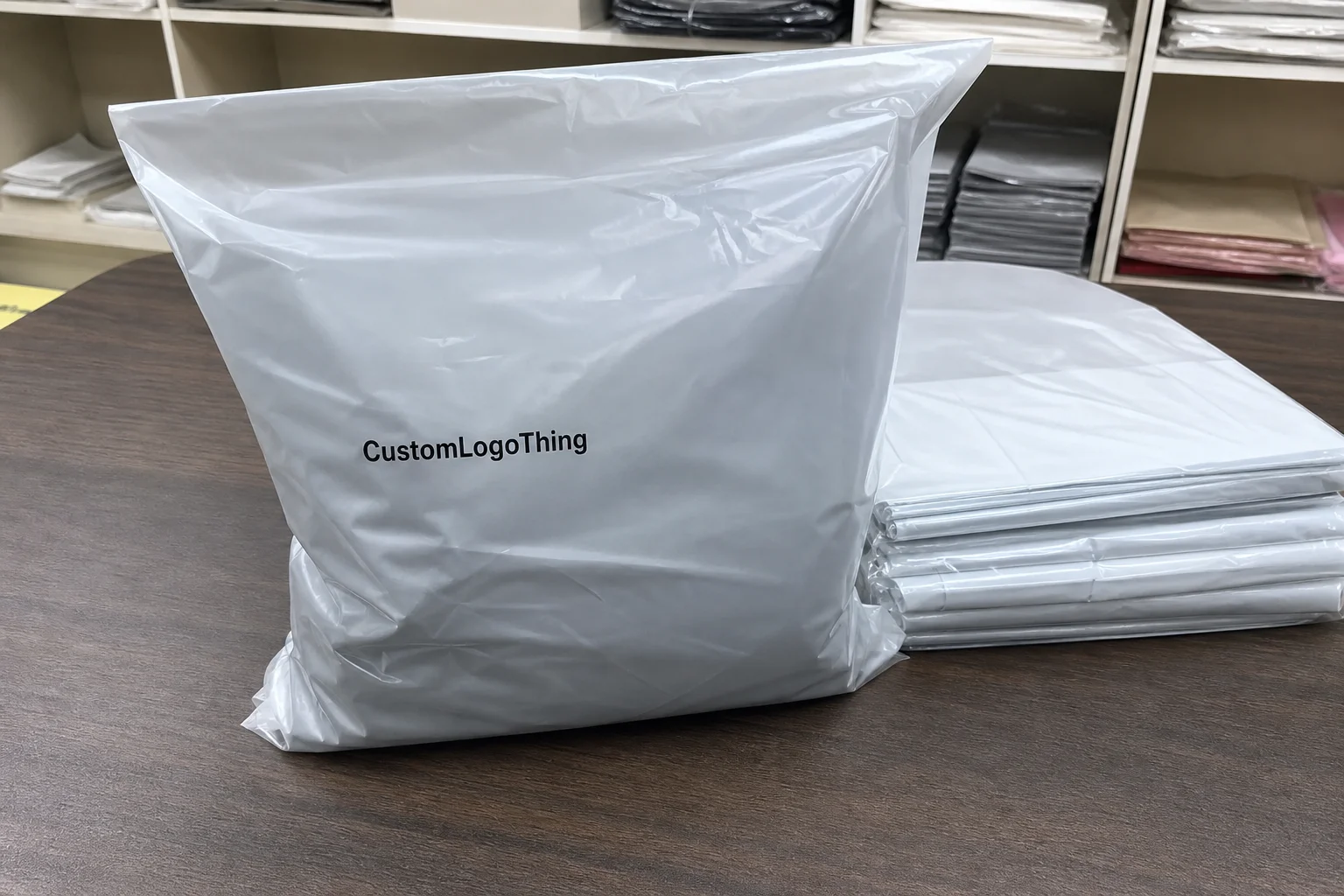
Apparel ships differently from rigid goods. A folded shirt can shift during transit, press against the seal area, and wrinkle if the mailer is too small or too slick. Add subscription cadence to the equation and the requirements tighten further, because the package has to perform reliably month after month, not just for a launch shipment.
Four priorities tend to dominate the decision: protection, presentation, repeatability, and cost control. Protection is about puncture resistance, seal integrity, and moisture barrier. Presentation covers opacity, surface finish, print clarity, and how the parcel looks on arrival. Repeatability matters because a subscription brand cannot afford visual drift from one batch to the next. Cost control is self-explanatory, but it should be measured against damage rates and return handling, not only the unit price on the quote.
There is a recurring mistake in this category: assuming the glossy sample feels premium, or that the lowest-cost film is fine because the contents are soft. Gloss can highlight scuffs. Thin film can split at the corners when a hoodie is packed with too little slack. The actual product mix should drive the spec, not the impression a sample creates on a desk.
“For apparel subscriptions, the mailer is both a shipping component and a brand touchpoint. If it fails in transit, the customer never reaches the unboxing experience.”
If your program includes broader packaging components such as Custom Packaging Products or branded outer layers like Custom Poly Mailers, the mailer should be specified alongside the rest of the kit. Treating it as an afterthought usually leads to mismatched sizing, higher damage risk, or a package that looks expensive in one place and generic in another.
How poly mailer construction affects performance and branding
Most poly mailers are polyethylene-based, but the construction can vary enough to change real-world performance. Mono-layer films, co-extruded films, and blended structures each behave differently in print, stretch, sealability, and scuff resistance. For subscription apparel, co-extruded film is often preferred because it can combine strength and print performance without making the bag feel overly rigid.
Low-density polyethylene is common because it has flexibility and stretch. That stretch is valuable. A mailer needs to absorb handling stress instead of turning brittle under pressure from a conveyor, tote, or stack of parcels. Seal quality matters just as much. A poor seal bar temperature, uneven pressure, or a short dwell time can create failure at the seam even when the film itself is adequate.
Branding depends heavily on surface finish. Glossy films tend to deliver stronger contrast and more saturated color, especially for bold graphics. Matte films usually photograph better under soft lighting and hide fingerprints or minor handling marks, which is why fashion-focused labels often prefer them. Print method also affects the result. Flexographic printing, digital setups, and white ink underlays all react differently to slick, matte, or lightly textured surfaces.
For recurring shipments, consistency is the real test. A subscription program may ship twelve times a year or more, and the packaging should look like part of the same family every time. If the finish shifts, the opacity changes, or the print color drifts from lot to lot, customers may not describe the problem in technical language, but they will notice that the brand feels less controlled.
Material construction also shapes sustainability claims. Recycled-content films can support a stronger environmental message, but only if the film still protects the apparel and the claims can be documented properly. Ask whether the resin contains post-consumer waste content, how the print layer behaves, and whether the supplier can back up the specification with traceable documentation. If sustainability is part of the brand story, it should be tied to a real packaging decision rather than a vague label. Customers are quick to spot the gap between the message and the package they receive.
Key material and size factors that drive fit, protection, and shelf appeal
Thickness, usually stated as gauge or micron, is one of the most consequential choices. Lighter film can work for a single folded tee. Thicker structures are better suited to hoodies, knits, and multi-item shipments that create more pressure on the seal and corners. The goal is not maximum thickness for its own sake. Extra film adds cost and can make packing less efficient if it does not solve a real shipping problem.
In many apparel programs, buyers test several film ranges before locking a spec. A lightweight mailer may be fine for basics, while a heavier-duty version may be more appropriate for bulky garments or bundles. The route matters too. A parcel that travels through multiple hubs and longer zones will face different handling stress than one with a short local delivery path. Tighter packouts usually fare better; oversized mailers let garments slide around, while undersized bags stress the seal and corners.
Size choice has just as much impact as film choice. Subscription apparel kits may include tissue, inserts, return slips, or discount cards, and those details change the true pack profile. A bag that fits a slim tee perfectly can become awkward once a sweatshirt or folded knit is added. It helps to test with the exact folding method used in fulfillment rather than a showroom fold that looks neat but does not reflect production reality.
- Lightweight tees and tanks: often work with slimmer mailers and moderate film thickness.
- Sweatshirts and hoodies: usually need more width, some gusset tolerance, and a heavier film.
- Multi-item subscriptions: benefit from extra seal margin and careful sizing to avoid bulging.
- Return-ready programs: may call for dual adhesive strips and a more durable structure.
Outer appearance matters beyond color and artwork. Opaque films preserve privacy, while black or colored interior layers can conceal contents more effectively and create a cleaner reveal. Noise is another overlooked detail. Some films crinkle loudly and feel less premium in hand. Smoother matte structures tend to sound softer and read as more refined. That sensory cue matters, especially for subscription apparel, where the package often serves as the first physical contact with the brand.
For quality control, it is worth checking sample mailers against basic shipping standards such as ISTA test methods if the route includes sorting hubs, long-zone shipping, or mixed carrier handling. A simple drop test with the real product inside usually tells you more than a clean sample on a table.
Poly mailer bags material options for subscription apparel boxes: comparing common films
The main poly mailer bags material options for subscription apparel boxes usually fall into three practical groups: virgin polyethylene, recycled polyethylene, and specialty or blended films that prioritize a matte, glossy, or dual-layer appearance. All three can work. They simply solve different problems.
| Material option | Typical strengths | Tradeoffs | Best fit for |
|---|---|---|---|
| Virgin polyethylene | Consistent film quality, dependable seal performance, reliable print results | Usually less useful for sustainability messaging | Brands prioritizing appearance consistency and low defect rates |
| Recycled polyethylene | Supports recycled-content messaging, solid durability, better brand story | Color and surface variation may be less uniform | Subscription apparel brands with visible sustainability goals |
| Matte or specialty blend films | Premium look, softer tactile feel, strong fashion presentation | Can cost more and may need tighter print control | Premium apparel, boutique labels, elevated unboxing programs |
Virgin polyethylene remains common because it is predictable. It seals cleanly, prints consistently, and usually offers the best balance of strength and cost. For brands with strict color standards or a high-volume subscription cadence, that predictability is worth something real.
Recycled polyethylene has become more common as brands look for packaging that supports post-consumer waste content or a broader reduction story. The tradeoff is that recycled films can show more variation in shade or finish, and not every recycled structure performs the same under heat sealing. If the brand story includes sustainability, keep the claim specific and backed by the actual packout. A weak mailer wrapped in strong language tends to create more friction than goodwill.
Matte versus glossy is partly about look and partly about use. Matte often feels more premium and hides fingerprints, scratches, and handling marks. Glossy typically gives brighter color and a more retail-like look. Neither is universally superior. Matte tends to suit a fashion brand that wants a softer, editorial feel. Glossy can work well when the graphic system is bold and the design relies on color impact more than tactile subtlety.
Security and privacy matter as well. Opaque films prevent the contents from showing through under light, and black interior layers can improve concealment. Tamper-evident adhesive closures are standard, and dual-strip closures are useful for return or exchange workflows. For apparel programs that expect fit swaps, a return-ready mailer can be a practical middle ground between a basic poly bag and a full corrugated return box.
If you are comparing poly mailers to kraft paper mailers or corrugated shippers, the biggest advantage of poly is flexibility. Poly mailers are lighter, thinner, and generally cheaper to ship, which is one reason they remain so common for apparel. Paper mailers can work well for some brands, especially if the packaging strategy is built around paper-based materials, but they do not always match the same moisture barrier or stretch behavior. The right spec should follow the garment and the shipping conditions, not just a trend.
Cost, MOQ, and unit pricing: what changes the quote the most
Price usually comes down to a familiar set of variables: material grade, film thickness, dimensions, print coverage, number of colors, adhesive type, and total quantity. Add a second adhesive strip, special finishes, or custom sizing, and the quote climbs again. That pattern is predictable once you have sourced a few programs, but it still catches buyers who compare only the unit price without looking at the structure behind it.
Lower minimum order quantities help with launches and seasonal collections, yet they often carry a higher per-unit cost because setup and material efficiencies are weaker at small runs. A 5,000-piece order may price very differently from a 25,000-piece order, even if the mailers look nearly identical. As a rough working range, Custom Poly Mailers often land around $0.18 to $0.45 per unit, depending on size, thickness, print coverage, recycled content, and order volume. Specialty structures can sit above that range.
The cheapest bag is not always the lowest-cost program. If a slightly thicker film reduces splits, or a stronger adhesive prevents accidental opening in transit, total cost may improve even when the invoice goes up. Return handling, damaged goods, and customer complaints are all part of the math. That is especially true in subscriptions, where repeat orders depend on trust and consistency.
- Higher material grade: usually improves consistency and seal reliability.
- More print coverage: increases ink usage and press time.
- Custom sizing: can add setup complexity.
- Dual adhesive closures: add value for returns and exchanges.
For sourcing teams, the better metric is cost per successful shipment rather than cost per bag. If one spec lowers damage claims and strengthens the perceived quality of the subscription, it may justify a slightly higher unit price. That kind of comparison is more useful than focusing on the lowest line item in isolation.
Process, timeline, and production steps from artwork to delivery
Custom mailer production follows a fairly standard path, but each stage can create delay if the details are not clear. It usually starts with size and material selection, then moves to artwork setup, proof review, printing, inspection, and final packing. If the bag uses precise color matching, the proof stage deserves more attention than people often give it, because film surfaces do not behave like coated paperboard.
Artwork approval is one of the biggest schedule variables. If the logo needs revision, if the barcode area conflicts with the layout, or if the opacity needs adjustment, the timeline can stretch fast. Physical sampling is helpful here because it shows how the bag looks under warehouse lighting and how the garment fits inside. A digital proof cannot reveal whether the film feels too thin, whether the seal line is too close to the fold, or whether the contents rub through the panel during packing.
Typical lead times vary with complexity, but a custom run often takes around 12 to 20 business days after proof approval. Special finishes, new sizes, or heavy print coverage can push that longer. That timing matters for subscription brands that ship on a fixed cadence. The closer a drop gets, the less room there is for artwork changes or a second sample round.
For brands tracking sustainability claims, it helps to confirm whether the supplier can document recycled content, resin composition, or relevant chain-of-custody details. If paper components are part of the larger kit, such as inserts or outer cartons, certifications like FSC may matter in the broader packaging plan. If your internal team is comparing material reduction strategies, the U.S. EPA offers useful reference material on recycled content and waste reduction at epa.gov.
Common mistakes and expert tips for better apparel mailers
The most common mistake is under-specifying the bag. A mailer that looks fine in a sample review can fail once it hits a conveyor edge or gets pinched in a truckload. Undersizing is the next big issue. If the garment has to be forced into the bag, the seal takes unnecessary stress and the package starts to look overpacked, which undercuts the premium feel subscription brands are trying to create.
Opacity gets overlooked more often than it should. If the contents show through, especially with light-colored fabrics, the package can look unfinished. That is easy to miss in a sample room and very obvious under warehouse lighting. Overprinting a low-cost film is another problem. If the surface cannot hold detail cleanly, even a strong logo can look blurry or washed out.
A few practices make approvals easier:
- Build a material spec sheet with film thickness, bag size, closure type, print method, and opacity target.
- Test the mailer with your actual garments, including the bulkiest item in the range.
- Run basic drop and seal tests before approving production.
- Keep one backup size for seasonal shifts in product mix.
- Review the design with operations, marketing, and customer service together.
That last point matters more than it seems. Operations cares about pack speed. Marketing cares about appearance. Customer service cares about complaints and returns. A mailer spec that satisfies only one of those groups usually creates friction somewhere else, often after the first shipping cycle is already underway.
“The strongest mailer spec is the one your team can pack efficiently, your customers can trust, and your finance team can support over repeated reorders.”
Honest sustainability language helps too. If the mailer uses recycled material, say so clearly. If the program reduces extra cartons, void fill, or overwrap, that is a concrete reduction. If a claim depends on biodegradable packaging elsewhere in the kit, make sure it applies to the actual component and disposal pathway. Vague green language tends to backfire once customers start asking what the package is made of and how it should be discarded.
Next steps for selecting the right mailer spec
A good selection process starts with the garment, not the bag. Define the weight and fold profile, choose the film family, decide on thickness, select the finish and print coverage, and confirm the closure style. Then test the sample with the actual product inside. Side-by-side comparisons under warehouse and consumer lighting usually reveal issues that were invisible in an email proof.
After approval, document the final spec carefully so reorders stay consistent. That record should include dimensions, film gauge, color references, adhesive style, print notes, and any special requirements for return use or seasonal variants. In a subscription environment, consistency is part of the product, even if it is not printed on the box.
If you are still sorting through poly mailer bags material options for subscription apparel boxes, the best choice is the one that protects the garment, matches the brand, and stays efficient to reorder. That is the point where protection, presentation, and unit economics stop pulling against one another and start working as a single packaging system.
FAQ
What poly mailer bags material options work best for subscription apparel boxes?
Virgin polyethylene is the most common choice when consistency, seal reliability, and print quality are the main priorities. Recycled polyethylene works well if sustainability messaging matters, provided the film still meets handling and seal requirements. Matte and glossy finishes should be chosen based on brand style, print goals, and the unboxing experience you want customers to have.
How thick should poly mailer bags be for apparel subscriptions?
Thickness depends on the garment mix and shipping conditions. Lightweight tees can often use a lighter film, while hoodies, knitwear, and multi-item packs usually need a heavier gauge. The safest approach is to test with your actual folded products rather than an empty bag or a sample insert.
Do recycled poly mailers cost more than standard mailers?
They can, depending on resin availability, film structure, and order size. In some programs the difference is modest; in others it is noticeable. The better question is whether the added cost is justified by brand value, customer trust, and the performance of the finished mailer.
What affects the lead time for custom poly mailer bags?
Artwork approvals, proof revisions, material availability, and print complexity are usually the biggest factors. Custom sizing or multiple SKUs can extend the schedule as well. Planning ahead of subscription ship dates gives you time to test samples properly and avoid rush revisions.
How do I choose between matte and glossy mailer films for apparel?
Matte films usually feel more premium and tend to photograph well for fashion-focused brands. Glossy films often deliver brighter color impact and a more familiar retail-style finish. The best choice depends on your print design, brand personality, and the customer experience you want the package to deliver.


