For apparel buyers, Branded Hang Tags for apparel retailers sustainable material options are no longer a niche request. They show up in line reviews, private-label packaging specs, and boutique orders where the tag has to do a surprising amount of work in a few square inches. The hang tag is often the first tactile brand signal after the garment itself, and shoppers notice stock, finish, and string choice faster than many teams expect.
That single piece of paperboard can suggest premium, practical, eco-conscious, or bargain-tier positioning in seconds. Sustainable options can look understated and credible, but they still have to survive handling, print cleanly, and hold up on the sales floor. The best choices are not about finding one “green” material and calling it done. They are about matching fiber source, finish, and production method to the garment, the brand story, and the budget.
Why sustainable hang tags are showing up in more apparel carts
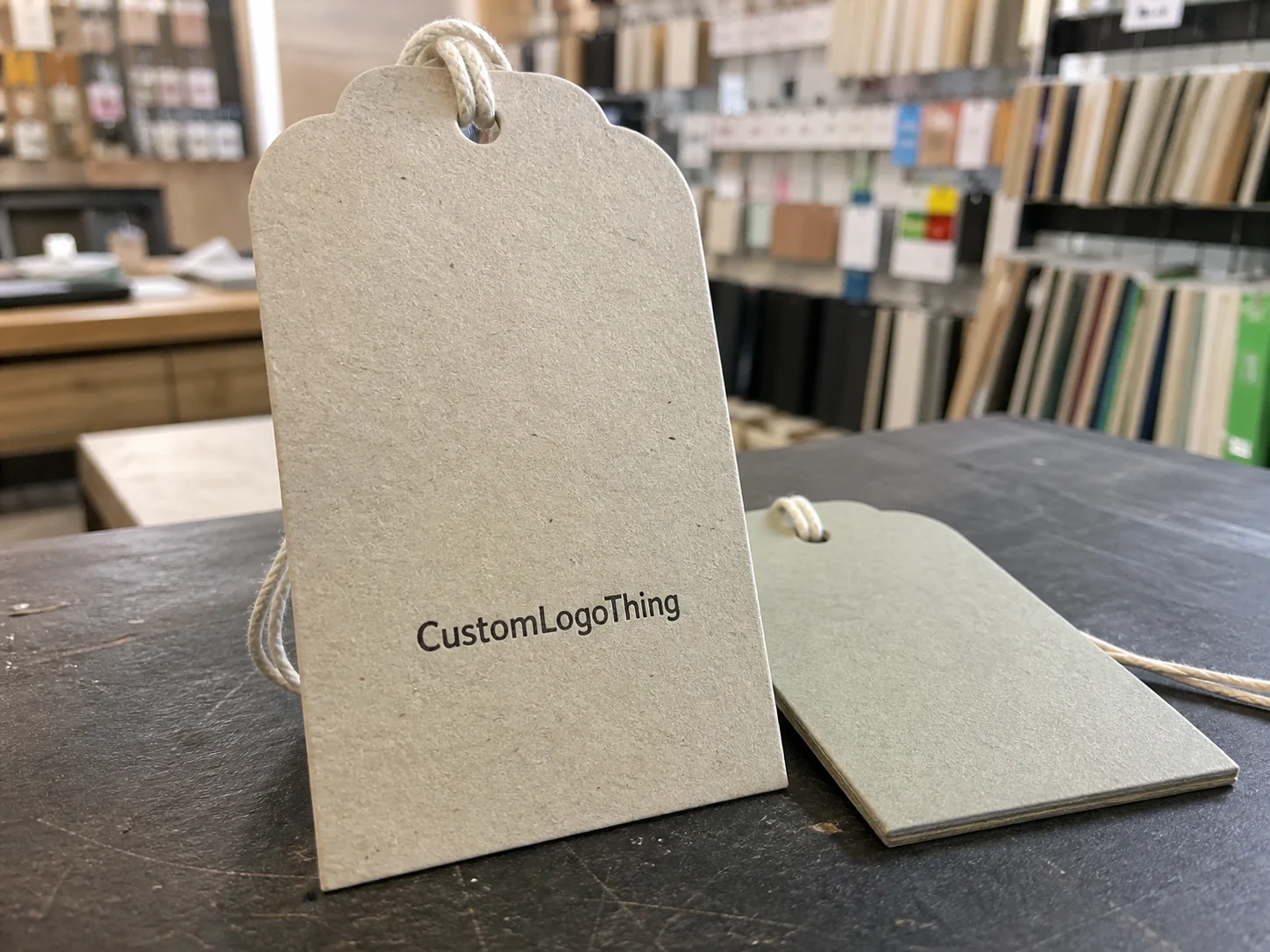
A hang tag is not just an identifier. It carries pricing, care details, SKU or barcode data, compliance language, and brand messaging, all while shaping perceived value. From a buyer’s point of view, that means one decision affects merchandising, operations, and customer experience at the same time. A tag that looks thoughtful can raise the perceived quality of a $28 tee. A tag that looks flimsy can do the opposite, even if the garment is excellent.
That is why Branded Hang Tags for apparel retailers sustainable material options keep gaining share. Retailers want the material to support a sustainability story, but they also need print clarity, consistent die-cutting, and enough stiffness to hang correctly on racks. In practice, the tag becomes a visual shorthand. Uncoated recycled paper can signal honesty and restraint. A smoother FSC certified stock can read more polished. Kraft paper suggests natural simplicity, while coated stocks can still be responsible if the overall construction is disciplined.
There is also a practical reason the category is growing: buyers are under more pressure to document materials and claims. Retail teams increasingly ask what the stock is made from, whether the fibers are post-consumer waste, and whether the supplier can back up chain-of-custody claims. If you need a broader packaging benchmark, the FSC standards are a useful reference point, even when the final tag is only a few grams of paper.
“The tag is tiny, but the impression is not. If the material feels off, shoppers notice before they read the brand name.”
For brands that already use recycled materials in mailers or tissue, the hang tag becomes part of a larger packaging system. It should not look like an afterthought. It should feel like the same brand voice as the garment label, the polybag substitute, or the corrugated cardboard shipper used in ecommerce. That consistency matters more than one dramatic finish.
How sustainable hang tag materials actually perform
Not all eco-friendly stocks behave the same way. Recycled paper, kraft paper, cotton paper, seed paper, bamboo blends, and synthetic alternatives with recycled content each bring a different balance of strength, printability, and appearance. The right choice depends on whether the tag needs to feel rugged, upscale, minimal, or highly informational.
Recycled paper is usually the easiest place to start. It often balances cost and sustainability well, and many printers can run it without major setup issues. Some grades include significant post-consumer waste content, while others are made from pre-consumer recycled fibers. The tradeoff is surface consistency: recycled sheets can be a little more variable, which affects color reproduction and very fine detail.
Kraft paper gives a natural, understated look and can work well for denim, heritage, outdoor, or workwear brands. It often feels honest and tactile. The downside is contrast. Light inks may disappear, and tiny text can lose sharpness if the stock is porous. A richer black or deep ink tone usually performs better than pale pastels on kraft.
FSC certified paper is a strong option for retailers who want a verified fiber-sourcing story without changing the visual language too dramatically. It can be coated or uncoated, thick or light, smooth or textured. The certification does not automatically make the tag more recyclable, but it does support responsible sourcing claims when used correctly.
Cotton paper and other specialty fiber stocks can feel premium, almost stationery-like. They are often used for elevated collections where softness and texture matter. They are not always the most budget-friendly choice, and not every print effect behaves as expected on them, especially if the sheet has a highly absorbent finish.
Seed paper gets attention, but it is a narrow-use option. It can work for promotional inserts or limited campaigns, though it is usually not the best choice for apparel tags that need high print fidelity, tight die-cut tolerance, or long shelf life. If the tag must stay crisp through warehouse handling, seed paper may create more problems than it solves.
Bamboo blends and other alternative-fiber papers can be useful when a brand wants a differentiated texture. Still, buyers should ask for sample sheets, because “alternative” does not always mean better performance. Some blends cut beautifully but scuff easily. Others print cleanly yet feel too soft for heavier garments.
Here is the part that gets missed: sustainability is not only the face stock. String material, eyelets, inks, adhesives, and any lamination all affect the total impact. A recycled paper tag with a plastic string and heavy gloss film may undermine the story. A simpler build with water-based inks and minimal finishing often carries more credibility.
From a garment-use perspective, heavier outerwear and denim can carry a thick tag, sometimes in the 350gsm to 500gsm range, while intimates or activewear may work better with lighter weights and softer edges. You want the tag to suit the product, not fight it. A tag that creases, smudges, or tears during folding and packing creates waste through reprints, not savings.
| Material option | Typical look | Performance notes | Relative cost |
|---|---|---|---|
| Recycled paper | Neutral, versatile | Good printability; minor fiber variation | Low to medium |
| Kraft paper | Natural, earthy | Best with bold inks; less ideal for tiny type | Low to medium |
| FSC certified paper | Flexible, brandable | Good sourcing story; performance depends on finish | Medium |
| Cotton or specialty fiber paper | Premium, tactile | Elegant feel; often softer and more expensive | Medium to high |
| Seed paper | Novelty, campaign-led | Lower durability; best for limited use | High |
For more packaging category context, the Custom Labels & Tags page is a useful reference when you are deciding whether a hang tag or another label format should carry the sustainability message.
Key factors: cost, MOQ, and unit cost tradeoffs
Cost is where good intentions meet reality. The quote for Branded Hang Tags for apparel retailers sustainable material options can change quickly based on stock, size, print coverage, finishing, and quantity. A 2 x 3.5 inch recycled tag with one-color print, one hole, and a basic black cotton string might land around $0.18 to $0.28 per unit at 5,000 pieces. Add a custom shape, double-sided print, foil, or complex packing, and the number climbs.
MOQ matters because setup costs are spread over fewer pieces on short runs. That is why smaller apparel brands often pay more per tag even when they choose simpler designs. A run of 1,000 pieces may cost noticeably more per unit than 10,000, even if the material is the same. If you are buying seasonal capsules or testing a new collection, it may be smarter to keep the design simple and reserve premium finishes for the core line.
The main cost drivers are predictable:
- Material type: recycled paper and kraft are usually more economical than specialty fibers.
- Print coverage: full-bleed color increases ink and handling.
- Finishes: embossing, foil, spot UV, or lamination all add labor.
- Shape: custom die-cuts cost more than standard rectangles.
- Stringing and assembly: manual tying or specialty cord adds time.
- Packing format: bundling by SKU or folding for distribution can increase labor.
There are also hidden costs that buyers sometimes miss. Uncoated natural stocks can require more careful color matching, especially if the brand expects a very specific Pantone result. Ink rub testing may be necessary if the tag will be handled a lot during sorting or store setup. Complex finishes can lengthen setup time, which affects lead time and sometimes rush charges.
Total cost of ownership is the better lens. If a cheaper tag bleeds, curls, or arrives with inconsistent holes, the real cost is not the unit price. It is the replacement order, the labor to re-tag goods, and the brand damage when merchandise looks less polished than intended.
For reference, packaging buyers often compare sustainability claims against standards or general environmental guidance from sources like the EPA recycling guidance. That does not replace supplier data, but it helps keep claims grounded.
Production steps and timeline: from proof to delivery
Most hang tag projects follow a predictable path: brief, material selection, dieline setup, artwork proofing, sample approval, production, finishing, packing, and shipment. The exact sequence can vary, but the weak points are familiar. If you understand where time disappears, you can protect launch dates.
The first delay is usually artwork revision. Buyers often underestimate how long it takes to align brand logo placement, legal text, size info, and sustainability messaging on a small format. The second delay is material sourcing. If the chosen substrate is uncommon, there may be a wait for the right sheet stock or a print test. The third is color correction, especially on natural papers where the same ink can appear warmer or duller than expected.
Typical timelines vary. Simple recycled paper tags can often move from proof approval to delivery in about 10 to 14 business days, depending on quantity and finishing. Specialty sustainable materials, unusual cord types, or custom shapes often need 14 to 20 business days or more. If a supplier is quoting faster than that, ask what has been excluded. Sometimes the schedule assumes no revisions, no samples, and standard packing only.
Pre-production samples are worth the time. They let you check hole placement, string length, readability, barcode or QR functionality, and whether the material supports the desired print density. A tag can look perfect on screen and still fail in hand because the text is too small, the contrast is too low, or the sheet is too soft for the garment weight.
Retailers should also plan around buying meetings and distribution windows. If a garment launch is tied to a wholesale presentation or store reset, the tags need to arrive before the goods do. That sounds obvious, yet it is one of the most common misses in apparel packaging planning.
“A sample is not a formality. It is the cheapest way to catch a costly mistake.”
If your brand ships ecommerce orders, keep in mind that tags may be packed with other components, such as tissue or insert cards. The tag still needs to survive warehouse handling and transit, not just the store shelf. Durability matters even on a sustainable stock.
Design choices that make eco-friendly tags still feel premium
Premium does not have to mean shiny. Many of the most credible sustainable apparel tags look restrained. The trick is to use typography, spacing, and hierarchy to do the heavy lifting. A clean layout on a recycled stock can feel more expensive than a crowded tag with too many effects.
Start with the basics: logo clarity, readable type, and enough margin around key elements. Small tags need visual breathing room. If you cram care instructions, QR codes, origin statements, seasonal copy, and certification marks into one face, the tag starts to look defensive instead of confident.
Some finishes still fit a sustainability story. Soy or water-based inks are common choices. Blind debossing can add texture without introducing extra layers. Limited foil can work on high-end collections, but it should be used sparingly and only where the brand story justifies it. Heavy lamination is where many teams drift off course. It can make a tag feel sealed and durable, but it can also undermine the claim that the tag is aligned with recycled content or lower-impact design.
Size and shape matter too. Oversized tags can signal luxury, but they also use more material and add shipping weight. Smaller formats reduce paper use and can look more modern, especially for minimalist brands. For an activewear line, a compact tag with a crisp QR code and care details may be more effective than a large decorative piece that gets removed immediately.
One practical detail: make sure sustainability messaging is specific and legible. “Made with recycled materials” means something different than a vague green leaf icon. If you are using FSC certified paper, say so clearly and only if the paper and chain-of-custody documentation support it. Buyers are getting sharper about claims, and vague language can backfire.
That is where brand discipline pays off. A simple recycled stock, sharp print contrast, and a controlled layout often look more premium than a heavily decorated tag that competes with the garment. The garment should remain the hero.
Common mistakes apparel retailers make when choosing sustainable tags
The first mistake is choosing the greenest-looking material without testing legibility. Natural stocks can soften edges, absorb ink unevenly, or shift color away from the brand palette. If the logo becomes muddy, the tag loses authority fast.
The second is mixing a sustainability claim with a contradictory finish. A recycled paper tag with heavy plastic lamination, plastic string, or oversized metal components may still function, but the story starts to wobble. Buyers notice those contradictions, even if they do not say anything out loud.
The third is ignoring the garment’s actual use case. A tag for a thick jacket has different needs than one for hosiery or intimates. Outerwear can tolerate a heavier sheet and stronger attachment. Lightweight apparel often needs a softer construction so it does not warp or distort the garment on display.
The fourth is waiting too long. Rush orders shrink your options. Sampling gets skipped, side-by-side material comparisons disappear, and the team settles for what is available rather than what is best. That is how a planned sustainable launch ends up with a compromise tag.
The fifth is overstuffing the copy. Certifications, slogans, care codes, origin statements, QR links, and marketing language all compete for attention. If everything is emphasized, nothing is. The strongest tags usually say less, but say it better.
Expert tips for buying the right sustainable hang tag
Start by ranking the project’s priorities. Is the goal lowest footprint, lowest cost, fastest turnaround, or the most premium feel? You can usually optimize for two of those. All four is rare. That question alone saves time in the buying process.
Ask suppliers for material samples in daylight and under store lighting. Paper can look warmer or cooler depending on the environment. A stock that feels elegant in a sample kit may read flat under fluorescent retail lighting. That is especially true for uncoated recycled papers and kraft paper, where the natural tone interacts strongly with ink color.
Request a quote that breaks out stock, print, finishing, stringing, and packing. Too many quotes hide the real cost inside a single line item. A transparent breakdown lets you decide whether a premium cord is worth it, or whether you should simplify the build and spend more on a cleaner print process.
If the assortment is high-volume or color-sensitive, run a short pilot order before committing to a full seasonal allocation. A pilot of 300 to 500 pieces can expose issues with hole placement, color behavior, or store handling that a digital proof will never reveal.
Finally, create a repeatable spec sheet. Include dimensions, material grade, thickness, print colors, finishing, string type, packing count, and reorder notes. The next time you purchase branded Hang Tags for Apparel retailers sustainable material options, you will spend less time re-explaining the job and more time comparing meaningful changes.
For teams that want examples of structured packaging decision-making, the Case Studies section can be a useful internal reference point.
What to do next before you place an order
Before you approve any quote, write a one-page brief. Include garment type, brand tone, sustainability goals, quantity, budget range, and launch date. That sounds basic, but it forces the team to make the hidden decisions visible. Is the tag meant to feel natural and quiet, or polished and upscale? Is the priority a lower-cost recycled stock or a certified fiber story with stronger documentation?
Then collect three references: one cost-focused option, one premium sustainable option, and one balanced option. Side-by-side comparison is the fastest way to separate preference from performance. The same design can feel completely different on kraft paper, FSC certified paper, and a smoother recycled stock with a lighter coating.
Approve artwork only after checking readability, QR or barcode function, color contrast, and actual tag size against the garment. A tag that looks balanced on a monitor can become crowded in hand. Confirm the lead time in writing, along with packing format, shipping method, and whether the supplier can hold repeat inventory for reorders. That last point matters more than many teams expect, especially for evergreen basics and replenishment programs.
If you are working through Branded Hang Tags for apparel retailers sustainable material options for the first time, the smartest move is not chasing the most elaborate finish. It is aligning material, cost, and brand promise before production starts. That is what keeps the tag credible, the budget controlled, and the product presentation consistent from the first sample to the final carton.
What are the best branded hang tags for apparel retailers sustainable material options?
Recycled paper, FSC certified paper, kraft paper, cotton paper, and some bamboo blends are common choices. The best option depends on the garment category, the brand position, and whether you want a rustic, premium, or minimalist look.
How much do sustainable apparel hang tags usually cost?
Pricing depends on stock, size, print coverage, finish, and quantity, so unit cost changes quickly with MOQ. Recycled paper and kraft are often more budget-friendly than specialty fibers or custom shapes with extra finishing.
How long does production take for custom sustainable hang tags?
Simple recycled paper tags can move faster than specialty materials or complex finishing. Artwork approval, sampling, and sourcing uncommon substrates are the most common timeline variables.
Can sustainable hang tags still look premium for fashion retail?
Yes. Premium often comes from strong typography, clean layout, and restrained finishing rather than heavy embellishment. Uncoated recycled stocks can look elevated when paired with sharp print contrast and thoughtful sizing.
What should apparel retailers ask before approving a hang tag quote?
Ask what is included in the quote: stock, print, finishing, stringing, packing, and shipping. Also confirm sample availability, lead time, and whether the supplier can keep specs consistent for reorders.