Buyer Fit Snapshot
| Best fit | Black Friday Eco Packaging Supply Deals projects where brand print, material claims, artwork control, MOQ, and repeat-order consistency need to be specified before quoting. |
|---|---|
| Quote inputs | Share finished size, material target, print colors, finish, packing count, annual reorder estimate, ship-to region, and any compliance wording. |
| Proofing check | Approve dieline scale, logo placement, barcode or warning zones, color tolerance, closure strength, and carton packing before bulk production. |
| Main risk | Vague material claims, crowded artwork, missing packing details, or unclear freight terms can make a low unit price expensive after revisions. |
Fast answer: Black Friday Eco Packaging Supply Deals: Quote Scope, Sample Proof, MOQ, and Lead Time should be specified like a repeatable production item. The safest quote records material, print method, finish, artwork proof, packing count, and reorder notes in one written spec.
Production checks before approval
Compare the actual filled-product size with the drawing, then confirm tolerance on folds, seals, hang holes, label areas, and retail display edges. Reserve space for logos, QR codes, warning copy, and material claims before decorative graphics fill the panel.
Quote comparison points
Review material grade, print process, finish, sampling route, tooling charges, carton quantity, and freight assumptions side by side. A quote is only useful when the supplier can repeat the same color, closure quality, and packing count on the next order.
I remember a buyer telling me she scored black friday eco packaging supply deals on compostable mailers and shaved 18% off the invoice, bringing the unit cost down from $0.41 to $0.34 on a 4,000-piece order. Nice, right? Except the glue failed in cold storage at around 4°C, the returns started piling up, and that “deal” turned into a very expensive lesson in cheap adhesives. I’ve watched the same thing happen more than once, usually after somebody gets hypnotized by a big discount banner and forgets to ask what the material actually does under stress, especially after a 12-hour lane from Dongguan to a fulfillment center in Chicago where the cartons sit for another two days before opening.
I’ve spent 12 years in custom printing, and I’ve walked enough factory floors in Shenzhen, Dongguan, and Foshan to know one simple truth: black friday eco packaging supply deals can be smart buys, but only if you separate real value from marketing noise. A good deal on branded packaging should reduce waste, protect product packaging, and support your margins on runs like 2,000 boxes or 5,000 mailers. A bad deal just gives you a prettier way to lose money. Honestly, I think that’s the part people hate hearing, because it means doing a little homework instead of just chasing the biggest percentage sign.
If you’re buying black friday eco packaging supply deals for custom printed boxes, paper tape, mailers, labels, or inserts, you need to look past the sticker price and read the spec sheet line by line. I’m going to show you how I evaluate offers, what pricing actually means, and how I’d buy if I were running a brand with a tight cash flow and zero patience for drama. And yes, I’ve been that person staring at a quote at 11:47 p.m. wondering whether a “holiday handling fee” of $38 is a real thing or just a supplier trying to test my blood pressure.
Black Friday Eco Packaging Supply Deals: What They Really Mean
First, let’s define the phrase. Black friday eco packaging supply deals usually mean a limited-time offer on sustainable packaging, such as volume discounts, free shipping thresholds, bundle pricing, or promo SKUs that only exist for a short window. Sometimes it’s a legit savings event. Sometimes it’s just the supplier moving slow stock before month-end in a warehouse in Yiwu or a rented facility outside Guangzhou. Those are not the same thing, no matter how fancy the banner looks.
I once visited a factory in Dongguan where a supplier had a pallet of “eco mailers” sitting under a fan because the adhesive inventory was off by two weeks and the backing paper had already picked up moisture from a humid 78% warehouse environment. They still wanted to run a sale on them. That’s the kind of thing buyers never see on the website. The price looked great at $0.19 per unit for 10,000 pieces, but the underlying material spec was thin, the seal consistency was shaky, and the cartons had already absorbed too much warehouse humidity. It would have been a mess in transit.
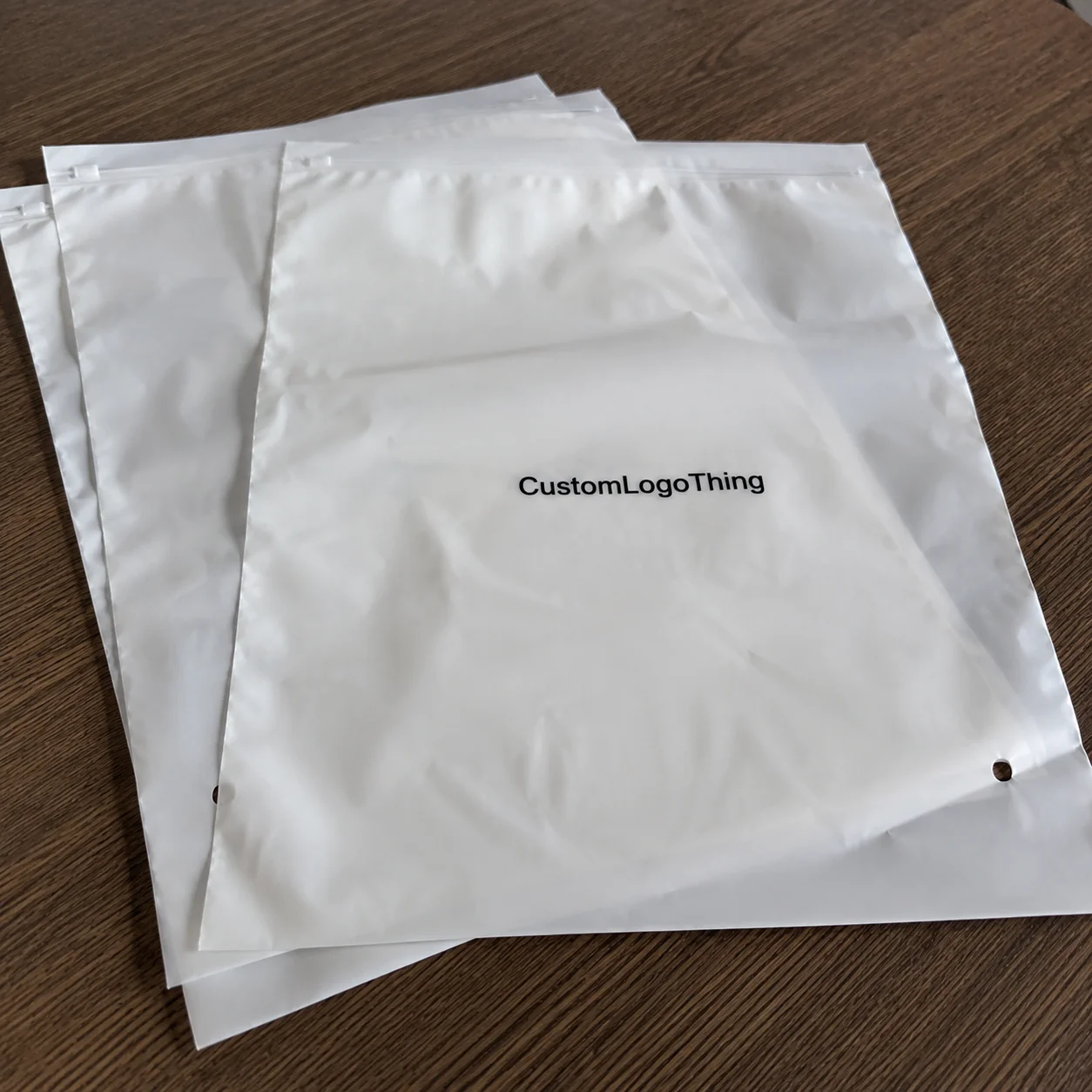
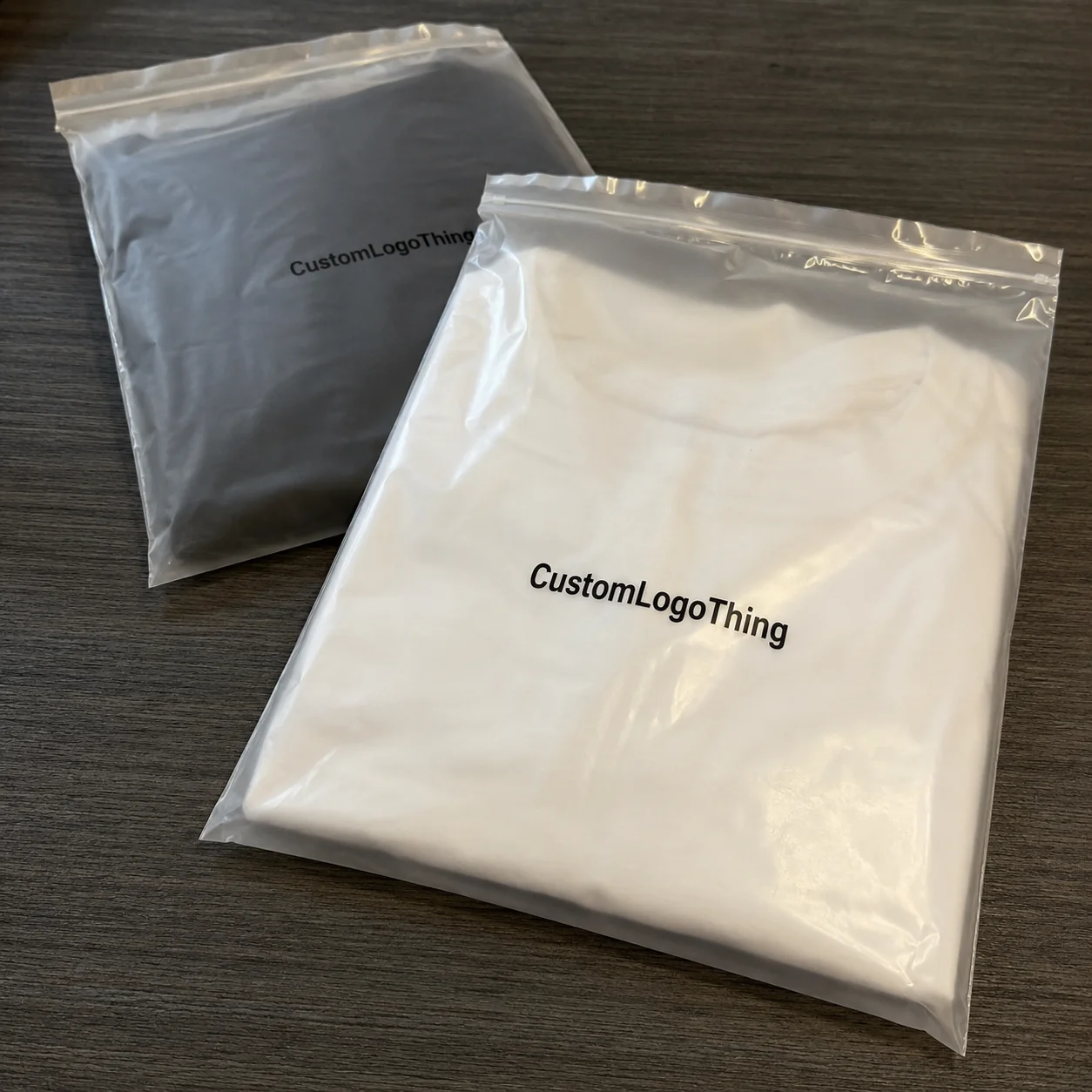
The best black friday eco packaging supply deals usually show up in a few categories: kraft mailers, paper tape, labels, inserts, molded fiber trays, protective paper, and standard custom boxes. These are products with predictable sizes and repeatable production, like 350gsm C1S artboard folding cartons or 120gsm kraft paper mailers in standard A4 and A5 formats. Suppliers can pre-produce them, store them, and sell faster without messing up their press schedule. That’s why you’ll often see the biggest markdowns on standard sizes and the smaller ones on fully custom items.
Here’s the blunt part. Cheap is not the same as cost-effective. A 12% lower unit price means nothing if your recycling claim is weak, your breakage rate goes up by 3%, or your packaging design makes your brand look like it bought the cheapest thing in the warehouse. I’ve seen ecommerce brands lose customers because their branded packaging arrived dented, soggy, or just plain sad after a 1,200-mile line-haul route from Los Angeles to Dallas. Sustainability only works if the pack still performs.
So when you see black friday eco packaging supply deals, ask one question: does this reduce total cost, or just move cost somewhere else? Freight, damage, spoilage, and returns are part of the math. A $0.28 mailer that saves you $0.06 in unit price but adds $0.11 in replacement cost is not savings. Ignore the full equation and you’re not saving money. You’re just delaying the pain.
How Black Friday Eco Packaging Supply Deals Work
Black friday eco packaging supply deals are usually built around inventory planning. Suppliers preload stock, lock in production for standard items, and publish time-limited pricing to fill their manufacturing queue. That’s why some offers are brutally good on stock items and mediocre on custom printed boxes. Custom work needs slotting, proof approval, and materials reserved in advance, especially if you want a 1,000-piece run with a matte aqueous coat and one-color black print. Factories do not magically produce six-color branded packaging because someone put a countdown clock on a website.
There are a few common structures. Tiered pricing is the big one: order 1,000 units and pay one price; order 5,000 and the unit cost drops; hit 10,000 and the freight discount kicks in. Bundle pricing is another favorite. You’ll see a mailer-plus-labels package, or a box-plus-paper-tape combo, where the supplier lowers the effective cost across the set. First-order promos happen too, especially for new customers, but I always ask what the reorder price looks like. If the second order jumps from $0.27 to $0.35 per unit, the “deal” was just a customer acquisition gimmick.
One supplier in Guangzhou once offered me a wildly low quote on paper mailers at $0.14 per unit, then added setup fees, plate charges, and a “holiday handling” fee that was never mentioned in the first email. I shut that down fast. The good suppliers are clear about their numbers. The sketchy ones write poetry with pricing. You know the type: the quote looks beautiful until the final line item crawls out from under the rocks.
Custom print pricing changes during black friday eco packaging supply deals because the sale window doesn’t erase actual production costs. Setup fees may be waived, but not always. Artwork revisions can still cost $25 to $75 depending on the complexity, and a new die for a custom box in 280 x 190 x 70 mm might add another $60 to $180 depending on the board style and factory location. Rush charges can appear if you miss the cutoff date. And if you ask for a foil finish or a multi-step print job on an eco mailer, the sale discount can shrink fast.
Why do some offers vanish in a day? Three reasons: stock allocation, die-line availability, and shipping cutoff dates. If a supplier only set aside 8,000 units for promotion and five buyers each want 2,000, the inventory disappears. If your size needs a new die, you’re not getting instant production. If the freight line closes on Friday at 3 p.m., your “deal” is gone whether you like it or not. That’s normal. Annoying, but normal, especially during the last two weeks of November when factories in Shenzhen and Ningbo are already planning December throughput.
Key Factors That Determine Real Savings
The only way to judge black friday eco packaging supply deals properly is to calculate total landed cost. Not sticker price. Total landed cost. That means product cost, freight, duties, storage, spoilage, and any cost tied to damage or returns. A box that costs $0.06 less but raises your breakage rate is not a savings. It’s a trap with a discount label, especially if you’re shipping 3,000 units a month and eating 45 replacement orders at $14 each.
Material choice changes everything. FSC kraft can be a solid choice for retail packaging and shipping cartons if you need a clean, recyclable look. Recycled paperboard works well for sleeves and inserts, especially in 18pt to 24pt ranges for lightweight cosmetics. Bagasse is useful for food-adjacent applications and molded fiber clamshells. Molded fiber gives excellent rigidity for trays and internal protection. PLA blends can work in certain compostable formats, but the claim needs documentation, and the use case matters. Recycled poly mailers often beat flimsy paper mailers when moisture and abrasion are real risks, particularly in rainy ports like Seattle or humid hubs like Miami. I’ve seen brands switch to paper because it looked greener, only to spend more replacing crushed product packaging.
Print method matters too. Flexo is cheaper at higher volumes and works well for simple one-color branding on 5,000 to 20,000 units. Digital print is better for shorter runs and artwork changes, but the unit cost can be higher, often by $0.08 to $0.20 per piece depending on size. Foil-free branding often gives a cleaner eco story and lowers cost. A one-color logo on a kraft box can look premium if the packaging design is tight and the ink density is properly matched to the board. Full-wrap artwork has its place, but it’s not always the smartest use of a sale budget.
I sat in a client meeting once where the founder wanted four PMS colors, spot gloss, and a custom insert on every order, then asked why the “eco” quote was 38% higher than expected on a 3,000-piece run. Because every print step costs money. A 350gsm board with soft-touch lamination, a molded pulp insert, and a two-pass print process is not the same thing as a simple kraft mailer. Magic is not a production method. I say that with love, but also with the kind of weary expression you only get after reviewing too many “simple” packaging requests.
Performance specs are where good buyers separate themselves from bargain hunters. Compression strength matters if cartons are palletized. Moisture resistance matters if boxes sit in humid warehouses or cross-country trailers in August. Heat tolerance matters for summer freight, especially in Texas and Arizona. Seal integrity matters for pouches, mailers, and any closure that keeps the item inside the package. If a supplier cannot tell you the burst strength, basis weight, or seal test result, I’d be cautious. I want numbers like 450N edge crush resistance, 60gsm to 90gsm paper tape stock, or a seal that holds after 24 hours at 5°C and 80% humidity.
Supplier reliability also matters. I look for sample turnaround in 3 to 5 business days, a clear QC process, and traceable certifications. FSC, SFI, ASTM references, and compostability documentation are useful signals. For shipping performance, ISTA testing is worth asking about, especially for ecommerce products that need to survive rough handling on routes from Shenzhen to Rotterdam or from Ningbo to Toronto. You can read more on packaging standards through ISTA and sustainability guidance through EPA Sustainable Materials Management. Those pages won’t quote your unit price, obviously, but they do help you avoid fantasy claims.
Here’s the short version: black friday eco packaging supply deals are real savings only when the material, print method, logistics, and reliability line up with your business needs. If one of those four legs is weak, the table tips. And yes, that means the prettiest quote can still be the wrong one.
| Packaging option | Typical use | Price signal during sale | Risk level |
|---|---|---|---|
| FSC kraft mailers | Apparel, light goods | Good on volume tiers | Low if adhesive is tested |
| Compostable mailers | Eco-focused ecommerce | Moderate savings, limited stock | Medium if cold storage is involved |
| Custom printed boxes | Retail and shipping | Setup-fee waivers, bigger MOQ savings | Low to medium depending on finish |
| Paper tape | Sealing, branding | Strong bundle pricing | Low if adhesive quality is known |
Black Friday Eco Packaging Supply Deals and Pricing: What to Expect
Let’s talk numbers, because vague pricing helps nobody. In black friday eco packaging supply deals, I usually see savings of $0.03 to $0.12 per unit on high-volume stock items, bigger savings when freight is bundled, and setup-fee waivers that can save $50 to $300 depending on the product. On custom items, the savings may look smaller on paper, but if you’re waiving a $120 plate charge or a $180 setup fee, the real win is bigger than the unit discount suggests. A factory in Shenzhen may also quote a 12 to 15 business day production window from proof approval, which matters just as much as the rate.
For kraft mailers, a sale might move pricing from $0.31 to $0.26 per unit at 5,000 units. Compostable mailers might drop from $0.44 to $0.38 if the supplier has prebuilt inventory. Custom printed boxes can vary more widely: a simple one-color, standard-size box might land around $0.62 to $0.89 at 2,000 units, while a more complex box with custom dimensions and inserts can sit above $1.20. Paper tape is often where the best bundle value appears, especially if you combine multiple SKUs in one shipment. Those are realistic ranges, not fairy tales.
MOQ is the lever that changes the equation. A 2,000-unit run may cost more per box than a 5,000-unit run, but sometimes the smaller run is still smarter if you’re testing a new product line. The trick is to calculate the break point. If 5,000 units lowers your price by $0.09 each, that’s $450 saved. If carrying the extra inventory costs you $120 in storage and ties up cash you need elsewhere, the real gain is smaller. Buyers love unit price. Finance loves cash flow. Reality usually sits between them and laughs.
Here’s a practical comparison I’d use when reviewing black friday eco packaging supply deals for a brand launch.
| Item | Run size | Sale price range | Common hidden cost | Best use case |
|---|---|---|---|---|
| Plain kraft mailer | 5,000+ | $0.24–$0.34 | Freight if under threshold | Subscription and apparel shipments |
| Compostable mailer | 2,000–5,000 | $0.36–$0.52 | Cold-weather adhesive risk | Eco-forward ecommerce brands |
| Custom printed box | 1,000–5,000 | $0.62–$1.35 | Plate, setup, artwork edits | Retail packaging and branded unboxing |
| Paper tape | 48-roll case or more | $1.80–$3.90 per roll | Bundle minimums | Warehouse sealing and package branding |
Some deals are bad even when they look cheap. I get suspicious when recycled content claims have no documentation, when the stock is thinner than the sample, or when the supplier refuses to give a spec sheet. I’ve seen “100% recycled” claims on paperboard that were actually blend content with no FSC chain-of-custody trail. That’s not a harmless mistake. That’s a compliance headache waiting to happen, especially if your buyer in Frankfurt or Sydney asks for proof before they approve the shipment.
Negotiation still matters during black friday eco packaging supply deals. Ask for sample credits if you’re testing multiple options. Ask for split shipments if warehouse space is tight. Ask for locked pricing on reorders if you expect to buy again within 60 to 90 days. Suppliers will often work with you, especially if you’re placing a meaningful first order or combining custom printed boxes with labels and inserts. I’ve saved clients $75 on samples, $0.05 per unit on repeat pricing, and one very annoying freight fee just by asking the right way.
Honestly, one of the best moves is to ask for the “real” price after the sale. If the promo is great but the reorder rate is ugly, that tells you exactly how much trust to place in the offer. Spoiler: not much. A supplier in Ningbo might happily quote $0.22 today and $0.31 next quarter if they know you did not lock terms in writing.
Step-by-Step: How to Buy Black Friday Eco Packaging Supply Deals
Before you touch any black friday eco packaging supply deals, audit what you already use. Count your damage rate. Check your reorder frequency. Look at returns caused by packaging failures. I once worked with a skincare brand that thought they needed “premium” box upgrades, but the real problem was a weak insert that let glass jars knock together in transit from a 450-unit batch packed in Suzhou. They didn’t need prettier packaging. They needed better engineering.
Step 1: Audit waste and damage
Pull the last 3 months of shipping data. If you shipped 18,000 orders and had 140 damage claims, that’s a 0.78% issue rate. If each claim costs $14 in replacement and labor, you’re already spending $1,960 before you even look at black friday eco packaging supply deals. If the damage rate climbs to 1.2% during peak season, that extra 0.42% can erase a sizable discount on a 6,000-piece order.
Step 2: Write your must-have specs
Set the basics before you ask for quotes: size, material, print method, certification, closure type, and ship-by date. For example: 250 x 180 x 80 mm custom printed boxes, 350gsm FSC kraft board, one-color black print, matte aqueous coating, ship within 15 business days from proof approval. For a mailer, you might specify 150 x 210 mm outer dimensions, 90gsm recycled paper, hot-melt adhesive strip, and a tear strip tested at 30 open-close cycles. That level of detail saves time and stops the supplier from sending you a quote for the wrong thing.
Step 3: Request samples and test them
Don’t trust the photo. Trust the sample. I’ve opened samples that looked great online and felt like wet cereal boxes in hand. Test them with real products, real tape, and real handling. If it’s a mailer, test the seal after 24 hours in a cool room and again after a 48-hour hold at 6°C. If it’s a box, shake it, stack it, and crush-test the corners. Your brand does not get bonus points for being sustainable if the product arrives broken.
Step 4: Confirm the timeline
Ask for proof approval windows, production time, and freight ETA. A lot of black friday eco packaging supply deals look fast until you find out the artwork review alone takes four business days. If your holiday deadline is fixed, build in a buffer. I usually recommend 10 to 15 business days for standard custom print after proof approval, then additional transit time based on mode. Sea freight can take 22 to 35 days from Shenzhen to the U.S. West Coast, and winter rail delays can ruin a nice forecast very quickly.
Step 5: Place with backup stock planning
Never order just enough because the price was good. That’s how brands end up paying for emergency reorders at the worst possible time. Keep a small buffer, especially for high-velocity SKUs. If the sale gets you 20% below your regular cost, use some of that margin to buy safety stock. It’s boring. It also keeps you from packing orders at midnight with a roll of tape and regret.
If you’re building out a bigger line, I’d also look at Custom Packaging Products to compare mailers, inserts, and custom printed boxes together instead of buying each piece in isolation. Package branding works better when the whole system is planned as one unit, not random parts assembled in a panic, especially if your product mix includes 500 apparel orders and 300 subscription boxes each month.
One client I advised was convinced they only needed a cheaper mailer. After a warehouse visit in New Jersey, I found the problem was actually label smearing from humidity and a too-slick outer surface. We switched the finish, changed the label stock to a 72lb facestock, and cut claims by 22%. That wasn’t luck. That was testing under real conditions.
Common Mistakes Buyers Make During Black Friday Eco Packaging Supply Deals
The biggest mistake is buying the discount, not the solution. Black friday eco packaging supply deals can distract people with percentage signs so large they stop asking whether the item fits their business. I’ve seen founders buy 8,000 units of a bag size that was 12 mm too wide for their product line. Great price. Completely wrong spec. That is how “savings” become warehouse clutter in a facility outside Atlanta where nobody wants to repack a pallet of unusable stock.
Another common error is ignoring certifications. FSC matters when you’re claiming responsible fiber sourcing. SFI can matter depending on your supply chain and market. Compostability claims need proof, not vibes. If a supplier says “eco-friendly” and can’t show documentation, that’s a marketing phrase, not a material fact. I’d rather see a plain, well-documented box from a mill in Guangdong than a flashy green claim with no trail behind it.
Buyers also forget to test the small things: adhesives, folds, closures, and sealing performance. A mailer can look great and fail in a truck because the seal was too weak. A box can pass a desk test and collapse when stacked 10 high on a pallet. During one factory review, I watched a line operator reject 300 cartons because the crease memory was off by a few millimeters on a 380gsm board. That’s the kind of detail most people miss. The warehouse does not miss it. The warehouse is ruthless.
Hidden costs are another classic trap. Freight is obvious, but split shipments, storage, duty adjustments, and rush redesign fees can erase the benefit of black friday eco packaging supply deals. I always ask, “What happens if I need half now and half in six weeks?” That one question can reveal whether the quote is truly flexible or just cheap under perfect conditions. A supplier that can split 2,500 units this month and 2,500 next month is often worth more than a lower headline rate.
Then there’s the urgency problem. Some buyers order too little because the sale feels temporary, then pay more later on emergency reorders. The right move is to balance cash flow with risk. If the discount is $0.07 per unit and the reorder penalty later is $0.11 more, buying a little extra may be smarter. If the item is fragile, seasonal, or highly customized, that buffer matters even more, especially if proof approval alone takes 2 business days and the factory lead time is another 12 to 15 business days.
Here’s a simple mistake checklist I use when reviewing black friday eco packaging supply deals:
- Buying on percentage off instead of landed cost
- Skipping sample tests on real product packaging
- Ignoring certification proof from FSC, SFI, or compostability claims
- Overlooking freight, storage, or split-shipment fees
- Ordering too little and paying rush premiums later
My honest take? Most bad buys happen because somebody was trying to move fast and save face. The sale ends, the cart is full, and nobody wants to be the person who says, “Hold on, let’s test this first.” That person is usually the one saving the company from a pile of returns. I’ve been that person, and yes, it can feel awkward in the meeting for about 30 seconds, then everyone quietly thanks you later when the packaging survives the first 1,000 shipments.
Expert Tips to Maximize Black Friday Eco Packaging Supply Deals
If I were buying black friday eco packaging supply deals for a brand right now, I’d start by asking for the best repeat-order tier, not just the promo order. That’s where real margin protection lives. A supplier can give you a flashy first-run discount and quietly make the second order expensive. I want both, ideally with a written rate card for 3,000, 5,000, and 10,000 units so there are no surprises when the launch sticks.
Combine SKUs whenever you can. If you’re buying paper tape, inserts, and mailers from separate vendors, you’re probably paying more in freight and admin time than you need to. One consolidated shipment from a production hub like Shenzhen or Ningbo can lower inbound costs and reduce receiving headaches. Less paperwork. Fewer mistakes. More predictable warehouse flow. That matters more than people think, especially when your freight bill is already sitting at $480 on a mixed pallet order.
Keep print specs simple if savings are the priority. One-color branding often beats complex finishes for both cost and durability. I’m not against Premium Packaging Design. I love a beautiful box as much as anyone. But if the business objective is lower cost and greener material use, a clean kraft box with a strong logo and a well-sized insert can outperform a fancy setup with a fragile finish. The smartest package branding is the one that supports the product and survives shipping.
Use a packaging audit to figure out where to spend. Maybe your subscription shipper needs stronger mailers, while your retail packaging can use standard recycled board. Maybe the inserts matter more than the outer box. Maybe your product packaging should move from plastic to molded fiber because the breakage savings will pay for it. Black friday eco packaging supply deals are better when you know what deserves investment and what can be standardized.
I had a client in apparel who wanted custom everything. We cut their specs down to one box size, one mailer size, and one paper tape design. Their annual packaging spend dropped by $11,400, and their fulfillment team stopped wasting 20 minutes a day hunting for the right SKU. That’s not glamorous. It is profitable. Also, it saved them from the delightful chaos of “where did we put the small box again?” which, somehow, happens in every warehouse on earth.
When you talk to suppliers, ask for three things: sample credits, locked reorder pricing, and freight incentives. If they’re serious, they’ll usually discuss at least one. If they won’t budge on anything, they’re not really selling a deal. They’re selling a deadline. A solid vendor in Dongguan will often tell you whether they can hold pricing for 60 days and whether a 5,000-piece repeat order can move down by $0.04 per unit.
Final move: compare at least three supplier quotes, request samples this week, confirm lead times in writing, and lock inventory before the sales window closes. For brands that depend on stable supply, black friday eco packaging supply deals are only good if they arrive on time and perform the way the spec sheet says they should, whether that means a 12 to 15 business day production cycle or a freight lane that clears customs in Vancouver by the second week of December.
If you want to build smarter branded packaging, talk to a supplier who understands structure, print, and logistics, not just a sales rep chasing volume. Custom Logo Things can help you think through the whole setup, from custom printed boxes to inserts and labels, so your purchase supports the brand instead of creating a pile of regrets. A 350gsm kraft board carton with the right insert can save more money over 10,000 shipments than a flashy finish ever will.
FAQ
How do black friday eco packaging supply deals compare to regular pricing?
Black friday eco packaging supply deals usually cut setup fees, shipping costs, or unit pricing, but only on selected stock or volume tiers. The strongest savings are often on standard sizes and simple prints, while highly custom premium finishes usually see smaller markdowns because they need production time and material planning. On a 5,000-piece order, you might see a drop from $0.31 to $0.26 per unit, plus a waived $120 plate fee.
What should I check before buying black friday eco packaging supply deals?
Check material certifications, MOQ, print specs, freight terms, and production lead time before you buy black friday eco packaging supply deals. Always request samples so you can test strength, seal quality, and print clarity before ordering anything in volume. If the supplier cannot confirm a 12 to 15 business day production timeline from proof approval, treat that as a warning sign.
Are cheap eco packaging deals actually sustainable?
Not always. A low price means nothing if the item uses misleading claims or fails in shipping. Look for documented recycled content, FSC proof, compostability evidence where relevant, and packaging that reduces damage and waste instead of creating more of it. A $0.23 mailer with no traceable fiber source is not a better buy than a $0.29 mailer with full documentation.
How early should I order black friday eco packaging supply deals?
Order as soon as specs are confirmed because the best stock and fastest production slots go first. For custom packaging, allow time for proofing, sampling, production, and freight, since sale inventory moves fast and lead times can stretch once demand spikes. If your production window is 15 business days and transit adds another 7 to 21 days, waiting until the last week of the sale is risky.
Can I negotiate better pricing after finding a black friday eco packaging supply deal?
Yes. Ask for price protection on reorders, freight discounts, or sample credits if you’re placing a larger run. Suppliers may also offer better terms if you combine items or commit to recurring volume, especially for black friday eco packaging supply deals on repeat-use SKUs. I’ve seen buyers save an extra $0.05 per unit just by asking for a 90-day reorder lock in writing.
Good black friday eco packaging supply deals should lower cost without lowering standards. That’s the whole point. If the material fails, the adhesive peels, or the packaging makes your brand look careless, the “savings” evaporate fast. I’ve seen it happen on the factory floor, in client meetings, and in the aftermath when everyone is trying to explain why the warehouse is full of unusable stock from a 6,000-piece order that looked brilliant on paper. Buy the spec, test the sample, check the freight, and keep the math honest. That’s how you win with black friday eco packaging supply deals without wasting cash.