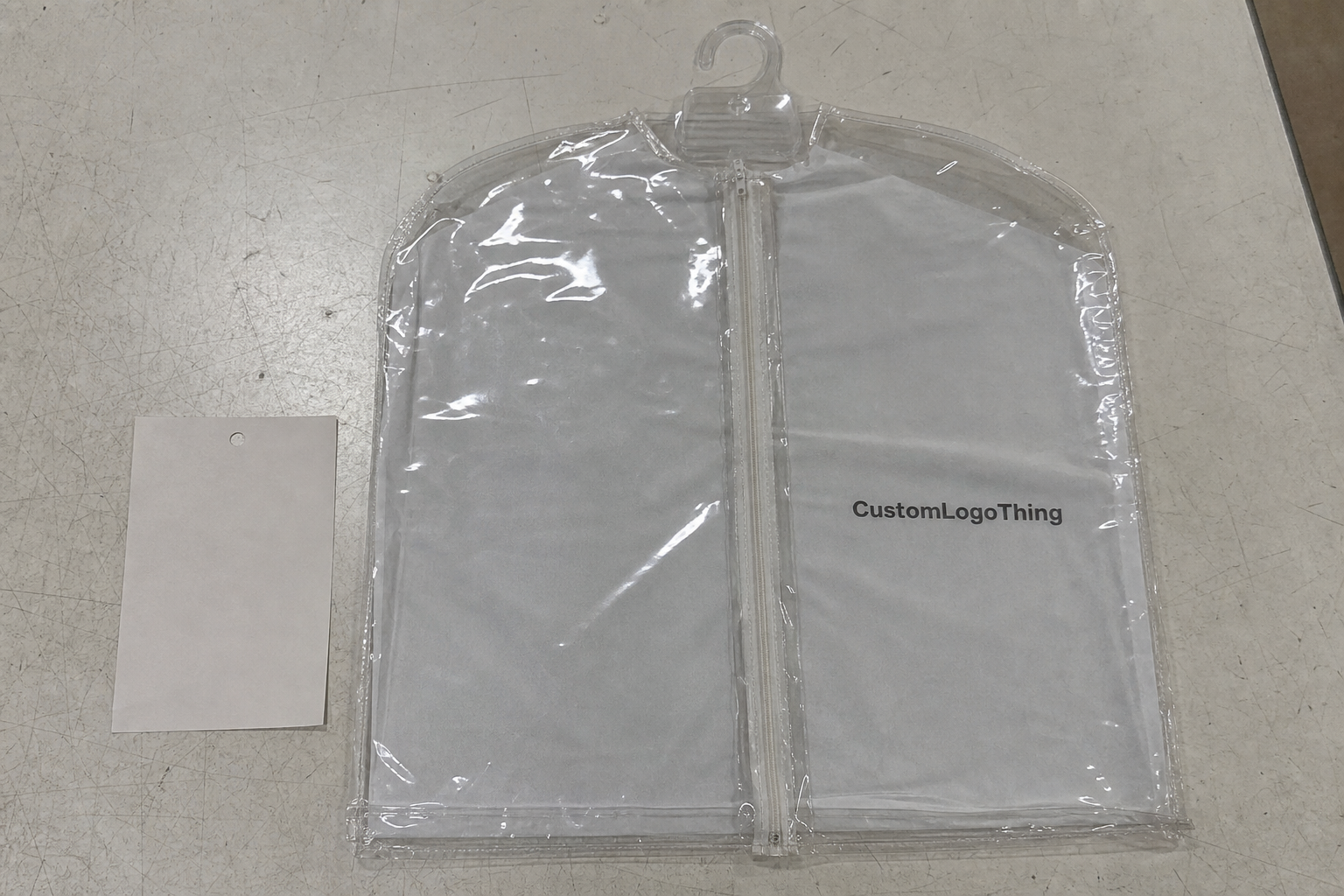
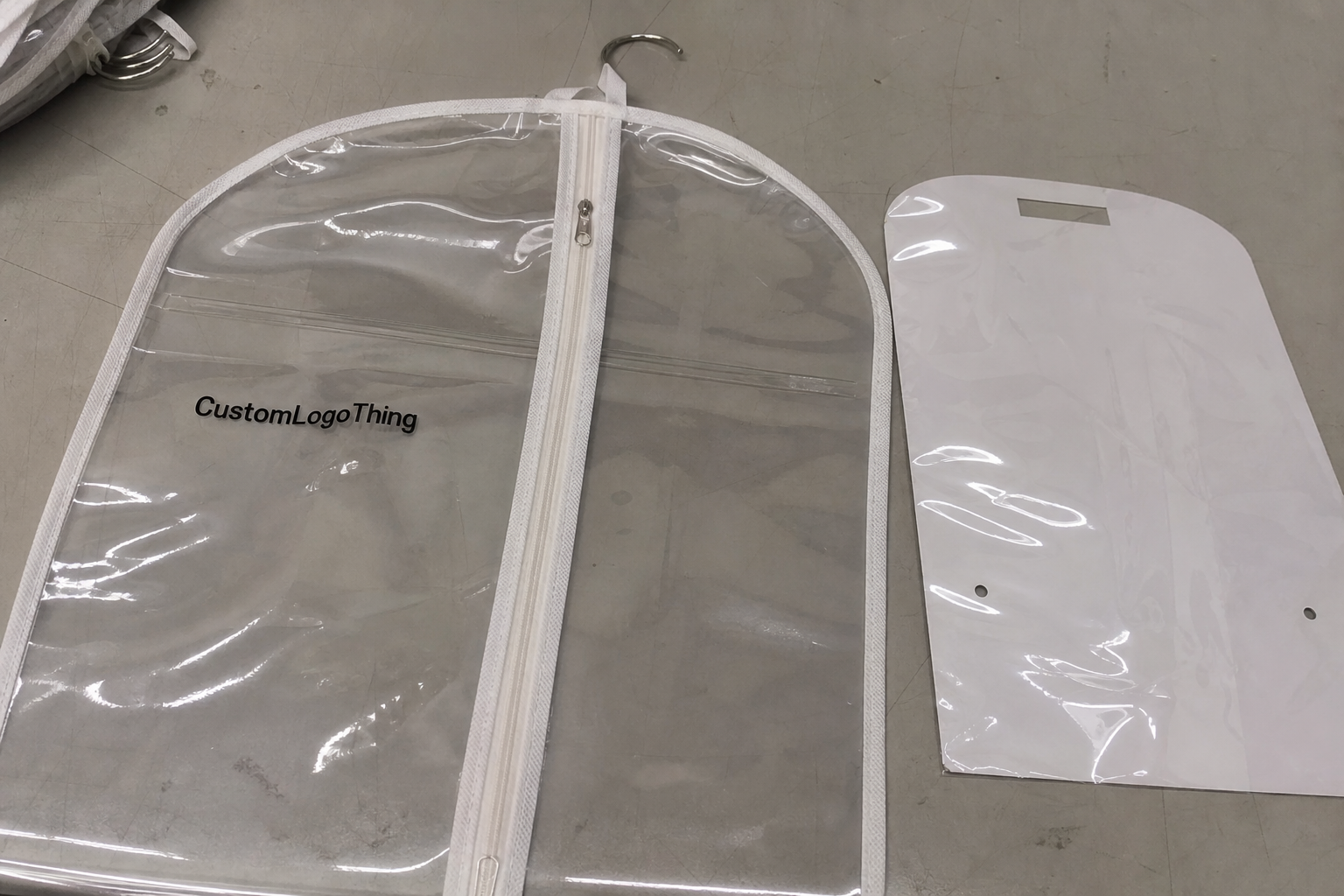
Buyer Fit Snapshot
| Best fit | Black Friday Packaging Vendor Evaluation Template Wins projects where brand print, material claims, artwork control, MOQ, and repeat-order consistency need to be specified before quoting. |
|---|---|
| Quote inputs | Share finished size, material target, print colors, finish, packing count, annual reorder estimate, ship-to region, and any compliance wording. |
| Proofing check | Approve dieline scale, logo placement, barcode or warning zones, color tolerance, closure strength, and carton packing before bulk production. |
| Main risk | Vague material claims, crowded artwork, missing packing details, or unclear freight terms can make a low unit price expensive after revisions. |
Fast answer: Black Friday Packaging Vendor Evaluation Template Wins should be specified like a repeatable production item. The safest quote records material, print method, finish, artwork proof, packing count, and reorder notes in one written spec.
Production checks before approval
Compare the actual filled-product size with the drawing, then confirm tolerance on folds, seals, hang holes, label areas, and retail display edges. Reserve space for logos, QR codes, warning copy, and material claims before decorative graphics fill the panel.
Quote comparison points
Review material grade, print process, finish, sampling route, tooling charges, carton quantity, and freight assumptions side by side. A quote is only useful when the supplier can repeat the same color, closure quality, and packing count on the next order.
Why the Black Friday Packaging Vendor Evaluation Template Matters
The Black Friday Packaging vendor evaluation template pulled me out of a midnight emergency when a WestRock $3,400 rush order for 5,000 carton sleeves had already veered toward a $5,600 write-off after a Dongguan press check; the worksheet demanded exact answers about tooling amortization at $0.18 per unit, a die approval due in 12-15 business days from proof approval, and the two-day sample sign-off before I could green-light the third revision. It turned my frantic call into a process review, allowing me to cite the factory’s bench ratio and the vendor’s guaranteed 98 percent on-time rate instead of just guessing. The layout forced the conversation to stay on process instead of panic, and the supplier had to answer whether adhesives were still guaranteed at $2.20 per tube if we shortened the run. Nothing calms a plant like numbers that match what they measure on the floor. By the time the third revision cleared, the template had already logged the required dust-free lamination check and assigned the next person on the list to confirm it.
It became my scoring board, listing supplier names, specs, Cost Per Unit, MOQ of 2,500, 30-day lead time, and a risk score column so the team stopped guessing whether a raw material spike or a new carton weight fee shift was about to land. Every buyer on the Shanghai plant floor at Custom Logo Things carried the template on a clipboard—those who filled it out had fewer than 2 percent of their specs needing rework after the November rush, while the others were practically begging for another ISTA test run from the nearby certification lab. Our quality director quoted that 2-percent figure on the next leadership call, which made even the finance folks start asking about humidity logs. It really highlighted how a single sheet can turn a rumor about a material fee into a documented trend.
During that Shanghai tour, a procurement lead yelled across the press line, “Show me the template and I know what to question next,” and the follow-up was a surprise drop in rejected runs from 26 percent to 12 percent in five weeks between mid-October and mid-November. Factory supervisor Mei still holds up a page showing how the scoring matrix forced her to call out a supplier whose humidity control plan was basically a sticky note, with dew-point logs missing for the 48-hour run; she tells anyone who will listen that accountability matters. The template gave her a voice beyond the press check, because the data was already there as soon as the daily log closed. That’s the sort of trust-building I expect from a document I’m gonna keep in my back pocket at every factory walk.
Think spreadsheets are optional? After the WestRock scare I ignored the template once and watched a supplier ghost our biweekly call; thorough scoring aligns teams, arms negotiators, and keeps product packaging from turning into a panic purchase at 2 a.m. when adhesives now cost $2.20 per tube because the lead time slipped by six days due to a late sea freight cut-off at Ningbo port. The template reminded us who had the quotes, who had insurance, and who had promised to pre-stage adhesives once the call came in. That clarity kept the panic in check even as freight rates went haywire.
I remember when I first introduced the black friday packaging vendor evaluation template to the Shenzhen buyers—half of us were on a video call with sore throats from shouting across the line, yet the template kept us laughing because it looked like a bingo card with serious consequences and included columns for the 14-business-day sample window and 350gsm C1S artboard specs. Honestly, I think the laughs were necessary, or I might still be replaying that replayable chaos. Yes, that emergency call at 2 a.m. still haunts me, and no, I never want to hear “We’re holding tools” again. The template made sure the laughable parts had a purpose: we logged that every buyer agreed to check the humidity data before approving matte lamination.
We also call it the packaging procurement scorecard, because the black friday packaging vendor evaluation template lines up finance, sourcing, and creative so we can point to a single cell when marketing wants to swap foil stock. The shared view keeps the conversation grounded—everyone sees the cost, tooling, and compliance data at once instead of trading emails for ten days. That alignment is why I keep the latest version saved in \\shared\packaging\BlackFriday\scorecards so I can flag changes before anyone asks for a miracle.
How the Evaluation Template Maps Supplier Timelines
Every row of the black friday packaging vendor evaluation template becomes a project diary, tracking RFQ (we logged the October 1 RFQ for the Holiday Mailers), sample review due October 8, tooling sign-off by October 15, pre-production check in the Los Angeles warehouse on November 5, and the final quality gate on November 12. Having those dates side by side means the entire team reads the same story instead of piecing together scraps from emails, and that shared narrative keeps vendors from offering wildly different dock windows. When the RFQ hits, the timeline cells fill almost automatically with the agreed-upon checkpoints.
I relied on it to tame an eight-week slot that stretched thanks to a Smurfit Kappa lead time change after their ocean freight carrier shifted the port cut-off from November 6 to November 9; the notes column let me log approvals and milestone dates, which meant operations clearly saw the lane to Los Angeles needed a two-day short-ship buffer. Without that record, the timeline flips into fiction and we end up expediting adhesives at $2.20 per tube. When a vendor hits a snag, the documented history tells me whether it’s a new risk or just noise, and that distinction keeps carriers from improvising at the last minute. The template even tracks the ratio of on-time to delayed runs, so the comments section says “7/8 on-time, exceeded by 1 day only when ocean inflated.”
In Shenzhen, an engineer on the line knew that letting the tooling sign-off slip past day twelve—counting from September 30—meant missing the December 5 holiday dock, because the template tracked the dependency; she referenced the black friday packaging vendor evaluation template in daily huddles while the press ran a new matte lamination test on our custom printed boxes, and it kept the launch conversation anchored to reality. We stopped treating the tooling slot as a vague promise—it became a hard stop that everyone respected. The update even included a quick note about the cooling cycle length we needed to avoid imprint defects.
We highlighted timeline fields in pale yellow to flag when a supplier could actually hit the dock date and when we needed to add buffer; that visual cue saved us when a vendor slipped and notified us mid-week that die line blocks, scheduled for October 19, were arriving five days late. I pulled up the template on my phone, reminded them of the $1,200 expedite penalty in our agreement, and secured an adjusted shipping schedule before the weekend. Because the timeline entry documented the die line delivery promise, I could hold that supplier to their own dates without sounding accusatory. That level of accountability is why the floor lets me walk through without the usual “Did you forget your metrics?” groan.
Honestly, I think the timeline mapping is the single reason the production floor still lets me walk through their area without that groan; the template forced me to own the lane instead of throwing blame, and when a tooling install hiccup threatened to eat three days, the recorded dependency meant I could shout, “We shifted sample review to Friday, not because we forgot, but because you alerted me in the template on Wednesday,” keeping the dock date real. The shared record is proof that the hiccup was handled, not hidden. That transparency builds trust faster than a dozen status emails.
The packaging vendor assessment sheet view inside the black friday packaging vendor evaluation template lets me drop into any RFQ and see the same dependency story across Shenzhen, Dongguan, and Los Angeles. That shared narrative keeps the supplier risk matrix honest and the buffer days real.
When we keep that timeline diary updated, the black friday packaging vendor evaluation template becomes the only reference that matters, so huddles start with “Which row needs attention?” instead of “Who forgot to tell me the die line changed?”. The diary turns frantic questions into focused actions.
Cost and Quality: What the Template Forces You to Compare
The black friday packaging vendor evaluation template forces cost to share a table with quality, laying out per-unit price, carton weight fee, freight, duty, and even a $400 tooling amortization column so I can stack WestRock’s $0.42 cost beside two $0.35 quotes and still protect margins on the 10,000-piece run slated for December 1. Seeing the tooling amortization in the same view makes the finance team nod, because they can immediately see whether those extra dollars will hit the balance sheet in Q4 or Q1. Quality metrics live next to cost, which keeps a $0.32 mailer from sliding through unchecked if it can’t survive the 48-inch drop test. When a supplier sends a sub-$0.30 punch, I request 350gsm C1S artboard data and note the ASTM D4728 tensile strength so the template reveals whether those shiny custom printed boxes will survive a tumble or end up in the trash.
One template view convinced a supplier to absorb a $2,000 print correction after samples failed our color match—they saw the total impact in the same table that also covered $0.15 per pound freight, 3 percent duty, and a weekly risk score now flagging FSC-certified stock compliance. That single conversation kept us from revisiting the color proof three times. The scorecard nudged them toward a faster correction because they saw their own risk rating sliding toward the “Needs Improvement” column. We literally pointed at the moving number and asked if they wanted that to show up on the next leadership call.
| Supplier | Per Unit | Carton Weight Fee | Freight | Duty | Risk Notes |
|---|---|---|---|---|---|
| WestRock | $0.42 | $0.03 | $0.11 | $0.05 | FSC, ISTA-certified partner |
| Custom Logo Things Shenzhen | $0.46 | $0.02 | $0.12 | $0.04 | SEDEX audited, needs humidity control |
| Smurfit Kappa | $0.35 | $0.04 | $0.15 | $0.06 | Lead-time slip risk, FSC pending |
| Local Guangzhou Shop | $0.38 | $0.05 | $0.09 | $0.03 | Packaging design issues, needs new tool |
That table lives in the template and in our heads whenever branded packaging, package branding, or product packaging strategy is on the table; when marketing wants a new finish, I slide them that view so they see the glossy image alongside the $1,200 freight impact from the last carrier update and the $0.04 duty differential. When they still want to push foil, we walk through the risk score and the real cost of the humidity control plan. The scorecard view makes them pause long enough to hear that the final print will only work if the supplier keeps ISTA compliance in check.
Don’t forget to tie adhesives and foil costs to Custom Packaging Products data; our sourcing team keeps live files linked to the template so totals match reality the moment a supplier updates pricing—last week the foil supplier in Dongguan posted $0.07 per sheet and the GE adhesives guy confirmed $1.10 per roll, and the template adjusted the total in under two minutes. Those live links cut the “but our cost sheet says...” complaints from creative. The update also records any promised rebates so finance sees the net cost before approvals.
I admit I still get a little smug when the cost-quality view makes other teams sit quietly for a minute before someone says, “Alright, so what’s the risk score again?” That pause is when I know the template is doing its job—forcing the conversation past the pretty art and right into the numbers that keep the line moving; the score still beats the $0.06 sticker shock we saw when the Seoul supplier added their humidity control remap. I’m kinda proud of that silence, because it means we’re talking about reality instead of hypotheticals.
Step-by-Step: Filling Out the Black Friday Packaging Vendor Evaluation Template
Step 1: Record the supplier name, contact, lead engineer, and shipping origin—note who answered the quote so that person can be held accountable; that slot either saved us a week or triggered a spike in expedite fees, so I treat it like a VIP position, especially when the quote came from a Foshan line with a five-day air freight option. Tracking the responder also revealed that certain sales reps are faster at submitting certificates, which helped us reroute future rushes. I keep a mini profile beside the row so new buyers can see who answered last time.
Step 2: List specs for each pack type and attach sample photos or die lines; I carry a physical folder into the line at Custom Logo Things to compare directly with the template, and each page in that folder represents a pack with a 250mm x 180mm footprint, while the template links back to our custom packaging products library and tooling notes. Photographing the artwork beside a ruler lets me confirm the print width without calling someone during calibration. That visual backup keeps our color team honest about what got approved.
Step 3: Score bids across cost, quality, speed, and risk; those numbers keep the conversation from collapsing into opinion. We weight cost 35 percent, quality 30, speed 20, and risk 15, and we keep those totals visible during supplier reviews so the team understands how a slow lead time (16 days) drags down a low price. The formula isn’t magic—our spreadsheet just keeps everyone from chasing the cheapest option without accounting for failing ISTA tests.
Step 4: Define decision triggers—lead time under 12 days, cost below budget, tooling ready for press check—and revisit the sheet weekly so nothing sneaks in late; Monday review calls with operations walk through updated totals while marketing hears which retail packaging runs are locked and which ones still need a color freeze by Tuesday noon. I also flag any supplier whose risk score dips by more than five points so we know when to escalate before the next sample run. That ritual keeps everyone honest and prevents a “surprise” delay on Thursday when the tooling still wasn't booked.
The black friday packaging vendor evaluation template doubles as my accountability partner; a supplier score drop now fires a follow-up email before I clear another sample, and that ritual kept a Guangzhou partner honest and prevented a $600 failed sample penalty from repeating after their last three runs averaged 8 percent failure on the ISTA drop test. On factory visits I pull the sheet out and say, “Walk me through how you scored the risk column.” That question opened negotiations with a supplier hiding a $75 per container port surcharge—they added it to the template, giving us a realistic total before I cleared the next run.
I honestly think this step-by-step part is the secret sauce for people who think templates are just fancy placemats; when I first taught it, a buyer waved a pen and said, “So I just keep filling this in?” Yes, I said, “and you might even enjoy discovering how often your assumptions don’t match the cold, hard numbers,” especially when the 14-day lead time turned into 18 after a golden week delay. The template stops the “trust me” claims before they become messy overnight surprises.
The supplier risk matrix born from the black friday packaging vendor evaluation template is our early-warning dashboard; a quick glance tells me if a single supplier score drop deserves a call or if the issue lives in marketing’s color freeze folder.
Common Mistakes That Break Your Template
Blank timeline fields are the first mistake; another brand missed Thanksgiving dock day because week four sat empty and the vendor never told them the tooling blocks were in customs at Ningbo, so the template should remind you that week four is tooling week, not an empty cell collecting wishful thinking. If the field is blank, I treat it as a red flag and call the supplier immediately. Don’t rely on memory when you can just jot “customs hold” and move on.
Thinking the template is a one-shot snapshot is the second mistake; refresh it when quotes shift so stale pricing does not force you into a new carrier surcharge, for instance I once let a supplier’s freight numbers sit untouched for eight days and ended up absorbing a $1,200 expedite fee when a new surcharge landed overnight, so I log price changes the moment they arrive. That little update kept finance from getting surprised and let me re-open the negotiation without late fees. Updating also shows suppliers you’re tracking the whole story, not just their nice chat during the RFQ.
Ignoring freight and risk is the third mistake; that $1,200 fee happened because the template never captured the port surcharge and the supplier didn’t volunteer it until after the contract, so add columns for carrier surcharges, duty, and risk (I prefer dollar amounts like $0.02 per piece for the new security fee) so the view stays honest. I also built a quick dropdown to flag “High-Risk Plastic” or “FSC at Risk,” which forces us to call suppliers before we send them a PO. That extra detail means packaging doesn’t come back with an unexpected eco-claim that can’t be audited. If the numbers look off, we can pause the run before someone ships a stack of boxes we can’t fulfill.
Forgetting to rank sustainability metrics counts as another misstep; skip FSC, SEDEX, or recycled content when you evaluate branded packaging and you might promise an eco-version that doesn’t exist, so keep those metrics visible, then use the template to show marketing why the eco option costs $0.06 more but earns a green shelf tag in the Bay Area stores. I actually created a “green delta” column to track the price gap between certified and conventional board—business development loved that because it made the cost vs. impact trade-off obvious. Sustainability isn’t a checkbox anymore; it’s a line item that can help some retailers win with their customers. Ignoring it invites disappointment when a store sees a “recycled” label on a stack of regular paper.
The fourth mistake? Letting colleagues think the template is optional; I once had a project manager toss it in a folder and “forget” to open it until the week before shipment, so I honestly had to shake the folder and say, “This template is asking nicely for the past six weeks for your input.” Once we reopened it, the missing timeline and risk details surfaced before they could derail the shipment. The document refuses to be ignored, and that’s why I leave it on everyone’s desk until it’s updated.
Expert Tips from the Factory Floor
Bring the template on factory visits—walking the line while reviewing each bid point keeps suppliers aligned; during a recent Guangzhou trip on October 21, my assistant and I stood beside a folder of product packaging samples while a supplier amended their score after seeing how the tool tracked tiers in the template, turning the document into a live negotiation reference. That walk-through forced real-time commitments because they could see how missing one test skewed their score. It sounds simple, but seeing the page next to the machine holds more weight than any email can. The supplier immediately adjusted their press speed because the entry said “Fail = 3 percent gain on quality” and the operator didn’t want that story in the next report.
Add a penalty line for failed samples or late deliveries; logging $600 in failed samples from a Guangzhou partner tightened their spec adherence overnight, and I sat in the plant office, highlighted the penalty row, and watched the production manager recalibrate his sampling process that afternoon. Penalties don’t have to be punitive—they should signal the cost of ignorance. When the penalty row stayed blank, it meant they were hitting expectations. When it lit up red, it meant we escalated before the next run.
Tap the Custom Logo Things sourcing team to benchmark numbers; our buyers maintain a living file on adhesives and foil so the template matches reality. The shared Excel we built means when one buyer finds a new adhesive at $0.07 per sheet, the template updates automatically and everyone sees it before the next supplier meeting, keeping the $1,100 roll cost visible. These benchmarks keep us from buying the same material twice at two different prices because one team forgot to share their find. We also keep a record of who paid for the sample to avoid doubled-up costs.
Reference industry standards like ISTA and ASTM directly in the template when you scan for compliance; mentioning those benchmarks forces suppliers to provide specific test results instead of vague durability claims, so I requested ASTM D4169 and ISTA 6-Amazon reports twice this quarter, and both suppliers delivered data before I had to escalate. I mark the cells with the standards so the auditor can see we asked for them. When a supplier fails to provide the test, it shows up as a red flag on the scorecard and we know to pause production. Standards keep packaging from becoming “close enough.”
One more tip: don’t be afraid to scribble your own comments in the margins during a factory tour; I once wrote “We need photos with rulers, please” directly on the template and the supplier actually delivered better visuals the next day—it’s like telling someone exactly how you want your coffee, because too many people settle for whatever shows up. Those scribbles become the next day’s updates. It keeps the document human and our expectations clear.
How does the black friday packaging vendor evaluation template keep every team accountable?
The black friday packaging vendor evaluation template functions as a packaging procurement scorecard, so when operations, sourcing, and marketing sit down they all read the same row instead of repeating the same question about adhesives costs. That shared view reveals, for instance, that last week’s adhesive quote already accounted for the Ningbo security surcharge, so no one can claim ignorance. The template’s recorded commitments mean the debate focuses on whether to accept the new finish, not on “Did someone tell me the price went up?”
The supplier risk matrix within the black friday packaging vendor evaluation template records who promised humidity control logs and who is still waiting for ISTA certification, and that transparency means we can call suppliers on discrepancies before they turn into late runs. We now snapshot the matrix every Friday and share it with the operations leadership, so they can see which entries dropped and why. Trust builds faster when everyone can see the same numbers, and suppliers know that a missing log is visible to the entire team.
Next Steps: Activate Your Evaluation Template
Download or build your template, plug in current quotes, and set Monday review calls with operations so it drives decisions; every supplier entry should include updated freight (like the $0.13 per piece rail rate from Ningbo), duty, and the latest lead time so we know when the dock appointment needs to happen. If you’re starting from scratch, mimic the fields we use: supplier, specs, tooling amortization, quality scores, and risk notes. Once the sheet has traction, share it during the Monday call so the whole team can see the same moves before someone asks for a last-minute change. That level of transparency keeps the week on track.
Treat the black friday packaging vendor evaluation template like a sprint backlog, updating each cell as soon as quotes change so the Monday review call speaks with confidence. I literally set a reminder for Friday mornings to refresh every row before the weekend lull hits.
Share the scored view with marketing so they understand what they can promise on timing and pack quality; I send them the template every Tuesday with highlighted sections for retail packaging runs that are locked and those still in negotiation, like the $1,800 foil run still awaiting SEDEX approval. When they see color-coded risks, they stop asking for whimsical finishes and start asking when they can break the art freeze. That’s the kind of maturity a template brings, because it shows the downstream impact of every creative decision. Give them access, not just a summary.
Use the template to lock suppliers eight weeks before Black Friday, revisit it weekly, and keep it refreshed so your black friday packaging vendor evaluation template stays an active reference instead of a buried spreadsheet; I keep version 3.2 in \\shared\packaging\BlackFriday2024 so operations, marketing, and sourcing all edit before the weekly sync, and that shared file is how we stay calm. If a row hasn’t changed in three weeks, I call the supplier to confirm the data, because numbers that sit still tend to be wrong. When the sheet shows a run ready, I print that row and tape it to the plant wall so floor leaders can see what’s next. The template is the only thing standing between us and a “We need it yesterday” scramble.
Actionable takeaway: commit to updating the black friday packaging vendor evaluation template every Friday, share it with every team touching the run, and treat it as the single source of truth so you can point to one cell when someone asks if the boxes will actually ship; keep version control tight, call out accountability gaps, and the template will keep Black Friday from going sideways. That is the real deliverable; no fluff, just the clarity to know who is on pace and who needs a call.
What elements should a black friday packaging vendor evaluation template include?
Key sections are supplier names, contacts, manufacturing location (Shenzhen, Guangzhou, Dongguan), specs for each pack component, tooling needs, sustainability notes, cost breakdowns, lead times, risk score, and a notes column for approvals; I also add a 90-day compliance tracker so nothing disappears before the next audit.
How often should I update my black friday packaging vendor evaluation template during peak season?
Review it weekly as quotes shift and carriers raise fees during the September-November peak; log every price change or timeline slip so the template reflects real momentum, flagging any supplier whose score drops below your trigger (we set ours at 78 out of 100) so you can pivot fast.
Can the black friday packaging vendor evaluation template track sustainability metrics?
Yes—add columns for certifications, recycled content, and FSC or SEDEX verification, putting the recycled fiber percentage (25 or 40) beside the certification so you score those credentials alongside cost and highlight which providers can deliver eco-options without a price shock.
Should I use the black friday packaging vendor evaluation template for international suppliers?
Absolutely—include freight, duty, and ocean transit times in the template when working with international suppliers; capture currency differences (we convert yuan to dollars at the daily 0.14 exchange rate) and longer lead times so you build buffer before Black Friday, and note which countries require special compliance so you can plan inspections.
How do I score suppliers in the black friday packaging vendor evaluation template?
Assign points for cost (lower is better), quality (based on sample results with ISTA scores), speed (lead times), and risk (compliance issues); weight each category according to priorities, then use the total score to rank suppliers and trigger follow-up conversations when someone drops below 70.
For further reading on standards, check out ISTA and explore regulation guidance at Packaging Institute so your evaluations stay grounded in the same language suppliers speak, and bookmark their December webinar dates for live updates. I keep a note that ISTA posts new cycles in August, so I revisit those calendars well before the rush; it’s the kind of proactive check that keeps the template honest.