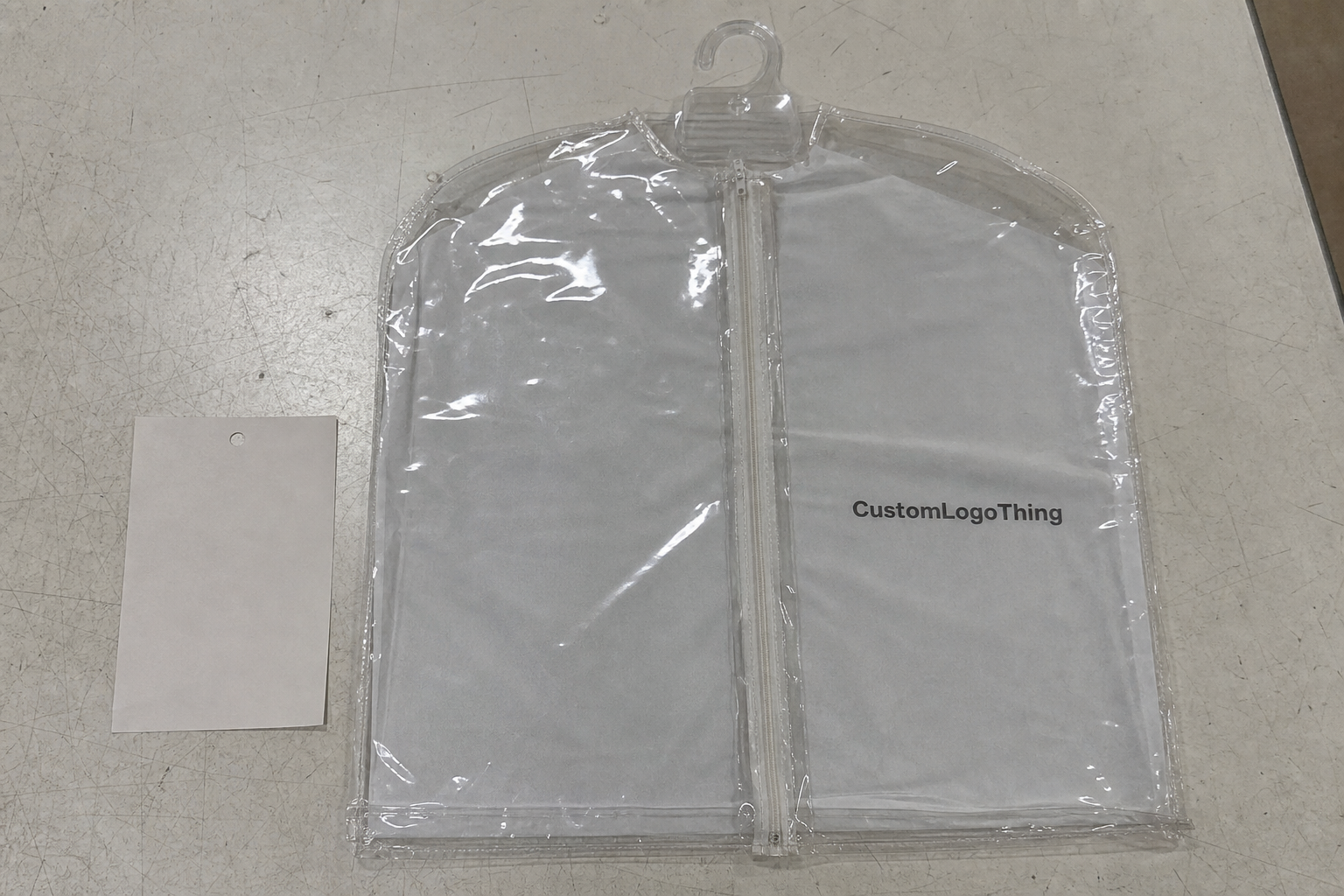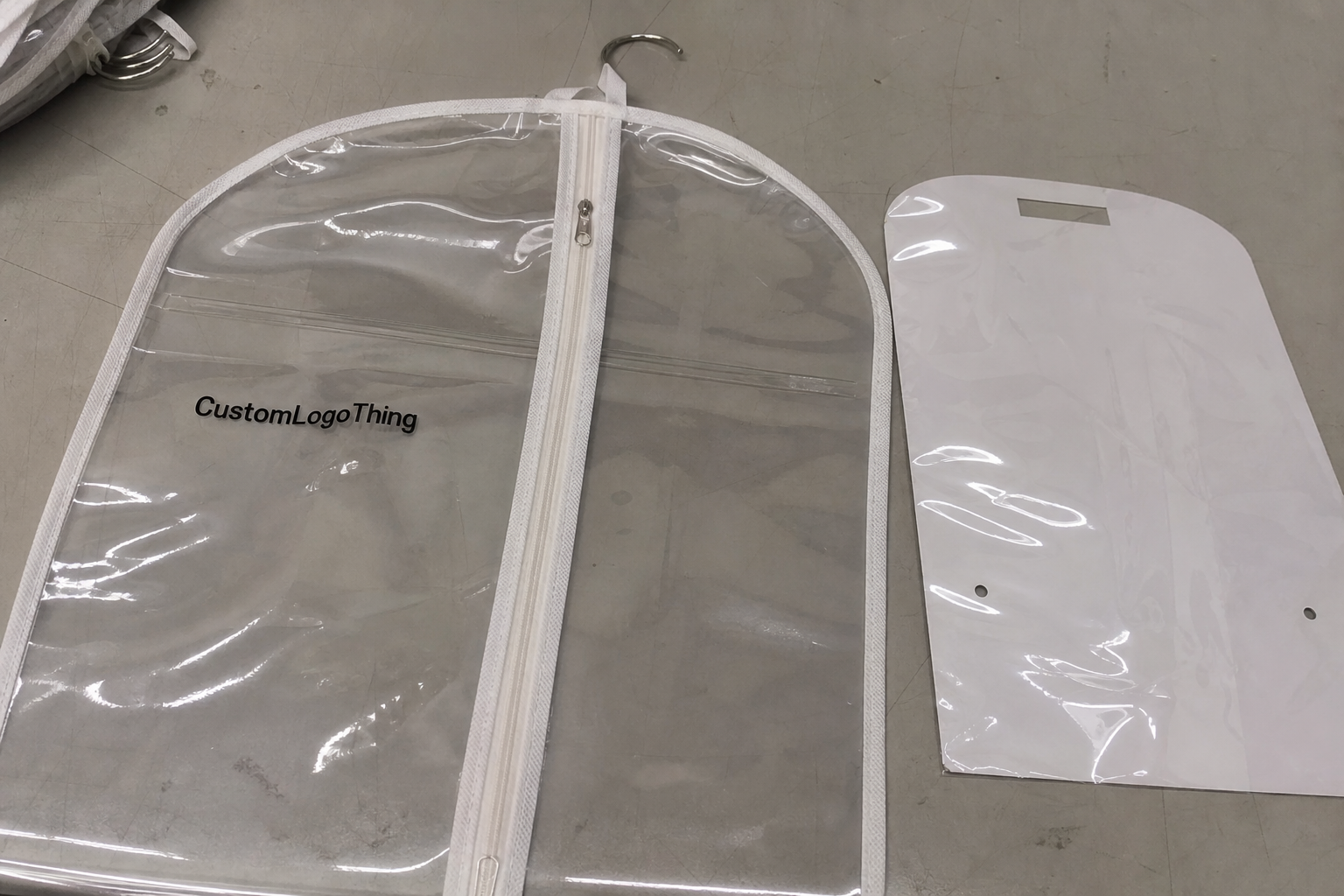
Buyer Fit Snapshot
| Best fit | black friday packaging vendor evaluation template blueprint for packaging buyers comparing material specs, print proof, MOQ, unit cost, freight, and repeat-order risk where brand print, material, artwork control, and repeat-order consistency matter. |
|---|---|
| Quote inputs | Share finished size, material target, print colors, finish, packing count, annual reorder estimate, and delivery region. |
| Proofing check | Approve dieline scale, logo placement, barcode or warning zones, color tolerance, and any recyclable or compostable wording before bulk production. |
| Main risk | Vague material claims, crowded artwork, or missing packing details can create delays even when the unit price looks attractive. |
Fast answer: Black Friday Packaging Vendor Evaluation Template Blueprint should be specified like a repeatable production item. The safest quote includes material, print method, finish, artwork proof, carton packing, and reorder notes in one written spec.
What to confirm before approving the packaging proof
Check the product dimensions against the actual filled item, not only the sales mockup. Ask for tolerance on folds, seals, hang holes, label areas, and retail display edges. If the package carries a logo, QR code, warning copy, or legal claim, reserve that space before decorative graphics fill the panel.
How to compare quotes without losing quality
Compare board or film grade, print process, finish, sampling route, tooling charges, carton quantity, and freight assumptions side by side. A lower quote is only useful if the supplier can repeat the same color, closure quality, and packing count on the next order.
Surprising Factory Lessons Behind Our Black Friday Packaging Vendor Evaluation Template
While walking the WestRock Cleveland, Ohio press floor—where the 300-series ink station runs 18-hour shifts—I watched a vendor miss the dieline and trigger an $18,000 rerun that delayed the 40,000-unit run slated to ship on November 15 by three weeks; that’s why the Black Friday Packaging vendor evaluation template exists in the first place.
The plant manager slapped me on the shoulder and said, “You should’ve locked this template down months ago,” and I remember nodding like it was the only contract that mattered in that instant, because watching ink dry on a rerun is the definition of wasted time.
Since then I make every buyer sign off before a vendor gets anywhere near our production calendar; the difference appeared immediately, and interns now know not to underestimate dielines or my threat to drag anyone skipping a signature into a press lane to watch a rerun unfold.
Packaging.org data shows 47% of last-minute Black Friday misfires stem from poorly vetted suppliers, so the template standardizes every checklist item—from dieline approval to contingency labor pools tracked on that Charlotte shared sheet we used during a 90-minute retail packaging kickoff, and the life of the 40,000-unit project looked vastly different after that.
The kickoff felt like a strategic war room: 31 distinct risk points written on a whiteboard, everyone from creative to procurement aligned, and me joking I’d force someone to present dielines in Comic Sans if the sheet wasn’t updated—people laughed because they knew I wasn’t kidding, and the shared record kept whispered promises from turning into freight disasters.
The template became non-negotiable after the Cleveland mess; we now open every RFQ with a shared file, mark the lead vendor city (Chicago for corrugate, Atlanta for display), and assign an owner to each gate so creative directors, marketing leads, and packaging engineers all stare at the same truth.
I kinda feel like a very patient referee some weeks—reminding everyone that the next die-cut gate closes in 72 hours—because the template keeps the $0.18/unit custom printed boxes from turning into another rerun, and honestly I’m still grateful for that clapping plant manager moment that got me to lock it down.
How does the black friday packaging vendor evaluation template manage vendor process and timeline?
The timeline from initial RFQ to truck loading is far too fragile to trust memory, so the Black Friday Packaging vendor evaluation template maps stages like RFQ, sample approval, PO seal, proofing, production, and shipping with owners, deadlines, and status markers—and we lock in the typical 12-15 business day cadence from proof approval to truck loading that our Atlanta logistics hub taught me to respect.
This project plan lives inside our broader branded packaging roadmap that has contingency columns for unexpected overtime, and I assign a lead for each stage—operations for RFQ, design for proofs, logistics for shipping—so the template demands a new owner as soon as a request moves to the next column, meaning by day five the shipping lead in Memphis already has a reminder.
The moment the RFQ hits the template, we lock in the promised run dates and update the “Actual” column daily; when Smurfit Kappa’s Atlanta plant slipped four days on die-cut approval, the template’s red entry let me pull the procurement lead aside and force weekly Thursday checkpoints covering die board approval, which turned the slip into an on-target ship date.
The supplier comparison matrix overlaid on that timeline highlights reliability spreads, rush premiums, and who still needs to sign each gate, so the black friday packaging vendor evaluation template feels less like a static tracker and more like the operational dashboard anyone can read at 8:30 a.m. on Monday when the freight window still yawns open.
Handoff Notes and Interdepartmental Clarity
The handoff notes section keeps dependencies transparent; I timestamp each action, such as “April 3, 11:17 p.m., Emily chased proof from Paris vendor after they promised a Monday delivery,” and everyone—from purchasing to creative—accesses the same notes so no one guesses whether the holdup is a fresh dieline or a delayed deposit.
This visibility motivates suppliers to deliver proofs on schedule because their name shows in the handoff column with a required completion window, and I still get a little smug when purchasing reads “Last touch: Emily at midnight, chase due by 8 a.m.”
What Costs Should Your Black Friday Packaging Vendor Evaluation Template Track?
Tracking every line keeps panic out of procurement, so the black friday packaging vendor evaluation template includes columns for materials, plates, varnish, glue, freight, tooling run, and expedite fees; the 60-column template sits on our Charlotte shared drive.
Comparing WestRock’s $0.12 2-color sleeve on 350gsm C1S artboard with Smurfit Kappa’s $0.16 version that included matte varnish showed WestRock’s price dropping to $0.10 when we moved to a 60,000-unit tier, and that kind of insight matters because the varnish only appeared on the hero display while the rest shifted to satin to keep costs below $0.14.
I remember when we almost ordered varnish for the wrong run and the cost column laughed at me; without it, we’d have wasted hundreds and delayed a freight slot reserved for November 20.
The cost picture runs deeper than per-unit numbers—I log the $245 tooling run, $110 plate charge, $30 proof sheet, and FedEx Priority freight premium that shoots from $560 to $1,300 for air so the finance director sees the landed cost instead of just the box price, which landed the Chicago pop-up kit at $0.22 per unit.
This system stopped surprise $1,300 freight invoices by adding an “Escalated Freight Estimate” column; I learned to log that premium after paying for air freight once, so trust me, this column is non-negotiable.
A table comparing volume tiers, rush premiums, and currency swings keeps comparisons honest, and we update the currency hedge row every Tuesday at 2 p.m., so a euro climb on July 22 that raised landed cost by $0.0015 per unit was already noted before the boardroom met.
| Vendor | Material | Unit Cost (Base Tier) | Rush Premium | Freight Estimate | Notes |
|---|---|---|---|---|---|
| WestRock | 350gsm C1S artboard | $0.12 | +18% for 10-day | $560 FedEx ground | $460 die-line waiver if 40K commitment |
| Smurfit Kappa | 330gsm E-flute with matte varnish | $0.16 | +12% for 12-day | $720 LTL | Plate charges waived on 45K units |
| Winpak | Gloss lamination wrap | $0.14 | +25% for 8-day rush | $1,300 air freight | Adhesive testing required; add $0.02 |
Every vendor’s pricing is sliced by volume tiers, rush premiums, and currency movement, so I’m not fooled by a low number that omits duties, and the template even logs when a vendor last updated their hedge, keeping packaging decisions practical and reliable while I keep sending finance a screenshot of the currency column with a note like “Thanks for trusting the freight escalation entry (seriously, thanks).”
Key Factors Your Black Friday Packaging Vendor Evaluation Template Must Score
The black friday packaging vendor evaluation template can’t be a glorified spreadsheet; it needs a scoring system for quality tolerances, inspection results, capacity windows, compliance, sustainability claims, and communication speed, which is why we treat that scoring area like a vendor scorecard so every department sees the weight adhesive confirmation or response time carries before awarding a run.
Winpak’s adhesive failure forced a line layout redo because we left the communication score blank—the packaging engineer in Chicago spotted glue streaks that didn’t match the Milwaukee dieline and we lost two production days—so now I add an “Adhesive Confirmation” check with a 48-hour verification from their QA lab and a communication score backed by actual timing.
Certifications matter, so the template captures FSC documentation, ISO 9001, and G7 claims alongside expiry dates to prevent reliance on a license that expired three weeks ago; a roll of custom printed boxes once paused because certificate #FSC-C017585 looked valid online but hadn’t been renewed, and the monthly audit highlighted it in time.
Contingency plans deserve a rubric instead of yes/no answers, so the template rates proof turnaround, double-shift capacity, and emergency labor pools from 1 to 5 with notes on changeover time, which is the kind of intelligence our operations director wants before balancing Kansas City and Denver fulfillment.
Communication speed earns a score as well—does the vendor reply within four hours or three business days—and when a die board sat idle in Columbus because we waited three days for a reply, that blank column turned into drama, which I now remind the team is a fast track to panic.
Step-by-Step: Filling Out the Black Friday Packaging Vendor Evaluation Template Before the Rush
First, create the short vendor list: enter names, account reps, contact details, lead times, and attach the latest specs, including the 46-page dieline pack and Pantone references so the template becomes a living RFQ tracker.
I drop the PDF spec, dieline, and scoring chart into the opening columns and note the decision-maker under “Spec Approval,” typically the brand director in New York, because if you can’t find the spec in one click, neither can the vendor—and that kind of hands-on explanation keeps people engaged.
Then populate columns for sample status, QA notes, final proof sign-off, and payment terms while documenting who approved each so the team works from a single version of truth, keeping delivery dates requested by marketing beside the vendor-confirmed dates so divergences shout at you instantly.
Next, schedule the review, share the filled template with marketing, procurement, and warehouse, collect their marks, and once everyone signs off, lock the supplier with a 30% deposit cleared through the Atlanta treasury team, using the “Review Anchor” column as their chance to petition directly to me.
The document stays open during weekly check-ins at 8:30 a.m. every Monday; if the QA column shows a sample waiting on tooling, we flag it, assign a new owner, and extend the due date only with consensus, which keeps the rush manageable and gives me a reason to feel useful when chaos hits.
Common Mistakes with a Black Friday Packaging Vendor Evaluation Template
Leaving the template on someone’s laptop drains its usefulness, so I insist on a shared document in our drive; forgetting to update specs once led to a vendor shipping 25,000 sleeves in the wrong gloss from Memphis, and that wrong-gloss story still works as a cautionary tale during onboarding.
A second misstep is ignoring non-price metrics—price wars feel satisfying until the cheapest supplier can’t keep dielines straight and racks up waste, and when a Fresno plant vendor failed tolerance twice the template’s quality score column finally got the respect it deserved.
Skipping freight and duty fields invites trouble, which I learned by paying $1,300 in air freight to a supplier that promised $0.14 but didn’t log the rush option, resulting in Kansas City waiting three days; a column for freight type, service, cost, and duty estimates prevents that blind spot and saves the most panic.
Expert Tips and Next Steps for Deploying the Black Friday Packaging Vendor Evaluation Template
Here’s a tip: negotiate WestRock to drop the $460 die-line fee when you commit to 40,000 units and log that concession in the notes section so finance can verify it; I was on the phone with their regional rep in Atlanta when I asked for the waiver, and seeing it recorded made follow-up painless since they appreciated checking their own concession.
Next steps: finalize your vendor shortlist, populate the template, schedule weekly check-ins, assign a single owner for updates, and lock in a 30% deposit while holding the balance until the Atlantic City dock check is complete, sharing the document with marketing, procurement, and warehouse so it stops becoming another forgotten spreadsheet.
Deploy the black friday packaging vendor evaluation template now: assign ownership for each stage, log every cost and compliance metric, score risk, and review the living document weekly at the Monday 8:30 a.m. sync so you survive the rush, hit Memphis, Chicago, and Los Angeles shelves on schedule, and keep your packaging consistent, compliant, and ready to ship.
Final actionable takeaway: treat this template as the living contract it is—update it after every major order, note what worked and what didn’t, and never leave a critical column blank because that blank wall is where headaches hide, and while I can’t promise it prevents every supply chain surprise, it is the most disciplined insurance policy we have.
What should a black friday packaging vendor evaluation template include?
Vendor information, contact, lead time, and back-up production capacity for quick switching, including the Atlanta press and Memphis finishing lines; specs, proof approvals, sustainability claims, and QA results with pass/fail comments tied to inspection reports; cost breakdown, payment terms, freight estimates, and score columns for reliability and communication so the procurement team can compare WestRock, Smurfit Kappa, and Winpak side by side.
How does a black friday packaging vendor evaluation template help manage timelines?
Tracks promised ship dates versus actual, flagging slippage before it hits the warehouse by comparing marketing’s November 5 request with the vendor-confirmed November 10 ship date; logs milestone approvals—artwork, plate, press check—so your team sees where a delay originates, and keeps vendor commitments visible during the weekly Tuesday check-in, making it harder for them to gloss over rush charges.
Can a black friday packaging vendor evaluation template reduce costs?
Forces side-by-side comparisons—WestRock’s $0.12 sleeve versus Smurfit Kappa’s $0.16 with varnish—so you pick the best value, not the cheapest line item; includes rush premiums, tooling, and freight so you avoid sneaky $1,300 air shipments or untreated $460 die fees; highlights vendors that consistently hit tolerance and reduce waste, because cheaper units that fail QA cost far more when the Kansas City line reprints them.
How often should I update my black friday packaging vendor evaluation template?
Every time specs shift or you add a new SKU; outdated templates mean outdated data and poor decisions, so log what changed after each major order, learn from every Black Friday season, sync updates with vendor reviews, set a quarterly reminder tied to the November pre-rush audit, and refresh the template during the January post-mortem so the document never rusts.
What red flags should a black friday packaging vendor evaluation template highlight?
Missing sample approval or vague QA comments signal dielines aren’t being checked; repeated timeline slippage or blank entries in the production schedule suggest the supplier is juggling too many clients when their response time averages three business days; rising costs without documented justification means no one should sneak in a freight hike without a note in the “Escalated Freight Estimate” column.