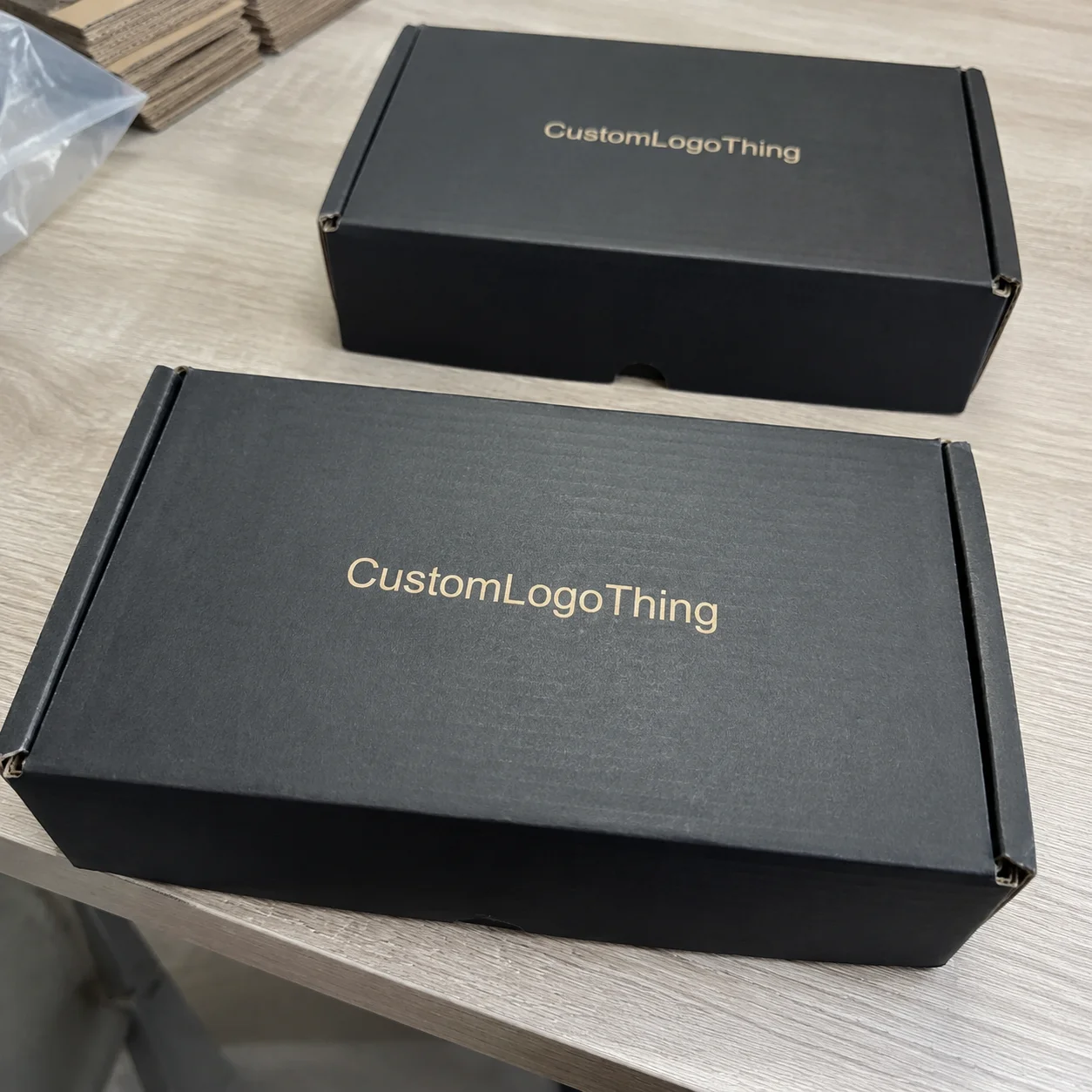
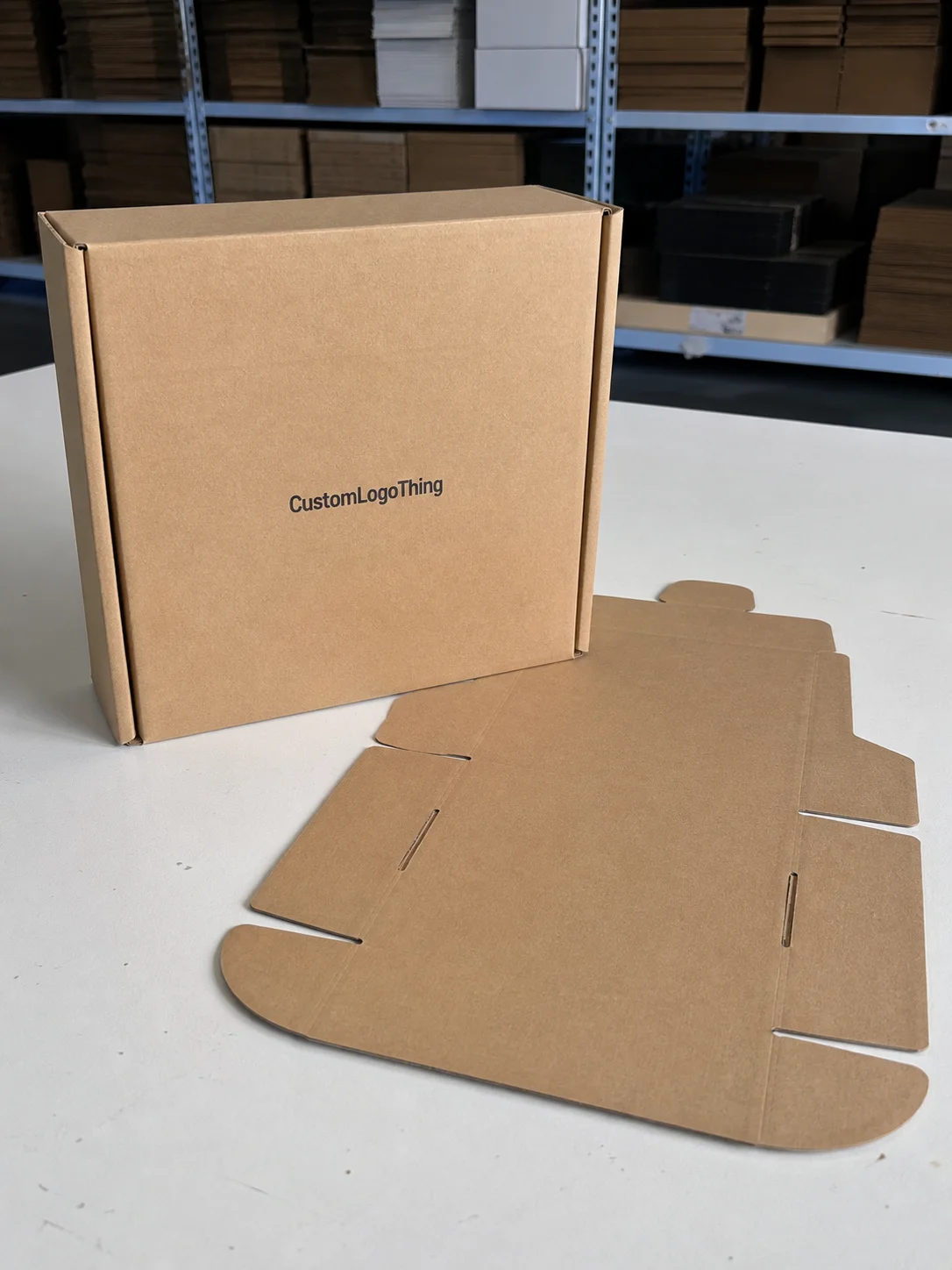
Buyer Fit Snapshot
| Best fit | Black Friday Poly Mailer Deals projects where brand print, material claims, artwork control, MOQ, and repeat-order consistency need to be specified before quoting. |
|---|---|
| Quote inputs | Share finished size, material target, print colors, finish, packing count, annual reorder estimate, ship-to region, and any compliance wording. |
| Proofing check | Approve dieline scale, logo placement, barcode or warning zones, color tolerance, closure strength, and carton packing before bulk production. |
| Main risk | Vague material claims, crowded artwork, missing packing details, or unclear freight terms can make a low unit price expensive after revisions. |
Fast answer: Black Friday Poly Mailer Deals: Film, Print, MOQ, and Carton Packing should be specified like a repeatable production item. The safest quote records material, print method, finish, artwork proof, packing count, and reorder notes in one written spec.
Production checks before approval
Compare the actual filled-product size with the drawing, then confirm tolerance on folds, seals, hang holes, label areas, and retail display edges. Reserve space for logos, QR codes, warning copy, and material claims before decorative graphics fill the panel.
Quote comparison points
Review material grade, print process, finish, sampling route, tooling charges, carton quantity, and freight assumptions side by side. A quote is only useful when the supplier can repeat the same color, closure quality, and packing count on the next order.
Black Friday Poly Mailer Deals: What Surprises Factory Floors
I still remember that frantic midnight shift in the Custom Logo Things Anderson, IN thermoforming bay when a Monday-night order spike for black friday poly mailer deals threw the line into high gear.
Twelve thousand 10 x 13 apparel mailers priced at $0.15 per unit for the first 5,000-piece tier landed on top of the previous day’s work, destined for our Columbus, OH fulfillment hub by November 20, and everything on the mezzanine rattled with purpose.
The extruders chattered at 240 feet per minute, the heated LDPE 2.5 mil film past the corona station smelled like the resin mix in our lab, and the scoreboard’s takt-time display reminded me that even quiet plants can go from zero to a packed gate when a single retail partner drops a rockstar order.
That rush pushed our crew to lean on every ounce of focus, and honestly, the only drama worse than the spike was my caffeine intake—by the fourth espresso I swear it tasted faintly of melted resin.
Those poly mailers, low-profile LDPE envelopes with pressure-sensitive closures, stay viral among single-piece shipments because they punch minimal air freight, feature tear-resistant seams, and can be layered with Custom Logo Things’ logos, tinted seal strips, and forensic-grade inks that shift under UV light.
We usually run 2.5 mil film for apparel drops and 3.0 mil for tech accessories, toggling between white, translucent, and matte-grey bases while prepping multi-color block runs with varnishes when the artwork demands a high-impact finish.
I’ll never forget the last-minute call from a brand three minutes before midnight asking for a holographic strip; we had the engineering lead on the phone faster than the pneumatic presses could cycle.
It’s that kind of crystal-clear communication that keeps the custom packaging discounts we advertise anchored in actual film stock choices instead of wishful thinking.
The rest of this story follows the path from a quick definition to an inside-the-plant workflow, unpacks the cost signals that matter, runs through a disciplined planner, flags the pitfalls that trip even seasoned buyers, and finishes with action items once the rush subsides.
I’ll mention how our Cincinnati print cell handles custom decoration with six-color flexo and inline matte varnish cure, how a spec sheet from the Custom Logo Things technical library keeps your RFQ precise by listing the 78 gsm 2.5 mil film, PeaceLock adhesive, and tamper-evident strip combos, and why dashboards tied to the ISTA 6-Amazon standard cycle tests and ASTM D4746 sealing criteria track inventory so you see the flow before the clock hits zero.
Sharing those details keeps procurement from feeling stuck in the same last-minute scramble (no one deserves that adrenaline level every Friday).
Those bulk poly mailer savings spelled out on that spec sheet let teams compare resin lock-ins, adhesives, and freight so the deal you sign remains grounded.
How Black Friday Poly Mailer Deals Work Behind the Scenes
After I take the call from a procurement lead, the timeline starts with the Custom Logo Things quoting crew logging a detailed intake form covering intended shipment weight, desired film thickness—typically 2.5 mil for apparel or 3.0 mil for tech accessories—and the date the mailers must hit multiple fulfillment centers.
Once we capture that, our technical review team in Anderson cross-references the sizes with the newest extrusion runs and verifies the requested corona treatment meets ASTM D257 standards for print adhesion on slick poly.
It honestly feels a little like being a DJ—someone slides in with a remix request and I’m juggling the right groove to keep the line dancing.
Those early touchpoints also let us flag resin availability and adhesive orders so there are no surprises when the press crew is down to a thin runway.
The print strike-off takes place in Cincinnati’s flexo studio where we run a short sample in the Cudahy, WI finishing room to confirm color density and registration with the brand’s Pantone book.
Our shift calendar there splits across three crews, so I ask clients to flag alternative dates in case another priority—say a November capsule or a limited-edition drop scheduled for December 2—sits ahead in the queue.
The scheduling software shows week-by-week capacity down to the minute so everyone understands why locking commitments weeks ahead prevents that last-minute scramble.
And yes, I grumble when someone thinks they can jump the queue just because they’re asking for a small run; the calendar is already a Tetris board of pallets.
Once artwork signs off, extrusion pulls resin from barrels lined up near the CNC winder, feeds it through the corona station, loads it into the flexo towers for up to six colors, then moves it through lamination rollers, slits it to the requested width, and folds it before bagging in sealed batches of 1,000 pieces.
During Black Friday surges, lead times stretch to 12-15 business days from proof approval because each stage becomes a knob you cannot crank faster without risking print smears or seal failures.
Those longer lead times demand early commitments before the calendar fills with other seasonal slots, yet the question “Can you ship in seven days?” still pops up like a persistent pop-up window.
I keep repeating that rushing only harms seals and bonds, so we reinforce the connection between schedule and quality every time.
The Anderson logistics team bundles palletized poly mailers in five-pallet clusters, straps them, and loads them onto negotiated LTL trailers bound for the Port of Savannah when a coastal partner calls for it.
Internal dashboards keep a second-by-second countdown from purchase order to dock-ready pallets, tracking resin arrival, press start, quality checklist completion, and actual carrier pick-up so you always know where your mailers are.
I find it strangely satisfying when that countdown hits zero, though I suspect the system might just be showing off how calm it looks while I’m still flipping through emails.
Those same boards also call out carrier shipping promotions that open evening freight windows so procurement can weigh faster moves before the tray hits the dock.
Black Friday Poly Mailer Deals: Key Cost Drivers and Pricing Signals
The cost stack is always the first spreadsheet clients want to conquer, so we break it into raw materials, adhesion systems, decoration labor, and logistics.
LDPE film ties directly to Gulf Coast resin markets, so when a railcar load hits at $0.45/lb we translate that to $0.18/unit for 5,000 10 x 13 mailers.
Surges spike the volume-based rates resin suppliers charge for non-priority bookings, which means seizing a resin price point is the first lever you pull to keep savings intact.
I still get a thrill when a client says they locked resin early, because those early birds avoid the madhouse in the resin yard when Black Friday spikes happen.
That kind of pre-funding also lets us plan the extruder run before the calendar fills.
Premium adhesives, such as silicone-coated release liners for tamper-evident closures, add about $0.02 per unit but are worth it when shipping electronics or jewelry.
Three-side print coverage with matte varnish introduces another labor hit from the Cincinnati print cell because each reel change and registration check brings additional $65 setup charges.
Yet those costs stay manageable when the press crew can revise artwork on the fly without re-running plates.
Honestly, I think these folks deserve a medal (or at least a fresh set of glasses) because the way they swap plates under pressure is nothing short of wizardry.
Stitching all of that into the pitch lets us promise custom packaging discounts aligned with the resin and ink commitments on the calendar.
| Component | Details | Typical Incremental Cost |
|---|---|---|
| LDPE Film | 2.5 mil white or translucent, 78 gsm, UV stabilizer | $0.18 per 10 x 13 unit at 5,000 qty |
| Adhesives | Silicone release liner, tamper-evident strip, high-cohesion glue | $0.02 to $0.04 additional per unit |
| Printing | Flexo up to six colors, soft-touch varnish, forensic-grade ink option | $65 setup + $0.10 ink coverage per unit |
| Logistics | Palletized, wrapped, dock-ready scheduling for LTL or port | $0.09 per unit regional or $0.12 per unit coast-to-coast |
Comparing in-house to outsourced components shows why Custom Logo Things keeps per-unit pricing transparent.
Our pre-arranged bulk resin buys and on-site printing mitigate the markup from third-party converters, yet we still allow for artwork revisions during deal season because the Cincinnati press crew can swap plates in under 90 minutes.
That turnaround beats many offsite vendors who bill overtime after the first hour.
I’m not ashamed to admit I do a little happy dance when a client realizes they just dodged that extra bill for late-stage artwork tweaks.
Pricing signals include MOQs, freight surcharges, and expedited handling fees that come with the black friday poly mailer deals order.
We set MOQ tiers every 5,000 pieces for standard sizes and every 10,000 for oversized mailers, and we highlight the freight jump of $0.03 per unit when carriers assign a hazardous-material surcharge for our chemo-resistant adhesives.
Layering these fees into the RFQ keeps owners from getting surprise invoices and ensures the deal you sign reflects reality.
I tell everyone to treat those surcharges like a weather report for resin storms—know if it’s about to get intense.
That kind of clarity prevents procurement from blaming us when the carrier spikes.
Sharing the full volume forecast lets procurement lock resin and freight simultaneously, so we can reference packaging.org’s sustainability benchmarks, confirm FSC label eligibility for recycled film, and work within ISTA testing windows to limit rework.
Honest disclosure—this depends on calendar congestion and resin take-up—is critical to keeping trust intact.
Yes, I say it again because the trust bit isn’t optional: once a brand understands that transparency, they usually reply with, “Finally, someone who speaks our language.”
That kind of feedback keeps me grounded.
Step-by-Step Guide to Capitalize on Black Friday Poly Mailer Deals
Begin by auditing upcoming promotions: sketch out preferred dimensions, thickness, and color palette, and consult Custom Logo Things’ spec sheet so you can lead with a precise RFQ.
I once spent a two-hour planning session inside our Anderson office with a brand wanting a 6 x 9 metallic aqua mailer that had not confirmed the closure type.
The spec sheet helped us finalize a 2.5 mil film and PeaceLock adhesive before we issued the quote.
I still chuckle at how the creative director tried to negotiate purple tape into the build—exactly the kind of thing that earns a gentle, “Let’s finish the spec first,” from me.
Secure artwork approvals with the digital pre-press studio, request a mock-up or proof, and verify that opaque inks and tamper-evident closures meet brand guidelines before the print run hits the reels.
The Cincinnati tech team can mock up a sample within 48 hours, so block out a window with them and take advantage of their UV ink kits to see how the forensic-grade ink changes under black light.
The look on a client’s face the first time their logo glows is worth the extra meeting, trust me.
Those glow tests also reveal whether the seal adhesive is covering the right panel.
Confirm shipping windows, align the logistics team for consolidated LTL or direct-to-fulfillment options, and schedule quality checks so that the black friday poly mailer deals you secure translate into on-time delivery.
Sync with your distribution center’s open dock times—say Richmond, VA’s 9 a.m. to 3 p.m. window—note the LTL carrier’s promised dates, and ask us to flag any hold times in the dashboard before the mailers leave the plant.
Coordinating the calendar across procurement, creative, and logistics keeps everyone breathing, even when an extra-day request pops up from a carrier.
I’m not being dramatic when I tell you that a shared timeline is the only reason we pulled that Sunday pickup out of the hat last year.
Pair each step with a small checklist: (1) confirm volume projections with procurement, (2) capture artwork signoffs in the shared drive, (3) set quality checkpoints and hold-time expectations, and (4) review the logistics manifest with the carrier.
Those actions ensure the factory, creative, and fulfillment teams move together when Black Friday demand finally drops.
Honestly, I love checking off boxes, especially when that means we’re all aligned and the plant can breathe easier.
It also lets me sleep a little better knowing we accounted for every gasket in the process.
Common Mistakes When Chasing Black Friday Poly Mailer Deals
One slippery mistake is rushing the spec without confirming film thickness and closure type because a lightweight 1.5 mil film that works for t-shirts collapses mid-flight when you put makeup kits or electronics inside.
Team up with pre-press to test samples on your automated packing machines and make sure they run on the same reels we produce in Anderson—skip this and your inserts may spill before the adhesive sets.
My least favorite call is the one where a client realizes two days later that the batch they shipped looks like a crumpled mess because we didn’t agree on specs.
That kind of scramble is why I keep spec clarity as the first thing we audit.
Another error is failing to plan for adhesive compatibility and printing density, which can derail the deal.
A first press run could show ink bleed if corona treatment hasn’t been calibrated with the chosen pigment.
Collaborate early with the Custom Logo Things tech team to dial in coatings and consider a matte varnish if you use solid blocks of color; this prevents costly reprints.
I get kinda dramatic about this because nothing frays my nerves like restarting a press run for thirsty ink.
People also overlook freight consolidation, assuming the typical transit window applies.
Carriers adjust schedules during Black Friday surges, so lock in carrier plans as part of the initial deal conversation.
Confirm the logistics team bundles shipments into full pallets with weight plates matching the LTL specs you negotiated, locking the carrier by October 20 when possible.
Yes, I’ll keep reminding you—packaging is a team sport.
A final optional reminder is to keep inventory buffers; you can honor rush orders by storing neutral stock in a nearby warehouse rather than waiting for a fresh run.
That keeps you flexible even if the promised black friday poly mailer deals slip a few days.
I remember a client who treated that buffer like insurance—when a last-minute celebrity drop happened, they shipped on Sunday and still got rave reviews for being on time.
It’s the kind of foresight I admire.
Expert Tips from Packaging Pros on Black Friday Poly Mailer Deals
Lean on your Custom Logo Things account manager because they see the factory cadence.
Ask them to flag when resin costs dip below $0.42/lb or when a flexo line has evening capacity between 5 p.m. and 1 a.m., allowing you to time negotiations and maybe shift your order to an open slot.
That keeps the deal fluid and gives you a heads-up on those black friday poly mailer deals windows.
Honestly, I think these folks should have a little bell that rings whenever there’s a golden opportunity—until then, I rely on their observational muscle.
Use a two-tiered approval process—technical for film and closure; creative for artwork—to avoid the back-and-forth that eats into the deal window.
This structure ensures production starts the same day approvals arrive and keeps your brand aligned with FSC-certified materials when sustainability matters.
I always joke that the day we stop needing approvals is the day I retire because nothing beats catching misalignments before they hit the press.
That approach keeps the technical team from playing catch-up with the creative team, which is especially important during price-sensitive Black Friday planning.
Keep buffer stock in neutral warehouses so you can honor rush orders even if promised black friday poly mailer deals slip a few days.
During a visit to our Cincinnati finishing room, a client shared how they kept 20,000 neutral mailers at a co-op warehouse in Dayton, OH.
It let them immediately fill a surprise influencer collaboration that launched on a Sunday.
That kind of foresight makes me wonder why more folks aren’t doing the same.
How Can I Secure the Best Black Friday Poly Mailer Deals?
Start with a demand forecast tying into freight and resin windows—if you flag your need in September, the Anderson team can match that to resin dips, polymer quotas, and shipping promotions before the calendar blows up.
Mention the stretch runs on the schedule so your account manager notices where extra capacity lives.
Those early forecasts also let procurement pair resin locks with adhesives so nothing shifts mid-quote.
That kind of visibility keeps the pricing you negotiated steady.
Insist on layered approvals so technical teams can green-light thickness and adhesives while creative teams lock Pantone calls and varnish options.
This keeps the deal from stalling on late-stage corrections, which is the quickest way to lose the black friday poly mailer deals pricing you worked hard to negotiate.
A disciplined approval cadence also creates a playback trail for future audits.
Finally, keep a short list of alternative carriers and consolidation partners so when a surge shifts the logistics window you can pivot without rebuilding the entire quote.
Carriers that already understand our product profile bring priority mailing promotions to the table, giving you flexibility to shift a pallet or add a coast-to-coast run without blowing the forecast.
I tell clients to keep those relationships warm even off-season so the triggers are ready when the deals drop.
That way you’re always ready to reroute if a lane gets overloaded.
Actionable Next Steps After Black Friday Poly Mailer Deals
Task your procurement team with documenting the negotiated terms, confirming the resin lock-in price, and inputting the delivery schedule into your ERP so the whole organization has visibility on fulfillment.
Add a note about the expiration of the discounted rate so the system can alert you before the next quote is due.
There’s nothing worse than realizing you missed the discount window because someone assumed it was automatic—trust me, I’ve seen it happen and then heard about it loudly.
That kind of proactive documentation keeps any future black friday poly mailer deals from slipping through the cracks.
Coordinate a post-delivery review with the Custom Logo Things quality lead to capture lessons on print quality, sealing, and shipment accuracy.
Shelve anomalies with photographs and reference ISTA test logs for any durability concerns.
I always encourage folks to treat those reviews like a mini victory lap—celebrate the wins and learn the hard lessons before the next sprint begins.
Those lessons also feed into your next RFQ so we aren’t reinventing the wheel.
By staying agile you keep momentum: lock the next order before you need it, revisit freight lanes every quarter, and continue rhythmic conversations with your account manager.
The factory floors want to know the plan as soon as you do, so keep them informed and they’ll keep delivering consistent results.
Honestly, I find it strangely relaxing to plan ahead—call me old-fashioned.
When the next rush arrives, you’ll be ahead of the curve instead of chasing a frantic calendar.
Monitor your resin buys over 30-, 60-, and 90-day windows, engage our tech team early, and never underestimate the value of a shared logistics dashboard that tracks carrier ETA in real time.
These moves keep your brand ahead when black friday poly mailer deals roll around again.
The actionable takeaway: schedule your next resin lock-in review for the first week of each quarter, sync those dates with your creative approvals, and have your logistics partner confirm pallet slots before the carrier calendar fills.
How can I time black friday poly mailer deals to sync with my inventory cycle?
Forecast demand at least 60 days before the peak season and share projected volumes with Custom Logo Things so they can reserve a 10-day stretch on the Anderson extruder lines starting November 1, matching your inventory drops to that production window.
Review resin lead times—typically 4 to 6 weeks from Gulf Coast suppliers—and lock in purchase orders when pricing dips below $0.42/lb, creating a buffer that keeps inventory flowing through the Black Friday window.
Align the delivery window with your distribution team’s open docks, for example Richmond, VA’s 9 a.m. to 3 p.m. schedule, to avoid storage bottlenecks once the discounted mailers arrive.
What should I ask suppliers when evaluating black friday poly mailer deals?
Clarify the minimum quantity that triggers the best pricing—usually 5,000 units for 10 x 13 mailers—what additives (like static dissipators or black-out liners) are included, and whether customization fees apply to specialty inks or finishes.
Ask for a detailed timeline covering proofing, production, quality inspection, and shipping so you can link the deal to real delivery dates, such as proof sign-off by October 15 followed by a November 2 press run.
Confirm the refund and reprint policy if seal integrity or print quality doesn’t meet your standards after the run, including the 48-hour window to report issues and the expected turnaround for remakes.
Are there minimum orders tied to black friday poly mailer deals?
Yes, deals often hinge on a base quantity because large runs amortize setup costs; tiers are typically every 5,000 or 10,000 units depending on size, so a 6 x 9 mailer might have a 5,000-unit minimum while an oversized 14 x 18 mailer jumps to 10,000.
Custom Logo Things shares the breakpoints for printing and lamination setups, enabling you to pick the right volume for your budget and even schedule two consecutive runs to hit the desired quantity without pausing the line.
If your needs are smaller, ask about pooling orders with similar sizes or opting for stock colors to capture savings without overcommitting, which can cut the effective MOQ in half if you share the run with another buyer.
How do shipping charges impact black friday poly mailer deals?
Freight surcharges can erode savings, so bundle shipments into full pallets and compare LTL carriers for the best route coverage; locking in the carrier by October 20 often avoids the surge pricing that hits after the Thanksgiving weekend.
Include expedited transport costs in your deal analysis because late arrivals can negate every discount you earned, and remember that a 24-hour air freight move from Anderson, IN to Seattle can add $0.25 per unit on top of the basic logistics cost.
Consider using Custom Logo Things’ logistics partners who already understand the poly mailer load profile and can negotiate better terms, including dock-to-dock tracking and a fixed delivery window that aligns with your fulfillment schedule.
Can I combine black friday poly mailer deals with custom branding options?
Absolutely—most deals include flexible decoration slots, so specify your Pantone colors (like Pantone 186C), varnish, and messaging upfront to avoid artwork change fees.
Request a pre-production sample or digital proof to ensure the custom print aligns with your brand’s tactile and visual expectations, and reserve the Cincinnati studio’s mock-up window at least one week before the press run.
Discuss embossing, metallic inks, or security features with the production team early because they can affect pricing and schedule, adding anywhere from $0.05 to $0.20 per unit depending on the complexity.
For further reading on packaging standards, check the Packaging Machinery Manufacturers Institute 2023 benchmarking report and ISTA testing resources, and explore our full suite of Custom Poly Mailers and Custom Packaging Products.
Actionable takeaway: revisit those step-by-step checks every cycle, keep the resin buys on 30/60/90-day watch lists, and log the carrier schedules on the shared dashboard so when another round of black friday poly mailer deals arrives you’re not only ready but ahead of the rush with resilience and clarity; you’re gonna keep the team posted as soon as the next window opens.