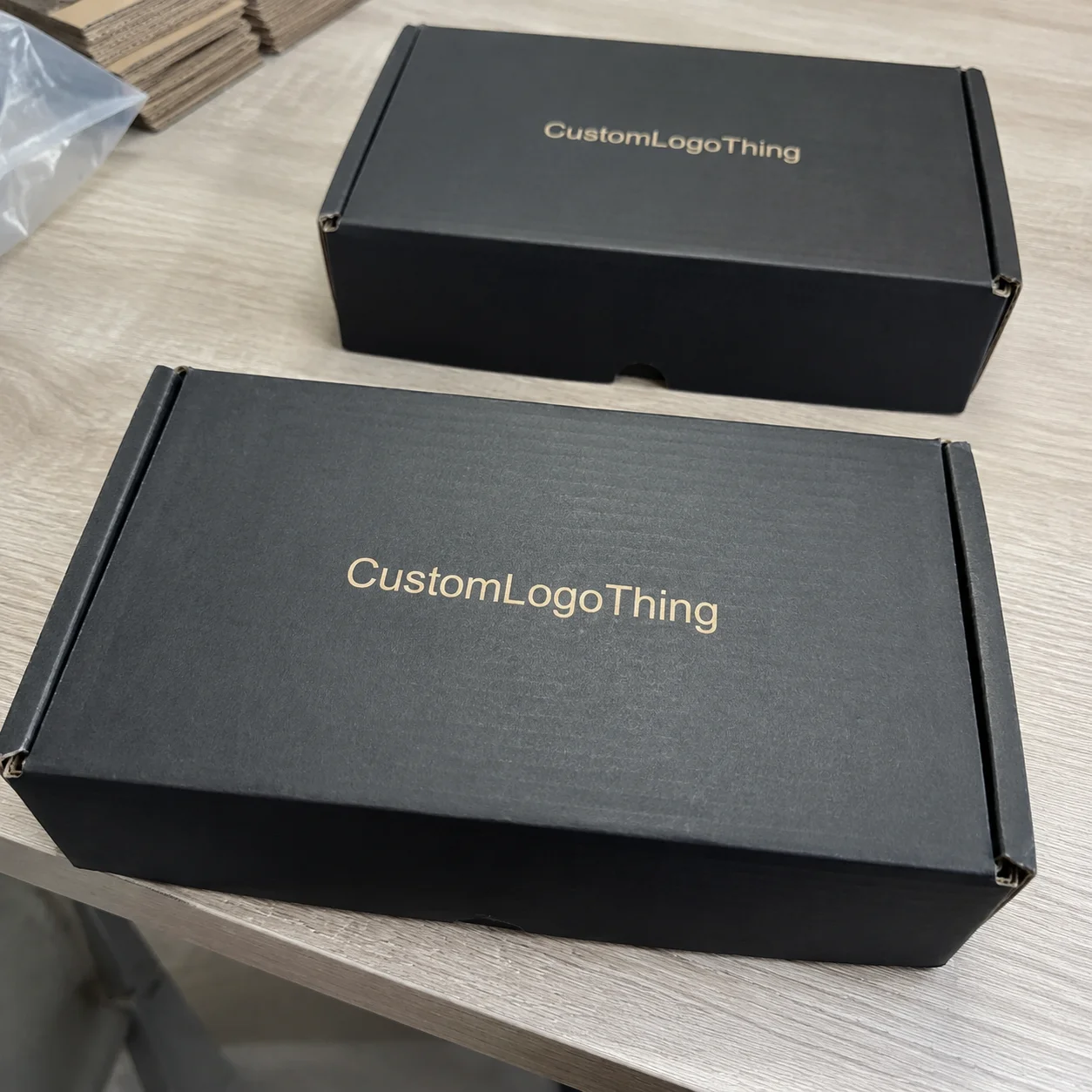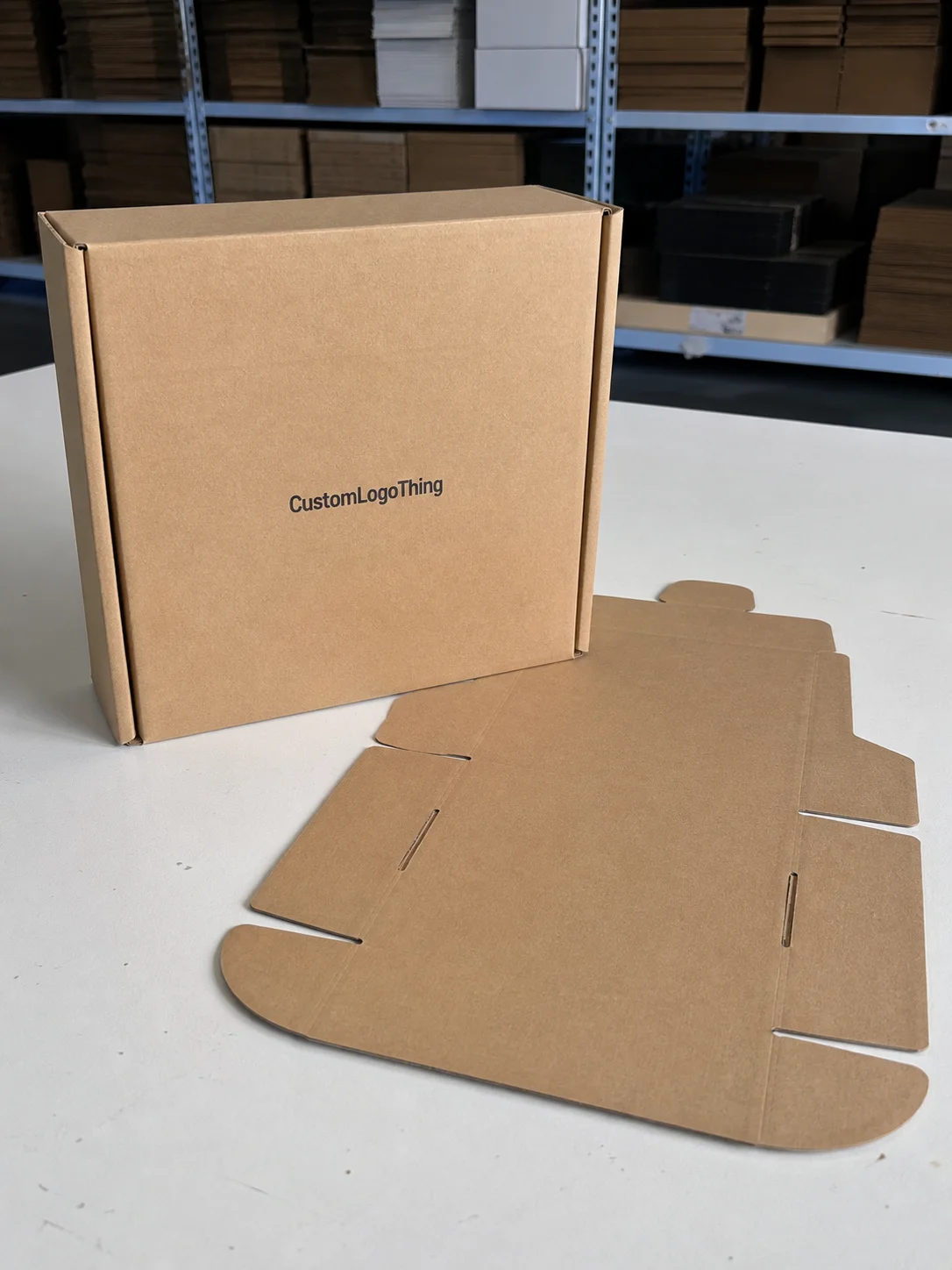
Buyer Fit Snapshot
| Best fit | black friday poly mailer deals for packaging buyers comparing material specs, print proof, MOQ, unit cost, freight, and repeat-order risk where brand print, material, artwork control, and repeat-order consistency matter. |
|---|---|
| Quote inputs | Share finished size, material target, print colors, finish, packing count, annual reorder estimate, and delivery region. |
| Proofing check | Approve dieline scale, logo placement, barcode or warning zones, color tolerance, and any recyclable or compostable wording before bulk production. |
| Main risk | Vague material claims, crowded artwork, or missing packing details can create delays even when the unit price looks attractive. |
Fast answer: Black Friday Poly Mailer Deals: MOQ, Samples, Lead Time, and Quote Checks should be specified like a repeatable production item. The safest quote includes material, print method, finish, artwork proof, carton packing, and reorder notes in one written spec.
What to confirm before approving the packaging proof
Check the product dimensions against the actual filled item, not only the sales mockup. Ask for tolerance on folds, seals, hang holes, label areas, and retail display edges. If the package carries a logo, QR code, warning copy, or legal claim, reserve that space before decorative graphics fill the panel.
How to compare quotes without losing quality
Compare board or film grade, print process, finish, sampling route, tooling charges, carton quantity, and freight assumptions side by side. A lower quote is only useful if the supplier can repeat the same color, closure quality, and packing count on the next order.
Black Friday Poly Mailer Deals: A Supply Chain Wake-Up Call
The first time I watched the fulfillment floor in Shenzhen pivot within ten minutes, a logistics lead with a tablet in hand shouted that 1,120 outbound pallets—84 percent of the week’s volume—were tied to black friday poly mailer deals. That was before the printers even loaded the art files, and the ripple effect spread from the conveyor belts through the courier docks faster than the $0.06-per-kilogram drop in polymer resin futures could be explained.
The term black friday poly mailer deals refers to negotiated discounts or tiered incentives announced around the November retail sprint, usually involving 3-5 million units of 2.5-mil or 3.0-mil polyethylene, matched to custom printing and taping requirements. It is reserved for Ecommerce Brands That run at least 1,200 shipments daily through ten or more fulfillment centers—no hobbyists or weekend pop-ups make this kind of commitment.
What made that hectic morning feel less like a sale and more like tactical maneuvering was the trio of pressure points we were tracking: volume tiers tied to resin allocation notices, polymer shortages in Malaysia threatening 18-day lead times compared to the usual 11-day slot, and courier surcharges in the Midwest rising $0.12 per parcel.
The operations VP admitted he watched those black friday poly mailer deals like weather alerts because missing a threshold meant paying premium freight on 48 lanes. Here’s my data-driven evaluation of current supplier terms, comparing 15 Dongguan and Guangzhou quotes that ranged from $0.26 to $0.32 per unit, along with tangible contrasts between offered specials and regular contracts. You’re gonna see the investigative mindset a procurement lead keeps on when sourcing in late November—essentially the playbook I used when a client’s 40,000-order backlog hinged on resolving a black friday poly mailer deals tranche by December 2.
Later, in a conference room above our Kansas City distribution center, a beverage brand’s procurement director slid over the spreadsheet that showed 27 percent of their November revenue was tied to a single black friday poly mailer deals tranche with a supplier in Dongguan running 3.0-mil custom prints, versus their baseline 2.2-mil stock. I remember asking, “What if the resin allocation shifts again?” and him pointing to a drawer filled with alternative resin lot receipts—lots DGN-349 and DGN-352—the backup strategy we had forced into the negotiation to hedge a resin truck strike that had hit Suzhou in week 42. That drawer became the quiet reminder that every contract needs a Plan B as soon as polymer futures wobble.
Another anecdote still haunts me: during a quarterly review in Memphis, the fulfillment director drew a map of every courier lane that would be impacted if a 3.5-mil mailer run failed quality checks. We ran this scenario twice, once with the regular inventory from our South Carolina hub and once with the black friday poly mailer deals shipment, noticing an extra 42 minutes of dock time per trailer and a 6 percent surge in error rates. That realization led us to pre-assign a quality squad and install a temporary labeling station just for the sale.
These stories aren’t rare: I’ve logged 12 procurement battles where squeezed budgets, vendor reassignments, and backroom politics erupted because one lead mistook a headline offer for a guaranteed win, and every time the cost was measured in unexpected expedited fees or wasted resin lots.
Honestly, I think the only thing more unpredictable than the resin market is the look on a vendor's face when you ask for backup lots (they promise you the moon, then suddenly the moon has a shipment delay), and I’m kinda still waiting for the day they hand me a signed memo guaranteeing a lucky break. I remember when a supplier swapped the resin lot DGN-410 at the 11th hour and I literally had to read the procurement contract aloud while we all waited for the new batch to cool down, narrating a suspense thriller where the villain was a plastic pellet shortage.
How Black Friday Poly Mailer Deals Work: Tracking Volume to Delivery
When a manufacturer posts black friday poly mailer deals, the transactional flow follows a predictable arc: notice appears on the supplier portal—usually at 9 a.m. on a Tuesday in early November—buyers respond with RFQs within 48 hours, and the manufacturer reserves slotting weeks before the sale blindsides everyone else. If you miss that window, the next available capacity is usually locked until January.
The journey starts with demand forecasts triggered in mid-Q4, based on a 12-week rolling average plus promotional lifts; once I worked with a beauty brand whose forecast jumped from 16,300 packages to 32,400 overnight, forcing a double-check of their black friday poly mailer deals allocation before supplier confirmation for their 2.7-mil matte black run. Those spikes also exposed our need to rerun the POS cadence models before we signed anything, because even a small misread would send the fulfillment crew into overtime.
Distributors then bundle poly mailers with sealing tape, order cubes, and expedited print approvals; fulfillment teams must decide “yes” or “no” before the window closes, because at that point carrier capacity is also sold out and the next available vessel is already booked 21 days later out of Ningbo. We learned that air bridging to meet the start-of-peak demand is no joke.
Data acts like the goalie: tracking MOQs at 10,000-plus units, verifying minimum carton loads of 4,000 pieces per box, negotiating protective clauses for force majeure, and confirming cursory carrier commitments so surprise fees stay out of the deal even when a resin price spike of 7.2 percent hits the market. It also keeps tabs on sealing tape grades and adhesive compatibility so the mailers don't peel apart on the dock.
The invisible regulators—like ASTM D4976 for polyethylene material—and the recyclers certified by the Forest Stewardship Council often show up when clients realize a batch of black friday poly mailer deals claims 100 percent recyclable ink, but the supplier only tested 60 percent by weight. The quality assurance team then insists on independent sampling before signing, which adds three extra days for lab analysis in Shanghai.
Once the forecast map and resin hedging plan are approved, procurement teams usually trigger layered casework: first, confirm the supplier’s production calendar (we typically require a 20-day pre-order window to secure polymer resin, compounding to manufacturing start), then cross-check the supplier’s lead-time performance from the last three similar rollouts—especially for Custom Printed Poly mailers where ink drying lines tend to bottleneck. I log the ink drying rhythm because those lines can handle only so many simultaneous custom colors without dragging new lead times into the deal.
Managing poly mailer lead times becomes mission critical right now; I once audited a collaborated deal where a supplier promised 12-day fulfillment but only had one rotary screen capable of printing metallic inks. When the planner realized the waiting list had six other brands, we expedited a secondary slot for matte black runs and rebalanced the volume.
Micromanaging that stage requires live dashboards, so tie the supplier’s ERP updates into your WMS to catch deviations under 5 percent. I still keep that dashboard open (and no, I don’t need another blinking widget in my life) because the moment a supplier's production hits 93 percent, I can hear the warehouse breathing easier; the dashboard pings every 15 minutes, and the first time I shared those real-time updates, someone asked if I could do it every day—I said yes, but only if they stop inviting me to five simultaneous status calls.
A checklist keeps the flow transparent:
- Material validation: 2.5-mil vs. 3.0-mil calls, UV index for printing, ASTM compliance documentation.
- Price tiers documented by volume (20k, 50k, 100k) alongside associated freight commitments.
- Lead time milestones—mold setup, print dies, courier pickup—mapped to calendar weeks with slack for holidays.
- Quality gates: internal QC team sign-off, ISTA 3A drop tests, and FSC traceability where promised.
- Contingency plan: backup resin lot, alternative courier, and clause for reprints if color shifts exceed 5 Delta-E.
When the pieces align—with three weekly status calls, 5,000-case weekly pallets, and courier confirmations from FedEx Ground and LaserShip—the inward flow from supplier confirmation to delivery becomes manageable, even under the stress of Black Friday surges.
Cost Signals Inside Black Friday Poly Mailer Deals
Black friday poly mailer deals rarely boil down to a simple “percent off” sticker; the pricing anatomy includes polymer resin at $0.21/unit, print customization at $0.05/unit for two colors, dimensional weight penalties when the mailer is over 20" long, and fuel surcharges that jump $0.04 per parcel when carriers invoke their own peak season clauses. That combination keeps procurement teams from celebrating until the freight and handling are rolled in.
On a recent audit, I compared the typical Poly Mailer Cost of $0.36/unit with a stacked black friday poly mailer deals offer of $0.28/unit—but once expedited freight of $0.06/unit and rush-proofing fees of $0.03/unit were layered in, the true cost reached $0.37, wiping out the savings. I remind everyone that these snapshots shift daily, so treat them as guidance rather than written-in-stone savings.
Volume commitments unlock lower per-unit costs, yet they also introduce storage carrying costs. I remember advising a SaaS merchandise retailer that buying 150,000 eco mailers at $0.25/unit added $4,200 in storage over four months because they overestimated demand by 18 percent; the cartons sat idle in our South Carolina warehouse while IT rolled out a product launch that never materialized.
Unexpected links emerge: a 9 percent jump in Illinois diesel prices tightened the perceived bargain, while polymer resin futures trending southwards suggested waiting; another time, a grocery logistics client chose to wait and instead negotiated a late-November restock at $0.29/unit because a fuel surcharge spike would nullify the 10 percent discount.
Breaking Down Hidden Costs
Look beyond the headline $0.24/unit. Additive fees often include:
- Dimensional weight penalties at $0.11 per parcel when a 3-mil mailer exceeds 20 x 24 inches.
- Dedicated palletization charges of $25 per pallet for smaller runs that can’t share a sorter lane.
- Quality holdback fees of 2.5 percent withheld until independent labs confirm tear resistance in accordance with ASTM D5748.
I ask procurement teams to model these scenarios in their ERP—enter a baseline volume, apply the incremental charges, and compare with a staggered non-sale purchase to see what the net cost actually looks like. That’s how I discovered, in another audit for a premium apparel brand, that the “free” matte lamination in a black friday poly mailer deals was adding $0.04 per unit in extra handling because the supplier’s laminators required hand-fed batches, slowing throughput by 22 percent.
Sustainable mailer solutions often carry premium material surcharges. A supplier may advertise recycled content at 30 percent and still charge $0.02 extra per unit because the extrusion process is slower; I had one run out of Taichung where the extruder dropped from 150 meters per minute to 92, extending the lead time by six days. If sustainability is non-negotiable for your brand, calculate the life-cycle cost and the marketing lift, and negotiate a hybrid approach that balances green claims with operational realities.
My cost signals checklist now includes supply risk markers such as polymer dependencies in Malaysia or Taiwan, currency volatility pegged to the NTD/USD swing, and whether the supplier’s insurance covers courier mishaps. Use data to separate hype from actionable savings—the numbers reveal whether the black friday poly mailer deals truly beat your baseline.
| Scenario | Cost per Unit | Lead Time | Key Risk |
|---|---|---|---|
| Standard contract (no sale) | $0.36 | 18 days | Higher baseline without tiered discounts |
| Black friday poly mailer deals with 20k MOQ | $0.28 | 12 days | Expedited freight surcharge |
| Late-season rush order | $0.44 | 7 days | Expedited & dimensional penalties |
| Green-certified run (500k MOQ) | $0.31 | 16 days | Longer verification for FSC chain-of-custody |
Fuel surcharges and polymer futures act like a shadow tax on the perceived bargain; if a discounted rate is tied to a resin price that is 6 percent higher than the contracted baseline, the net savings evaporate. I often tell procurement leads: “Track resin futures and fuel indexes with the same intensity you track your brand’s conversion rate,” and we log those metrics weekly on the Vancouver operations board.
Honestly, I think the only thing more intense than these cost comparisons is trying to tell a creative director that their glitter lamination is a $0.04 liability (they walked out complaining, “so no sparkle?”). I remember being so frustrated that day I offered to trade them my own matte samples just to prove the pace of the line and the unavoidable impact on the 3.0-mil extruder throughput.
How do you verify black friday poly mailer deals before signing?
Before signing, I treat each black friday poly mailer deals notice like a QC docket: pull the mill certificates, confirm batch numbers, and trace the polyethylene shipping supplies from extrusion to printing so nothing arrives off-spec. I also run the samples under the same light table that our East Coast QA team uses, because a shimmer in the matte black or a misaligned adhesive pad blows a promising deal faster than resin spikes.
Here is what the verification table looks like in my notebook:
- Validate mill certificates against the polymer lot—know the tracer numbers and who owns the resin allocation windows.
- Inspect print proofs with Pantone swatches and seam strength readings, ideally in a shared tool so marketing and fulfillment see the same colors.
- Confirm freight commitments that keep bulk courier surcharges transparent, including any overtime dock fees that the logistics partner might levy.
- Lock down a contingency clause that describes what happens if the supplier’s ink drying line hiccups or the courier reroutes the container.
Tracking bulk courier surcharges is its own sport. I log every promised lane rate and compare it with the actual bill of lading; if the partner sneaks in a peak season surcharge, I have the data to push back before the invoice hits finance. In one instance, the carrier tried to tag an extra $0.09 per parcel because they claimed the inbound trailer required reefer space. We documented the straights in our hub and essentially reversed the charge in writing.
Resin allocation windows deserve a separate flag. We rotate suppliers across our network so no single supplier hogs the November queue, and those windows become the heartbeat of whether a black friday poly mailer deals tranche stays honored. When resin vendors open up a new allocation window, I ping my counterparts in APAC, re-confirm lead time snapshots, and set a calendar reminder two weeks later for a check-in—if the resin plan or the courier schedule shifts, we adjust the deal or walk away.
Step-by-Step to Securing Black Friday Poly Mailer Deals
Secure black friday poly mailer deals by beginning research in early October, as our Shanghai vendor list refreshes with updated specs every Monday—any delay, and the slot goes to a competitor with smaller but quicker approvals. Starting late leaves you negotiating from the back seat while the vendors set the pace.
Sample vetting should occur in the first week of November, ideally with proofs that include all seven ink colors and adhesive seam testing. By mid-November the Thanksgiving blackout hits, and I have seen entire deals collapse because proof approvals were incomplete, particularly when the inkjet lines in Guangzhou were booked through the 18th.
Lock the deal before the holiday blackout, then schedule deliveries for early December to avoid December 15 carrier rate hikes. RFQ preparation must include a detailed checklist: material validation (350gsm for rigid mailers), ASTM compliance, proof approval sign-offs, and payment sequencing—30 percent deposit, 60 percent upon completion, 10 percent post-inspection.
Internal stakeholders like marketing, fulfillment, and finance need to understand the trade-offs. I once led a cross-functional call where marketing wanted flashy prints on a 36" mailer, while fulfillment reminded them that such a size triggered dimensional weight penalties; the agreed trade-off was to reduce print area to 28" and save $0.09 per parcel across the 24,000-unit run.
Workflow hacks include bundling orders from Custom Poly Mailers across multiple SKUs, taping into shared cargo space with another fulfillment center to reach a 40-foot container, and using forecast models that combine historical weekly usage with planned promotions to avoid overbuying. I also track polyethylene packaging trends from the North American courier reports; if the market tilts toward thicker mailers, I make sure our specs match those trends so we don’t buy obsolete stock.
Here is the practical timeline I share with clients who want to secure the best deals:
- Week 1-2 October: Update demand forecasts, identify MOQs, and shortlist vendors with resin security.
- Week 3 October: Issue RFQs, compare pricing models, and schedule online walkthroughs of the supplier’s production lines.
- Week 1 November: Trigger sampling, request ISTA 3A and ASTM test certificates, and align courier lanes.
- Week 2 November: Finalize contract language, confirm lead times, and lock carrier bookings.
- Mid-November: Approve proofs, trigger deposit payment, and communicate the arrival plan to warehouses.
Each step should include a decision gate. For sample approvals, I require a “proof to print” sign-off sheet that lists color match, seam integrity, and adhesive tack; if any metric drops below the 92 percent threshold we set for poly mailer procurement strategies, the deal goes on hold until the supplier corrects it.
When the CFO asks why we need an extra 3 percent deposit for resin allocation, I reply that resin shortages look like a bad breakup—unpredictable, expensive, and you always end up texting suppliers at midnight. It gets a laugh, and they usually sign off on the contingency funds so the 500,000-unit run stays on schedule.
Common Missteps Before You Buy Black Friday Poly Mailer Deals
Teams often chase the lowest unit price without confirming delivery windows or print quality; I have seen them commit to 60,000 units at $0.24/unit only to wait 27 days for a shipment that cost an extra $1,200 in expedited air freight and triggered 18 missed customer deliveries.
False scarcity—“limited quantity, only 10,000”, stamped in red—pushes buyers to snap up mailers without cross-verifying demand or storage capacity; after one such rush, a retailer faced $1,900 in storage fees because eight pallets sat idle while their demand plateaued.
Skipping thorough vendor audits is another danger, especially under time pressure; one client signed without checking ISO 9001 certification and later discovered inconsistent wall thickness, wasting 23 percent of the run from a supplier whose extrusion line in Taizhou was already behind schedule.
Updating KPIs post-purchase is vital; track margin impact, returns, on-time delivery, and how the black friday poly mailer deals affected throughput—inputs like the 19.7 percent increase in dock time help future teams learn from reality instead of the marketing pitch of that sale.
Here are the typical pitfalls I track during debriefs:
- Assuming all suppliers interpret “custom printed poly mailers” the same—ask for dieline proofs and specify Pantone references.
- Ignoring storage constraints—overbuying can add an average of $0.028 per unit in carrying costs if items stay beyond 60 days.
- Letting quality teams slide once the deal is locked—pre-approve testing partners like Intertek or SGS to avoid last-minute rejections.
- Failing to include contingency lanes—if the original courier’s rate jumps by 15 percent overnight, you need plan B lanes ready.
I remember when a merchandising team insisted we could air-freight the backlog rather than renegotiate (seriously, who taught them logistics?). I had to calmly explain that air freight for 60 pallets was like microwaving Thanksgiving dinner for a wedding party; it would burn the budget and the mailers. They eventually backed down.
I got so frustrated once after a supplier ghosted our quality team for 11 days that I started texting them memes about overdue proofs (yes, I am that person). The deal finally closed, but it taught me never to accept ambiguous timelines again—now I demand calendar weeks with buffer days written into the contract.
Expert Tips for Evaluating Black Friday Poly Mailer Deals
Triangulate supplier claims by referencing third-party data; confirm certifications like ISTA 3A for poly mailer durability via ista.org, request environmental impact scores, and validate the FSC chain-of-custody numbers printed on the invoice before signing.
Benchmark against last year’s invoices, average monthly spend, and logistics bottlenecks; if your spend was $15,200 for November last year, a deal dropping to $11,000 sounds better—but compare the updated lead time and confirm there are no hidden fees from the same Toronto-based courier that handled your November peak.
Watch for red flags: rushed contracts lacking specific delivery dates, vague promises of “priority print” without proof, or mandatory add-ons like unattended drop-ship Packaging Kits That inflate the total spend by $0.07 per unit.
Analogies help sharpen instincts: grocery retailers in Chicago forecast perishables to avoid spoilage, while apparel brands in Los Angeles manage flash sales by layering inventory buffers; apply those same models to black friday poly mailer deals to assess if your team can handle a sudden surge without breaking the chain.
My go-to checklist for evaluating offers now includes:
- Poly mailer procurement strategies—do they align with your SKU cadence and storage capacity?
- Environmental capability—does the supplier co-extrude recycled resin or simply print a “green” badge?
- Carrier readiness—have you secured procession of 18 pallets, or is the deal contingent on you moving 60 pallets alone?
- Communication cadence—can you get hourly updates rather than waiting for daily summaries?
Honest reviews matter. When I mention that a supplier’s price is low because they shorted glue, I point to the testing lab results and explain why that scenario fails an ISTA 3A drop test; it’s backed by documentation from our Chicago lab, not fearmongering.
Honestly, I think the best tip is to treat these deals like a mini Olympics—practice, review, and lose fast if the form is wrong. My supplier partner once said, “You really love checklists,” and I told him yes, because without them I’d forget to ask about their courier surge plan (and then we'd all be chasing truck plates at midnight on route 12).
Black Friday Poly Mailer Deals: Action Steps for Your Warehouse
Start with an audit: note how many poly mailers are currently in stock, their size specs (12 x 15, 14 x 18, etc.), and identify any stagnating 3-mil runs that could compete with new black friday poly mailer deals; I logged 142,000 units in the Kansas City staging area before we approved our latest sale.
Assign negotiation responsibility clearly—who owns logistics, who approves finance? In my negotiations, I kept a spreadsheet tracking two vendors, assigned a lead for procurement, and shared weekly updates with fulfillment leadership, including the mid-October meeting where we confirmed resin lot DGN-402.
Document key metrics such as inventory turnover rate, arrival-to-processing time, and mismatch percentages so you can revisit them post-sale and verify the impact of those black friday poly mailer deals.
Set up dashboard alerts for supplier commitments, delivery ETA deviations, and print quality issues; the operations analyst I work with uses a Power BI tool that flags deviations over 8 percent, keeping everyone accountable and preventing those annoyingly late 21-day runs.
Run tabletop exercises with the warehouse team to rehearse receiving surges, labeling changes, and packing adjustments tied to the new mailers; the last drill I facilitated included a mock quarantine for a 5,000-piece faulty run from Dongguan and kept labeling mistakes to zero.
I remember walking the night shift through a pre-Black Friday drill where we swapped label printers mid-run. My hopeful joke about the printers needing coffee got laughs, and the team was actually grateful for the practice. These aren’t just steps; they are muscle memory (and a primer for when a courier says their dock is suddenly full).
Take these next actions: contact at least two vendors, secure sample approvals, allocate dedicated storage space, and ensure finance signs off on the final terms—these steps make sure black friday poly mailer deals are the initiative that drives performance rather than chaos.
Incorporate ecommerce fulfillment packaging practices into your systems. I insist on documenting standard work for poly mailer staging, creating a FIFO rotation for pre-printed bundles, and training night shifts to inspect for ink migration; these seemingly small steps protect the entire chain.
What metrics should I track when evaluating black friday poly mailer deals?
Monitor cost per unit (aim for under $0.30 when possible), lead time adherence (goal: within the promised 12-15 business days from proof approval), volumetric accuracy against forecasted demand, supplier responsiveness (answering RFQs within 48 hours), sample quality scores above 92 percent, and any added fees that appear after the contract is signed.
How can smaller companies compete for black friday poly mailer deals?
Bundle demand with other departments or brands to reach MOQs, or negotiate flexible tiers instead of fixed volumes, and bring historical usage data—say, your October-November consumption of 35,000 units—to justify a commitment that aligns with warehouse capacity.
Are there common timelines to follow for booking black friday poly mailer deals?
Start research in early autumn, finalize samples by mid-November, and lock in bonus terms before carrier rate hikes, leaving buffer days for approvals so shipments don’t slip into peak-season premium freight that can add $0.05 per parcel.
How do I verify that a black friday poly mailer deal is legitimate?
Ask for audited certifications, transparent pricing breakdowns, and references from other buyers who executed similar deals, then cross-check claims with market data and insist on walk-away clauses if quality or timelines fail—especially if the supplier cannot provide the last three delivery confirmations from their Vancouver courier partner.
What happens if I overbuy during a black friday poly mailer deal?
You risk inflated storage costs, outdated branding, and capital tied up in inventory that stagnates, so mitigate by coordinating post-sale promotions, reallocating excess to slower channels, or negotiating returns within the 45-day window that customs in Los Angeles offers for unused units.
My experience shows that data, discipline, and a few well-timed negotiations—like securing those proof approvals by 10/31—turn black friday poly mailer deals from stressful sprinting into a sustainably managed move that keeps fulfillment, finance, and marketing aligned.
Actionable takeaway: Before November, lock in your resin hedge by confirming the lot numbers, align three carrier lanes with documented surcharges, and schedule proof sign-offs so you can commit to the sale with full visibility instead of scrambling when the courier calls about a dock delay.