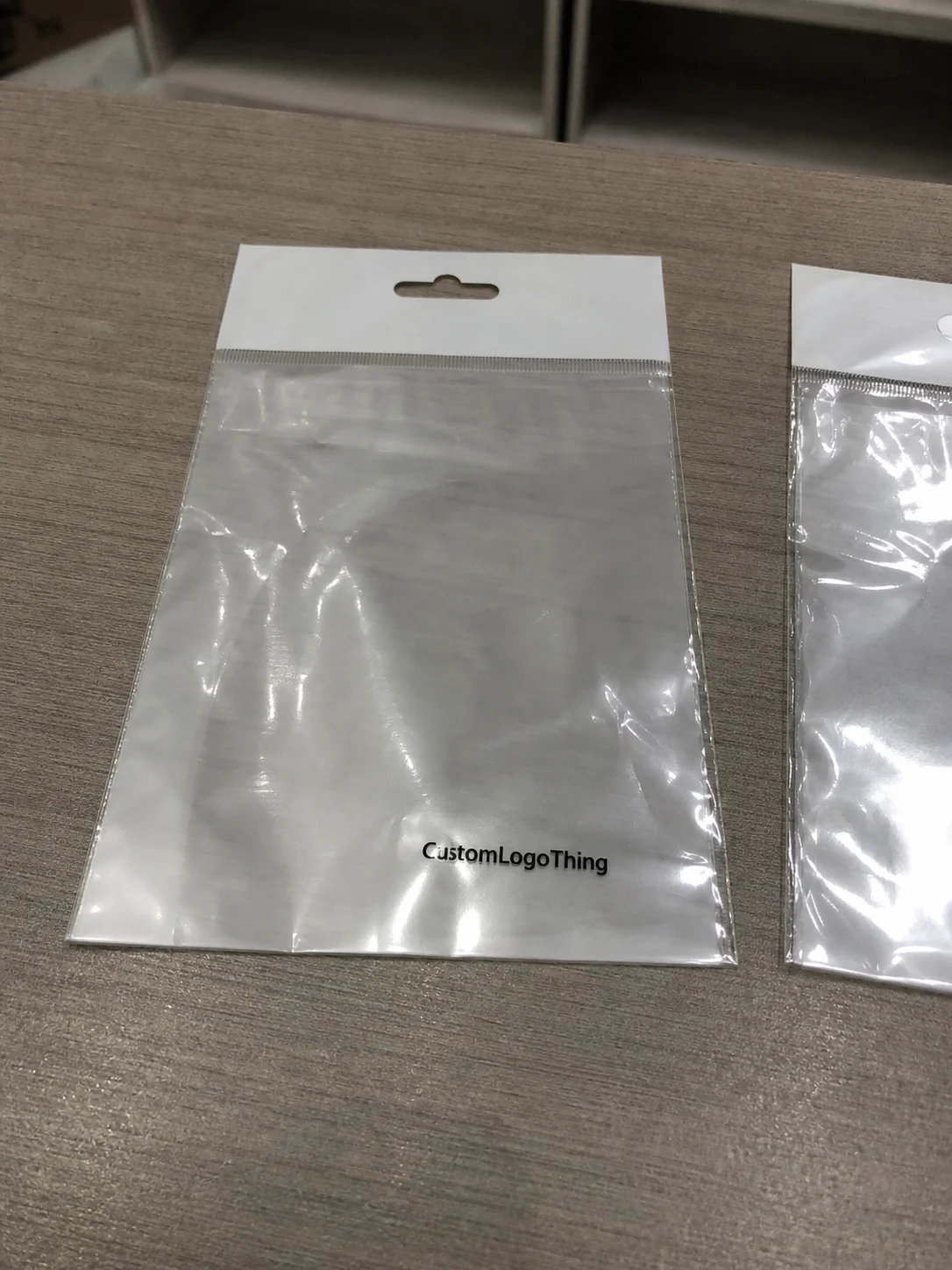
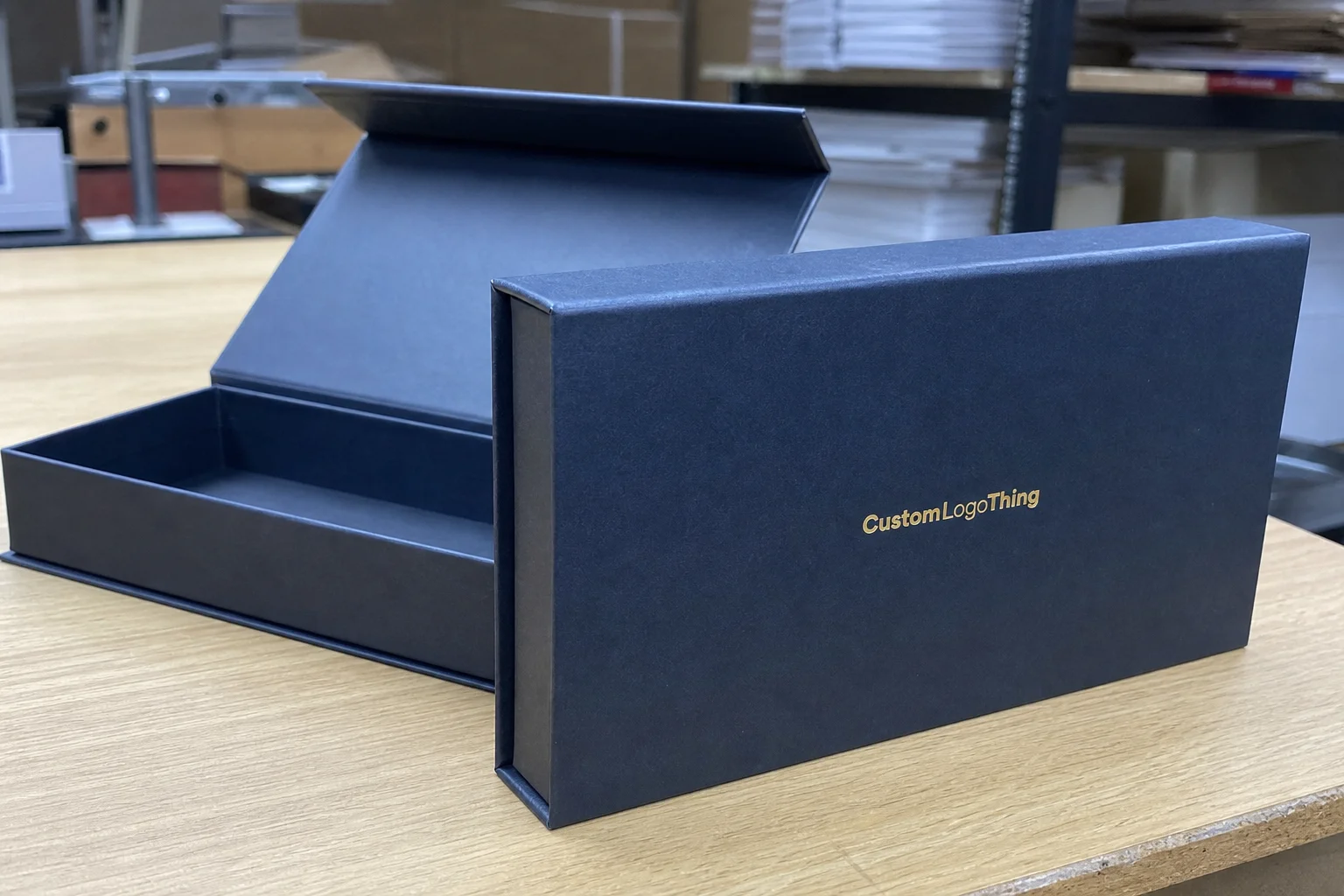
For home fragrance brands, Waterproof Apparel Mailers unit cost for home fragrance brands is not a narrow procurement question. It sits at the intersection of margin, damage prevention, and presentation. A mailer that blocks damp warehouse air, condensation, and minor transit moisture can protect candles, reed diffusers, room sprays, insert cards, and tissue from arriving warped or stained.
That matters because moisture damage rarely stops at one ruined pack. It can trigger reprints, refunds, extra customer service time, and a weaker first impression that quietly drags down repeat purchase rates. If packaging arrives with buckled inserts or a musty outer bag, the brand feels less premium, even when the product itself is fine. So the real question is not whether waterproof mailers cost more. It is whether the extra cents protect enough value to justify the spend.
From a buyer’s angle, the comparison is straightforward: standard poly mailers are fine for dry, low-risk shipments, while Waterproof Apparel Mailers add a stronger moisture barrier and a cleaner retail look. For DTC subscriptions, sampler programs, and bundled textile add-ons, that protection can be worth more than the incremental unit price.
Why Home Fragrance Brands Pay for Waterproof Mailers
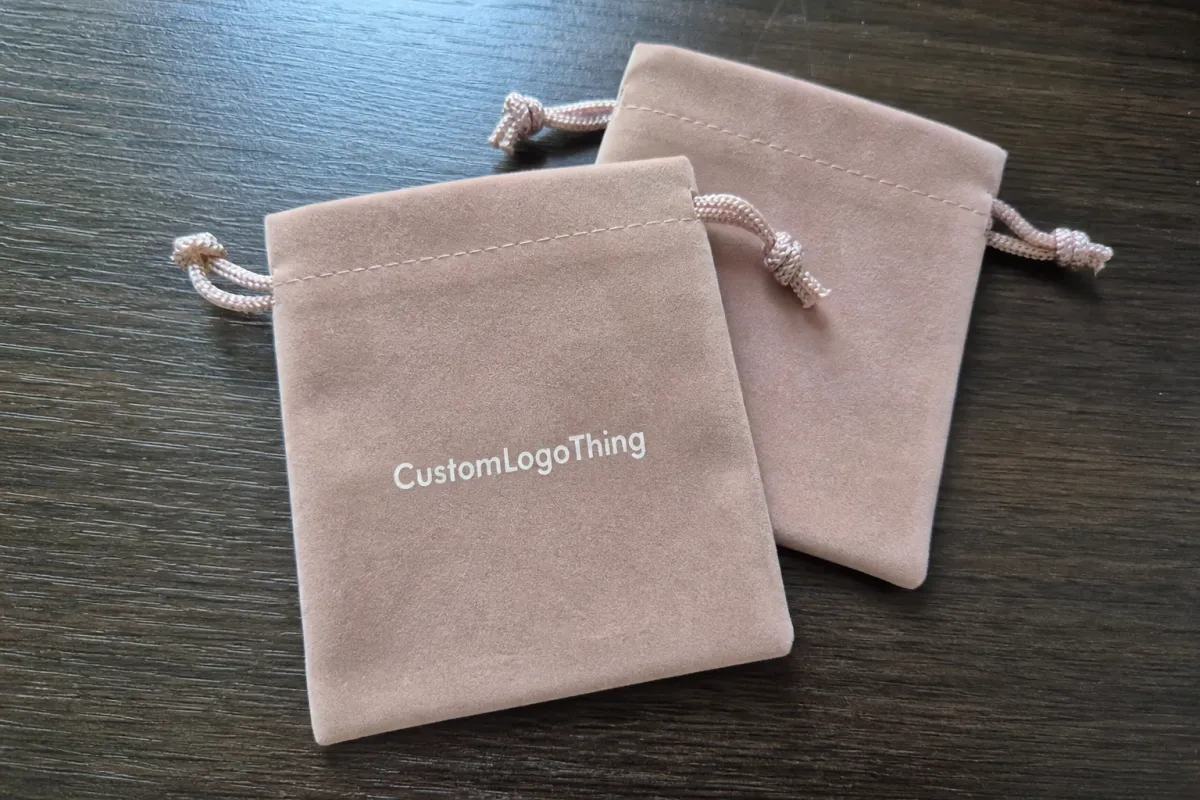
Home fragrance looks delicate because it is delicate. Labels scuff. Insert cards curl. Kraft sleeves stain if they sit in a humid staging area. Candle cartons and room spray kits often pass through distribution points where condensation is invisible until the package is opened. A regular mailer may survive the trip, but it may not preserve the look of the shipment.
That is the main reason brands study waterproof apparel Mailers Unit Cost for home fragrance brands. They are buying protection for the packaging system, not just the contents. In practice, the cost of one reprint run or one batch of customer complaints can wipe out the savings from choosing a lower-spec mailer.
There is also a shelf effect. Even when a package goes direct to consumer, the outer mailer is part of the brand experience. A clean, well-printed waterproof mailer keeps the unboxing tidy. It also helps when inventory sits for longer periods in humid environments. If your fulfillment partner stages shipments near dock doors or in temperature swings, moisture resistance stops being a nice-to-have feature and becomes part of basic quality control.
For light retail goods, the buyer comparison usually falls into three buckets:
- Standard poly mailers for dry apparel or low-risk samples.
- Waterproof apparel mailers for products needing stronger moisture protection and better print presentation.
- Mailer-plus-inner-pack systems for fragile or liquid-heavy fragrance products.
That last option matters. A waterproof outer mailer does not replace internal cushioning for glass bottles or heavy jars. But for lightweight home fragrance kits, sachets, gift sets, and textile add-ons, it can be the right outer layer at a sensible cost.
If you want to benchmark packaging options across formats, Custom Logo Things also covers broader Custom Packaging Products and related Custom Poly Mailers for brands comparing mailer structures.
“The cheapest unit price is often the expensive choice once returns, reprints, and damaged presentation are counted.”
That is the right frame for the rest of the discussion. A mailer choice should be judged on landed cost, defect risk, and brand perception together.
Mailer Construction, Barrier Layer, and Print Options
Most Waterproof Apparel Mailers are built from LDPE or a co-extruded film structure. The material may look basic, but the details matter: seal quality, seam strength, film gauge, and closure design all affect performance. A glossy exterior can look premium, yet gloss alone does not make a mailer waterproof. Seal integrity does.
When a supplier says “waterproof,” ask what that means in practical terms. Does the film resist water exposure, or does the closure also keep moisture from entering during transit? With mailers, the weak point is usually the seam or adhesive flap, not the film face. A consistent seal width and reliable closure often matter more than a decorative finish.
For home fragrance brands, print options shape perceived value as much as the barrier layer. One-color branding can keep cost per piece low while still looking deliberate. Full-coverage print raises visibility and can improve shelf impact, but it also adds ink coverage, setup time, and sometimes tighter registration requirements. Matte film tends to read more premium and less plasticky. Gloss is brighter and can support stronger color contrast.
Useful add-ons include:
- Tear strips for easier opening.
- Dual adhesive strips for return use.
- Tamper-evident seals for security-sensitive shipments.
- Custom sizing for boxed fragrance kits or sample bundles.
Apparel mailers are not limited to apparel. They can be adapted for candles in carton sleeves, textile gift sets, or non-fragile fragrance accessories if the dimensions and film strength match the shipment. If your pack is heavy or has sharp corners, the supplier should confirm whether the seam design and gauge are sufficient. Not every “waterproof” mailer is strong enough for every use case.
What print changes do to cost
Each added color can increase setup charges or plate costs, depending on the print process. Full-coverage printing often changes drying time and may raise waste in early production runs. A single-color logo on a standard white or translucent mailer is usually the most efficient route when the goal is functional branding rather than a highly decorative finish.
For brands comparing options across packaging formats, it helps to review sample execution and ask for a proof that shows edge quality, closure alignment, and color consistency under warehouse lighting. Those are the details buyers see first, and the ones operators notice when a run starts moving through fulfillment.
| Mailer Type | Typical Use | Relative Unit Cost | Protection Level | Brand Presentation |
|---|---|---|---|---|
| Standard poly mailer | Dry apparel, low-risk samples | Lowest | Basic moisture resistance | Simple |
| Waterproof apparel mailer | DTC fragrance kits, textile add-ons, subscription packs | Moderate | Strong moisture barrier | Clean and premium |
| Mailer plus inner protection | Glass, liquid-heavy items, fragile sets | Higher | Highest system protection | Depends on inner pack design |
For procurement teams, the point is not to buy the most expensive structure. It is to match barrier performance to the actual risk profile of the product.
Specifications That Affect Protection and Brand Perception
Specification control is where many packaging budgets get lost. A buyer sees two mailers that look similar, then discovers one is 60 microns and the other is 90 microns, with very different unit cost and shipping performance. Thickness affects puncture resistance, seam strength, and feel. It also affects freight weight. Overspecifying by habit can push spend up without improving results.
Before ordering, verify these points:
- Thickness in microns or mils.
- Dimensions matched to the filled pack.
- Seal width and adhesion quality.
- Opacity if product privacy matters.
- Puncture resistance for corners and edges.
- Print registration tolerance for logos and repeat graphics.
For home fragrance SKUs, the right sizing strategy often splits into four groups: single-item mailers, sample packs, bundle mailers, and replenishment shipments. A reed diffuser refill may fit a slim format. A candle-and-match set may need a wider mailer. A subscription pack can justify a slightly larger size if it simplifies picking and packing at the fulfillment center.
Warehouse conditions matter more than many brand teams expect. Humid storage can make some films clingy, which slows packing and frustrates operators. Static can also cause stacked mailers to separate inconsistently. If the mailer is machine inserted or semi-automated, ask whether the film behaves well in your fulfillment workflow. A low unit cost is not useful if the line jams or slows down every afternoon.
If the fragrance product includes glass or liquid, treat the waterproof mailer as an outer shipper, not the primary protective system. That distinction matters for damage claims and for compliance with carrier handling expectations. For performance-sensitive shipments, many brands test against recognized methods such as ISTA transit procedures. You can review relevant packaging standards and testing guidance through the ISTA site.
For companies that want to keep branding tight without overbuilding the structure, a modest gauge with accurate sizing often beats a thick bag that wastes material. The goal is fit, not excess.
Waterproof Apparel Mailers Unit Cost, MOQ, and Pricing Drivers
Here is the core buying question: what actually drives Waterproof Apparel Mailers unit cost for home fragrance brands? The answer is a stack of variables, and quotes can look inconsistent even when the product appears similar.
Start with the obvious drivers. Film thickness affects resin usage. Dimensions affect material yield. Print coverage affects ink use and setup complexity. Finish changes perception and sometimes process time. Closure style adds or subtracts cost. Quantity tier changes everything because overhead is spread across more or fewer units.
As a practical range, stock-style mailers or lightly customized runs can often fall around $0.12-$0.24 per unit at higher quantities, while custom printed or heavier-gauge options may sit closer to $0.18-$0.40 per unit or more depending on print coverage, size, and freight. Lower quantities usually move the number up. Higher quantities usually pull it down. The exact break depends on the factory, material market, and whether you need features such as dual adhesive strips or tamper evidence.
MOQ is the other big lever. A factory may quote a better unit price at 10,000 pieces than at 3,000 pieces because tooling, plates, make-ready time, and inspection overhead are distributed differently. If your program is small, ask whether there is a stock base with custom printing rather than a fully custom structure. That can reduce tooling fees and make the project more viable.
Use this comparison framework when reviewing quotes:
| Cost Element | What It Covers | Buyer Impact |
|---|---|---|
| Ex-works unit price | Factory price before freight and duty | Useful for comparing suppliers, but incomplete |
| Decoration cost | Print, plates, and setup charges | Raises cost on lower-volume runs |
| Freight | Air, sea, or ground transport | Can reshape landed cost quickly |
| Duty and brokerage | Import-related charges | Varies by destination and classification |
| Warehousing | Storage and fulfillment handling | Important for seasonal or subscription stock |
That is why buyers should ask for landed-cost estimates, not just headline pricing. A lower ex-works rate can be erased by expensive freight, high defect rates, or extra rework after approval issues. If you need a benchmark for packaging economics, Custom Logo Things’ Case Studies page can help you see how packaging choices translate into production decisions.
In simple terms, the best quote is the one that balances unit cost, reliability, and presentation. Cheap mailers that fail in use are not cheap.
Process and Timeline From Artwork to Delivery
The production path is straightforward, but mistakes tend to happen early. A typical flow is: inquiry, spec confirmation, size selection, artwork prep, proofing, sampling, production, inspection, and shipment. The smoother your inputs, the cleaner the result.
Stock mailers move faster. Custom printed mailers take longer because the factory has to confirm artwork, prepare plates or print files, and schedule production around other jobs. A realistic expectation is often 12-15 business days after proof approval for simpler custom runs, with added time for sampling, freight booking, and customs clearance if the order is imported. More complex print work, larger sizes, or tighter quality requirements can extend the timeline.
Delays usually come from the buyer side. Low-resolution artwork is common. So is changing dimensions after proof approval. Both create extra rounds of revision that push out the schedule. If the launch is tied to a holiday drop, a refill campaign, or a subscription reset, that delay can become expensive fast.
Before requesting a quote, send the supplier this information:
- Final product dimensions or packed size.
- Target quantity and reorder expectation.
- Print colors and logo files.
- Finish preference: matte or gloss.
- Closure type: standard flap, dual adhesive, or tamper-evident.
- Required delivery date and destination.
Freight method also changes the timeline. Air is faster but raises landed cost. Ocean is cheaper per unit at scale, but it requires more planning and inventory discipline. If the order supports a seasonal campaign, shipping method should be decided before production starts, not after.
For packaging specs that need formal performance attention, the Institute of Packaging Professionals is a useful reference point for industry practice and terminology. That kind of reference keeps buyer and supplier speaking the same language.
One more operational point: request a pre-production sample when the mailer will be handling fragrance kits with inserts, cards, or mixed SKUs. A spec sheet cannot show how the pack feels in the hand or how the closure behaves after repeated folding.
What Makes a Supplier Worth Ordering From
Supplier value shows up in measurable details. Good gauge control. Accurate print. Low defect rates. Clear pricing. Fast answers. If a vendor cannot explain the difference between a sample approval and a production standard, that is a warning sign.
Sample quality matters because small defects become large problems at scale. A slightly weak seam may pass on ten pieces and fail on ten thousand. A color shift that looks minor on screen may look obvious once the mailers are stacked in a fulfillment area. Proof approval is not a formality. It is the point where the buyer locks in the standard.
For home fragrance brands, a supplier is more valuable if they can recommend the right structure for adjacent products too. That includes gift sets, textile add-ons, sachets, and promotional kits. A supplier who understands packaging use cases can usually suggest where a lower-cost mailer will do the job and where a stronger build is worth the extra spend.
Trust is an operations issue. Reliable suppliers reduce chargebacks, missed launch dates, and customer complaints. They also tend to be more transparent about bulk pricing, lead time, and the trade-off between a lower quote and a better specification. That transparency is often the difference between a one-time order and a stable replenishment program.
If you are comparing suppliers, ask these questions:
- What is the defect tolerance on the finished run?
- What is included in the quoted unit price?
- Are plates, tooling, and setup charges separate?
- Can they supply a physical sample before mass production?
- What inspection method is used before shipment?
For brands that want to keep a broader view of packaging sourcing, Custom Logo Things’ Custom Packaging Products page is a useful starting point for comparing formats and print methods.
Order the Right Mailer: Samples, Quote Details, and Next Steps
If you are ready to move, start with the numbers. Gather product dimensions, target shipment weight, brand requirements, and annual volume. That gives a supplier enough information to quote the right structure instead of guessing. If the fragrance product ships with cartons, inserts, or fabric accessories, include photos. Visual context helps the supplier size the mailer more accurately.
Always order samples. Check seal strength, print clarity, closure alignment, and fit with the actual pack. A mailer that looks perfect on a spec sheet may feel too tight once the product is inserted. Or the opposite: too loose, which looks cheap and creates movement during shipment.
Ask for at least two thickness options and two quantity tiers in the same quote. That makes the waterproof apparel mailers unit cost for home fragrance brands easier to compare against real business needs. Sometimes the slightly thicker mailer is the better buy because it reduces damage. Sometimes the lighter version wins because the product is already well protected inside.
Before approving production, compare:
- MOQ
- Unit cost
- Freight
- Lead time
- Sample performance
- Willingness to support reorders
That checklist is more useful than a spreadsheet full of vague “premium” labels. It turns packaging into a procurement decision that can be defended with numbers.
Custom logo packaging should support the product, not fight it. For moisture-sensitive fragrance shipments, the right mailer keeps presentation intact, reduces avoidable losses, and gives the brand a cleaner arrival experience. If the quote makes sense, the sample passes, and the landed cost stays within margin, then the decision gets easier. Confirm the waterproof apparel mailers unit cost for home fragrance brands against real shipping conditions, then move into sampling and order placement with the data in hand.
FAQ
What affects waterproof apparel mailers unit cost for home fragrance brands the most?
The biggest drivers are film thickness, size, print coverage, finish, and order quantity. Freight, duty, and packaging configuration can also move the landed cost enough to affect margin.
Can home fragrance products use waterproof apparel mailers instead of boxes?
Yes, for lightweight SKUs, samples, and bundled textiles or accessories, but only if the product is protected well enough inside. Fragile glass or liquid-heavy items may still need internal cushioning or a stronger outer system.
What MOQ should I expect for custom waterproof mailers?
MOQ varies by factory, print method, and size, but custom orders usually require more than stock items. Lower quantities often increase unit cost because setup and production overhead are spread across fewer pieces.
How long does production usually take after artwork approval?
Timing depends on customization level, proof approval, and factory capacity. Stock styles move faster; custom printed mailers usually need additional time for setup, production, inspection, and shipping.
What should I send when requesting a quote for waterproof apparel mailers?
Provide dimensions, target quantity, print details, finish preference, closure type, and shipping destination. If possible, include sample photos of the product or retail pack so the supplier can recommend the right fit.