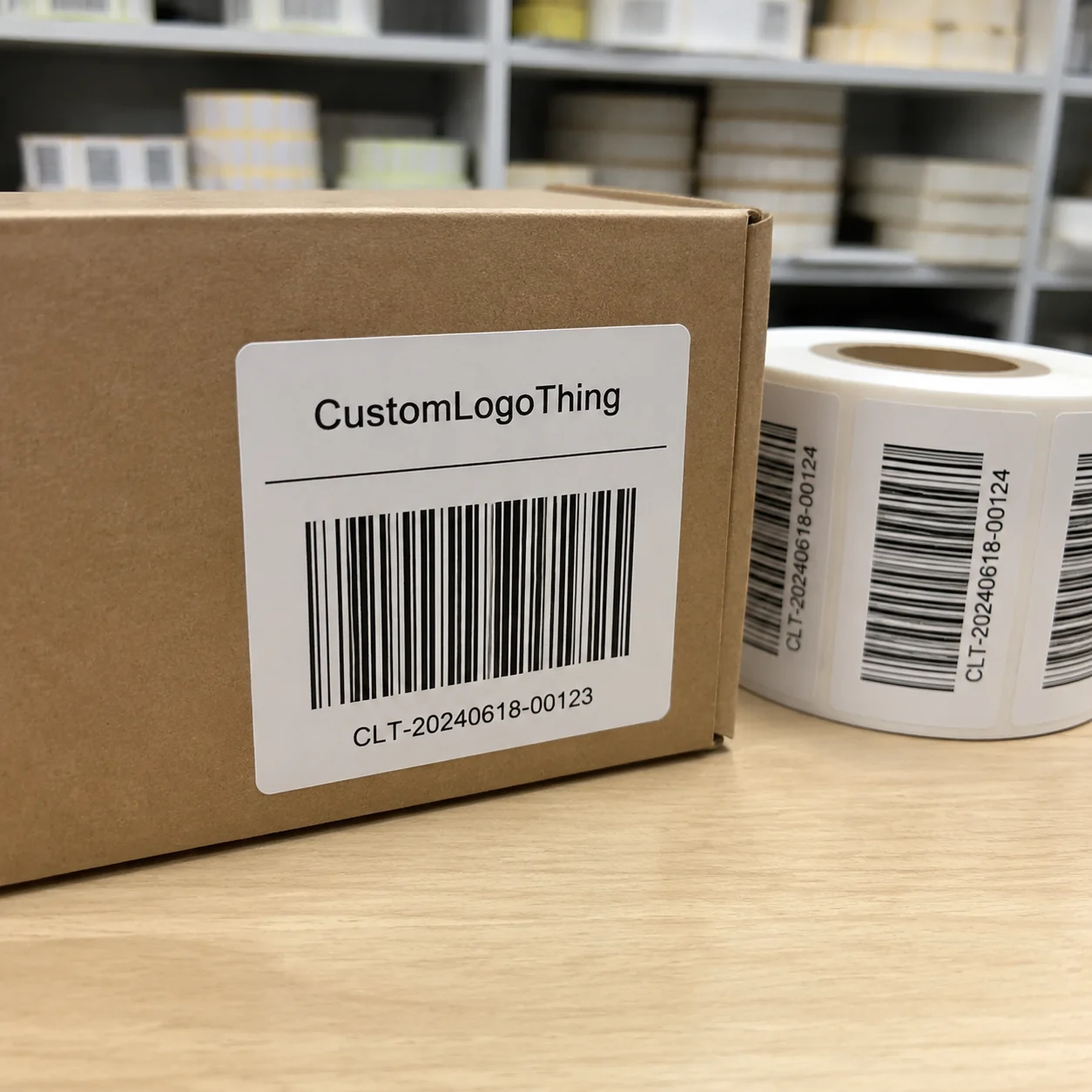
Trade show teams do not have much patience for damaged apparel, late arrivals, or wrinkled event kits that show up after the booth crew is already working the floor. That is why a Waterproof Apparel Mailers supplier quote for trade show teams deserves more than a quick price check. If uniforms, sponsor shirts, or last-minute replacement pieces are moving through loading docks, staging areas, and hotel receiving desks, the mailer has to do more than hold fabric. It has to protect the contents, keep them organized, and help the team unpack faster.
That practical reality changes the way buyers should compare quotes. A mailer is not just a shipping shell; it is part of the event workflow. A dry, clean, clearly labeled garment bag can make the difference between a controlled setup and a morning spent sorting damp cartons, mixed sizes, and loose inserts. The best quote is the one that reflects that difference instead of hiding it behind a single unit price.
For apparel programs tied to events, presentation matters because speed matters. Booth crews are often working with narrow receiving windows and limited back-of-house space. If the packaging supports quick identification, easy stacking, and moisture protection, the team spends less time managing inventory and more time getting ready for visitors. That is the real use case behind a Waterproof Apparel Mailers Supplier Quote for trade show teams.
“For event apparel, packaging is part of the workflow, not just the shipping shell. If the bag keeps the contents dry, visible, and easy to sort, the whole setup runs cleaner.”
Why trade show apparel needs more than a basic poly mailer
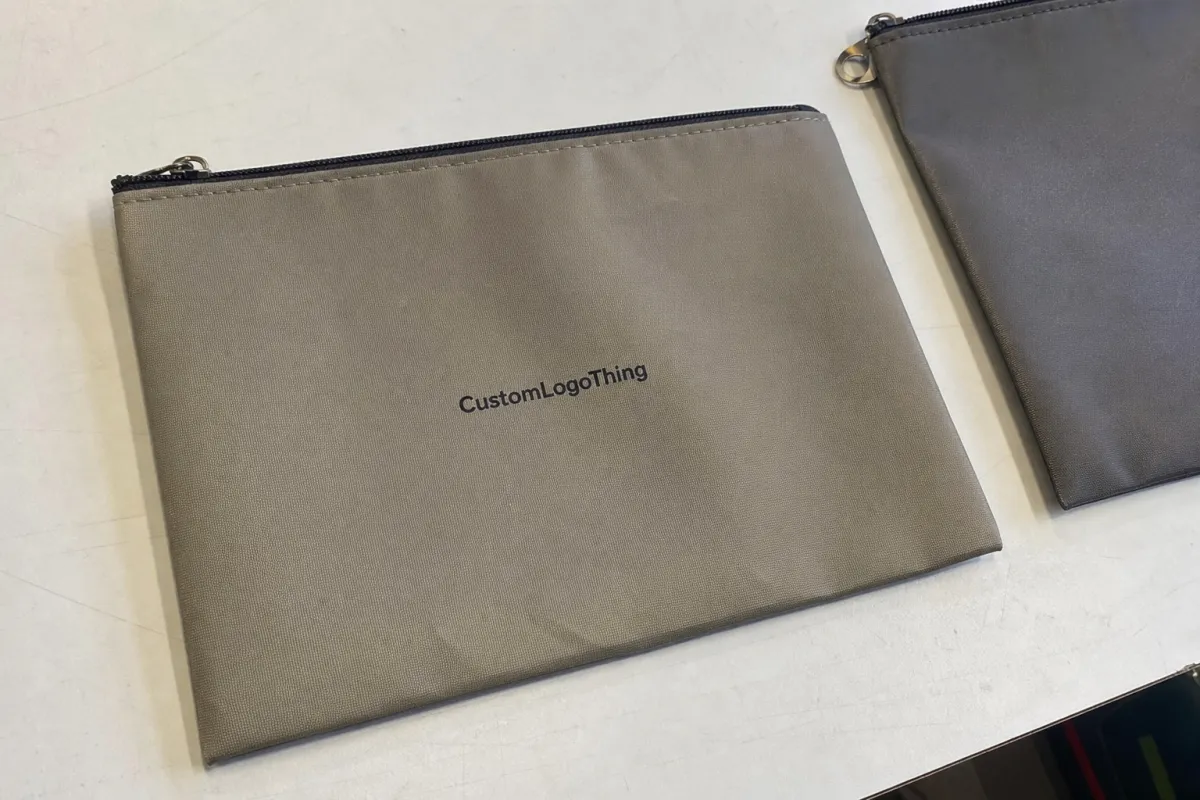
Basic poly mailers work well for many light shipping tasks, but trade show apparel usually faces a rougher path. The shipment may pass through warehouse humidity, outdoor dock exposure, courier sorting, convention center receiving, and repeated handling before the team even opens the carton. Moisture resistance starts to matter in a very real way once a garment is traveling through that chain.
When a shirt or jacket arrives dry and folded inside a protective mailer, the team can distribute it quickly, stack it cleanly, and keep the booth looking organized. When the packaging lets in moisture, the garment can pick up odor, wrinkles, or surface scuffing. That creates unnecessary work right before a customer-facing event, and it is rarely an isolated problem. One damp shipment tends to slow down the whole receiving table.
There is also the issue of event kits. A typical trade show distribution package may hold a shirt, a lanyard, a cap, a badge holder, and a few small inserts. If those pieces travel together without a barrier, they can shift, rub, and pick up dust or moisture from secondary packaging. A properly specified waterproof apparel mailer helps keep the contents together and ready for handoff. In larger programs, it also reduces the number of times staff need to re-bag or re-sort pieces on site.
Basic poly mailers usually do fine for light, low-risk shipments, but trade show teams are rarely working with low risk. They are managing deadlines, branded garments, and the expectation that everything will look finished when it lands. That is why buyers often move up to thicker film, stronger seals, or resealable designs once event apparel enters the picture.
Material and construction options for apparel protection
The most common material choices are LDPE and co-extruded film structures. LDPE, or low-density polyethylene, is widely used because it is flexible, cost-effective, and naturally resistant to moisture. It folds well, seals consistently, and handles regular shipping use without feeling overly stiff. For many apparel applications, that is enough.
Co-extruded films are useful when a buyer wants better puncture resistance, improved stiffness, or a more refined print surface. These films can combine multiple layers, each selected for a specific job, such as barrier performance on one side and print quality on the other. In practice, that can help when the mailer needs to carry heavier garments like hoodies, fleece pullovers, or jacket bundles. The additional structure is especially helpful if the package will be stacked tightly or handled by multiple carriers.
Closure style matters just as much as film choice. A peel-and-seal adhesive strip is common for apparel mailers because it is fast, tamper-evident, and easy for fulfillment staff to use in volume. Zip closures are better when the garment may be opened and resealed during sorting, sampling, or return handling. Some programs use tamper-evident seals to show whether the contents were opened before arrival, which can help with high-value branded apparel or pre-packed VIP kits.
Common construction choices
- Lightweight LDPE mailers for standard folded shirts and polos
- Heavier gauge co-extruded mailers for hoodies, jackets, and mixed kits
- Clear or frosted film when the team needs quick visual identification
- Opaque or printed film when branding or privacy matters more than visibility
Sizing is another major consideration. A folded polo may fit neatly in a smaller flat mailer, while a hoodie or soft-shell jacket needs more width and sometimes a gusset to avoid overstretching the film. For multi-piece event kits, the folded stack height should be checked before anyone requests pricing. That one detail often changes the whole spec, and it is usually the reason a quote comes back higher than expected.
Branding can be added through flexographic or digital print, depending on quantity, artwork complexity, and the supplier’s equipment. A printed mailer can carry a logo, size mark, internal routing note, or event label, but it should not be overdesigned. Heavy ink coverage or poor placement can affect readability and, in some cases, complicate material choice. The best packaging still needs to pack fast and stack efficiently.
For buyers comparing options across broader packaging programs, it can help to review Custom Poly Mailers alongside apparel-specific formats. Many teams also end up reviewing broader Custom Packaging Products when they need a consistent look across apparel, inserts, and giveaway kits.
| Option | Typical Use | Strengths | Trade-Offs |
|---|---|---|---|
| LDPE flat mailer | Folded tees, polos, simple event apparel | Low cost, flexible, easy to pack | Less structure for bulkier items |
| Co-extruded mailer | Hoodies, jackets, heavier kits | Better puncture resistance, improved feel | Higher unit cost |
| Printed opaque mailer | Branded event distribution, privacy-sensitive shipments | Strong presentation, easy identification | Print setup adds cost and lead time |
| Zip or resealable bag | Samples, internal sorting, reusable workflows | Convenient opening and resealing | Usually more expensive than a basic seal |
For teams that are trying to keep apparel dry while also maintaining brand consistency, a Waterproof Apparel Mailers Supplier Quote for trade show teams should spell out film type, closure style, and size range clearly. That is where the quote gets useful instead of just low.
Specifications buyers should confirm before requesting a quote
If you want a quote that actually reflects reality, start with the basics: width, length, gusset depth, film thickness, closure type, print coverage, and carton pack quantity. Without those details, a supplier can only guess, and guessing usually causes rework later. The smartest buyers send a complete spec sheet the first time.
Film thickness is usually discussed in mils or microns depending on the supplier and market. Light-duty apparel mailers may be fine at a thinner gauge for folded tees and polos, while heavier garments often need a thicker construction to resist punctures and overstuffing. A mailer that feels acceptable in a sample can still fail once it is filled to capacity on a busy packing line. The difference between 2.0 mil and 3.0 mil may seem small on paper, but in the hand and on the conveyor it is often obvious.
Buyers should also decide whether the mailer must be clear, frosted, opaque, or printed. Clear bags help warehouse staff identify contents quickly. Frosted film can soften the appearance while still allowing some visibility. Opaque and printed options are useful when the team wants stronger branding or needs privacy for VIP uniforms, sponsor apparel, or retail-style event kits.
- Garment fold size before packing
- Estimated quantity for the full event run
- Shipping method and handling environment
- Need for resale presentation or internal kitting
- Any labeling requirements such as size or department
That last point matters more than people think. If the mailer needs to support internal sorting, then size markers, barcode zones, or writable panels can save time at the receiving table. If it is purely for transport, the spec can stay simpler and usually cheaper. From a packaging buyer’s point of view, clarity at the start prevents expensive substitutions later.
When a team requests a Waterproof Apparel Mailers supplier quote for trade show teams, a complete email with garment type, dimensions, and timeline usually produces a better response than several short messages with missing details. The better the spec, the better the quote.
Pricing, MOQ, and quote factors that move unit cost
Pricing depends on a few concrete variables, and the biggest one is usually material selection. Thicker film, multi-layer construction, and specialty finishes all add cost. So do larger dimensions, because more material means more resin and more production time. If the mailer includes custom printing, the quote must also account for setup, ink coverage, and any color matching requirements.
MOQ, or minimum order quantity, often changes depending on whether the buyer chooses a stock-style size or a fully custom dimension. Stock-size runs can start lower because the tooling and production setup are already easier to manage. Custom sizes or branded artwork usually raise the minimum, especially if the supplier needs a dedicated print run or special slit-and-seal setup.
Typical unit cost improves as volume rises. A quote for 1,000 pieces will almost never match the per-unit cost of 10,000 pieces, because setup and overhead are spread across fewer units in the smaller run. That is standard packaging economics, and it applies whether the product is a poly mailer, a garment bag, or a branded retail insert.
| Order Profile | What Usually Happens | Cost Effect |
|---|---|---|
| Stock size, no print | Lower setup, simpler production | Lowest starting price |
| Stock size, one-color print | Moderate setup and press time | Moderate increase |
| Custom size, printed, heavier film | More material, tooling, and proofing | Higher unit cost and higher MOQ |
| Urgent custom order | Compressed schedule, possible scheduling premium | Often the highest cost tier |
Do not compare only the per-bag number. Compare the total landed value: material, print, carton pack, freight, and the risk of delay. A slightly higher price can still be the better buy if it reduces repacking labor or avoids last-minute event shipping charges. For trade show programs, labor is part of the packaging cost whether it appears on the supplier invoice or not.
A good waterproof apparel mailers supplier quote for trade show teams should show the assumptions behind the number. If the supplier knows the garment size, print coverage, and total annual volume, the quote will be much more usable than a generic range pulled from a stock list.
Trade show buyers also need to think about whether the order is a one-time event run or a recurring replenishment program. Reorders can often benefit from the same artwork, die, and spec, which helps stabilize pricing over time. For teams that support multiple events, that consistency is a practical advantage.
Production steps and lead time from quote to shipment
The usual sequence is straightforward: send specs, receive a formal quote, review artwork or sizing, approve the proof, move into production, and then schedule shipment. The work sounds simple, but most delays happen before the press or bag line ever starts. Incomplete dimensions, missing logo files, or a last-minute change from adhesive closure to zipper closure can all push the timeline out.
For simple stock-style apparel mailers, production can move quickly once the quote is approved. Custom printed or custom-sized work naturally takes longer, especially if the supplier has to create a proof, confirm registration, and schedule the correct film or print run. A realistic turnaround depends on quantity, material, and the level of customization, so any fixed promise should be treated carefully unless the spec is already locked.
Pre-production proofing is worth the extra hour or day. It gives the buyer a chance to check dimensions, print placement, bag orientation, and closure type before anything is made in quantity. For trade show teams, that proof step can prevent a very expensive problem: receiving a packaging run that arrives on time but does not actually fit the apparel set.
- Send garment details, quantity, and target dimensions.
- Confirm closure style, material, and print requirements.
- Review the quote and any freight assumptions.
- Approve the proof with the correct artwork.
- Release production and confirm shipment timing.
From a practical standpoint, the smartest buyers build in enough time for one round of proof review and one round of small corrections. That buffer matters because trade show dates do not move for packaging issues. If the bags are late, the booth setup still happens, just with more stress and more manual work.
For high-pressure event programs, a waterproof apparel mailers supplier quote for trade show teams should include lead-time assumptions in writing. That makes the order easier to manage, especially when multiple people are involved in approvals. If a supplier cannot explain where the time goes, the schedule is probably too loose to trust.
What makes a reliable packaging partner for event programs
Reliability starts with consistent material specs. If the film gauge, seal quality, or print clarity drifts from one run to the next, the team loses time checking each shipment and sorting out mismatched inventory. A dependable supplier keeps those details steady and communicates clearly if a change is needed.
Trade show buyers also benefit from a supplier that can support repeated replenishment orders, split shipments, and consistent branding across locations. A team may need part of the order sent to a warehouse and part sent to an event venue, and that kind of split fulfillment should be handled cleanly. If the supplier cannot manage that sort of coordination, the packaging itself becomes one more problem to solve.
Sample support matters too. A buyer should be able to request a sample recommendation when unsure about film thickness, opacity, or closure type. That sample does not need to be fancy. It just needs to show fit, feel, and handling so the buyer can make a real decision instead of guessing from a spec sheet.
Quality control checks also matter. A solid production run should be checked for seal integrity, print registration, film gauge consistency, and box count accuracy. If the product is supposed to be moisture resistant, the seal area deserves extra attention, because weak sealing is usually where performance breaks down first. Buyers rarely see the testing side, but they feel the consequences when a shipment arrives with split seams or scuffed print.
Two outside references are useful when a team is evaluating packaging quality and environmental claims. For general packaging guidance, the Flexible Packaging Association is a solid industry reference, and if sustainability language matters for your program, the EPA recycling information helps buyers understand material recovery and disposal context. If a supplier mentions chain-of-custody or responsible sourcing, the FSC site is useful for verified paper-based components, though it is not the right reference for film mailers themselves.
For event programs, a strong partner does not just sell packaging; it helps reduce risk. That means answering fit questions, flagging unsupported artwork choices, and being honest when a requested spec is overbuilt for the application. It is better to hear that a heavier gauge is unnecessary than to pay for extra material no one needs.
Next steps to request a waterproof apparel mailer quote
Before reaching out, gather three things: the garment type and folded size, the estimated quantity, and whether printing is needed. If you already know the target dimensions, closure preference, and delivery window, include those as well. That information lets the supplier build a quote that reflects the actual program instead of a rough placeholder.
If the team is unsure about thickness or opacity, ask for a sample recommendation. That is often the fastest way to avoid the wrong purchase. A bag that looks fine on paper may be too thin for a hoodie or too opaque for quick internal sorting, and samples solve that problem early.
Then move in a simple sequence: send specs, review the quote, approve artwork, and lock production early enough to support event shipping windows. That is the cleanest path for a waterproof apparel mailers supplier quote for trade show teams, especially when the schedule is tight and the apparel is tied directly to booth readiness.
Keep the request specific, keep the approval chain short, and avoid changing the bag spec after the proof is released. Small edits are common; last-minute structural changes are what usually stretch lead times and inflate costs. The closer the initial request is to the final need, the more useful the quote becomes.
FAQ
What should I include in a waterproof apparel mailers supplier quote for trade show teams?
Include garment type, folded size, quantity, dimensions, closure style, print requirements, and delivery deadline. Adding these details up front helps the supplier return a more accurate price and lead time.
Which material is best for waterproof apparel mailers for event uniforms?
LDPE and co-extruded films are common choices because they balance moisture resistance, flexibility, and packability. The best option depends on whether the mailers need clarity, heavier puncture resistance, or a branded appearance.
How do MOQ and pricing usually work for custom apparel mailers?
MOQ is typically tied to material setup, print method, and whether the size is stock or custom. Unit cost usually drops as order volume increases, but custom dimensions and print coverage can raise the starting minimum.
Can waterproof apparel mailers be branded for trade show teams?
Yes, many can be printed with logos, size markers, or internal routing information. The supplier should confirm how print coverage affects barrier performance, lead time, and cost.
How far in advance should trade show teams place an order?
Place the order early enough to allow for quote review, proof approval, and production before shipping deadlines. For custom sizes or printed mailers, allow extra time so the team can avoid last-minute packing issues.