For a home fragrance brand, packaging rarely stops at the candle box or diffuser carton. Branded tees, robes, scent cards, welcome kits, and retail inserts often travel in the same shipment, and that is where a Waterproof Apparel Mailers Supplier Quote for home fragrance brands becomes more than a procurement exercise. A mailer that protects soft goods in transit, survives damp handling, and still looks intentional can save a brand from the kind of unboxing that feels careless before the customer even sees the product.
The function is plain, but the consequences are not. A mailer only has to do a few things well: keep moisture out, resist tearing, close reliably, and fit the pack-out process without creating bottlenecks. If it fails, the result is often wrinkled apparel, scuffed inserts, or a presentation that undercuts the premium positioning the fragrance line is trying to build.
That is why buyers comparing Waterproof Apparel Mailers should think past the generic product label. The details that matter are barrier performance, seal strength, print consistency, and whether the format supports direct-to-consumer shipping, wholesale sample drops, or seasonal gift bundles. Packaging can be beautiful and still miss the mark if it slows packing labor or adds unnecessary freight cube.
For buyers who want a neutral industry reference on packaging formats and material categories, the Institute of Packaging Professionals is a useful starting point.
Why home fragrance brands need waterproof mailers for apparel and inserts
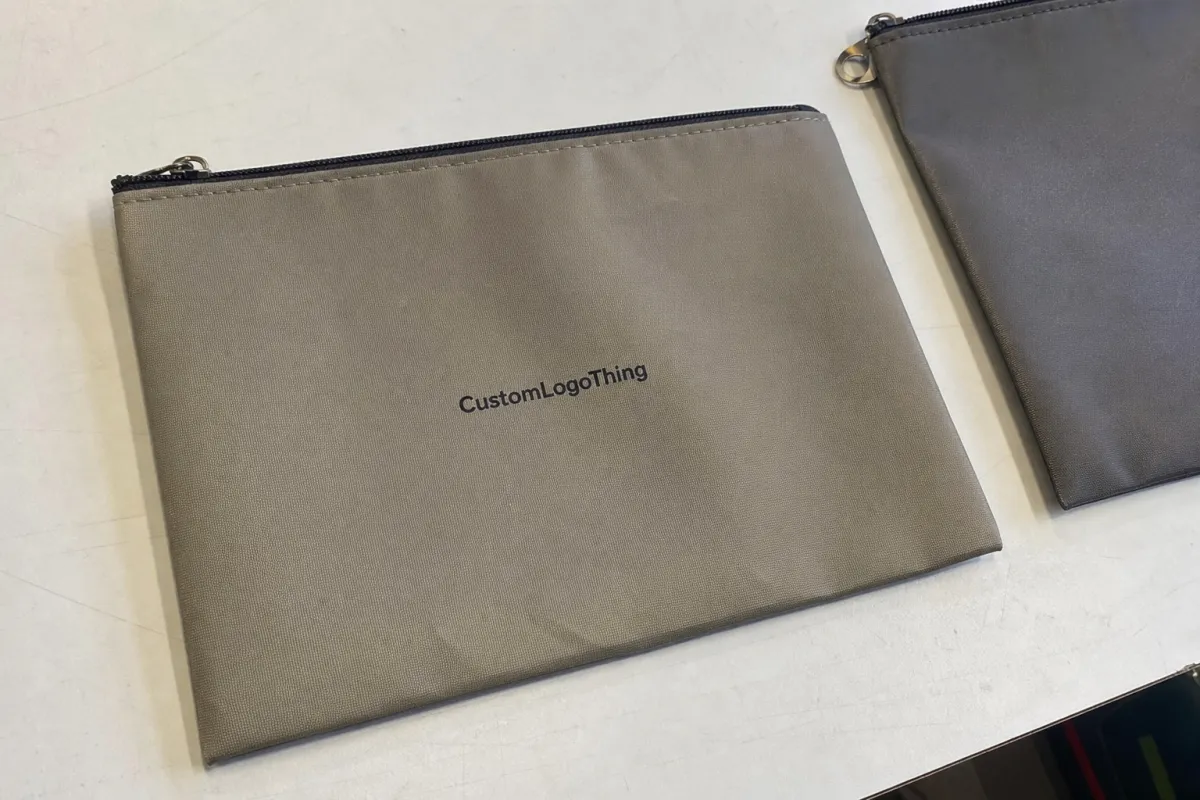
Home fragrance orders are often mixed-format, even when the brand does not market that way. One shipment may contain a candle and a folded tee. Another may include a robe, a scent strip set, and a printed thank-you insert. That mix creates a practical packaging problem: the soft goods need protection from handling and moisture, but the customer still expects the outer package to feel finished.
Standard poly mailers can be adequate for many apparel shipments, yet weak seals, rough sortation, and humid storage conditions all increase the chance of moisture intrusion. A lightly damaged outer film may not seem dramatic at the warehouse, but a shirt that arrives slightly damp, creased, or carrying odors from transit can feel like a failed luxury purchase. For a fragrance brand, where sensory experience is part of the sale, that is a bigger miss than it looks on paper.
The business case is straightforward. Better mailers reduce claims, reships, and labor spent repacking orders. They also protect the visual standard of the brand across channels. If the same packaging moves through DTC orders, pop-up kits, or wholesale sample packs, inconsistency shows up quickly. A customer may never compare mailer specs, but they absolutely notice whether the package looks clean and deliberate.
Waterproof mailers are especially useful when apparel ships alongside fragrance inserts or seasonal promotions. These orders often combine light textiles with paper goods that can warp or wrinkle if exposed to damp conditions. A more durable outer layer also helps when fulfillment teams are moving quickly and every additional minute of hand-checking has a cost.
“The lowest unit price rarely stays the lowest once you count damages, rework, and replacement freight.”
If your team is comparing broader packaging formats, our Custom Packaging Products page can help narrow the field before you request pricing.
Material and print details that matter in custom waterproof mailers
The most common base material for a waterproof apparel mailer is LDPE, though buyers will also encounter co-extruded polyethylene and laminated film builds. The real difference is how the layers are engineered. Some structures favor tear resistance. Others improve moisture barrier performance or surface quality for print. Thickness matters too, usually measured in microns or mils, because more gauge often means better puncture resistance, but also higher material cost.
For many apparel shipments, a film in the 60–100 micron range is a practical starting point. That said, there is no universal spec that works for every brand. A folded tee is a different load than a robe or a heavier knit, and the right decision depends on how the product is packed, how often the mailer will be handled, and whether it will move through automated sortation. The edge strength and seal integrity deserve as much attention as the headline thickness.
Closure design is another area where buyer assumptions can backfire. A permanent peel-and-seal adhesive is fine for one-way shipping, but if the brand expects returns, sampling cycles, or reuse in a controlled program, a second adhesive strip may be more practical. Tamper-evident options can also be useful, especially if the mailer passes through multiple handling points before delivery.
Print method shapes both appearance and cost. Flexographic printing is common on higher-volume orders because it is efficient and predictable once setup is complete. Gravure can produce richer coverage and smoother solids, though it usually makes sense only when quantity supports the tooling cost. For many premium fragrance brands, a restrained design works better than heavy coverage. One or two spot colors on a matte film can feel more considered than a crowded full-bleed layout.
Finish has a subtle effect that buyers often underestimate. Matte tends to read softer and more upscale. Gloss feels brighter and more retail-forward. Semi-opaque film may be useful if the contents are already boxed inside, but fully opaque material is the safer choice when you want the contents hidden and the presentation controlled. If the goal is a clean premium impression, the outer package should not fight the product.
Size should be part of the design brief from the beginning, not adjusted at the end to make the math work. A mailer that is too large wastes freight cube, creates loose folds, and can look untidy during fulfillment. Too small, and the seam stress rises. The most efficient choice is usually the one that keeps the folded item snug without forcing packers to compress it excessively.
Waterproof mailer specifications buyers should confirm before ordering
Before approving a waterproof apparel mailer, confirm the actual production specs rather than relying on broad product language. Buyers should ask for film gauge or micron count, seam strength, seal width, adhesive performance, and dimensional tolerance. Those details tell you far more than “heavy duty” ever will.
Artwork needs the same scrutiny. Ask for the dieline, bleed area, safe zones, and any restrictions around the seal or fold lines. If your logo sits too close to a seam, it may distort once the mailer is formed or packed. Fine text and thin lines also need review, especially if the design includes more than one color. A proof that looks polished on screen can still fail when it is printed on film and folded in use.
- Film gauge or micron count for barrier and puncture performance
- Seal width and closure adhesive for closure reliability
- Print area and color count for logo clarity
- Dimensional tolerance for repeatable fulfillment fit
- Finish type such as matte, gloss, or soft-touch laminate
- Use case for single-use shipping or limited reuse
There is also a logistics side that gets ignored until the order is live. Some 3PLs want a standard label zone with no surface texture issues. Others care more about carton configuration, because the mailers arrive in master cartons that need to stack efficiently. If labels must scan at speed, ask whether the film surface supports consistent adhesion and barcode readability. Those small details can save a warehouse from slowdowns later.
Samples or a pre-production proof are worth the time. A flat digital proof can hide the practical issues that show up once the film is sealed and folded. A physical sample lets you test the fit, the closure feel, the print density, and the look of the mailer after handling. In packaging, the difference between acceptable and frustrating is often only visible in the hand.
| Option | Typical fit | Strengths | Trade-offs |
|---|---|---|---|
| LDPE mailer | Light apparel and inserts | Economical, familiar, easy to print | Basic barrier unless upgraded in thickness |
| Co-extruded polyethylene | Retail and DTC apparel sets | Better balance of toughness and moisture resistance | Slightly higher cost |
| Laminated film structure | Premium presentation mailers | Stronger surface feel, more design options | Can raise unit price and lead time |
For buyers who already know they need a standard shipping format, our Custom Poly Mailers page is a useful starting point before requesting a tailored quote.
Cost, pricing, MOQ, and quote factors for custom mailers
Pricing for custom waterproof mailers is driven by a small set of variables, and buyers usually get a cleaner result when they understand them before requesting a Waterproof Apparel Mailers supplier quote for home fragrance brands. The main drivers are film thickness, finished size, print coverage, number of colors, closure style, and whether the order needs a special finish or extra adhesive features.
For reference, small-to-mid volume runs often land around $0.18 to $0.35 per unit, depending on size, print complexity, and quantity. Larger runs can move the number lower, while premium film structures, heavier gauge material, or higher coverage print push it upward. If a quote looks unusually low, check the spec line closely. Sometimes the price is based on a thinner film, a simpler seal, or a different print method than the one you had in mind.
MOQ, or minimum order quantity, changes the economics materially. Lower quantities usually carry a higher unit cost because setup, plates, and press time are spread across fewer pieces. As volume rises, material usage and press efficiency improve, which is why pricing often steps down at common thresholds such as 3,000, 5,000, or 10,000 pieces, depending on the plant and print process.
Useful quote variables include:
- Finished dimensions and custom sizing
- Film grade and thickness
- Print method and color count
- Adhesive type and closure style
- Tooling or plate setup
- Packaging format, such as bulk-packed or carton-packed
- Freight destination and delivery terms
- Samples, digital proofs, or pre-production proofs
Comparing quotes only by the headline price can be misleading. One supplier may be quoting a lighter film or a smaller seal width. Another may include carton packing, while a third is pricing bulk loose pack. Ask for the film grade, dimensions, print colors, finish, and shipping format in writing so you are comparing the same product line, not two different interpretations of the same request.
It also helps to ask for landed cost rather than factory price alone. Freight, warehouse handling, carton count, and sampling can move the final number more than expected, particularly if the brand places recurring orders or ships from multiple facilities. A clean purchase order is useful; a clean landed-cost view is better.
If you want broader context on packaging design priorities and waste-reduction guidance, the U.S. Environmental Protection Agency is a helpful reference point.
Process and turnaround: from artwork approval to shipment
A disciplined production process saves more time than rushed approvals ever do. For a custom waterproof mailer order, the standard workflow starts with a brief that covers size, quantity, print colors, finish, and use case. From there, the supplier should confirm dimensions, request artwork, issue a digital proof, approve the material, move to production, perform quality checks, and then arrange shipment.
Most delays come from ordinary issues: missing dieline information, low-resolution artwork, or a late decision on logo placement. If a logo is too close to a seal or fold line, that problem should be caught during proofing. Once the order is in production, changes become slower and more expensive. In packaging, the fastest way to delay a launch is to discover basic layout problems after the press has already started.
Lead time depends on quantity and complexity, but a straightforward run can often move in 12 to 15 business days after proof approval. Larger orders, custom sizes, or layered film structures usually need more time. Special print coverage, additional closures, or a more complex surface finish can add another planning buffer. A supplier that promises a tiny turnaround without asking about specs is usually selling optimism, not capacity.
Brands planning seasonal fragrance kits or limited apparel drops should work backward from the retail date, not the order date. Proofing, production, and freight are separate steps, and each one can absorb a few days. A realistic production calendar helps operations, marketing, and warehouse teams stay aligned without scrambling when inventory needs to be received and staged.
Project management matters more than most teams expect. Packaging is rarely a one-department decision. One revision in artwork can affect product development, brand, operations, and fulfillment at the same time. The smoother the communication, the fewer expensive corrections later.
What a reliable packaging supplier should prove before you place the order
A reliable supplier should be able to show the basics clearly: a spec sheet, a transparent quote breakdown, sample support, and a realistic timeline. If any of those pieces are vague, the risk usually shows up later in production or fulfillment. Buyers do not need inflated claims. They need repeatable output that matches the approved spec.
For home fragrance brands, consistency matters because the same mailer may carry apparel one week, welcome kits the next, and promotional inserts after that. If the mailer line changes too much from one run to another, the visual standard starts to drift. A brand with a strong fragrance identity can lose some of that precision if its outer packaging looks inconsistent from shipment to shipment.
Quality control should cover at least four checkpoints: film inspection, print verification, seal testing, and final count confirmation. On larger runs, it is reasonable to ask how the factory handles random checks, how many cartons are sampled, and what happens if a seal issue or print shift is found during production.
- Film inspection for clarity, thickness, and surface defects
- Print verification for color consistency and placement
- Seal testing to confirm closure reliability
- Final count confirmation to protect against shortages
Communication is part of reliability too. If a supplier takes two days to answer a simple question before the order is placed, that pattern rarely improves after the deposit clears. Good suppliers answer in specifics, not vague assurances, and they should be able to explain how the product will perform in your actual fulfillment flow. A polished quote matters less than a practical one.
For buyers comparing packaging partners, our Case Studies section can help you evaluate how different packaging formats are used across brands with different shipping needs.
Next steps to request a waterproof apparel mailers supplier quote
To get an accurate Waterproof Apparel Mailers supplier quote for home fragrance brands, gather the information that actually affects production. Finished size, estimated quantity, print colors, closure preference, and any special protection requirements should be ready before the first inquiry. The clearer the brief, the cleaner the quote and the fewer surprises later in the process.
If you already have a mailer that works well, send it as a reference sample. That gives the supplier a physical benchmark for thickness, finish, and presentation. It also reduces the risk of quoting the wrong material family or a size that looks correct on paper but fails in the hand.
Requesting two or three quote scenarios is usually more useful than asking for only one. A low MOQ trial run, a mid-volume production run, and a larger volume option can show how unit pricing changes across tiers. Sometimes a modest increase in quantity creates a meaningful savings step; sometimes it does not. The only way to know is to compare the breakpoints directly.
Before approving an order, confirm the proof format, production lead time, and freight method. Those three elements often affect the schedule more than the factory price does. If the quote is attractive but the transit plan is unclear, the project is not ready for approval yet.
For a home fragrance brand, the right mailer has to protect the product, support the visual standard, and move cleanly through fulfillment. A good sourcing process is practical, not dramatic: define the spec, compare landed cost, check samples, and confirm the lead time before production begins. That is the safest route to a waterproof apparel mailers supplier quote for home fragrance brands that reflects the real job the mailer has to do.
Frequently asked questions
What should home fragrance brands include in a waterproof apparel mailers supplier quote?
Include finished size, estimated quantity, print colors, closure type, and whether you want a matte or gloss finish. If the mailer will hold apparel, gift sets, or inserts, add those details too so the supplier can quote the right film grade and dimensions.
Are waterproof mailers suitable for shipping apparel with fragrance products?
Yes. They work well when apparel ships with scent cards, branded textiles, or promotional inserts that need protection from moisture. They also help preserve presentation in humid storage conditions and wet-weather delivery routes.
How does MOQ affect custom waterproof mailer pricing?
Lower quantities usually carry a higher unit cost because setup, plates, and press time are spread across fewer pieces. Larger orders generally reduce per-unit pricing and may improve freight efficiency as well.
What turnaround should buyers expect for custom printed waterproof apparel mailers?
Turnaround depends on size, print complexity, proof approval speed, and order quantity. A solid quote should include proofing time, production window, and shipping transit so the brand can plan launch dates accurately.
Can I request samples before placing a production order?
Yes. Samples or pre-production proofs are the best way to check fit, seal strength, print quality, and overall presentation. They help confirm that the mailer works for your product mix before a full run is approved.


