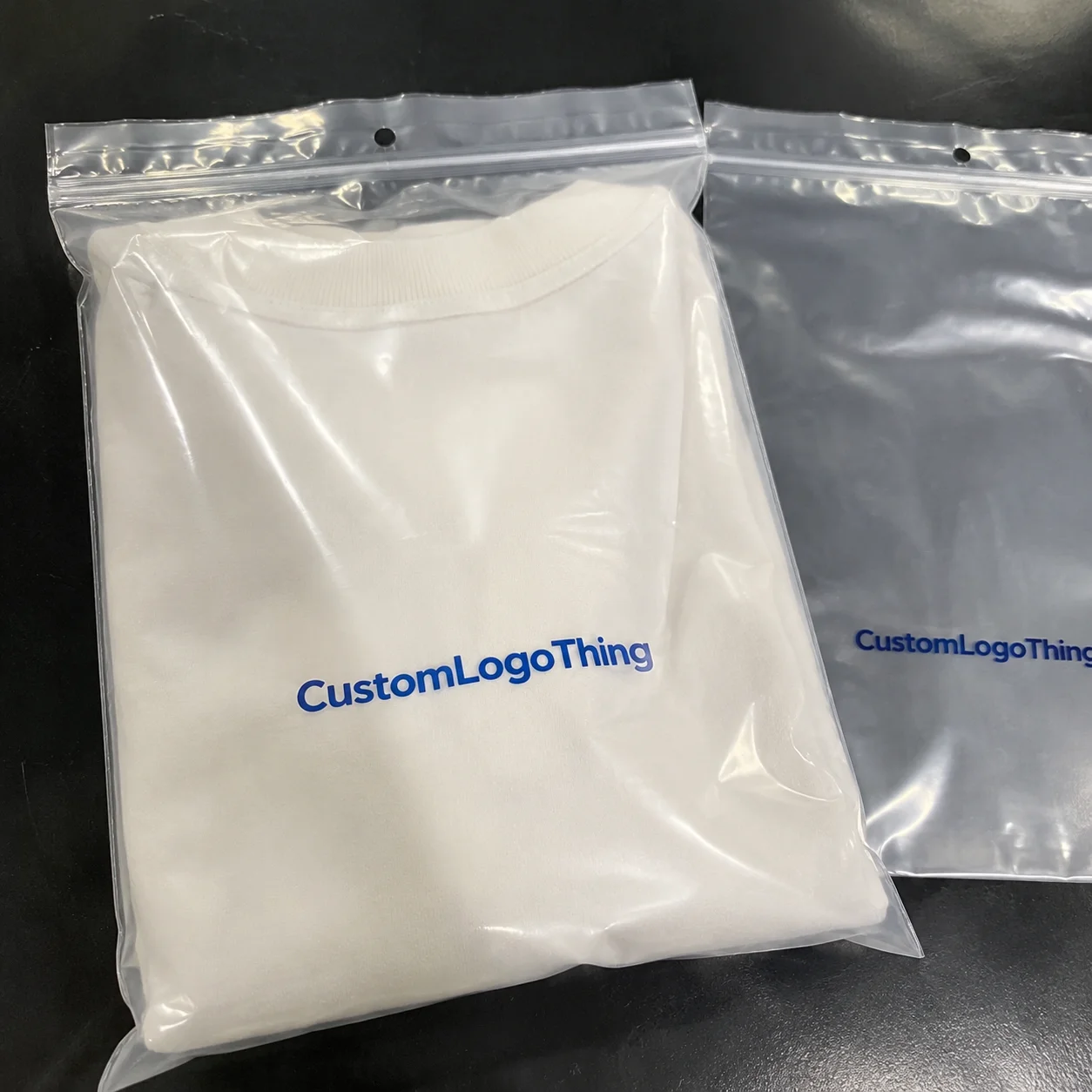
Buyer Fit Snapshot
| Best fit | black friday promotional box branding for packaging buyers comparing material specs, print proof, MOQ, unit cost, freight, and repeat-order risk where brand print, material, artwork control, and repeat-order consistency matter. |
|---|---|
| Quote inputs | Share finished size, material target, print colors, finish, packing count, annual reorder estimate, and delivery region. |
| Proofing check | Approve dieline scale, logo placement, barcode or warning zones, color tolerance, and any recyclable or compostable wording before bulk production. |
| Main risk | Vague material claims, crowded artwork, or missing packing details can create delays even when the unit price looks attractive. |
Fast answer: Black Friday Promotional Box Branding: Dieline, Finish, Proof, and Buyer Review should be specified like a repeatable production item. The safest quote includes material, print method, finish, artwork proof, carton packing, and reorder notes in one written spec.
What to confirm before approving the packaging proof
Check the product dimensions against the actual filled item, not only the sales mockup. Ask for tolerance on folds, seals, hang holes, label areas, and retail display edges. If the package carries a logo, QR code, warning copy, or legal claim, reserve that space before decorative graphics fill the panel.
How to compare quotes without losing quality
Compare board or film grade, print process, finish, sampling route, tooling charges, carton quantity, and freight assumptions side by side. A lower quote is only useful if the supplier can repeat the same color, closure quality, and packing count on the next order.
I was doing a midnight walk through our Shanghai facility, Building 18, when 56 pallets of Black Friday Promotional Box Branding boxes glowed under the high bay lights like a neon army; each pallet held 2,400 double-wall corrugate cases made from 350gsm C1S artboard, destined for tiered drops in Chicago, Miami, and Dallas—all part of a $0.15-per-unit run on 5,000 pieces that the client paid to keep the offer lean. The fluorescent glare turned the corrugate into something theatrical, a miniature stage set for the weekend’s biggest promise, and the timeline stamped on our whiteboard—proof locked by the 12th, freight sailing from Yantian on the 17th—was my lifeline. I remember thinking how ridiculous it is that packaging has become a late-night adrenaline sport, yet here I was, orchestrating a curtain call for holiday carton drama with a shipping schedule my logistics lead swears by.
In that cramped corridor I felt the pulse of brand identity and customer perception—motion sensors, a paper mill-scented breeze, and crew members texting real-time inventory in Mandarin—plus a reminder that this buzz isn’t generated by slapping a logo on corrugate, it’s about choreographing an Unboxing Experience That screams urgency before a shopper even types “buy now.” Watching the crew tackle kitting, I also noticed how sticky the 3M 300LSE adhesive residue gets when the humidity spikes to 82% in our dock, and that small detail can knock alignment off by two millimeters if the dielines weren’t tight enough; the glue softens and the tolerance disappears, which means I’m hovering with a humidity gun and a degree of suspicion reserved for rival brands. Honestly, I think adhesives have mood swings (and it’s my job to keep them from sabotaging the whole rollout). The corridor smelled like printer fumes and success, and I still laugh when I recount how one forklift operator called the humidity “the enemy of straight lines.”
By the time I finished my tour I had already sketched a plan for the next client whose hero offer needed visual branding that delivers on the marketing promise, because frankly, without clarity on brand consistency and logistics, the flashiest artwork still ends up as a disappointing second-tier package on our fulfillment racks; I was standing there with a Sharpie circling the 3-day die approval, 5-day mockup, and 10-day production windows, plus the buffer for customs inspections in Long Beach. The client was betting on scarcity messaging, so I mapped out every interaction, right down to the feel of the 0.5-millimeter debossed inner lid before the product even made contact with the buyer’s hand, and I told the production planner that we’d need the pilot run by Tuesday to hit the Saturday ship date. That night I scribbled timelines on a whiteboard and talked through each moment while he rolled his eyes at my obsession—I’m convinced the board feared my restless energy.
Why Black Friday Promotional Box Branding Matters
The moment I stepped into that dock I knew the weekend’s outcome hinged on the same thing we talk about in every briefing: how the package feels before it opens. Those pallets weren’t just carrying goods, they were carrying an entire Black Friday Promotional Box Branding strategy for a cosmetics client whose campaign included three limited-supply kits of 2,400 units each and a bold promise of “extra doors-opening surprise” that had to translate through the 320-gram satin finish, the numbered thank-you card offering an $8 future credit, and the neon countdown tape that our Chicago fulfillment team insisted on for the first door drop. Momentum depends on perception, and the package is your first promise. I told everyone in that briefing that the box is essentially a stagehand waving a flashlight at the hero offer—it has to be in the right place, at the right time, with the right intensity, and the timeline drilled into our crew was proof that we weren’t leaving anything to chance.
Visual branding means sculpting what the customer sees, touches, and reads, not just printing a logo on corrugate. It means using board stiffness, ink saturation, and structural creasing to reinforce brand recognition, and it means designing outer panels that scream the deal is about to vanish while interior panels show gratitude with a numbered thank-you message worth $8 in future credit. Every dimension has to back the narrative; even the tape color gets briefed so the courier can’t miss the urgency signal. For this campaign we specified a high-opacity Pantone 286 C on matte white 350gsm C1S panels with a 25% gloss only on the countdown typography, and I kept reminding clients that the packaging should look like it’s flexing the offer muscles before the product even gets out of its box (the tape color? I said, “Give it a neon mic drop.”).
I still remember asking a merchandising director in Denver why the surrounding brands left their boxes unbranded; she said, “If it can’t shout, it becomes shelf noise,” and she showed me a TikTok clip that racked up 450,000 views because the texture nailed the luxe feel. Visual branding in black friday promotional box branding amplifies perceived value, keeps social proof in motion when customers unbox in TikTok clips, and controls the narrative when everyone else is shouting the same discount. That director later sent me the first viral unpacking clip—she said the texture nailed the luxe feel. I keep that clip on a loop when I need a reminder that messaging and texture are a duet, not a solo.
Reality check: during our last pre-Black Friday call, our creative director referenced ASTM standard D6575 for board performance because not every stack can handle the UPS stampede; the boxes we were sending needed a 32 ECT rating or they’d collapse at the conveyor. I asked for the stress-strain data and we tightened the tolerances, no compromises. The creative director then joked that I was the “not-messing-around packaging lawyer,” which I took as a compliment—if anyone tries cutting corners, I’m the one who slams the gavel.
How Black Friday Promotional Box Branding Works
Every project I take on starts with a brief so sharp it could cut through packing tape: call out the hero offer, the call-to-action, and the tactile feel that should greet the buyer. I ask clients, “What feeling do you want the courier to deliver before the lid opens?” and the answers range from “lit” to “reassuring,” but the best ones pair that feeling with measurable hero SKUs—like SKU 1023, limited to 2,400 pieces and featuring a QR code for a 10% return credit. The more precise the brief, the faster the factory can quote, which is crucial when we’re trying to lock in that next Shenzhen to Los Angeles sailing window. I’m guilty of being annoying about the hero SKU—the clarity saves us when the clock is ticking and the order form looks like cipher codes.
Next I run the timeline visible: ideation (2 days) leads into dieline approval (3 days), followed by mockup/print proof (5 days), then a pilot run of around 7 days and finally a full production window of 10–14 days. Factor in ocean freight from our Shenzhen facility to Chicago or L.A. and you’re looking at 12–15 business days from proof approval to the fulfillment center dock, minimum, without expedited air cargo. I usually slide a buffer of three days into that to account for customs inspections at the Los Angeles port. I tell clients, “Plan for delays like you plan to eat after a marathon—expect them, pack snacks for them, and don’t act surprised.”
Supplier coordination matters as much as the artwork. I lock in color specs with Smurfit Kappa or WestRock, confirm Pantone 286 C print density, and call out digital varnish coverage—sometimes adding a 25% gloss only on the countdown typography. Every time we negotiate I demand a signed pre-press proof with swatches and a physical patch test before the die hits the expensive cutter so I can smell the adhesives and confirm the ink won’t smear during thermal validation. Those tactile checks save on stress when the first pallet hits the dock. One time I sniffed a glue patch so hard the supplier laughed and said I should consider a different career; I still have the adhesive-scented memo.
The goal of black friday promotional box branding here is to treat the corrugate like a salesperson. Every measurement, from the 60-point paperboard insert to the 3 mm foam channel for the charger cable, should feel deliberate, because the unboxing experience is now a sales touchpoint that needs to play nice with fulfillment speed. If one part slows the pack line, I redesign it. I once watched a folding flap cause a bottleneck and I actually told the pack line supervisor, “This flap has to go—it’s a full-time drama queen,” after he logged the 18-second hold-up that threatened our Atlanta blackout test.
Key Factors Driving Effective Black Friday Promotional Box Branding
Visual urgency hits first: I tell clients to punch with bold contrast, countdown cues, and callouts such as “Ends Sunday” on the top panel. In a recent campaign for a wellness brand, we used black matte with electric yellow foil numbers (10 days left, 03 hours left) and the piece sold 8,500 sets within 48 hours, showing that this kind of visual branding can make the deal obvious before anyone peeks inside. I remember the creative director cheering like we’d won a reality show when the numbers hit 8,500—maybe because she was sleep-deprived, maybe because the boxes looked like runway models from our supplier in Dongguan.
Material choice matters just as much. Sturdy kraft with a 400 gsm C1S cover stock plus a 2 mm rigid board core can carry heavier contents and still feel premium after 140 miles of truck transport, which is why we run that specification through our Nashville fulfillment center before we approve. For premium gifting bundles I move to rigid boxes with UV coating; the base unit cost jumps to $3.50 per piece, but customers rarely question the premium when the box resists scuffs and doesn’t buckle in our 72-hour pack test. That test is brutal, yet we still need to prove the integrity before the shipment leaves. I always tell clients, “If the box can’t survive a pack test, it won’t survive a stressed-out courier in January.”
Unboxing narrative earns the second glance. The outer panel should state the offer, the inner lid should thank the buyer with a personalized message, and the base or insert should continue the story with a QR code for exclusives. Think of your packaging as a customer service rep inside a box, matching the voice your marketing team uses on social media so brand consistency stays on point. Repeat that script with fulfillment and the warehouse doesn’t misread the cues. I’ve lost count of how many times I heard the warehouse manager say, “Finally, packaging that talks back,” after we trained the Austin crew on the 12-second pack cadence.
Brand identity, brand recognition, and customer perception all hinge on these layers. When suppliers see the full script—copy, adhesives, structural elements—they understand why I’m on the phone with the production planner at WestRock asking for a 0.5 mm score line, and why I’m rejecting any die-cut that’ll slow down the packers with more than one trap door. The factory needs to feel the urgency as much as the shopper. I will not let a trap door slow our velocity; my patience for slow pack lines is wearing thin (and that’s saying something) because the Atlanta warehouse already logged the slowdown that cost us 870 orders in our last blackout test.
Step-by-Step Guide to Building Your Black Friday Promotional Box Branding
Step 1: Audit every box currently in rotation. Pull 12 samples out of your fulfillment center, snap photos with ruler-overlays, and note inconsistencies such as warping greater than 2 millimeters or color shifts that drop below 75% L value on the brand swatch. Before the designer touches the keyboard, know what you’re fixing. That audit also reveals which courier left fingerprint grease on the laminates—vital intel. I once found a truckload that smelled like old cheese because the boxes sat next to a roast in the L.A. warehouse, so yes, smell matters.
Step 2: Create a moodboard tied to your hero offer. Match brand colors to promotional colors—black with electric yellow or cobalt blue with metallic silver—and write copy for every surface. I use Custom Labels & Tags mockups to test how offer messaging pairs with adhesive finishes so the outer panel doesn’t contradict the insert card. The moodboard becomes the cheat sheet for every stakeholder. I told one creative director, “If your moodboard doesn’t make me want to punch through the box, we’re not there yet,” and she laughed because the moodboard included the exact countdown script we needed for the Chicago drop.
Step 3: Build dielines with the printer. Share traction metrics like our last campaign’s 62% open rate, choose adhesives, and decide structural elements for inserts or bundled kits. I still remember showing a 6-panel dieline to a factory manager in Dongguan, and he asked for my assurance on expected weight so he could choose between hot-melt or cold glue; that saves you unplanned refunds. Knowing the weight also helps the courier estimate pallet loads accurately, so I always specify it in kilograms on the spec sheet. I’ve learned that factories like certainty more than vague hand-waving; give them data and they’ll give you precision.
Step 4: Approve proofs with digital swatches, factory photos, and spot gloss samples. Demand a physical mockup. I learned this the hard way when I accepted a digital-only proof and got a matte abyss instead of shimmer; the client insisted on a final printed sample with laminates.
“Digital proofs lie about shine,” the production supervisor told me while tapping the mockup, and he was right.Take the time to verify ink density with an X-Rite densitometer if needed. That kind of diligence keeps the marketing team from sounding embarrassed when the first box ships. (Also, ask for actual samples of adhesives—some smell like burnt toast, and I prefer my packaging to smell like victory, not breakfast gone wrong.)
Step 5: Schedule production and logistics. Once the proof is rubber-stamped, lock in lead time with the factory, book freight, and set arrival dates at fulfillment centers. Our logistics scheduler books carrier windows six weeks out for Black Friday and insists the boxes arrive five days before the campaign starts so there’s wiggle room for sampling and emergency repacks. Doing this keeps the urgency without the chaos. I usually remind the team, “No one ever won a Black Friday battle by waiting until Tuesday,” and they nod because they’ve seen the chaos that hits once a container misses the dock.
Cost and Pricing Breakdown for Black Friday Promotional Box Branding
Base box costs: standard corrugate runs $1.20–$1.80 each for medium runs (2,000–5,000 units). For campaigns using a combination of matte and gloss finishes I budget $1.45 per unit and track the additional runoff when I need white inks to pop on dark surfaces. That extra paint can cost you a tenth of a cent per unit but the glow matters. I once had a client fight me on that tenth of a cent, and I told them, “You can argue with me now or with disappointed customers later,” because a mismatched white ink would have ruined the suspense in Chicago.
If you insist on Rigid Boxes the unit cost spikes to $3.50+ but most clients accept the premium because the customer perceives luxury—especially when the rigid base resists crushing on a 76-pound load test. Remember that each supplier routes these orders through different presses, so a $3.50 quote from Salazar Packaging may include a $0.60 per-run embossing charge, while Printpack will quote $3.25 without embossing. Ask for a breakdown so the finance team isn’t blindsided. I also make it a point to highlight that embossed logos don’t just look pretty—they reinforce tactile memory, which makes them worth crying over if you omitted them.
Design and setup fees: expect $250–$450 for dielines and proofs, plus $150–$250 per color plate for Pantone matches. I constantly negotiate bundled setup pricing with Printpack or Salazar Packaging, especially when multiple SKUs share the same structural design. Ask for a detailed worksheet so these costs don’t surprise your finance team. It’s easier to approve when you can see how each line item supports brand recognition. I tell clients, “Think of these fees as insurance; skipping them is asking for a crisis.”
Add-ons: embossing, foil, or spot UV add $0.45–$0.80 per box. Inserts (paperboard or foam) tack on $0.60–$1.20 depending on complexity. Always ask for a layered quote so you can easily see how each enhancement affects the final per-unit price and keep brand recognition from getting too expensive. That layered quote also helps you explain why the hero bundle is worth the price tag. I say, “We’re not building a box; we’re engineering a mini-moment,” and the spreadsheet backs up that claim.
Don’t skip freight on a 40-foot container—shipping from our Shenzhen supplier to the East Coast can be $2,200, or roughly $0.44 per box on a 5,000-piece run if you factor in drayage and customs duties. Manageable if you lock in those numbers early and spread the cost in your promotional budget. That freight estimate should be part of every buy-in deck. I give clients a version of that deck that looks like a war plan with cost arrows pointing every which way.
Common Mistakes in Black Friday Promotional Box Branding
Rushing proof approval: I still cringe remembering a client who skipped the physical mockup. The digital proof was glossy but the press delivered blotchy ink on the black surface; a $4,500 reprint was the cost of that oversight, plus the delay pushed the launch back two days. Only after I pushed for a mockup did the client understand the difference between on-screen shine and press reality. I’d love to say I’m kidding, but I literally became the “mockup evangelist” after that.
Ignoring logistics lead time: ordering a custom box three weeks before Black Friday means prepping for expedited air cargo with a freight premium of 40%. The factories I work with close their calendars early—Smurfit Kappa often books out four weeks before the holiday—so last-minute rushes come with a penalty. Call the factory before you finalize the hero offer so you aren’t left waiting for a slot. I have done that dance (and trust me, no one enjoys the expensive tango of rush production).
Overcomplicating structure: multi-layered folds and fancy catches look slick but slow down packing. Our fulfillment team in Austin can handle simple tuck-flap builds in 10 seconds, whereas complex pop-and-lock structures added 18 seconds per unit and created a backlog of 870 orders during our last blackout test. Keep the structure tight and the storytelling happens in the copy, not the fold. I told the designer, “We don’t need a folding keynote; we need a box that ships.”
Action Plan: Next Steps for Black Friday Promotional Box Branding
Step 1: Audit every box coming through your fulfillment center this quarter and highlight where the branding fails to signal urgency. Give yourself a checklist with criteria like “countdown copy,” “visible hero badge,” and “damage resistance rating,” and flag the ones scoring below 70%. That checklist becomes the foundation for the next production brief. I keep mine pinned above my desk, and it has more sticky notes than a brainstorming session turned confetti.
Step 2: Schedule a call with your preferred supplier—my trusted list includes Smurfit Kappa for corrugate, Packlane for short runs, and WestRock for rigid—to lock down lead times and prototyping costs. I still remember the Packlane rep in Atlanta asking for the number of inserts to quote adhesives, which saved a future call when we needed to add a foam tray at the last minute. Get the capacity numbers early. We all hate phone tag, so I start those calls with, “Let’s not schedule four follow-ups; give me the capacity now.”
Step 3: Draft a punchy dieline brief with offer messaging, material notes, and finishing tweaks. Include images from Case Studies that demonstrate what successful black friday promotional box branding looks like, then get a signed proof before any press runs. That proof gives you leverage when you need to push for a second round of adjustments. I also insist on adding the words “no surprise finishes” on the brief; it gets the message across when I’m in a rush and everyone else is on mute.
Step 4: Line up fulfillment and courier windows so the boxes arrive at least five days before your campaign starts. Treat the boxes like VIPs—they deserve the same attention as the product inside, because they’re the first sales rep to touch the customer. Run a dry pack with five orders to ensure your warehouse team understands assembly steps and packing time per unit. A smooth dry run keeps the launch stress-free.
These actions keep brand consistency tight, customer perception sharp, and your team calm under pressure; a visible packaging strategy is a competitive moat, not a nice-to-have. Clear steps, confident vendors, and a steady timeline are what keep the weekend from collapsing into chaos. I tell teams, “The boxes don’t ask for a raise, but they do demand your attention,” and we keep the cadence steady.
Wrap it up: I’ve seen the difference a tuned black friday promotional box branding plan makes on the floor, in the fulfillment center, and on the thank-you emails. The boxes are the first impression, the handshake, and the ongoing reminder that the offer was worth waiting for. Deliver those impressions consistently and the campaign will feel unstoppable. I still get a little thrill when a pallet lands with the right branding because I hear the weekend cheering already.
Black Friday Promotional Box Branding Essentials: decision table
| Decision area | Best fit | What to verify | Risk if skipped |
|---|---|---|---|
| Board or flute choice | Product protection, stacking strength, and shipping distance | Caliper/flute, crush resistance, and sample fit | Weak structure or oversized cartons increase damage and freight cost |
| Print and finish | Retail presentation, unboxing, and shelf recognition | Color proof, coating, scuff resistance, and logo placement | A good dieline can still look cheap if finish and color drift |
| Packing method | Hand packing, ecommerce fulfillment, or retail-ready cartons | Inner count, master carton, label position, and warehouse handling | Good packaging slows operations if pack-out is ignored |
FAQs
How long does Black Friday promotional box branding take from concept to delivery?
Plan for 4–6 weeks: 1 week for design/briefing, 1–2 weeks for dielines and proofs, and 2–3 weeks for production and shipping, depending on your factory’s queue and whether you need ocean or air freight; our last cycle from Shenzhen to Chicago was precisely 13 business days after proof approval.
What materials are best for durable Black Friday promotional box branding?
Corrugate with a 200# SBS cover stock works for most campaigns; upgrade to rigid for luxury positioning and add spot UV, foil, or soft-touch lamination for tactile impact—our Miami-bound boxes used 400 gsm C1S with UV on the countdown panel to survive a 72-hour pack test.
Can small runs support premium Black Friday promotional box branding?
Yes—short-run printers like Packlane or The Custom Boxes handle 100–500 units with digital printing; expect higher per-unit cost but no massive setup fees you face with large offset orders, and remember to ask for a mockup in hand before you commit.
What’s the biggest budget pitfall in Black Friday promotional box branding?
Skipping the upfront proof and diving straight into production leads to costly reprints. Always budget $200–$300 for physical proofs and mockups; that’s what kept our Dallas release from blowing the channel budget.
How do I ensure my warehouse can handle the new Black Friday promotional box branding?
Send your fulfillment team samples, provide fold instructions, and run a dry pack with a few orders so they understand assembly time before the campaign hits; our Austin crew shaved 6 seconds off per unit after their second dry run with the new tuck-flap build.
Ready for the rush? Lock in those dielines, hustle through proofs, and treat black friday promotional box branding like the strategic lever it is; your next bold drop needs a packaging plan that’s precise, measured, and impossible to ignore. I promise, once you’ve seen those branded boxes roll out with every courier and customer reaction synced, you’ll understand why I talk about them like race cars.
Want extra guidance? The Institute of Packaging Professionals offers resources on design standards, and the International Safe Transit Association explains shipment testing protocols I’ve used on every big weekend. Grab their guides and stop guessing which specs Actually Hold Up under pressure—consider it homework that saves you from making the same dumb mistakes I watched other teams make before I learned the hard way.