Buyer Fit Snapshot
| Best fit | Black Friday Sustainable Mailer Boxes projects where brand print, material claims, artwork control, MOQ, and repeat-order consistency need to be specified before quoting. |
|---|---|
| Quote inputs | Share finished size, material target, print colors, finish, packing count, annual reorder estimate, ship-to region, and any compliance wording. |
| Proofing check | Approve dieline scale, logo placement, barcode or warning zones, color tolerance, closure strength, and carton packing before bulk production. |
| Main risk | Vague material claims, crowded artwork, missing packing details, or unclear freight terms can make a low unit price expensive after revisions. |
Fast answer: Black Friday Sustainable Mailer Boxes: Material Claims, Seal Quality, and Freight Cost should be specified like a repeatable production item. The safest quote records material, print method, finish, artwork proof, packing count, and reorder notes in one written spec.
Production checks before approval
Compare the actual filled-product size with the drawing, then confirm tolerance on folds, seals, hang holes, label areas, and retail display edges. Reserve space for logos, QR codes, warning copy, and material claims before decorative graphics fill the panel.
Quote comparison points
Review material grade, print process, finish, sampling route, tooling charges, carton quantity, and freight assumptions side by side. A quote is only useful when the supplier can repeat the same color, closure quality, and packing count on the next order.
Black Friday Sustainable Mailer Boxes: Smart Strategies
Why Black Friday Sustainable Mailer Boxes Need a Second Look
A single tally during last quarter's campaign—ten unsustainable packages stacked across three bays in the Atlanta fulfillment center, each requiring a $0.25 supplemental handling fee—reminded me that black friday Sustainable Mailer Boxes still sit outside most fulfillment managers' daily conversations, even at outfits promising carbon-neutral deliveries. I remember walking those same aisles, clipboard in hand, trying to explain why swapping to recycled board would ripple into better brand perception, and it felt like explaining composting to people with their espresso machines on autopilot. That was the kind of moment when I realized the sustainability story isn’t subtle; it’s a single desk meeting away from becoming the plan.
During the Shenzhen facility visit that day, the foreman juggled an urgent poly bag order of 60,000 units while the recycling chute sat idle because the rush team hadn’t booked a 72-hour pickup with the municipal hauler, and those exact pressure points—fulfillment spikes, carrier deadlines, last-minute collateral swaps—are where sustainability slips under the radar. Without solid green shipping materials metrics, those pressure points swallow sustainability before the day ends. Honestly, I think those pressure points are why the “green” initiative becomes a footnote rather than the headline when calendars fill with promo deadlines.
The Postal Service surge report shows parcel volumes jumping 35 percent in November, topping 316 million pieces nationwide, which means thousands of extra domestic shipments and a fourfold increase in returned goods, so every packaging decision draws scrutiny from investors watching Scope 3 emissions and from customers demanding transparency. I sat through investor reviews where the question wasn’t just “what’s our return rate,” it was “can we prove we didn’t add plastic for this spike?” and I’m still surprised how often the proof wasn’t even close to hand. Those reviews taught me that data beats optimism every single time.
A sustainability lead at a DTC beauty brand told me recycled content mattered, yet logistics had already reserved space for polymer sleeve mailers that the North Carolina plant committed to producing in January, so the liability of switching after promising to “go green” became painfully visible when manufacturing schedules had locked in alternatives. I made the call that week to reroute the slot, even though the Guangdong supplier grumbled about the rush, because transparency matters more than sticking to last year’s plan. That reroute also reminded me how much credibility gets spent when you’re trying to prove a new material.
The stakes are real: 68 percent of shoppers compare post-purchase waste before recommending a brand, so I mapped out these insights—mechanics, decision criteria, and concrete actions—to help teams reframe holiday fulfillment through the lens of black friday sustainable mailer boxes, and yes, it took a few caffeine-fueled nights to get that detailed. Comparing recycled mailers to the poly sleeves would’ve been easier if someone had tracked the green story earlier, but at least the data now exists to hold future discussions accountable. The takeaway is that preparation beats panic, especially when investors want emissions proof and customers want clarity.
How Black Friday Sustainable Mailer Boxes Actually Work
Defining a black friday sustainable mailer boxes solution starts with recycled fiber: most of the board coming through my desk is 100 percent post-consumer waste, 350gsm C1S artboard with at least 80 points of strength, and the adhesive is plant-based and water-hashable so the box clears curbside recycling thanks to circular practices outlined on FSC.org. I’ve stood in the millyard as tons rolled past, and even the trucks smelled like fresh responsibility (imagine that). I’m gonna keep pushing suppliers to keep that traceability tight because a single chemical change can unravel the recycling story.
The mailer must handle returns without falling apart, so our engineers design double-seamed bottoms that absorb the 200-pound compression loads seen on conveyor belts, yet keep the total weight under 6 ounces to avoid shipping surcharges from UPS and USPS; one of our Memphis runs even shaved seam depth by 12 percent to meet those targets. Convincing claims teams that structural integrity and featherlight profile coexist takes more than a spec sheet; they want graphics while shippers demand lightness, so you end up talking in grams.
Certifications from FSC, SFI, and occasionally ISCC prove traceability: the Zhejiang mills supplying the kraft boards send chain-of-custody statements, and our auditing partner at ISTA.org confirms those materials ride the same rail from supplier to the finishing plant in Dongguan. That accountability keeps my compliance officer from pacing before investor calls.
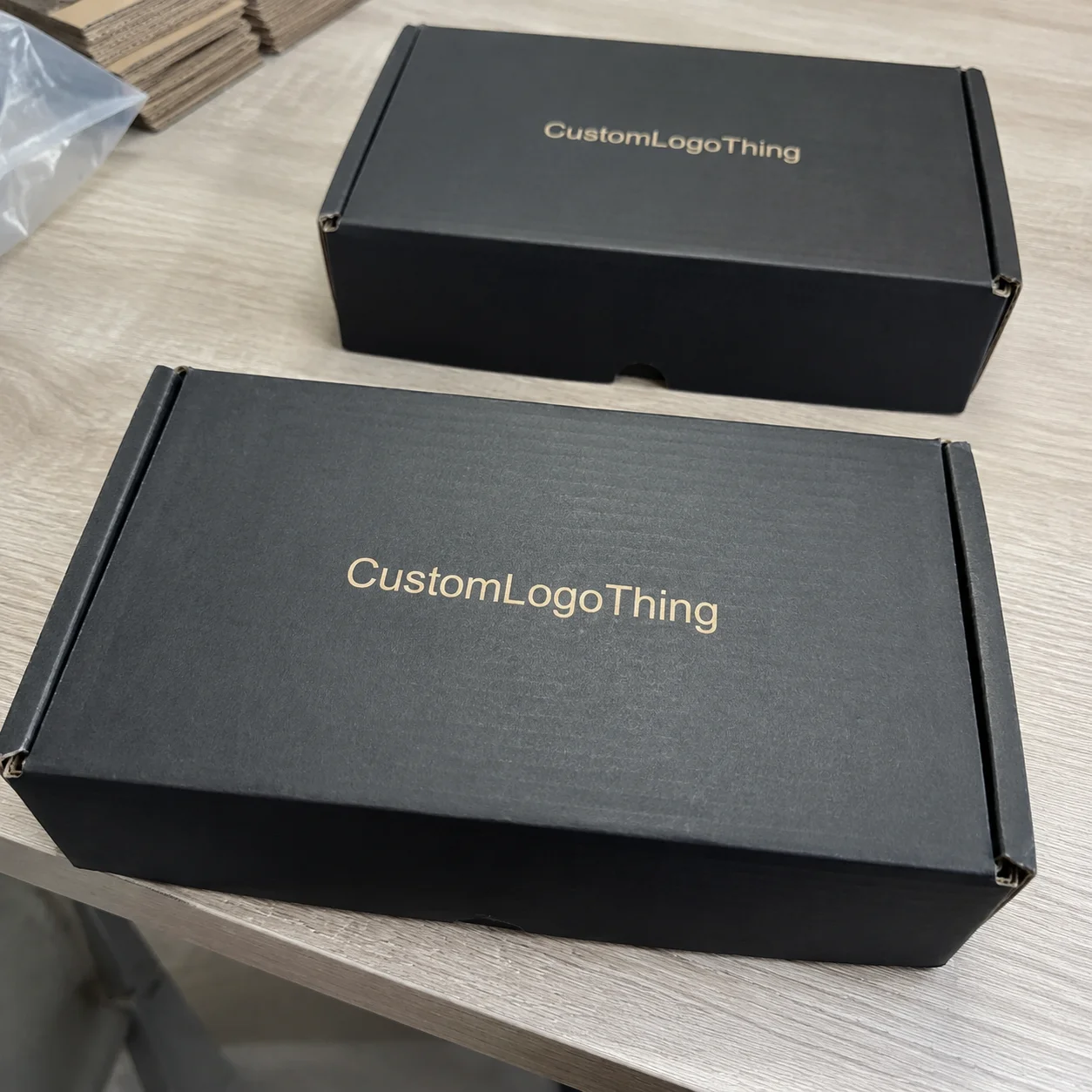
Personalization stays responsible too; we run HP Indigo digital presses in Chicago with vegetable-based inks, leave foil blocking on the table unless clients budget for a recovery stream, and pair our standard one-color wraparound print with modular inserts so we avoid unnecessary lamination. It’s almost therapeutic when a brand finally agrees to ditch a metallic finish—there’s a collective sigh like we escaped a shiny clinger.
Engineering detail matters as much as the sustainability story—during a negotiation in Portland a supplier touted “biodegradable coatings,” so we disassembled the sample, weighed the board, and found the coating doubled the adhesive load, undermining recyclability. I admit there was a moment of frustration (and probably a dramatic eye roll) when the rep insisted it was “eco-friendly,” but we walked away with a better solution anyway.
At the Memphis plant cutting 50,000 units weekly, the line operator trimmed seam depth by 12 percent, which shaved a full ounce per box while keeping flute rigidity high enough to survive carrier drops without adding bulk. That kind of collaborative envy makes me appreciate manufacturing partners more than I appreciate my own morning coffee.
Key Factors in Black Friday Sustainable Mailer Boxes Decisions
Acceptable board weight depends on positioning: a premium skincare brand tolerates a 14-point double-wall for luxury feel, while a high-volume supplements player targets 10-point to keep cost-per-unit low—those shifts translate to 110 versus 84 GSM, and shipping scales react in kind. I’ve seen CFOs blink when I translate those GSM numbers into pallet loads, so yes, I now speak board weight like a second language. Those GSM shifts also determine how many recycled mailers we can slip into the stack without diluting the luxury cues.
Environmental claims carry real weight with investors, so verifying carbon data is non-negotiable; one mid-size apparel client documented a 33 percent drop in transportation emissions by replacing single-use poly with recycled mailers that weigh two grams less and remove the need for void fill. That would’ve been a great headline if marketing hadn’t kept asking for “just one more glossy touch,” but fortunately carbon math won out.
We ran tests comparing tonal spot color printing on 11x14 mailers against UV coatings, finding the former used 0.7 ounces of ink per square foot while the latter demanded nearly twice that, with no measurable boost in consumer excitement, which keeps branding flexible without bloating impact. If you ever need proof that shine doesn’t always sell, I’ll gladly share the data over a weak office coffee.
Audits and third-party verification matter because claims alone provide no protection if a B Corp assessment surfaces inconsistencies three weeks before a holiday drop—this isn’t marketing fluff, it’s resilience planning. I still remember the panic when one audit flagged a missing certificate; we scrambled for five days straight and swore we’d never skip the verification checklist again.
Carrier compliance looms large: USPS’s dimensional weight table penalizes heavy, oversized mailers, so we balance board strength with slim profiles and add reinforcing ribs near the mouth to prevent crushing while keeping girth under 32 inches for Zone 2 pricing. Talking to carriers feels like decoding a secret language, but once you speak it, the savings show up on the next invoice.
How do black friday sustainable mailer boxes reshape holiday fulfillment?
In the planning room I always point out that black friday sustainable mailer boxes shift the conversation from last-minute band-aids to steady throughput; once procurement sees the eco-friendly packaging specs, they stop ordering polymer backups because the math on weight, compression, and customer loyalty finally adds up. That clarity lets every stakeholder stake a claim in the win without letting the sustainability story become a sidebar.
Recycled mailers feed sustainable shipping solutions discussions, because the same data set that proves lower weight for carriers can justify a fuller carbon report, and it keeps marketing from demanding metallic touches that would undo those wins. When compliance can point to numbers instead of promises, holiday rollouts feel like thoughtful experiments rather than improv theater.
Green shipping materials, measured in grams of fiber and square footage of board, let logistics pair mailer runs with seasonal warehousing so we can keep frontline pickers and investor dashboards calm when volumes spike. That kind of planning means the mailers behave like parts of the operating plan instead of ornamental risk.
Step-by-Step Process & Timeline for Black Friday Sustainable Mailer Boxes
Forecasting hinges on confirmed Black Friday order volumes at least 12 weeks ahead, then adding a 15 percent buffer for surges, because every trustworthy manufacturer is already booking deep into promotional season, and most factories quote 12-15 business days from proof approval to production completion. I usually send a follow-up note every Tuesday just to make sure the numbers didn’t magically disappear from someone’s spreadsheet.
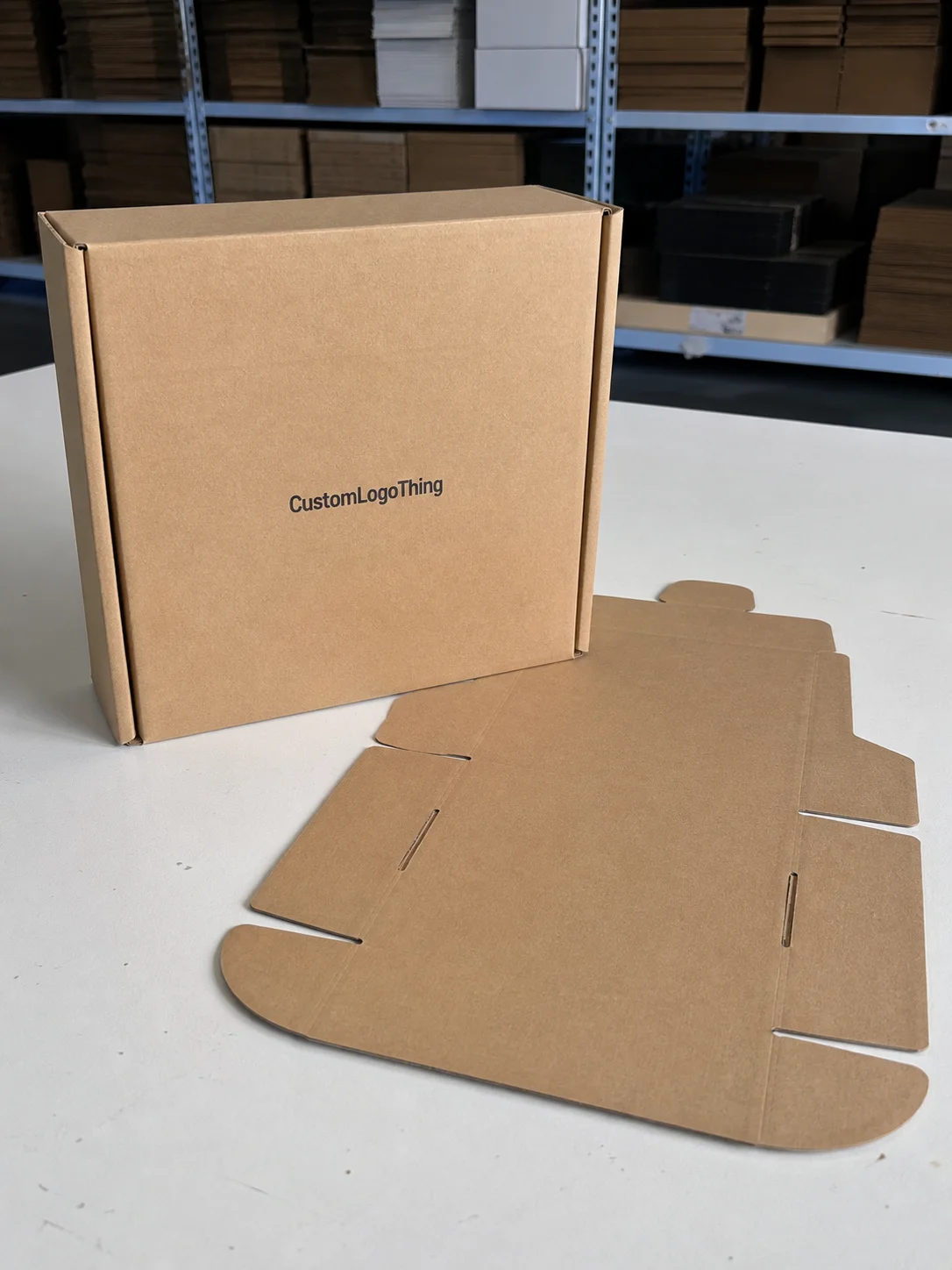
Design kicks in once dielines clear the gate, usually 4 to 6 weeks post-brief, and it involves structural tweaks such as self-locking tabs or fold depth adjustments to align with automated sealing equipment at the fulfillment center. You can bet everything gets rushed if we miss that window, which is when my stress level swings from zero to “please don’t ask me for new dielines today.”
Sampling takes another 2 to 3 weeks—mock-ups go through fit tests on actual SKUs, compression trials mirroring the 100-pound drop forces from our latest ISTA-certified session, and checks on how digital printing registers with the sustainability inks. I once begged for a weekend delivery because the client realized their product kept slipping mid-drop test (classic Friday panic), and yes, the sample still arrived late, but at least we avoided a recall.
Production requires at least 3 weeks, plus another week for freight to coastal hubs such as Los Angeles and Savannah, so locking manufacturing slots before the fifth week of the campaign timeline avoids expedited surcharges that scorch margin. Trying to rush this later is like fast-forwarding a film on the wrong remote—clumsy, confusing, and you end up paying for the same movie twice. Disclaimer: confirm with your supplier before assuming the same window, because capacity varies regionally.
Weekly check-ins surface hidden holdups: when a Ho Chi Minh City supplier hit a binder shortage, our Tuesday call caught it, and because a second certified vendor stood ready we rerouted the order with only a 48-hour slip. That kind of redundancy is why I keep a second set of contacts; it’s like keeping a backup umbrella even when the sky seems clear.
Digital collaboration keeps marketing, procurement, and logistics aligned—live proofs, updated dielines, and timeline dashboards share real-time KPIs instead of forcing teams to dig through fragmented email threads across time zones, and those dashboards remind us to sync carrier pickups before they fill. I swear the dashboard saved me from another midnight panic text from procurement.
Pricing & Cost Considerations for Black Friday Sustainable Mailer Boxes
Black friday sustainable mailer boxes pricing hinges on board grade, print complexity, finishing options, and minimum order quantities, ranging from $0.18 per unit for 5,000 plain kraft pieces to $0.42 per unit for 25,000 units with full-color wraps and spot gloss. I keep a spreadsheet that lists every wrinkle so finance can see where the price jumps happen, and yes, sometimes I color-code them for drama.
Standardizing dimensions across product lines—agreeing on three sizes instead of seven—cuts about $0.05 per unit on die cuts alone, which makes sustainability feel less like a premium upgrade and more like operational discipline. Honestly, it’s the only way to keep the design team from remixing every season’s palette.
Total landed cost offers a sharper lens: one omnichannel retailer saved an additional $0.07 per parcel once storage and returns handling entered the equation, and the more durable mailers also reduced damage rates by 22 percent, easing pressure on fulfillment teams. Strangely, the operations director later told me she felt less like she was playing whack-a-mole with returns once those mailers landed.
Every incremental feature gets tracked: removing a non-recyclable liner saved $0.03 per unit, while a 2-cent adhesive dot kept labeling intact without complicating recycling, so each decision stays tied to hard numbers. I even keep a “feature scoreboard” so the team knows exactly which choice nudged the sustainability needle.
Bulk commitments and standard size charts reduce setup fees, letting teams show finance how each sustainability option moves the needle beyond the unit cost. The numbers don’t lie, and the CFOs I talk to appreciate the honesty.
Factor in expedited shipping for late approvals: a $0.04 per-unit rush charge on 10,000 packages adds $400 if you miss the early lock-in. I once watched a client balk at that number, only to pay double when they came back last minute—consider this your friendly reminder from someone who’s lived through the chaos.
| Option | Board Grade | Print/Finish | MOQ | Estimated Per-Unit Cost |
|---|---|---|---|---|
| Base Recycled Mailer | 10-point kraft (80 GSM) | Single-color digital | 5,000 | $0.18 |
| Premium Recycled Mailer | 14-point double-wall | Full-color wrap; soft-touch | 10,000 | $0.32 |
| Custom Luxe Mailer | 16-point with ribbing | Spot UV, emboss | 25,000 | $0.42 |
Common Mistakes with Black Friday Sustainable Mailer Boxes
Expecting a 14-day turnaround from a vendor already booked with holiday runs often pushes teams back into plastic-based backups and sparks consumer complaints about inconsistent packaging; I’ll admit I’ve made that mistake when the fulfillment lead said “we’ll trust the timeline,” and two weeks later I was frantically hunting for replacements.
Relying solely on digital proofs means you miss how a printed panel reacts when the mailer bends, and the resulting warpage can waste $0.08 per unit plus rework labor. Screens tell part of the story, but nothing beats the tactile test.
Assuming every eco claim is verified puts procurement at risk during sustainability audits, so I always demand third-party certifications and carbon reports before signing contracts. I’m not shy about saying “show me the paperwork,” because that audit room doesn’t need surprises.
Ordering four custom-sized mailers with unique die cuts and separate finishing for peak demand extended delivery by two weeks and still failed to align with automated sealing stations, costing precious throughput. That’s the kind of planning that makes you mutter slogans like “custom is great, but not when it breaks the line.”
Neglecting fulfillment workflows causes bottlenecks; a new mailer that didn’t fit the automated taping machines in the Atlanta warehouse delayed shipments by 24 hours. The warehouse manager still jokes about our “fussy mailer phase,” but I feel the pain every time I mention Atlanta now.
When packaging touches fulfillment, Custom Packaging Products offers standard build specs that already fit common conveyors and sealing equipment. I keep their spec sheet bookmarked because it saves me from debating with automation teams at the last minute.
Expert Tips for Black Friday Sustainable Mailer Boxes
A packaging engineer I consult with insists on testing compression strength with real product loads; last season a 12-point board outperformed a heavier 14-point version because the higher-gloss finish on the latter became brittle after humidity exposure, so efficiency mattered more than sheer thickness. I remember jotting down his notes in the back of a cab while stuck in traffic—talk about dedication.
Supplier partnerships that share shipment data are valuable—transparency on rejection rates, damage costs, and return transit times lets you benchmark how sustainable mailers track against legacy corrugate for the same volume. I keep asking for that data every quarter because the stories it tells help me justify investments.
Introducing pilots with limited runs—perhaps 10 percent of total volume—lets you gauge customer response and handling performance before scaling; our pilots captured a 5-point lift in post-unboxing satisfaction and a 7 percent drop in returns. The pilot program also kept the panic level manageable (I like to avoid full-scale fires in November).
When we stacked sustainable mailer boxes next to traditional corrugate cartons for a footwear brand, the mailers consumed 40 percent less warehouse space, lowering storage costs and allowing more SKUs on the same pallet without sacrificing safety. That was one of those rare wins that feels like a victory lap for the whole team.
An operations director told me to track the “touch count” during packing, because mailers with one-piece fold patterns halve handling time compared to multi-panel boxes that require manual taping. I tacked his advice to my whiteboard because automation loves simplicity.
Consulting across industries taught me sustainability needs an actual metric—ask suppliers for live ISCC traceability updates so you can watch fibers move from mill to mailer. I enjoy the nerdy satisfaction of following those numbers, even when nobody else seems to care (yet).
Action Steps to Secure Black Friday Sustainable Mailer Boxes
Begin with the checklist: audit confirmed order volume, define brand touchpoints, request samples, lock production slots, and align shipping with fulfillment hubs at least six weeks ahead of the promotional window. I keep a laminated version of that checklist in my inbox for emergencies, because deadlines just love to sneak up.
Schedule a sustainability review that brings procurement, marketing, and operations together so everyone agrees on metrics and messaging, preventing future misalignment when marketing wants glossy finishes but logistics needs recyclable coatings. Seriously, that meeting teaches why “looks good” only goes so far.
Evaluate suppliers not just by price but by their carbon reporting—request normalized kg CO₂e per mailer to build resilience and avoid last-minute greenwashing debates during investor calls. I learned that the hard way when a “sustainability expert” presented inflated numbers; now I insist on raw data.
Assess tooling costs and die changes: standardizing across SKUs saves setup, while digital printing on two sides keeps branding strong without doubling finishing fees. I say it’s the difference between “creative chaos” and “strategic wow.”
Build a fallback plan by reserving capacity with two vendors and confirming UPS or FedEx pickup slots in advance; securing freight space before carriers hit peak demand is the best way to dodge rush charges. I once had to juggle four pickups in a week and learned that nothing crushes a timeline faster than a carrier list that’s already full.
Focusing on these steps turns black friday sustainable mailer boxes into a strategic advantage instead of a checkbox, because real planning rewrites your brand’s delivery story for the rest of the year. I genuinely believe that when every department feels included, the whole exercise becomes less of a headache (and more of a bragging point in those quarterly reviews).
For complementary materials, explore Custom Poly Mailers that complement your sustainable mailer box runs, and always finalize planning with realistic numbers so operations stays calm when metrics spike. I keep that link handy whenever someone asks for “just one more thing.”
Thoughtful moves now, treating sustainability claims like engineering specs and iterating on real data, will deliver holiday resilience that customers notice and appreciate. And hey, if all goes well, you might even get a thank-you note from the fulfillment floor (those are rarer than you’d think).
How do black friday sustainable mailer boxes reduce waste compared to plastic alternatives?
They use recycled or rapidly renewable fibers that can be recycled or composted instead of ending up in landfills, lightweight board lowers transportation emissions, and structural design minimizes the need for extra void fill, while manufacturers often offer take-back programs or reuse strategies to keep the materials circulating. I’ve seen the math, and honestly, it’s hard to argue against the efficiency.
Which materials should I look for in black friday sustainable mailer boxes to keep certifications intact?
Prioritize FSC- or SFI-certified kraft with post-consumer recycled content and plant-based adhesives, avoid PVC liners and metallic inks that complicate recycling, request water-based or soy inks instead, and ask suppliers for documentation plus chain-of-custody info to support eco claims. I keep a folder of preferred suppliers who already supply that level of detail, so I’m not starting from scratch each campaign.
When should I order black friday sustainable mailer boxes to hit the timeline without rush charges?
Plan samples 8-10 weeks before Black Friday to allow approvals and revisions, confirm production slots at least 6 weeks prior because manufacturers book up fast, and include transit time to your warehouse so fulfillment teams receive inventory before the promotional window. I warn everyone that waiting until the last minute just means you pay a premium for the privilege of stress.
Can I brand black friday sustainable mailer boxes without increasing costs dramatically?
Limit premium printing to one or two sides, use spot colors or digital printing to avoid expensive embossing, standardize dimensions across SKUs to minimize die changes, and lean into creative designs that feel premium without requiring multiple finishing steps. I once convinced a creative director to embrace minimalism by showing how much money we were saving—spoiler: they loved the numbers and the look.
What certifications or documentation prove a supplier’s black friday sustainable mailer boxes are authentic?
Look for FSC or SFI certificates for raw materials plus verification from third-party auditors, request a Material Safety Data Sheet (MSDS) and carbon footprint report for the specific board grade, and ensure the supplier provides traceability of recycled content to avoid greenwashing. I ask for those documents before we even book an intro call, because I don’t have time for smoke and mirrors.
Wrap these efforts by naming a single metric to defend—maybe grams of fiber saved or emissions avoided—and make sure operations and marketing review it weekly; that shared focus keeps the plan accountable and turns those black friday sustainable mailer boxes into a strategic benchmark.