Book Box Belly Bands Lead Time: What Buyers Should Expect
People tend to assume the smallest part in a packaging project will be the easiest one to move. A belly band looks modest on the table, yet book box Belly Bands Lead time can still run 18-22 business days after final proof approval, with a standard 500 MOQ often pricing around $2.50-4.00 per unit before freight or premium finishes. The part that seems simple on the surface is often the one that exposes weak planning fastest.
From a buyer's point of view, book box belly bands lead time is the stretch from final approval to finished bands in hand. It does not include the time spent comparing vendors, waiting on quotes, or circling the same artwork questions for a week. It is the real production window, and if freight matters to your launch, the shipping window rides along with it. On a normal run, that means 2-3 business days for file and proof checks, 5-7 business days for print and finishing, 1-3 business days for inspection and packing, and the balance for transit.
The schedule usually gets underestimated because a belly band gets treated like a flat, easy print. That misses the full sequence. Artwork prep, proofing, press setup, cutting, scoring, finishing, inspection, packing, and shipping all sit in the same chain. Each one looks minor by itself. Put them together and a small delay becomes a missed dock date before anyone notices the calendar has moved.
A better way to think about the job is to separate quote time, proof time, production time, and transit time. Once those pieces are blended together, book box belly bands lead time turns into a guessing game, and guessing is a bad habit when a launch date is already locked. If the order includes specialty paper, foil, embossing, or lamination, it is safer to plan 25-30 business days instead of assuming a clean 2-week turnaround.
Book Box Belly Bands Lead Time: Why Simple Jobs Still Slip
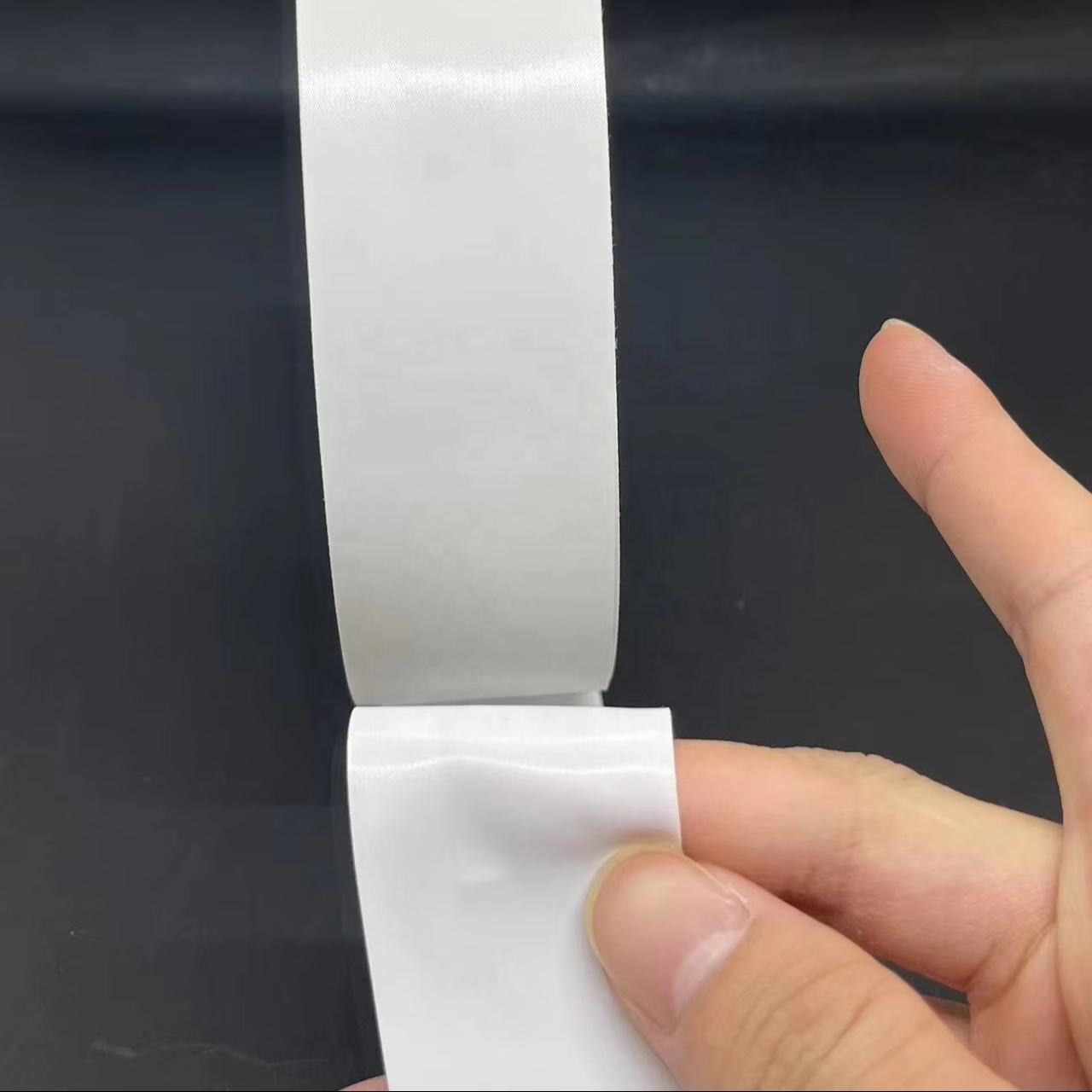
A belly band is only a printed wrap, which makes it tempting to treat the order as straightforward. That assumption causes most of the trouble. Narrow-format printing leaves very little room for error. The band has to sit straight, fold cleanly, and fit the box without bulging at the seam or leaving awkward gaps. Small problems show immediately, and there is nowhere to hide them.
Small pieces still pass through a full production chain. Even a plain-looking band can need prepress checks, ink matching, press setup, scoring, trimming, and packing. Coated SBS board, kraft stock, and laminated wraps all behave differently under pressure and heat, which means material choice changes the pace. A 250-350 gsm SBS sheet will usually print and score faster than a heavy 300-400 gsm kraft cover with soft-touch lamination, and that difference can add 1-2 business days.
Approval habits shape book box belly bands lead time just as much as machine capacity does. One proof left unapproved stalls the whole job. One measurement note that was never confirmed creates a rework loop. One missing barcode or legal line forces a correction, and that correction sends part of the schedule back to the starting line. Buyers often blame the printer, though a fair number of delays begin with slow internal sign-off.
There is also a compliance side to simple jobs. If the project includes recycled content, ask for GRS documentation. If it includes textile tie-ons, ribbon, or cotton sleeves, GOTS and OEKO-TEX Standard 100 become relevant for those components. For factory social audits, WRAP and BSCI are the most common requests. Those certifications do not speed production by themselves, but they can prevent a last-minute sourcing restart if a buyer's compliance team asks for paperwork after the order is already moving.
There is a useful distinction that keeps expectations honest. Quote time is the period spent pricing the work. Proof time covers layout and file confirmation. Production time is the manufacturing window. Transit time is shipping. Only one of those is the actual book box belly bands lead time, yet those four get mixed together constantly, which is how people end up surprised that the pallet is not already waiting on the dock.
If the band size is still changing, the schedule will not stay calm. Paper does not respond to hope. It responds to locked specs, quick approvals, and fewer small changes that somehow create a whole extra week of work.
The orders that run smoothly are usually the plain ones. Final dimensions. Final artwork. One finish. One ship-to address. That combination keeps book box belly bands lead time predictable because it removes the wobble from the system. Boring decisions are underrated. Boring is what gets the job launched on time.
Packing adds another layer that many buyers overlook. A belly band might not take much press time, but it still has to be cut, counted, bundled, labeled, and boxed without damage. Flat shipping by SKU is quick. Mixed packing, kitting, or split cartons add handling steps and stretch the calendar. The print itself may be simple. The logistics rarely are.
How Book Box Belly Bands Are Made and Where Time Goes
Many buyers picture a printer laying down ink and then moving straight to shipping. That version leaves out most of the schedule. Real book box belly bands lead time gets spent in several separate stages, and each stage carries its own risk of delay.
Artwork prep comes first. The dieline gets checked, the band width gets confirmed, and the bleed gets measured. Font outlines matter. Barcode placement matters. Wrapped designs matter even more because the artwork has to meet correctly where the ends overlap or meet near the closure. A band that is off by 1 to 2 mm can look acceptable in a PDF and fail immediately in hand. That is why prepress exists, and why it earns its keep.
A typical sample path is practical and fast. Buyers usually start with a PDF proof, then a printed digital sample or press proof, then a pre-production sample if the order has special stock or finishes. PDF proofing is often completed in 24-48 hours. A printed sample usually takes 3-5 business days if stock is on hand. Pre-production sign-off is the final gate before bulk run, and that step should include size confirmation, artwork placement, and approval of any finish that changes the surface feel.
Proofing and setup follow close behind. Digital jobs need file checks and machine setup. Offset jobs may require plates, color calibration, and run approval. A short digital run can move quickly for quantities under 1,000 pieces. Offset makes more sense on larger quantities because it holds cost down and color consistency up, although the setup takes longer. book box belly bands lead time shifts based on that choice because the machine path changes the shape of the calendar.
The machine line usually includes a digital press or a 4-color offset press, a guillotine cutter, a creasing machine, a die-cutting station if the design has windows or lock tabs, and finishing equipment such as a foil stamping press, lamination unit, or spot UV system. Each extra operation adds setup, cure, or handling time. A one-step black-only band can move much faster than a four-color wrap with foil and soft-touch lamination.
Printing, drying, and finishing take the next block of time. Coated stocks may print beautifully but still need settling time before cutting or lamination. Soft-touch lamination, matte film, foil stamping, embossing, and spot UV all add handling. Some shops can turn those finishes quickly. Others need a longer curing window. Premium finish usually means a longer schedule, even when the artwork itself is uncomplicated.
Cutting, scoring, folding, and inspection come after that. Belly bands are not just paper strips. They need exact width, clean edges, and tight folds so they sit neatly on the book box without buckling. A band that runs loose slips out of place. A band that runs tight wrinkles or bows. Either mistake creates more inspection and more handling, which quietly extends book box belly bands lead time.
Material choice changes the flow as well:
- Coated SBS in 250-350 gsm gives crisp print quality and is a common choice for clean, branded presentation.
- Kraft stock in 200-300 gsm brings a natural look, though coverage and color consistency need tighter control.
- Specialty paper can add 3-7 business days if the mill or converter does not keep it in stock.
- Laminated wraps improve durability, but finishing and cure time often extend the schedule by 1-3 business days.
Inspection checkpoints are where good runs stay good. A solid checklist usually includes prepress file review, first-article approval, color matching against Pantone or a signed master, width and fold checks within +/-1 mm, barcode scan verification, carton count, and random AQL 2.5 sampling before release. The more tightly those checks are defined, the fewer surprises show up in the final carton stack.
Digital printing is often the fastest route for small, simple orders. Offset usually wins on larger repeat runs where unit cost matters more than turn speed. A common MOQ range is 300-1,000 pieces for digital and 1,000-5,000 pieces for offset, with the exact break point depending on the finish and number of colors. That choice affects more than price. It shapes book box belly bands lead time from file prep through packed cartons, which is why a quote should never be read as just a unit number.
There is also a practical packaging issue that shows up later in the line. Bands that are applied by hand need consistency more than dramatic decoration. A clean cut and accurate width save more real labor than another layer of special effects. The person applying the band cares whether it closes cleanly and stays put, not whether the mockup looked luxurious in a deck.
Key Factors That Change Book Box Belly Bands Lead Time
A reliable forecast starts with the variables that actually move the schedule. book box belly bands lead time changes for a few predictable reasons, and quantity is only one of them. Stock availability, print method, finish type, artwork complexity, custom sizing, and the number of SKUs under one purchase order all play a part.
Stock availability is the quiet one that causes the most trouble. Standard white SBS is easy to source. A specific uncoated kraft tone with a certain thickness can be harder. Specialty foil stock can be even more difficult. If the mill or converter is out, the job waits, and that wait can outlast the print run itself. Buyers often discover that after choosing a premium paper from a sample book and assuming the rest of the process will keep pace.
Print complexity matters too. A one-color black band is not the same as a full-bleed, four-color wrap with foil, lamination, and tight registration. More colors mean more setup and closer checks. Spot UV, embossing, and foil stamping each add their own setup and proofing step. A simple single-color run can stay inside 18-22 business days. Once multiple finishes enter the job, 25-30 business days is a safer planning number.
Artwork complexity has a similar effect. Small type, reverse type, dense legal copy, and barcodes all need more careful proofing. If a buyer sends a file without bleed, without outlines, or without the correct dieline version, the project can lose 1-3 business days before production even starts. The fastest schedule is the one that does not need to be rescued.
Order structure matters as well. One SKU with one ship-to point moves faster than five SKUs going to three locations. Mixed carton counts, split packing, and kitting all create additional handling steps. In practical terms, every extra handoff adds risk. If the job is simple, keep it simple through the warehouse too.
Cost, Pricing, and MOQ
Price usually tracks three things: quantity, stock, and finishing. For a plain belly band on standard SBS or kraft stock, a 500 MOQ often lands around $2.50-4.00 per unit before freight. A 1,000-piece run can often drop into the $1.60-2.80 range if the art is simple and the finish is basic. Add foil, lamination, embossing, or specialty stock and the unit price moves up quickly.
MOQ is rarely arbitrary. Digital setups can support 300-1,000 units without making the unit cost unreasonable. Offset becomes more efficient at 1,000-5,000 units because the setup cost gets spread across more pieces. If a printer is quoting lower than that on an offset-style job, check whether they are using digital output, a simplified finish, or a standard stock already in house.
Sample pricing usually sits outside the bulk quote. A PDF proof is often included. A printed sample may cost $25-75 depending on the stock and finish, while a pre-production sample can run higher if plates, foil dies, or a special paper need to be ordered. That small sample fee is cheaper than correcting 5,000 wrong pieces after the bulk run has started.
Freight can change the economics too. Flat-packed bands are light, but carton volume still matters. Air freight can cut transit to 3-7 business days for urgent deliveries, while ocean freight can stretch into several weeks. If the launch date is fixed, build freight into the schedule before approving the art, not after the job is already in the queue.
Plan the Timeline
A clean project plan usually starts with backwards scheduling. If the launch date is locked, count back from delivery, then add production and sample time before you ever choose the final finish. For a straightforward belly band order, 18-22 business days after approval is a practical baseline. For foil, lamination, or special paper, 25-30 business days is safer.
Here is a simple planning rhythm that works: day 1-2 for final file review, day 3-5 for proof approval, day 6-12 for press setup and printing, day 13-16 for cutting and finishing, day 17-19 for inspection and packing, and the remaining days for transit. If the job needs a physical sample, add another 3-5 business days before the bulk run.
It also helps to keep one version of the dieline, one named approver, and one final spec sheet. When multiple people are commenting on the same artwork, response time becomes the hidden bottleneck. The fastest jobs usually belong to teams that can sign off in one pass instead of creating a chain of half-approvals.
Common Mistakes
The biggest mistake is sending artwork before the box size is frozen. If the belly band width changes after proofing, the whole job can shift by several days. Another common problem is forgetting that a wrap design must meet cleanly at the overlap, which means the bleed, seam, and barcode position all need to be checked together.
Another avoidable delay is underestimating finish time. Soft-touch lamination, foil, and embossing are easy to specify in a brief, but they all add setup and handling. Buyers also get caught by paper availability, especially when they pick an uncommon kraft tone or an imported sheet without asking whether it is already stocked.
Compliance paperwork is another place where jobs stall. If the buyer needs GRS for recycled content, WRAP or BSCI for factory audit records, or OEKO-TEX Standard 100 for textile components, that paperwork should be requested before the purchase order is issued. Waiting until the last week to ask for documents turns a simple run into a document chase.
The final mistake is approving too slowly. A proof that sits for two days does more damage than a minor press correction. The schedule only moves when the approval moves. The printer cannot release production while the file is still in somebody's inbox.
How to Shorten Lead Time
The easiest way to shorten book box belly bands lead time is to remove choices. Lock the box size first. Use one stock. Use one finish. Keep the artwork within the printable area and avoid late-stage changes. Those small decisions can save 2-5 business days without touching print quality.
Use a stock that is already in the supplier's warehouse whenever possible. Standard SBS or standard kraft is faster than a custom mill order. If sustainability is important, ask for recycled content with GRS documentation rather than requiring a special paper that has to be sourced from scratch. If textile trim is part of the package, verify GOTS or OEKO-TEX Standard 100 early so the project does not pause later.
Choose the right production method for the quantity. Digital is often best below 1,000 units. Offset tends to be the smarter call above that. If the run is urgent and simple, ask for a one-color or two-color approach before adding foil or embossing. A simpler spec almost always beats a prettier spec when the calendar is tight.
Finally, make approvals easy. Send one contact the final PDF, the final dieline, the final spec sheet, and the final ship-to address. When approvals are centralized, the order moves. When they are scattered, the job waits.
FAQ
What is a normal lead time for book box belly bands?
A standard order usually takes 18-22 business days after final proof approval. Add 3-7 business days if you choose foil, lamination, or specialty stock.
What MOQ should I expect?
Digital runs often start at 300-1,000 units. Offset runs usually make the most sense at 1,000-5,000 units, depending on finish and color count.
How much do they cost?
A plain run at 500 MOQ often lands around $2.50-4.00 per unit before freight. Complex finishes, special stock, and tighter packing push the price higher.
What should I ask for in samples and inspection?
Ask for a PDF proof, then a printed sample or pre-production sample. For inspection, confirm size, color, barcode readability, fold quality, carton count, and finish consistency before release.
Which certifications matter?
For recycled content, ask for GRS. For social compliance, WRAP and BSCI are common. If the project includes textile elements, GOTS and OEKO-TEX Standard 100 can be relevant for those components.