Book Box Shipping Envelopes Lead Time for Smarter Orders
If you have ever watched a straightforward mailing job stall because one proof never came back, you already know why book box shipping envelopes lead time deserves more attention than unit price alone. A clean spec, a signed approval, and the right stock keep an order moving; one missing detail can add days before production even starts. That is why book box shipping envelopes lead time should be planned from the first quote, not after the order is already urgent and the calendar has stopped being flexible.
Why Book Box Shipping Envelopes Lead Time Can Surprise Buyers
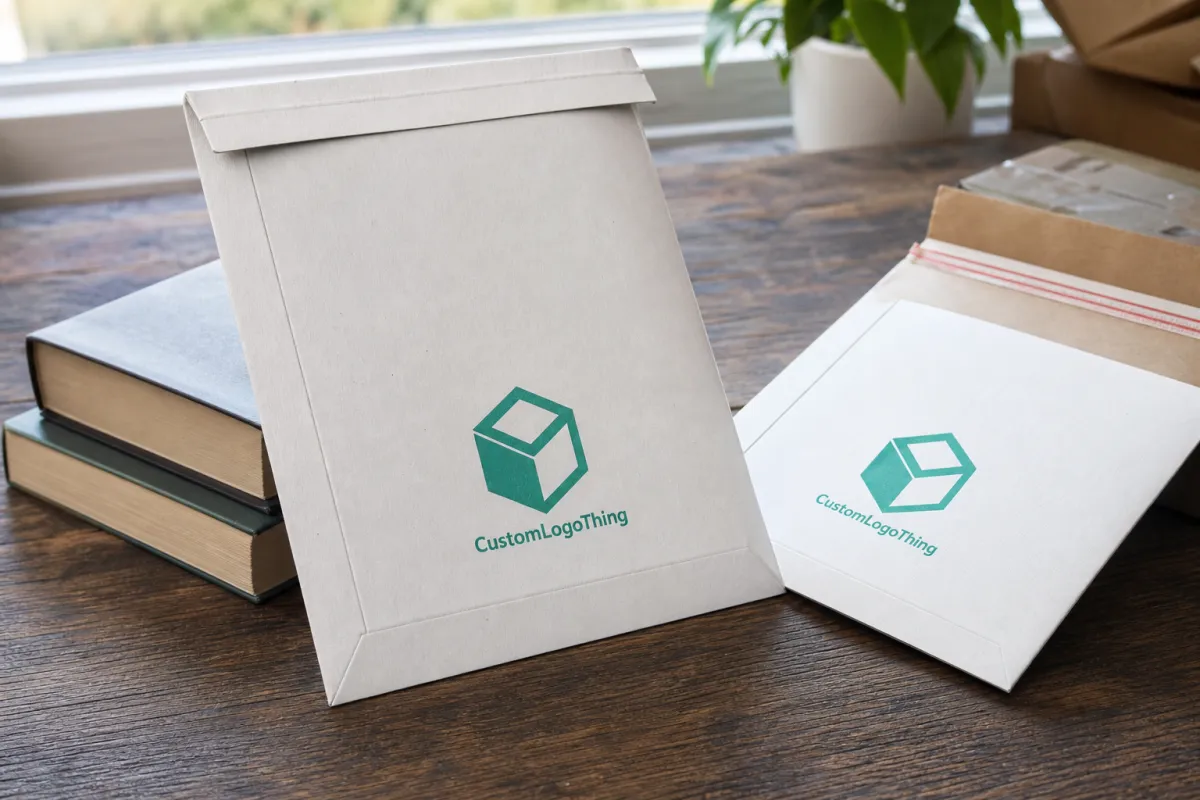
On paper, a book box shipping envelope sounds simple: pick a size, add a logo, seal it, and send it out. In the real workflow, book box shipping envelopes lead time can slip because one small detail was never finalized, such as artwork approval, film availability, or a missing size confirmation. Buyers often assume the schedule starts when the press starts, but the real clock begins much earlier, during quoting and spec review. I have sat through enough proof calls to know that this is the part teams underestimate most when they compare vendors by unit price alone.
A helpful way to think about lead time is to split it into three buckets: approval time, production time, and transit time. Approval time covers the back-and-forth on artwork, dimensions, finishes, and pack counts. Production time covers converting, printing, sealing, inspection, and packing. Transit time covers the shipment from plant to destination. If someone quotes a five-day schedule, ask which of those buckets are included. A lot of confusion around book box shipping envelopes lead time comes from assuming every vendor defines the term the same way.
That matters even more in ecommerce shipping and order fulfillment, where a delayed component can create a downstream bottleneck. A carton or mailer may be only one line item in a larger packout, yet it can hold up the whole launch if the warehouse cannot receive it on time. From a packaging buyer's point of view, book box shipping envelopes look like straightforward transit packaging, but they still involve material sourcing, print setup, and quality checks. Those steps are not dramatic, but they do take time.
Most schedule problems are not caused by machine speed. They come from waiting on decisions, missing files, or stock that is not actually on hand.
That is why the fastest way to miss a deadline is to focus only on the lowest quote. A low price can hide a longer schedule if the supplier needs to special-order stock, wait for a proof, or fit the job into an already crowded production line. If the order is tied to a product launch, a seasonal promotion, or a fulfillment cutoff, book box shipping envelopes lead time becomes a planning problem, not just a purchasing problem.
For buyers who want to compare related packaging options, it can help to review a broader Custom Packaging Products lineup before locking the spec. Sometimes the right solution is still a custom envelope, but sometimes a different format reduces delays and improves package protection without forcing a special run.
How Book Box Shipping Envelopes Lead Time Is Calculated
Book box shipping envelopes lead time is usually calculated from the moment a job is released into production, not from the first phone call. That means the quote stage, proofing stage, and material confirmation stage can all sit outside the promised ship date if the order is not yet approved. A careful supplier will usually break the schedule into quoting, spec review, artwork proofing, material sourcing, production, inspection, and shipment. That breakdown matters because each step has its own queue, and one queue can move more slowly than the others.
The approval cycle is often the hidden long pole. If the dieline is still being adjusted, if the logo needs to move for better print placement, or if the closure detail has not been decided, production cannot really start. I have seen plenty of orders where the converter had the stock ready but could not release the job because the proof was still pending. That is a classic book box shipping envelopes lead time problem: the plant is not slow, the order is simply not ready to run. And yes, sometimes the thing that sounds tiny really does control the whole schedule.
Plant scheduling also matters more than most buyers realize. A converting line might be set up for a heavy gauge board one day and a lighter envelope format the next, and every changeover carries setup time. If your order fits neatly into an existing run, the schedule may move quickly. If it needs a special slit, a custom glue pattern, or a print pass that interrupts the line, the job may wait until a compatible window opens. That is why two nearly identical orders can have very different book box shipping envelopes lead time estimates.
Here is a simple way to picture it. A repeat order with no artwork changes might take about 7-10 business days after final approval, depending on material availability and current load. A first-time custom order often needs 12-20 business days because the proof cycle, size confirmation, and setup work all happen before the first unit is made. These are planning ranges, not promises. If the buyer responds quickly and the stock is standard, the schedule can tighten. If the order needs a special material or unusual pack count, the timeline can stretch. That is normal, not a failure.
For people who want a broader perspective on packaging terminology and category basics, packaging.org is a useful reference. For package testing and transit performance, the guidance from ISTA is especially helpful when you are choosing shipping materials for ecommerce shipping or other fulfillment-heavy programs.
Book Box Shipping Envelopes Lead Time vs Cost, Pricing, and MOQ
There is always a tradeoff between speed and spend, and book box shipping envelopes lead time is no exception. Rush work usually costs more because it disrupts the normal queue, compresses approval windows, and may require premium material sourcing. Standard scheduling is almost always easier on the budget, but only if the buyer can commit early enough for the job to fit the plant's normal workflow. If the delivery date is flexible, you usually have more pricing options. If the delivery date is fixed, the quote narrows fast.
Minimum order quantity, or MOQ, also changes both pricing and timing. Larger quantities often reduce unit cost because the setup expense is spread over more pieces, but they also require more press time, more conversion time, and more packing time. A 2,500-piece run and a 25,000-piece run do not behave the same way in the schedule, even if they share the same artwork. Buyers sometimes expect a bigger order to move faster because the plant wants the volume, but production still has to respect machine capacity. That is why book box shipping envelopes lead time and MOQ should always be discussed together.
Pricing also shifts based on the line items that are easy to overlook. Material gauge, adhesive type, print coverage, die-cut complexity, overprint colors, and final packaging format all play a role. A full-bleed print with a specialty closure will usually cost more than a one-color logo on a standard construction. If you want a tighter quote, provide a clean spec sheet up front. That single move can reduce revisions, cut back-and-forth, and shorten the time before the job is even released. In practice, a sloppy spec often costs more than the actual print change.
Below is a simple comparison buyers can use as a starting point when they are balancing book box shipping envelopes lead time against budget.
| Order Type | Typical Unit Cost | Lead Time Impact | Best Fit |
|---|---|---|---|
| Standard repeat order | $0.18-$0.28 each at 5,000 units | Shortest, assuming stock is ready | Reorders, stable SKUs, steady fulfillment |
| Custom print with special closure | $0.24-$0.42 each at 5,000 units | Moderate, due to setup and approval steps | Branded launches and retail kits |
| Rush order with premium stock | $0.30-$0.55 each at 5,000 units | Shorter schedule, higher production pressure | Short deadlines and seasonal demands |
That table is not a universal price list. It is a practical way to think about how book box shipping envelopes lead time usually behaves when the order gets more complex. If the timeline matters more than the savings, paying extra for speed may be the right call. If the launch date is far enough out, a standard run usually gives better value. From a buyer's point of view, the smartest move is not always the cheapest quote; it is the quote that matches the calendar without creating chaos in order fulfillment.
There is also a format question worth asking. If the envelope is part of a larger ecommerce shipping kit, compare the total transit packaging system instead of looking at a single item in isolation. Sometimes a slightly different structure, such as a mailer with more predictable stock or a box with simpler finishing, gets you closer to the schedule you need. If that is the case, comparing options like Custom Poly Mailers or Custom Shipping Boxes can help you choose a format with a more dependable production window.
Materials and Production Choices That Change the Timeline
Book box shipping envelopes lead time is strongly shaped by the material you choose. Stock availability is the first variable. If the requested gauge, coating, or recycled content is already in the warehouse, production can begin much sooner than if the mill needs to supply a special lot. Resin color, thickness, and material consistency can all affect the schedule, especially when the order needs a matching appearance across multiple runs. FSC-certified material may also require a chain-of-custody check, so if that matters to your brand, bring it up early rather than after the quote is already circulating.
Construction details matter just as much. A self-seal closure is convenient, but it can add a layer of sourcing and setup. A tear strip helps the end user, but it may require a different converting path. Gussets, reinforced seams, custom dimensions, and odd pack counts each create more work than a standard format. None of those choices are bad. They are simply real production variables, and they each affect book box shipping envelopes lead time in a different way. The more unusual the specification, the more important it becomes to review the schedule before promising a ship date to downstream teams.
Print method also has a direct impact. A simple one-color logo usually moves faster than a multi-color print with high coverage, spot colors, or special finishes. Some inks and coatings need drying or curing time. Others need additional inspection to make sure registration, coverage, and adhesion are correct. If a job is destined for package protection in a warehouse or fulfillment center, the print still has to survive handling, not just look good on a sample. That is why book box shipping envelopes lead time often grows when the buyer asks for a more decorative or more durable finish.
Here is the practical part most teams appreciate: custom dimensions are not just a design change, they are a production change. A slight size adjustment can affect die tooling, carton packing, pallet count, and even dimensional weight for shipping. If the format is oversized, freight charges can climb even if the actual weight is low. That is where transit packaging strategy and shipping materials need to be treated as one decision, not two separate ones. A smart spec balances protection, appearance, and handling efficiency.
From a technical standpoint, material testing and packaging performance matter too. If a job is going into a tougher distribution chain, the test methods used by ISTA help you judge whether the package is likely to hold up under real shipping conditions, not just on a desk. That can be valuable when the order is part of a larger launch that needs consistent package protection.
And yes, the artwork itself can still be simple while the timeline stretches. That happens when the line item count is unusual, when the pack configuration is nonstandard, or when the plant must build a custom stack pattern. Simple artwork does not automatically mean simple production. In the real world, book box shipping envelopes lead time is the sum of all the little choices, not just the graphic file.
Step-by-Step: Plan a Faster Order Without Rushing the Run
If you want to shorten book box shipping envelopes lead time without paying for true rush service, start by locking the basics before you request the quote. Final dimensions, material, closure style, print colors, artwork files, quantity, and ship-to location should all be known if possible. The fewer open questions in the first email, the fewer revision loops later. I have seen buyers save several days simply by sending a clean spec sheet instead of a vague request that needed three follow-up calls.
Next, confirm who owns approval. That sounds minor, but it is one of the biggest hidden delays in print buying. If marketing approves copy, operations approves sizing, and procurement approves pricing, a single missing sign-off can freeze the job. Before you release the order, ask for the proof format, the approval owner, and the deadline for response. That small bit of discipline often improves book box shipping envelopes lead time more than any machine-side change the supplier can make.
A good production calendar should show three dates, not one: the date the job is released, the date it enters the schedule, and the estimated ship date. If your vendor only gives you a vague promise, ask for the window in business days. That helps you compare vendors more fairly and prevents confusion between production and freight. For buyers managing order fulfillment at scale, this distinction matters because the warehouse may need to stage inventory, reserve labor, or coordinate receiving space. A pretty sample is nice, but an accurate timeline is what keeps the launch alive.
Build a safety buffer into first-time orders. If the item has not been run before, the proof cycle may uncover a text adjustment, a seam detail, or a sizing issue that nobody caught in the original brief. A buffer of a few extra business days can be enough to absorb that learning curve. Once the job becomes a repeatable spec, book box shipping envelopes lead time usually gets easier to forecast and easier to repeat. Reorders are almost always smoother than first runs if the original file set is organized properly.
One simple habit pays off over and over: keep approved artwork, dielines, and color references in a shared folder. That folder becomes the source of truth for future orders, so nobody has to hunt through old email threads to find the final version. If you work with multiple packaging formats, including envelope-style transit packaging and Custom Packaging Products, that consistency saves time across the board. It also reduces mistakes in print placement and keeps the brand look steady from one shipment to the next.
For companies that combine mailers, boxes, and protective inserts, using the right mix of shipping materials matters. A lighter format may be better for smaller orders, while a box may offer better structure for delicate items. The right choice depends on the product, the handling path, and the required package protection. A little planning here can improve both the schedule and the customer experience.
Common Mistakes That Stretch Book Box Shipping Envelopes Lead Time
The biggest mistake is waiting until the order is urgent before asking for samples, pricing, and proof approval. That habit turns book box shipping envelopes lead time into a crisis instead of a routine planning item. Once the deadline is too close, buyers stop comparing real options and start paying for speed. That usually means fewer material choices, less room to negotiate, and more stress for everyone involved. If the schedule matters, the quote request needs to happen early enough for a normal production cycle to work.
Another common problem is changing the spec after the quote is already issued. A size change may seem small, but it can trigger a new dieline, a new material estimate, and a new production review. The same is true for print coverage and quantity. If you adjust one of those items after the fact, the timeline may need to be recalculated from scratch. That is a normal part of manufacturing, but it can be frustrating if the team assumed the order was already locked. Clear specs protect book box shipping envelopes lead time from avoidable resets.
Buyers also confuse carrier transit time with production time. Those are not the same thing. A parcel that moves across the country in two days still has to be made before it can ship. That seems obvious, yet it is one of the most common misunderstandings in ecommerce shipping. If the envelope is late leaving the plant, fast freight does not solve the real problem. If the product is already in stock and the packout is ready, transit time becomes the easy part. The point is to separate the two when planning.
Holiday peaks, maintenance shutdowns, and material shortages can add time quietly. They do not always show up in the first quote unless someone asks the right question. If the order is tied to a seasonal campaign, ask whether the plant expects a heavy booking period. If the material is tied to one mill or one coating line, ask what happens if stock runs short. Those questions feel simple, but they are often what protect book box shipping envelopes lead time from being stretched by things nobody mentioned on the first call.
Incomplete files cause more delay than most teams expect. A logo saved in the wrong color space, a missing font note, or a vague instruction about placement can create a back-and-forth loop that slows both quoting and release. From a packaging buyer's perspective, it is tempting to think the vendor can fix everything during production. In reality, every missing detail is one more chance for the order to pause. If your team wants tighter schedules, the best fix is cleaner input, not louder follow-up.
There is also the mistaken belief that a simple order should automatically be fast. Sometimes it is, but not always. If the stock is not available, if the closure is unusual, or if the plant is already committed to another run, even a simple format can wait. That is why book box shipping envelopes lead time should be discussed in business days, with assumptions clearly written down. Ambiguity is usually what creates disappointment, not the manufacturing process itself.
Expert Tips and Next Steps for Smoother Reorders
If you order the same format more than once, standardize the size and construction as much as possible. That one decision can make book box shipping envelopes lead time easier to predict because the plant does not have to relearn the spec every time. Repeated jobs move faster when the file set is stable, the dimensions are familiar, and the pack count is consistent. In practice, repeatability is one of the biggest cost-control tools a packaging buyer has.
Keep one approved folder for each SKU or program. Store the dieline, final artwork, color references, closure notes, and proof approval in the same place. That way, when it is time to reorder, nobody has to reconstruct the job from email threads or old screenshots. I know that sounds basic, but the teams that do this well usually have fewer errors and shorter book box shipping envelopes lead time windows because they are not re-litigating the same decisions every cycle.
Forecast usage monthly or quarterly, even if your order volume is uneven. A rough forecast gives you time to place the next order before inventory gets uncomfortable. That matters especially when the envelopes are part of a larger ecommerce shipping program, where a missed replenishment can interrupt packing labor and slow outbound orders. If your product launch or seasonal cycle is predictable, treat the packaging as a replenished component, not an emergency buy.
Ask for a production window, not just a ship quote. A good vendor should be able to tell you whether the timeline includes freight, what the current queue looks like, and whether a repeat order can be inserted into an existing run. The difference between a ship quote and a production window is often the difference between planning and guessing. The more transparent the schedule, the easier it is to protect book box shipping envelopes lead time from last-minute surprises.
It also helps to compare the envelope against other transit packaging formats before you lock in the spec. If the item is light and flat, an envelope may be the right call. If the item needs more structural package protection, a carton may actually be the better fit even if it looks slightly heavier on paper. That is where Custom Shipping Boxes can be the more practical choice, especially when dimensional weight or crush resistance becomes part of the calculation. For smaller, softer goods, Custom Poly Mailers may offer simpler handling and a faster production path.
My advice is simple: lock the spec early, ask better schedule questions, and keep the paperwork clean. If you do those three things, book box shipping envelopes lead time becomes a manageable part of procurement instead of a source of fire drills. The actionable part is straightforward: before you approve the next order, confirm the final spec, the approval owner, the production window, and whether freight is included in the date you were given. That small checklist usually saves more time than any last-minute rush ever will.
What affects book box shipping envelopes lead time the most?
Artwork approval, material availability, and quantity are usually the biggest drivers. Custom sizes, special closures, and high print coverage can add setup time, and fast buyer responses often shorten book box shipping envelopes lead time more than any single plant-side change.
How can I reduce book box shipping envelopes lead time without paying for rush service?
Lock the size, material, and artwork before requesting the quote. Use a standard construction whenever possible, avoid mid-order changes, and place reorder forecasts early so book box shipping envelopes lead time stays inside normal production instead of forcing a premium slot.
Does custom printing increase book box shipping envelopes lead time?
Yes, because print setup, proofing, and approval add steps before production starts. The more colors, coverage, or special finishes involved, the more time the order may need, and clean artwork files help keep book box shipping envelopes lead time under control.
What MOQ should I expect for book box shipping envelopes orders?
MOQ depends on material type, print method, and whether the order is a stock or custom item. Higher MOQ can improve unit cost, but it can also require more planning and storage space, so ask for tiered pricing when you evaluate book box shipping envelopes lead time against total spend.
How early should I request a quote for book box shipping envelopes lead time planning?
As soon as the dimensions, artwork, and quantity are known, even if the launch date is still flexible. Early quoting gives room for proofs, revisions, and material decisions before production is booked, which is the safest way to manage book box shipping envelopes lead time without surprises.
If you plan the spec early, keep the proof cycle tight, and confirm whether freight is included, book box shipping envelopes lead time becomes far easier to predict and much easier to manage. That is the real advantage of disciplined packaging buying: fewer delays, fewer surprises, and a cleaner path from approval to delivery.


