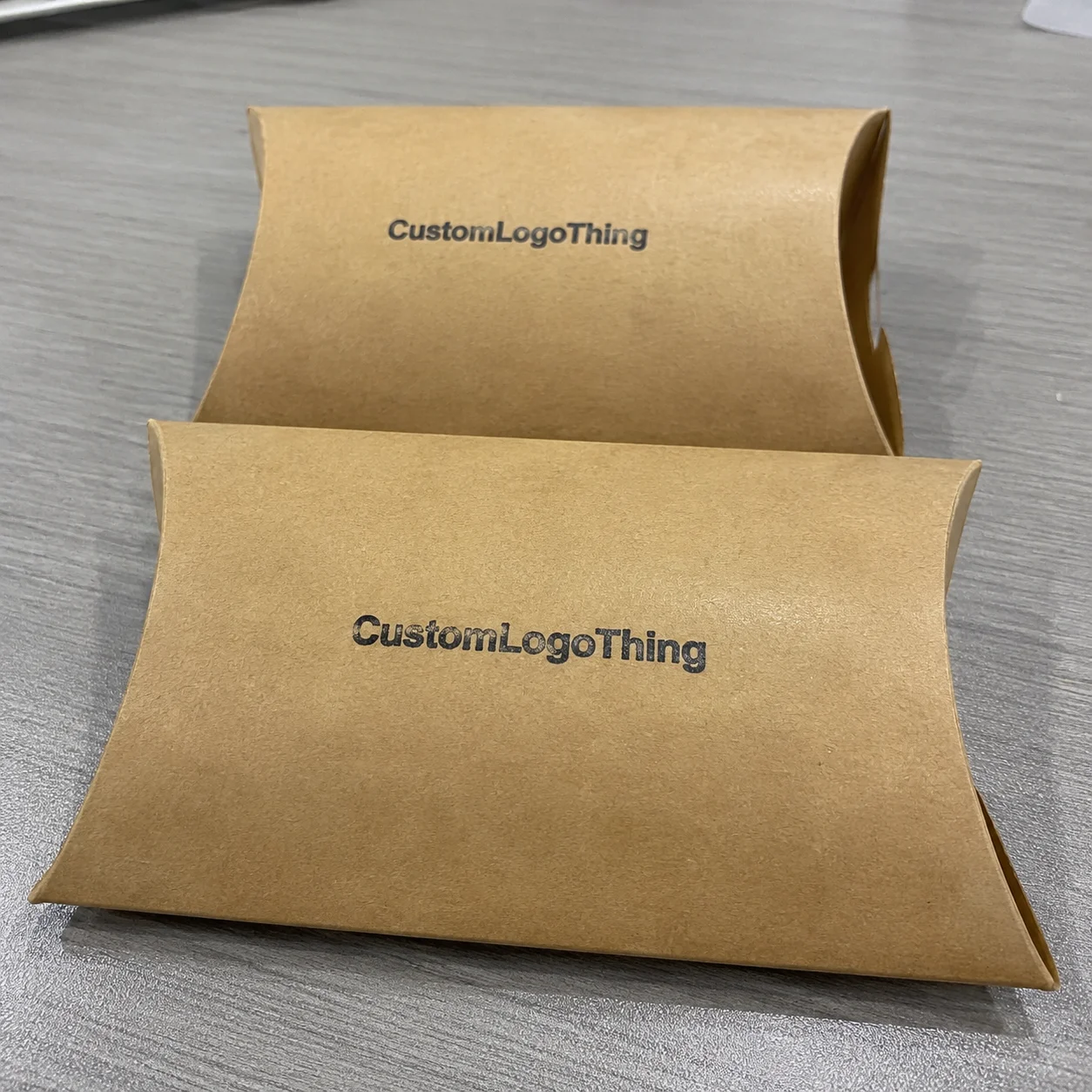
For retail buyers, Brand Hang Tags Bulk b2b sourcing is not a paper-pushing exercise. It is part of the product presentation, and it affects how the item feels before a customer even touches the actual material. A good hang tag supports perceived value. A weak one quietly works against it. That sounds harsh, but retail is full of tiny decisions that do exactly that.
Smart buyers treat hang tags like a controlled packaging component, not a last-minute print add-on. Size, stock, finish, barcode placement, and attachment method all affect shelf appearance, labor time, and repeatability across SKUs. Bulk sourcing matters because it gives you consistent output, better unit pricing, and fewer variations when it is time to reorder.
There is also a practical operations angle. If a brand uses one master spec sheet across multiple product lines, the packaging program becomes easier to manage. The design can stay stable while the variable data changes. That means less rework, cleaner procurement, and fewer surprises when production starts to stack up.
Why bulk hang tags matter when every detail is a selling cue
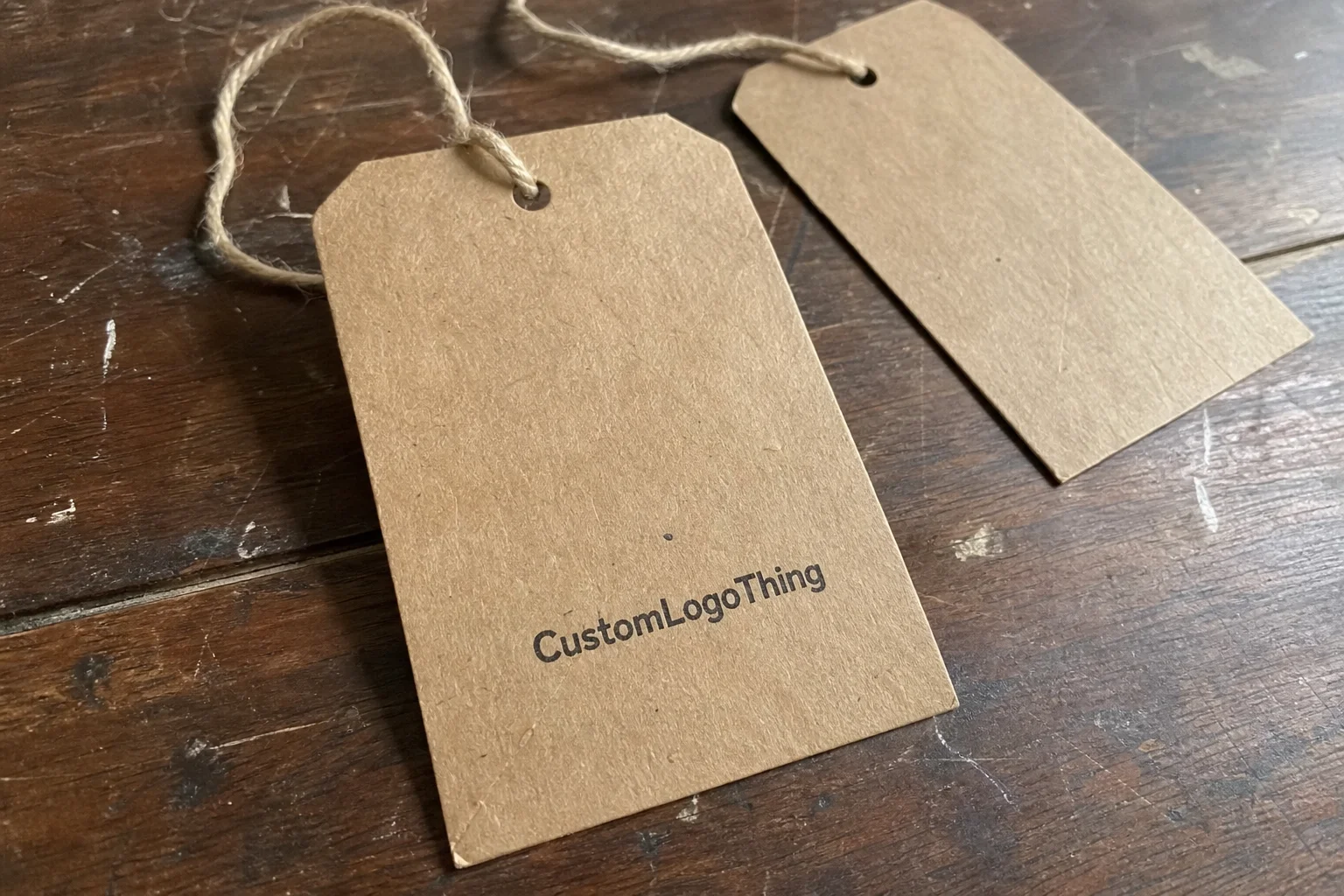
A hang tag is often the first tactile brand touchpoint after the product itself. Shoppers may not study it consciously, but they feel the difference between a flimsy tag and one with proper weight, crisp printing, and a finish that fits the item. In apparel, accessories, home goods, and gift items, that first impression carries real weight.
Bulk ordering helps because it lowers the per-unit cost and keeps the line consistent. Ordering one SKU at a time tends to create small differences in paper shade, coating, hole placement, or trim quality. Those differences may look minor on a screen. In hand, they are not minor at all.
With larger runs, buyers can standardize the look across product families while still changing details such as SKU, UPC, seasonal copy, or care instructions. That mix is usually the sweet spot: one controlled format, variable content where needed.
“The best hang tags do two jobs at once: they sell the product and they stay out of the way operationally.”
That second part gets ignored more often than it should. A tag can look elegant in a mockup and still fail in use if the stock is too soft, the print is too small, or the attachment tears during handling. Bulk sourcing lets a buyer test, approve, and then lock the spec before the full run.
For brands that refresh collections often, repeatability matters as much as design. A strong hang tag program should be easy to reorder, easy to store, and easy to pack. If a tag needs a manual explanation every time it is produced, the spec is probably too loose.
Product details that affect how hang tags look, feel, and hold up
Material choice changes the whole tone of the piece. Coated paper stock gives sharper image reproduction and works well for full-color graphics. Uncoated stock feels more natural and is easier to write on if the retailer needs to add notes or pricing. Kraft paper sends a more earthy, handmade signal. Textured board and specialty papers add a premium cue that customers can feel immediately.
Thickness matters too. In the range of 14pt to 28pt, the difference is easy to notice. Heavier stock resists bending, holds up better on a peg or hanger, and gives foil stamping or embossing more definition. Lighter stock can work for short-run promotional tags, but it does not usually read as premium unless the design is very restrained and the product itself carries the presentation.
Finishing options should match the job, not the fantasy. Matte finishes reduce glare and improve legibility under store lighting. Gloss adds shine and helps color pop, though fingerprints show more readily. Soft-touch lamination gives a smooth, velvety feel that often signals premium, but it adds cost and can show scuffs in the wrong application. Foil stamping, spot UV, embossing, debossing, and edge painting each add personality. None of them are mandatory. Some are just expensive decorations pretending to be strategy.
Attachment details matter as much as print. A drilled hole is standard, but the placement has to work with the string, ribbon, or fastener so the tag hangs properly. Die-cut shapes can make a tag more distinctive, but they add tooling complexity and usually affect MOQ or lead time. For apparel, a clean hang hole with a simple cotton string is often enough. For gift items, ribbon or a branded fastener can lift the presentation without making the whole thing fussy.
Print coverage also deserves attention. Some buyers need full-color front and back printing. Others only need a logo, a barcode, and a clean area for product data. Small text must stay legible, especially if the tag includes care symbols, fiber content, or compliance language. If the barcode sits too close to a fold, texture, or heavy varnish, scan performance can suffer. That is not a theory; it is the kind of issue that shows up in receiving and then eats time.
For general packaging and material literacy, the Packaging School and industry resources can be useful. If sustainability is part of the buying brief, the EPA packaging guidance is also worth a look for waste reduction and material efficiency context.
| Option | Best For | Typical Look | Relative Cost |
|---|---|---|---|
| Uncoated cardstock | Writable tags, natural brands | Soft, matte, tactile | Low |
| Coated art paper | Full-color retail graphics | Sharp, smooth, bright | Low to medium |
| Textured premium board | Luxury or gift products | Distinct, upscale, tactile | Medium to high |
| Specialty stock with foil or embossing | Premium collections | High impact, tactile depth | High |
Specifications buyers should confirm before placing a bulk order
The easiest way to avoid delays is to lock the spec early. Finished size, shape, stock weight, print sides, finish, hole placement, and attachment method should all be confirmed before quote approval. If the tag is folded, the flat size and fold style also need to be defined because they affect layout, trimming, and carton packing.
Artwork checks deserve the same discipline. Resolution, bleed, and safe area matter more than many buyers expect, especially on smaller tags where every millimeter counts. If the design includes a barcode, UPC, or QR code, the supplier should confirm placement, contrast, and minimum size before production starts. Brand color matching may also need a Pantone reference or an approved digital standard depending on the print method.
Retail content is another place where vague instructions create problems. Tags for consumer goods may need fiber content, care instructions, safety language, country of origin, or compliance text. For some categories, the wording is not just brand copy; it is part of the label program. If the brand ships across borders, local retail labeling expectations may affect the layout too.
Physical proofing saves trouble. A digital proof is useful for spelling, layout, and content flow, but it does not tell you much about paper feel, color behavior, or finish performance. A printed proof or sample reveals more. For brand Hang Tags Bulk b2b sourcing, a written spec sheet plus at least one proof review step makes sign-off cleaner and repeat orders easier later.
If the packaging program includes other branded components, it helps to compare the hang tag plan with the broader assortment through Custom Labels & Tags. Buyers managing larger purchasing programs may also use the Wholesale Programs page as a starting point for procurement planning.
Cost, pricing, and MOQ factors that change the quote
Several variables shape price, and most of them are predictable once the brief is clear. Quantity is the biggest one. Higher volume lowers the per-unit cost because setup, press time, and finishing labor get spread across more pieces. A smaller custom run can feel expensive, but the tag itself is not usually the issue. The setup work is.
Minimum order quantity is not arbitrary. It usually reflects the print method, stock availability, die requirements, finishing complexity, and the amount of start-up waste involved in the run. A simple printed tag on standard stock may have a lower MOQ. A custom shape with foil and embossing will usually need a larger run to make the economics work.
For planning purposes, a standard printed hang tag on common stock might fall around $0.12-$0.35 per unit at medium quantities. Premium finishes, unusual sizes, or complex die cutting can push that higher. That is not a quote and should not be treated like one. It is just a realistic bracket so buyers know where the money tends to go.
There are practical ways to reduce spend without making the tag look cheap. Standardize sizes across collections. Keep the same core layout and swap only the variable text area. Limit finish combinations to one or two effects instead of layering every premium treatment into a single piece. When the same base design serves multiple SKUs, brand hang tags Bulk B2B Sourcing becomes much easier to manage and usually more cost-efficient.
Shipping and packing format affect landed cost too. Flat-packed tags in cartons usually reduce handling on the buyer side. If tags must be pre-strung, bundled by SKU, or packed by location, that labor should be included in the quote from the start. International buyers should also ask about carton counts, palletization, and freight class because those details can change the final number more than people expect.
One more thing: pricing should always be compared on the same scope. A quote that excludes strings, proofing, freight, or kitting is not really cheaper. It is just unfinished.
Process and lead time from artwork review to delivery
The normal workflow is pretty simple: inquiry, specification review, quote confirmation, artwork setup, proof approval, production, finishing, quality check, packing, and shipment. The fewer unknowns at the beginning, the smoother the middle tends to be. Most delays come from revisions, missing artwork elements, unclear barcode placement, or last-minute changes to the finish.
Lead time depends on complexity. A basic printed tag with a standard shape and stock can often move in 10-15 business days after proof approval. Add foil, embossing, Custom Die Cutting, or a physical sample, and the schedule usually stretches. That is not a warning sign. That is just what happens when the job includes extra steps.
Digital proofing is fast and useful for checking content, but it does not replace a finished sample in hand. A press-ready proof confirms layout and spelling. A physical sample helps validate feel, size, coating, and overall presentation. If a brand is picky about texture or finish, the sample is worth the time.
Rush orders can happen, but they work best when the spec is already locked and the artwork is final. If the buyer is still debating size, structure, or finish, the schedule will slip. Aligning tag production with product launch, receiving, and any assembly or kitting dates avoids problems later. A hang tag arriving late can stall the packaging line even when everything else is ready.
For buyers who want to connect packaging decisions to commercial outcomes, the Case Studies section can be useful for reviewing the kinds of production and presentation choices that usually hold up in the market.
If tags are being tested for transit durability or shelf handling, suppliers may reference packaging logistics standards and test frameworks discussed by ISTA. That matters most when hang tags are part of a larger packaged product system rather than a standalone print piece.
What makes a reliable B2B hang tag supplier easier to work with
A good supplier makes the buying process clearer, not more complicated. Clear spec communication is the starting point, but it should be matched by consistent proofing and responsive revisions. If the supplier cannot restate your size, finish, and attachment requirements in plain language, the order will probably get messy later.
Production control matters because color drift, trimming issues, and coating inconsistency become more visible as quantities rise. A tightly managed print workflow helps maintain brand consistency across large runs, especially when the same tag design is used across multiple collections or repeat replenishment orders.
Material guidance is another good sign. Buyers often ask for “something premium,” but premium is not one material. The right recommendation balances durability, cost, retail presentation, and the product’s actual use case. A hang tag for a heavy bag should not be built the same way as a delicate accessory tag or a boutique gift item.
Scalability matters too. If the brand needs seasonal collections, multi-SKU programs, or reorder flexibility, the supplier should be able to work from a master spec sheet and keep the base design stable. That makes future brand hang tags bulk b2b sourcing much less stressful because the setup work is already established.
Useful support goes beyond printing. Dieline setup, barcode placement guidance, carton planning, and shipping coordination all save time. A supplier that thinks beyond the press sheet usually understands the full packaging flow, which is a lot more helpful than a pretty quote email.
Next steps for ordering brand hang tags in bulk
Before requesting quotes, prepare a short intake list: quantity, finished size, stock preference, finish, attachment type, artwork files, and required delivery date. If you already know whether you need pre-strung, hole-punched, folded, or flat-packed tags, include that too. The more complete the brief, the easier it is to get a clean, comparable quote.
Ask each supplier to quote the same scope so the comparison is fair. One quote may look lower until you notice it excludes strings, proofing, freight, or kitting. That is a common trap in brand hang tags bulk b2b sourcing, and it wastes time when a buyer has to untangle hidden extras after the fact.
Ask for a proof plan up front, especially if the order includes foil, soft-touch coating, fine typography, or retail barcode placement. Those details deserve review before the press runs. If a physical sample is needed, build that into the schedule instead of treating it like an optional add-on.
Confirm the packing format, carton counts, and any assembly requirements before approval. Receiving and warehousing teams appreciate that information more than most people realize because it makes storage, counting, and distribution easier. When the order arrives in the format the operation expects, everything downstream moves faster.
The strongest programs usually come from getting the spec right early and keeping the design disciplined. That is the real value of brand hang tags bulk b2b sourcing: stable cost, predictable timing, and a cleaner retail presentation that supports the product instead of competing with it.
What should I prepare before requesting brand hang tags bulk B2B sourcing quotes?
Have quantity, finished size, stock preference, print colors, finish, and attachment method ready. Include artwork files, barcode details, and any required retail compliance text. Share the target delivery date so the supplier can confirm lead time accurately.
How does MOQ affect brand hang tags bulk B2B sourcing?
MOQ usually depends on the print method, stock, and finishing complexity. Higher minimums are common for custom shapes or specialty finishes because setup costs need to be spread across the run. Choosing a standard size or simpler finish can sometimes lower the minimum order.
Which materials work best for premium retail hang tags?
Heavier card stock, textured paper, and coated stock are common choices for premium presentation. Soft-touch, foil, embossing, and spot UV can increase perceived value when used appropriately. The best choice depends on product weight, brand style, and how the tag will be attached.
How long does production usually take for bulk hang tags?
Turnaround depends on proof approval, quantity, finishes, and whether a physical sample is needed. Simple orders move faster than custom die-cut or specialty-finish jobs. Final lead time should always be confirmed after artwork review and specification approval.
Can I reorder the same hang tags without starting from scratch?
Yes, repeat orders are typically faster when the original specs and artwork are already approved. Keeping a master spec sheet helps maintain color, size, and finish consistency across reorders. If only variable data changes, the base design can often remain the same.