For a brand Hang Tags Bulk china factory order, the tag is not a minor accessory. It is usually the first physical signal a shopper gets, and that impression can alter how the whole garment is perceived. A well-made tag supports the product story; a flimsy one can make an otherwise strong item feel cheaper than it is.
That is why experienced buyers rarely chase unit price in isolation. They compare paper stock, print method, string assembly, carton packing, and the amount of handwork hidden inside the quote. In repeat production, the real savings come from consistency. A tag spec that can be reproduced without drift is worth more than a bargain price that changes every time the order is repeated.
Brand hang tags bulk China factory sourcing: where cheap quotes break down
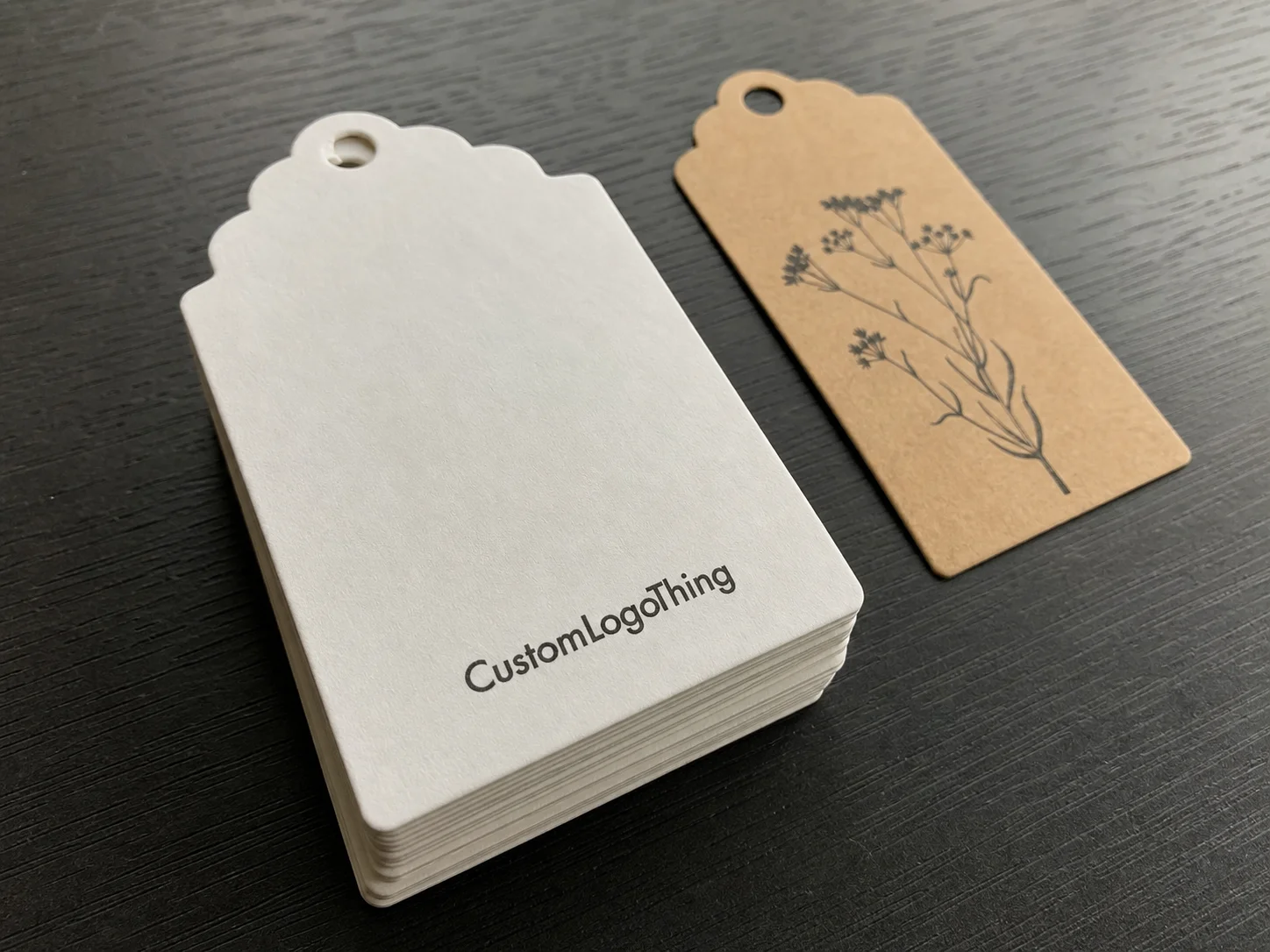
Retail display leaves no room for hesitation. If a hang tag curls at the corners, prints with muddy color, or feels thin in the hand, shoppers often register lower value before they even inspect the product. That reaction is especially strong in apparel, accessories, beauty, and gift packaging, where the printed surface becomes part of the brand language.
This is where many sourcing decisions go off track. A buyer compares two quotes and sees a large price gap, but one may include 350gsm artboard, matte lamination, punched holes, stringing, and labeled carton packing, while the other covers only printing. Once the hidden extras are added, the “cheap” offer stops being cheap. Special shapes, reinforced holes, foil, and manual string attachment can change the final cost more than the paper itself.
China factory sourcing makes sense when the spec is stable and the order repeats. Once the dimensions, artwork, finish, and packing method are fixed, a good factory can keep the run more uniform across multiple production waves. That matters for brands with several SKUs or seasonal replenishment. It reduces visual variation, simplifies approval, and helps the presentation stay clean across different lots.
“The lowest hang tag quote is often the most expensive one after rework, sorting, and replacement costs appear.”
Buyers managing larger assortments should ask a blunt question: will this tag look like the same brand across 10,000 pieces and three batches? If the answer is uncertain, the quote is not ready.
Paper stock, finish, and print details that change perceived value
Paper selection changes the entire read of the tag. Coated stocks sharpen photos and logos. Uncoated stocks feel more natural and can support a pared-back or recycled position. Kraft stock creates a raw, earthy tone that suits denim, streetwear, and many gift categories. Textured papers add tactile interest, while heavier boards give the tag more presence in the hand.
The useful rule is simple: choose the stock that matches the product, not the one that sounds most premium on paper. Soft-touch film on a fashion-forward line can work well. Put the same finish on a rough, earth-toned brand, and the result may look off-brand. The same material can read as elegant in one context and confused in another.
Finish has an outsized effect on perceived value. Matte lamination reduces glare and gives the surface a controlled, modern look. Soft-touch adds a velvety feel, though it can mark more easily if cartons are handled roughly. Spot UV is useful when the artwork needs a focal point without covering the whole tag in gloss. Foil stamping reflects store lighting well, while embossing and debossing add depth when the artwork is not overcrowded. These are not interchangeable choices; each one changes both cost and visual behavior.
Color accuracy deserves specific attention. A factory can usually match brand colors well if the buyer provides a Pantone reference, a previous sample, or a clearly approved proof standard. A slight shift in black, red, or a core brand color can weaken visual consistency across a whole product line. For that reason, many teams retain one approved sample before mass release.
Small construction details matter more than they first appear:
- Die-cut shape should look intentional, not decorative by accident.
- Hole reinforcement helps prevent tearing on heavier tags.
- String attachment needs consistent length and knot placement.
- Trim accuracy affects how neatly the tags stack in cartons.
For buyers comparing hang tags with the broader packaging system, the tag should sit comfortably beside labels, cartons, and insert cards rather than look like a separate project. If you are reviewing related specs, Custom Labels & Tags is a useful reference point, and Case Studies can help show how finish choices shift across different product categories.
Specifications buyers should lock before requesting a quote
A factory cannot quote accurately from “nice hang tag, medium size.” It needs a defined spec. The clearer the brief, the cleaner the price, and the fewer surprises later in the approval cycle. That is not a sales line; it is how print production behaves.
At minimum, a buyer should send the following:
- Size and shape — for example, 54 x 90 mm rectangle, 50 mm round, or a custom die-cut.
- Paper stock — include GSM or pt thickness, such as 350gsm C1S or 2mm greyboard wrap.
- Print sides — single-sided or double-sided, plus any spot color requirements.
- Finish — matte lamination, soft-touch, foil, embossing, debossing, or spot UV.
- Hole size and placement — important for tear resistance and stringing.
- String type — cotton, polyester, elastic cord, or waxed string.
- Quantity split — especially if the same format is shared across SKUs.
Artwork readiness matters more than many buyers expect. If the file still needs dieline setup, text corrections, barcode placement, or logo cleanup, the quote may change because the prepress work changes. A clean AI, PDF, or layered file usually shortens the proof stage. If the layout is rough, expect more back-and-forth and sometimes a setup charge.
Compliance details belong in the brief too. Apparel tags may need barcode placement, care instructions, country of origin, recycled-content claims, or serialized numbering if the brand uses traceability. If an environmental claim is being made, the paper source and certificate scope must support it. FSC is widely recognized, but the claim still has to match the actual material and certification scope, not just the wording on the tag.
From a packaging buyer’s perspective, this is the point where a professional quote starts to separate from a generic one. The more explicit the brief, the less room there is for assumptions, and the fewer revisions will be needed before production can start.
Cost, pricing, and MOQ drivers buyers should compare
Prices vary for concrete reasons. Paper grade is one driver, followed by size, print coverage, finishing, and assembly labor. A basic one-color printed tag can be priced very differently from a foil-stamped, embossed tag with stringing and carton labeling. The labor portion surprises buyers more often than the printing itself.
For rough market reference, simple hang tags often land around $0.03-$0.10 per unit at larger quantities, while more finished versions can move into the $0.12-$0.35 per unit range or higher, depending on setup, material, and handwork. These are not fixed prices. They change with quantity, artwork complexity, packing, and freight terms. Still, they are useful when a quote looks unusually low and the buyer needs a reality check.
MOQ is usually tied to construction. A simple printed tag often has a lower threshold than a custom shape with foil, embossing, inserted cards, or kitting. If the factory needs special dies or extra assembly steps, the minimum can rise quickly. Ask for MOQ by exact specification, not by category. A generic “hang tag MOQ” does not tell you much.
| Tag type | Typical unit price range | MOQ pressure | Best use |
|---|---|---|---|
| Simple printed paper tag | $0.03-$0.10 | Lower | Basic apparel, accessories, volume programs |
| Matte or soft-touch tag | $0.06-$0.18 | Moderate | Mid-market fashion, gift packaging |
| Foil, emboss, or spot UV tag | $0.12-$0.35+ | Higher | Premium retail, beauty, limited editions |
| Kitted or stringed tag sets | Quote-specific | Higher | Multi-SKU programs, retail-ready packing |
When comparing quotes, place every line in the same frame:
- Unit cost
- Plate or die fees
- Sample cost
- Freight terms such as EXW, FOB, or DDP
- Payment schedule
- Packing format and carton count
A quote that appears slightly higher can still win on total landed cost if it reduces rework or includes packing that saves labor at destination. That is especially true for wholesale programs, where admin time often matters as much as factory pricing. If the program repeats, Wholesale Programs should enter the commercial discussion early.
Production steps and lead time from proof to shipment
Most bulk orders follow the same sequence. Inquiry and spec confirmation come first. Artwork is checked next. Then a digital proof is sent, followed by sampling if required. After approval, mass production begins. Finishing, inspection, packing, and shipment close the process.
The timeline depends mostly on how many decisions are still open. A simple tag with standard print and no special finish can move through production more quickly than a tag that needs foil, custom die-cutting, and a newly prepared string bundle. A typical order often runs 10-18 business days after proof approval. Complex orders can take longer. If sample approval is required before mass production, more time has to be added.
Delays usually appear in artwork, not in printing. A missing barcode, a logo file in the wrong format, or a last-minute color change can slow the schedule more than the physical production itself. Buyers who approve proofs quickly and keep revisions limited usually get better calendar control.
International shipping also affects the plan. Air freight can protect launch timing but adds cost. Ocean freight lowers transport cost but needs more lead time and better forecast discipline. For a launch tied to a seasonal retail window, the best shipping method is not always the cheapest one. It is the one that keeps shelf timing intact.
Inspection should be built into the production plan. The factory should confirm quantity, size, finish, color, and packing before dispatch. Good suppliers will send photos or a short report. For higher-value orders, retained samples from the approved batch are worth requesting. They provide a reference if a question about color or finish appears later.
For larger export shipments or retail kits, general packaging and transit testing guidance from groups such as the ISTA can be useful, particularly when the order will be stacked tightly, moved through multiple warehouses, or packed alongside other branded components.
Quality control, packing, and export handling that protect bulk orders
Hang tags look simple until a carton arrives with mixed color, crooked cuts, or tangled stringing. Once that happens, sorting and rework become real costs, and the product may be delayed before it ever reaches production or retail use. That is why QC matters even on paper items.
The most practical checks are straightforward:
- Color consistency across the full run
- Trim accuracy and clean edges
- Hole position and hole diameter
- String length and attachment quality
- Print registration on front and back
- Adhesion or lamination quality where applicable
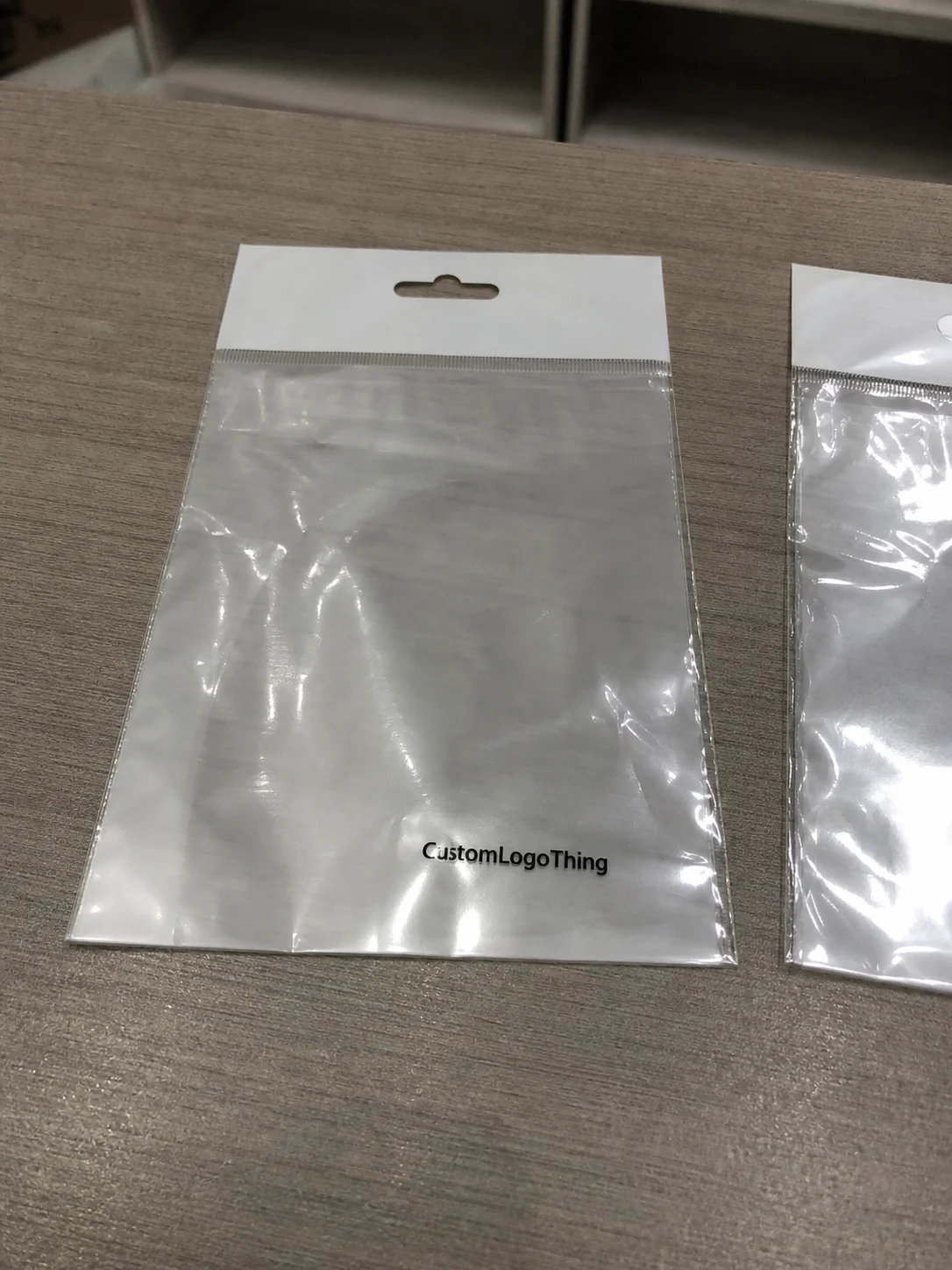
Packing is not a side issue. It affects delivery condition and receiving speed. Bulk cartons are common, but inner bags can protect finished surfaces from dust and abrasion. Clear carton labels reduce warehouse errors. Consistent carton counts help inventory reconciliation. For larger shipments, palletization may be the better choice, especially on sea freight or when the destination warehouse handles mixed freight.
Buyers should ask for inspection photos before final payment. For repeat orders, a pre-shipment report gives a faster read on actual output than a written promise. If the supplier is new, physical samples are worth the extra lead time. One retained sample from the production run can settle later disputes about finish, color, or trimming.
There is also a practical truth that experienced teams learn early: a hang tag program only looks professional if the packing is professional. Mixed stacks, loose stringing, or random carton labeling can weaken an otherwise good print job. The product may be fine. The presentation still suffers.
Next steps to brief a factory and get a cleaner bulk quote
If you want a tighter quote from a Brand Hang Tags Bulk china factory, start with a one-page brief. Keep it practical. Include size, shape, paper stock, finish, print sides, quantity, target price, and delivery window. Attach the file format you have ready now, not the version you hope to finish later. That alone usually cuts quote noise significantly.
It also helps to request a sample pack or a reference sample before placing the order. Paper feel, print clarity, and finish quality are difficult to judge from a screen. A sample does not guarantee the final result, but it shows whether the factory understands the spec. That matters more than polished sales language.
Here is a clean order sequence:
- Send artwork and spec sheet.
- Confirm Incoterms and delivery terms.
- Review the digital proof carefully.
- Approve the sample if one is required.
- Release production only after the proof is correct.
- Request inspection photos before final payment.
That process is basic, but it works. Brands that treat hang tags as part of the packaging system rather than an afterthought usually get better consistency, fewer delays, and more control over total cost. From a sourcing standpoint, that is the real value.
For teams planning a recurring program, the strongest results usually come from a spec that is simple enough to repeat, detailed enough to quote cleanly, and realistic enough to manufacture without last-minute compromises. That balance is what keeps a bulk tag order from turning into avoidable rework.
FAQs
What do I need to quote brand hang tags bulk China factory orders accurately?
Provide size, shape, paper stock, print sides, finish, quantity, and whether stringing or kitting is included. Attach artwork or a rough layout so the factory can confirm dieline needs and catch production issues early.
What MOQ should I expect from a custom hang tag factory in China?
MOQ depends on construction. Simple printed tags are usually lower than tags with foil, embossing, special shapes, or assembly work. Ask for MOQ by exact spec, because finish and labor often change the threshold more than tag size.
How long does bulk production usually take for brand hang tags?
Simple orders can move quickly after proof approval, while complex finishes or custom packing add extra days. The biggest schedule risk is slow artwork approval, so the buyer should confirm the proof promptly and keep revisions limited.
Can I order different tag styles in one bulk run?
Yes, but it usually works best when the base stock or size is shared, because setup changes can increase cost and extend lead time. If artwork varies by SKU, ask the factory to quote each style and confirm whether all versions can ship together.
How do I check quality before paying the final balance?
Request a pre-shipment inspection report, clear photos of finished tags, and carton counts before releasing the balance payment. For new suppliers or high-value orders, ask for a physical sample or retained sample from the production run.